16 Things To Check Before Taking A Dog Into Pennsylvania State Game Lands
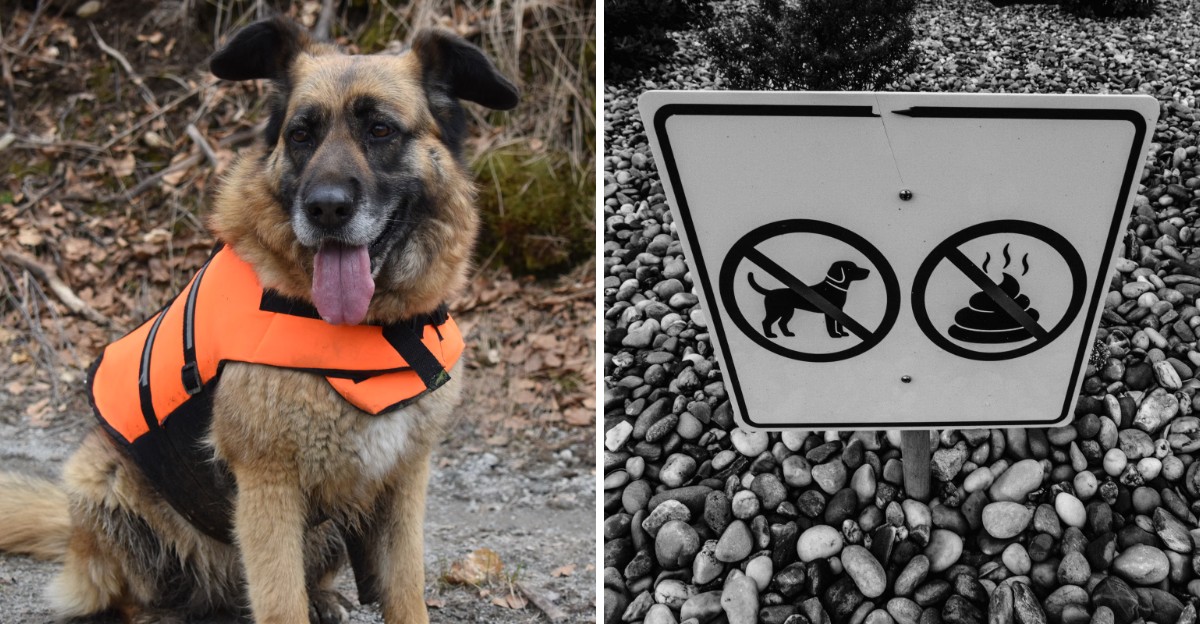
Pennsylvania State Game Lands cover more than 1.5 million acres of woods, fields, and streams. They can be a wonderful place to explore with your dog.
These lands are managed mainly for wildlife, hunting, and trapping, so the rules work a little differently than a city park. A few simple checks before you leave home will keep your pup safe, your visit legal, and your day relaxed.
1. Study the Map for Your Chosen Game Lands
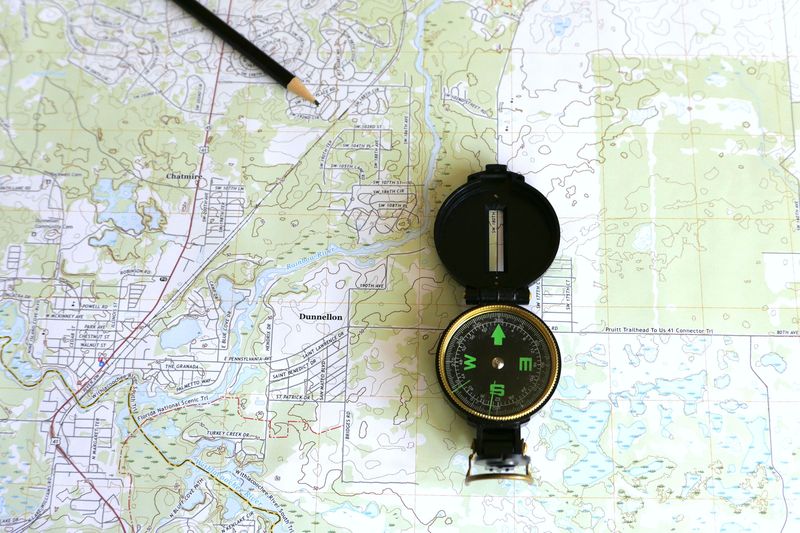
Every tract of State Game Lands has its own shape, boundaries, and quirks. The Pennsylvania Game Commission offers a free online Mapping Center to help you explore each one.
Look up parking lots, trails, boundaries, and any special notices for your area. Some sections have unique access rules posted on site.
Knowing the layout ahead of time means fewer surprises. It also helps you stay on public ground and away from private land nearby.
2. Know Which Hunting and Trapping Seasons Are Open
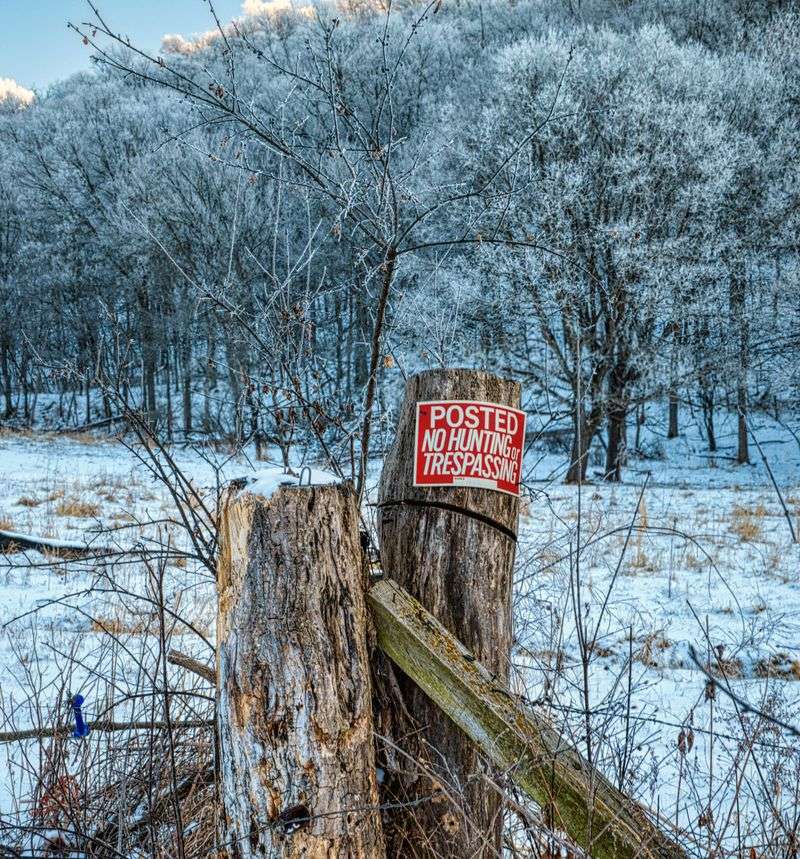
Game Lands exist first for wildlife and hunters, so timing matters a lot. The Board of Game Commissioners sets season dates every year.
You can find deer, bear, small game, and furbearer dates in the annual Hunting and Trapping Digest. It is posted on the Game Commission website.
A quick look tells you how busy the woods might be. Fall and late winter usually bring the most activity, so plan your route accordingly.
3. Confirm Whether Sunday Hunting Applies
Sundays used to be the quiet day in Pennsylvania woods. That has changed a great deal in recent years.
According to the Game Commission, nearly all 2026-27 seasons include Sundays within their dates. Migratory bird seasons, such as waterfowl, doves, and woodcock, still stay closed on Sundays.
So a Sunday stroll may now share the woods with hunters. Check the current digest for your exact date before you assume it will be empty.
4. Pack Enough Fluorescent Orange for Both of You
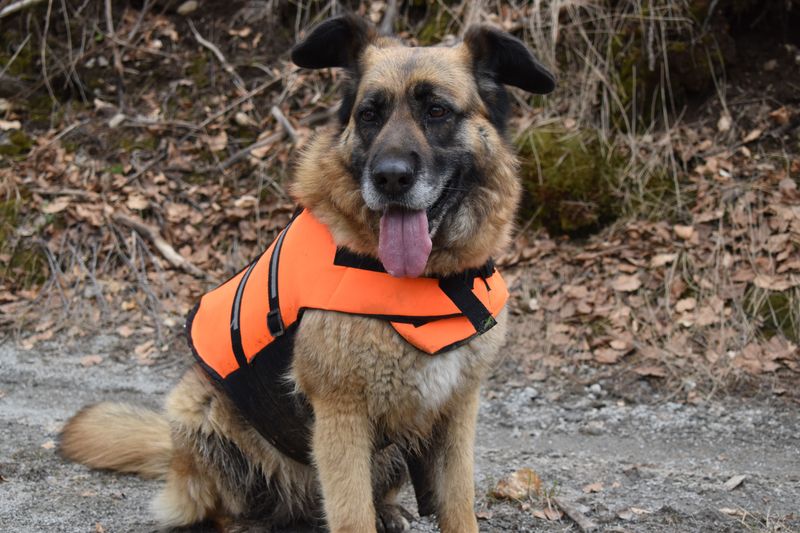
Bright orange might not be your favorite color, but it can be required here. Non-hunters on Game Lands must wear it from October 1 through January 31, and April 20 through May 31.
The rule calls for 250 square inches on the head, chest, and back combined, or an orange hat. It must be visible from all sides.
Your dog deserves orange too. A vest, collar, leash, or bandana helps others spot your pup quickly.
5. Review Leash and Control Expectations
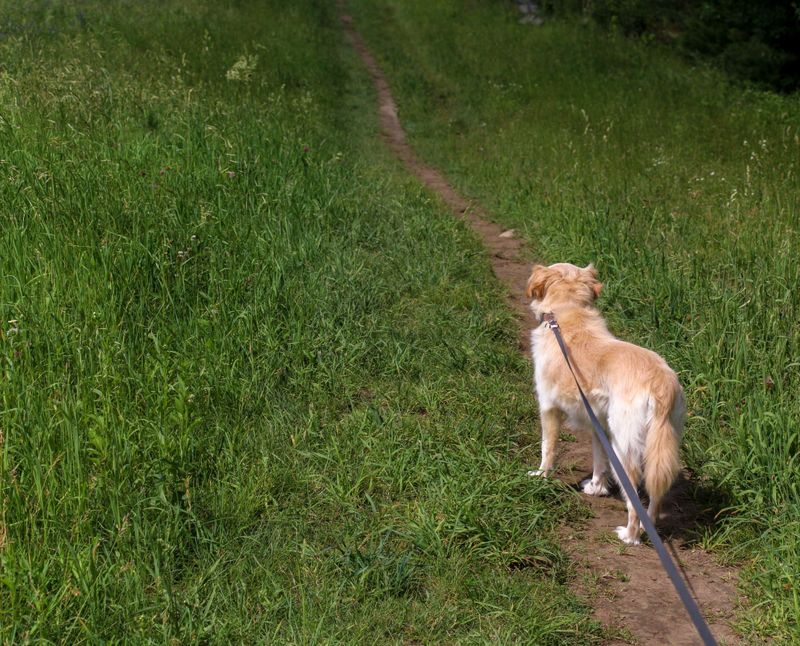
A well-behaved dog is still a curious dog. Deer scent or a rustling grouse can pull attention away fast.
Game Commission rules for dog training require dogs to be with, and under the control of, their handler. Local leash rules for casual walks can vary by tract, so read the postings.
Keeping a leash on is the simplest choice. It protects wildlife, keeps your dog close, and makes every encounter with others easier.
6. Watch for Wildlife and Habitat Closures
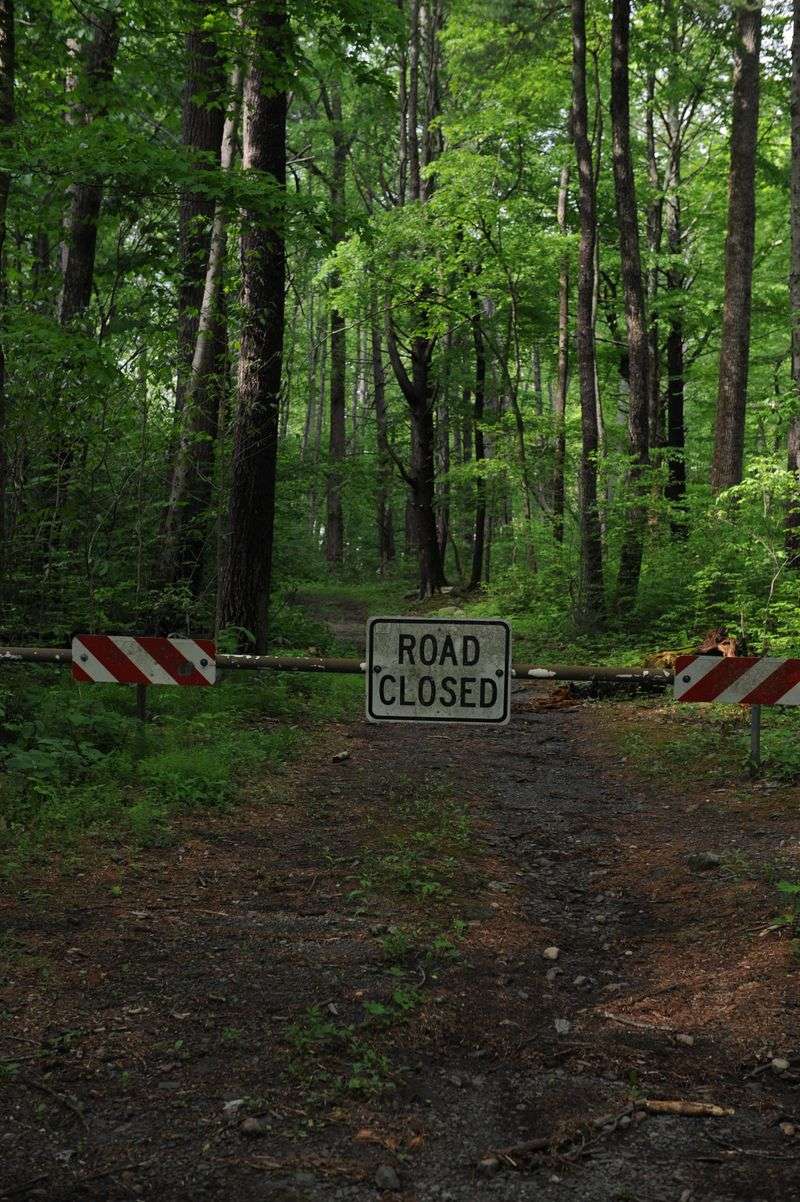
Sometimes a trail you loved last spring is off limits this year. That is usually about protecting the land.
The Game Commission Director can close all or part of a Game Land to recreation. This happens if an activity harms plants, animals, or conflicts with lawful hunting or trapping.
Closures may be seasonal or year-round, and ignoring them is unlawful. Check posted signs and online notices, then pick another path with a smile.
7. Respect Propagation and Restricted Entry Areas
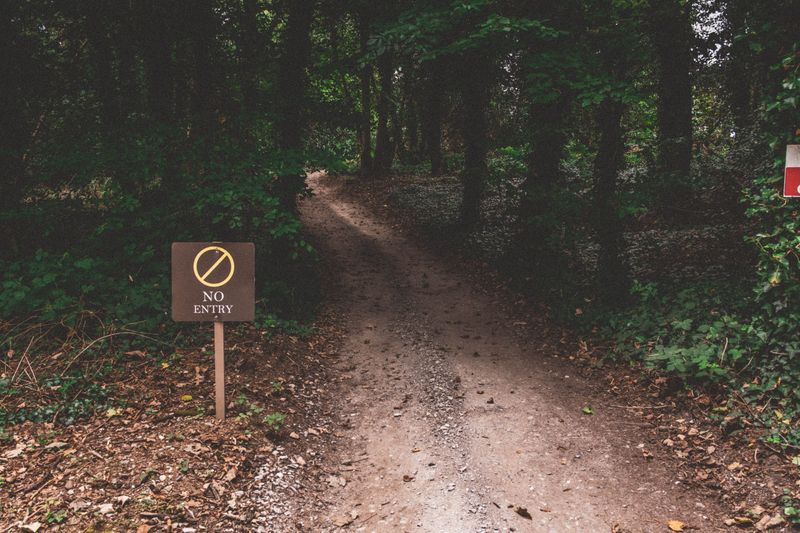
Picture a quiet wetland where young birds are growing up. Some areas are set aside so wildlife can raise families undisturbed.
The Game Commission has authority to close sections for habitat protection and wildlife management. These spots are usually marked with signs at their edges.
When a sign says no entry, turn around, even if the trail looks inviting. Your dog will find plenty of other good smells nearby.
8. Know the Woodcock Habitat Dog Rule
Here is a fun fact: the American woodcock has eyes set so far back it can see behind itself. It also nests on the ground in spring.
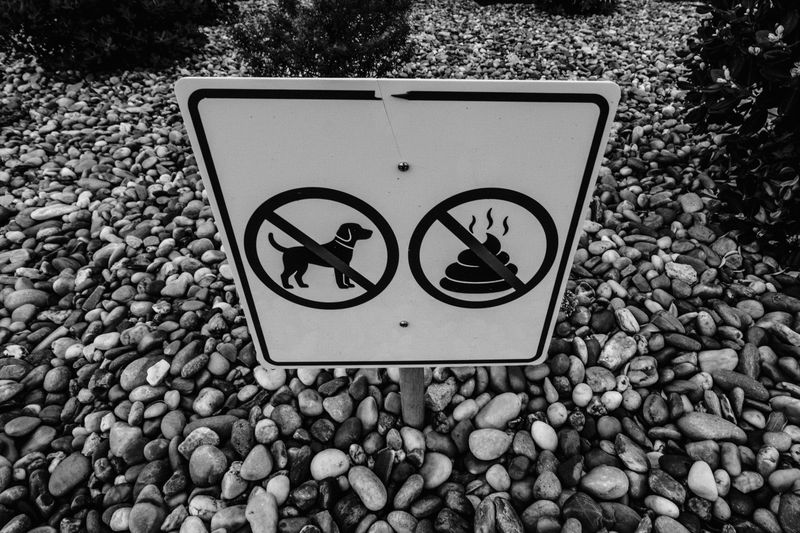
That is why dogs are prohibited, for any reason, in designated woodcock habitat management areas from April 1 to July 15.
These areas are usually posted. If you see woodcock habitat signs in spring or early summer, choose another spot for your walk.
9. Brush Up on Dog Training Rules
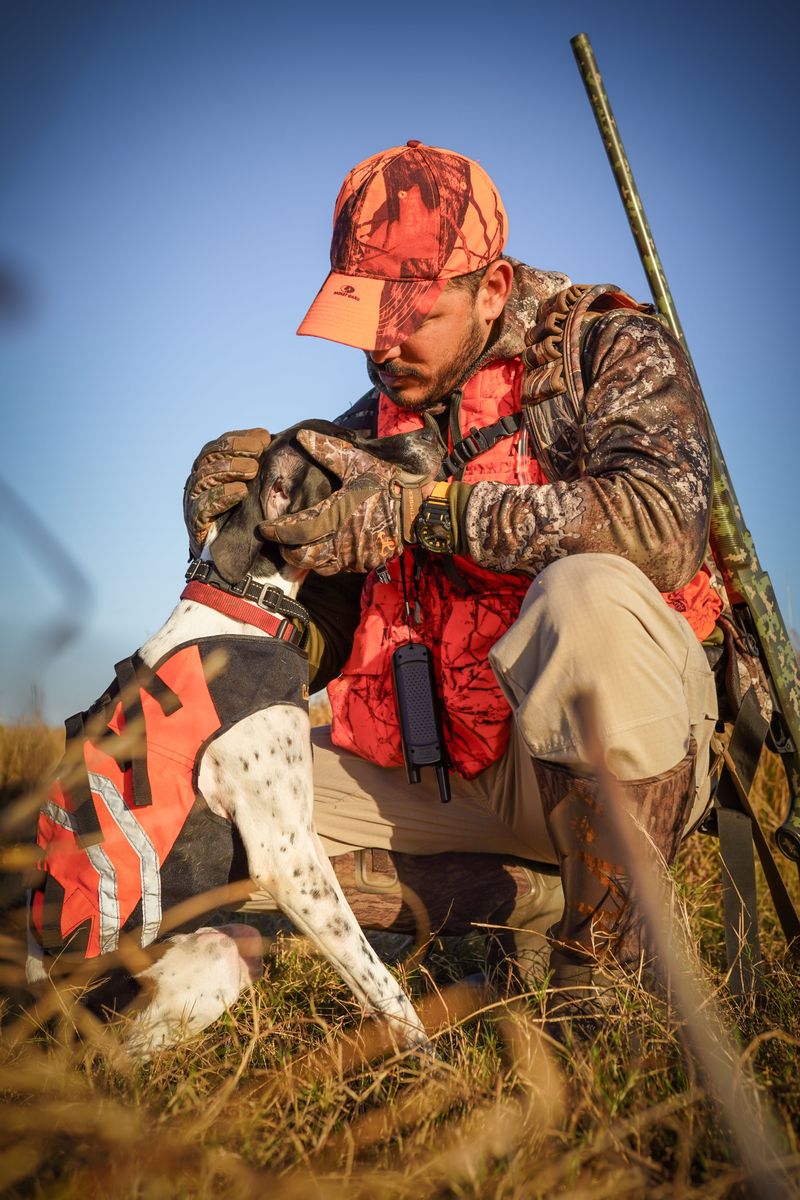
Bird dog owners often treat Game Lands as a giant classroom. The good news is that no hunting or furtaker license is needed to train.
Still, your dog must stay under your control and cannot injure wildlife. Avoid wetlands and other spots where birds may be nesting.
Special dog training areas also exist with their own rules. Some may require written permission, so read the regulations before your first session.
10. Mark the Pheasant Season Training Pause
October brings a short break for trainers. It surprises some owners every year.
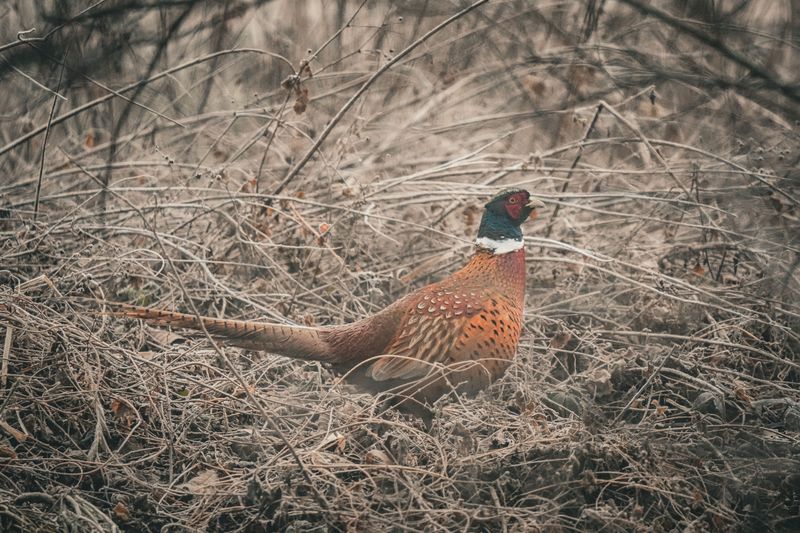
Dog training on Game Lands closes from the Monday before the youth pheasant season until opening day of the statewide season. For 2025-26, the junior hunt ran October 11 to 18, with the statewide opener October 18.
Dates shift each year, so check the current digest. A few days off can be a nice rest for eager pups.
11. Locate Nearby Public Shooting Ranges
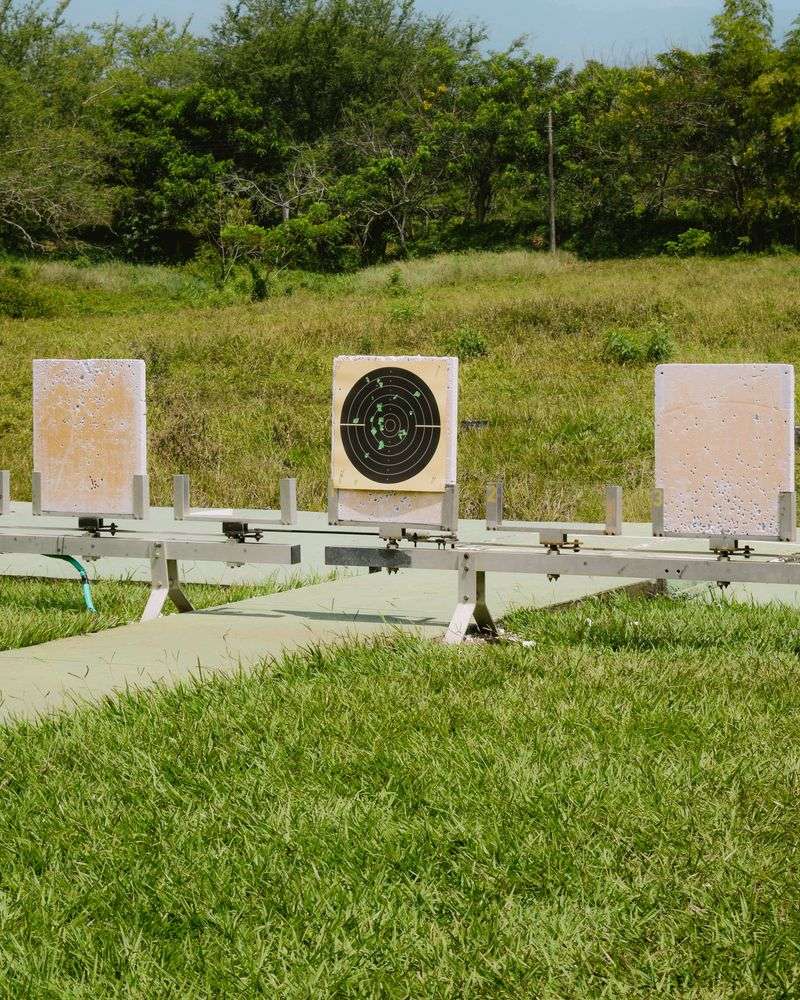
Sudden loud pops can rattle even calm dogs. Knowing where shooting ranges sit helps you plan a quieter route.
The Game Commission runs public ranges on many Game Lands. They typically operate from 8 a.m. to sunset Monday through Saturday, and noon to sunset on Sundays.
Check range locations on the Game Commission website before you go. Choosing a trail farther away can make the day much more pleasant for noise-shy pups.
12. Stay Alert During Trapping Season
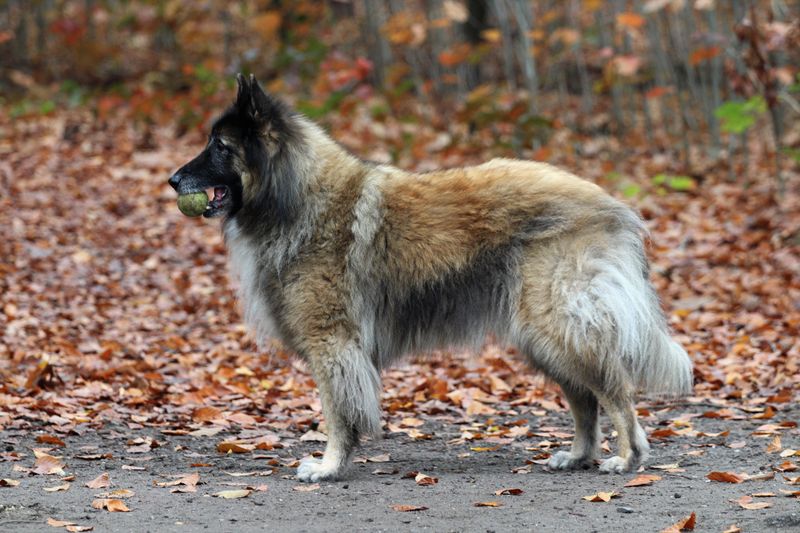
Winter walks can be peaceful, but traps may be set nearby. Seasons vary by species and Wildlife Management Unit.
For 2025-26, coyote, fox, raccoon, and similar seasons ran October 25 to February 22. Mink and muskrat ran November 22 to January 11, and beaver often runs into March.
Keep your dog leashed and on established trails. Steer clear of bait, carcasses, and creek edges where sets are common.
13. Check Road and Gate Status First
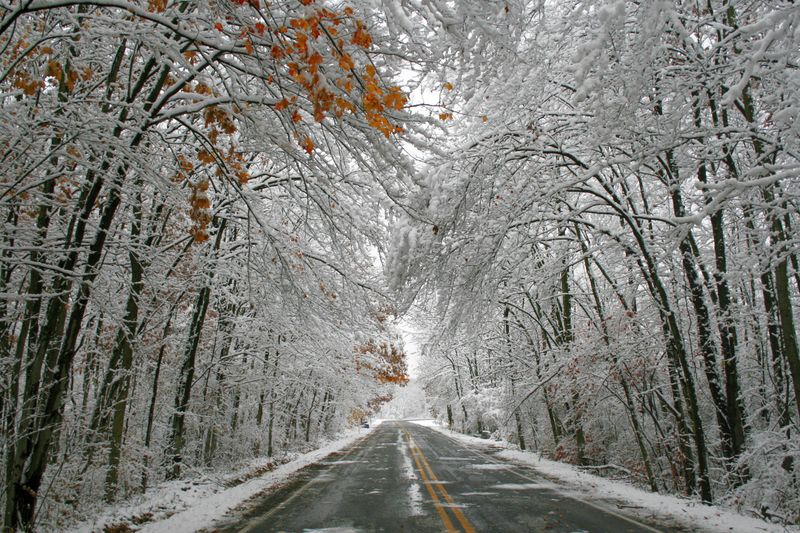
Nothing slows a morning like a locked gate at the end of a long drive. It happens more often than you might think.
More than 400 miles of Game Lands roads open only seasonally. Openings depend on hunting seasons, road conditions, and safety.
The Game Commission Mapping Center shows road information for specific tracts. A two-minute check helps you pick a trailhead you can actually reach.
14. Make Sure the Dog License Is Current
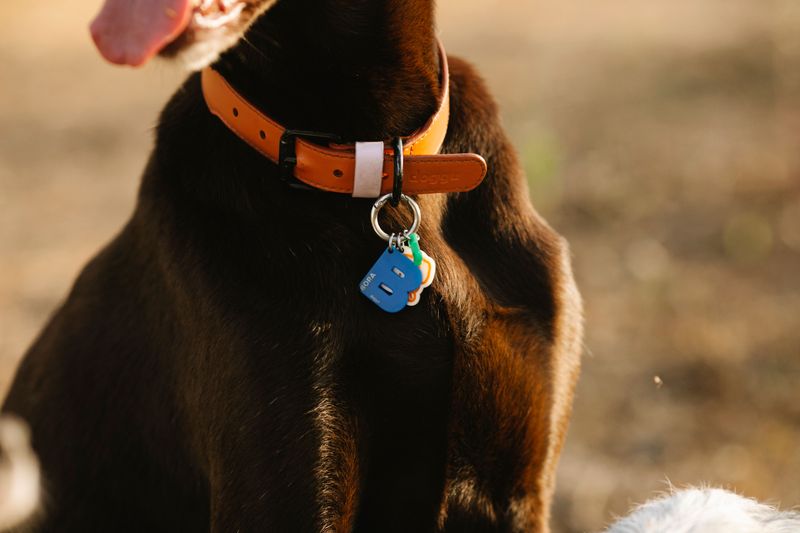
A small tag on the collar says a lot. In Pennsylvania, dogs three months and older must be licensed.
Dog wardens do compliance checks around the state, and unlicensed dogs can bring fines. The rule applies on Game Lands too.
Licenses are sold through county treasurers and online. A current tag also helps someone return your dog quickly if you become separated on the trail.
15. Keep Rabies Vaccination Up to Date
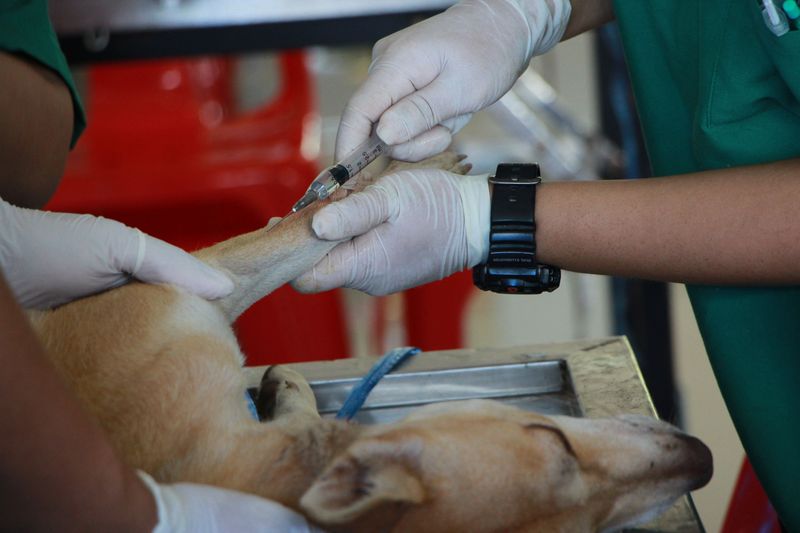
Wild raccoons, foxes, and skunks live throughout Game Lands. That is one reason rabies protection matters so much.
Pennsylvania requires dogs over three months to be vaccinated. The first shot comes by about 16 weeks, with a booster 12 to 14 months later.
After that, boosters follow the vaccine maker’s schedule, often every one or three years. Ask your veterinarian to confirm your dog’s due date before your trip.
16. Do a Tick Check Before and After
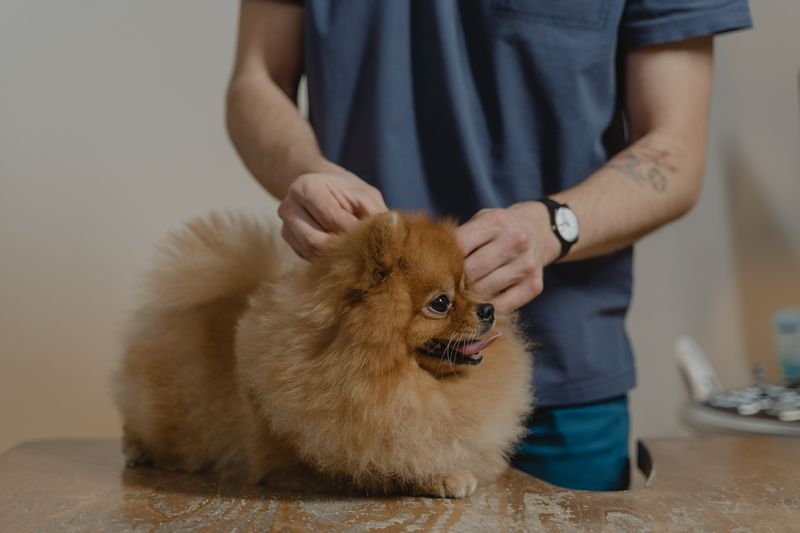
Ticks love tall grass and brushy edges, and Pennsylvania has plenty of both. They are active in many months, not just summer.
Before you leave, make sure your dog’s tick prevention is current. Your veterinarian can suggest a good option.
Afterward, run your hands over ears, armpits, toes, and belly. Removing ticks early lowers the chance of tick-borne illness, so make it a relaxing routine.
17. Plan for Weather, Water, and Trail Conditions
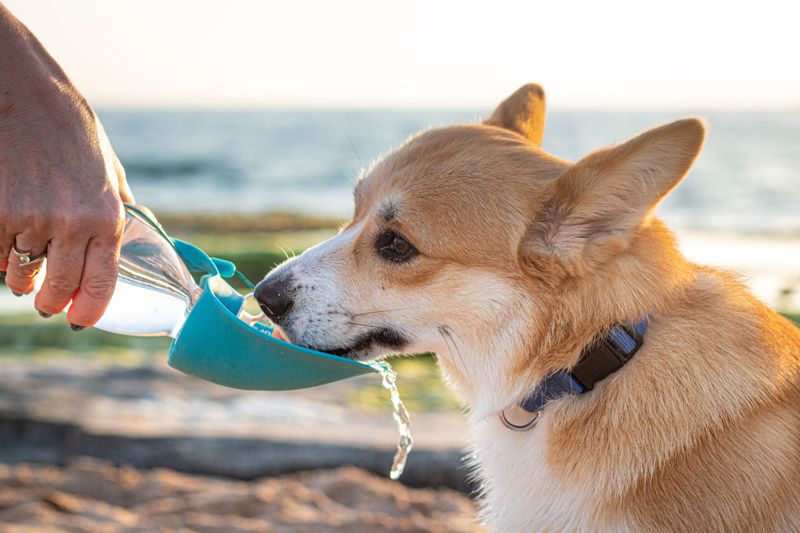
Sunshine feels great for people, but dogs heat up fast. Humidity makes it even harder for them to cool down.
Check the forecast, and plan shorter walks on hot days. Many Game Lands have no drinking water, so bring plenty for both of you.
Look into trail conditions too. Mud, ice, or high creeks can change your plans, and a collapsible bowl weighs almost nothing.
18. Read the Signs at the Entrance
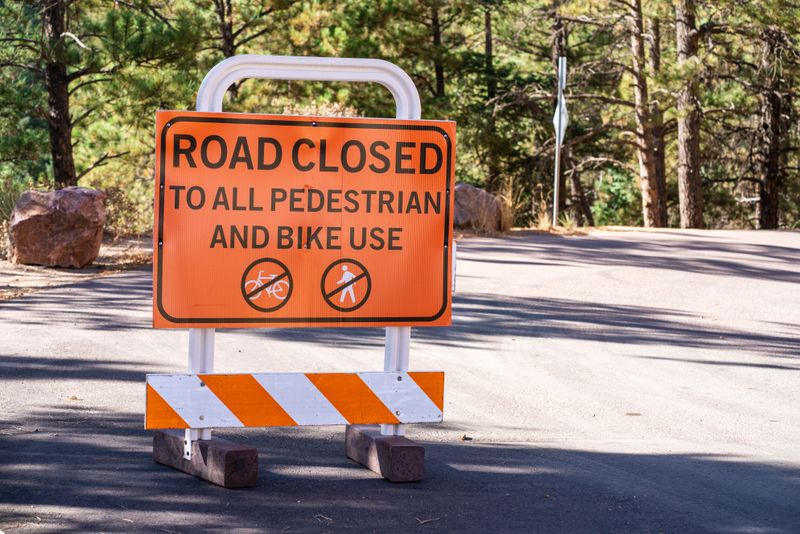
Last step, and maybe the easiest: stop and read at the parking lot. Posted signs often hold the newest information.
The Game Commission uses them to share temporary closures, new rules, and safety notices. They may be more current than what you found online.
Take a quick photo with your phone for reference. Then enjoy the trail, knowing you have covered every base.
Prepared owners make happy dogs and great days outside.