Michigan Cottage Season Can Confuse A New Dog Unless The House Rules Travel Too

Up north weekends are wonderful, but they can quietly undo weeks of training. A new dog reads your habits, not your calendar.
When the couch rules change at the lake, or dinner comes late, or the leash disappears, your dog assumes the standards moved for good. The fix is simple and kind: pack your house rules along with the towels and the dog bowls.
Here are twenty spots where cottage season tends to trip up new dogs, plus steady ways to keep everyone comfortable.
1. Couch Privileges That Only Exist At The Lake
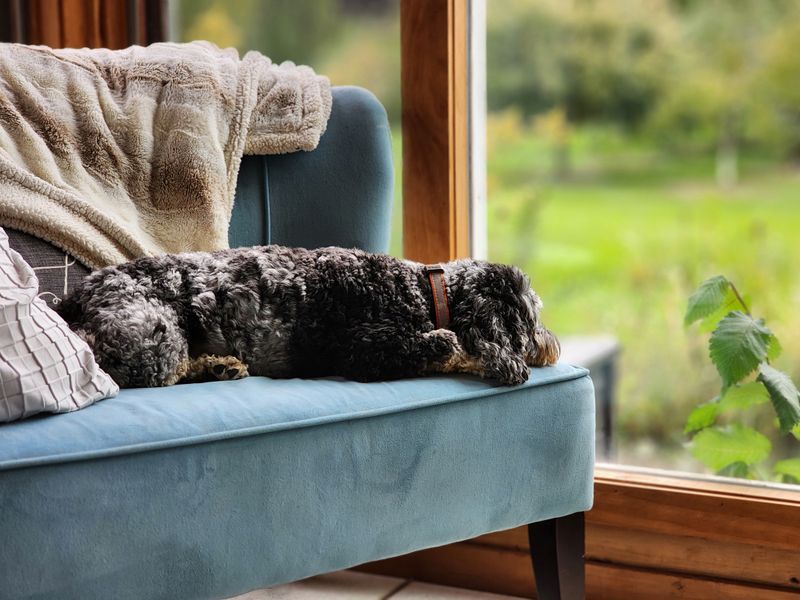
Sofas at the cottage feel like fair game, especially after a long swim. Your dog does not see two houses.
He sees one rule that suddenly changed.
Dogs learn best when cues, rewards, and outcomes stay the same everywhere. Allowing furniture up north, then scolding at home, slows progress and creates confusion.
Pick one standard before you pack. If the answer is no, bring a familiar mat or bed and reward him for settling there.
2. A Sleeping Spot That Moves Every Night
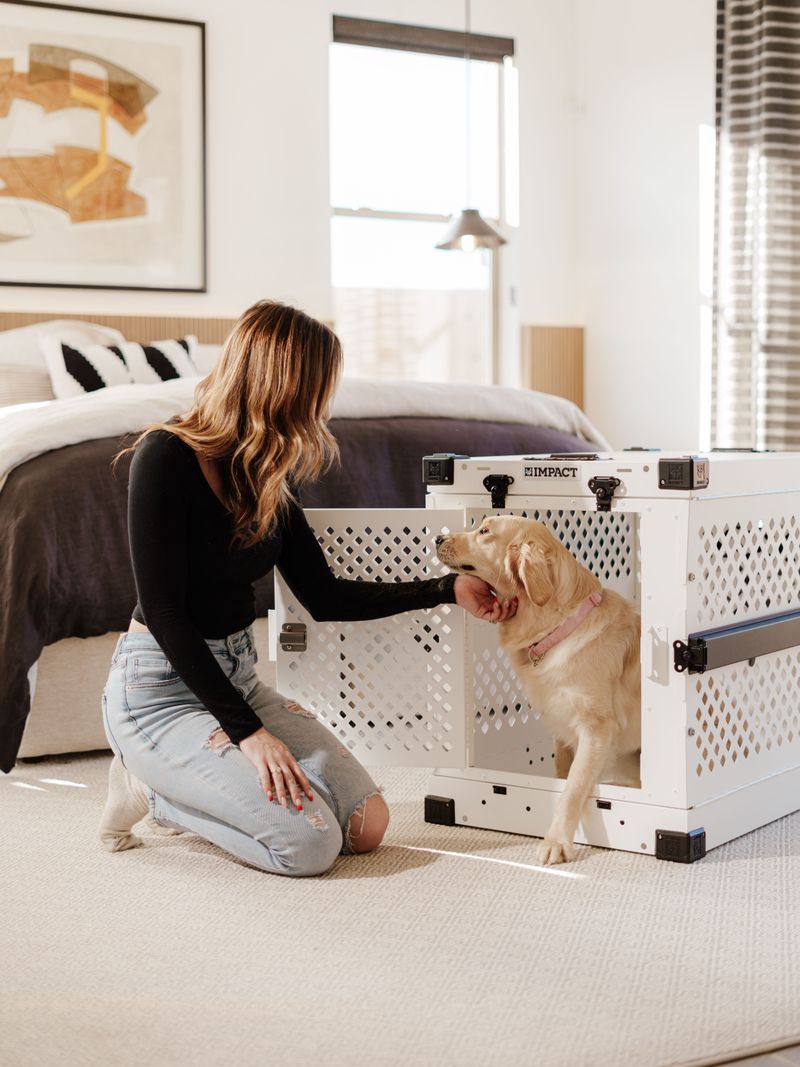
Bedtime is where routine matters most. Cottages often mean shared rooms, creaky floors, and unfamiliar sounds from the water.
Dogs are sensitive to environmental change, and a shifting sleep setup can spark restlessness or nighttime whining. Stability helps them settle faster.
Bring the same crate, bed, or blanket used at home. Place it in a quiet corner away from foot traffic.
Keep the wind-down order identical: last potty break, chew, lights out, quiet.
3. Jumping Greetings That Guests Encourage
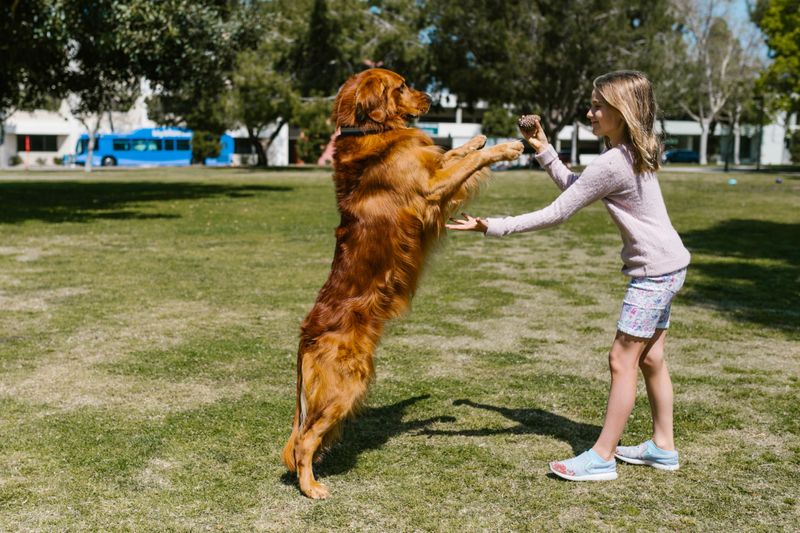
Weekend visitors love an enthusiastic welcome. Your dog notices, and jumping becomes his greeting of choice.
Excited leaping is natural, but it can knock over small children or older relatives. Any attention, even a laugh, reinforces it.
Ask guests to wait for four paws on the floor. Reward a sit with calm praise or a small treat.
A baby gate or leash near the entry makes polite greetings much easier to manage.
4. Begging Gets A Pass At Picnic Tables
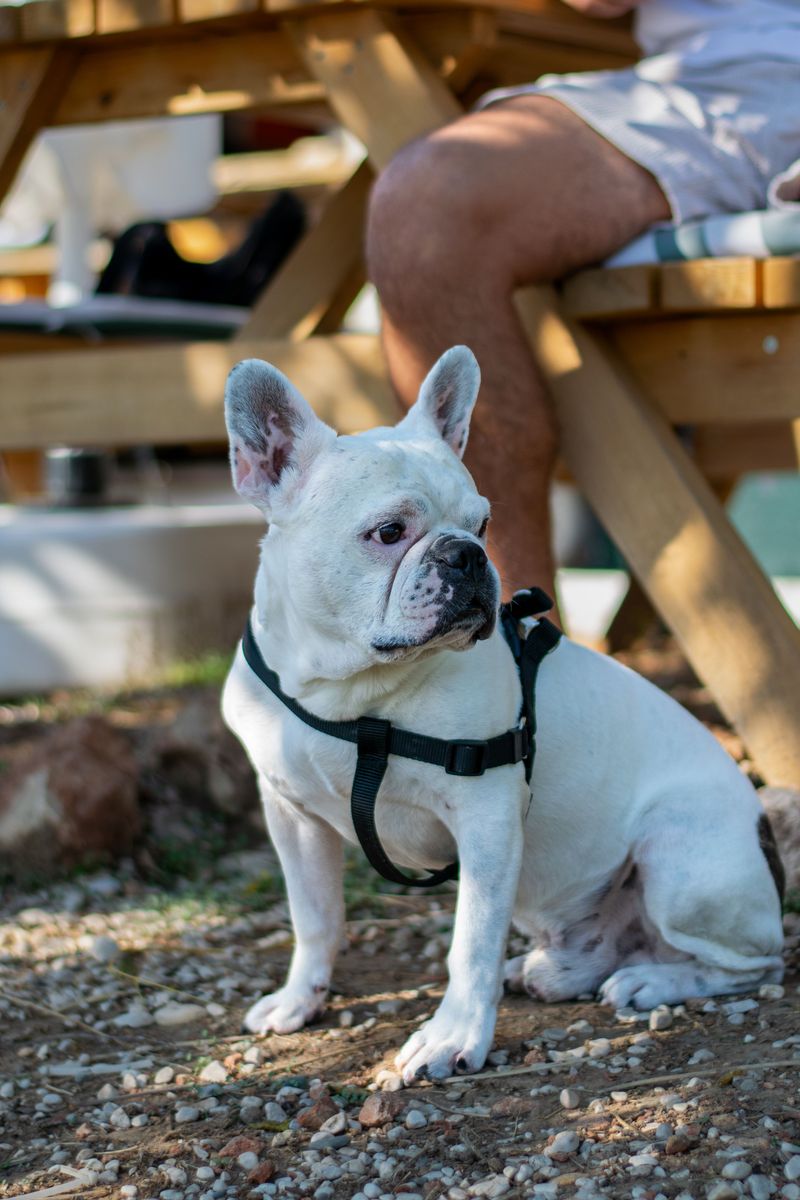
Outdoor meals blur boundaries fast. Plates sit low, hands hang down, and someone always shares.
Behaviors that pay off get repeated. One bite from the table teaches your dog that hovering works beautifully.
Feed him before the family eats, or set him up with a chew a few steps away. Reward the quiet choice, not the stare.
Let every relative know the plan ahead of time, kindly but clearly.
5. Table Scraps Sneaking Off The Grill Plate
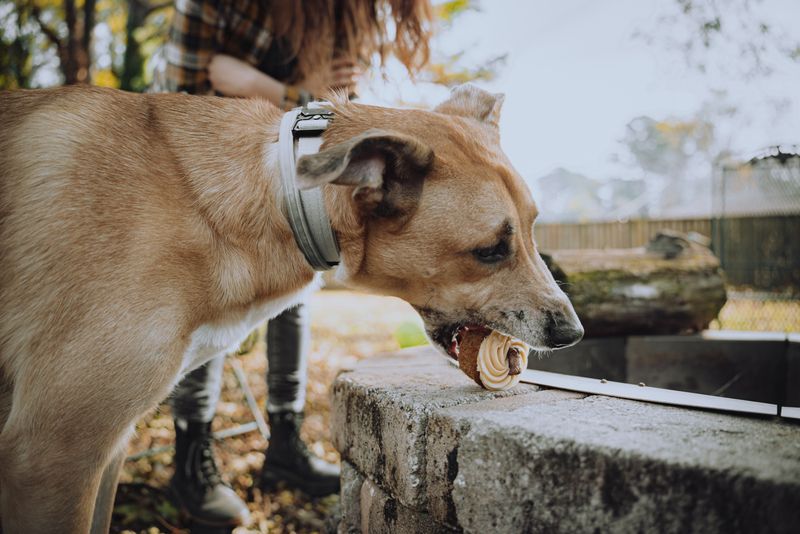
Grilling season tempts everyone to share. A rib bone or buttery corn cob seems harmless in the moment.
Many human foods upset a dog’s stomach, and cooked bones can splinter and cause internal harm. Onions, grapes, and heavily seasoned meats are also poor choices.
Stick with the food your dog already eats. Pack measured meals and vet-approved treats.
If something questionable disappears, call your veterinarian for guidance right away.
6. Everyone Inventing Their Own Commands
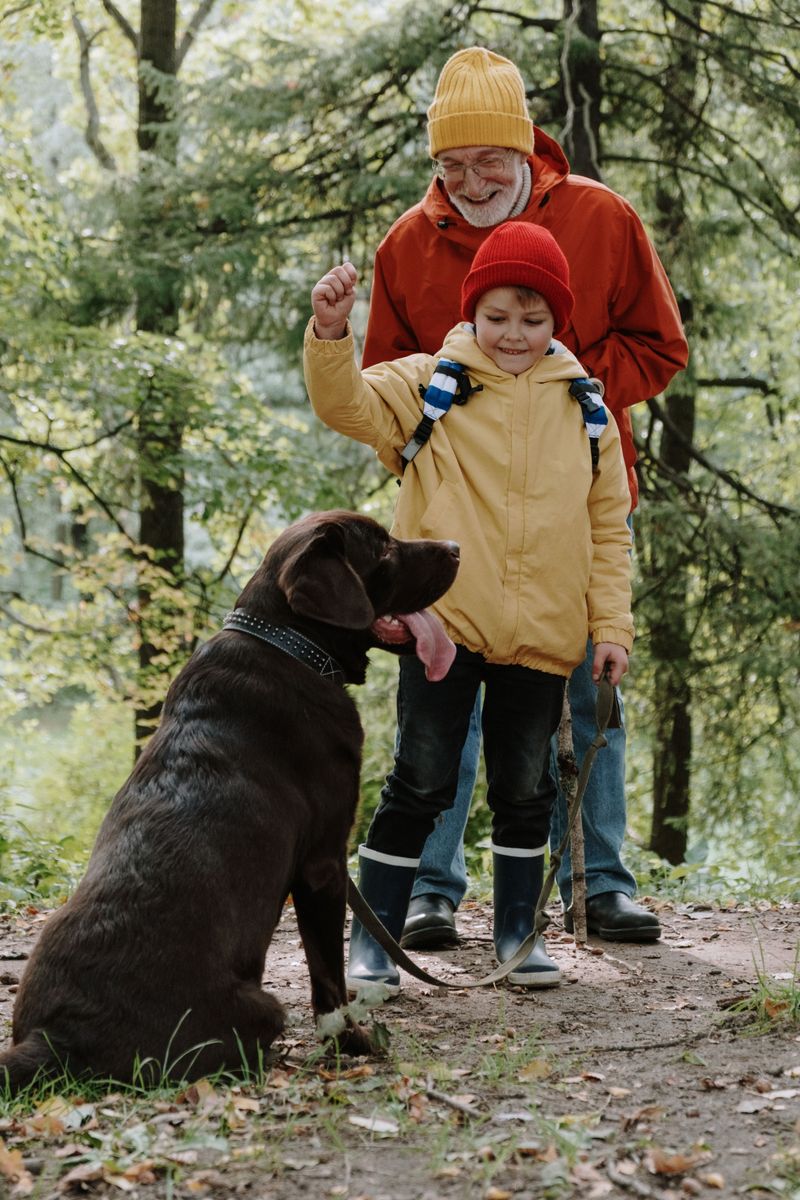
Grandma says down. A cousin says off.
An uncle says get. Your dog hears three unrelated noises.
Mixed vocabulary slows learning and chips away at confidence. Clear, repeated words build reliable responses.
Write your cue list on an index card and stick it on the fridge. Include the matching hand signals.
Five minutes of family coaching on arrival day saves a whole weekend of crossed wires.
7. Off-Leash Freedom In Unfenced Territory
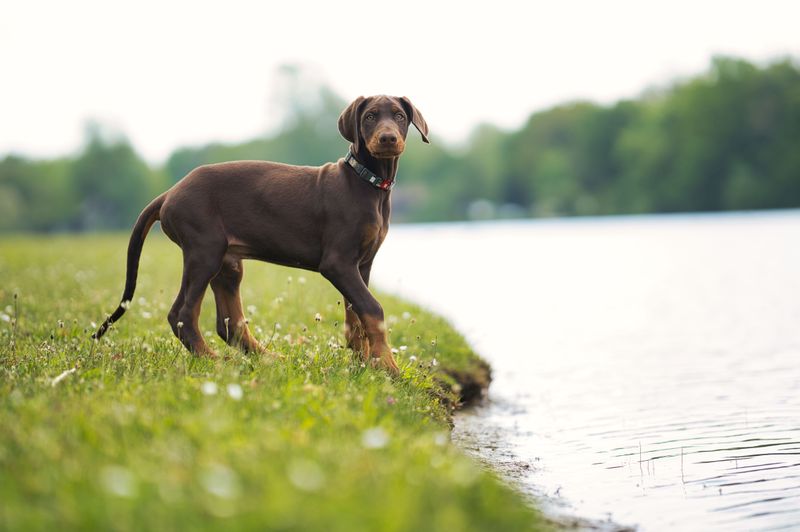
Wide open property tempts owners to drop the leash. Unfamiliar ground makes that riskier than it looks.
Michigan law requires dogs to be leashed in public areas, generally on a leash no longer than six feet, with limited exceptions. Letting a dog run at large can bring fines and liability for any damage.
Use a long line for freedom with control. Confirm local rules, since townships and counties differ.
8. Screen Doors That Never Stop Swinging
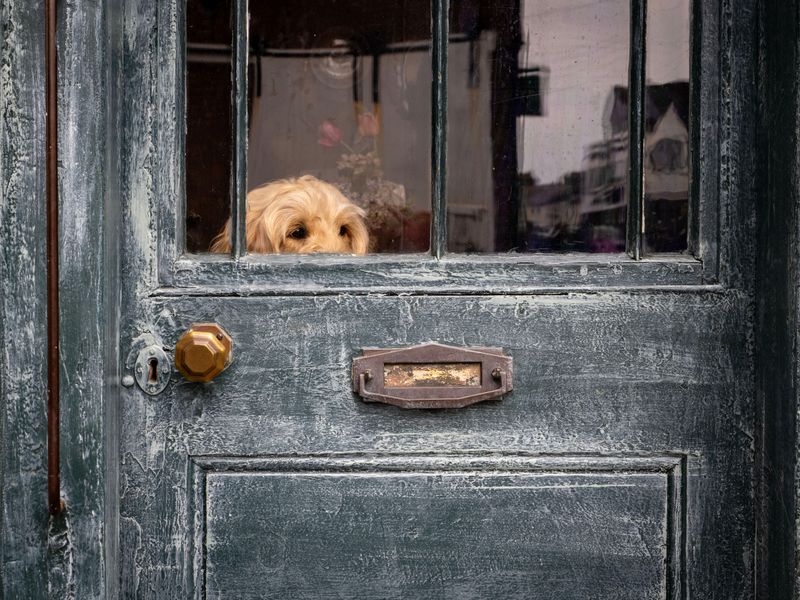
Cottage doors open forty times a day. Kids run out, coolers come in, and your dog learns that doorways mean action.
Bolting outside is the real concern, especially near roads or unfamiliar woods.
Teach a place cue on a mat several feet from the entry. Toss a treat away from the door instead of toward it.
Gates and a dragging leash offer backup while the habit is still forming.
9. Barking At Boats, Deer, And The Neighbors
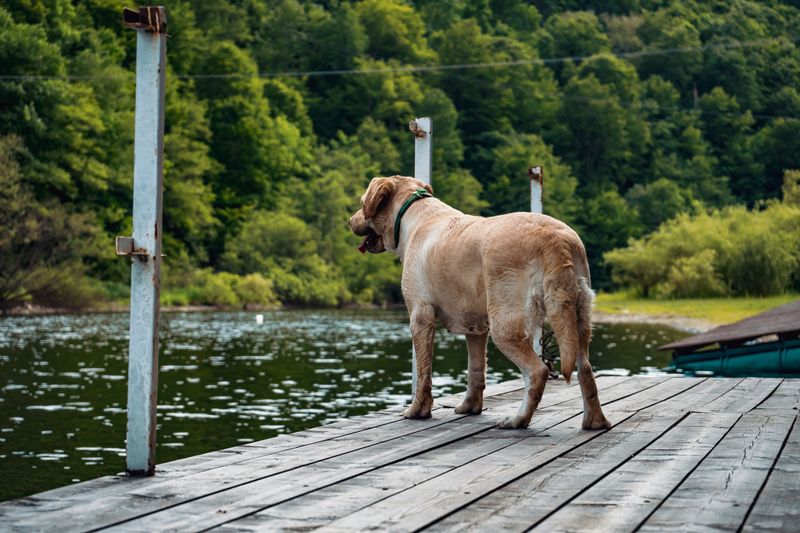
Sound carries across water, so one bark reaches the whole shoreline. Passing pontoons and rustling deer make tempting targets.
Michigan communities commonly treat loud, frequent, habitual barking as a nuisance, and enforcement happens through local ordinances. What counts as excessive varies by community, so check with the township or animal control.
Interrupt early, reward quiet, and give your dog something better to do near the dock.
10. Recall Rules That Wash Away At The Shoreline
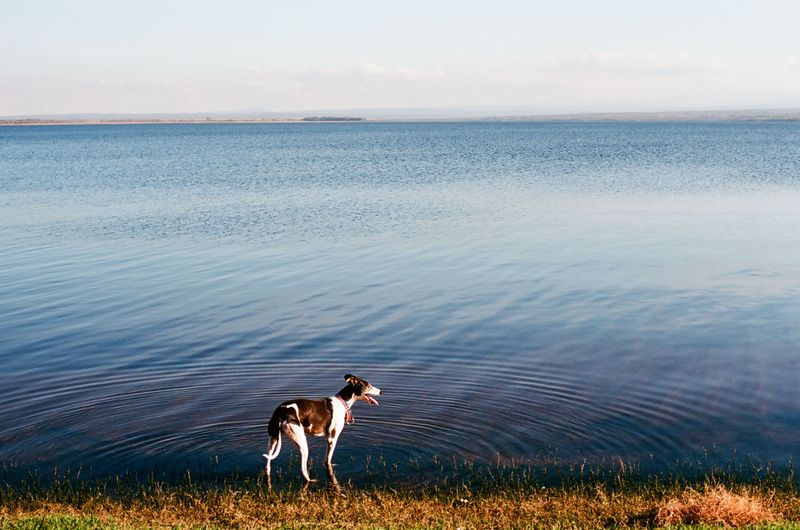
Water is thrilling, and thrill beats obedience in a new dog every time. That is exactly why recall deserves practice before the trip.
Shorelines hold hidden drop-offs, fishing hooks, boat traffic, and wandering wildlife. A dependable come cue keeps small problems small.
Reward every return generously, even when he takes his time. Practice on a long line first.
Never call him for something he dislikes.
11. Chasing Squirrels Because It Looks Harmless
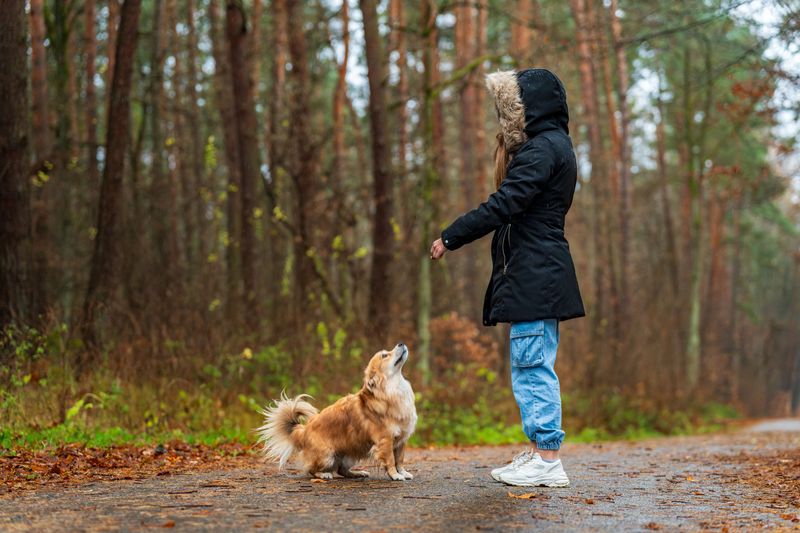
The first chipmunk sprint gets applause. The tenth one ends in a thorn thicket or across a road.
Michigan owners are responsible for keeping dogs from harassing wildlife and livestock. Chasing also risks injury, ticks, quills, and unwanted encounters with skunks or raccoons.
Teach leave it at home, then rehearse it on the property. Reward attention when critters appear.
Keep him leashed near wooded edges.
12. Swimming Access With No Boundaries
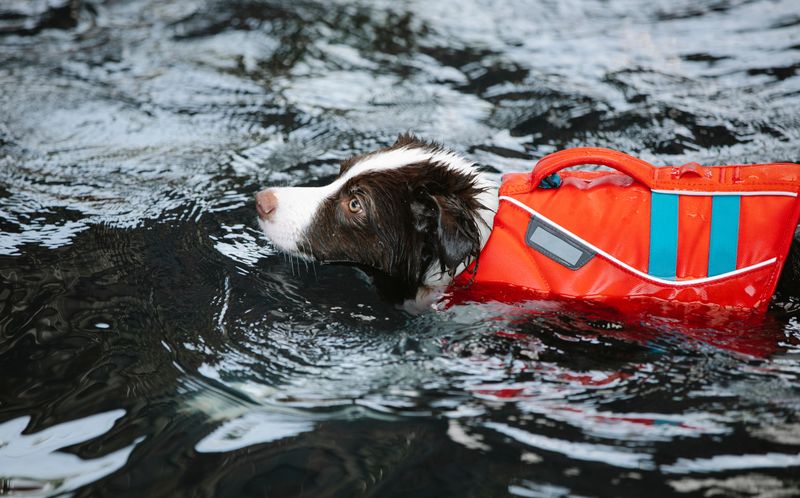
Not every dog is a natural swimmer, and cold water tires them quickly. Set clear entry and exit points from the start.
Frequent swimming raises the chance of ear infections, especially in floppy-eared breeds. Trapped moisture lets bacteria and yeast grow.
Dry the ears with a soft towel or cotton ball afterward, and ask your vet about drying solutions.
A properly fitted life jacket adds sensible insurance.
13. Wet Paws Marching Straight Onto The Rug
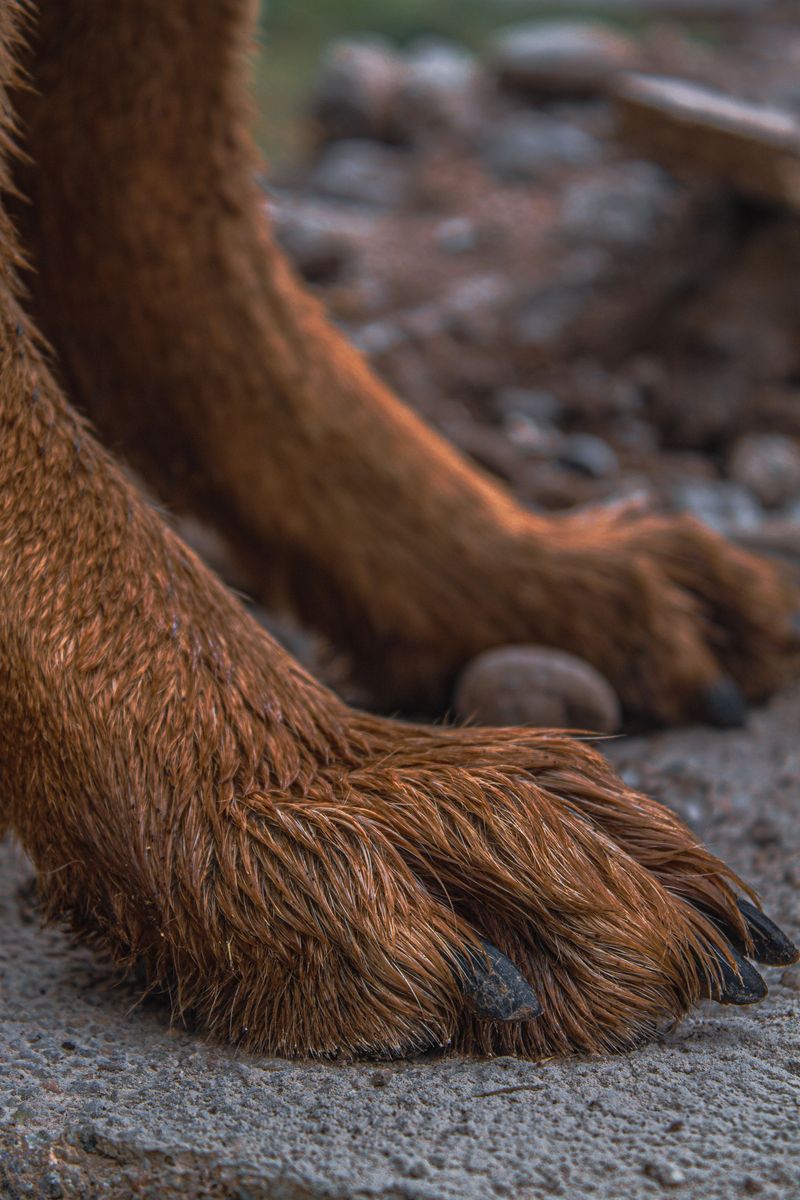
Sandy prints on knotty pine floors are a cottage tradition. Your dog still benefits from the same doorway routine he knows at home.
Regular paw care removes grit, weed seeds, and lake debris that can irritate pads or hide between toes.
Keep a towel and mat by the back door. Ask for a sit, dry each paw, then release him inside.
Consistency keeps the habit intact afterward.
14. Meals Served Whenever Someone Remembers
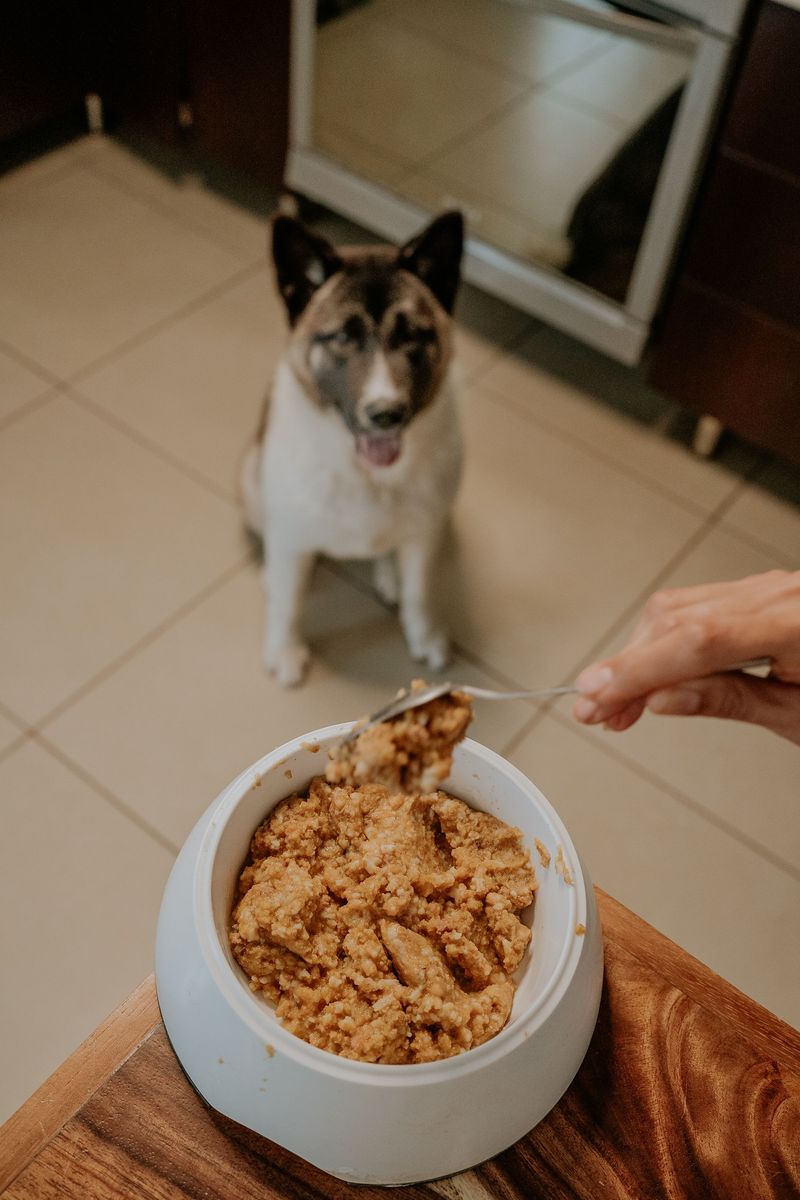
Vacation clocks stretch. Breakfast slides to eleven, dinner drifts past nine, and your dog’s stomach notices first.
Predictable feeding supports digestion and cuts down on begging and food-related worry. Most adult dogs do well with two evenly spaced meals.
Set phone alarms for the usual times. Pack pre-measured portions in labeled bags.
Same food, same bowl, same schedule makes the whole weekend smoother for everybody.
15. Skipping Walks Since The Yard Is Huge
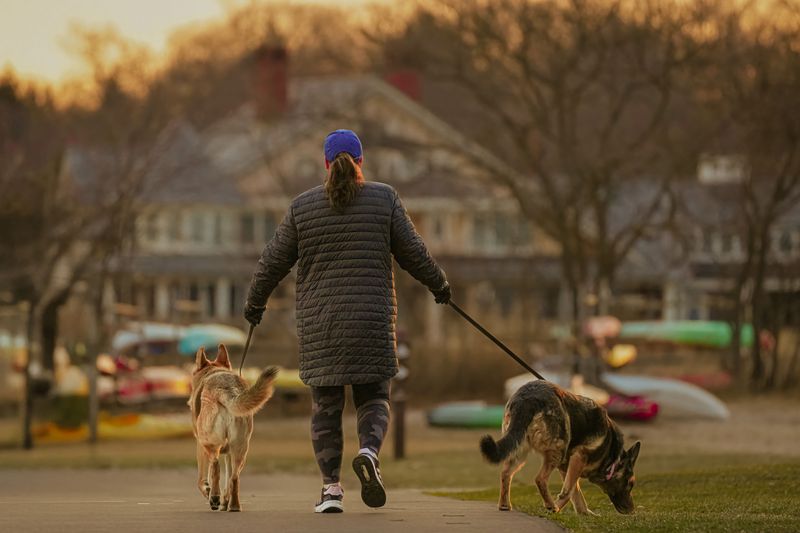
Plenty of yard does not equal plenty of exercise. Loose wandering rarely tires a dog the way a structured walk does.
Walks provide sniffing, pacing, and shared focus with you. That mental workout often matters more than the mileage.
Keep at least one normal walk each day, morning or evening when it is cooler.
Watch paws on hot sand and sun-baked docks.
16. Relatives Enforcing Twenty Different Standards
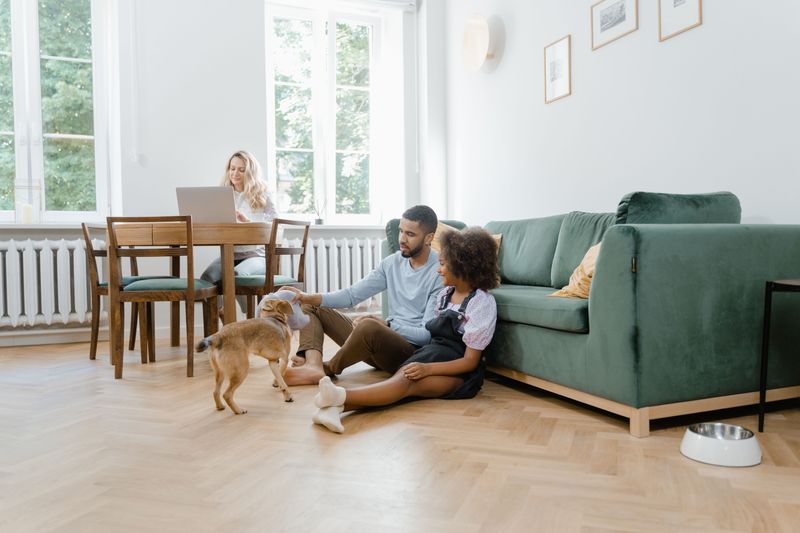
One cousin allows counter surfing. An aunt hands over crusts.
A teenager wrestles on the floor.
Mixed messages create anxiety and stall training, because your dog cannot predict what happens next.
Share three or four house rules when everyone arrives. Keep the list short so people remember it.
Post treats in one spot with instructions attached.
Unified structure builds a calmer, more confident dog fast.
17. Tempting Objects Left Within Easy Reach
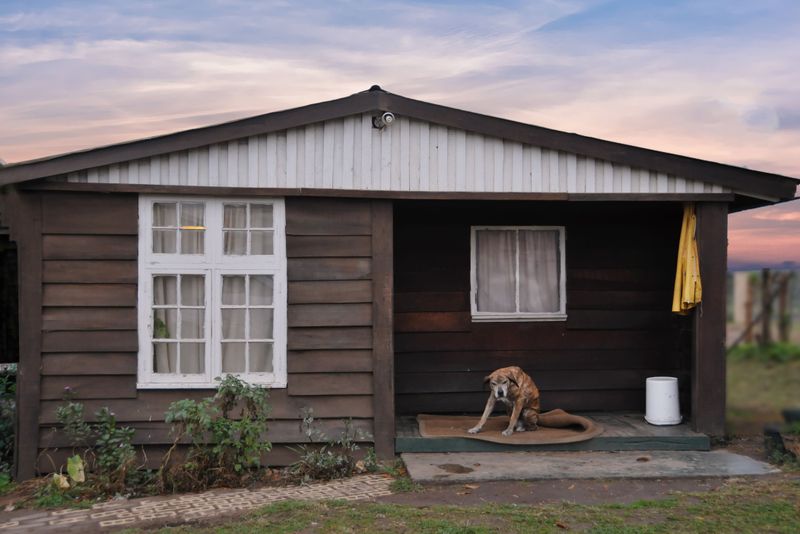
Cottages hide interesting things: tackle boxes, flip flops, campfire sticks, and open trash bins.
Dogs investigate with their mouths, and swallowed socks, small toy parts, rocks, or bones can create a serious blockage requiring veterinary care.
Walk each room before unpacking. Secure trash, close bedroom doors, and store gear high.
Offer sturdy, size-appropriate chews under supervision.
When in doubt about something swallowed, call your vet promptly.
18. Visiting Dogs And Suddenly Loosened Manners
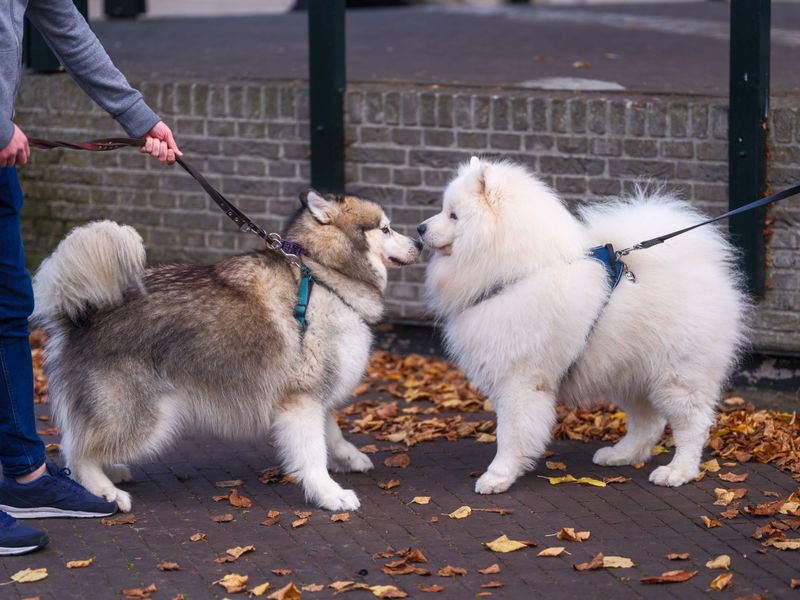
Neighbor dogs arrive, and rough play gets a pass because everyone is having fun. Your dog files that away as the new normal.
Interaction standards should match what you expect at home: no bowl guarding, no relentless chasing, calm breaks every few minutes.
Introduce dogs on leash in neutral space. Pick up toys and food bowls first.
Separate them for naps before anyone gets cranky.
19. Crate Time Disappearing For A Whole Week
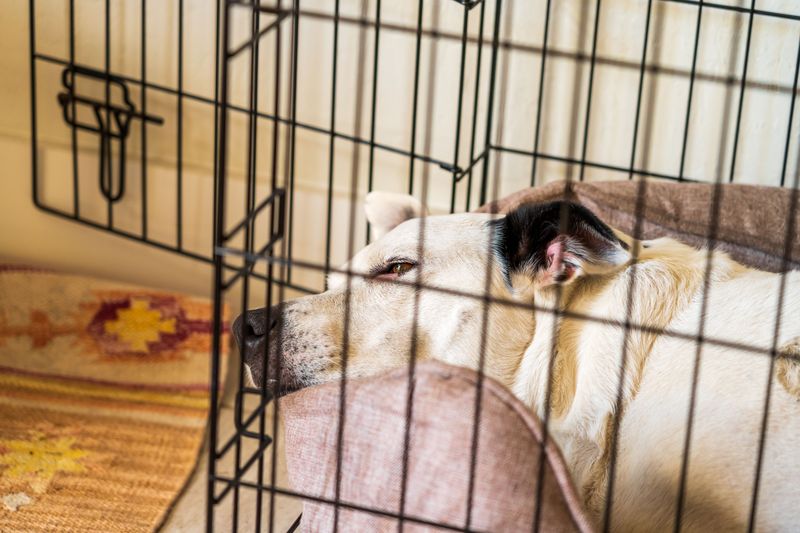
With people around constantly, alone time quietly vanishes. Then Monday arrives and the house empties.
Big routine shifts can trigger a setback in separation comfort, since dogs count on predictability. Regression is common after vacations.
Build in short solo sessions each cottage day, even twenty minutes with a chew.
Use the same crate cue and the same calm departures you practice at home.
20. The Monday Morning Rule Reset
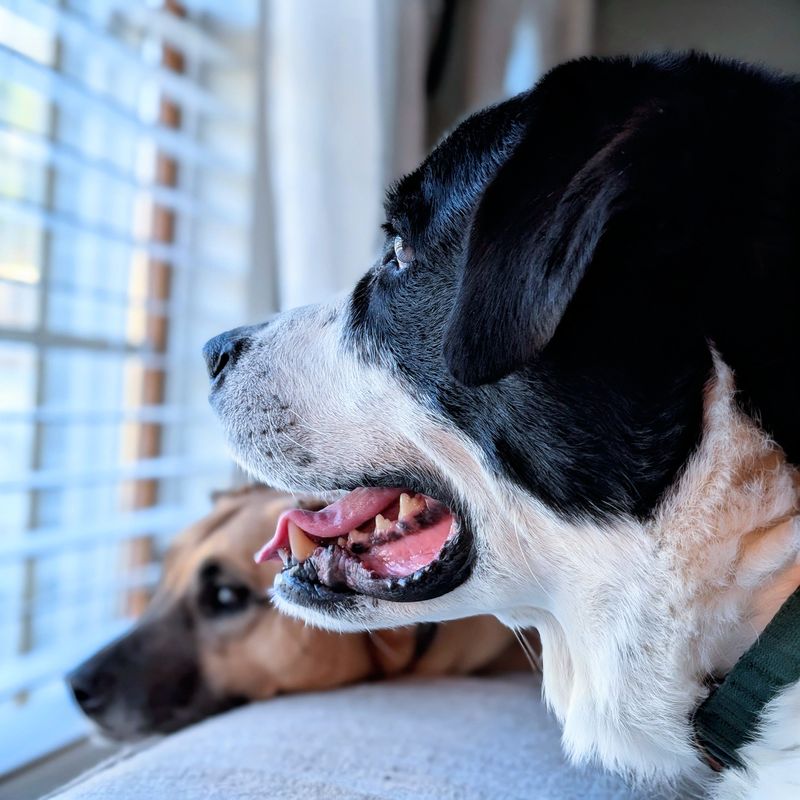
Coming home is where the confusion shows up most. Your dog is not being stubborn; his expectations simply got rewritten.
Most dogs readjust within two or three days, and sensitive ones may need a week. Patience beats correction here.
Restart the normal schedule immediately: same meals, same walks, same sleeping spot.
Reward the old habits generously.
Rules that travel with you make the return trip almost effortless.