What Alabama Law Says When One Dog Injures Another

A walk in the park can change fast when two dogs clash. If your pup gets hurt, or your dog hurts another, you probably have questions.
Alabama law handles these moments differently than many owners expect. Here is a calm, clear guide to what the rules really say, so you can feel steady and prepared.
1. The Bite Statute Protects People First
Many owners assume Alabama has one clear rule for every dog incident. In truth, the main dog bite statute, Alabama Code Section 3-6-1, focuses on people.
It covers dogs that bite or injure a person without provocation. That person must be lawfully on the owner’s property, or chased from it.
Injuries to another dog are not what this statute was written for.
So if your pet was the one hurt, a different set of rules usually applies.
2. No Automatic Blame for the Other Owner
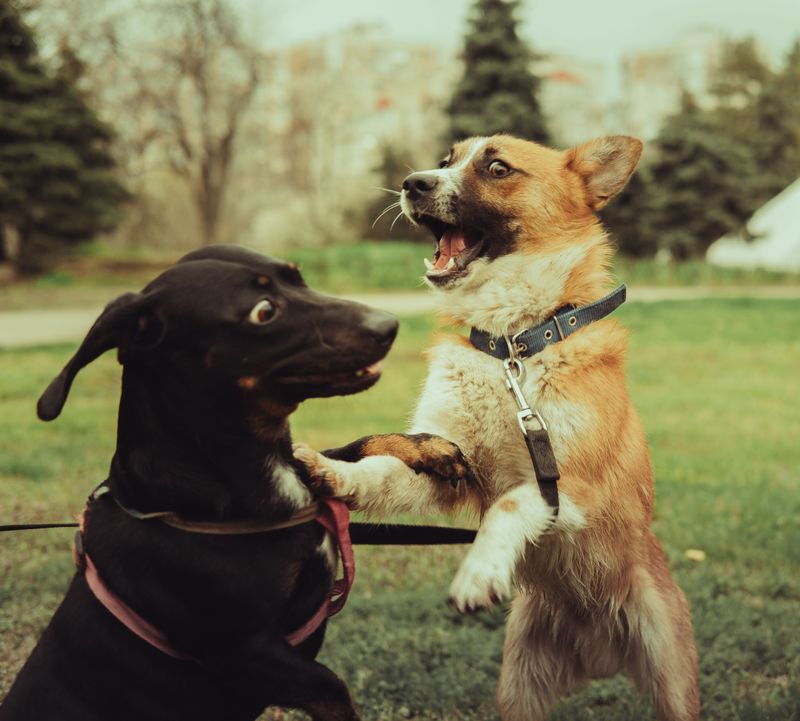
Picture a neighbor’s dog nipping yours at the mailbox. You might expect the law to blame that neighbor right away.
It usually does not.
Strict liability means blame without proving fault. Under Alabama’s statute, that idea applies to injuries to people, not pets.
For dog-on-dog harm, the injured dog’s owner generally has to show something more. That often means proving the other owner acted carelessly or knew about a risk.
3. Your Best Friend Counts as Property
Here is a fact that surprises plenty of loving owners. Alabama courts have long treated dogs as personal property.
That label feels cold, since your dog is family. Still, it shapes how the law views an injury.
A hurt pet is treated much like damaged belongings, at least on paper.
Knowing this helps you set realistic expectations. It also explains why the focus often lands on costs, like vet bills.
4. Property and Common-Law Rules Take Over
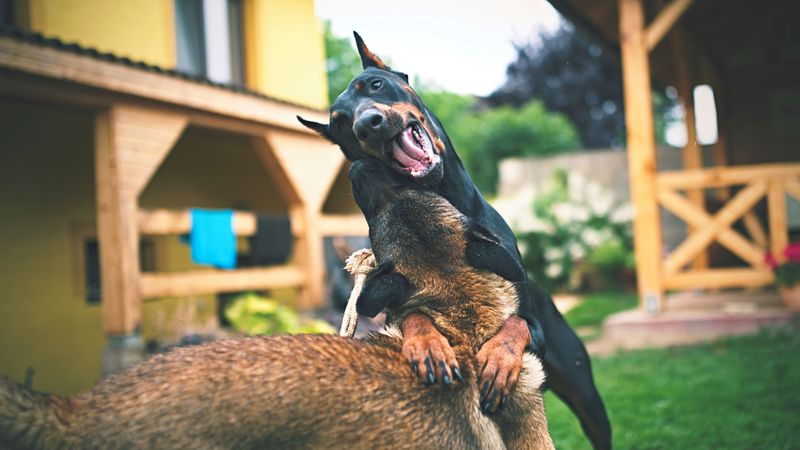
Since dogs count as property, these disputes follow older, familiar paths. Courts rely on property-damage rules and common-law negligence.
Common law means rules built from past court decisions, not one single statute. Negligence simply means someone failed to act with reasonable care.
In practice, the injured dog’s owner usually needs to show the other owner was careless. A local attorney can explain how these principles fit your situation.
5. What the Owner Knew Matters Most
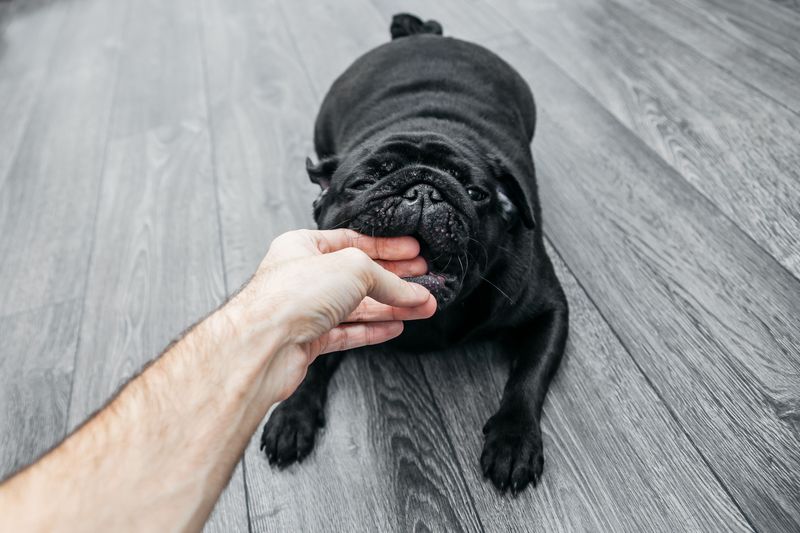
Lawyers sometimes call it the one-bite rule. The fancy legal word is scienter, which means knowledge.
Under this idea, an owner is usually responsible only if they knew, or should have known, about dangerous tendencies. A dog with a spotless record may leave its owner in a stronger position.
Honest self-reflection helps here. If your dog shows warning signs, take them seriously now.
Early action protects everyone.
6. Past Scuffles Leave a Paper Trail

History has a way of showing up later. Earlier fights, bites, snaps, or lunges can help prove an owner knew about a risk.
Neighbor complaints and animal control records often carry weight. Even a Beware of Dog sign or unusually heavy chains might be used as evidence of awareness.
For the injured side, gathering this history can matter a lot. For owners, it is a gentle nudge to address behavior early.
7. The Warning Signs Must Match the Harm

Not every past incident tells the same story. Courts generally look for prior behavior connected to the kind of harm that happened.
For example, fighting other dogs may not prove a dog is risky toward people. Flip that around, though.
A history of scrapping with dogs is highly relevant when another dog gets hurt.
Relevance is the key word. Behavior patterns need to line up with the actual incident.
8. Knowing the Risk Means Securing the Dog
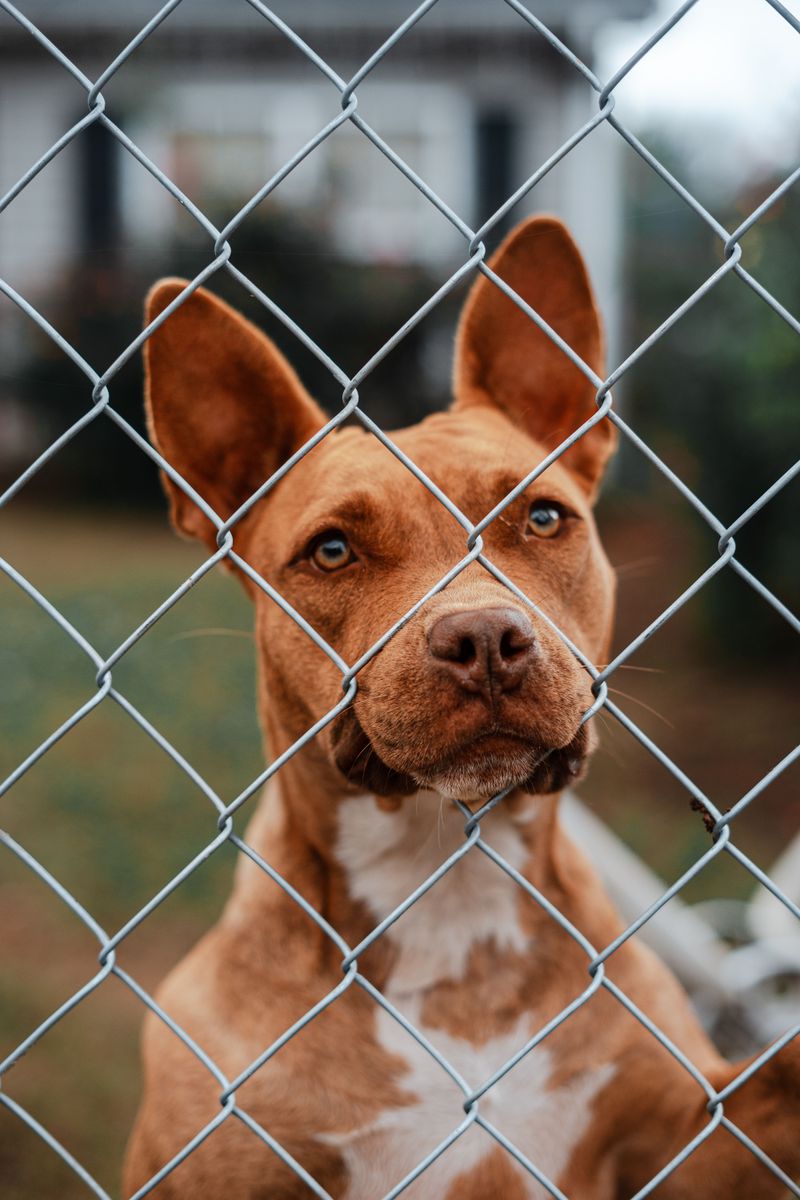
Awareness brings responsibility. An owner who knows a dog has dangerous tendencies may have a duty to restrain it properly.
Sturdy fencing, reliable leashes, and secure gates are practical steps. Failing to take reasonable precautions can open the door to liability.
For dogs formally declared dangerous, Alabama’s Emily’s Law adds stricter requirements and criminal penalties for failing to restrain them. Good containment is simply smart, caring ownership.
9. Alabama Uses a Mixed Approach
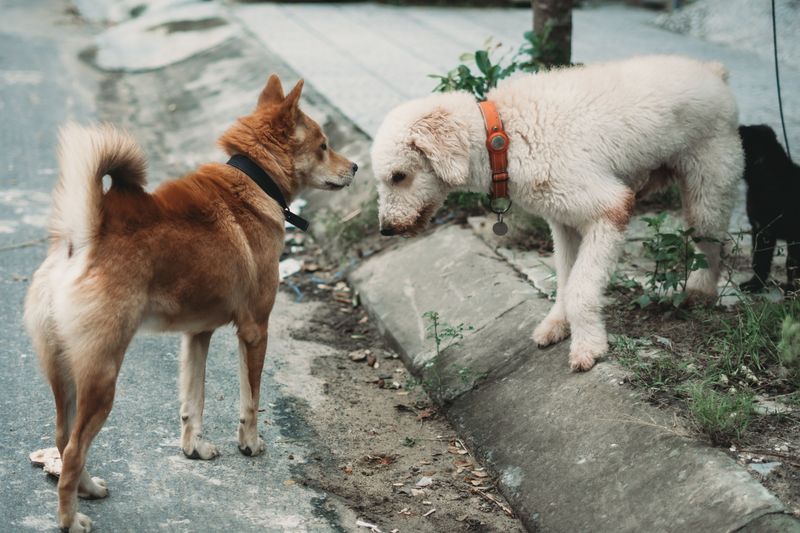
Think of Alabama’s system as a blend. Experts often describe it as a hybrid.
Strict liability applies to certain human injuries on the owner’s property. Elsewhere, the common-law one-bite approach usually governs.
That mix means there is no automatic statewide liability every time a dog causes injury or damage. Facts, knowledge, and location all come into play.
Each case gets looked at on its own merits.
10. Emily’s Law Centers on Human Safety
Alabama’s statewide dangerous-dog law has a name worth knowing: Emily’s Law. Its formal title is the Alabama Dangerous Dog Procedure Act.
It sets up a court process for declaring a dog dangerous. That process mainly follows serious, unjustified attacks that injure a person.
The law gives courts tools like restraint requirements for declared dogs. Its core purpose, though, is protecting people rather than resolving pet disputes.
11. A Pet Clash Alone Rarely Starts That Process
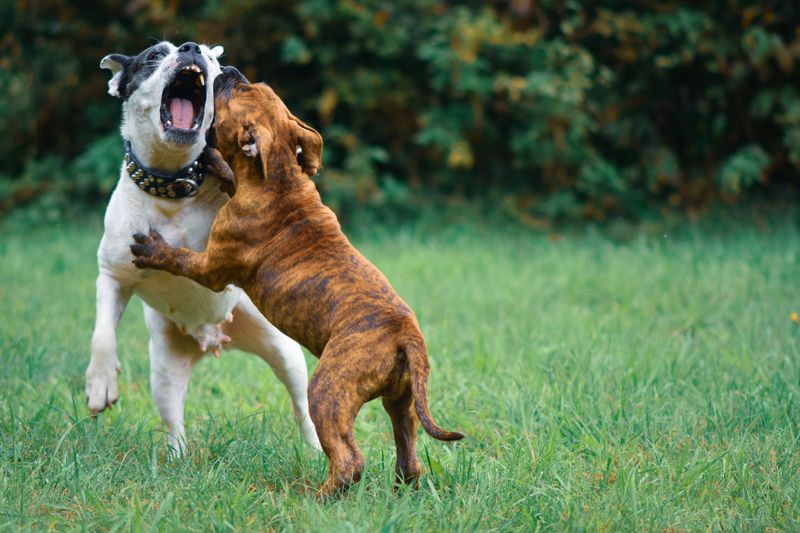
Worried your dog could be labeled dangerous after one scuffle with another pup? Under state law, that is generally unlikely.
Emily’s Law criteria focus on attacks that injure a person. An attack on another animal alone usually does not trigger the statewide declaration process.
That said, local rules can differ. A city or county ordinance may treat pet attacks more strictly, so checking locally is wise.
12. Your City May Have Its Own Rules

Local governments have real power here. Alabama Code Section 3-1-5 allows counties and cities to pass their own dog ordinances.
Some local rules may directly address attacks on pets. Others set leash or confinement standards that go beyond state law.
Rules in Birmingham might look different from a rural county’s. Call your local animal control office or check the city code online to learn exactly what applies.
13. Roaming, Nuisance, and Damage Rules
A wandering dog can create more than one problem. Local laws often cover dogs running at large, nuisance animals, and damage to others’ property.
State law also restricts dogs running at large in certain designated areas. Many communities add confinement and restraint rules of their own.
Breaking these rules can support a negligence claim later. Keeping your dog contained avoids trouble and keeps neighborhood relationships friendly.
14. Leash Violations Can Tip the Scales
That little leash sign at the park carries more weight than it seems. Violating a leash or at-large rule can affect a civil claim.
Courts sometimes treat such a violation as negligence per se. That phrase means breaking the rule itself counts as evidence of carelessness.
How this works depends on the specific ordinance and court. Still, staying leashed where required is one of the easiest protections available.
15. Location Shapes the Story
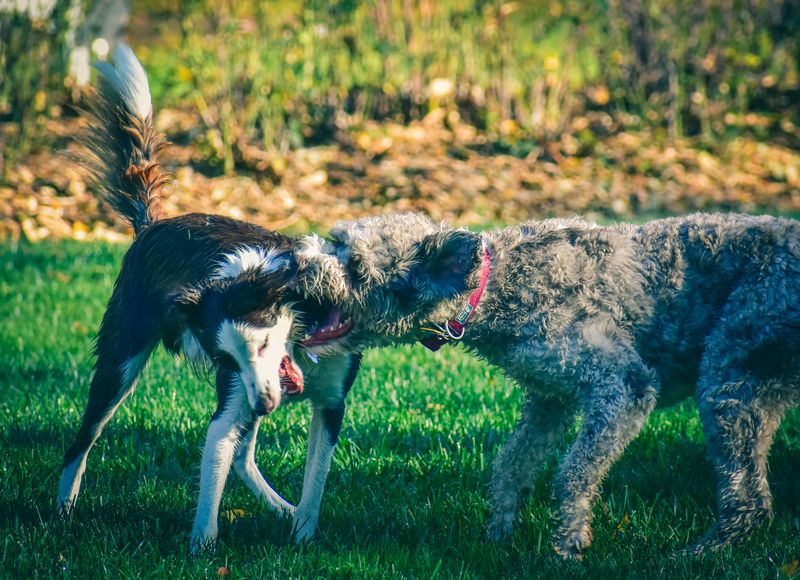
Where did it happen? That simple question can shift the whole picture.
An incident in the owner’s fenced yard looks different from one on a public trail. Whether each dog was lawfully present also matters.
A dog that slipped into someone else’s yard may change how responsibility is viewed. Note the exact spot, property lines, and any gates or fences involved.
16. Good Records Make a Real Difference

Memories fade quickly, but records stay put. If an incident happens, start documenting right away.
Keep veterinary records, receipts, and treatment notes. Take clear photos of injuries and the scene.
Write down names and contact details of any witnesses.
Ask animal control about prior complaints involving the other dog. Organized evidence helps any conversation, whether with the other owner, an insurer, or a court.
17. What Compensation Usually Covers
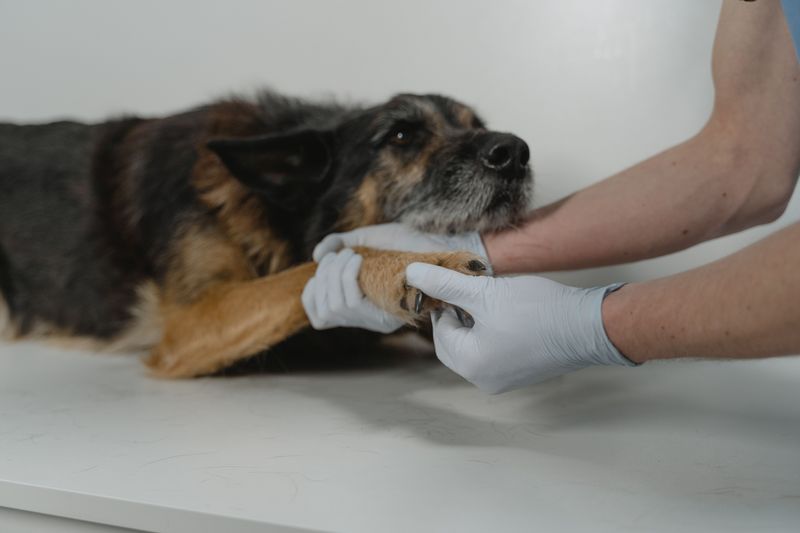
Once liability is shown, the injured dog’s owner may seek compensation. Because dogs are property, recovery usually centers on actual, measurable losses.
Veterinary bills are the most common item. Other direct economic costs tied to the injury may also qualify.
Exactly what is recoverable depends on the facts and the court. Small claims court is an option many owners consider.
A local attorney can clarify your options.
18. Every Case Rests on Its Details

No two dog incidents unfold the same way. Outcomes often hinge on a handful of key factors.
Prior aggression, local ordinances, and what the owner knew all weigh heavily. The circumstances of the moment matter too, including location and restraint.
The takeaway is reassuring. Responsible habits, like leashing and secure fencing, protect your dog and your peace of mind.
Knowing the rules helps you respond calmly if something happens.