20 Questions Arizona Renters With Dogs Should Ask About Cooling, Shade, And Pet Rules
Finding a rental in Arizona is exciting, and your dog deserves a comfy spot too. Summer heat here is serious, so cooling and shade matter as much as the rent.
Asking the right questions before you sign helps you avoid surprises later. Think of this list as friendly advice from a neighbor who has been through it.
With these answers in hand, you and your pup can settle in calm and cool.
1. Is the Air Conditioning Included, and Who Fixes It?
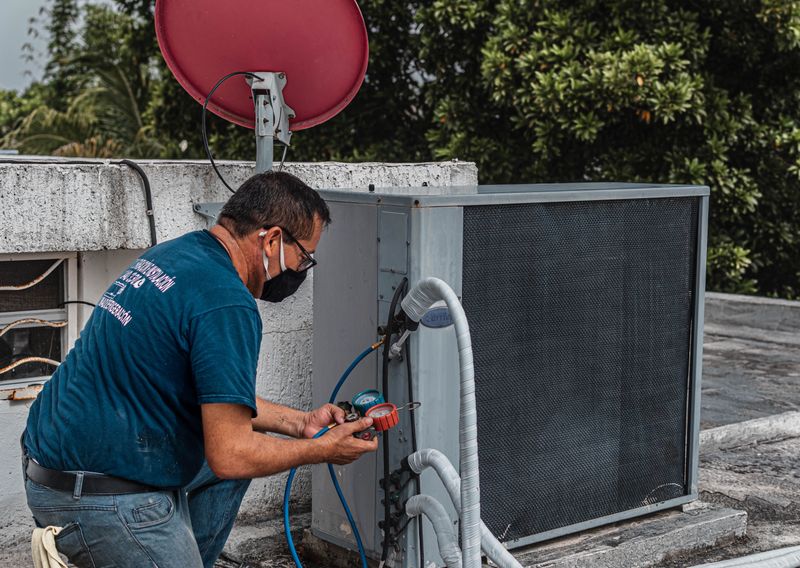
Start with the biggest summer lifeline. Under Arizona law, landlords must keep cooling systems they provide in good working order.
That includes air conditioning and heating equipment.
You usually pay nothing for repairs unless you or your guests caused the damage through misuse. Still, ask the landlord to confirm this in writing.
A clear answer now means less stress in July. It also tells you how organized the owner really is.
2. How Fast Do Cooling Repairs Happen?
Timing matters when the thermostat keeps climbing. Arizona law generally gives landlords five to ten days after written notice to fix problems.
When the issue threatens health or safety, the window is five days.
Phoenix and Tucson add their own limits. Air conditioned rooms there should not go above 82 degrees.
Always send your repair request in writing. That note officially starts the clock and protects you later.
3. Can You Use a Portable or Window Unit?
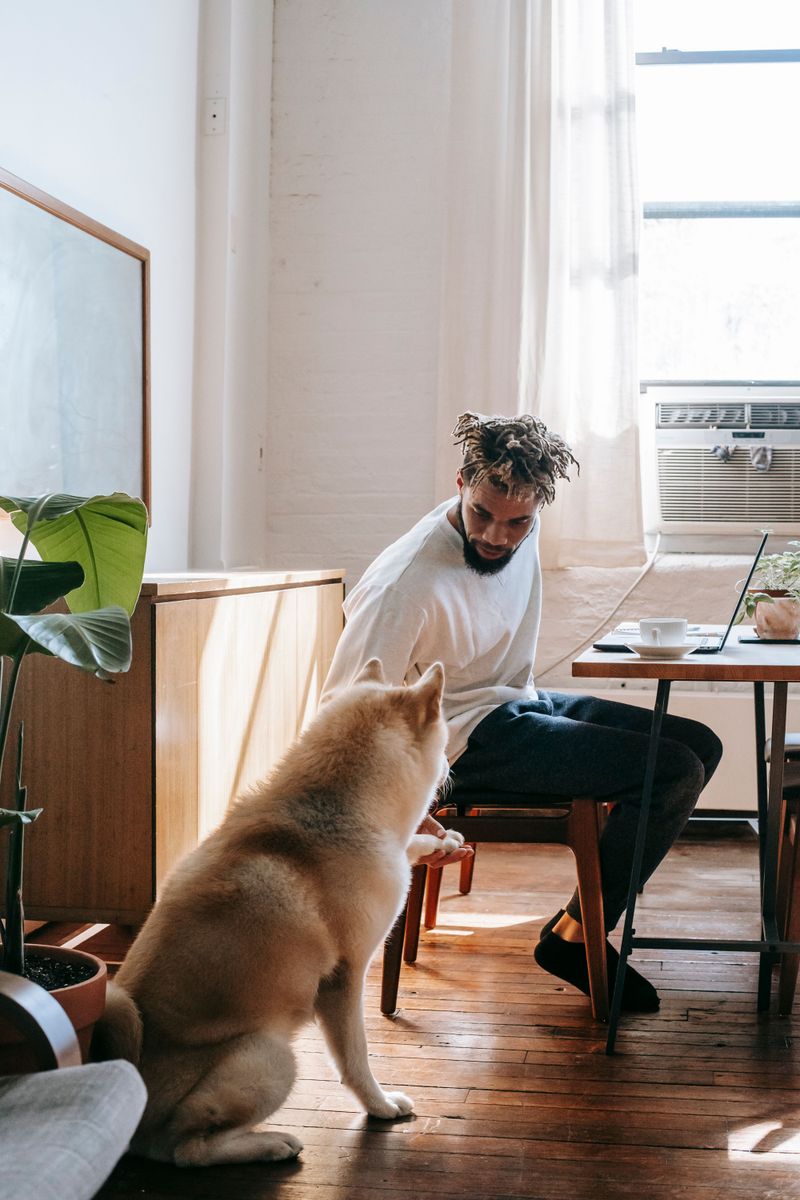
Backup cooling can be a real comfort for pet owners. State landlord law does not set clear rules on portable or window units, though.
Your lease and property rules usually decide the answer. Some complexes ban window units for looks or safety reasons.
Others welcome portable units that vent through a window kit.
Ask the manager directly and get approval in writing. Then you will know your options before a hot spell arrives.
4. Are There Ceiling Fans Where You Spend Time?
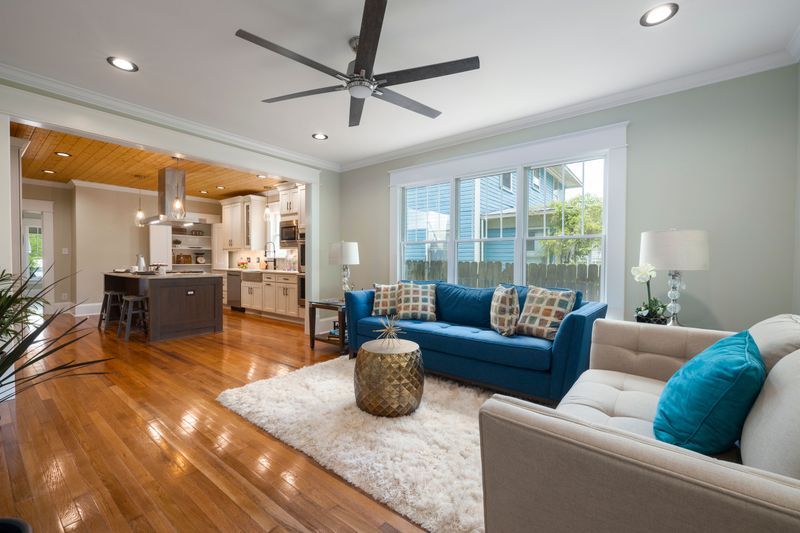
A gentle breeze overhead can make a warm room feel much nicer. Ceiling fans are an amenity, not a legal requirement, so they vary by unit.
Look up during your tour. Check the living room, bedrooms, and wherever your dog naps most.
Fans help air move and can ease strain on the AC. Dogs cool mostly by panting, so moving air still feels pleasant to many pups.
5. Does the Afternoon Sun Hit Hard?
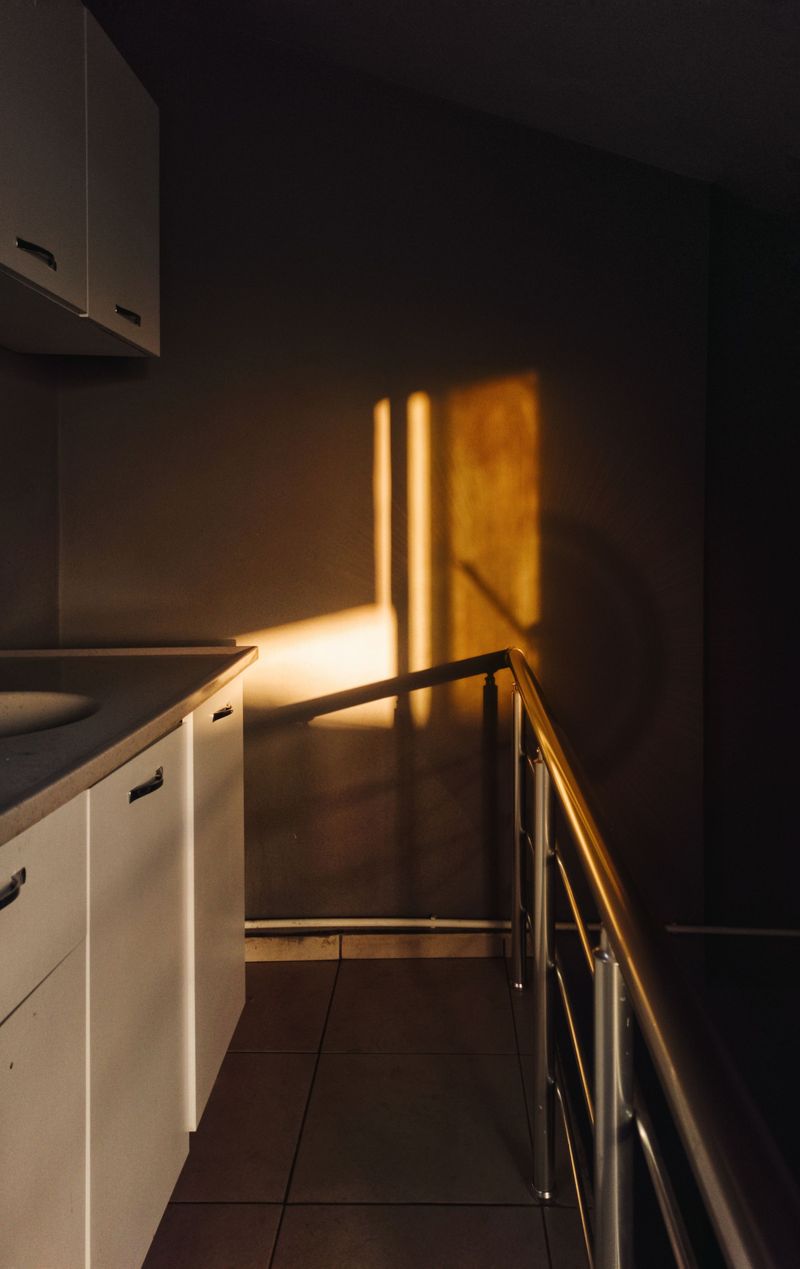
Here is a trick many longtime Arizonans swear by: tour the unit around 3 or 4 p.m. That is when west-facing rooms heat up most.
Notice how warm the floors and walls feel. Watch where sunlight lands inside.
A unit baking in afternoon sun makes the AC work harder. Your dog may also struggle to find a cool resting spot.
Asking the landlord about orientation helps too.
6. What Shades the Windows?

Awnings, trees, sun screens, and covered patios all block heat before it gets inside. Every property is different, so look closely.
Solar screens are common in the Valley and can cut glare noticeably. A leafy tree on the west side is a quiet bonus.
Ask whether the landlord allows blackout curtains or adding screens. Small upgrades like these can keep your pup far more comfortable indoors.
7. Where Will Potty Breaks Happen in Summer?
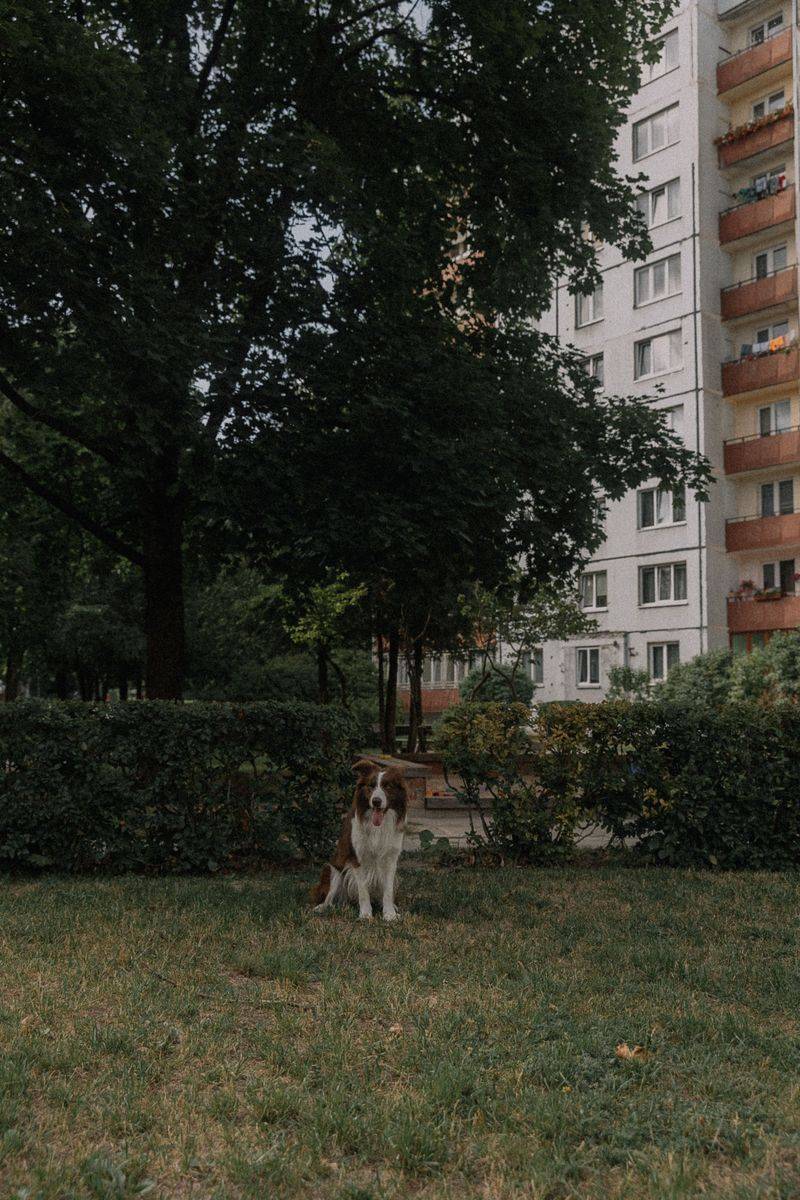
Picture a July afternoon when your dog needs to go out. Sun-baked pavement and gravel can get hot enough to hurt tender paws.
Ask if the property has a shaded relief area close to your door. Walk there yourself and check the surface.
A handy tip: press the back of your hand on the ground for seven seconds. Too hot for you means too hot for paws.
8. Are There Shady Paths or Grass to Walk On?

Early morning walks are a desert tradition for good reason. Even then, shade and grass make outings more pleasant.
Ask about walking paths, lawns, or tree-lined areas on the property. Grass usually stays cooler than asphalt or rock.
If the grounds are mostly concrete, look for nearby parks. Knowing your walking options early helps you plan a steady, comfortable routine for your dog.
9. Can Your Dog Use the Patio, Balcony, or Yard?
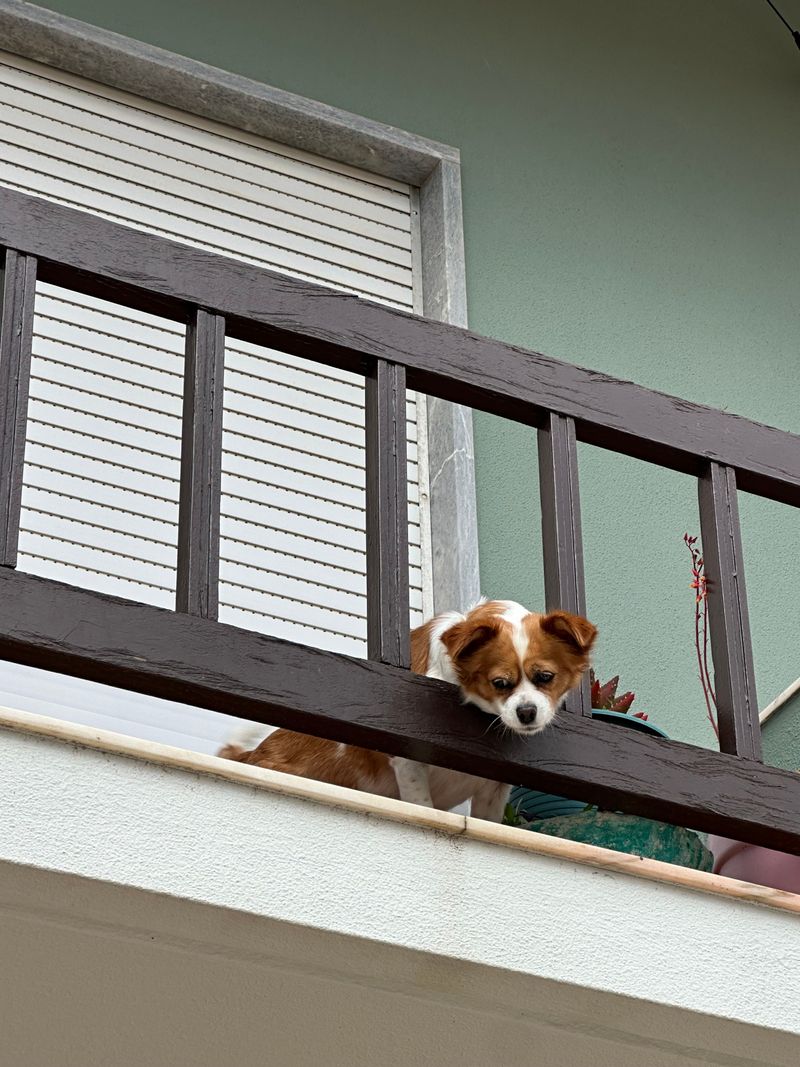
Some landlords love seeing pups relax outside. Others limit dogs to indoor spaces only.
These rules come from each landlord’s pet policy, so they vary widely. Look for them in the lease or pet addendum.
Ask specific questions. Can your dog lounge on the balcony with you?
Is the private yard open to pets? Clear answers help you avoid friendly reminder notes from management later.
10. Can You Add Temporary Shade Outside?
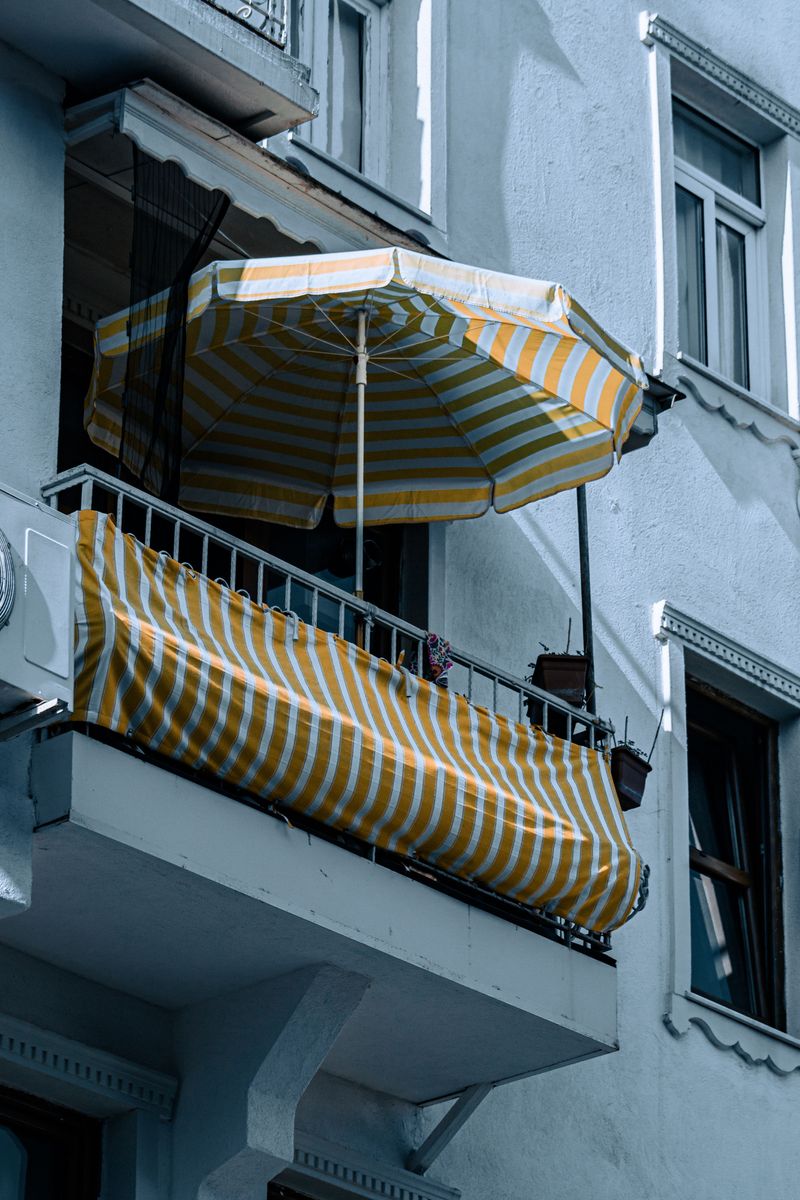
A shade sail or patio umbrella can turn a hot slab into a cozy nook. However, many properties treat these as alterations.
Leases often require approval before you install anything. Some ban items attached to walls or railings.
Ask what types are allowed, such as freestanding umbrellas. Getting permission first protects your deposit.
It also keeps your outdoor setup safe during monsoon winds.
11. Any Breed, Size, or Pet Count Limits?

Many listings say pet friendly, but the fine print matters. Arizona landlords can set limits on size, weight, or number of pets.
Rules on breed restrictions may be changing, so ask about current policies.
Service and emotional support animals are not pets under fair housing laws. Pet limits and pet fees do not apply to them.
Confirm details with the manager before applying for the unit.
12. What Will Pet Costs Add Up To?
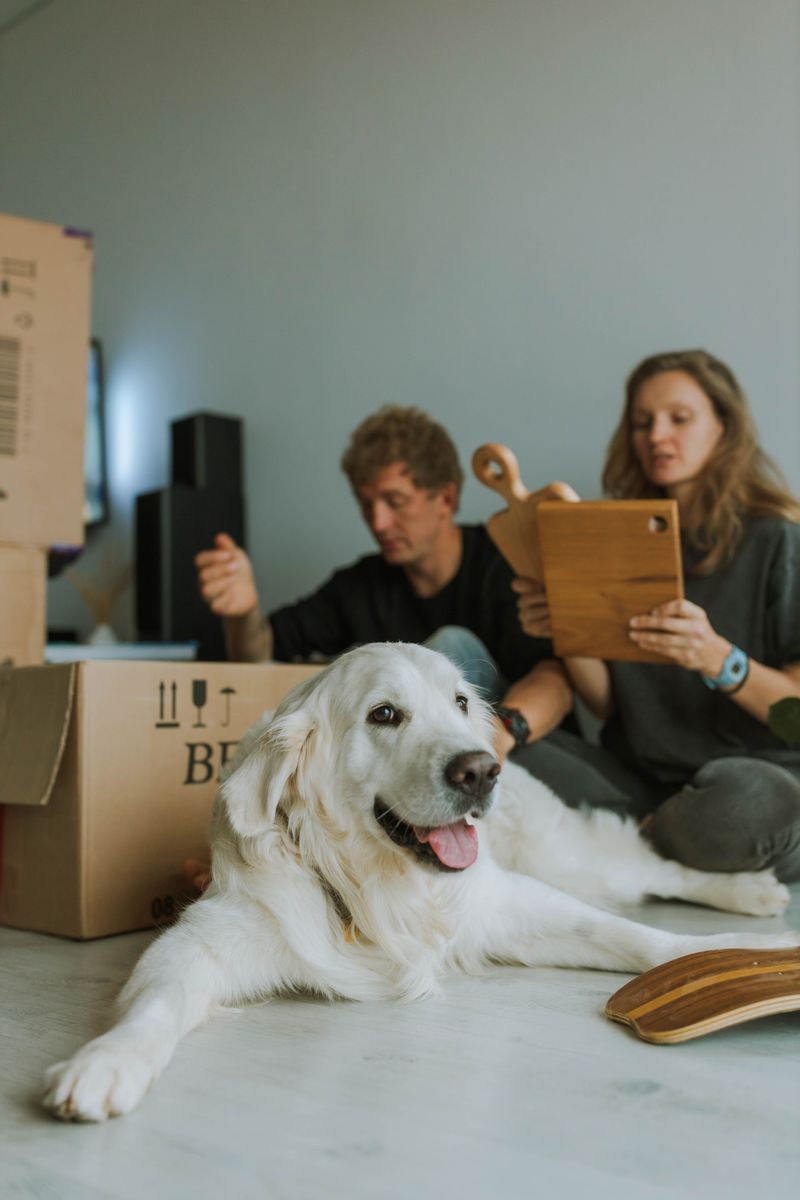
Money talk is easier before signing. Arizona landlords may charge pet deposits, one-time fees, and monthly pet rent.
Refundable deposits, including pet deposits, cannot total more than 1.5 months of rent. Any fee not labeled nonrefundable in writing counts as refundable.
Pet rent has no state cap. In Phoenix, it often runs about $50 to $150 monthly.
Ask for a full written breakdown.
13. Is There a Dog Park, and Does It Have Shade?
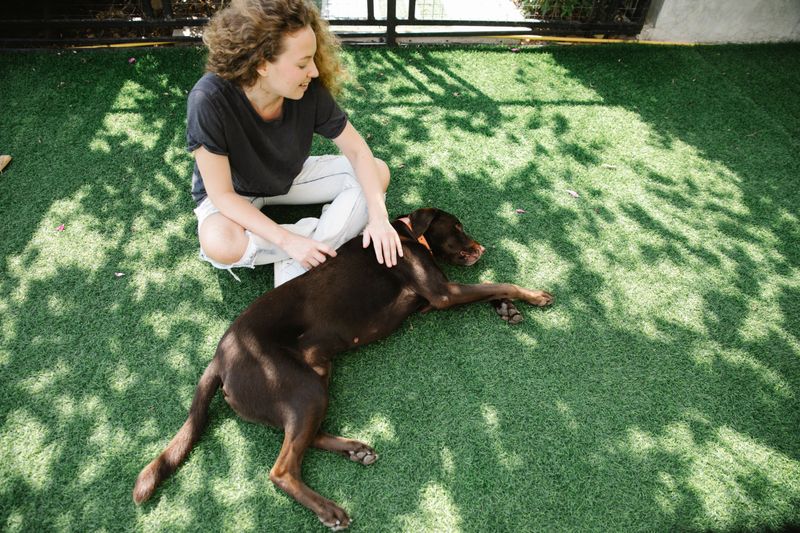
A dog park on site sounds perfect until you see it at noon. Without cover, it may sit empty all summer.
Ask whether the complex has designated dog areas. Then check for shade sails, trees, and a water station.
Surface matters too. Turf can heat up fast, while shaded dirt or grass stays milder.
A quick visit tells you whether the space works for your pup.
14. How Do Leash Rules Work in Shared Areas?

Shared courtyards bring together neighbors, kids, and plenty of other dogs. Leash rules keep everyone comfortable.
Most properties set their own leash policy. Cities and counties also have leash laws, and they differ across Arizona.
Read the property rules, then check your local ordinance. Knowing both helps you stay on good terms.
It also keeps your dog safer around pools, parking lots, and busy walkways.
15. Can Your Dog Stay on the Balcony Alone?
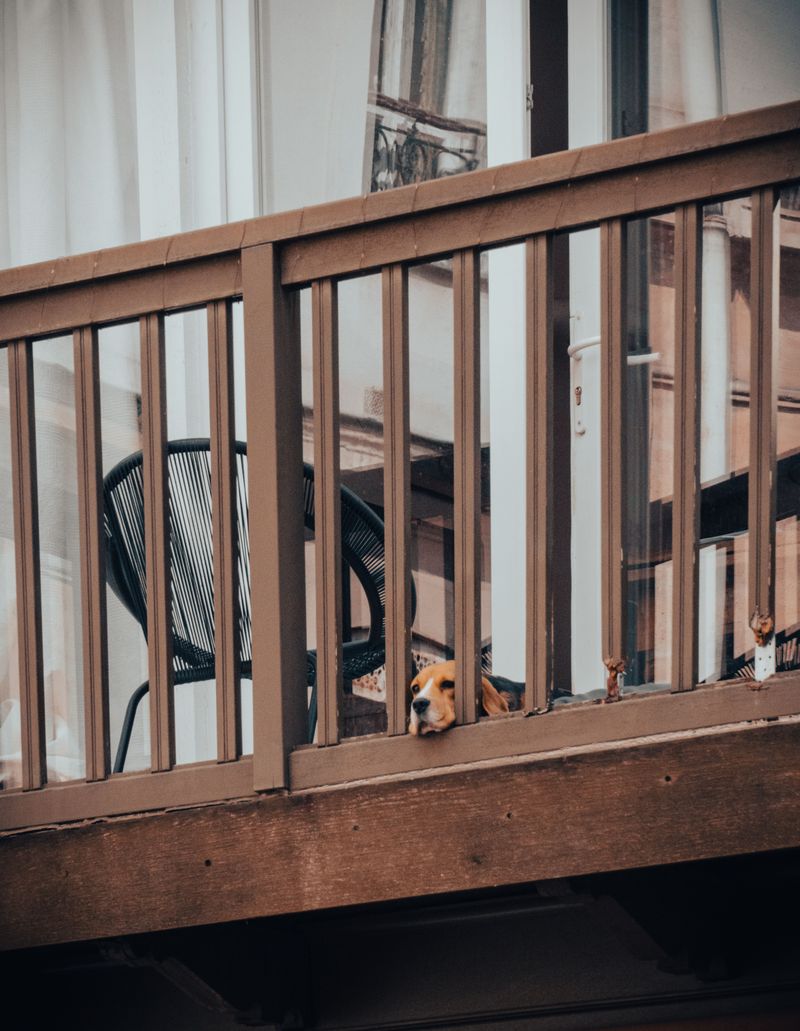
Honestly, most desert dogs are happiest indoors when you are away. Many properties agree and ban unattended pets outside.
These rules come from each landlord’s pet policy. Breaking them could lead to a lease violation notice.
Ask the manager exactly what is allowed. Some local animal ordinances also address outdoor shelter and water.
Your city’s animal control office can explain the rules where you live.
16. What Flooring Keeps Paws Cool?

Watch any dog in summer and you will see them hunt for cool floors. Tile is a desert favorite because it stays cool and cleans easily.
Luxury vinyl plank also feels cool and handles scratches and spills well. Very glossy laminate can be slippery for dogs.
Ask what flooring each room has. Rugs with grip pads can help your pup move with confidence.
17. Are Dog Doors or Pet Gates Allowed?
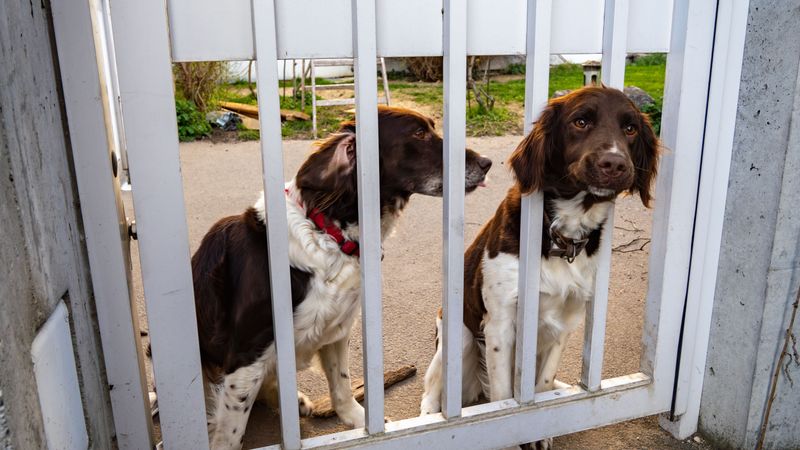
Convenience items can clash with lease rules. A dog door usually changes the property, so it needs the landlord’s clear permission.
Pressure-mounted gates inside the home are typically fine. They leave no marks and come down easily.
Outdoor gates may fall under separate property rules. Ask before you buy anything.
A quick conversation now can save your deposit when you eventually move out.
18. What If the AC Stops While Your Dog Is Home?
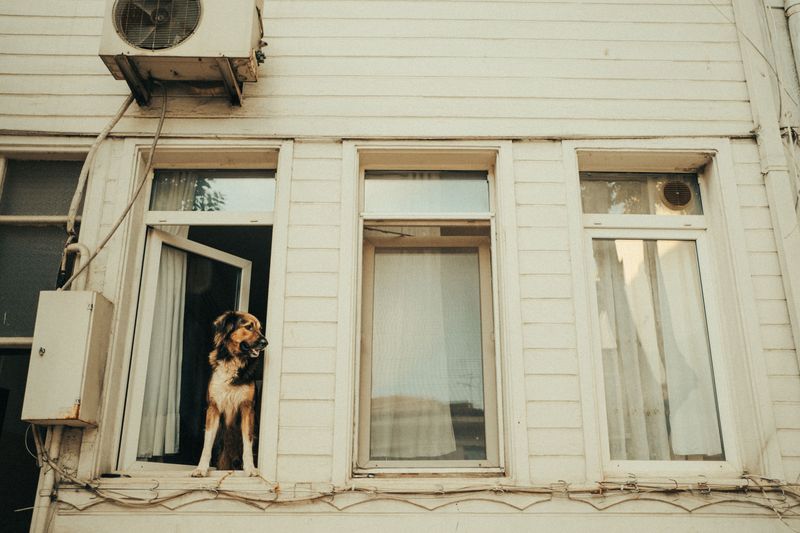
A little planning goes a long way here. First, ask how the landlord handles outages.
Arizona treats failed cooling as a health and safety issue.
After written notice, tenants may have remedies if repairs stall. Options can include temporary cooling or substitute housing, with costs deducted under specific rules.
Follow legal steps carefully. Meanwhile, a temperature alert device and a pet-friendly backup spot can bring real peace of mind.
19. Who Do You Call After Hours?
Problems love to show up on weekends and late at night. Arizona law does not clearly require a 24-hour maintenance line.
Still, prompt AC repairs are expected, so ask about after-hours procedures. Is there a phone number, an online portal, or both?
Save the contact in your phone. Post it on the fridge too.
That way, a pet sitter can reach help quickly if needed.
20. Is Every Pet Rule Written Down?
Spoken promises fade, but written terms stay put. Your lease should spell out pet fees, deposits, and restrictions clearly.
Nonrefundable charges must be labeled that way in writing. Landlords generally cannot add new pet fees mid-lease without your written agreement.
Read every page before signing. Keep a copy somewhere safe.
If disputes arise, a local legal aid office can explain your options.