20 Things To Check Before Taking A Dog Into New Jersey Wildlife Management Areas

New Jersey’s Wildlife Management Areas are wide, wild, and wonderful places to explore with a dog. They are not the same as parks, though, and their rules can surprise even experienced owners.
Hunting, seasonal dates, and closures all shape where your dog can go. A little checking before you leave home makes every visit smoother, safer, and much more fun for both of you.
1. Confirm Dogs Are Allowed on Your Date
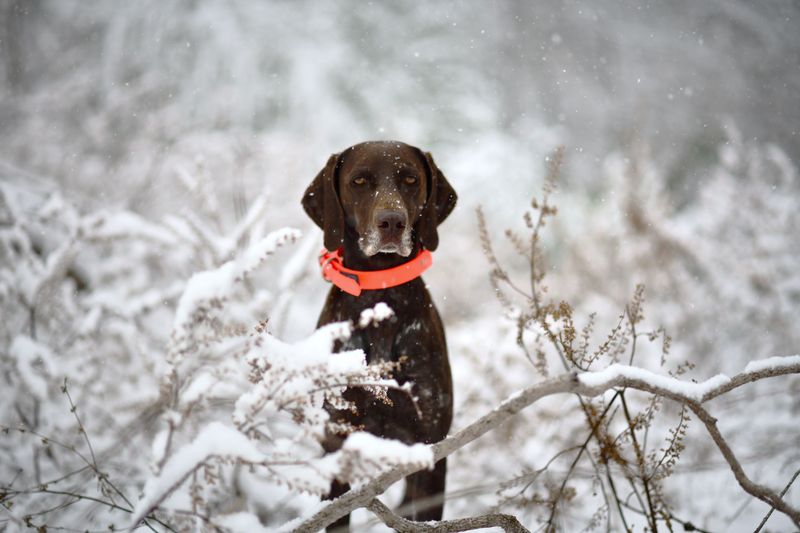
Calendar dates matter more than most owners expect. Dogs may be exercised or trained on any New Jersey WMA from September 1 through April 30.
There is one notable exception. Dog exercising and training are not allowed on WMAs stocked for the Youth Day pheasant season.
That pause runs from the Saturday before opening day through the Friday before it.
Check the current Hunting and Trapping Digest for exact dates each year. A quick look saves a wasted drive.
2. Double-Check the Dog License
Paperwork is probably the least exciting part of any adventure. Still, it counts here.
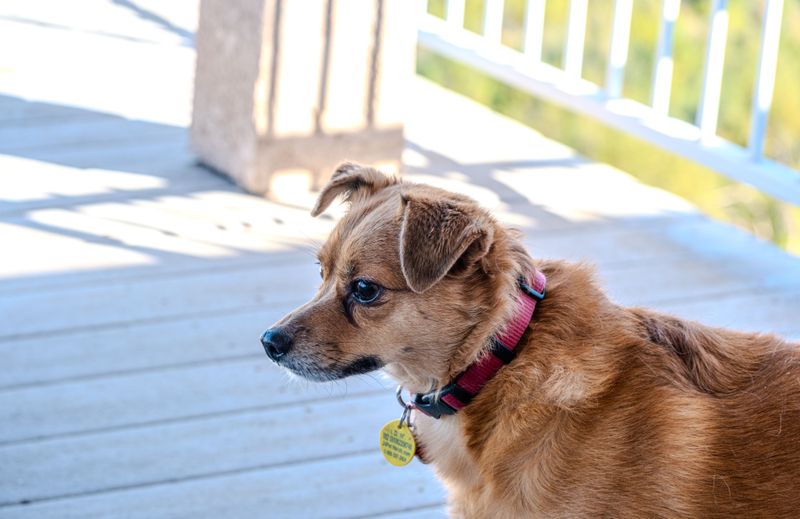
All dogs must be properly licensed when they are in a New Jersey WMA.
Licenses in New Jersey are issued through your local municipality. Renewal timing and fees vary by town, so call your clerk if you are unsure.
Many towns also require proof of a current rabies vaccine to license a dog. Handle both together, and you are covered.
3. Study the WMA Map First
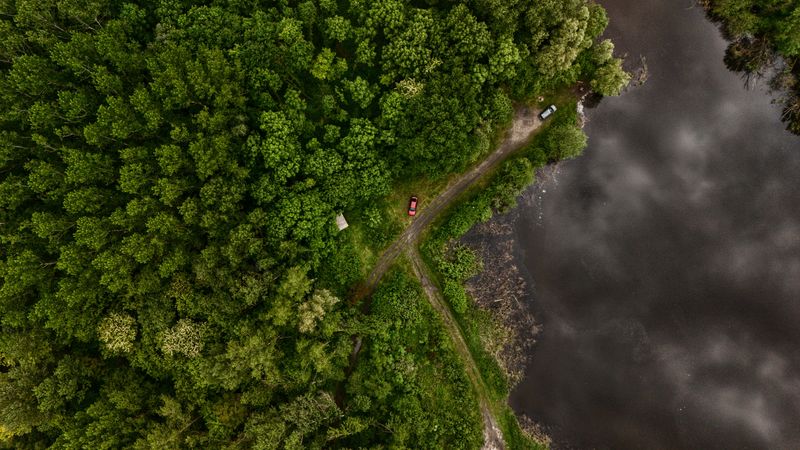
Picture pulling into a dirt lot with no idea where the boundary ends. A map fixes that quickly.
NJDEP Fish and Wildlife offers an online tool called WMA Explorer. It shows roads, parking areas, and access points for individual WMAs.
Many WMAs border private land with no fence at all. Knowing the edges helps you stay on public ground.
Screenshot the map too, since cell signal can fade in remote spots.
4. Scan for Closures and Seasonal Limits
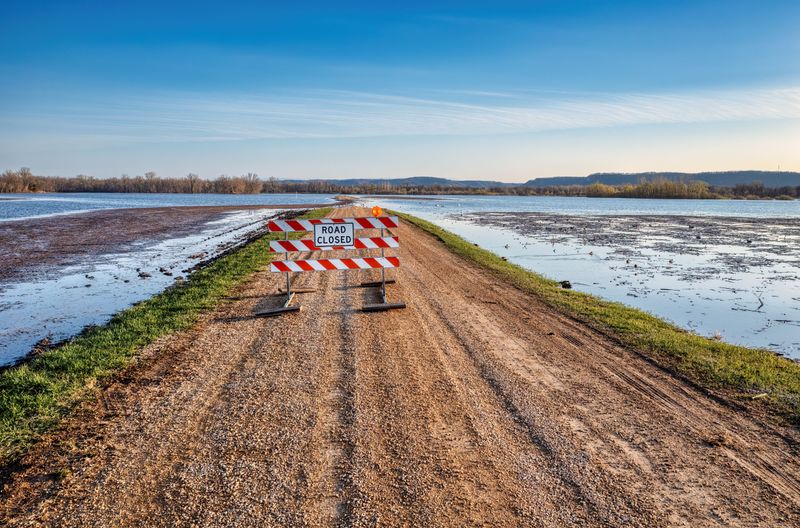
Nothing deflates a morning like a locked gate. Parts of some WMAs have seasonal closures from May 21 through September 7.
These protect public safety and natural resources.
Other closures are temporary. Portions of Higbee Beach WMA are closed for restoration, reportedly until around December 2026.
Parts of Cedar Lake, Greenwood Forest, Menantico Ponds, Wildcat Ridge, and Winslow have also seen closures.
The WMA Explorer and the Fish and Wildlife website post current updates.
5. Find the Summer Dog-Training Zones
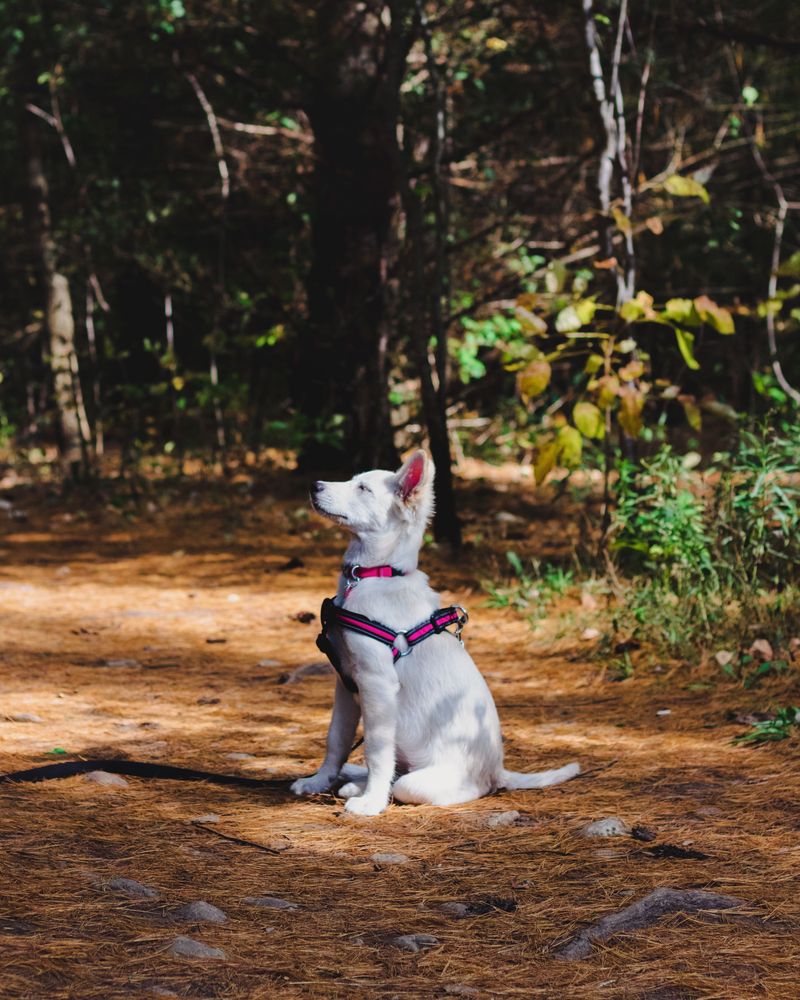
Summer changes the picture quite a bit. From May 1 to August 31, dogs may only be exercised or trained in designated dog training areas.
Those areas exist on select WMAs. The list includes Assunpink, Black River, Clinton, Colliers Mills, Glassboro, Hainesville, Manasquan, Millville, Pequest, Stafford Forge, Tuckahoe, and Whittingham.
Interactive maps on the NJDEP Fish and Wildlife website show each zone’s edges. Pull one up before you pack the car.
6. Know Which Hunting Seasons Are Open

Wildlife Management Areas were largely created with hunters in mind. Hunting is permitted in all WMAs during legal seasons.
That means sharing space is part of the deal. Review current seasons on the NJDEP Fish and Wildlife website or in the Hunting and Trapping Digest.
Sundays deserve a special note. Sunday deer hunting is allowed only during archery seasons, and only on WMAs and private property.
So Sunday quiet is not guaranteed everywhere.
7. Time Your Walk Around Hunting Hours

Dawn walks feel peaceful, yet they overlap with peak hunting time. Deer hunting hours generally run from half an hour before sunrise to half an hour after sunset.
Midday outings may feel calmer during busy seasons. Sundays are usually quieter too, apart from archery deer hunting.
Whatever the hour, wear bright colors like flame orange or bright yellow. Put an orange vest or bandana on your dog as well.
Being easy to see simply makes sense.
8. Watch for Field Trials and Training Events

Some weekends, a quiet field turns into a busy dog event. Field trials on WMAs run by permit from NJDEP Fish and Wildlife.
Designated dog training areas are sometimes stocked with chukars in October for training. Those birds cannot be fired upon, but trained dogs will be working them.
Arriving during an event can unsettle a curious pet. Call the regional Fish and Wildlife office ahead if you want a calmer visit.
9. Read the Posted Rules Carefully
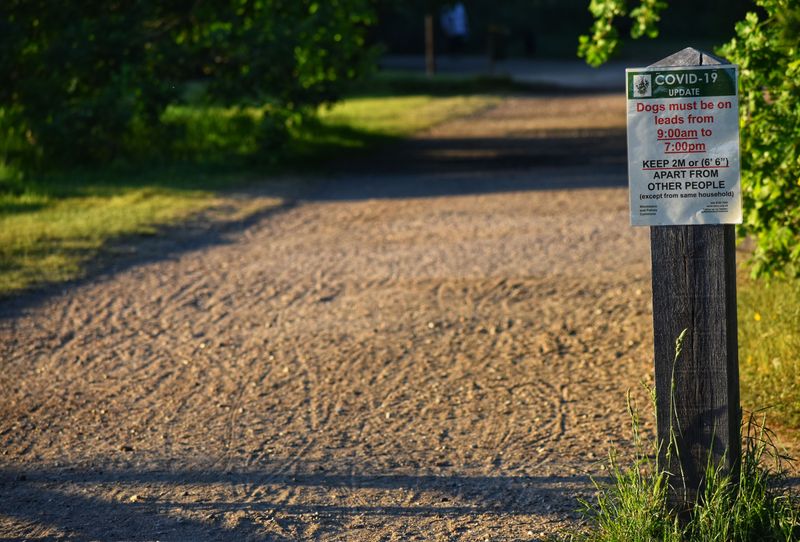
A WMA is not a state park with a different name. NJDEP Fish and Wildlife sets its own regulations here.
Many familiar activities are off limits. These include camping, swimming, picnicking, fires, dumping, and damaging plants.
Metal detecting, geocaching, airsofting, and paintballing are banned too.
Penalties can range from 50 to 1,500 dollars. A second violation can mean losing sporting licenses for five years.
Reading the entry board takes just a minute.
10. Plan to Leave Before Closing Time

Sunset walks are lovely, but the clock matters. New Jersey WMAs close from 9 p.m. until 5 a.m.
The exception covers people engaged in lawful hunting, fishing, or trapping. Casual dog walkers do not fall into that group.
Some areas, like Malibu Beach WMA, post these hours clearly at the entrance. Give yourself a buffer.
Trails often take longer in fading light, and pups tend to slow down on the way back.
11. Check the Route for Trapping Zones
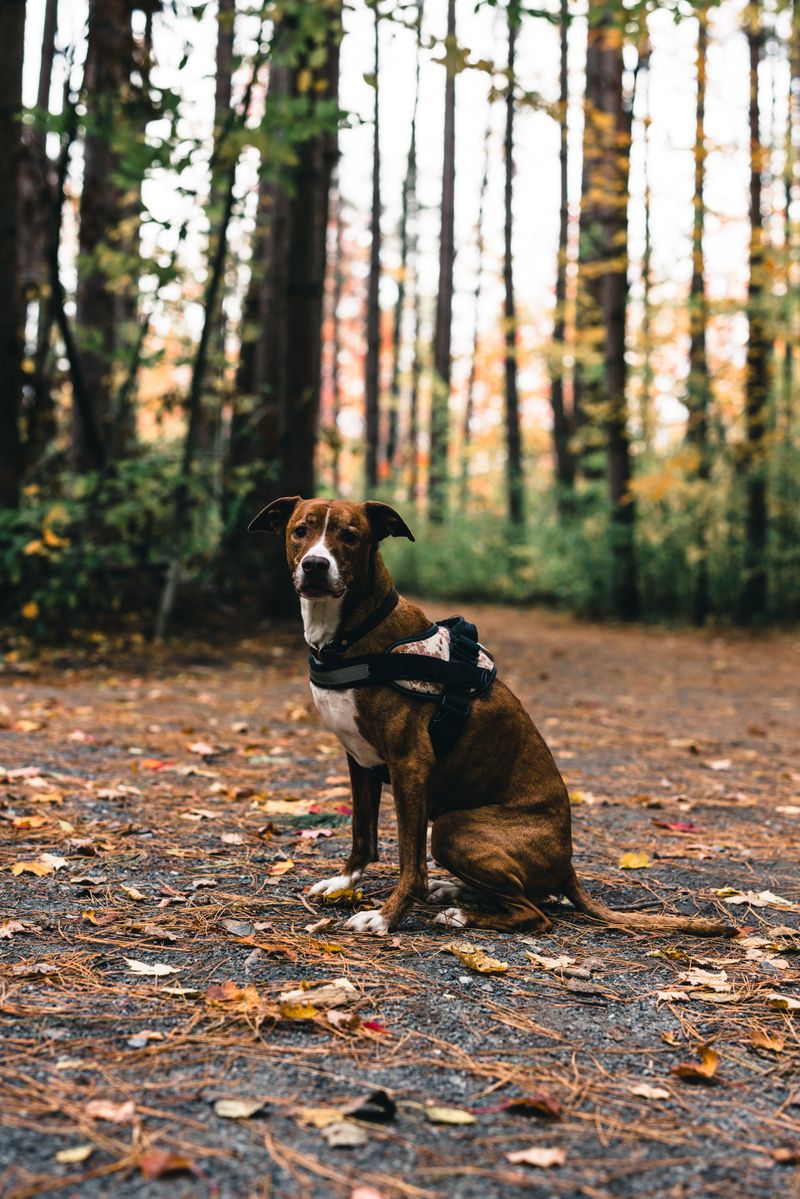
Trapping is a legal activity that many visitors forget about. Hunting and trapping are both permitted in all WMAs during their legal seasons.
Foxes, for example, may be legally hunted with dogs and trapped in New Jersey. Traps are often set along edges and trails.
A curious nose can find one before you do. Keep your dog close during trapping season, and stay on clear paths.
WMA Explorer may show useful zone details.
12. Add Solid Identification

A license tag proves registration, yet it rarely brings a wandering dog home fast. Extra identification fills that gap.
An engraved tag with your phone number is simple and effective. Many owners also add a microchip for backup.
Keep the chip registry details updated after any move.
WMAs are large and often lightly patrolled. Anyone who finds your dog should reach you within minutes.
Reflective or brightly colored collars help too.
13. Pack a Leash No Matter What

New Jersey does not have one statewide leash law. Leash rules are mostly set by local towns, and most require leashing in public areas.
Dogs actively hunting in open season or running in field trials have certain exemptions. Training areas may also allow more freedom.
Even so, a leash belongs in your hand or pocket. Surprise wildlife, other dogs, or hunters can appear quickly.
Quick control keeps everyone relaxed and safe.
14. Refresh Tick and Flea Protection
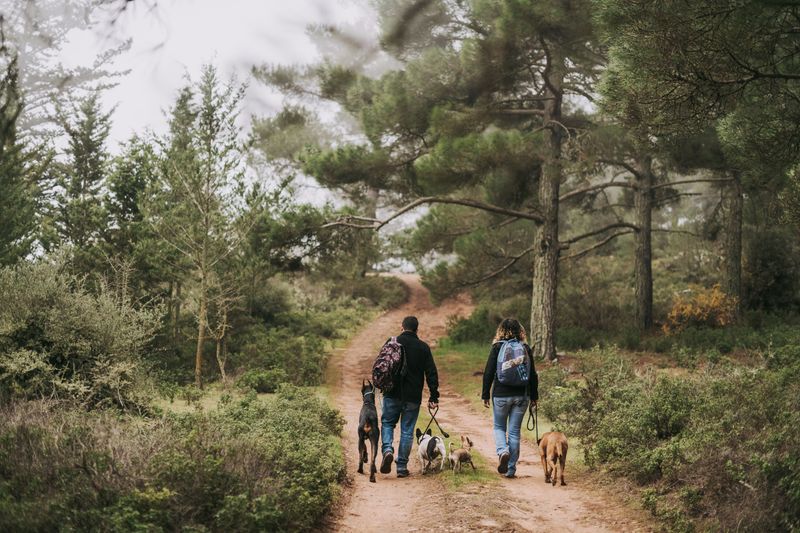
Tall grass and brushy edges are prime tick country. New Jersey sees plenty of them, especially in warmer months.
Look at the date of your dog’s last preventive dose. Many products work on a monthly schedule, and gaps are easy to miss.
This is not a WMA rule. It is simply smart health care.
Ask your veterinarian which product suits your dog’s age, size, and routine. Never guess at dosing on your own.
15. Carry Water for Two
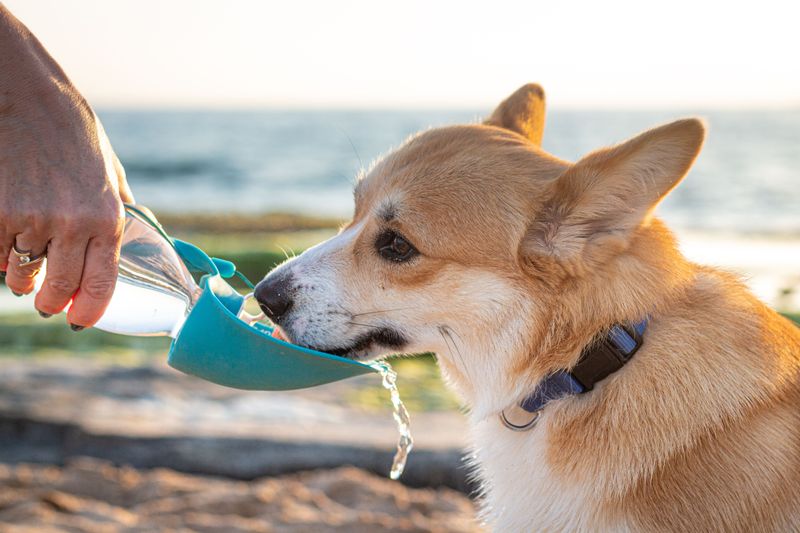
Most WMAs do not offer water fountains or spigots. What you bring is what you get.
Pack enough for yourself and your dog, then add a little extra. A collapsible bowl weighs almost nothing and fits any pocket.
Offer small drinks often rather than one big gulp. Ponds and streams can hold bacteria or algae, so skip those.
Your own clean supply is the safer choice every time.
16. Bring Waste Bags and a Plan

Here is a detail many first-time visitors miss. New Jersey WMAs run on a carry in, carry out basis.
No trash cans wait at the trailhead. Owners are expected to handle pet waste promptly and in a sanitary way.
Pack plenty of bags and a sealable pouch or container for the ride home. A small odor-blocking bag holder clipped to your pack works nicely.
Leaving no trace keeps these areas welcoming.
17. Read the Sky and the Roads
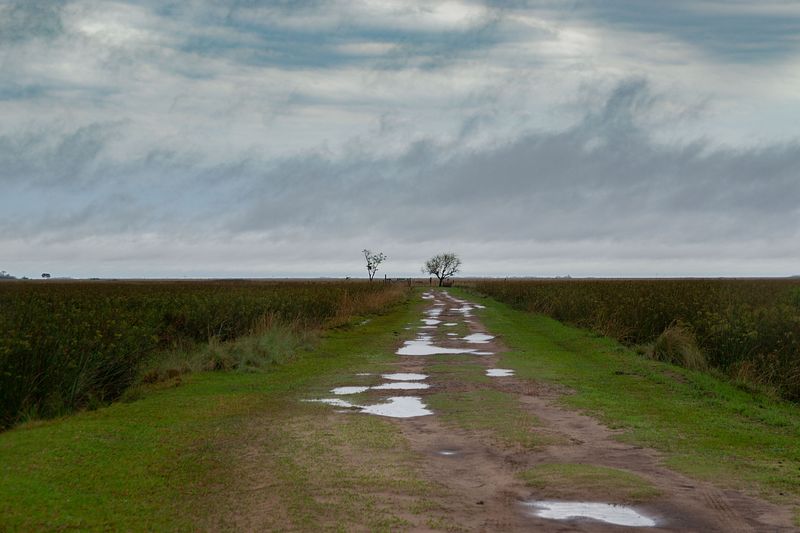
Weather shapes the whole trip. WMA parking areas are often grass or dirt, and heavy rain can make them hard to reach.
Check the forecast for storms, flooding, and heat. Hot days are rough on dogs, especially flat-faced breeds and seniors.
Pavement is rare here, but sandy trails still heat up under strong sun. Morning or cooler days usually work best.
If mud looks deep, choose another spot.
18. Match the Terrain to Your Dog
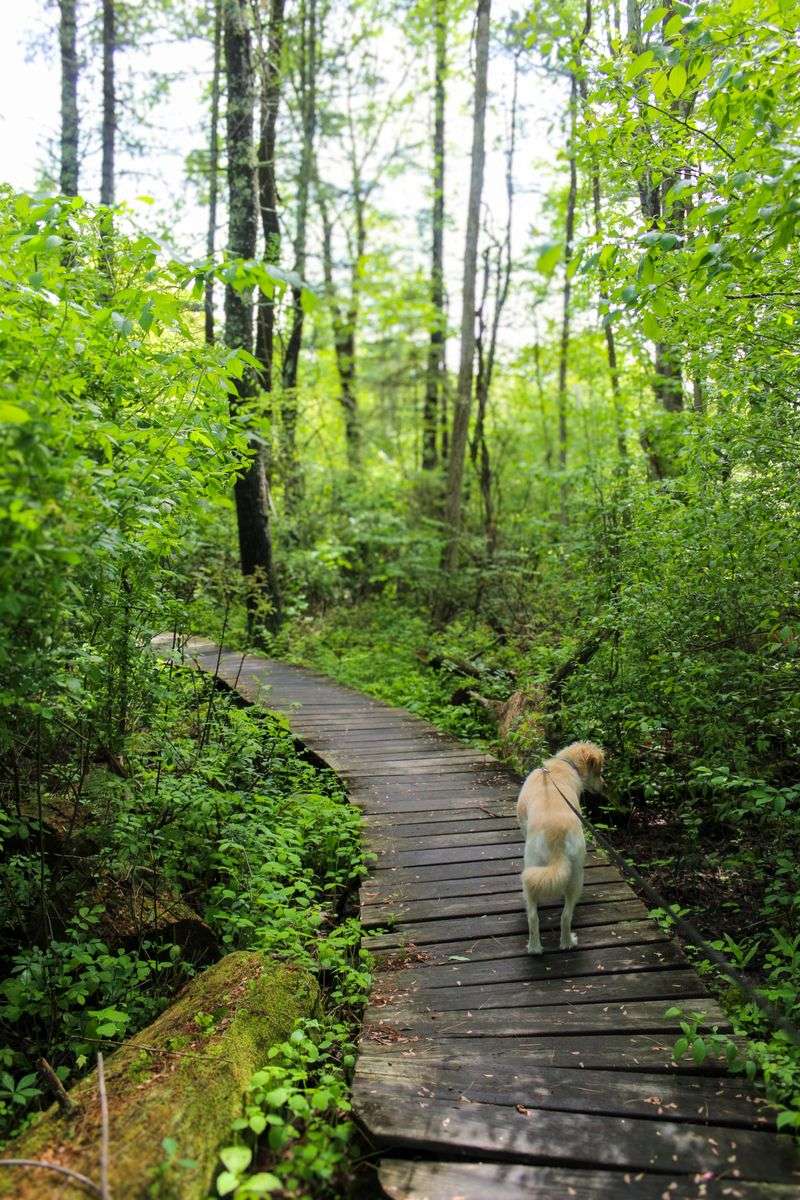
Not every trail suits every dog. New Jersey WMAs range from rugged northern hills to sandy pine tracts and coastal marshes.
Wetlands, thick brush, and water crossings can challenge small, older, or short-legged pups. Rocky ground may bother tender paws.
Use WMA Explorer to preview habitat types before you go. Pick a route that fits your dog’s stamina today, not their puppy days.
Shorter and happier beats longer and exhausted.
19. Keep Wildlife and Other Dogs Undisturbed

Good manners outdoors go beyond sit and stay. Allowing a dog to run loose while it pursues or harasses wildlife in a state WMA is illegal.
Some WMA beaches, including Malibu Beach and Higbee Beach, protect nesting habitat for endangered birds. Dog access there may be limited.
Hunters with working dogs also use these lands. Give them space, and keep your dog from rushing over to greet.
Calm distance helps everyone.
20. Do a Head-to-Tail Check at Home

The trip is not quite over when you reach the car. A careful once-over finishes the job.
Run your hands slowly through the coat. Check ears, armpits, between toes, and under the collar for ticks.
Pull out burrs before they tangle.
Look at paw pads for small cuts or redness. Rinse off mud if needed.
Anything that looks swollen or sore deserves a call to your veterinarian. Then enjoy a well-earned nap together.