20 California Rental Questions To Answer Before Adopting A Dog That Needs More Space

Falling for a big, bouncy shelter dog is easy. Fitting that dog into a California rental takes a little more planning.
Leases, fees, yards, and even summer heat can all shape daily life with a larger pup. Think of this guide as a friendly chat with someone who has rented with big dogs before.
Answer these questions first, and you can bring your new friend home with real confidence.
1. Does Your Lease Actually Allow Dogs?

Start with the paperwork, because everything else depends on it. In California, landlords can generally set a no-pets policy for ordinary pets.
Your lease, or a pet addendum, should spell out the rules.
Service animals and qualifying emotional support animals are different. Housing providers usually must make reasonable accommodations for them, even under a no-pets rule.
For a regular pet, read every clause slowly. If the lease says nothing about dogs, ask your landlord directly and get the answer in writing.
2. Is There a Size or Weight Cap?

Plenty of pet-friendly buildings quietly mean small-pet-friendly. California landlords may limit the size or weight of ordinary pets.
A common cutoff sits around 50 pounds, though every property sets its own number.
Shelter puppies can be tricky here. A pup that weighs 25 pounds today may reach 70 by its first birthday.
Ask the shelter for an adult size estimate. Then compare it with your lease limit before you sign any adoption forms.
3. Breed Rules You Might Not Expect

Breed lists often surprise new renters. California landlords and property managers can restrict certain breeds for ordinary pets, often because of insurance requirements.
Restricted lists commonly include Pit Bull types, Rottweilers, Doberman Pinschers, German Shepherds, Chows, and Great Danes. Mixed breeds can also get flagged based on looks alone.
Ask how the manager decides a dog’s breed. Some accept shelter records or a vet note.
Knowing the process early saves heartbreak after you have already bonded with a dog.
4. How Many Pets Can Live Here?

Already share your home with a cat or a small dog? Then this one matters a lot.
California landlords can generally limit how many pets a tenant keeps, and the lease should state the number.
Condos add another layer. Under California Civil Code Section 4715, HOAs generally must allow owners at least one pet.
They can still set reasonable limits beyond that.
Count every animal you have now. Make sure your new dog fits within the stated total.
5. Get Written Approval Before Adoption Day

Picture this: you bring home a sweet hound, then learn the manager never approved her. Nobody wants that stress.
Most California landlords require written approval for any new pet. A pet agreement usually lists the dog’s description, rules, and costs.
Send your landlord the dog’s photo, age, estimated adult weight, and vaccination plans. Wait for a signed reply before adoption day.
A quick email feels small, yet it protects both your housing and your new companion.
6. Will Pet Rent Raise Your Monthly Bill?

Budgets deserve honesty, so let us talk money. California landlords can charge monthly pet rent for ordinary pets.
That charge is separate from your base rent and is not refundable.
State law currently does not cap pet rent for ordinary pets. Amounts vary widely between buildings and cities, so always ask for the exact figure.
Pet rent generally cannot be charged for service animals or emotional support animals. Add any fee to your yearly budget alongside food and vet care.
7. Deposits, Fees, and the One-Month Rule

California changed its deposit rules recently. Since July 1, 2024, Assembly Bill 12 generally caps total security deposits at one month’s rent.
Some small landlords have a narrow exception.
A pet deposit must fit inside that cap. It stays refundable if your dog causes no damage.
Upfront non-refundable pet fees are generally treated as deposits under state law. If a listing mentions one, ask questions politely.
A local tenant rights group can help confirm your situation.
8. Room to Stretch Indoors

Watch a big dog turn around three times before lying down. That simple ritual takes real floor space.
Walk through the rental with your future dog in mind. Can a 70-pound dog move between rooms without bumping furniture?
Is there a calm corner away from foot traffic?
Energy level matters as much as size. A mellow senior Greyhound may enjoy a studio.
A young working breed usually needs more elbow room, plus lots of daily outings.
9. A Private Yard or Secure Patio
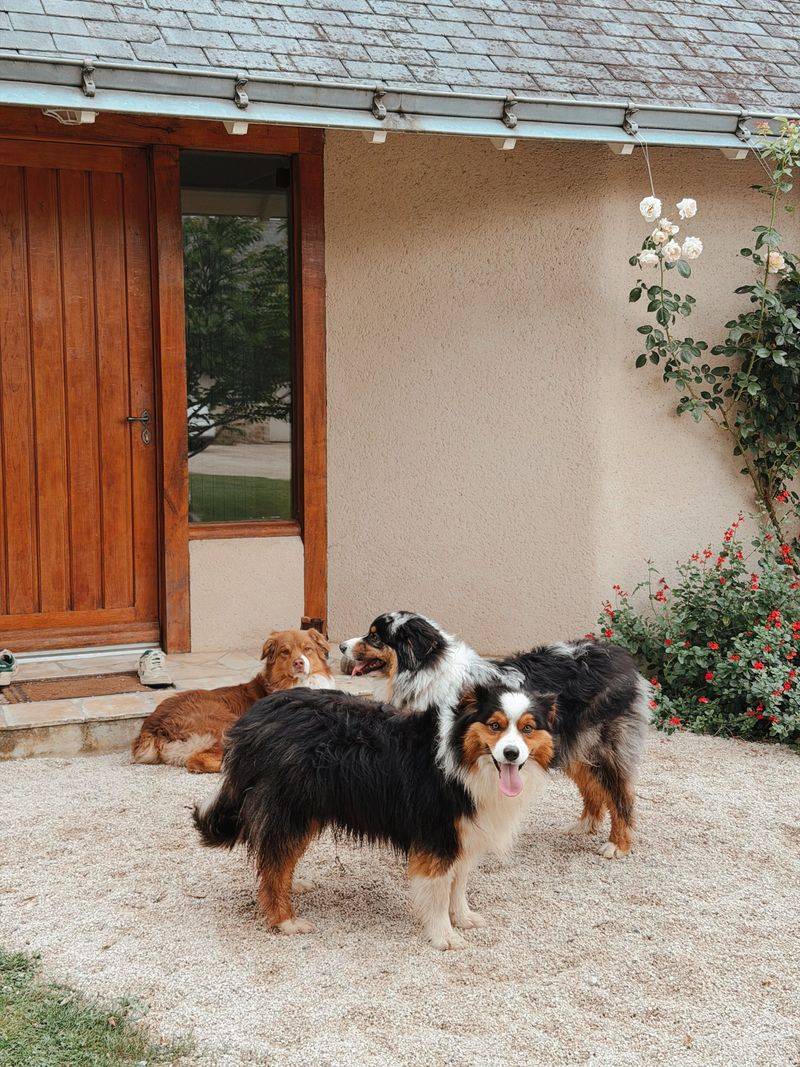
Late-night potty breaks feel much easier with outdoor space right outside your door. A private yard or secure patio gives a larger dog fresh air without a long walk first.
Not every rental offers one, especially in dense cities like San Francisco or Los Angeles. Some house listings highlight dog-friendly yards, so search filters can help.
Even with a yard, plan on regular walks. Yards support exercise, but they rarely replace it for active dogs.
10. Checking Every Inch of the Fence

Fences have a sneaky habit of looking solid from the patio. Up close, you may find loose boards or gaps under the gate.
Walk the entire perimeter slowly. Check height too, since athletic dogs can clear a short fence.
Look for spots where digging would be easy.
Test gate latches and ask who else uses them. Gardeners or neighbors may leave gates open.
A secure fence keeps your dog safely home and away from busy streets.
11. Who Fixes the Fence?
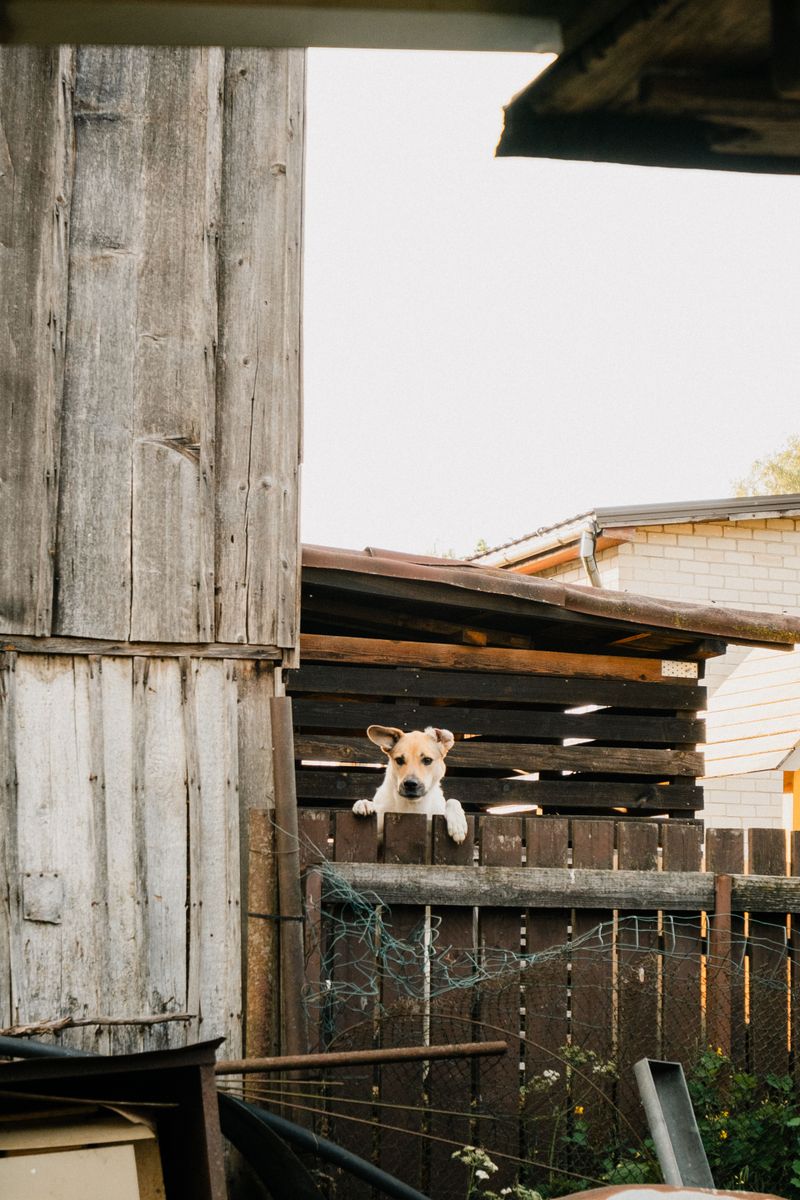
Here is a question many renters skip until a board falls over. Generally, landlords handle normal fence upkeep unless the lease says otherwise.
Damage caused by your dog is another story. Chewing, digging, or scratching repairs usually become the tenant’s cost.
Read the maintenance section of your lease closely. Take dated photos of the fence before moving in.
Report problems in writing quickly. Clear records keep conversations friendly and protect your deposit later.
12. Common Areas and Leash Rules
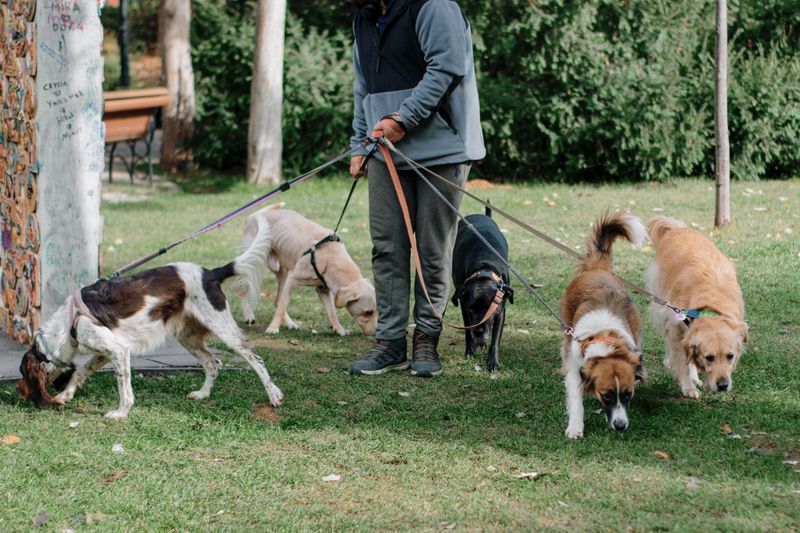
Shared courtyards look inviting, yet they often come with their own rulebook. Many California complexes require leashes in every common space.
Some communities also keep dogs away from pools, clubhouses, or playgrounds. Others provide fenced bark parks for off-leash play.
Request a written copy of the community rules. Note where your dog can walk, rest, and relieve itself.
Knowing the boundaries helps you avoid awkward run-ins with neighbors during those first busy weeks.
13. Is a Good Exercise Spot Nearby?

High-energy dogs need a reliable place to burn off steam. Before signing, map the nearest dog park, trail, or open walking route.
Fun fact: many California cities run public off-leash dog areas. Rules and hours vary by city, so check local park websites.
Try walking the route at the times you would really go. A park five minutes away gets used daily.
One requiring a long drive often becomes a weekend-only treat.
14. Apartment, HOA, and Community Rules

Renting a condo or townhome? You may have two sets of rules to follow.
Your lease is one. The HOA’s rules are the other.
California HOAs cannot ban pets outright for owners, but they can adopt reasonable pet rules. These may cover size, breed, number, and leash requirements.
Ask your landlord for the current HOA rules before adopting. Owners sometimes miss updates.
Reading the latest version yourself keeps surprises to a minimum.
15. Barking and Noise Expectations

Thin walls carry sound farther than most people expect. A deep bark can echo through a whole building.
Many leases and community rules include noise or nuisance clauses. Ongoing barking that bothers neighbors can lead to lease violation notices.
Ask the adoption team how the dog behaves when left alone. Plan for training, long walks, and chew toys.
A tired, content dog tends to stay quieter, which keeps neighbors happy.
16. Stairs, Elevators, and Tight Hallways

Three flights feel fine on moving day. They feel different at six in the morning with an eager dog.
Stairs can be hard on puppies, seniors, and large breeds with sensitive joints. Ask whether elevators work reliably and fit a big dog comfortably.
Measure narrow hallways and doorways too. You may need to carry a crate through them.
If the dog ever has mobility trouble, ground-floor access becomes a genuine gift.
17. Space for the Crate, Bed, and Supplies
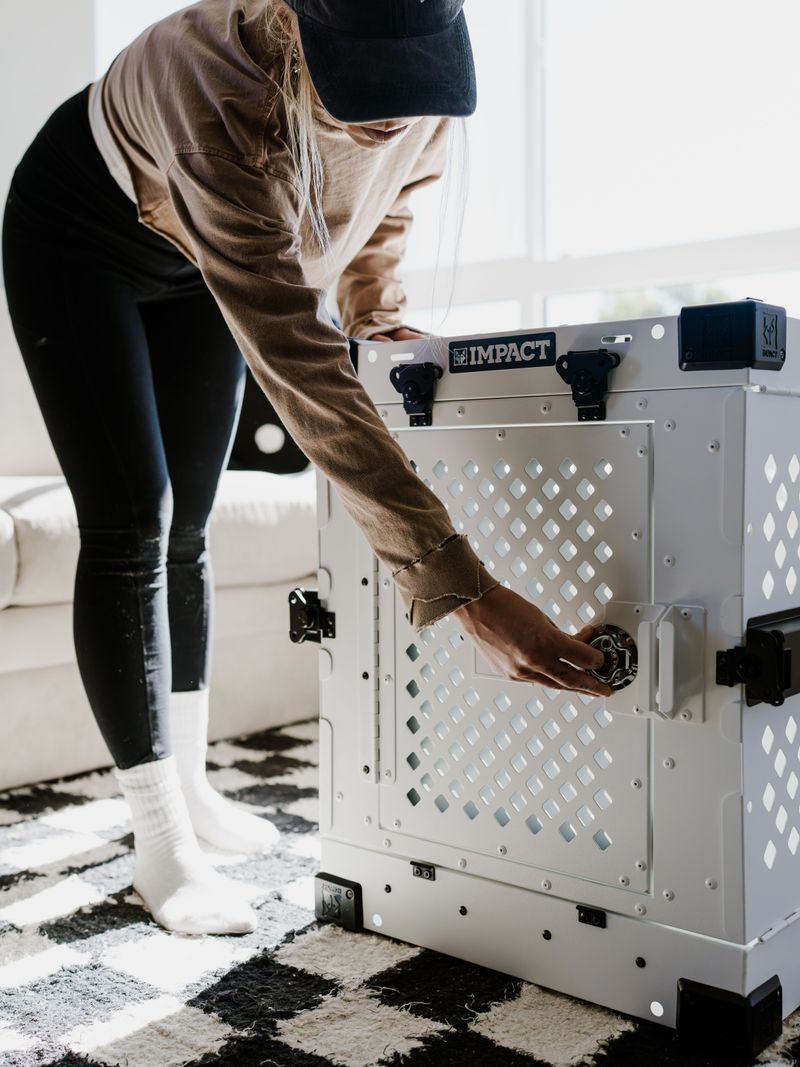
Big dogs come with big gear. An extra-large crate can take up as much space as a small desk.
Add a thick bed, food and water bowls, and a bin of kibble. Toys, leashes, and grooming tools need homes too.
Sketch a simple floor plan before moving in. Pick a quiet crate spot and an easy-to-clean feeding area.
Good organization keeps your rental tidy and helps your dog settle faster.
18. Indoor Days for Heat and Smoke

California summers can bring scorching afternoons and smoky skies from wildfires. On those days, long walks may not be safe.
Ask yourself whether your rental supports indoor play. Good cooling helps, and so does open floor space for gentle games.
Puzzle feeders, snuffle mats, short training sessions, and treat hunts keep minds busy. Check local air quality reports before heading out.
Your veterinarian can suggest safe activity levels for your dog’s age and breed.
19. Renters Insurance and Dog Coverage

Insurance fine print rarely makes exciting reading, but it matters here. Many renters policies limit or exclude coverage for certain breeds or sizes.
Liability coverage for dog-related injuries varies by company. Some landlords also require tenants to carry a minimum amount.
Call your insurer before adopting. Ask about breed lists, coverage limits, and any extra cost.
Get answers in writing, then share proof with your landlord if the lease asks for it.
20. Thinking Ahead to Your Next Move

Dogs often live ten years or more, longer than most leases. So picture your next move now.
Many California renters find big-dog housing harder to locate, especially with breed limits. Browse listings in areas you might move to and note their pet policies.
Keep vet records, training certificates, and a landlord reference handy. A tidy pet resume helps.
Plan ahead, ask clear questions, and you and your new dog can thrive together wherever life leads.