16 New Jersey Dog Laws That Could Catch Owners Off Guard

If you share your home with a dog in New Jersey, a few rules may surprise you.
Most owners already handle the basics like vaccines and leashes. Still, the state has specific requirements about licensing deadlines, tethering, shelter, and weather that are easy to miss.
Knowing them ahead of time keeps things simple and stress free.
Here is a friendly walkthrough of the laws local owners should have on their radar, plus practical tips for staying on the right side of them.
1. Licensing Begins at Seven Months Old
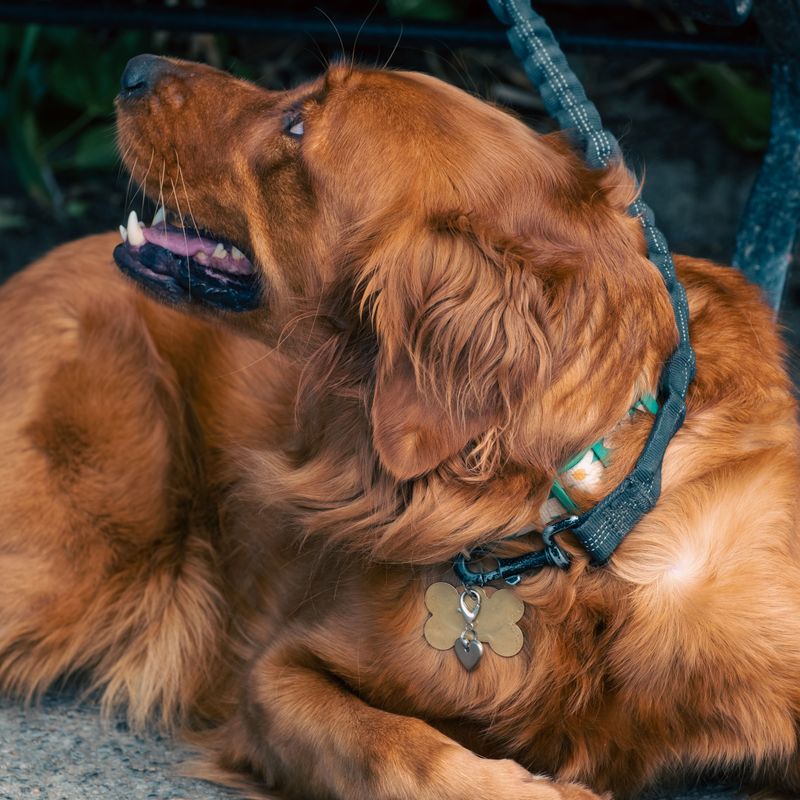
Puppies grow fast, and so does the paperwork clock. Once a dog reaches seven months, New Jersey requires an annual license through the town where the owner lives.
Some municipalities set the bar a bit earlier, at six months or when permanent teeth arrive. Rules differ locally, so a quick call to your clerk clears things up.
Mark the renewal month on a calendar. It takes minutes and prevents an avoidable fine later.
2. Ten Days to License a Newly Adopted Dog
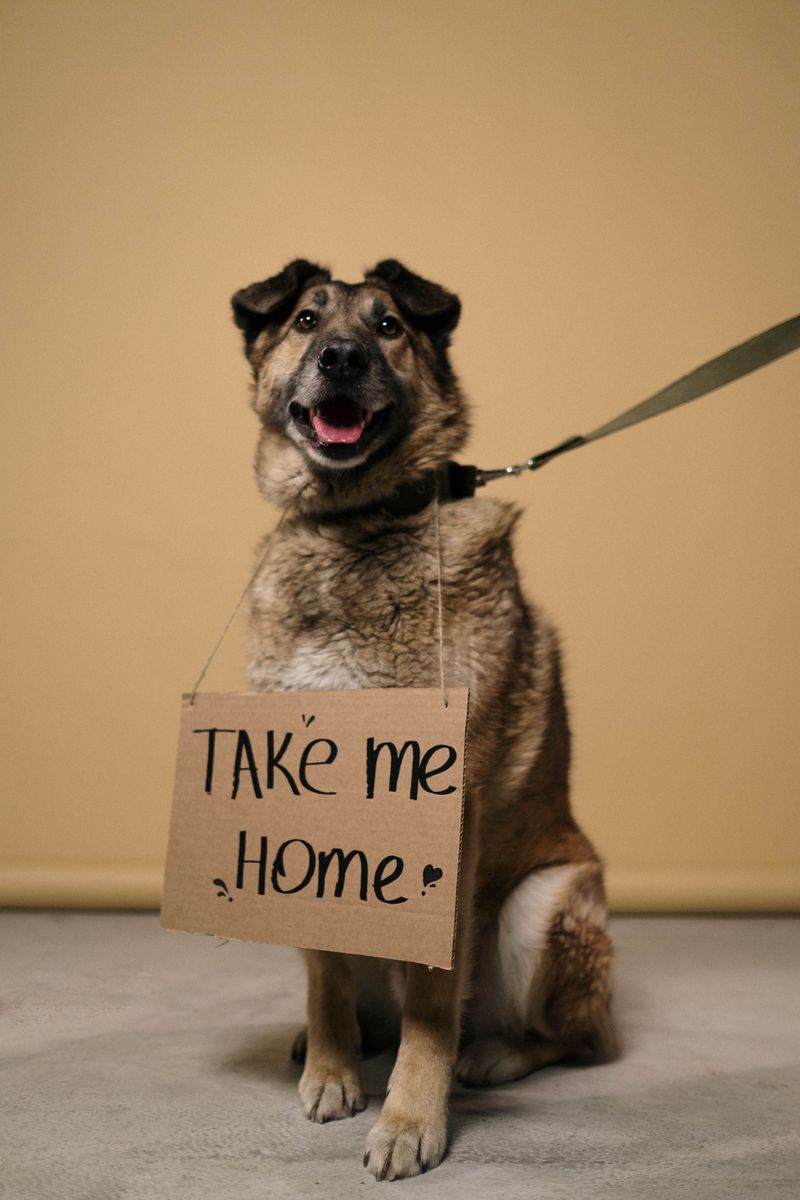
Bringing home an adult rescue is exciting, and there is one quick errand to add. When a dog of licensing age joins your family, licensing generally must happen within 10 days.
Same timeline applies when a puppy you already own hits licensing age. Shelters often remind adopters, but the responsibility rests with you.
Bring rabies paperwork along, since most towns will not issue a license without it.
3. Rabies Coverage Must Outlast Most of the License Year

Here is a detail that trips up plenty of people. Proof of rabies vaccination is required, and immunity must extend through at least ten months of the twelve-month license period.
Certain towns phrase it differently, requiring validity through November 1 of the license year.
If a health condition prevents vaccination, a veterinarian can provide written certification for an exemption. Ask your vet to time boosters so renewals line up smoothly.
4. That Metal Tag Belongs on the Collar

The little metal tag mailed with your license is not a souvenir for the junk drawer. State law expects it attached to your dog’s collar or harness for identification.
Should your dog slip out, that tag helps officers trace you quickly.
Pair it with a microchip and a nameplate for extra insurance. Check the ring occasionally, because tags do work loose over time and quietly disappear on walks.
5. No Tag Away From Home Can Mean Impoundment

Loose dogs happen, even to careful owners. A dog found away from home without a current registration tag may be impounded by animal control.
Recovery usually involves fees, and unlicensed dogs can bring a summons on top of that.
Sturdy fencing, checked gate latches, and a snug collar reduce the odds. Keeping the license current means a wandering pup is far more likely to head straight back to you.
6. Females in Season Need Extra Supervision

Unspayed females draw attention from every dog in the neighborhood. Under New Jersey animal control practice, a female in season found unsupervised off the owner’s property can be picked up and impounded.
Roaming during that time creates nuisance complaints and unplanned litters.
Keep her leashed for every outing, skip the dog park, and supervise yard time closely. Spaying, when your veterinarian advises it, removes the concern altogether.
7. Suspected Rabies Must Be Reported Promptly

Rabies reporting is a shared duty, not just a veterinary one. Owners are expected to notify the local health authority when rabies is suspected in an animal.
Every dog bite also gets reported to the health department or police, which helps officials track possible exposure.
Save your health department number in your phone now. Reporting early protects your dog, your family, and neighbors who may have had contact.
8. A Ten-Day Observation Period Follows a Bite

After a bite or attack involving a person, New Jersey allows officials to require confinement of the dog for at least 10 days.
The purpose is straightforward: observation for any signs of rabies.
Confinement often takes place at home when conditions allow, so ask animal control what your town permits. Having vaccination records ready speeds the process and keeps the whole situation calmer for everyone involved.
9. There Is No Free First Bite Here
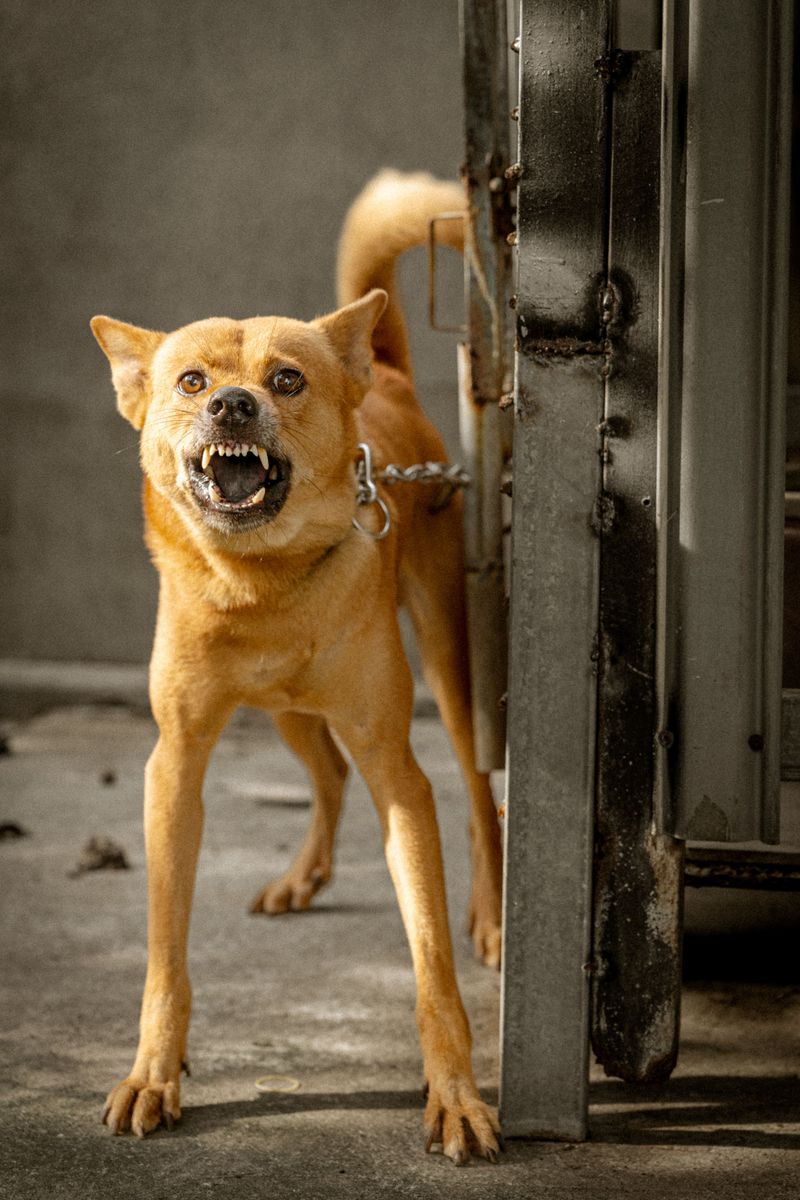
Some states forgive an owner the first incident. New Jersey does not, because it applies strict liability to dog bites.
Owners can be responsible for damages even with a dog who never showed aggression before.
Narrow exceptions involve trespassing or provoking the animal. Training, secure fencing, clear signage, and homeowner insurance coverage all help.
Introduce your dog to guests slowly, and give her a quiet room when the house gets busy.
10. Harsh Weather Limits Outdoor Time

Weather rules are more specific than most owners realize. Exposing a dog to adverse environmental conditions for more than 30 minutes is unlawful without continuous access to proper shelter.
Those conditions include temperatures below 32 or above 90 degrees Fahrenheit, plus rain, snow, ice, sleet, hail, and wind.
Local ordinances sometimes tighten the limits further. Shorter potty breaks and indoor rest are the easy answer on rough days.
11. Evacuation Orders Include Your Dog
Coastal storms make this one very real for New Jersey families. When an official evacuation order is issued, owners must make every effort to leave with their dogs and reach safety.
Leaving a dog indoors unattended or tied outside during such an order is illegal.
Build a go-bag with food, water, medication, records, and a carrier. Note pet-friendly shelters and hotels along your route in advance.
12. Overnight Tethering Is Off Limits

Between 11 p.m. and 5 a.m., tethering a dog outdoors is prohibited statewide.
Exceptions apply when the owner is outside with the dog or can see the dog at all times.
Certain towns set wider windows, such as 10 p.m. through 7 a.m., so confirm your local ordinance. Honestly, most dogs sleep better inside anyway, close to the people they love and away from nighttime noise.
13. Fifteen Feet of Movement Is the Minimum

Length matters when a dog is tethered. New Jersey requires that a tether allow at least 15 feet of movement in any one direction.
Numerous local ordinances repeat the same 15 linear feet standard.
Measure yours instead of guessing, since cable runs shrink once you factor in knots and hardware. A properly sized line lets a dog stretch, shift position, and reach shade or water without straining.
14. Certain Collars and Chains Are Not Allowed
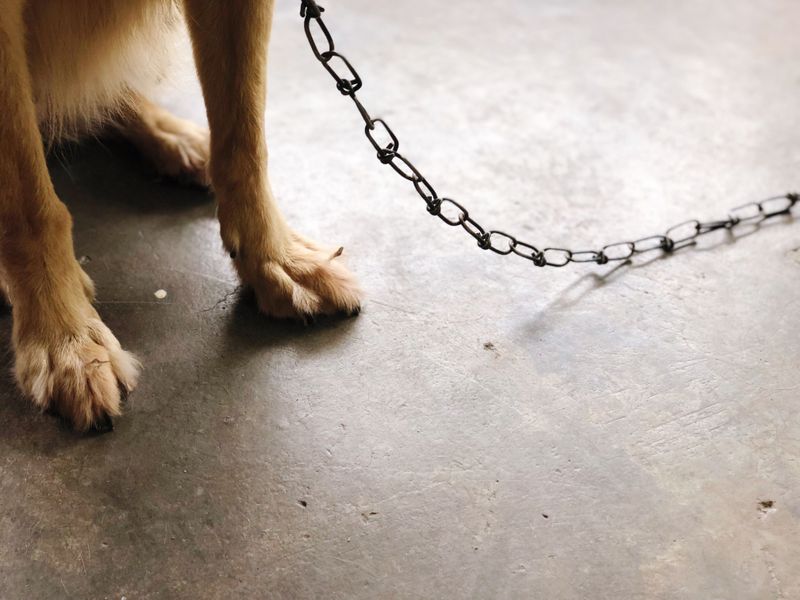
Equipment choices carry legal weight. Tethering with a choke collar, prong collar, or head harness is prohibited, as is any collar besides a properly fitted buckle collar or body harness.
Chains with links thicker than one-quarter inch are out, and attaching weights is never permitted.
Tethers also must not let a dog reach another dog or objects that risk entanglement. One dog per tether, always.
15. Outdoor Shelters Have Real Standards

A tarp draped over a crate will not satisfy the rules. Required outdoor shelter must be soundly built, ventilated, and able to keep a dog dry at a normal body temperature.
Solid roof, walls, and a raised floor are needed, plus insulation, dry bedding, and a windbreak in cold weather.
Space must allow turning fully around and stretching out. Crawl spaces and areas under vehicles do not count.
16. Parked Cars Can Become a Legal Problem
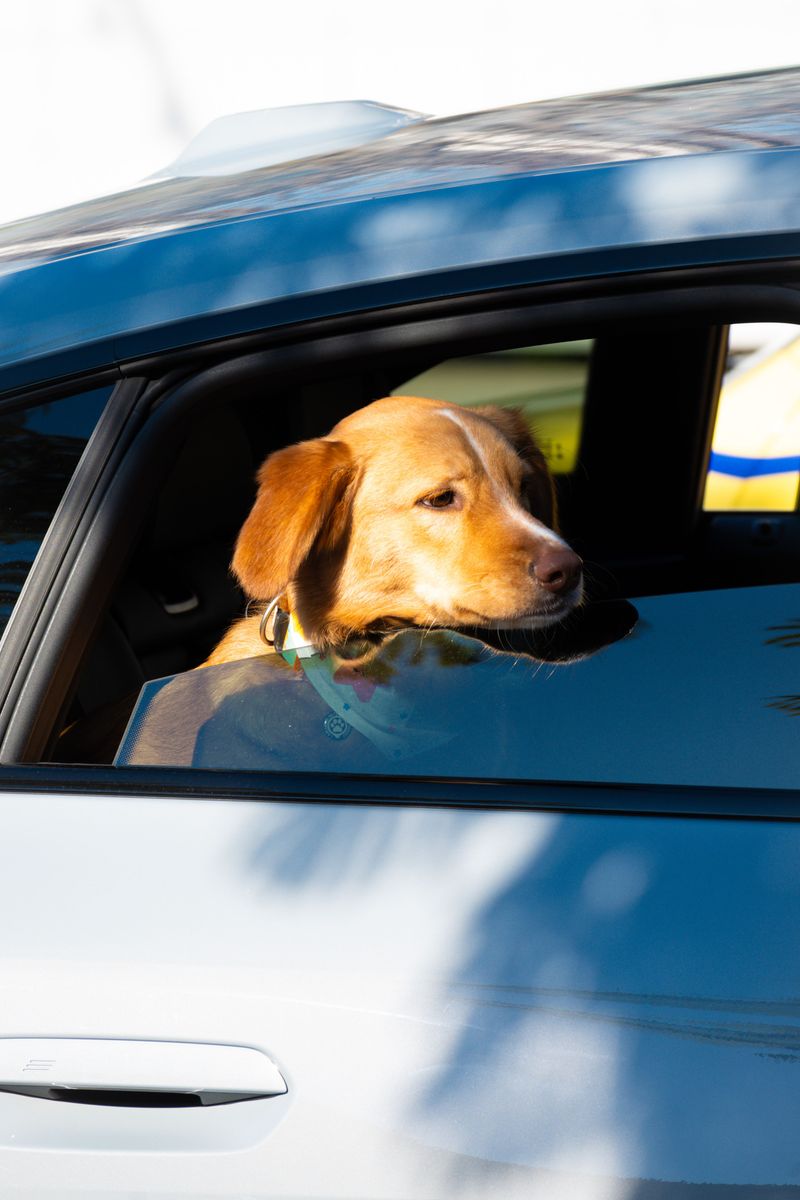
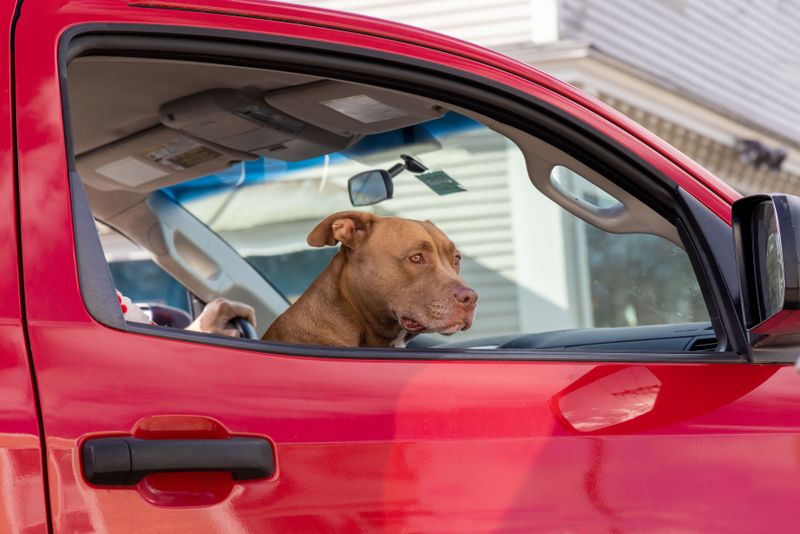
Quick errands turn risky fast inside a closed vehicle. Leaving a dog unattended in a car during extreme heat or cold can fall under New Jersey animal cruelty statutes.
Penalties may include fines, community service, or removal of the animal from the owner’s care.
Cracked windows do little on warm days. Take your dog inside with you, leave her home comfortably, or bring a second person along.
Stay informed, and enjoy the walks.