20 Costs California First-Time Dog Owners Miss Before Signing A Pet-Friendly Lease

Bringing a dog home in California feels wonderful, right up until the lease paperwork arrives. Between monthly pet rent, vaccine visits, and deposit rules that changed in 2024, the real budget is bigger than most first-time owners expect.
None of it is scary once you can see it clearly. Think of this list as a friendly heads-up from someone who has read the fine print, so you can sign with confidence and enjoy the puppy part.
1. The Refundable Pet Deposit, Now Capped

Here is the 2024 update many renters miss. California folds pet deposits into your total security deposit, and most landlords cannot collect more than one month’s rent overall.
Small landlords owning two properties or fewer, totaling four units, may still collect two months in certain cases.
Any upfront pet money counts as security and must be refundable. Lease wording calling it non-refundable is void.
2. Pet-Friendly Units Often List Higher Rent

Compare listings carefully and a pattern appears. Buildings that welcome dogs sometimes price base rent a little above similar pet-free units nearby.
California law does not specifically define a pet-friendly rent premium, but landlords may factor pets into overall pricing.
Run the numbers across a full year before choosing. A slightly pricier unit with no pet rent can quietly beat a cheaper one with fees.
3. Renters Insurance With Animal Liability Included

Plenty of renters assume their policy covers everything their dog does. Some policies include animal-related claims, others exclude them entirely.
Call your agent and ask directly about dog bite liability and property damage coverage before signing anything.
California holds dog owners strictly liable for injuries their pets cause. A personal umbrella policy can add protection above your standard limits if you want extra breathing room.
4. Standalone Dog Liability Policies

Some landlords require canine liability coverage as a lease condition, especially for larger dogs.
Specialty insurers write policies for all breeds, including Pit Bulls, Rottweilers, German Shepherds, and Dobermans. Rates can start under $10 monthly, with coverage from $10,000 to $300,000 and deductibles between $250 and $2,500.
Advisors commonly suggest at least $100,000 liability plus $1,000 medical payments. Higher limits offer more comfort.
5. Monthly Pet Rent That Never Goes Away

Unlike a deposit, this charge repeats every single month for as long as your dog lives with you. California allows it when the lease spells it out clearly.
Expect roughly $25 to $75 per pet monthly. Los Angeles, San Diego, and Bay Area buildings often sit at the top, and luxury communities may reach $100.
State law sets no cap. Service animals and qualified emotional support animals are exempt from pet rent.
6. Your City’s Dog License Fee
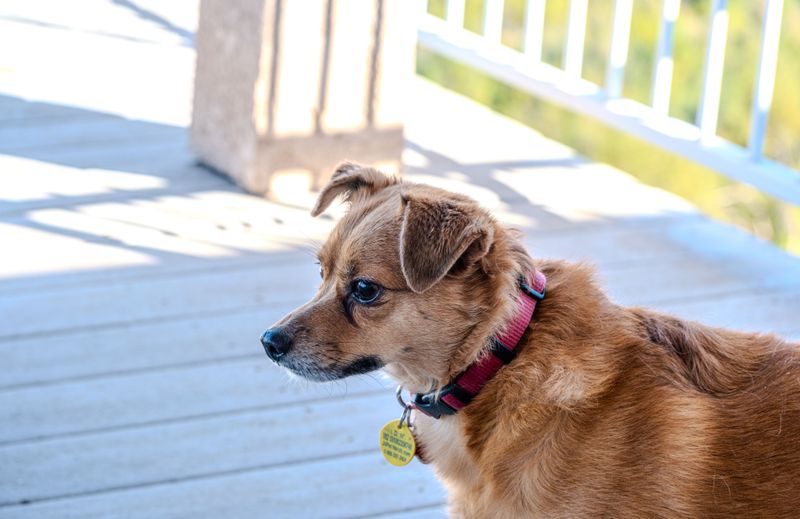
Licensing is required across many California cities and counties, and the price is never uniform.
Fees shift depending on whether your dog is spayed or neutered, and sometimes on age. Altered dogs usually pay considerably less.
Contact your local animal control agency or city clerk for exact amounts and renewal timing. Budget for it yearly, because licenses expire and late renewals can add penalties.
7. Rabies Vaccination Is Legally Required
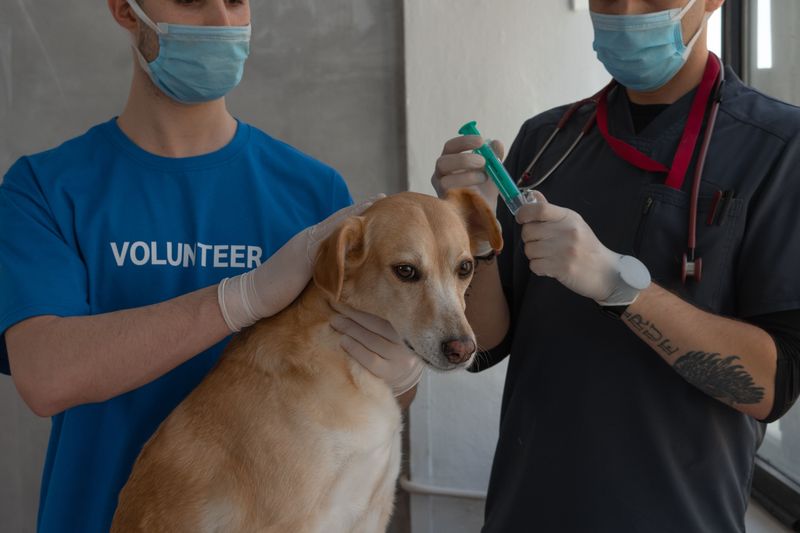
California law requires rabies vaccination for every dog four months and older. No exceptions for indoor-only pets.
Costs generally land between $14 and $28, which makes this one of the gentler line items on your list.
The first shot covers one year. A booster given a year later, with proof of the earlier dose, typically lasts three years.
Keep that certificate handy for licensing.
8. That First Full Wellness Exam
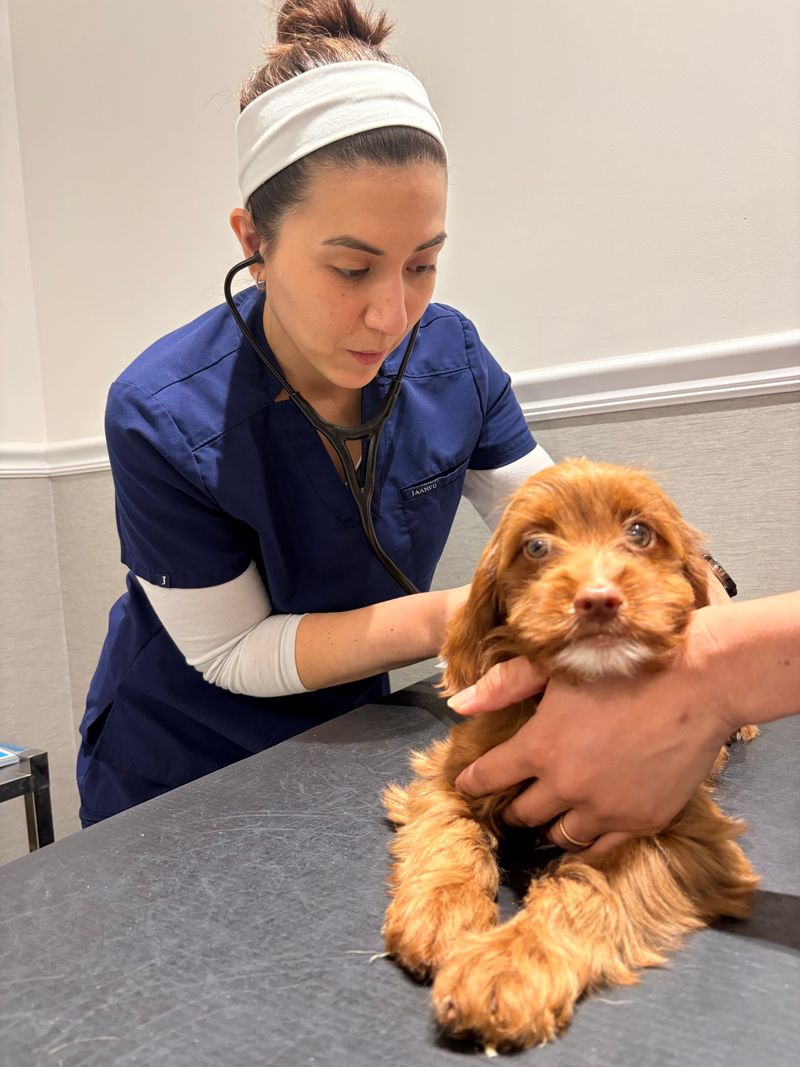
Before anything else, a head-to-tail checkup sets your baseline. The vet looks at weight, teeth, heart, ears, and skin.
Routine visits in California usually run $85 to $120. Some community clinics offer intake exams closer to $45.
Schedule it within the first week or two of adoption. Catching small issues early is far kinder to your dog and your wallet.
9. The Puppy Vaccine Series Adds Up

DHPP protects against distemper, hepatitis, parainfluenza, and parvovirus. Puppies typically get doses at 8, 12, and 16 weeks.
Each dose runs roughly $25 to $38 in California, so plan for three rounds rather than one bill.
Depending on lifestyle, your vet may recommend Bordetella or Leptospirosis, each around $20 to $38. Daycares and boarding facilities often require Bordetella proof.
10. Spay or Neuter Surgery Pricing Varies Widely
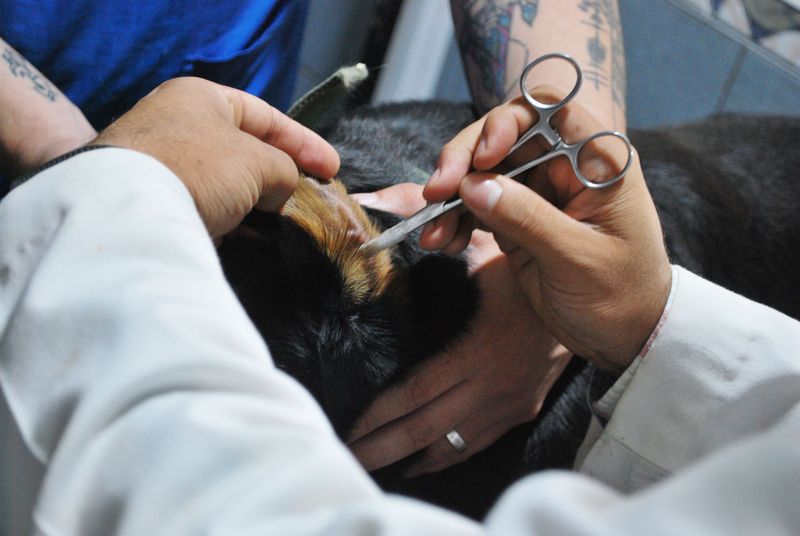
Prices swing dramatically depending on where you go. Low-cost clinics in the Central Valley and Bay Area often charge $100 to $450 for dogs.
Private hospitals commonly run $250 to $800 or more. Contra Costa County programs have listed weight-based fees around $73 to $107.
Extra charges may apply for dogs in heat, overweight dogs, or short-nosed breeds, often $39 to $150.
11. Microchip Placement Plus Database Registration

A rice-sized chip under the skin gives your dog permanent identification that cannot slip off a collar.
California pricing typically falls between $25 and $55, and many low-cost vaccine clinics include the service.
Registration with a national database is usually separate, sometimes with an annual fee. Update your address the moment you move, otherwise the chip points rescuers to your old apartment.
12. Year-Round Flea, Tick, And Heartworm Prevention

California’s mild weather means parasites rarely take a season off. Prevention runs monthly or every few months, depending on the product.
Pricing depends on your dog’s weight, brand, and whether you choose chews or topicals.
Some pet insurance wellness add-ons include these medications. Ask your veterinarian which combination fits your region, since coastal, valley, and mountain risks differ across the state.
13. Crates, Beds, Gates, And Puppy-Proofing Gear
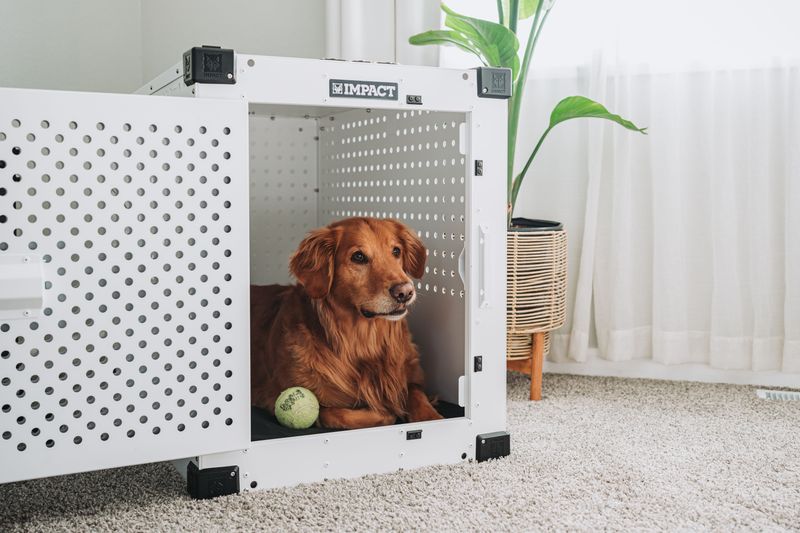
Setting up a rental for a dog is basically a small furniture project.
Crates range from $40 to $200 or more. Beds land around $30 to $100.
Safety gates cost roughly $20 to $60 each.
Add another $20 to $50 for deterrent sprays, outlet covers, and a latching trash can. Protecting the landlord’s walls and baseboards protects your deposit too.
14. Walking Gear And Engraved Identification

Small items, real money. Collars usually cost $10 to $30, leashes $15 to $40, and harnesses $20 to $60.
Engraved ID tags run about $10 to $20 and remain the fastest way a neighbor can return a wandering dog.
Growing puppies outgrow gear quickly, so expect at least one replacement round during the first year. Buy adjustable when possible.
15. Training Classes Protect Your Tenancy

Good manners keep complaints away, and quiet dogs keep leases intact.
Group classes generally cost $30 to $80 per session, with a four to six week course totaling $120 to $480.
Private lessons in Southern California range from $80 to $300 hourly depending on experience. Board-and-train programs are the priciest, often $500 to $1,500 weekly, with Los Angeles two-week programs near $2,500.
16. Midday Dog Walkers For Long Commutes
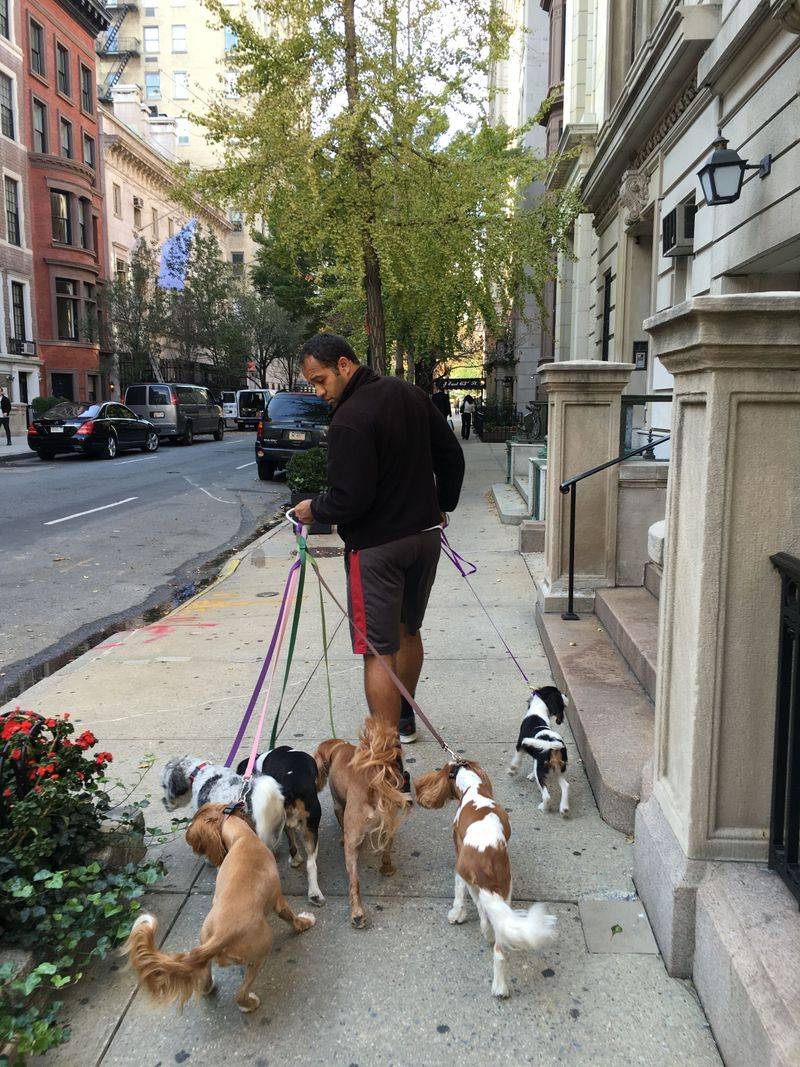
California commutes stretch workdays, and dogs cannot hold it forever.
A 30-minute walk averages about $25 in Los Angeles and roughly $27 in San Francisco. Statewide rates generally run $25 to $45, and some Orange County services charge around $40.
Three walks a week adds up fast. Factor it into your monthly housing math, not your fun budget.
17. Daycare And Pet Sitting During Travel

Daycare averages around $50 daily in Los Angeles and about $56 in San Francisco. Three days weekly can reach $600 to $677 monthly.
Half-day rates sometimes drop to $29 to $37, and multi-day packages lower the per-visit cost.
Home sitters in California average roughly $20 hourly. Drop-in visits run $20 to $31, while overnight stays in Los Angeles range from $50 to $94.
18. An Emergency Fund Or Insurance Policy
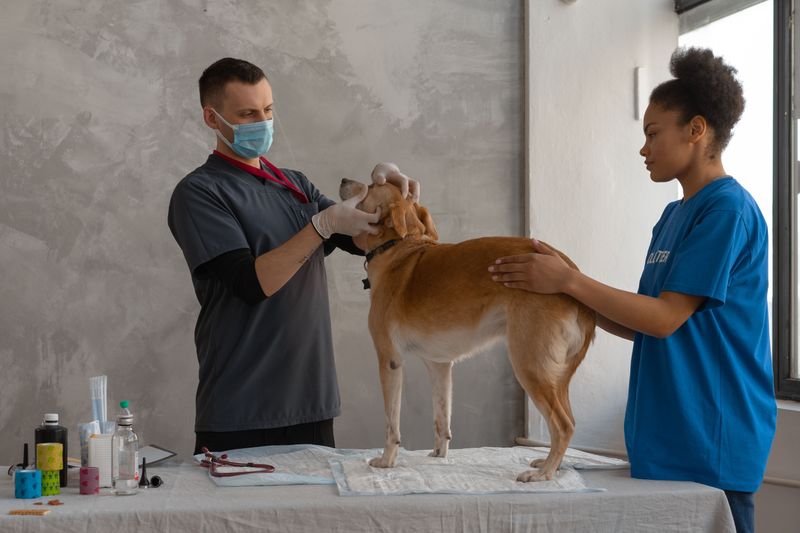
ASPCA estimates place first-year ownership costs between roughly $1,904 and $3,221. Surprises happen outside that range.
California dog insurance averages about $74 monthly, near $882 yearly, with premiums spanning $40 to $151 by breed, age, and location.
San Francisco quotes often reach $70 to $75, while Fresno or Sacramento may sit near $40. Higher limits raise premiums.
19. Scratched Floors, Stained Carpet, And Yard Wear
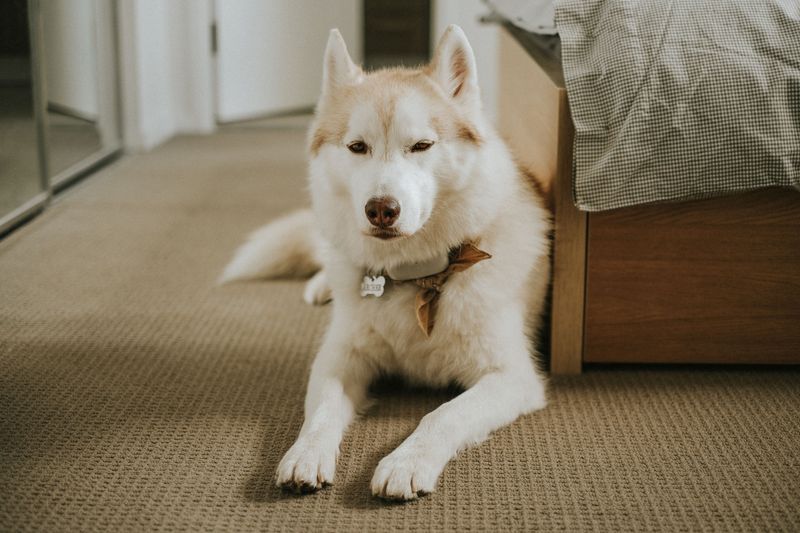
Normal wear is expected. Pet damage beyond that can be deducted from your security deposit under California rules.
Repair costs depend entirely on materials and the size of the problem, from spot carpet cleaning to plank replacement.
Photograph every room at move-in, including baseboards and patio grass. Documentation is the cheapest insurance any renter can buy, and it takes ten minutes.
20. Move-Out Cleaning Before You Hand Back Keys
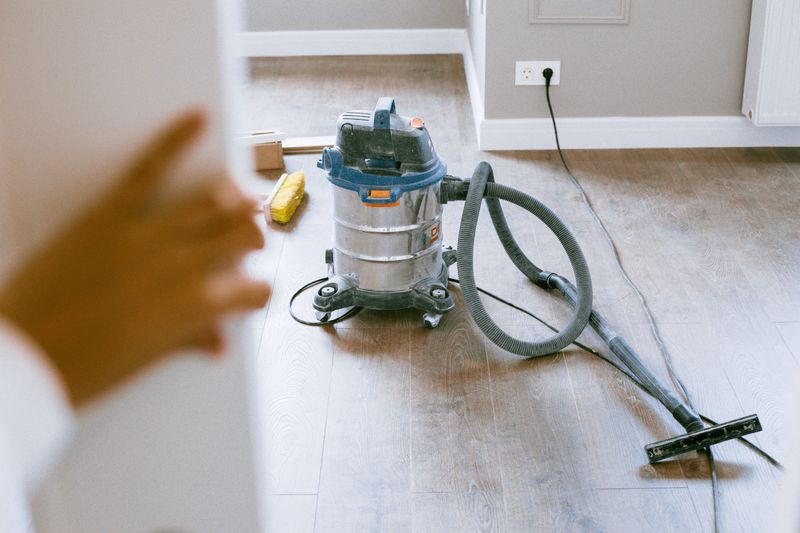
Last stop on the budget. Tenants return units in original condition, minus ordinary wear.
Deep cleaning for dander, odors, scratched doors, or stained carpet can be withheld from your deposit.
Because pet money now sits inside the single deposit cap, there is no extra cushion waiting. Booking professional cleaning yourself often costs less than what a landlord charges.
Plan ahead, and your refund arrives intact.