15 Missouri Yard Hazards That Appear After Heavy Spring Rain
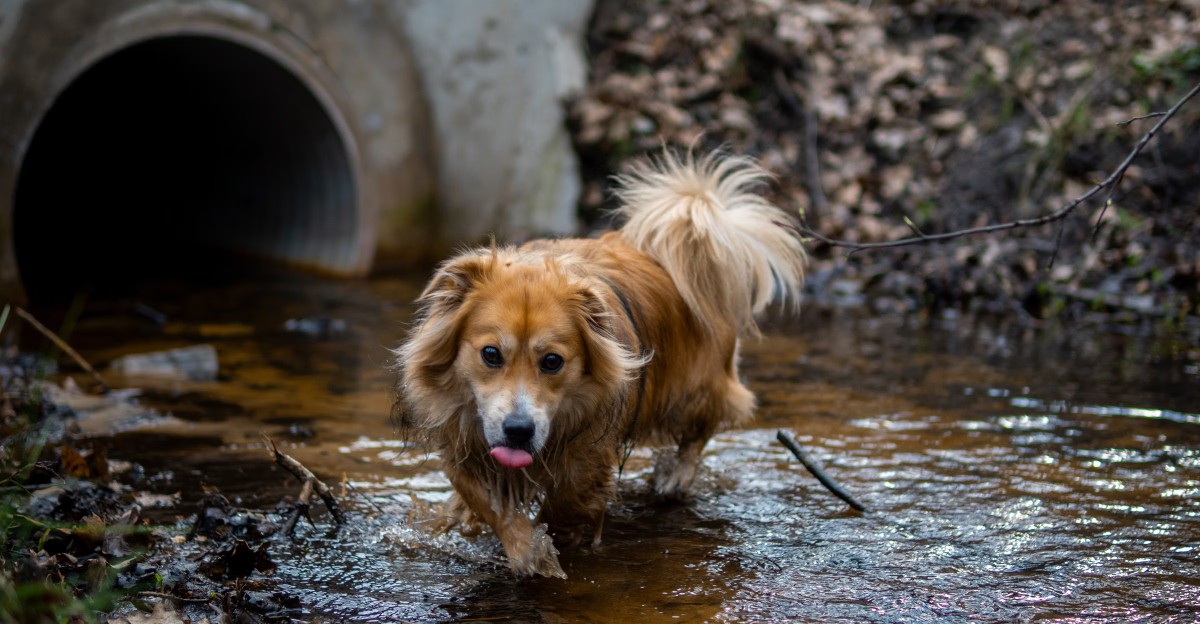
A Missouri spring shower can leave your yard looking fresh, while changing the places your dog loves to explore. Mud, puddles, and washed-up branches deserve a quick look before the next outdoor break.
Most problems are easier to manage when you spot them early and keep curious noses away. Here’s what to watch for, plus simple steps that help your dog enjoy the yard safely after heavy rain.
1. Muddy Patches That Hide Sharp Debris
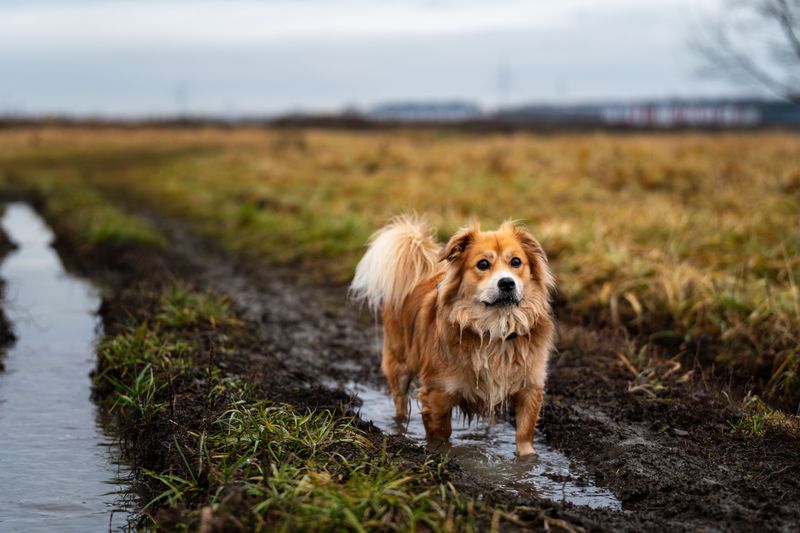
A muddy shortcut can hide more than a dirty paw. Rain may uncover nails, broken glass, or sharp stones, especially near sheds and older fences.
Flood debris can also carry these objects into otherwise tidy yards.
Keep your dog away while you inspect the ground in sturdy shoes and gloves. Pick up visible debris without reaching blindly into mud.
After walks, check paws for cuts or limping, and contact your veterinarian if something seems wrong.
2. Standing Water That Attracts Mosquitoes
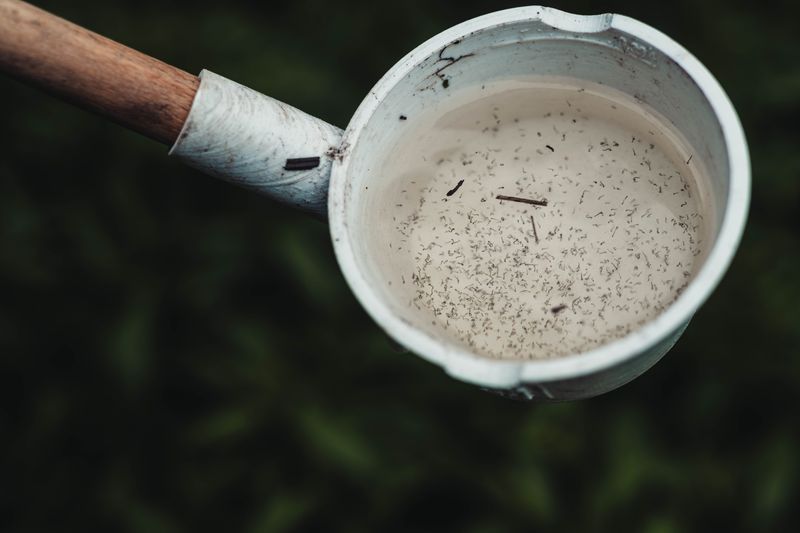
That forgotten flowerpot saucer can become a mosquito nursery after rain. Buckets, toys, and clogged gutters also hold water where mosquitoes may lay eggs.
Mosquitoes can transmit heartworms to dogs, making veterinary prevention especially useful.
Empty small containers regularly and clear downspout outlets when conditions are safe. Never climb a wet ladder to clean gutters.
Ask your veterinarian about year-round heartworm prevention and testing. Fix recurring drainage problems rather than leaving puddles beside your dog’s space.
3. Mushrooms Among Rotting Leaves

Overnight growth can turn yesterday’s bare lawn into a mushroom patch. Wet leaves and decaying wood create good growing conditions.
Some mushrooms are poisonous, and appearance alone cannot reliably show which ones are safe.
Remove mushrooms before your dog explores, wearing gloves and keeping collected material out of reach. Clear soggy leaf piles that invite scavenging.
If your dog eats a mushroom, call your veterinarian promptly. Save photos and a sample when safely possible for identification.
4. Fertilizer and Lawn-Care Chemicals Washed Across Grass
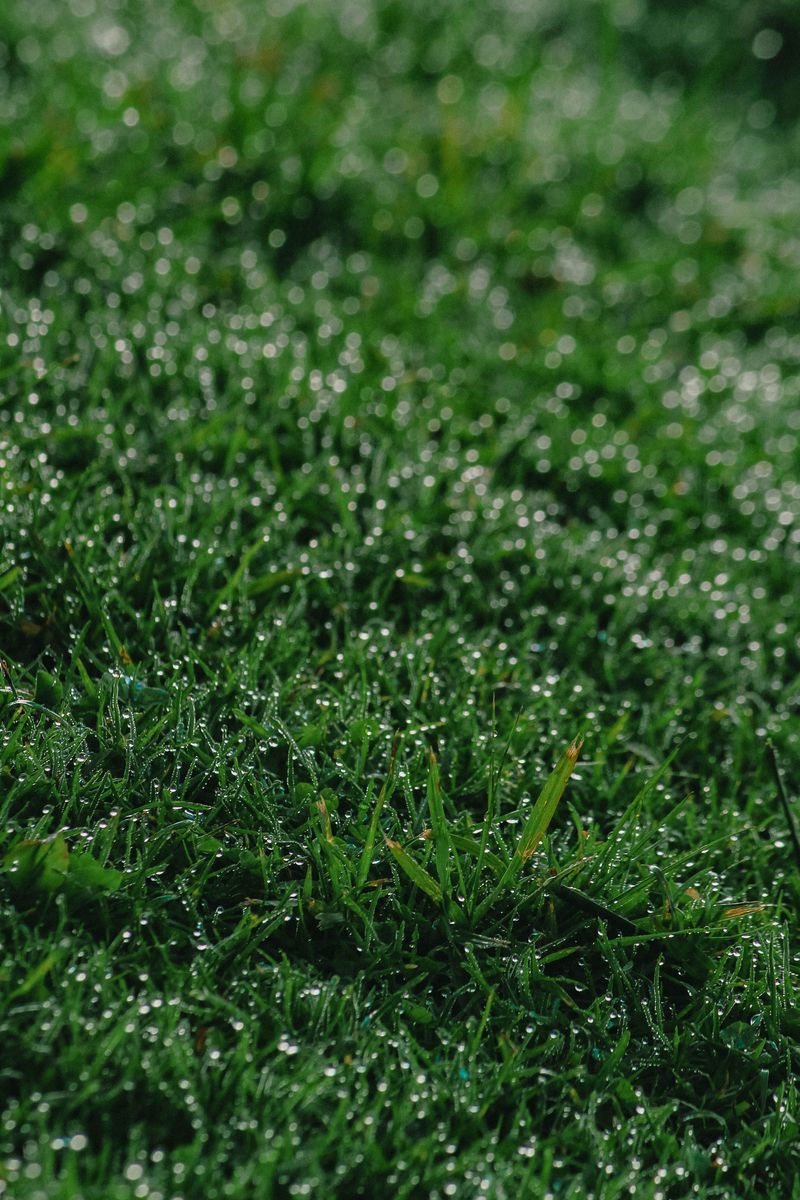
A treated lawn deserves another look when water moves across it. Runoff may shift fertilizer granules or other lawn products into low spots.
Risk depends on the ingredients, amount, and your dog’s contact with them.
Follow each product’s label for pet access, including watering and drying instructions. Rain does not automatically make treated grass safe.
Block access to visible deposits and contact the manufacturer about cleanup. For suspected swallowing, call your veterinarian with the product label handy.
5. Slippery Algae on Patios and Walkways
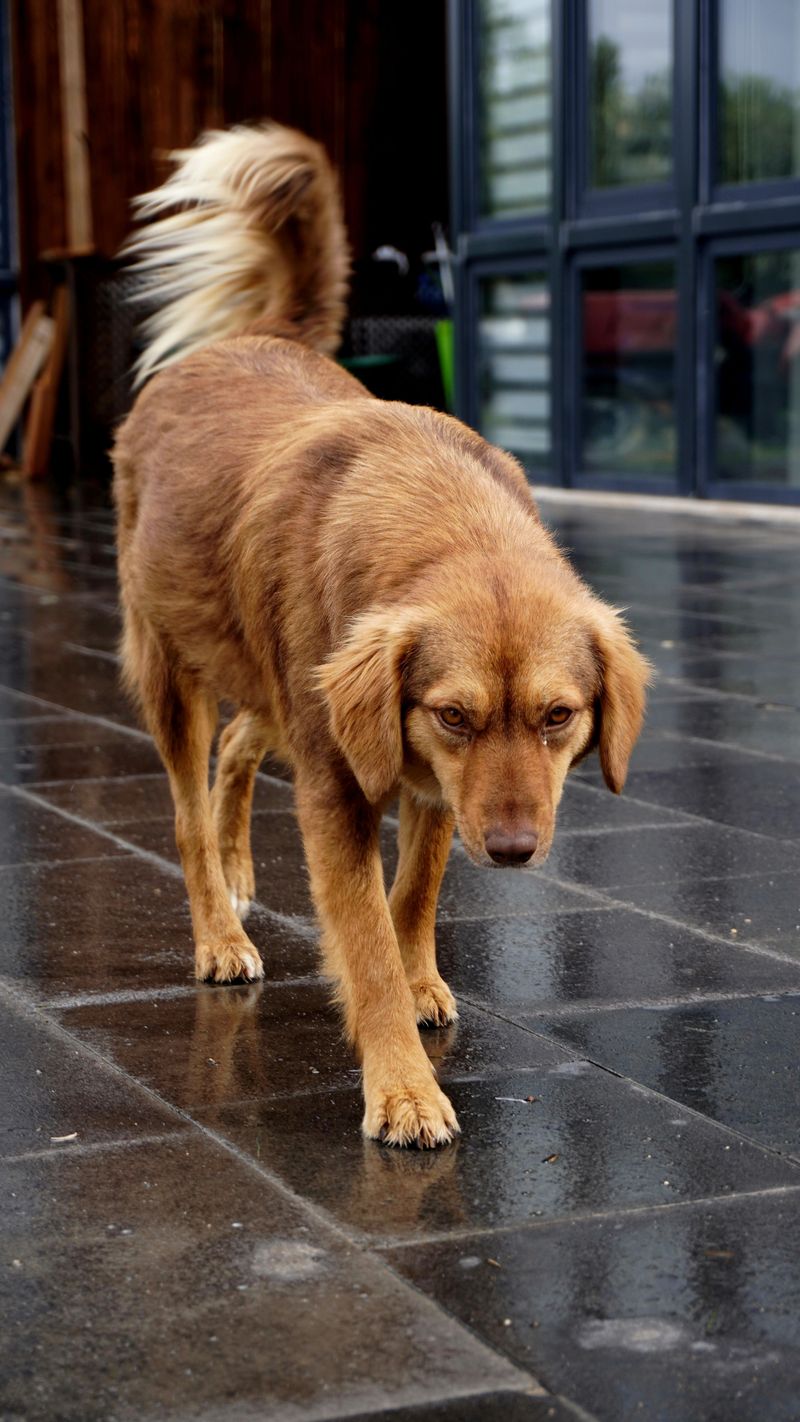
Green film on a shaded walkway can become slick when soaked. Dogs may lose footing during quick turns, especially on steps or smooth paving.
Older dogs and those with joint trouble benefit from extra caution.
Choose a dry route and keep your dog’s pace relaxed. Clean slippery surfaces using a method suited to the material.
Follow cleaning product directions and keep pets away during treatment. Improve drainage where possible, and check shaded paths again after the next heavy shower passes.
6. Exposed Tree Roots Along Yard Edges

Runoff can strip soil from roots that were barely noticeable before. Raised roots may catch paws or trip you while holding a leash.
Slick bark adds another challenge along wooded Missouri yard edges.
Walk the boundary before letting your dog run freely. Mark awkward spots and redirect play toward level ground.
Avoid cutting major roots or piling soil against the trunk. A qualified arborist can suggest tree-friendly repairs if erosion keeps returning after each heavy rain.
7. Eroded Soil Around Fences, Decks, and Steps
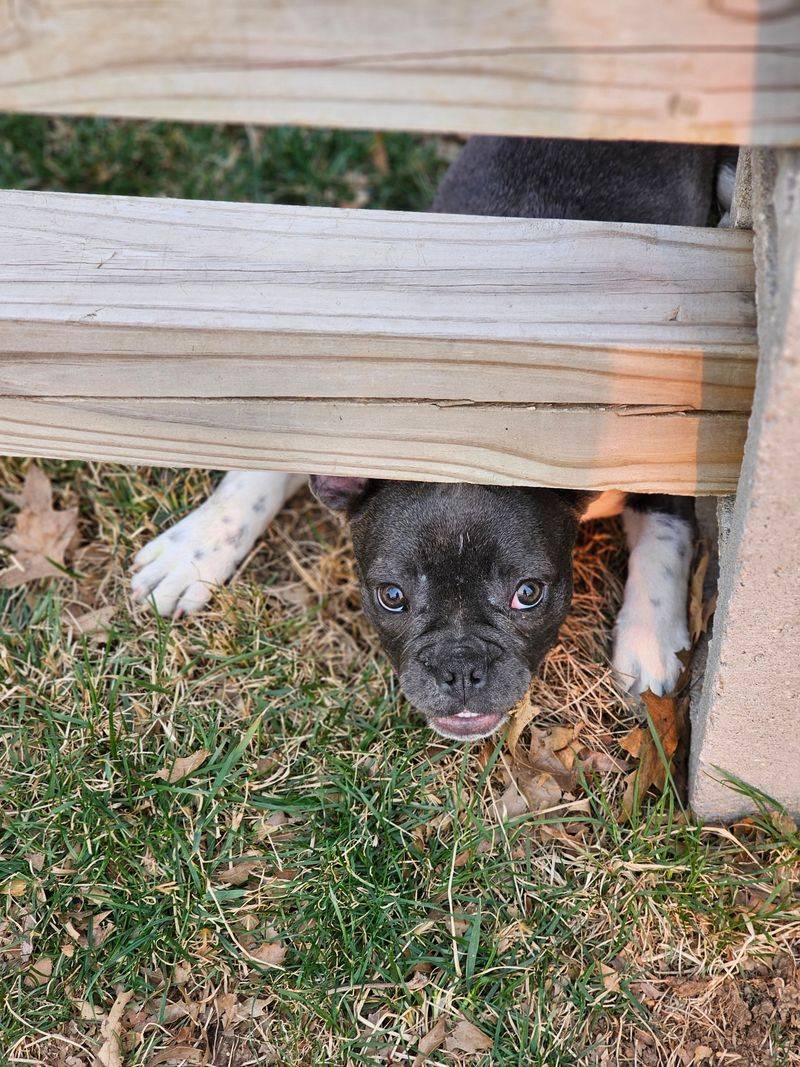
Your fence may look unchanged while the ground beneath it has shifted. Washouts can create escape gaps or loosen posts.
Soft soil near decks and steps may also leave footing less reliable.
Check the entire fence line, including gates and corners. Keep your dog leashed until gaps are secured and loose sections repaired.
Avoid using steps that wobble or lean. Ask a qualified contractor to inspect washed-out supports rather than covering possible structural problems with fresh dirt.
8. Hidden Holes and Wildlife Burrows in Soft Soil
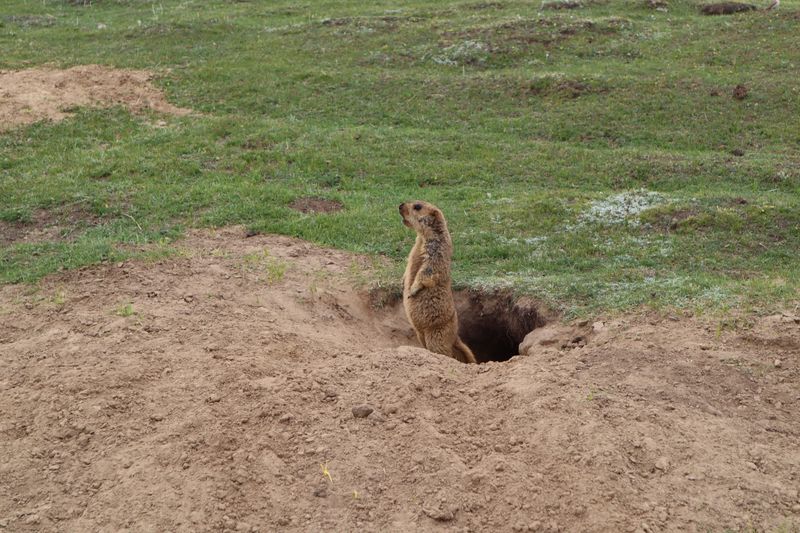
Long grass can disguise a hole after water washes soil away. Existing wildlife burrows may also soften or collapse around their edges.
A running dog can step into these spaces before noticing them.
Inspect low areas slowly and keep pets back from uncertain ground. Mark holes until you understand their cause.
Never reach into burrows or let your dog dig inside. Ask local wildlife professionals about occupied burrows, and investigate recurring washouts before filling them with soil.
9. Contaminated Puddles Near Drainage Areas
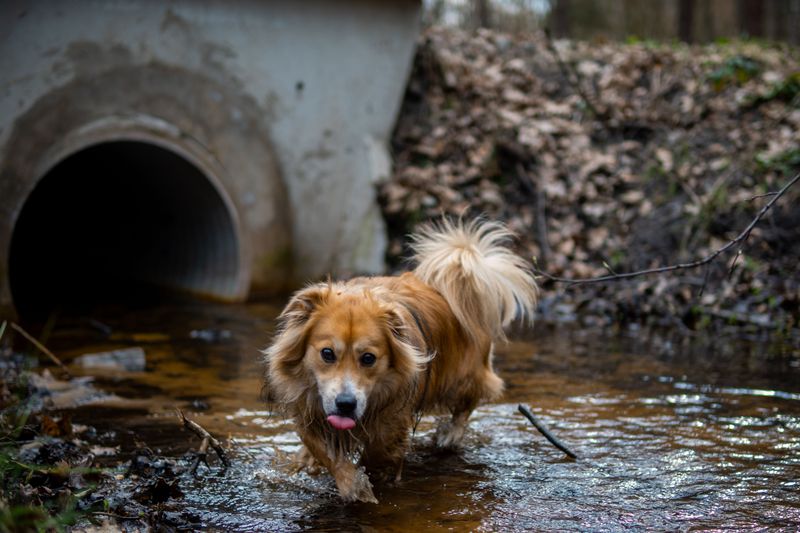
A puddle beside a drain is not a dependable drinking bowl. Runoff can carry animal waste, chemicals, and germs into standing water.
Leptospirosis bacteria can spread through water contaminated by infected animals’ urine.
Offer fresh water and steer your dog away from drainage ditches. Avoid letting pets wade through floodwater, especially with damaged skin.
Discuss leptospirosis vaccination with your veterinarian. If your dog seems unwell after exposure, mention the puddle contact when seeking care and veterinary advice.
10. Blue-Green Algae in Ponds and Water Features
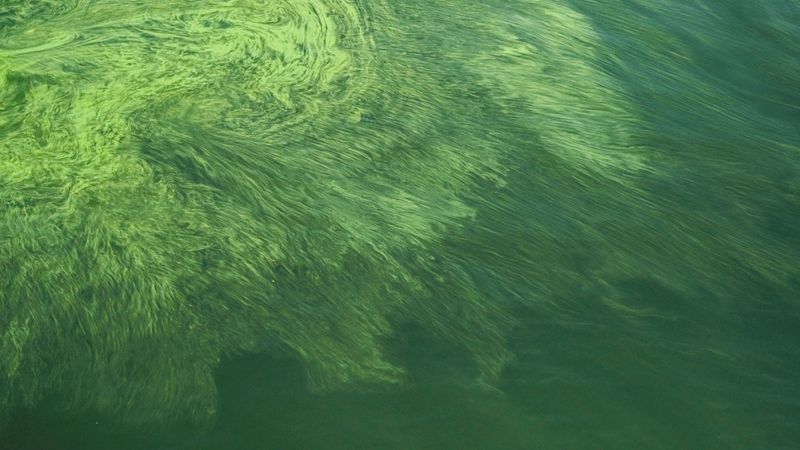
Rain can wash nutrients into ponds, encouraging later algae growth. Blue-green algae are bacteria, and some blooms produce toxins harmful to dogs.
Blooms are more common during warm conditions, not after every storm.
Keep dogs away from suspicious water, scum, or unusual surface streaks. Clear-looking water does not guarantee safety, either.
Prevent drinking and swimming when a bloom is suspected. After possible exposure, stop licking, rinse with clean water, and contact your veterinarian immediately for further guidance.
11. Snakes Seeking Dry Ground
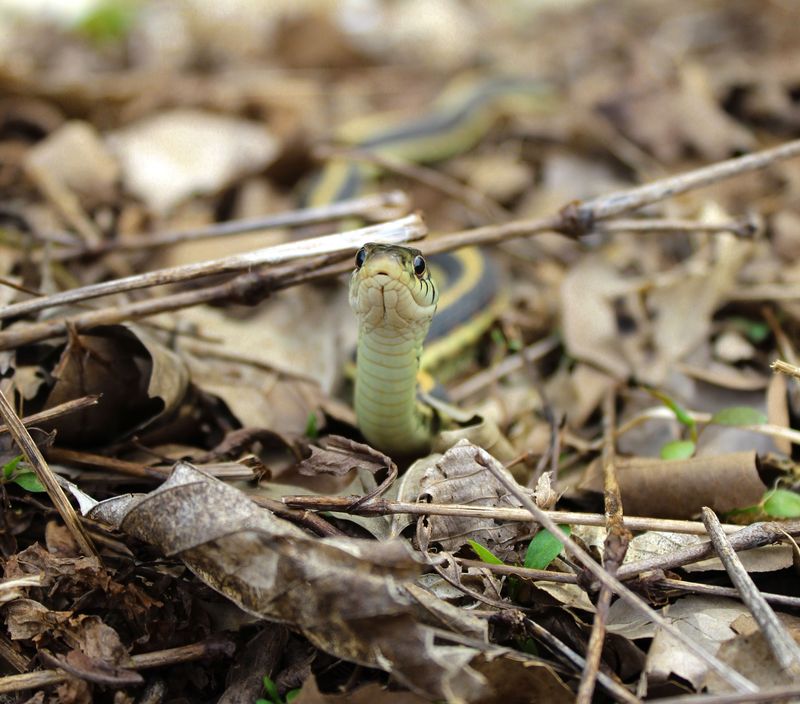
Higher ground may attract snakes when nearby hiding places become flooded. Most Missouri snakes are nonvenomous, but dogs should avoid investigating any snake.
Wood piles, porch corners, and dense plants deserve a careful glance.
Give snakes space and bring your dog indoors while they move along. Never handle one or encourage your pet to chase it.
Keep outdoor clutter reduced once conditions improve. If a bite is suspected, keep your dog calm and seek prompt veterinary care.
12. Ants and Other Insects Relocating After Flooding
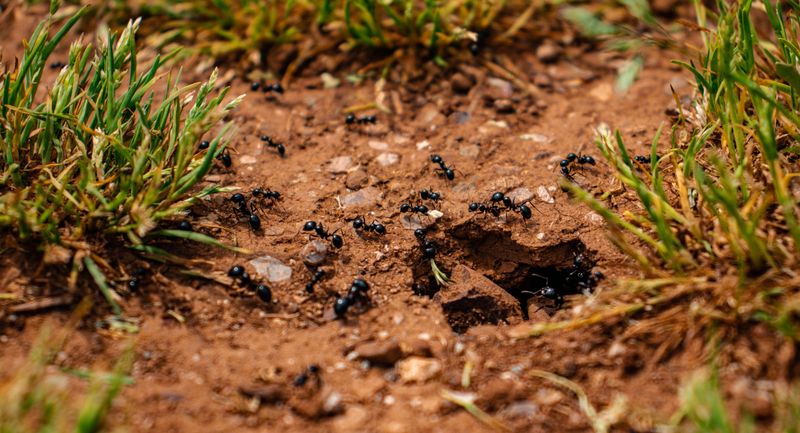
Disturbed nests can send ants and other insects toward drier spots. Dogs nosing through newly moved debris may encounter biting or stinging insects.
Imported fire ants are not established throughout Missouri, but suspected sightings should be reported to the Missouri Department of Agriculture for identification and guidance.
Watch for fresh insect activity before placing beds or bowls outside. Move your dog away from nests rather than disturbing them.
Choose pest controls labeled for the setting and follow pet precautions. Facial swelling or breathing trouble after stings needs urgent veterinary attention.
13. Loose Branches and Unstable Tree Limbs
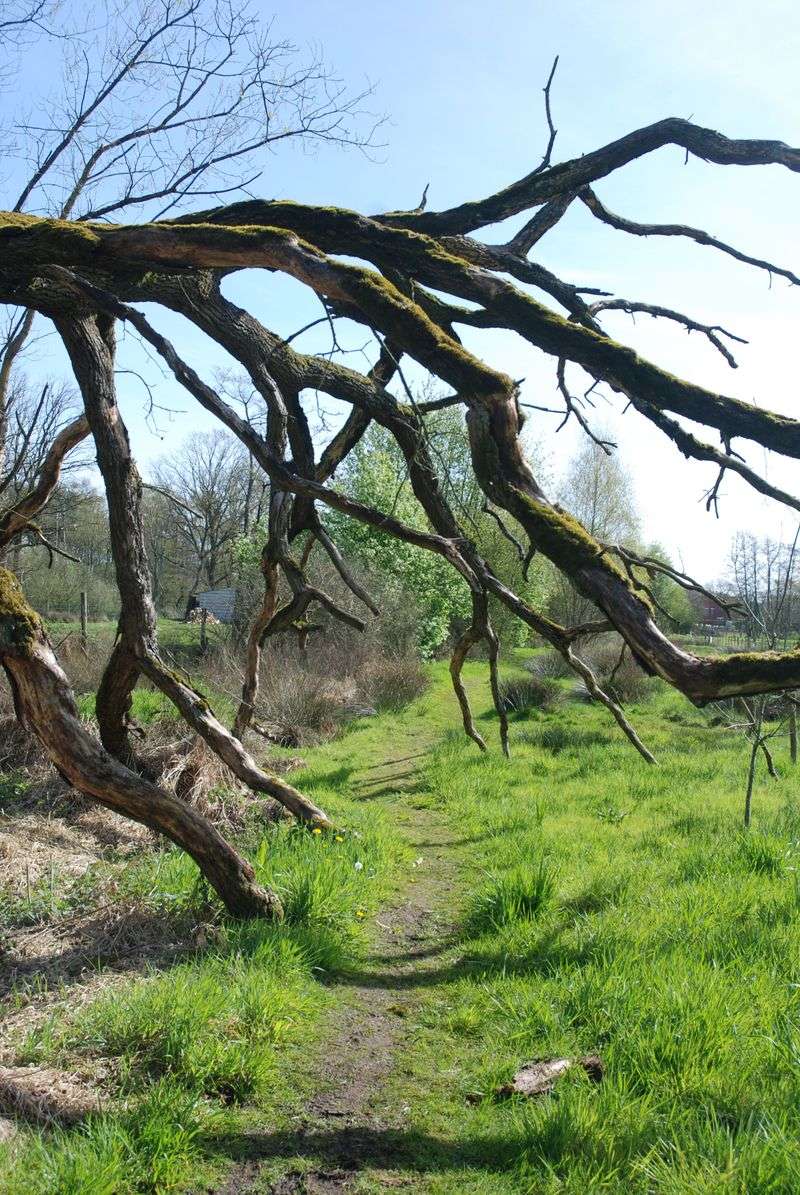
Not every storm-damaged branch lands on the lawn right away. Broken limbs can remain caught overhead, while saturated soil may reduce tree stability.
A quick glance upward belongs in your yard routine.
Keep dogs and people away from hanging branches or newly leaning trees. Do not pull lodged limbs down yourself.
Contact a qualified arborist for damage above reach. Stay clear of branches touching utility lines and notify the utility.
Gather smaller fallen sticks only after checking overhead.
14. Hidden Ticks in Damp, Overgrown Edges
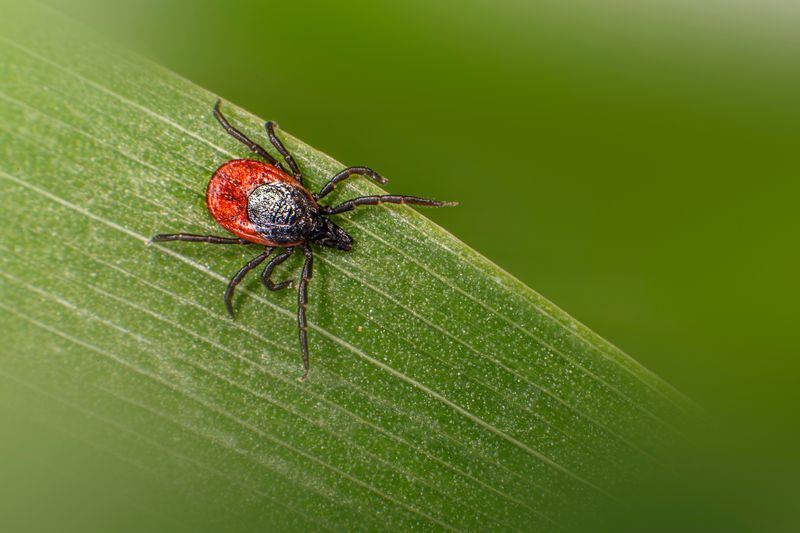
Wet weather can leave yard borders lush and difficult to inspect. Ticks favor sheltered vegetation and leaf litter, though rain does not create them.
Missouri dogs can encounter ticks during spring outdoor time.
Keep grass trimmed when the ground can support mowing safely. Check ears, toes, collars, and other hiding spots after outings.
Use veterinarian-recommended tick prevention suited to your dog. Remove attached ticks with fine-tipped tweezers, pulling steadily near the skin, and ask about any lingering irritation.
15. When Your Yard Needs a Post-Storm Safety Check
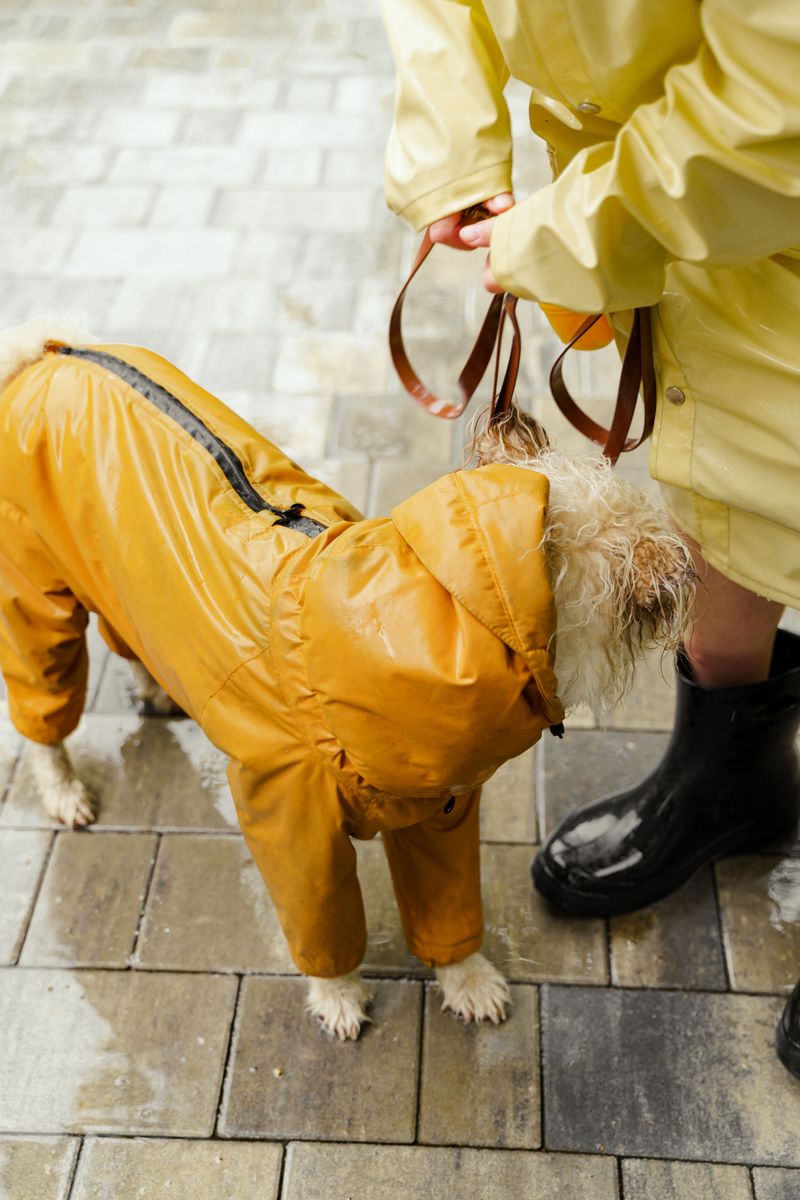
Before opening the back door, give familiar spaces a fresh look. Wait until lightning has passed and conditions are safe for inspection.
Start with gates, walking routes, standing water, and trees overhead.
Use a leash while uncertain areas remain, and provide a clean drinking bowl. Photograph recurring drainage issues so contractors can understand the pattern.
After flooding, follow local cleanup guidance before reopening affected spaces. A brief check, a clear path, and fresh water make a reassuring start.