15 Ohio First-Year Dog Costs That Show Up Across Four Very Different Seasons
Your first year with a dog in Ohio brings muddy paws, warm afternoons, colorful leaves, and snowy walks. Along with those new memories come expenses that change with the weather and your dog’s growth.
A practical budget helps you handle everyday needs without buying every pet product on the shelf. Here is what to plan for, what to ask locally, and where thoughtful choices can keep costs manageable.
1. Puppy Adoption or Purchase Costs

Bringing home a puppy starts with a price that can vary widely across Ohio. Shelter fees may include vaccines, a microchip, or surgery, but packages differ.
Ask for written records before comparing adoption and purchase costs.
For a breeder, request health testing information and clear contract terms. Set aside money for transportation and supplies before pickup day.
A lower starting price does not always mean a lower first year total for your household’s new companion.
2. Initial Veterinary Exams and Vaccines
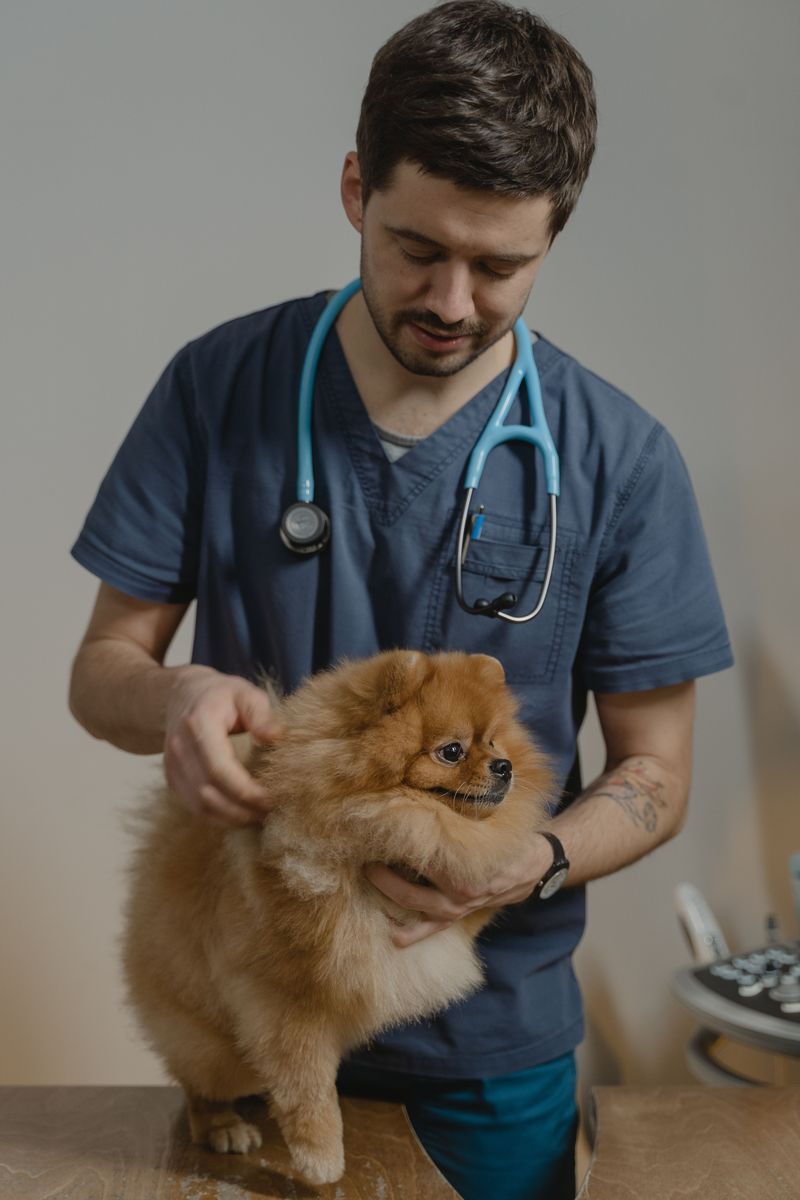
That first checkup gives your veterinarian a useful starting picture of your puppy’s health. Bring any shelter or breeder records so vaccines are not repeated unnecessarily.
Puppies commonly need several visits while completing their vaccine series.
Request an estimate covering exams, recommended vaccines, stool testing, and any needed treatment. Rabies requirements can depend on local rules, so confirm them with your veterinarian.
Schedule followups early, especially when summer travel or holiday closures could complicate appointments later.
3. Ohio License and Identification Costs
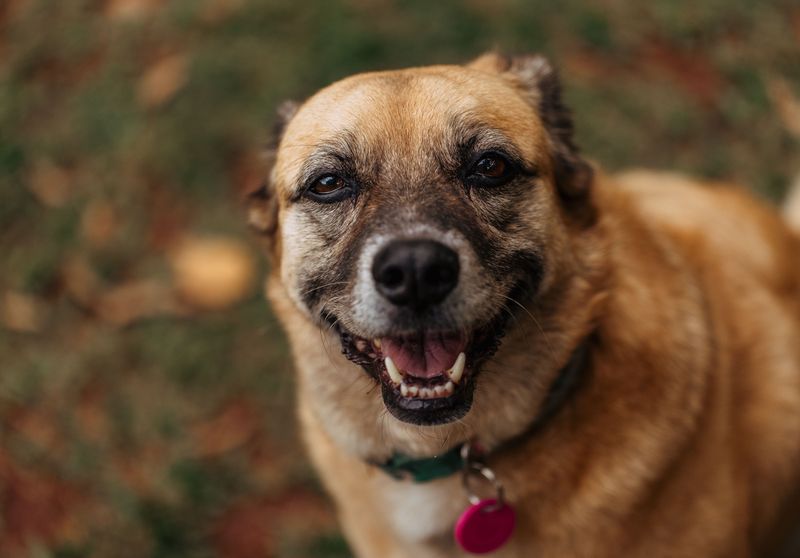
A small tag belongs on your budget before outdoor adventures become routine. Ohio generally requires county registration for dogs more than three months old.
Fees, purchase options, and applicable deadlines should be confirmed with your county auditor.
Add a readable identification tag and ask whether your dog already has a microchip. Keep the chip registration and contact details current.
Licensing and microchipping serve different purposes, so neither replaces the other in your first year identification budget.
4. Spay or Neuter Expenses
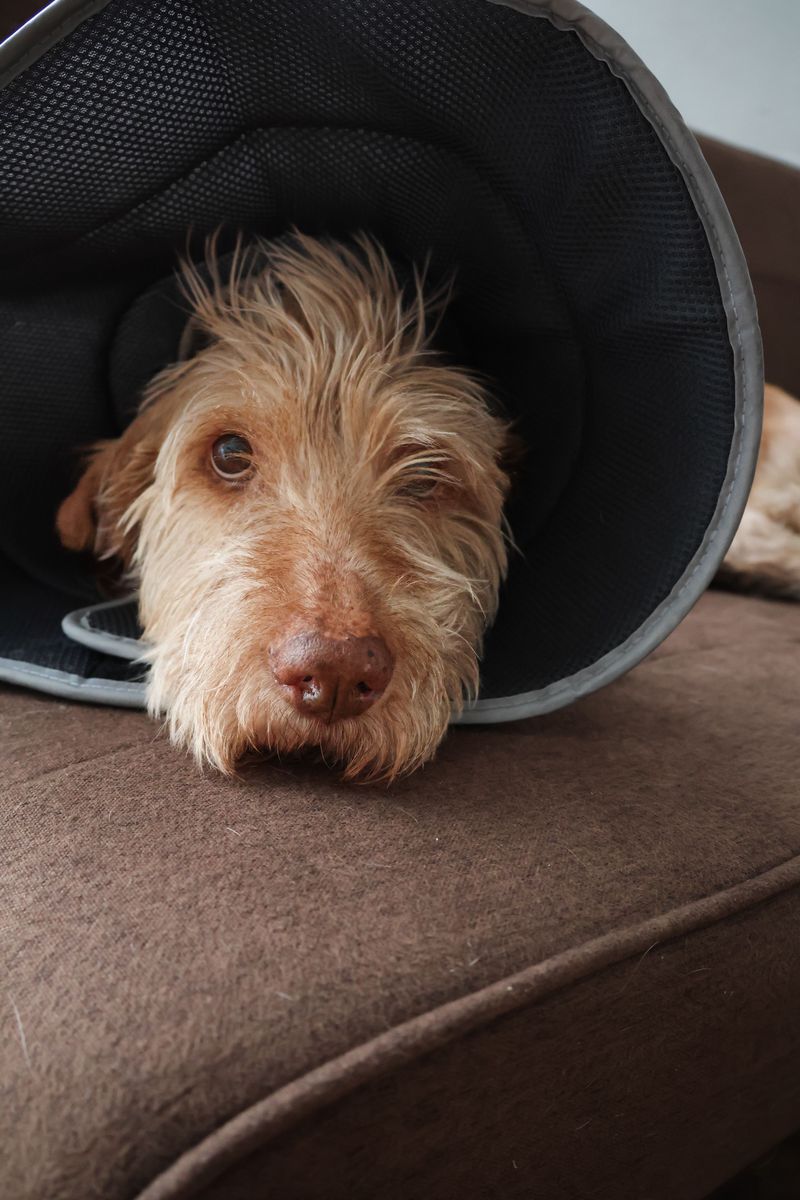
Surgery planning deserves its own line, even when adoption paperwork mentions it. Some adoption fees include spaying or neutering, while others do not.
Ask your veterinarian about timing based on your dog’s breed, size, and health.
Compare estimates that explain anesthesia, pain medicine, monitoring, and followup care. Recovery collars or protective suits may cost extra.
Local assistance programs sometimes offer reduced prices, but eligibility and availability vary. Arrange a quiet recovery space before the appointment arrives.
5. Flea, Tick, and Heartworm Prevention
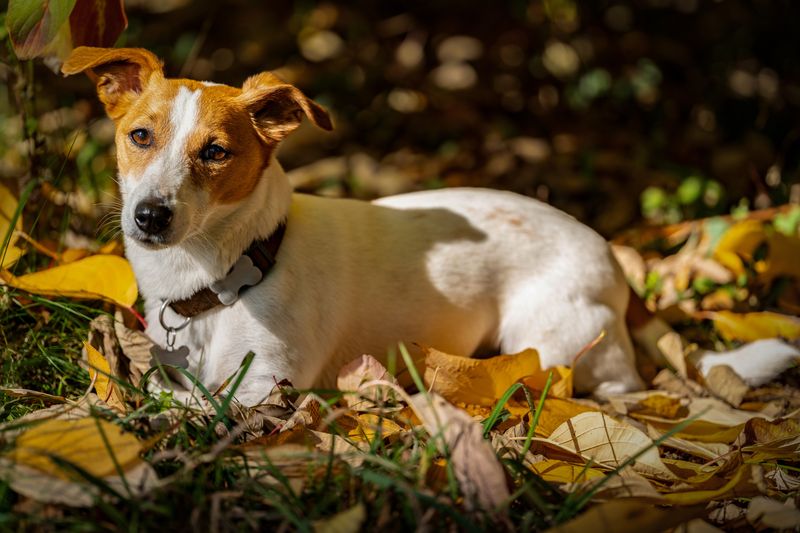
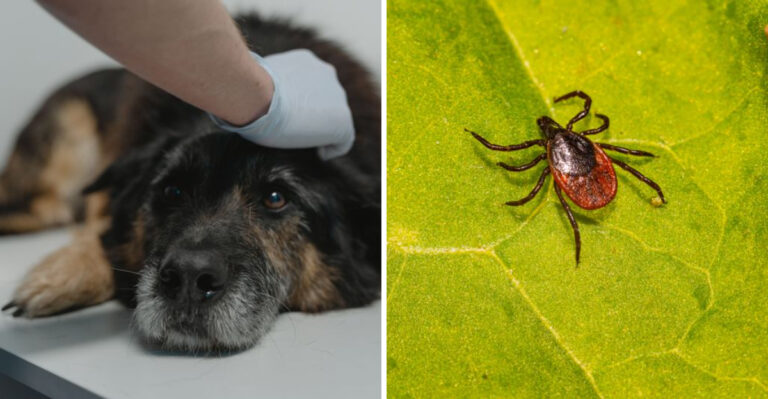
Ohio’s changing weather does not create a dependable break from every parasite. Veterinarians generally recommend year round heartworm prevention and appropriate flea and tick protection.
Product choices depend on age, weight, health, and exposure.
Ask which parasites each medicine covers before assuming one purchase handles everything. Budget for recommended heartworm testing as well as medication.
Growing puppies may need different package sizes. Put refill reminders on your calendar so prevention remains consistent through every Ohio season.
6. Winter Paw Care and Outdoor Gear
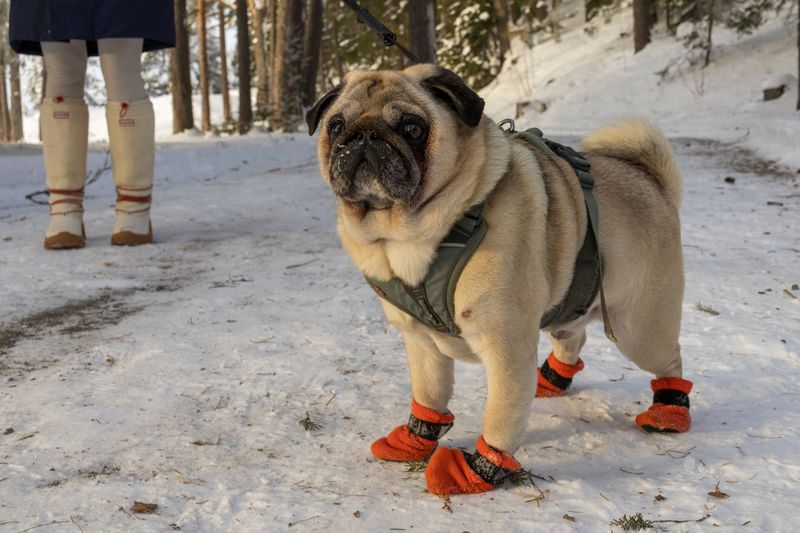
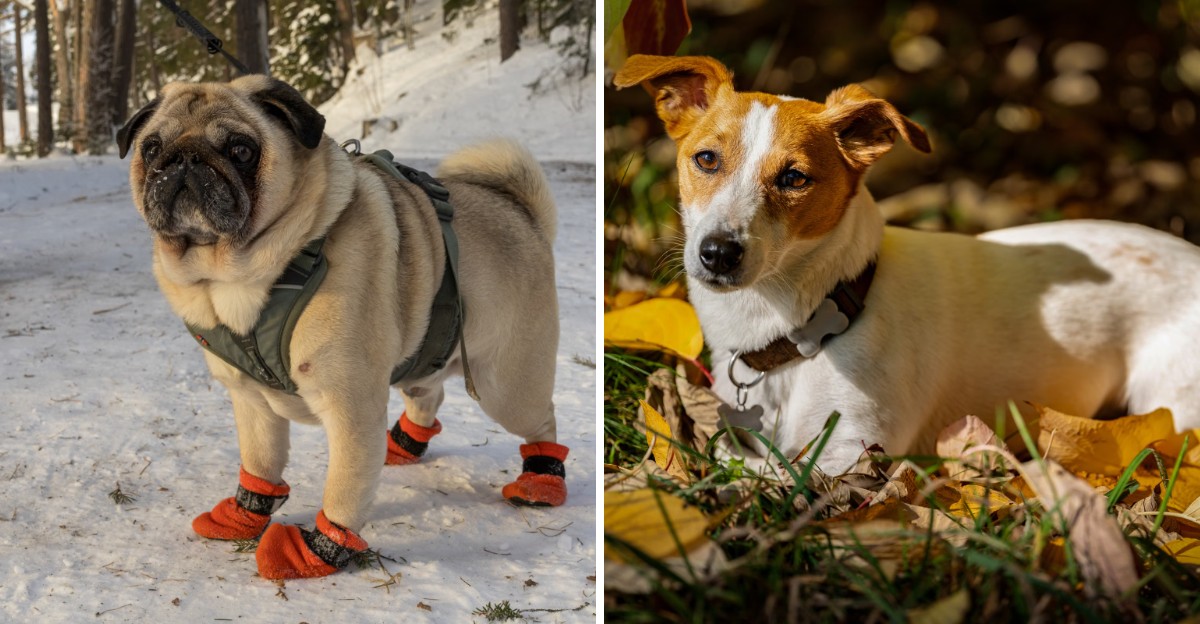
Snowy sidewalks can turn ordinary walks into a small equipment project. Budget for towels, paw protection, and a coat if your dog needs one.
Short coated dogs may need extra warmth, depending on conditions.
Wipe paws after walks to remove salt and grit. Choose properly fitted boots and introduce them indoors with treats.
Reflective gear helps during short winter days. Spend first on useful basics, rather than a collection of outfits your puppy quickly outgrows.
7. Summer Heat and Cooling Costs
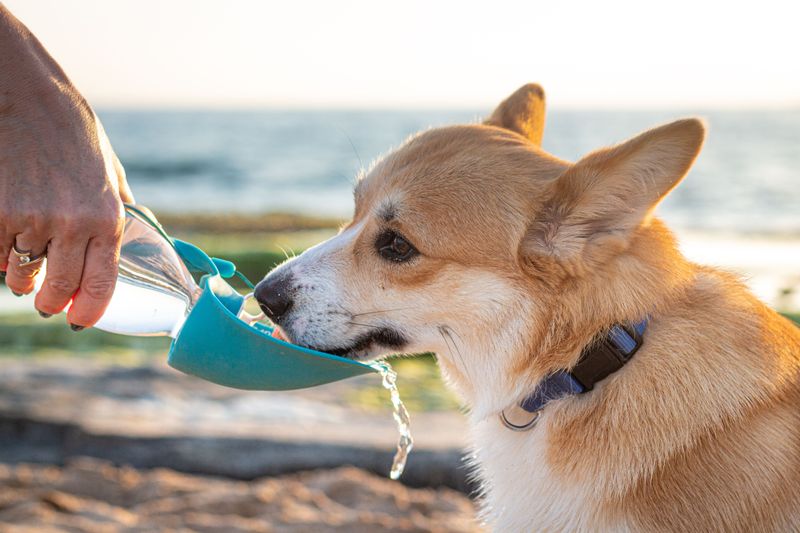
Sticky summer afternoons often change both your walking schedule and spending. A portable water bowl, fresh water, and reliable shade cover many basic needs.
Some households also budget for cooling mats or higher electricity use.
Walk during cooler hours and check pavement before heading out. Never leave your dog in a parked vehicle.
Cooling products cannot replace supervision or a comfortable environment. Ask your veterinarian about extra precautions for flat faced dogs and dogs with health conditions.
8. Spring Mud and Cleaning Supplies
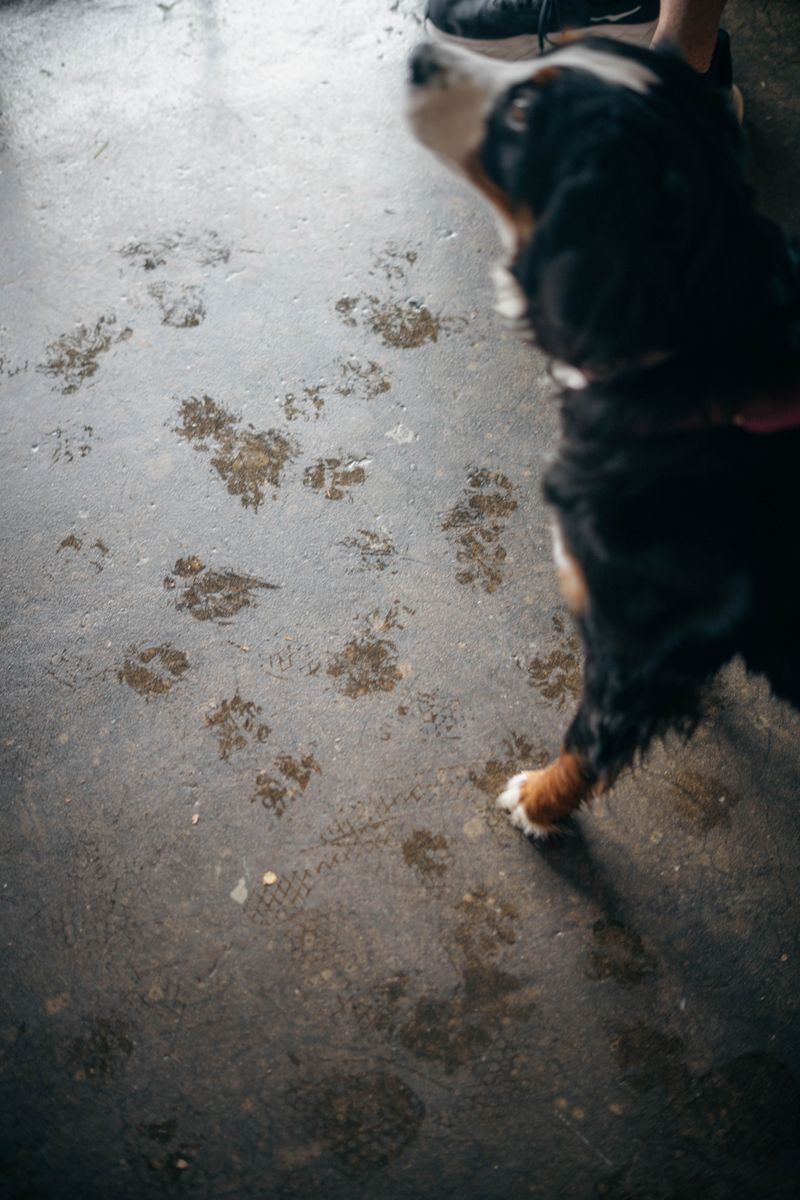
Muddy pawprints have a way of announcing spring before the calendar does. Keep washable towels and a sturdy entry mat near your usual door.
A simple cleanup station can protect floors without expensive gadgets.
Choose cleaning products suitable for your surfaces and follow every label instruction. Keep dogs away until cleaned areas are ready for use.
Include laundry costs and replacement towels in your budget. Rinsing dirty paws with plain water often handles everyday outdoor messes.
9. Fall Leaves and Yard Cleanup
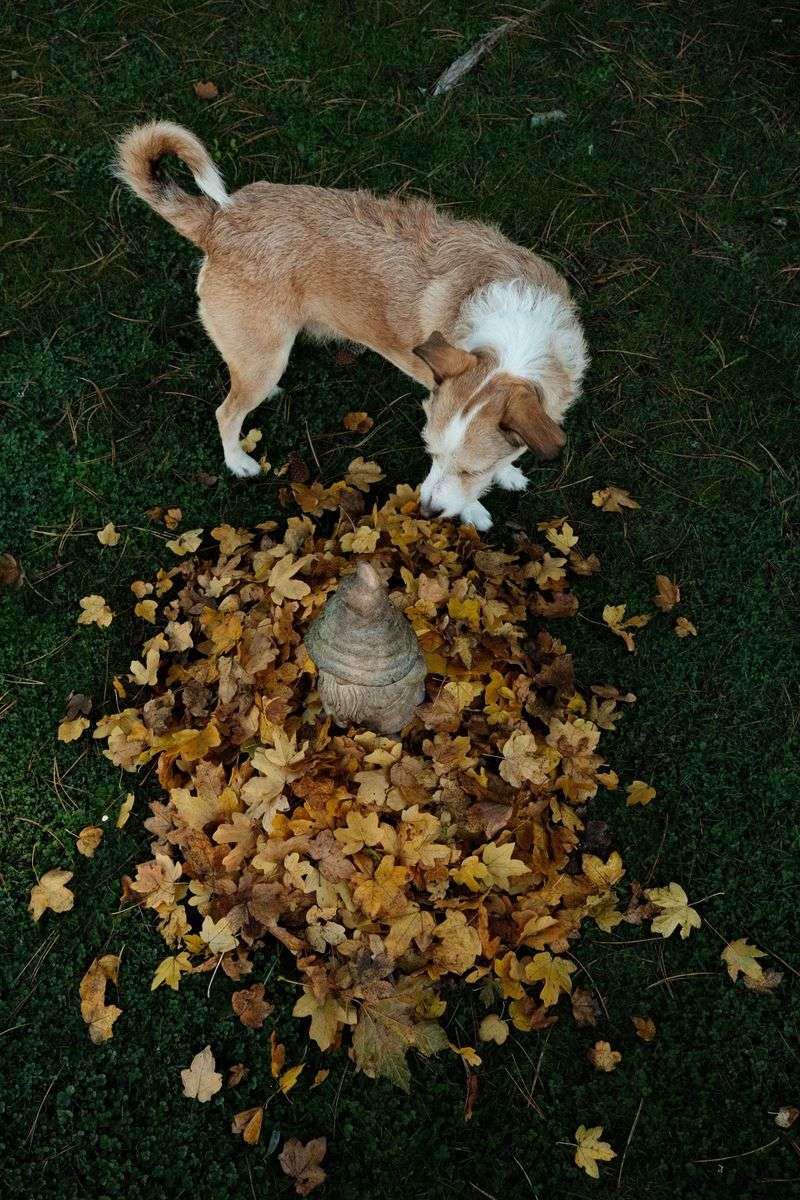
Crunchy leaves make a lovely backdrop, but they can hide ordinary yard problems. Regular cleanup helps you spot waste, sharp debris, and unfamiliar mushrooms.
Budget for bags, a rake, and any local yard waste service.
Supervise puppies that sample everything they find outdoors. Ask your veterinarian promptly about suspected mushroom ingestion rather than guessing from appearance.
Keep leaf piles clear of pet waste. A tidy walking route also makes rainy autumn bathroom trips easier for everyone.
10. Food Costs as Your Dog Grows
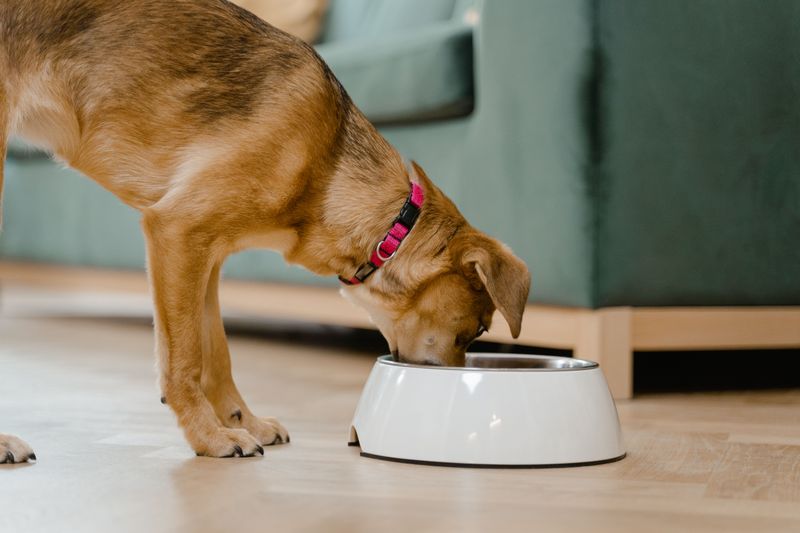
The tiny scoop that feeds your puppy today may not last all year. Food spending changes with growth, adult size, activity, and the diet your veterinarian recommends.
Track actual portions instead of estimating from appetite.
Choose food labeled for your puppy’s growth needs, including large breed growth when appropriate. Store it according to package directions and avoid buying more than stays fresh.
Count training treats within daily calories. Review portions as your dog’s weight changes regularly.
11. Crates, Beds, and Basic Supplies
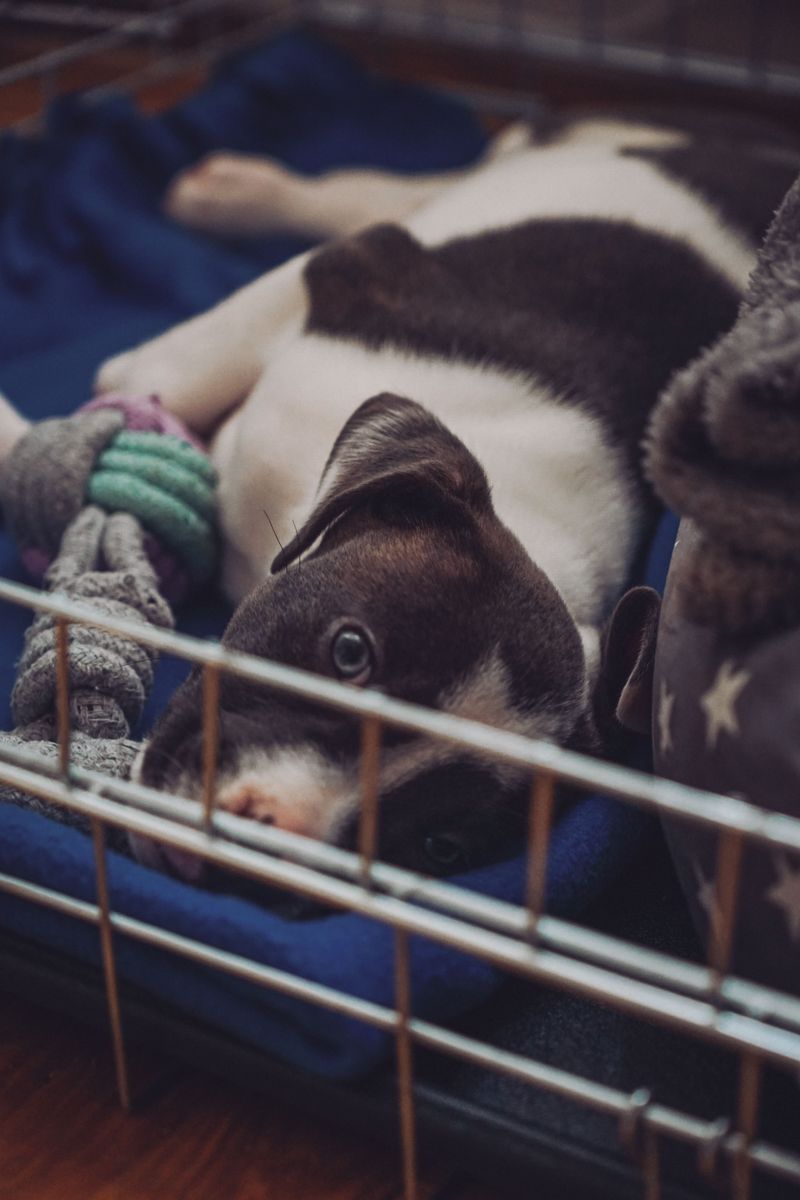
A comfortable home setup does not require a cart full of matching accessories. Start with bowls, a leash, a fitted collar or harness, bedding, and safe toys.
Add waste bags for daily walks.
A crate with a divider can accommodate growth when sized and used appropriately. Introduce it gradually, never as punishment.
Choose washable bedding and inspect toys for damage. Save room in the budget for replacements, since puppy teeth and changing sizes can shorten usefulness.
12. Training Classes, Boarding, and Dog Care
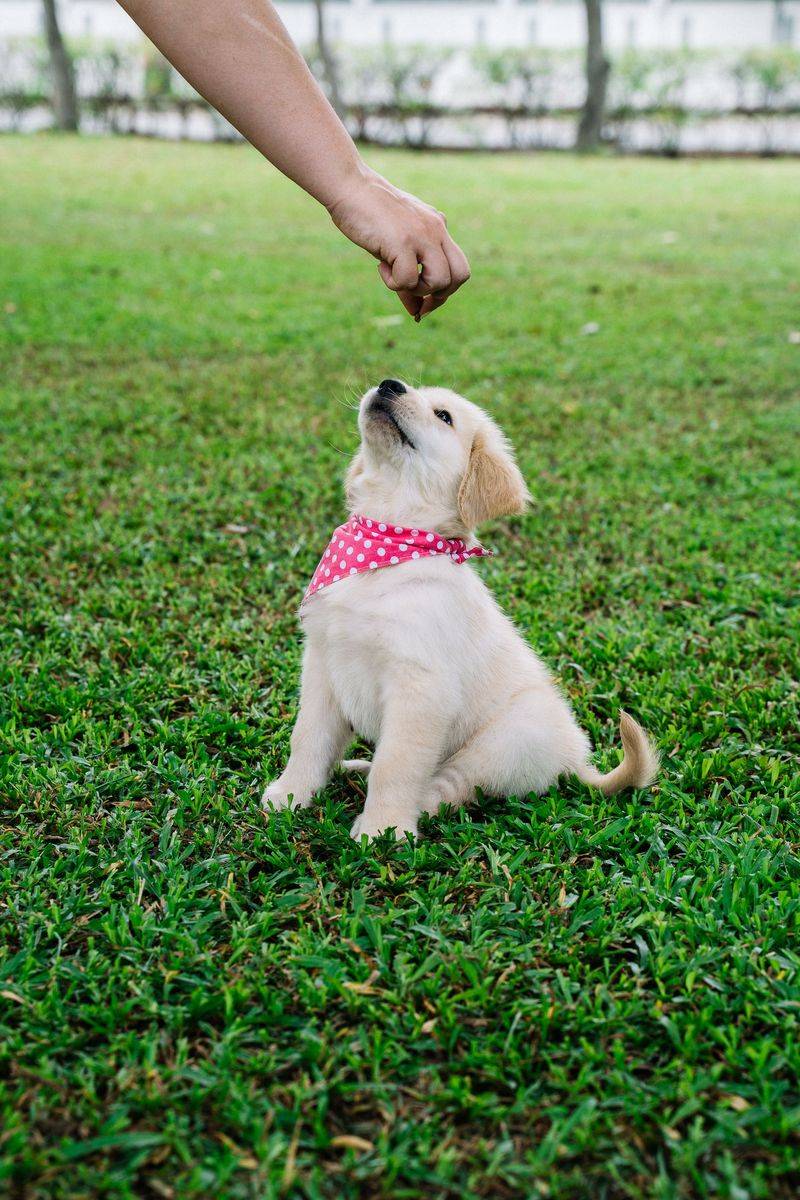
Good habits and reliable backup care both take planning during the first year. Reward based puppy classes can help with manners and confidence.
Ask about vaccination rules, class size, and the trainer’s methods.
Price boarding, dog walkers, or sitting before summer trips and winter holidays. Providers may require vaccines or advance reservations.
Arrange a short introduction when possible. Keep training and care in separate budget lines, even if one business offers both services for your dog.
13. Grooming and Nail Care
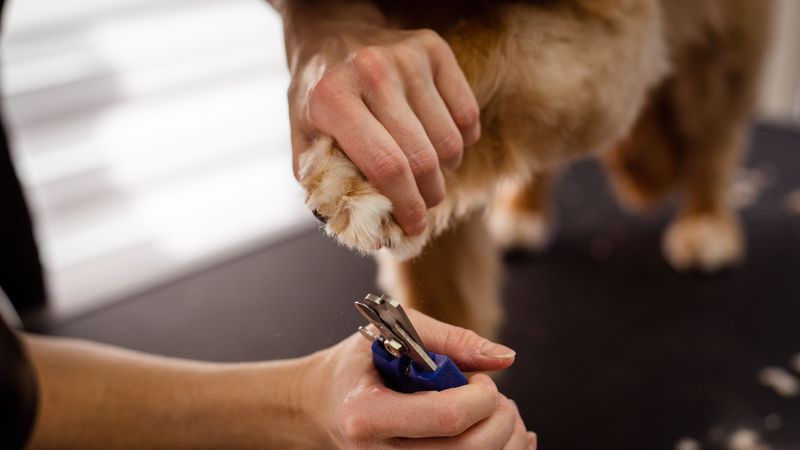
Some coats need little trimming, while others require regular professional appointments. Ask about grooming needs before choosing your puppy, then budget by coat type.
Mud, shedding, and winter tangles can change your routine.
Practice gentle brushing and brief paw handling with rewards at home. Have a professional demonstrate nail trimming if you feel unsure.
Request prices for baths, haircuts, and nail care separately. Frequent brushing can reduce tangles, but it does not replace necessary professional care.
14. Emergency Veterinary Savings
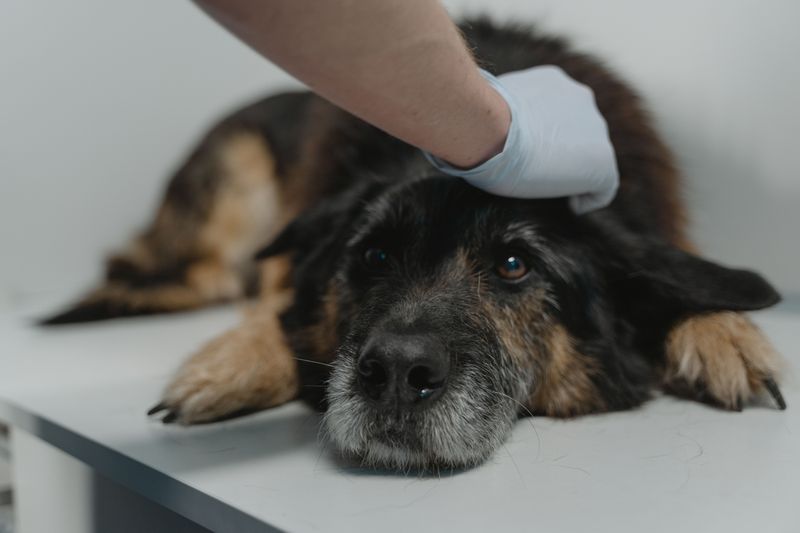
An unexpected veterinary visit feels more manageable when money is already set aside. Start a dedicated savings account and add an amount your household can maintain.
Even small regular deposits build a useful cushion.
Compare pet insurance deductibles, exclusions, waiting periods, and reimbursement rules before enrolling. Coverage varies, and many plans require payment upfront.
Save your veterinarian’s number and identify a nearby emergency clinic. Ask about payment policies ahead of time, without waiting for an urgent situation.
15. Building a Seasonal First-Year Dog Budget
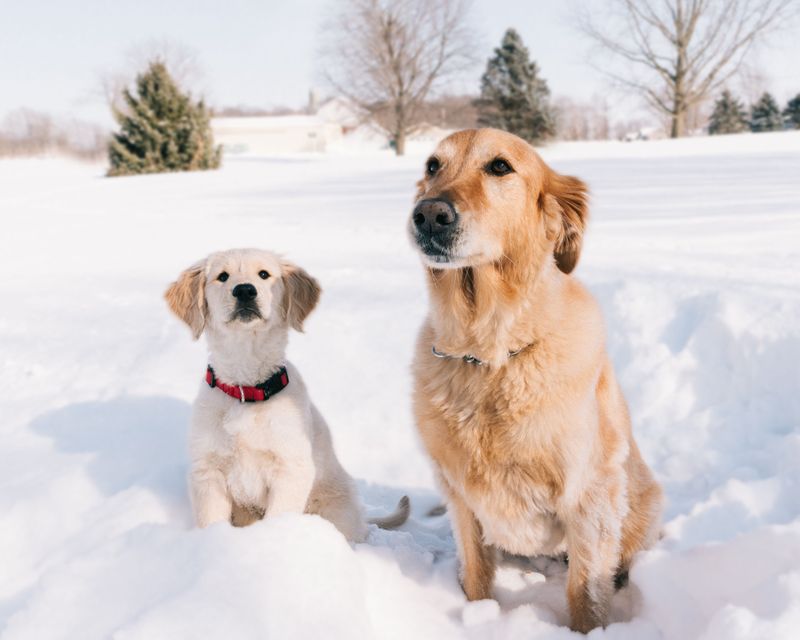
Four seasons become easier to manage when each has a simple spending plan. Separate starting purchases, monthly essentials, seasonal supplies, and savings.
Use local quotes rather than treating online averages as guaranteed Ohio prices.
Review your numbers monthly as your puppy grows and appointments change. Keep a small cushion for replacement gear, care, and weather surprises.
You do not need everything at once. A steady plan helps you enjoy each season with a comfortable, well cared companion.