16 Things To Check Before Taking A Dog Onto California’s BLM Desert Lands
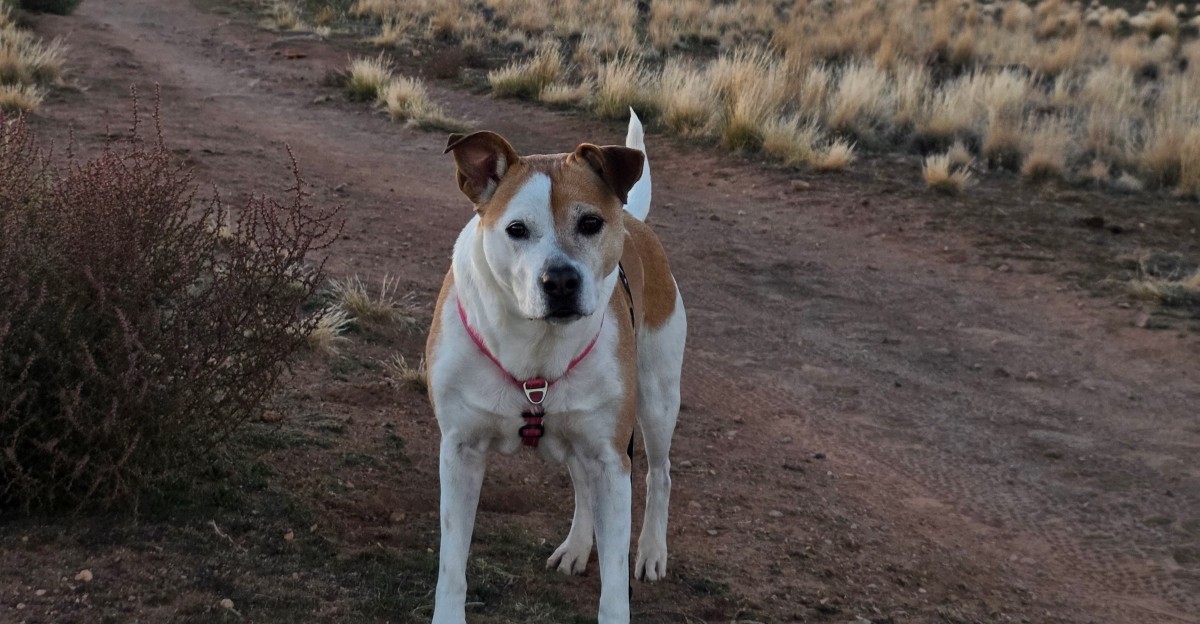
A cool desert morning can turn into a hot walk before your dog finishes sniffing the first creosote bush. California’s Bureau of Land Management lands offer wide spaces, but shade, water, and phone service can be scarce.
The best outing starts with a few smart checks at home, not a scramble beside the trail. A little planning keeps those sandy paws comfortable and gives you more room to enjoy the scenery.
1. Check BLM Access Rules Before You Leave
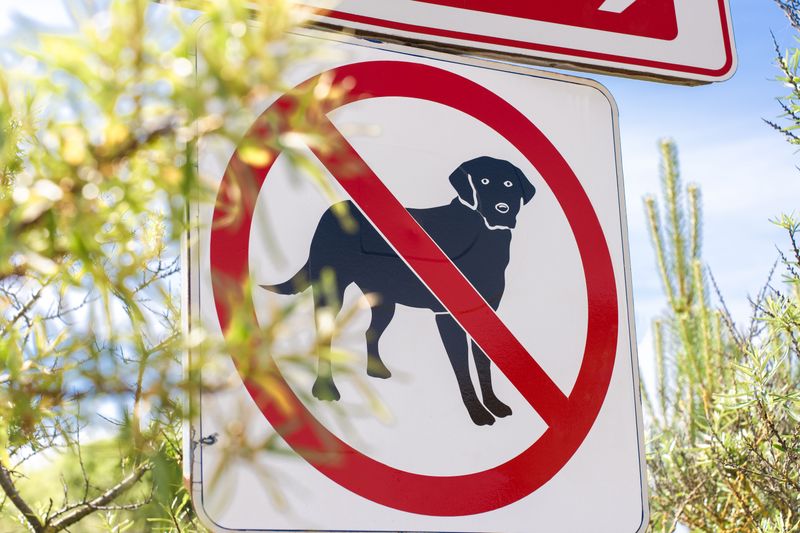
A public land sign does not mean every activity follows the same rules everywhere. Check the official BLM page for your destination, then contact the managing field office if anything seems unclear.
Ask about pet restrictions, camping limits, and special recreation areas.
Rules can differ between developed sites and open desert land nearby. Save the information before leaving home, since service may disappear.
A quick check now helps prevent an unexpected change of plans later today.
2. Confirm Where Dogs Are Allowed
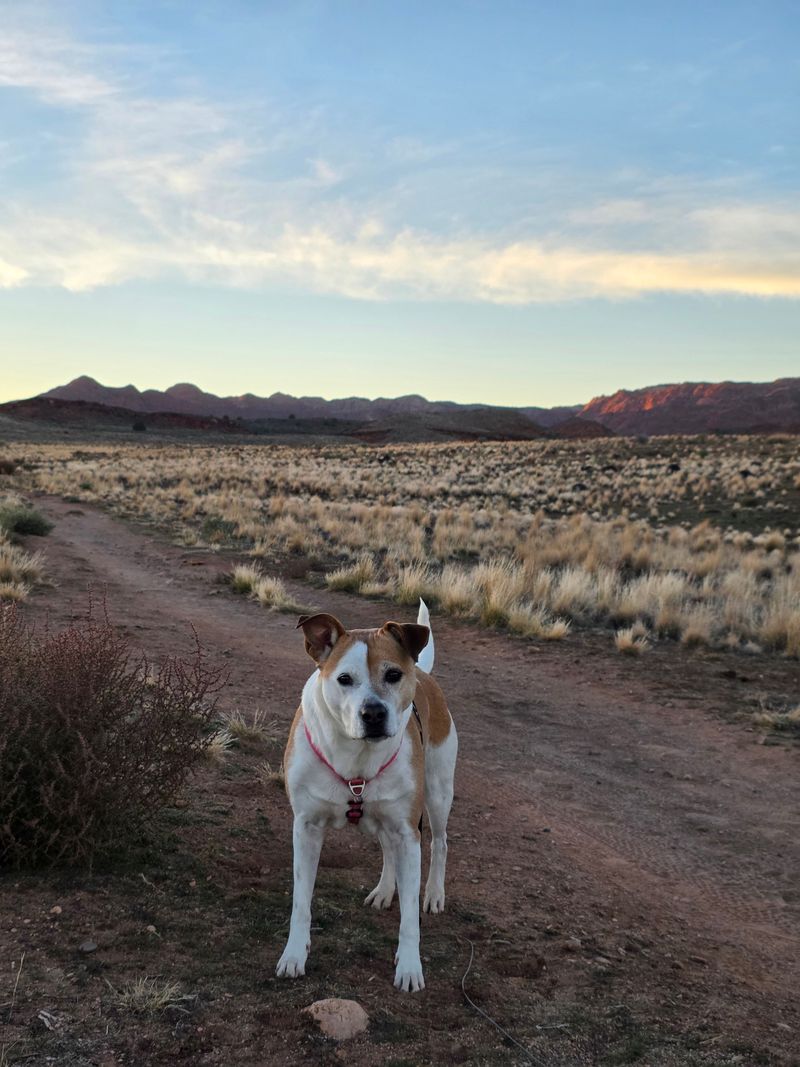
That inviting trail may cross a boundary where pet rules change without much fanfare. Confirm dog access for the exact trail, campground, or recreation site you plan to visit.
Do not assume nearby parks share BLM rules.
Ask whether dogs must remain on designated routes or avoid certain areas. Service animals follow separate legal rules, so request guidance when needed.
Keep a backup destination that permits pets, making a last minute switch much easier for everyone.
3. Check the Desert Forecast
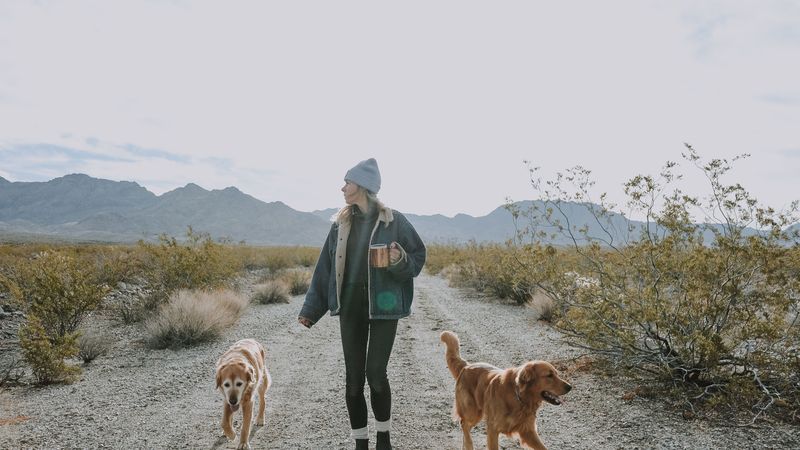
Blue skies can hide a forecast that deserves a second look before breakfast. Check temperatures, wind, weather alerts, and conditions along your driving route.
Desert washes can flood from storms falling far away.
Choose a cooler day rather than relying only on an early start. Puppies, older dogs, and flat faced breeds may struggle sooner in heat.
Cancel when conditions look unsafe. The desert will still be there when the weather offers a kinder walking window.
4. Make Sure Your Dog’s Leash Is Ready
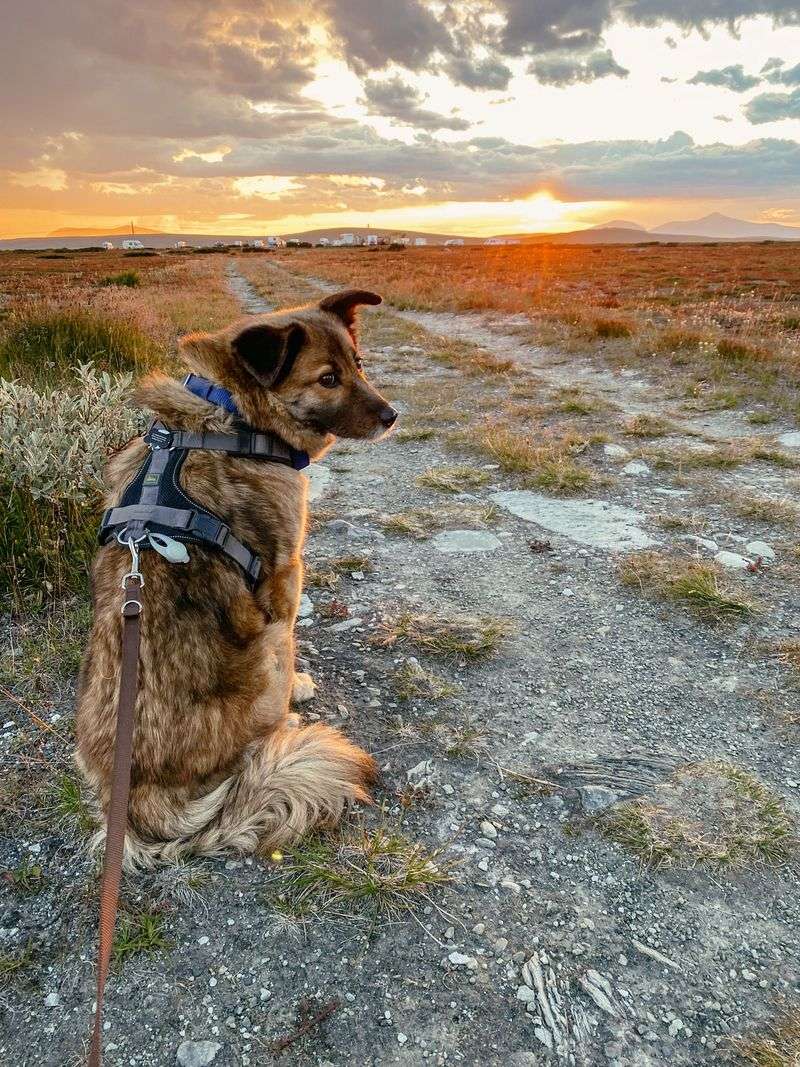
A worn clip is a tiny detail with a very big job outside. Inspect the leash, collar, and harness for loose stitching, cracks, or weak buckles.
Make sure identification tags stay attached and readable.
Choose a sturdy leash that keeps your dog close without tangling around plants. Follow posted leash requirements, including any length limits.
Even where off leash walking is allowed, staying connected helps manage wildlife encounters, passing vehicles, and tempting desert smells more easily.
5. Pack More Water Than You Think You Need
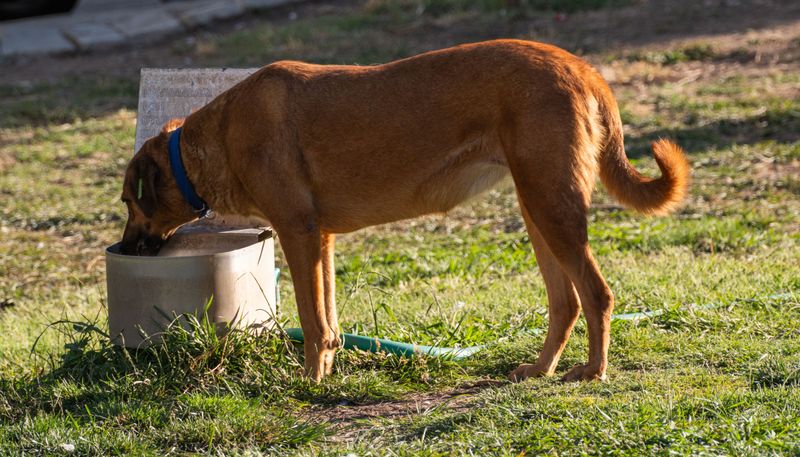
Water weighs plenty, but running short makes every remaining step feel much longer. Carry drinking water for both of you, plus extra for delays and cooling.
Ask your veterinarian about your dog’s needs before longer outings.
Offer small drinks often instead of waiting for obvious thirst. Never depend on springs, puddles, or campground taps without confirming availability.
Keep a separate reserve in your vehicle. Turn around while you still have enough water for the entire return.
6. Bring a Bowl That Works Outdoors
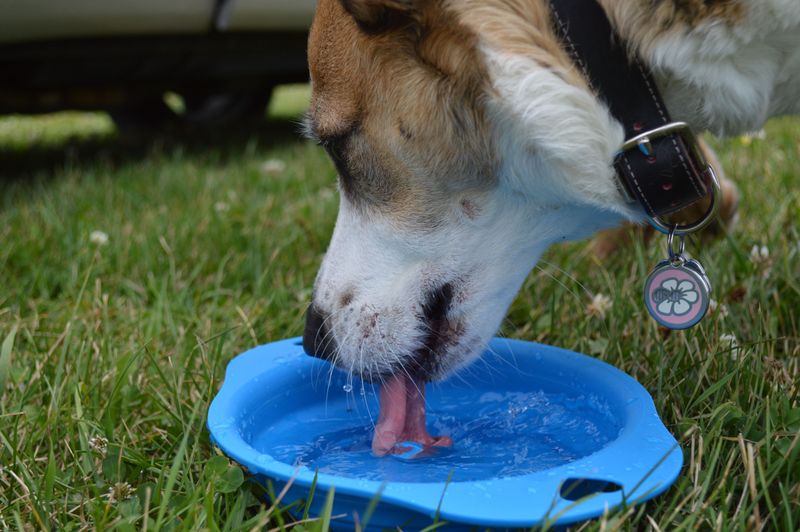
A floppy bowl that tips over can waste your most valuable desert supply. Test your dog’s travel bowl at home on gravel or uneven ground.
Pick one with a stable base and enough room for comfortable drinking.
Store it where you can reach it without unpacking everything. Rinse away sand, and offer water during quiet breaks.
Some dogs dislike unfamiliar bowls, so practice beforehand. A familiar sip station makes outdoor hydration simpler, cleaner, and less fussy.
7. Plan for Limited Shade
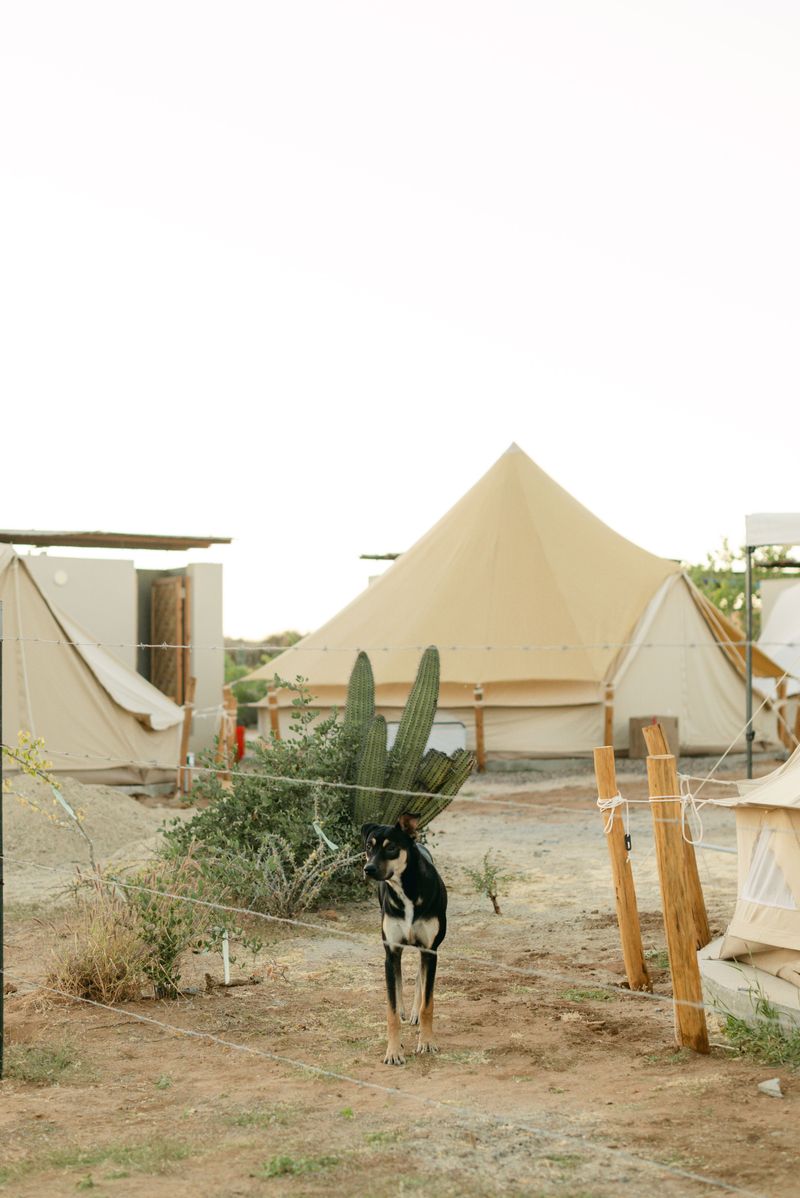
Those wide views come with a catch: trees may be nowhere in sight. Study your route for reliable shade, and bring portable shade for suitable stops.
Secure any shelter against wind and follow site rules.
Shorten walks when cool resting places are scarce. A parked vehicle can become dangerously hot, even with cracked windows.
Never leave your dog inside unattended. Shade supports comfort, but it cannot make extreme heat safe for a desert outing by itself.
8. Look at the Ground Before Walking Far
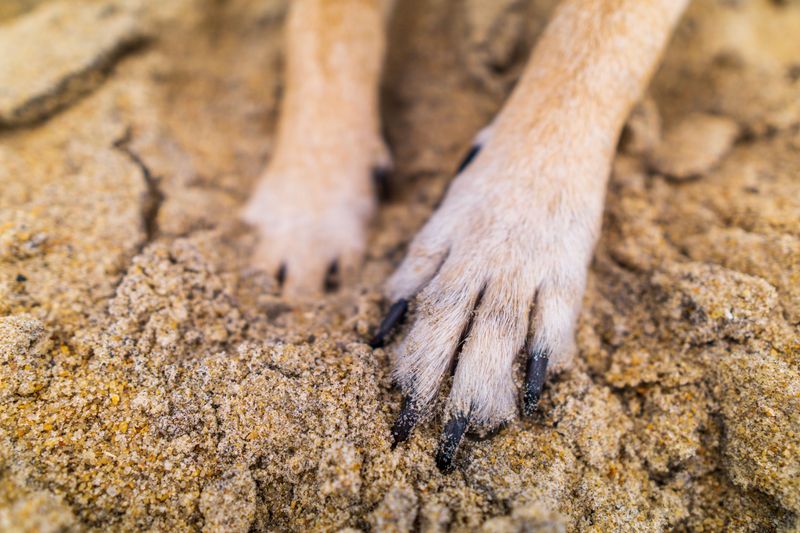
Paws meet the desert before noses discover its fascinating collection of new smells. Check for hot sand, sharp stones, broken glass, and rough surfaces near the start.
A brief hand check can flag heat, but cannot guarantee paw safety.
Watch your dog’s steps and inspect pads during breaks. Introduce protective boots at home before expecting comfortable trail use.
If your dog limps or hesitates, stop and check. Choose cooler ground or head back rather than pushing onward.
9. Check the Route for Remote Sections
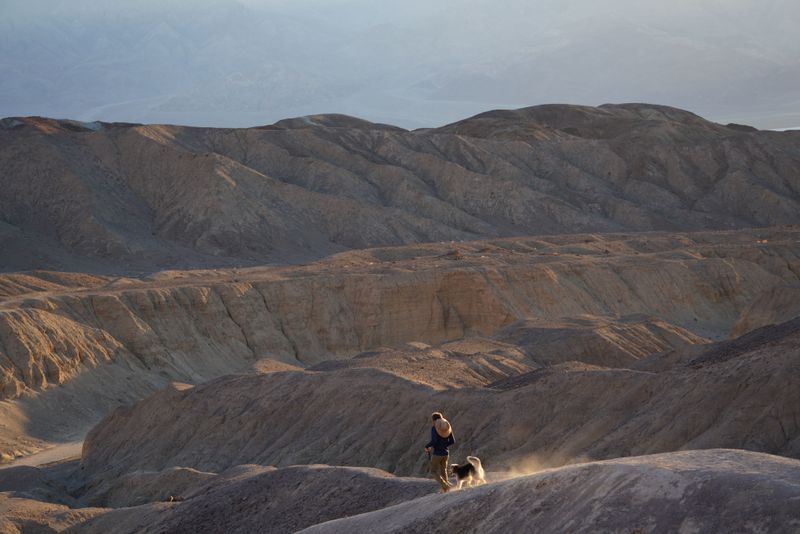
One more ridge can quietly put you much farther from help than expected. Review mileage, elevation changes, road access, and possible turnaround points before starting.
Download offline maps and carry a paper backup you understand.
Pick a shorter route when your dog is new to desert walking. Allow time for drinking, sniffing, and paw checks.
Tell someone your route and expected return. Leave enough energy for the walk back, not just the exciting outward stretch ahead.
10. Keep Your Dog Close Around Wildlife
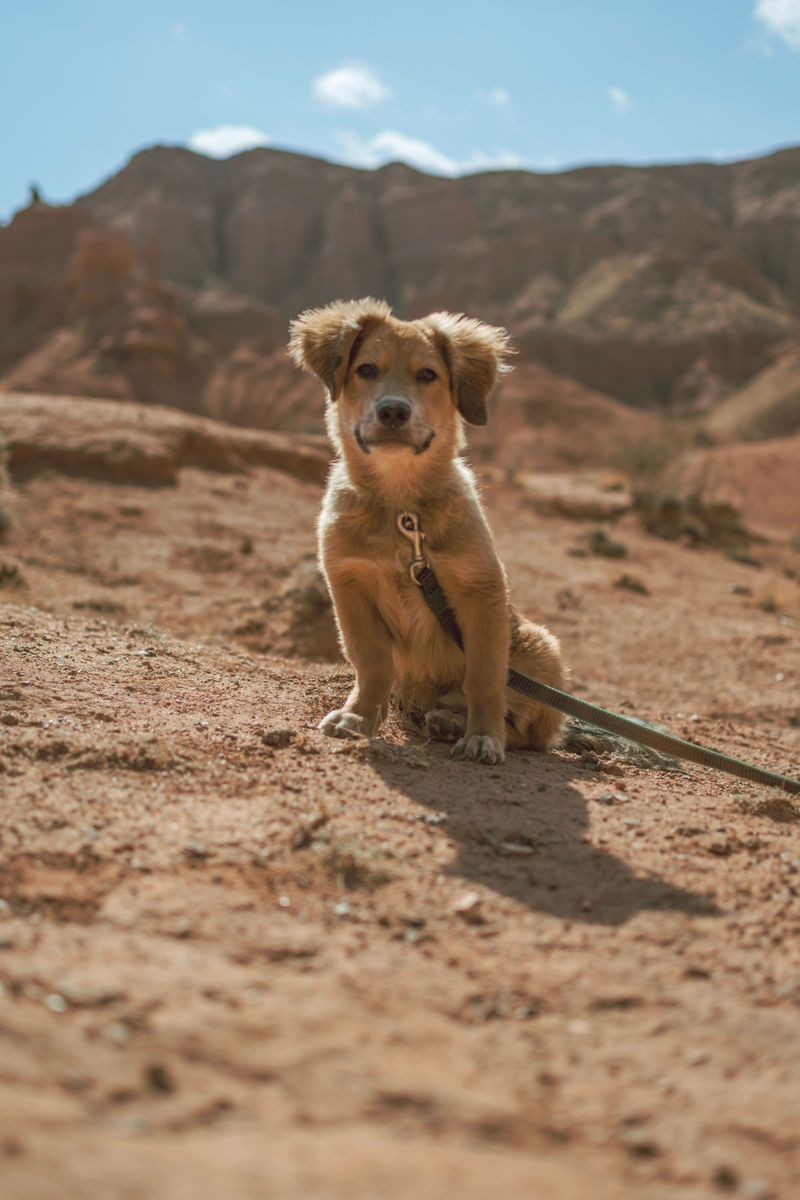
A rustle beside the trail is your cue to shorten the leash calmly. Desert wildlife needs space, whether you spot a rabbit, tortoise, or resting snake.
Keep your dog from chasing, sniffing, or approaching animals.
Never let pets investigate burrows or reach beneath rocks. Give wildlife a clear escape route and move away without crowding it.
Practice a reliable leave it cue before traveling. Calm distance protects your dog and the desert residents sharing your walking space.
11. Watch for Cacti and Thorny Plants
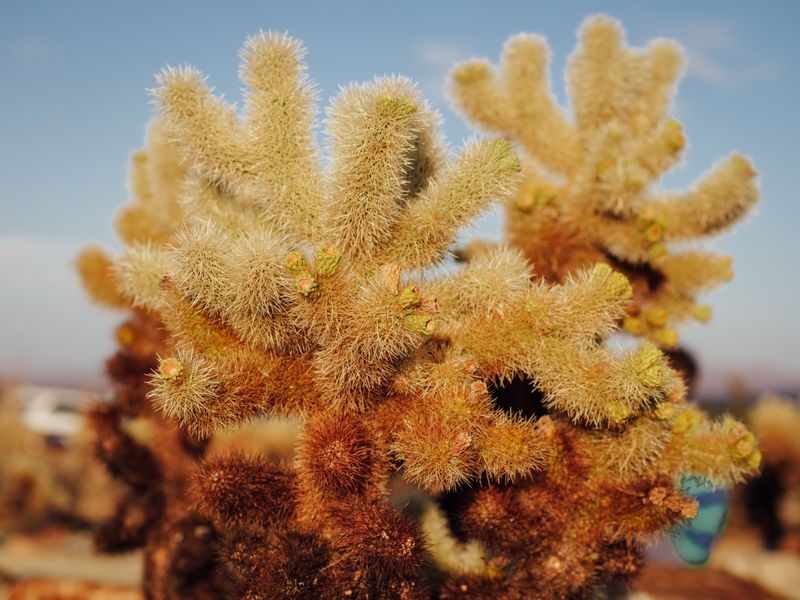
Cholla may look fuzzy from a distance, but it deserves a generous detour. Scan trail edges for cactus pieces, thorny branches, and prickly plants before your dog steps closer.
Keep the leash short around dense patches.
Check paws and fur after passing vegetation. Pack tweezers, but avoid digging out deeply lodged spines yourself.
Contact a veterinarian for sensitive areas or difficult removal. Clear, established routes usually offer easier footing than weaving between shrubs for a shortcut home.
12. Check Your Vehicle Before Driving Into the Desert
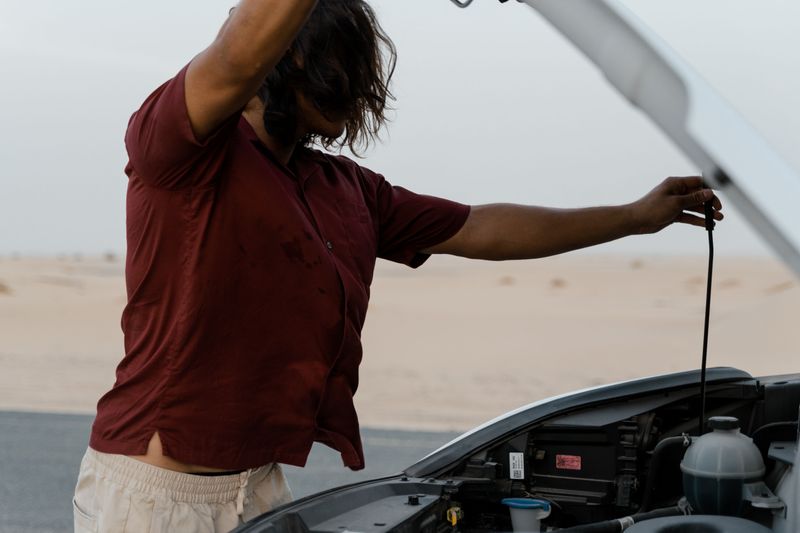
Your dog’s trail day starts with the vehicle that gets everyone there safely. Check tires, the spare, fuel, fluids, and cooling systems before leaving paved roads.
Carry supplies suited to your vehicle and planned route.
Secure your dog with an appropriate travel restraint and keep the cabin comfortable. Remote roads may offer no nearby fuel or repair services.
Tell someone your driving plan. If conditions exceed your vehicle’s ability, choose another destination instead of testing your luck.
13. Bring a Backup Leash and Basic Supplies
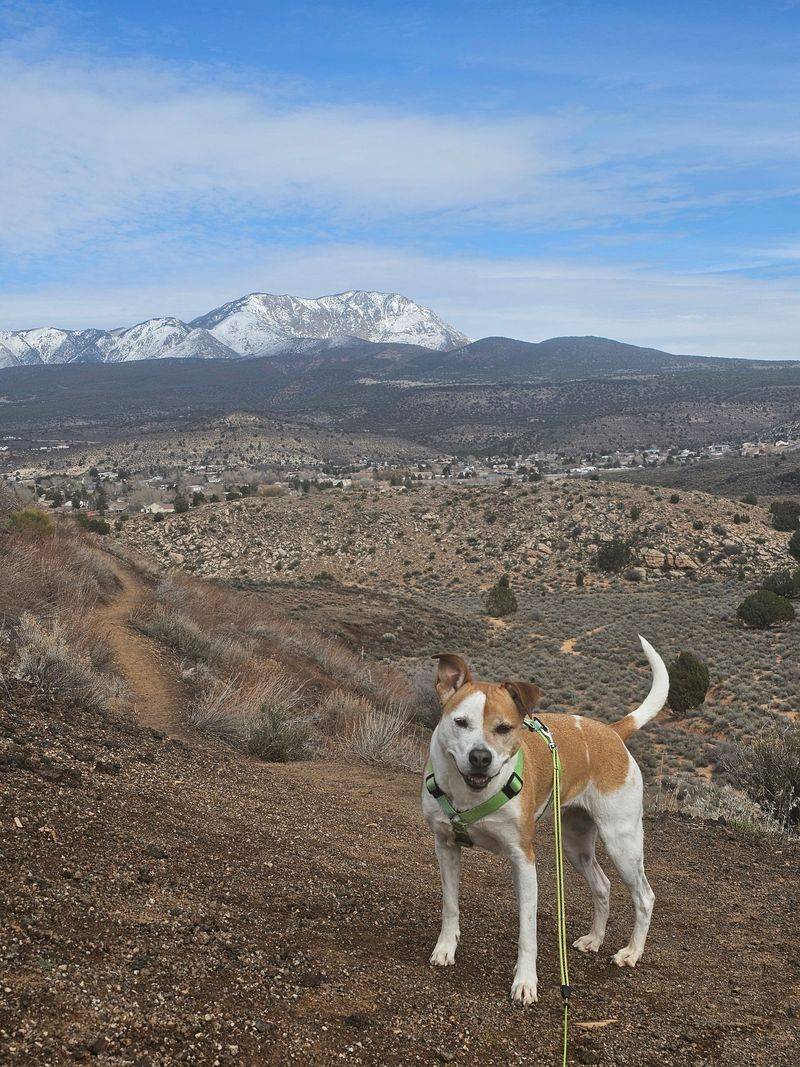
A small spare kit can rescue the day when ordinary gear gives out. Pack another leash, waste bags, medications, and a dog first aid kit.
Include clean water, gauze, and supplies your veterinarian recommends.
Carry out pet waste rather than leaving bags beside the trail. Keep a recent dog photo and current identification information handy.
Check that microchip details are updated. Simple supplies solve small problems quickly, leaving more time for scenery and fewer trailside gear puzzles.
14. Know Where You Can and Cannot Drive
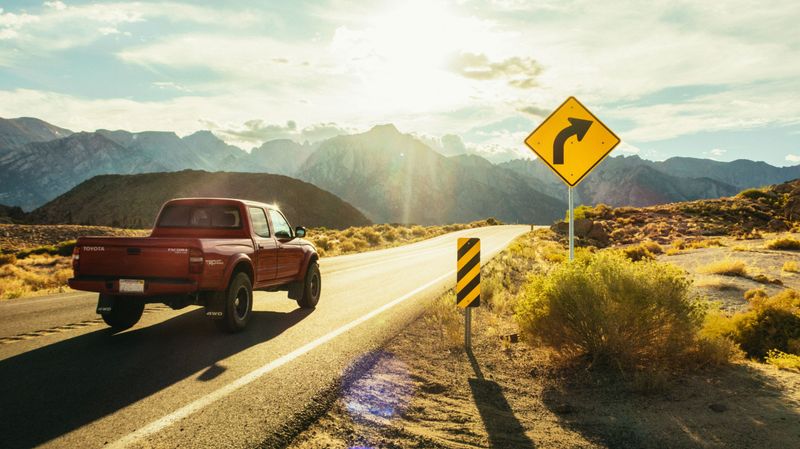
Tire tracks are not permission slips, even when they look well traveled already. Check the area’s official travel map and follow signs marking designated vehicle routes.
Cross-country driving is allowed only in areas specifically designated as open to that type of vehicle use; elsewhere, vehicles must remain on designated routes.
Stay within your vehicle’s limits and avoid soft sand or uncertain crossings. Park without blocking routes or damaging plants.
Keep your dog secured around moving vehicles, especially near busy recreation areas. Legal access protects fragile desert ground and keeps your arrival pleasantly uncomplicated.
15. Check for Recent Closures or Conditions
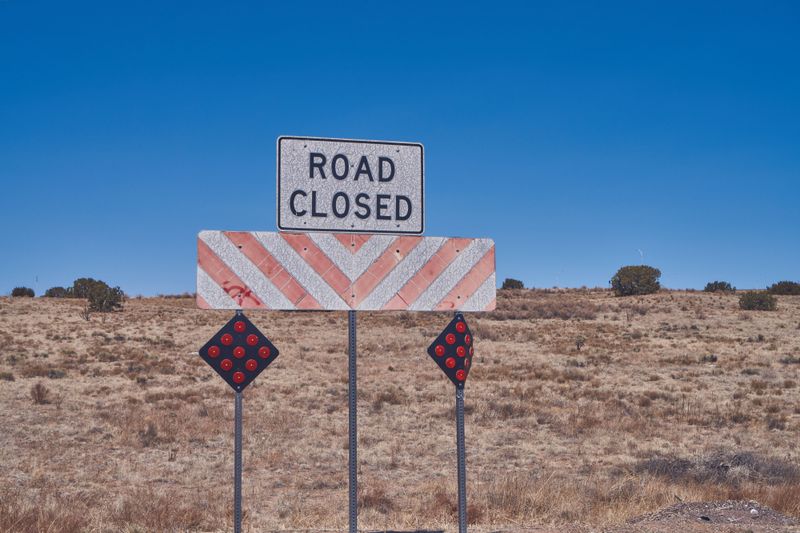
Yesterday’s open road can become today’s detour after wind, rain, or maintenance work. Check official BLM alerts, field office updates, and road information shortly before departure.
Look for temporary closures, fire restrictions, and damaged access roads.
Recent visitor reports may add context, but they do not replace official notices. Read signs again when you arrive.
Have another dog friendly destination ready if access changes. Respect barriers even when the landscape beyond them looks quiet and inviting enough.
16. Have a Simple Emergency Plan
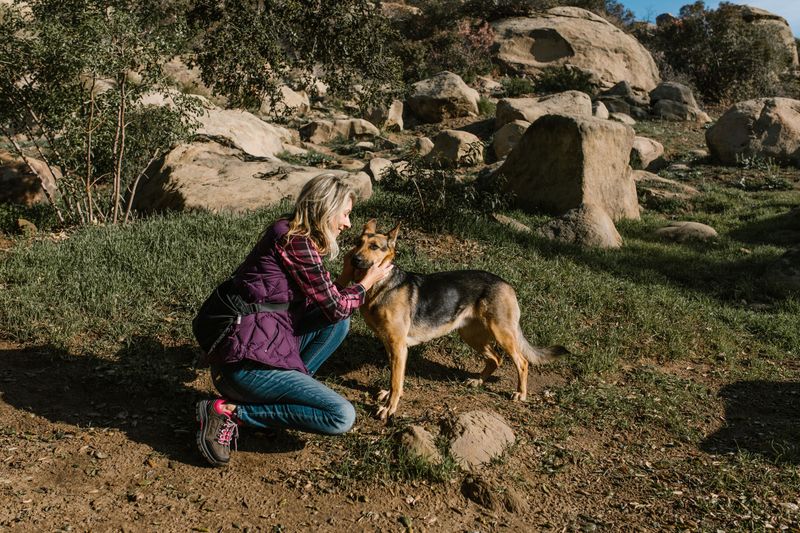
Peace of mind fits nicely beside the treats when everyone knows the plan. Save the nearest emergency veterinarian’s number, location, and hours before leaving home.
Know how you would carry your dog back if needed.
Consider a satellite communicator where phone service is unreliable. For suspected overheating, stop, cool with water and airflow, and seek veterinary help promptly.
Share your return time with someone reliable. Check carefully, pack kindly, and let those desert sniffing sessions begin safely.