Why Florida Rainy Season Can Turn Puppy House-Training Into A Scheduling Problem
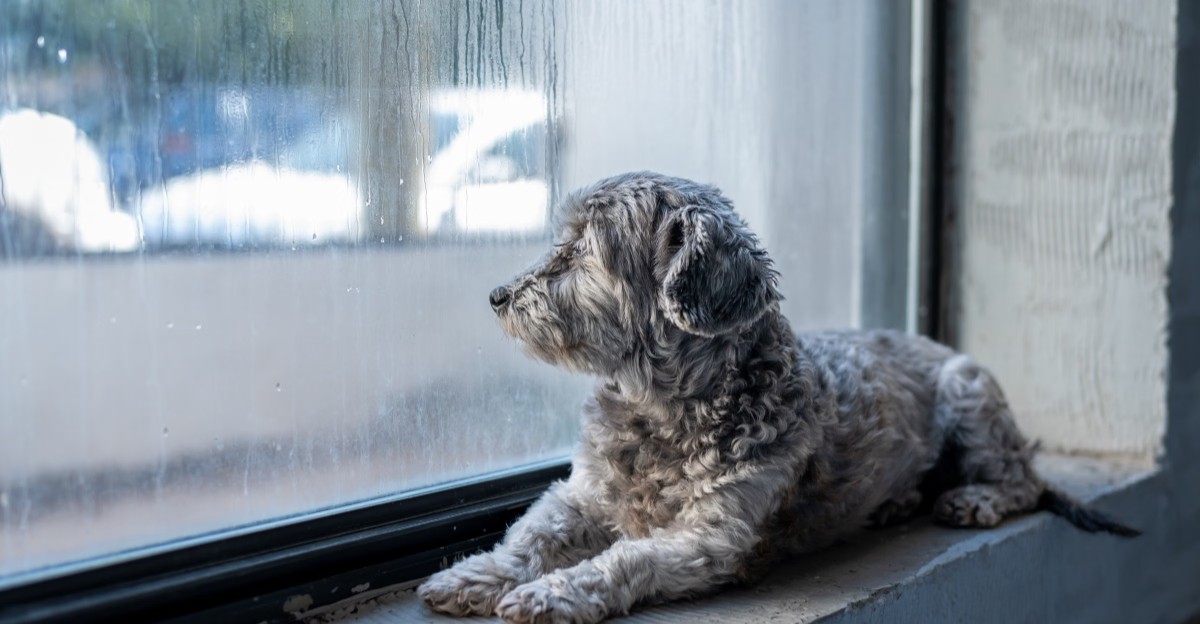
Florida rain can arrive just when your puppy needs a bathroom break, leaving you watching both the door and the sky. Wet grass, afternoon storms, and sticky heat can make a simple routine harder to follow.
Your puppy still needs regular chances to go, even when the weather changes your plans. With a few practical adjustments, you can protect training progress and make rainy days easier for everyone.
1. Rain Can Disrupt A Puppy’s Usual Potty Schedule
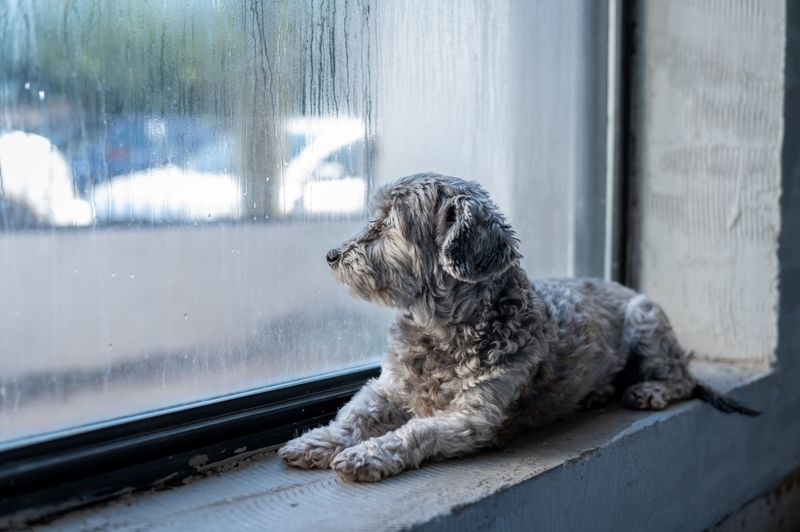
A sunny morning can turn rainy just before your puppy’s usual afternoon break. Florida’s rainy season often brings afternoon thunderstorms, although timing varies across the state.
That makes a rigid bathroom schedule harder to follow.
Keep your usual routine, but add flexibility around changing weather. Offer an earlier break when storms approach, without assuming it replaces the next needed outing.
Your goal is regular opportunities, not perfect timing every single day throughout a wet Florida summer.
2. Puppies Still Need Frequent Potty Breaks
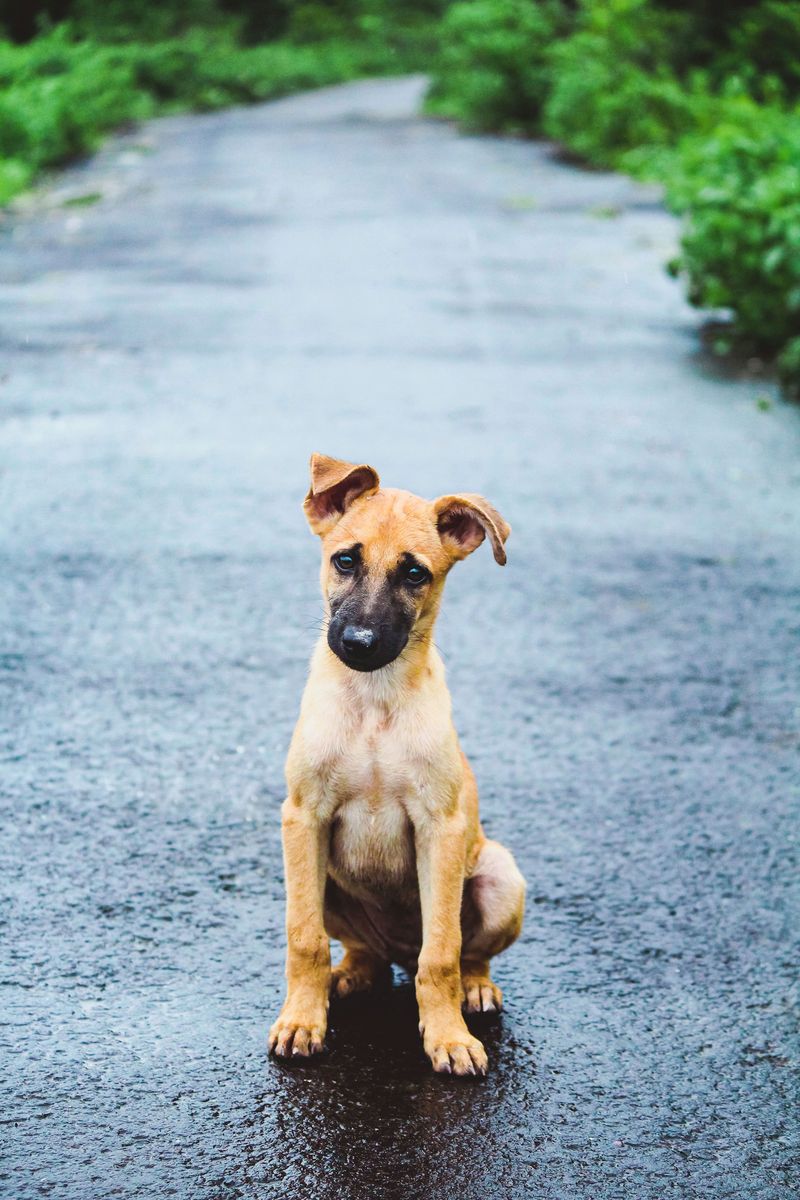
A small bladder does not check the weather before filling up. Young puppies commonly need outings after waking, eating, drinking, and active play.
Some need additional breaks between those events, especially early in training.
Use your puppy’s behavior and accident history to guide timing. Age offers a rough starting point, not a promise about bladder control.
Ask your veterinarian about unusual frequency, straining, or sudden changes rather than simply blaming another rainy day for the problem.
3. Heavy Downpours Create Timing Problems
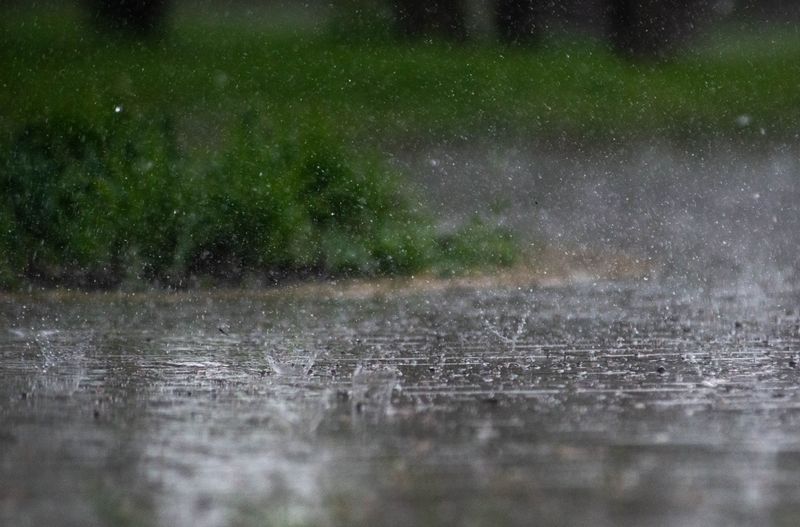
Sometimes the next bathroom break lands right in the loudest part of a storm. Heavy rain can reduce visibility and leave paths slippery.
Lightning adds a separate reason to stay inside a substantial building.
Do not take your puppy outside when thunder is audible. Wait until the storm has safely passed before resuming outdoor trips.
Prepare an indoor backup for urgent needs, because a covered porch or awning may not provide adequate protection during a thunderstorm.
4. Humidity Can Make Outdoor Trips Less Comfortable
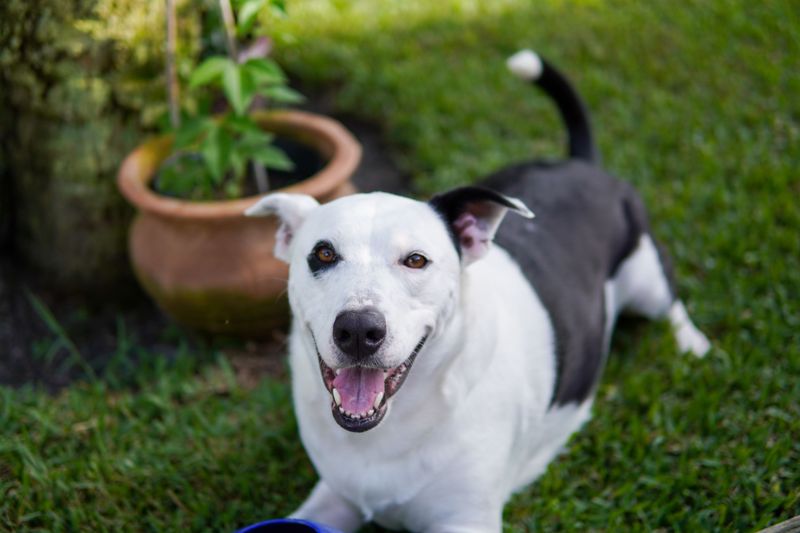
Stepping outside after rain can feel like walking into a warm bathroom. High humidity makes cooling through panting less effective for dogs.
A potty trip should stay brief when the air feels hot and sticky.
Choose shade and avoid turning bathroom breaks into long exercise sessions. Offer fresh water indoors, and never restrict drinking to reduce accidents.
Heavy panting, weakness, or unusual distress means you should move somewhere cool and contact your veterinarian promptly for advice.
5. Some Puppies Avoid Wet Grass
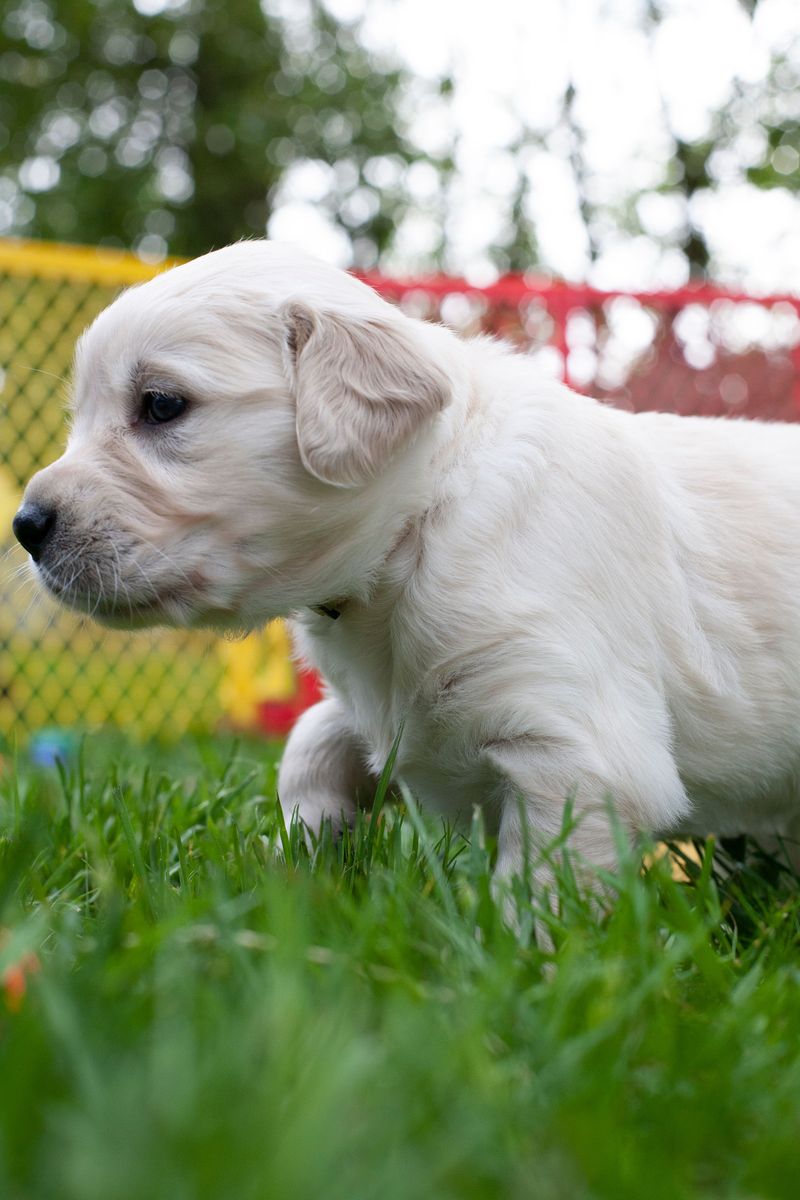
Those tiny paws may stop at the edge of a damp lawn. Unfamiliar textures, puddles, and dripping plants can make a puppy hesitate.
Reluctance does not mean your puppy is being stubborn or ignoring training.
Introduce wet grass during calm weather with short, relaxed visits. Reward willing steps, and avoid dragging your puppy across the yard.
A familiar, well drained spot can help build confidence while keeping bathroom trips predictable during Florida’s frequent summer afternoon showers.
6. Covered Areas Can Become A Potty-Time Advantage
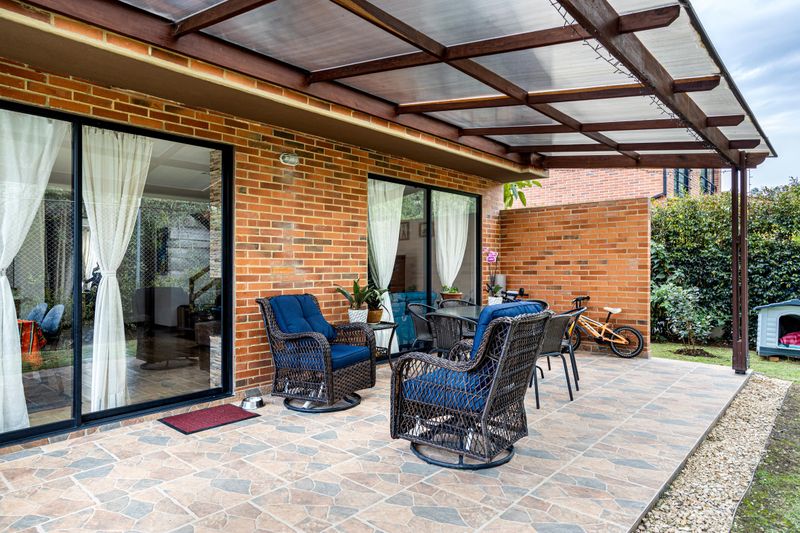
A little shelter can make ordinary rain feel much more manageable. An approved potty area beneath a roof may reduce splashing and distractions.
Check that the surface drains well and stays free of cleaning chemicals.
Introduce the location before you urgently need it during bad weather. Keep apartment rules and shared space hygiene in mind when choosing your setup.
Shelter from rain is useful, but open porches and awnings are not safe places during nearby thunderstorms.
7. Keep A Leash Ready Near The Door
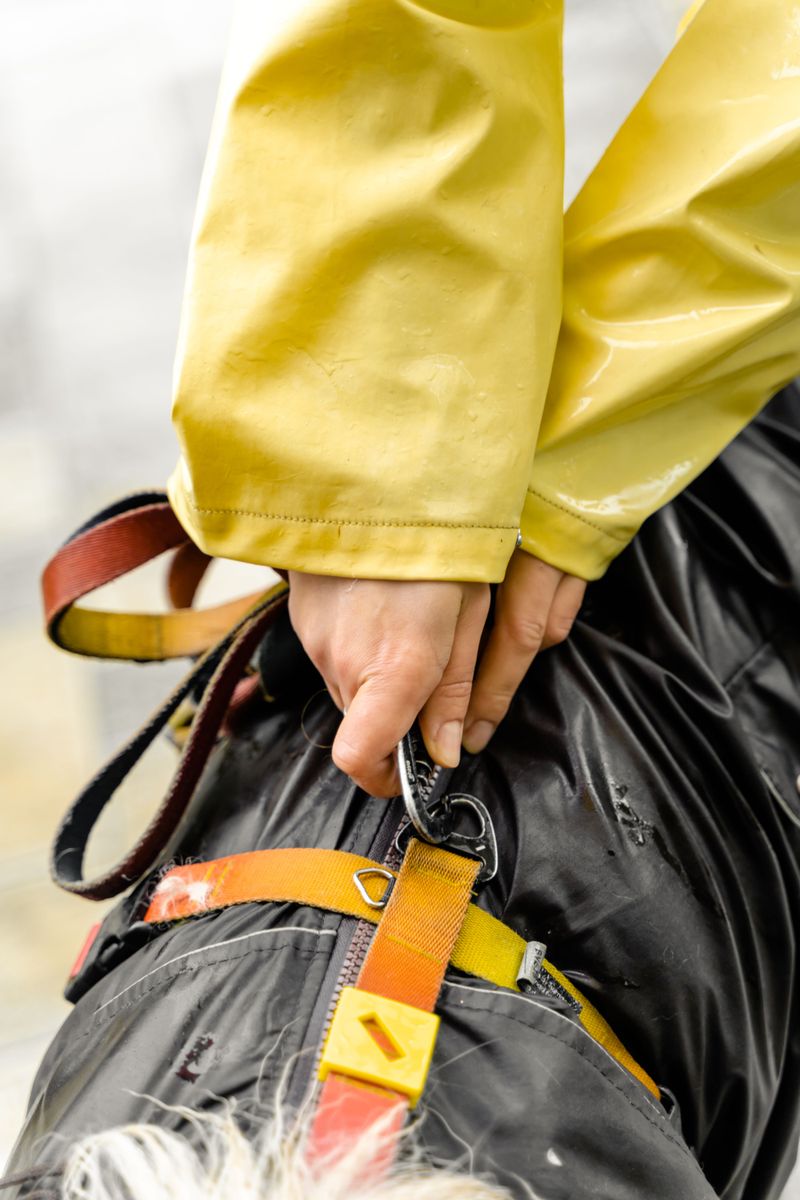
Searching for a leash can waste the short window before another shower. Set up a small station beside your usual exit.
Include a leash, cleanup bags, treats, and a towel for wet paws.
Keep supplies beyond your puppy’s reach to prevent chewing or swallowing. Attach the leash before opening the door, especially when storm sounds cause excitement.
Having everything ready helps you respond quickly without rushing your puppy or forgetting basic safety during a busy afternoon.
8. Watch For The First Signs Your Puppy Needs To Go
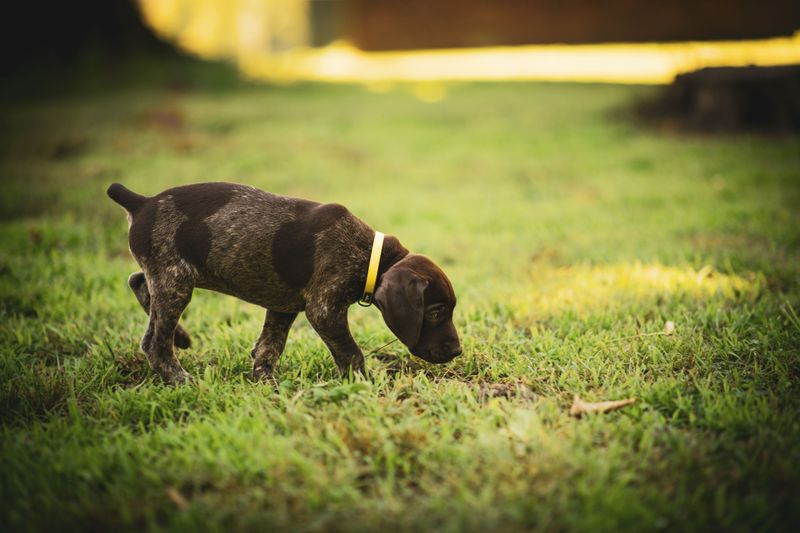
A nose suddenly glued to the floor deserves your attention. Sniffing, circling, wandering away, or heading toward the door can signal urgency.
Some puppies offer only a brief warning before they need relief.
Watch closely after meals and when play slows down. Respond to those signals rather than waiting for the next scheduled alarm.
During unsafe weather, calmly guide your puppy to the prepared indoor toilet area instead of hoping the urge will pass without action.
9. Indoor Accidents May Increase During Storms
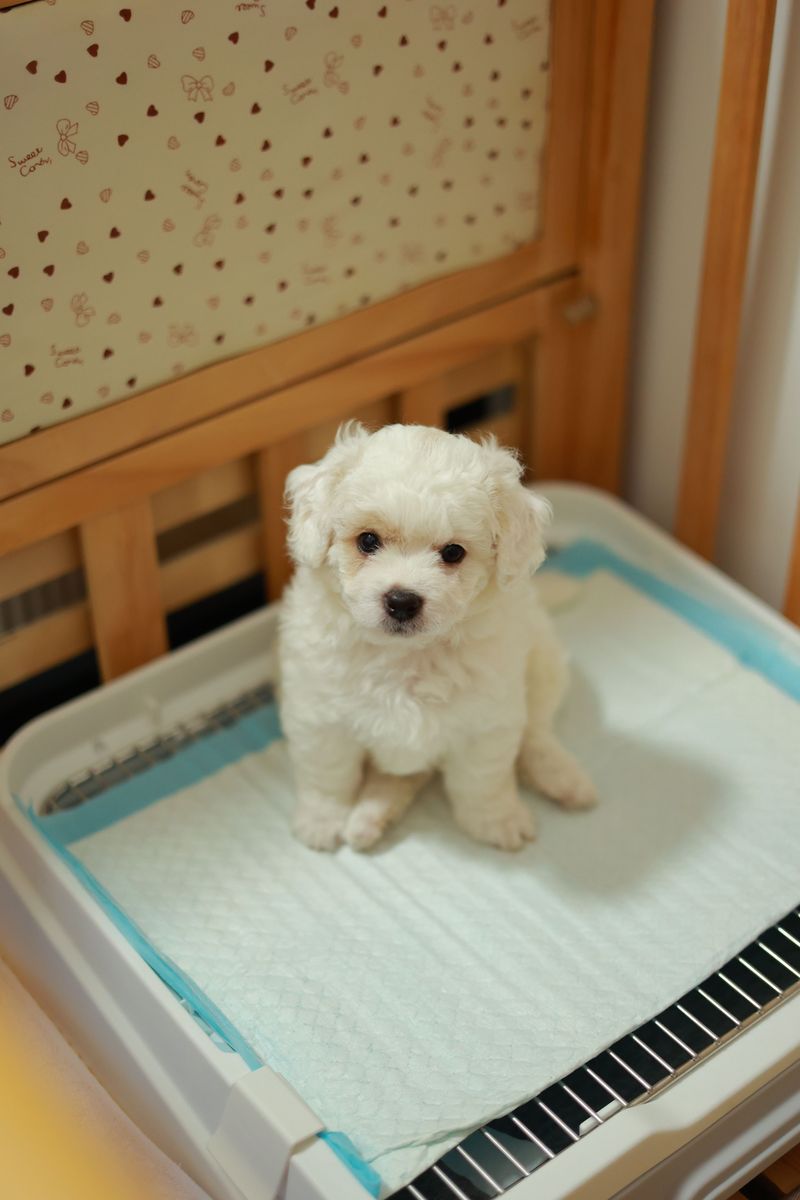
One missed outing can leave a puddle beside the sofa. Storm noise may also distract or worry a puppy during bathroom attempts.
A rainy week can expose gaps in supervision without erasing earlier progress.
Clean affected areas with an enzymatic product intended for pet messes. Follow label directions and keep your puppy away until the area is ready.
Temporarily increase supervision and bathroom opportunities, then adjust the routine using what the accident tells you about timing.
10. Keep The Potty Spot Consistent
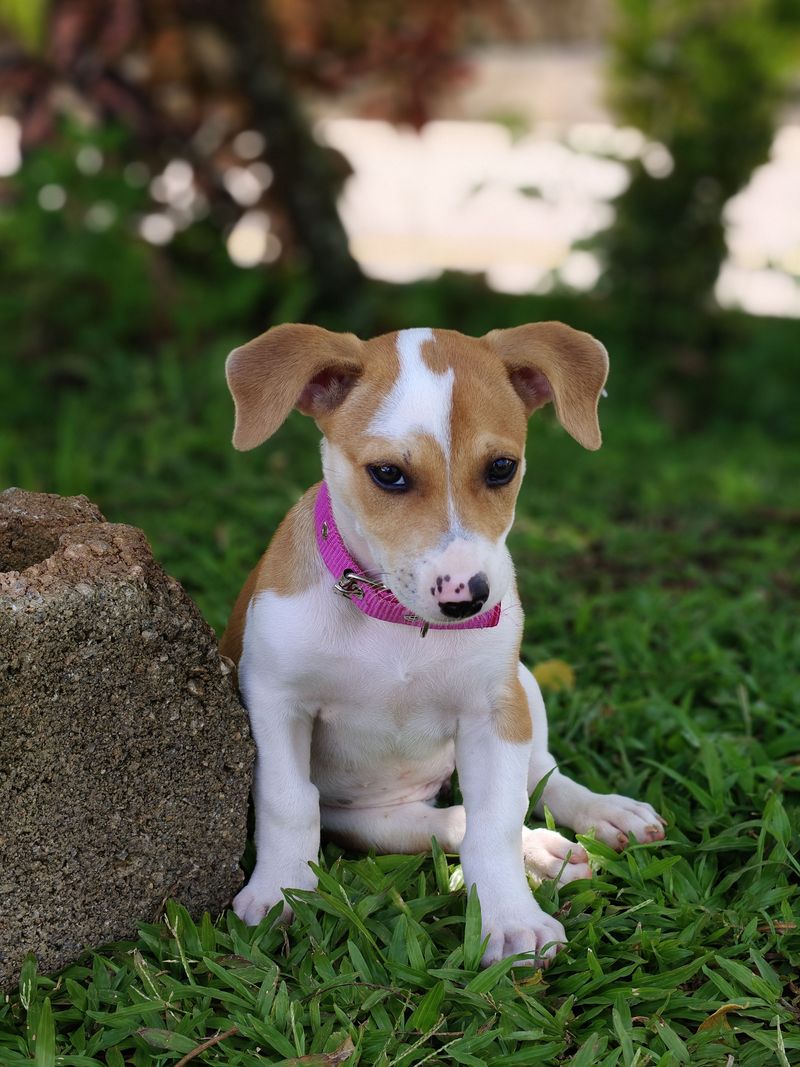
Familiar surroundings can help your puppy get straight to business. Choose one accessible outdoor area with good drainage whenever possible.
Returning there reduces the temptation to explore every wet leaf and unfamiliar smell.
Use the same brief potty cue without repeating it constantly. Give your puppy a quiet chance to finish before heading inside.
If flooding makes that spot unsuitable, use a planned alternative rather than leading your puppy through standing water to preserve the routine.
11. Reward Outdoor Success Right Away
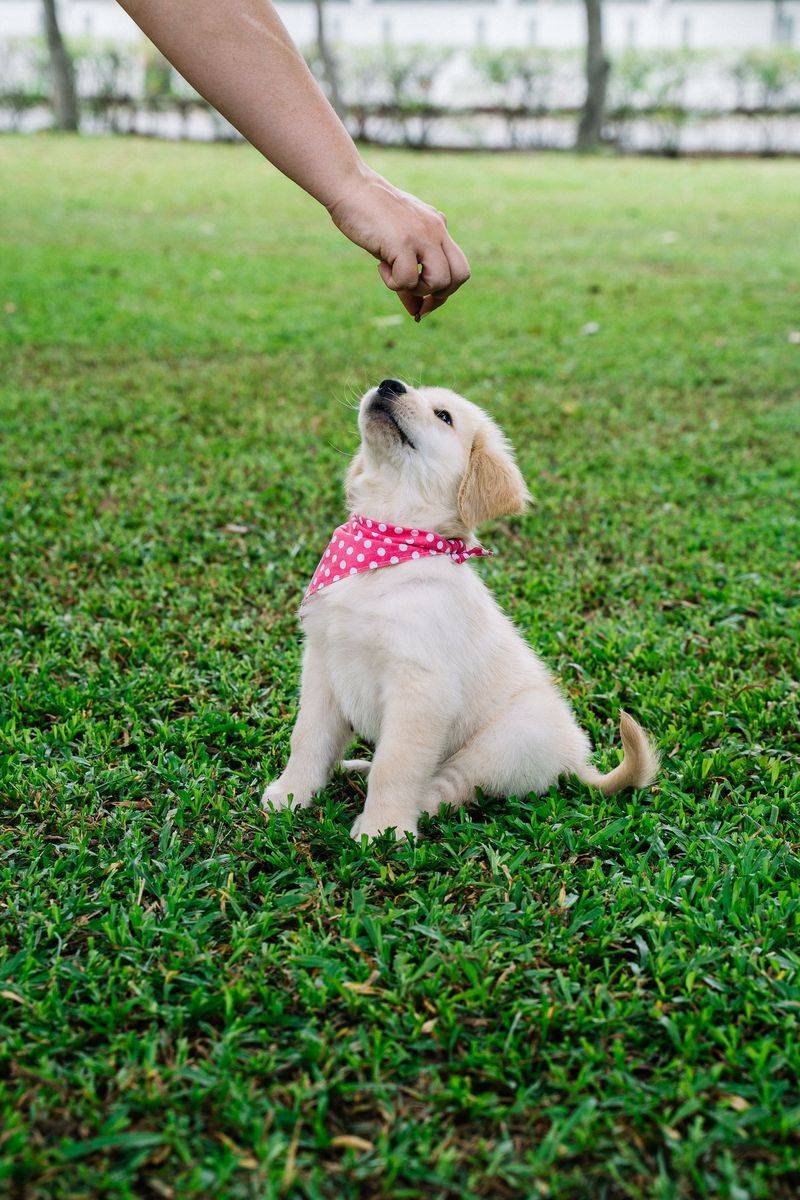
The best teaching moment happens before you reach the kitchen. Give a small treat and calm praise immediately after your puppy finishes.
Waiting until you return indoors can reward coming inside instead of toileting.
Carry treats in a dry pocket or closed container during showers. Let your puppy finish fully before celebrating, since excitement can interrupt the process.
Prompt rewards help connect the correct location with something pleasant, even when wet weather makes the outing less appealing.
12. Avoid Stretching The Schedule After A Successful Trip
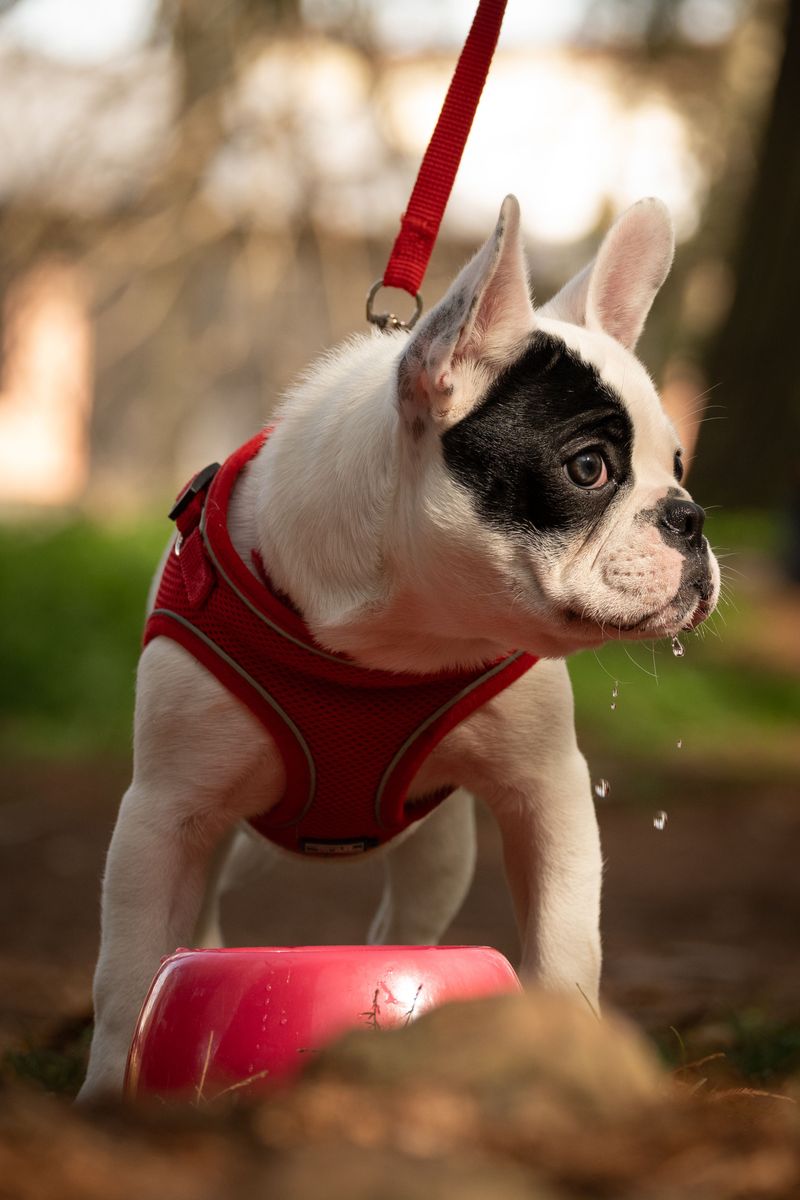
A successful break is encouraging, but it does not buy unlimited time. Drinking, eating, or playing afterward can create another need sooner than expected.
Young puppies are still developing reliable control and clear communication.
Continue offering breaks around normal daily events instead of celebrating with a longer gap. If your puppy only urinates, another trip may be needed for a bowel movement.
Let repeated patterns guide adjustments rather than assuming one good outing predicts the entire afternoon.
13. Storm Forecasts Can Help You Plan Breaks
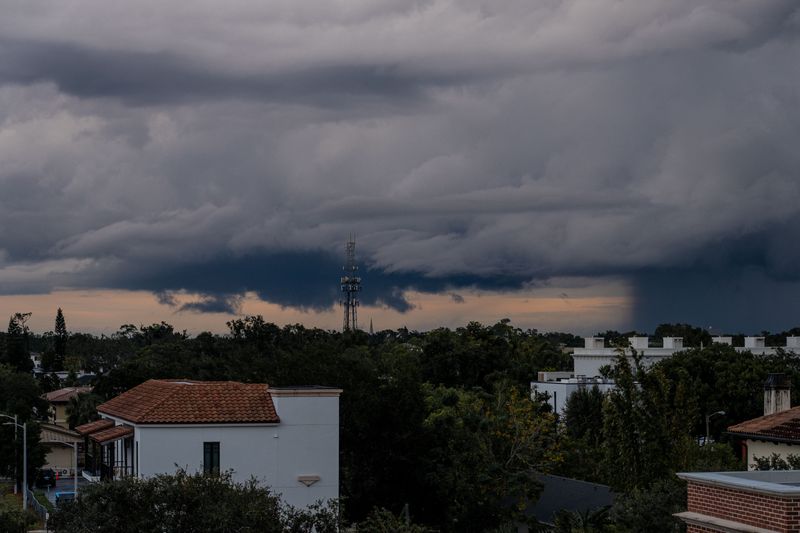
Your weather app can become a useful training helper. Check local forecasts and radar before meals, naps, and planned afternoon outings.
An approaching shower may leave time for an earlier bathroom opportunity.
Forecasts are guides, not guarantees, because Florida storms can develop quickly. Listen for thunder and follow weather alerts rather than relying only on radar.
Keep your indoor backup available so a sudden change does not force a choice between safety and your puppy’s immediate needs.
14. Keep A Simple Potty Log
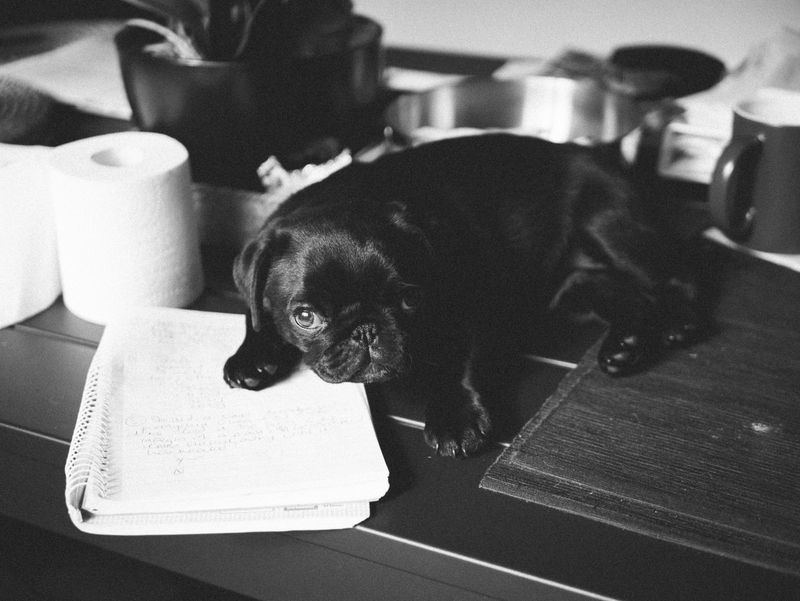
A few quick notes can reveal patterns your memory misses. Record meals, drinks, naps, successful bathroom trips, and accidents.
Add a short weather note when rain changes the plan.
After several days, look for repeated trouble spots, such as waking from an afternoon nap. Share the log with everyone helping care for your puppy.
It can also give your veterinarian useful context if bathroom habits suddenly change or training stalls despite consistent attention and regular opportunities outside.
15. Crate And Nap Times Still Need Potty Planning
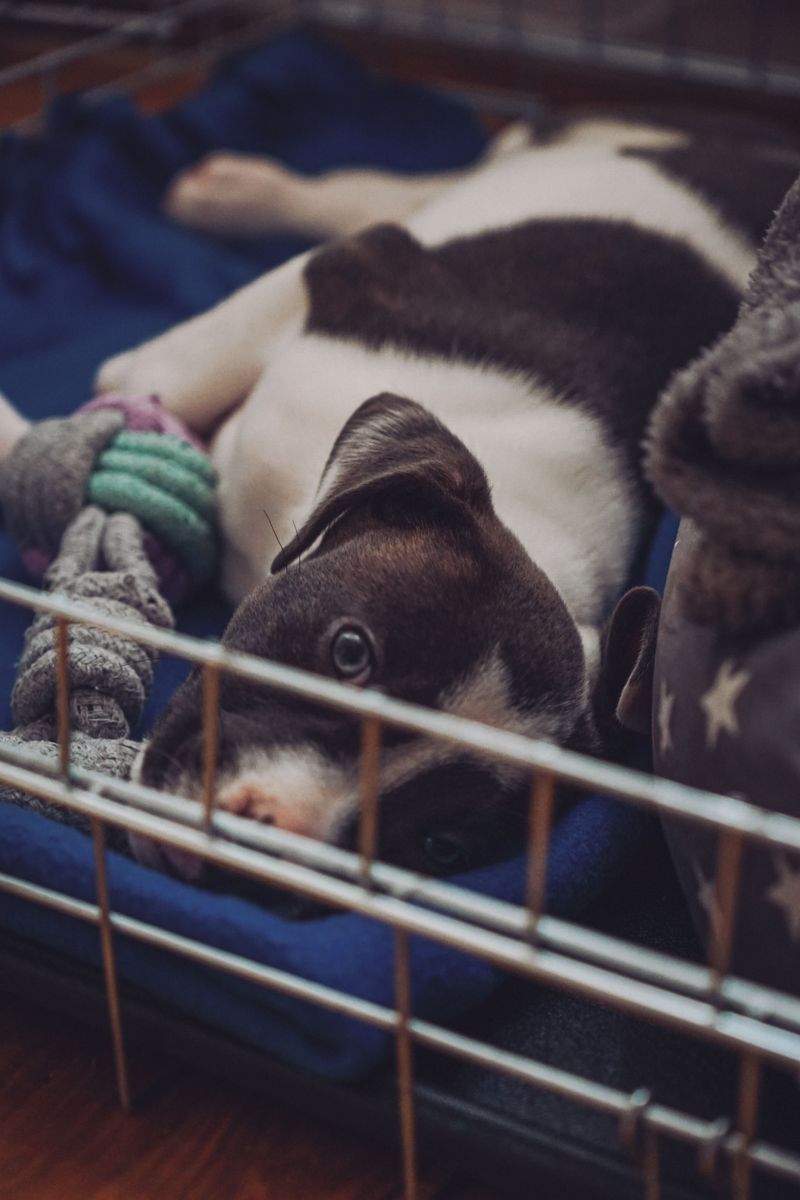
Waking up often starts the bathroom clock immediately. Offer a potty opportunity before a planned crate period and promptly after your puppy wakes.
Rain should change your route, not remove these key chances.
A crate is a resting space, never a tool for forcing longer holding. Keep confinement appropriate for your puppy’s age, comfort, and training stage.
Arrange help when your schedule prevents needed breaks, and have an indoor toilet option available during unsafe weather or prolonged storms.
16. Never Punish A Puppy For A Rain-Related Accident

Finding a mess is frustrating, especially after watching the forecast all day. Scolding does not teach your puppy where to go.
It may instead encourage hiding bathroom behavior from you.
If you notice an accident beginning, calmly guide your puppy to an appropriate toilet area. Reward finishing there, then clean the original spot without fuss.
When you discover a mess later, focus on cleanup and planning because delayed punishment cannot explain the lesson you wanted to teach.
17. Prepare For Days When Rain Barely Lets Up
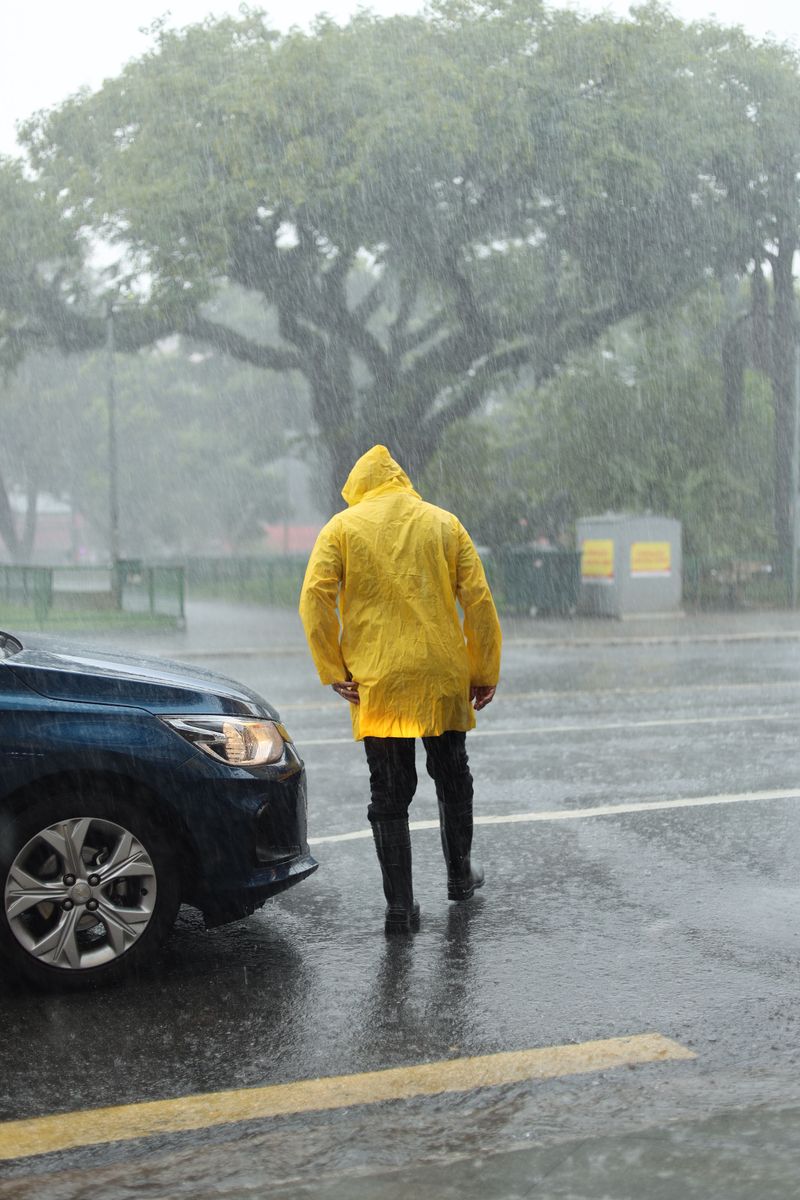
Long stretches of wet weather call for more than hopeful timing. Set up a clearly marked indoor toilet area before prolonged storms arrive.
A suitable tray or pad can provide relief when outdoor access is unsafe.
Keep that area separate from sleeping and feeding spaces, and supervise introductions. Indoor surfaces can complicate outdoor training for some puppies, so use a consistent plan.
Avoid floodwater, which may contain hidden hazards and contamination, even after the heaviest rain has passed.
18. Expect The Schedule To Change As The Puppy Grows
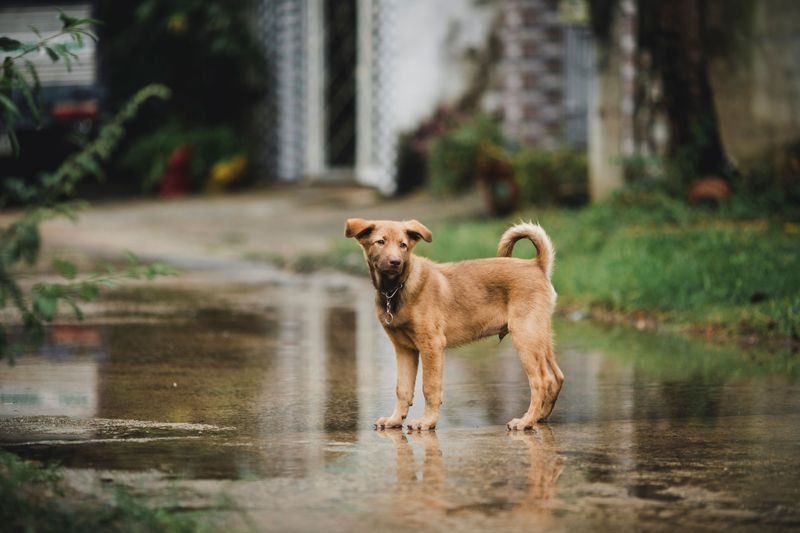
Progress usually comes in small steps rather than one perfect week. As your puppy matures, bathroom needs and signals may become more predictable.
Gradually adjust intervals based on repeated success, not age alone.
Temporary setbacks can happen during routine changes, exciting days, or unsettled weather. Return to closer supervision when needed, and discuss unexplained changes with your veterinarian.
Keep the final lesson simple: plan around the rain, respond to your puppy, and let steady practice build lasting confidence.