19 Things Arizona Owners Should Know Before Bringing Home A Puppy In Summer
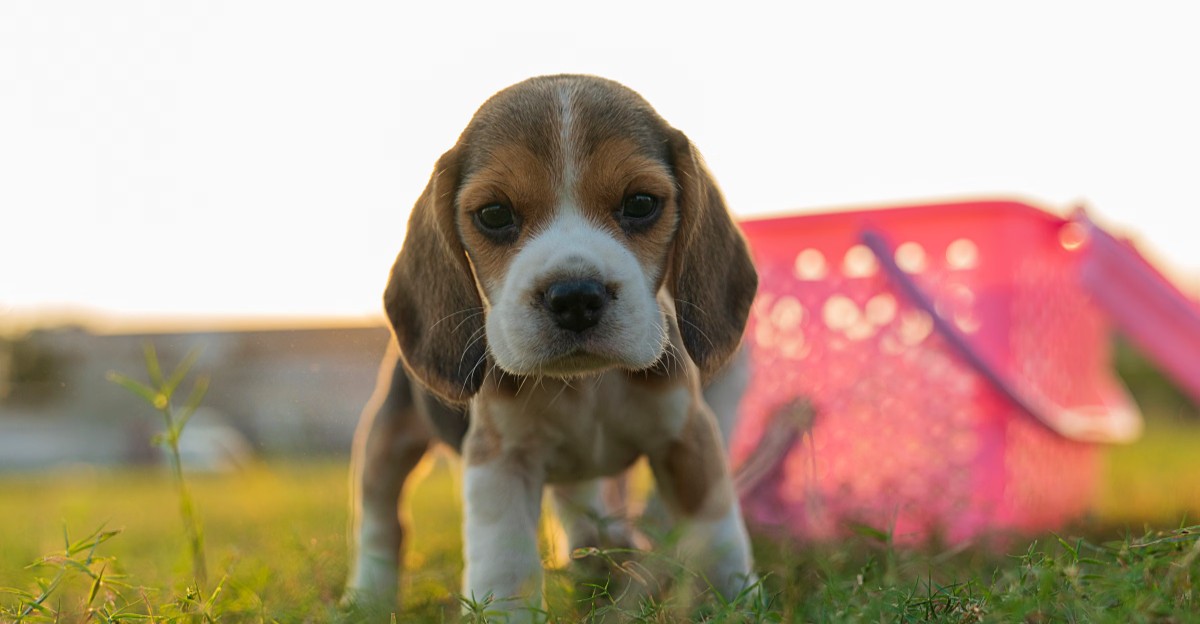
Bringing home a new puppy is one of life’s happiest moments. In Arizona, though, summer adds a few extra things to plan for.
The heat, the dust, and desert critters all shape how you care for a young dog. With a little preparation, you and your puppy can enjoy a safe, cool, and joyful first summer together.
Here is what every local owner should know before that first day home.
1. Hot Ground Can Hurt Tiny Paws
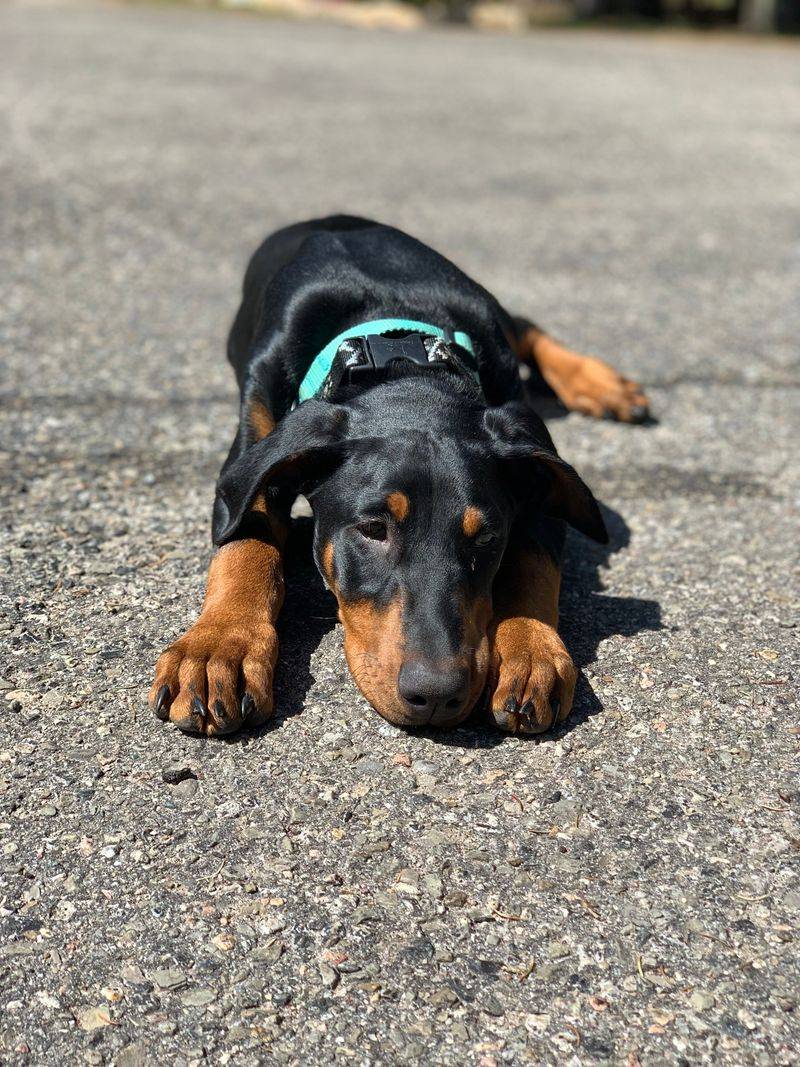
On an 87 degree day, asphalt can reach about 143 degrees. In peak Arizona summer, it can climb much higher.
Paw pads can burn on a 140 degree surface in about a minute.
Concrete and artificial turf also heat up fast in direct sun. Try the seven-second test with the back of your hand.
If you cannot hold it there comfortably, your puppy should not walk on it.
2. Parked Cars Are Never a Waiting Room
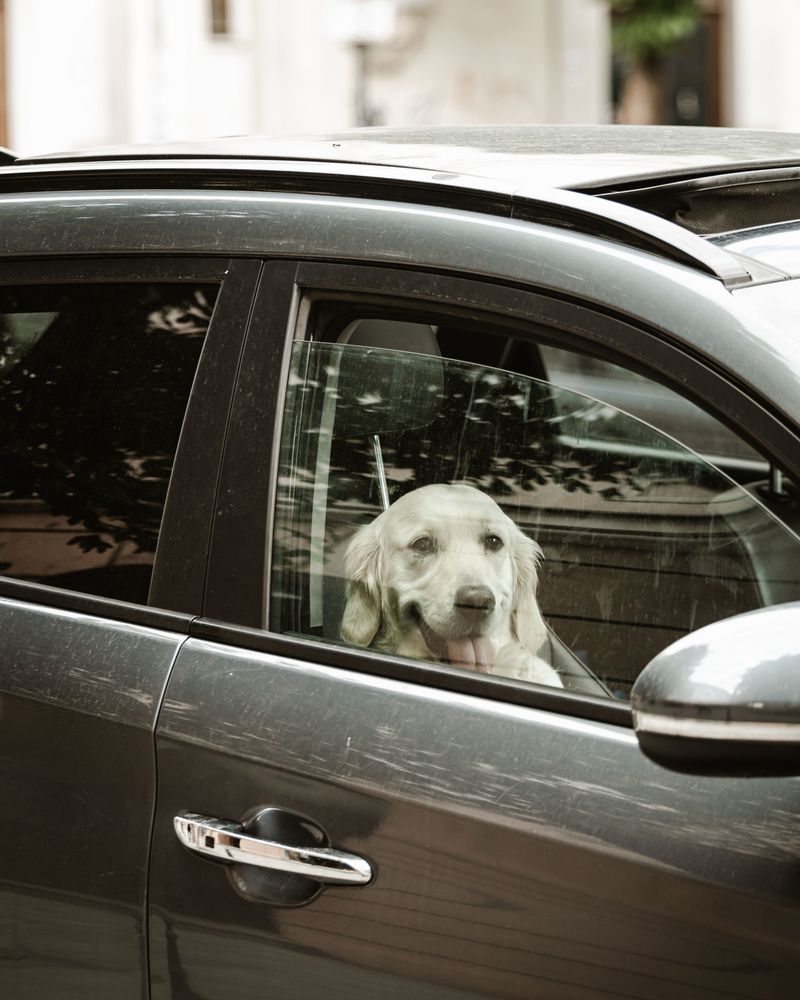
A quick store stop sounds harmless. Yet on a 95 degree day, a car can reach about 124 degrees in half an hour.
Cracking a window barely helps.
Arizona law prohibits leaving an animal in a car when it could cause harm. Penalties can include misdemeanor or felony charges.
A Good Samaritan law also protects people who rescue pets in danger. Simply bring your puppy along, or leave it home.
3. Water Bowls Belong Everywhere
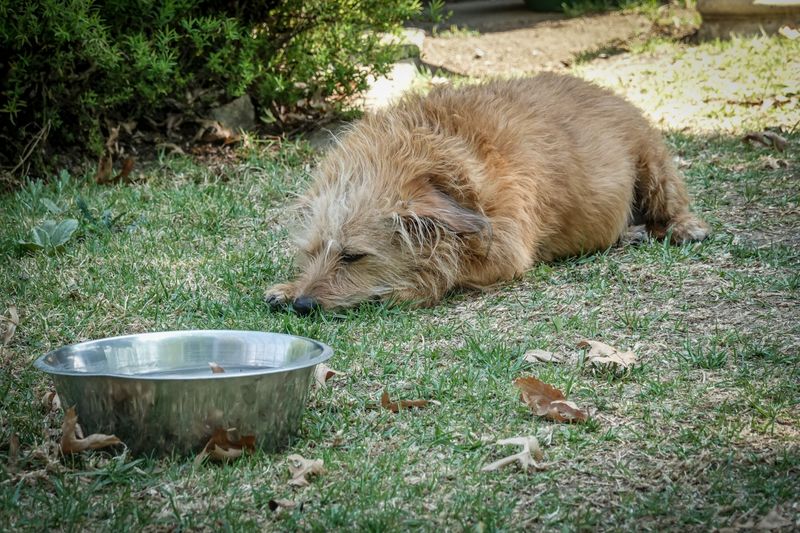
Think of water as your puppy’s personal air conditioner. Young dogs lose fluids quickly in dry desert air.
A common guideline is roughly half an ounce to one ounce per pound each day. Heat and play raise that amount.
Keep bowls inside and in shaded outdoor spots. Refresh them several times daily.
A few ice cubes often make water more tempting on hot afternoons.
4. Make Your Home the Cool Zone
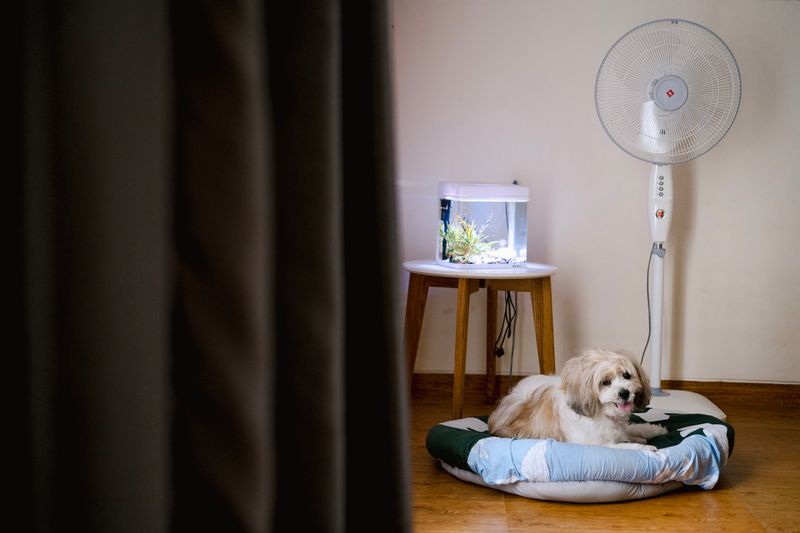
Good news first: most Arizona homes already run on air conditioning. Your puppy will depend on it even more than you do.
Have your system checked before summer starts. A sudden breakdown in July can turn stressful fast.
Set up a quiet resting spot away from sunny windows. Tile floors, a cooling mat, or a shaded crate corner all work nicely for naps.
5. Time Potty Breaks Around the Sun
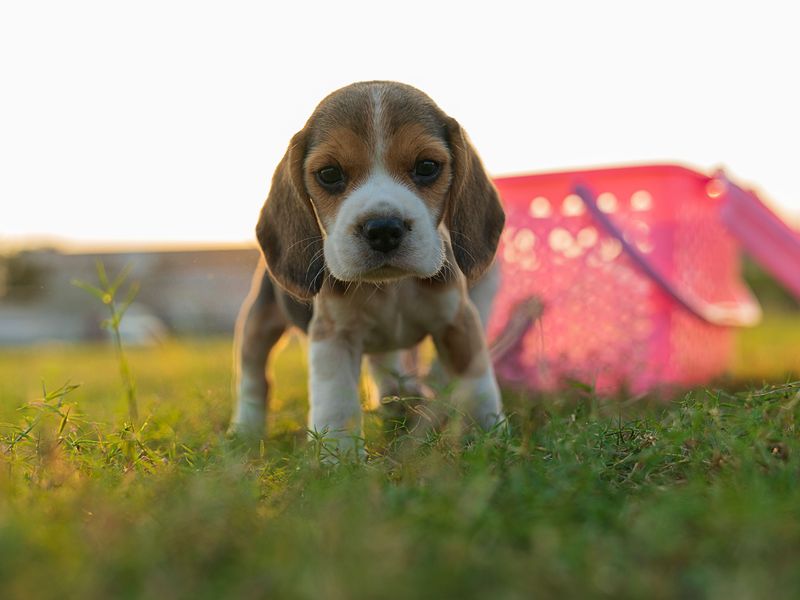
Sunrise in the desert feels almost gentle. That cool window is your best friend for potty training.
Plan longer outdoor trips for early morning and again after sunset.
During the day, keep potty breaks short and close to the door. Pick a shaded spot your puppy can learn as its bathroom area.
A quick trip out, a little praise, then back inside. Short and steady wins in summer.
6. Know the Signs of Overheating
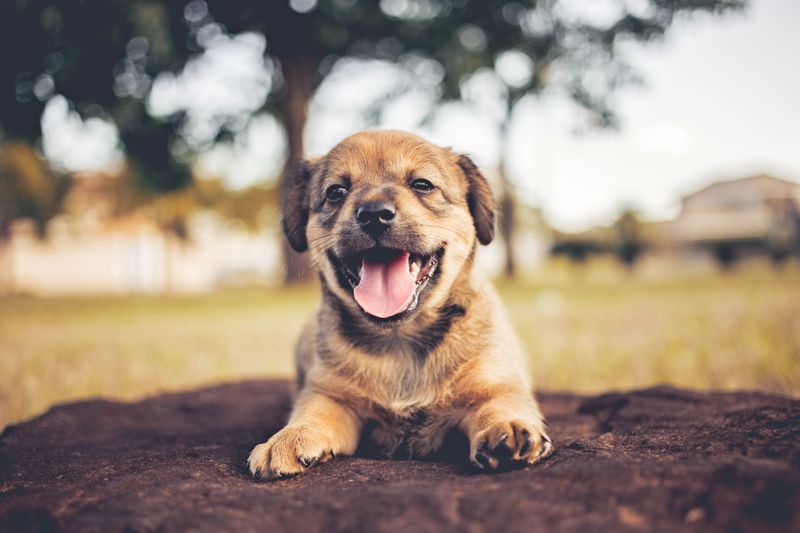
Heavy panting, a bright red tongue, and thick drool can signal trouble. Weakness, wobbling, vomiting, or collapse need fast action.
Move your puppy somewhere cool right away. Offer small sips of water.
Place cool, wet cloths on the belly, paws, and neck.
Skip ice, since cooling too quickly can backfire. Then call your veterinarian.
Heatstroke always needs professional care, even if your puppy seems better.
7. Save Big Play for Cooler Hours
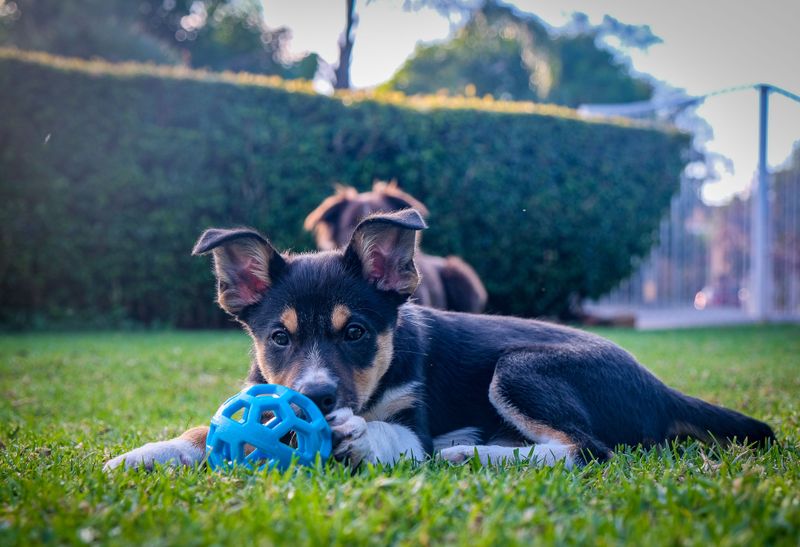
Puppies love to zoom, chase, and wrestle. In summer, that energy needs a schedule.
Hold off on fetch, long walks, and running games during midday heat. Early mornings and late evenings are far safer for active play.
Midday can still be fun, just quieter. Try gentle tug indoors or a short training session.
Your puppy gets exercise without the heat risk.
8. Young Bodies Heat Up Faster
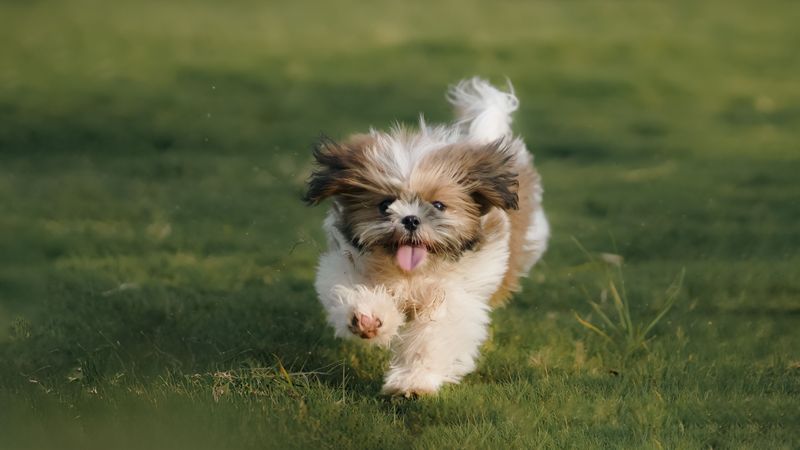
Here is a surprising fact. Puppies are still learning how to control their own body temperature.
Their small size also means dehydration can set in quickly. Many puppies keep playing even after they get too warm.
So you become the one who calls timeout. Watch for slowing down or heavier breathing.
Ending play a little early is always a smart, caring choice.
9. Shade Helps, But Not Enough
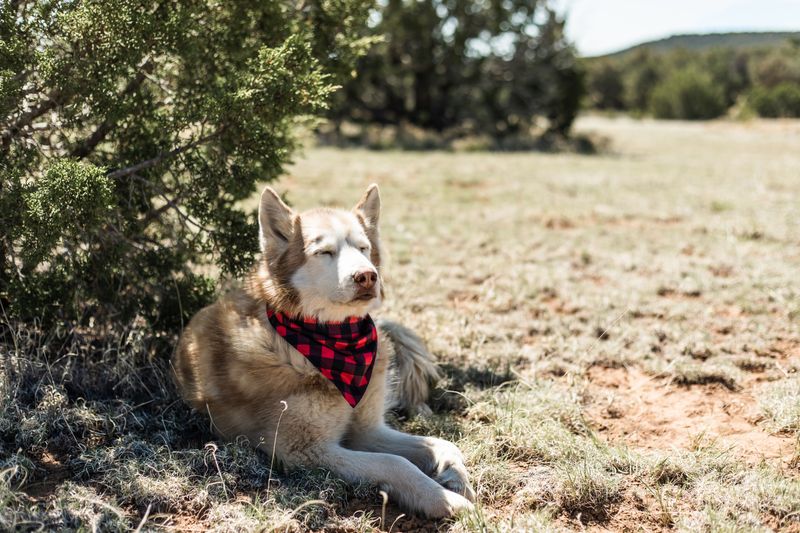
A shady tree looks like a safe hideout. In Arizona, shaded air can still be very hot.
Research on shaded parked cars showed seats averaging about 105 degrees. Outdoor shade follows a similar idea, since heat lingers everywhere.
Use shade for brief breaks, not long stays. Your puppy should spend hot afternoons indoors, where the air is truly cool.
10. Your Arms Make a Great Bridge
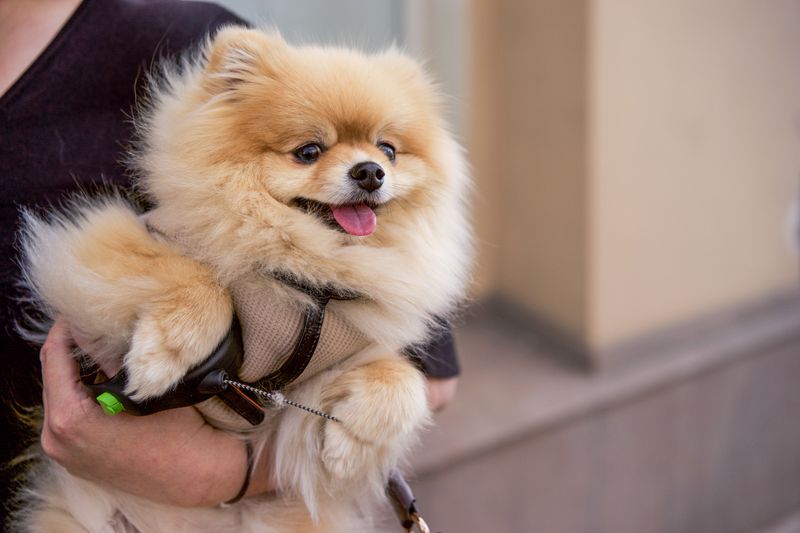
Sometimes there is no grassy path around a parking lot. That is when carrying your puppy makes perfect sense.
Little dogs are easy to scoop up across hot sidewalks or driveways. It protects their paws in seconds.
Some owners also try dog booties. Introduce them slowly at home first.
Many puppies walk funny at the start, which is honestly pretty adorable.
11. Book That First Vet Visit Early
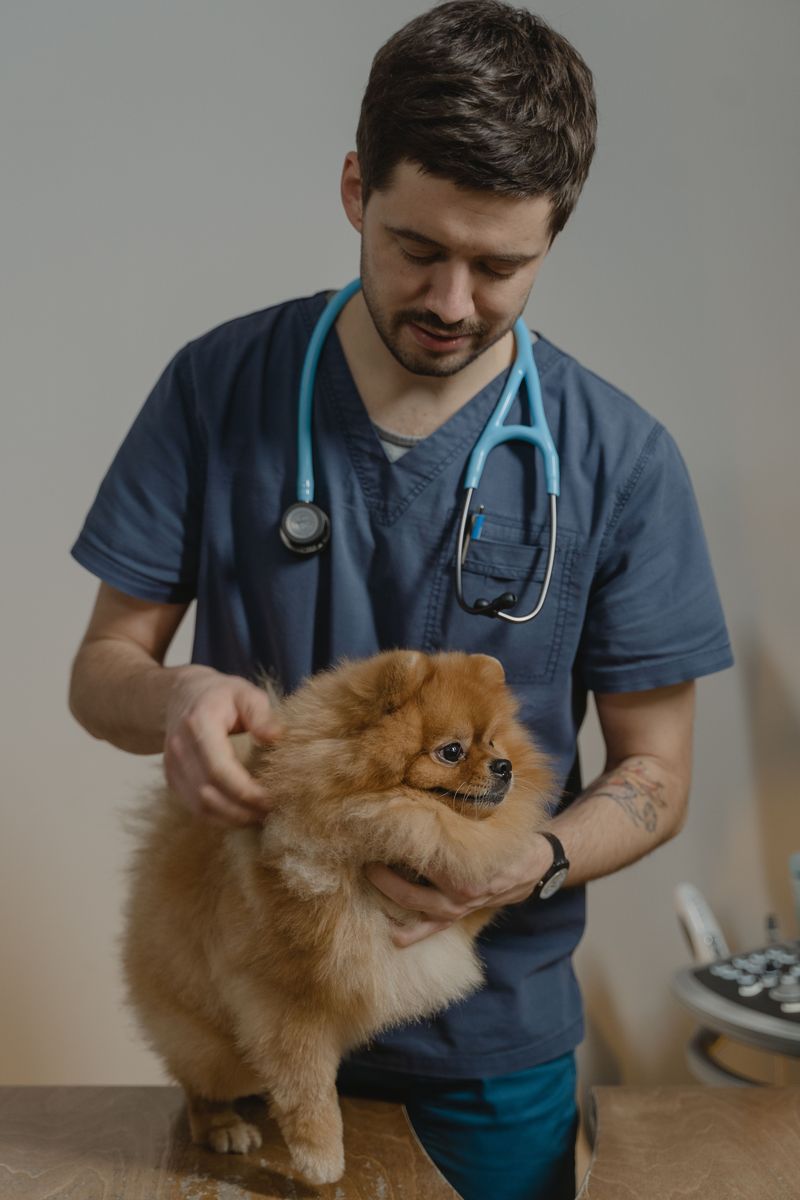
Many vets suggest a checkup within a few days of homecoming. It sets a healthy foundation from the start.
Your vet will check eyes, ears, skin, teeth, heart, and lungs. They may suggest a fecal test too.
Bring any records from the breeder or shelter. It also helps to ask about summer care.
Local vets know Arizona heat challenges well.
12. Stay on Track With Vaccines
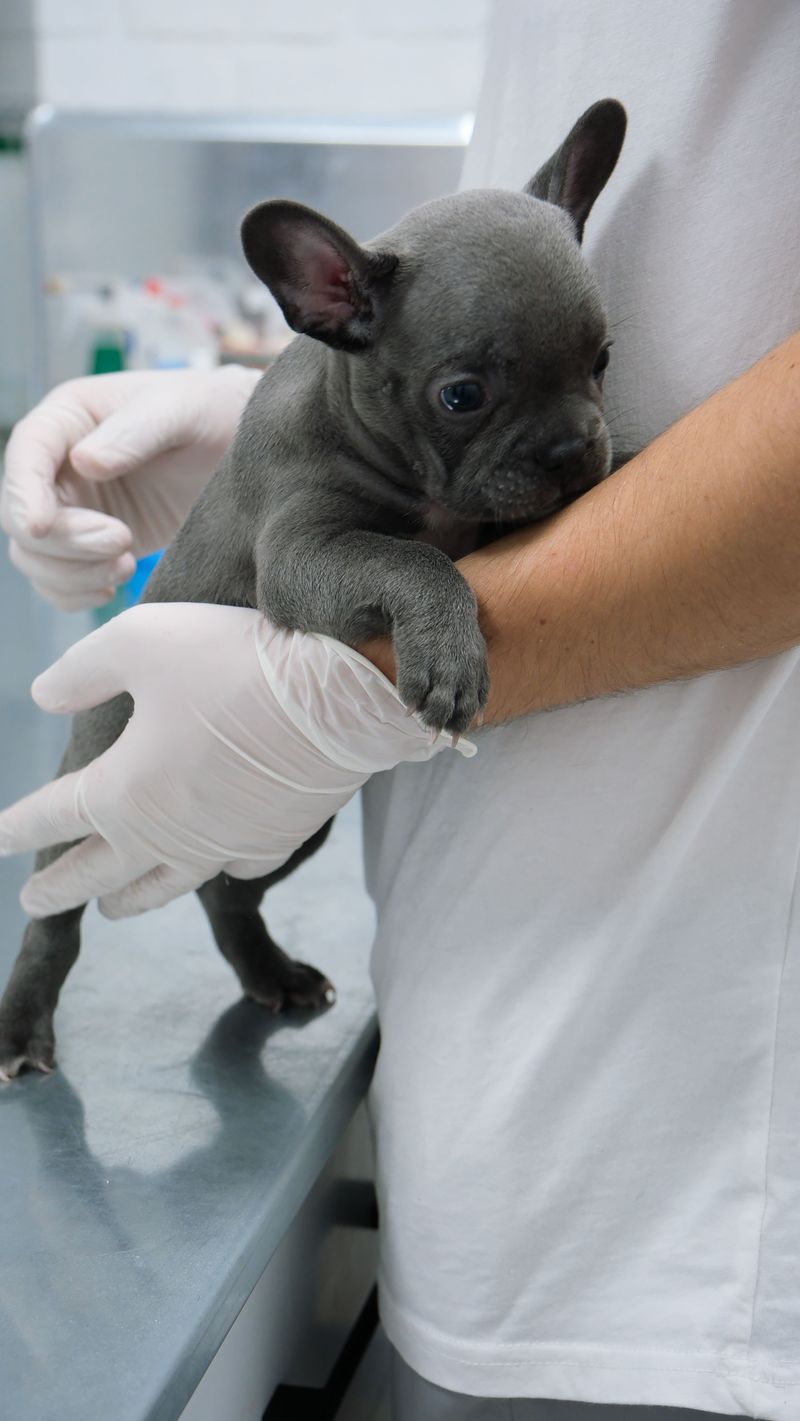
Most puppies begin vaccines at six to eight weeks old. Boosters usually follow every three to four weeks until about four or five months.
That timeline protects a young immune system. Dog parks and busy pet areas can expose puppies to illness.
Wait for your vet’s approval before visiting those spots. Mark appointments on a calendar so none slip by during busy summer weeks.
13. Parasite Protection All Year
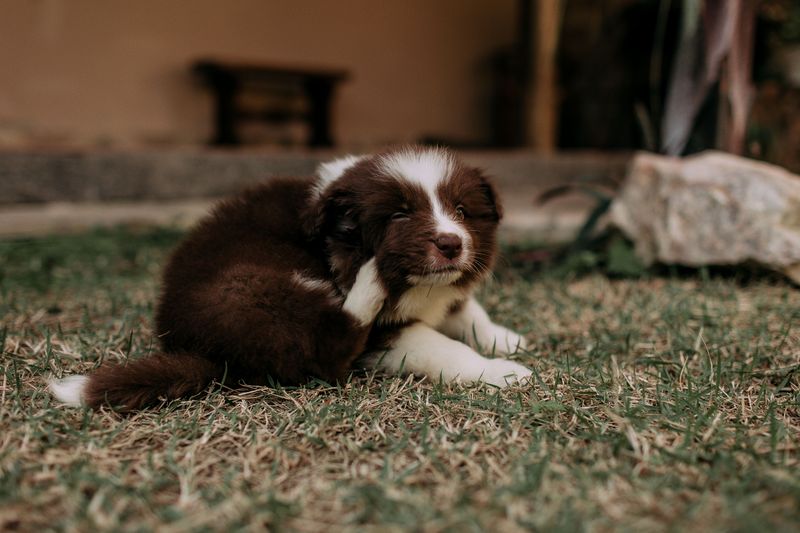
Fleas and ticks do not take winter vacations in warm places. Heartworm is spread by mosquitoes, which can appear after summer rains.
Ask your veterinarian about year-round prevention. They can suggest products that fit your puppy’s age and weight.
Never guess on dosing or use adult dog products without advice. A simple monthly routine keeps your puppy comfortable and protected.
14. Get Familiar With Valley Fever
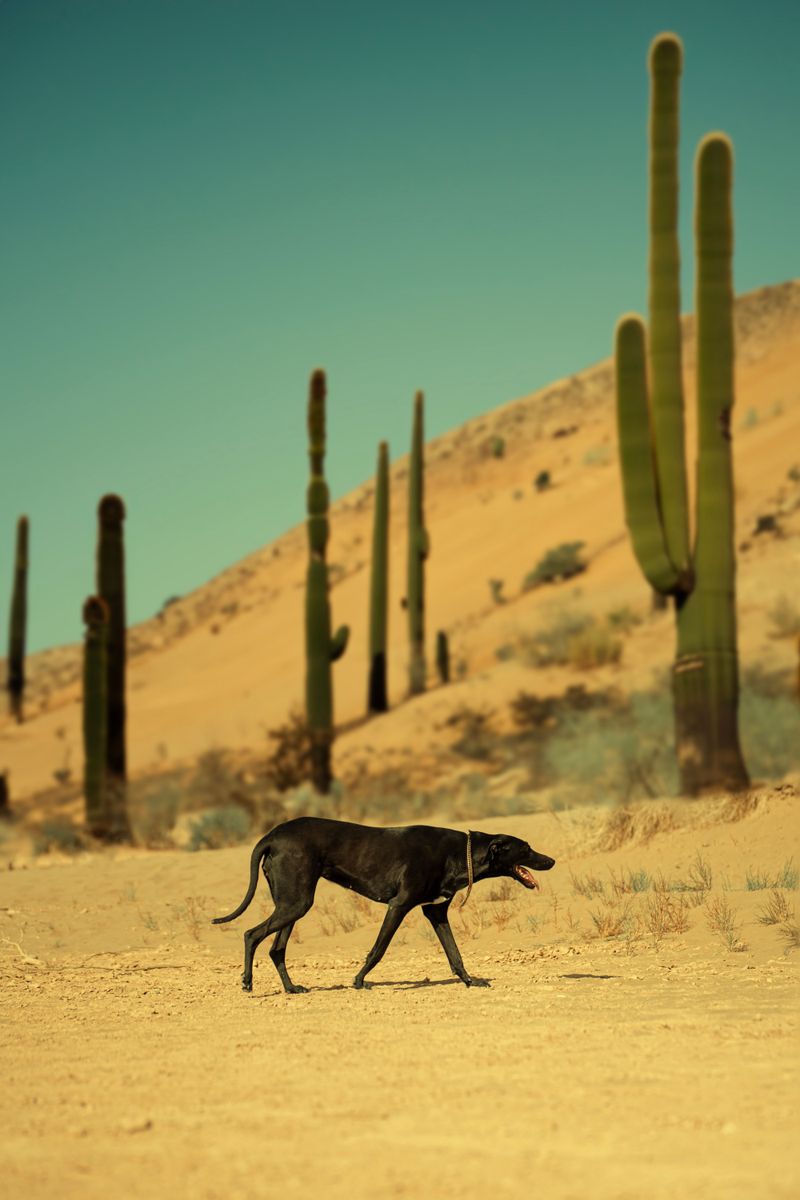
Valley fever is something many newcomers have never heard about. It comes from a fungus living in desert soil across Arizona.
Dogs can breathe in spores when dirt gets stirred up. Signs may include coughing, low energy, fever, poor appetite, or limping.
Symptoms vary a lot, so talk with your vet if anything seems off. Testing and treatment are available, and early care helps.
15. Dodge the Dust When You Can
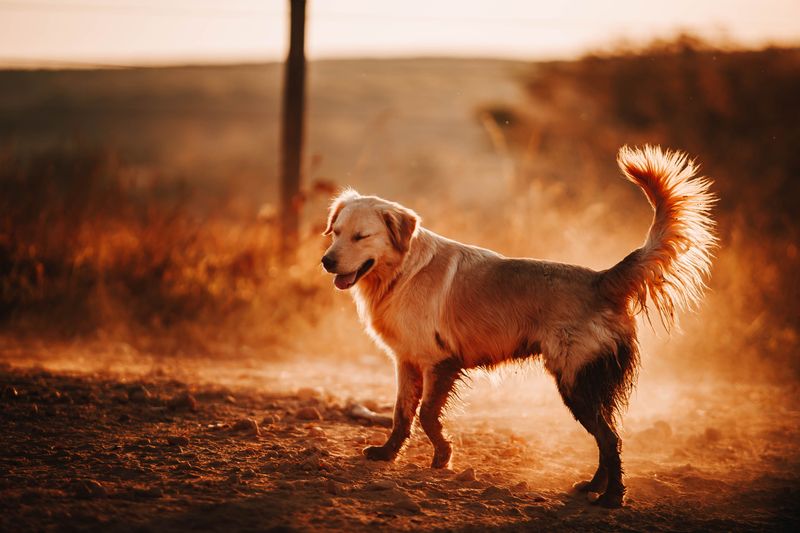
Monsoon season brings dramatic dust storms called haboobs. They can carry Valley fever spores through the air.
Keep your puppy indoors during dust storms and windy days. Close windows and doors too.
Nearby construction or landscaping also kicks up soil. Gently redirect digging habits, and consider lightly wetting dusty yard areas.
Small steps like these lower exposure without much effort.
16. Desert Critters Deserve Respect
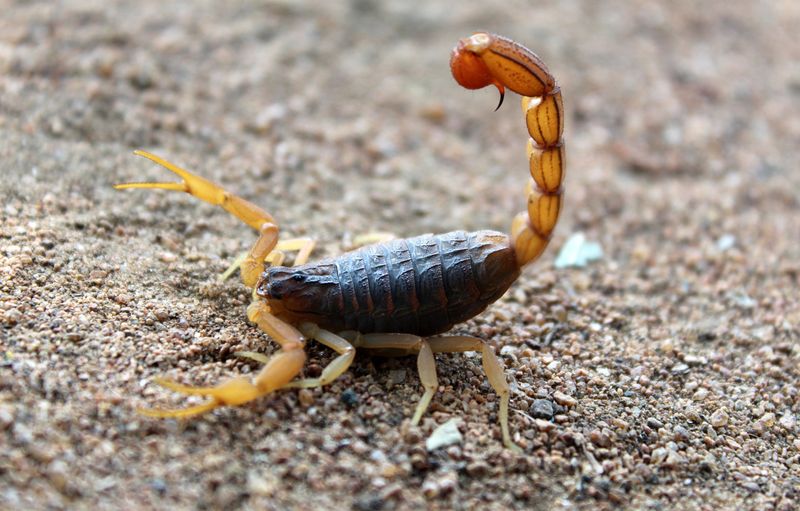
Curious noses find everything. In Arizona, that can include scorpions, snakes, and plants that are unsafe to chew.
Stay close during outdoor time, especially at dusk when many critters become active. Check rock piles and shady corners.
Ask your vet or a local nursery which yard plants may be toxic. A leash and watchful eyes keep exploring safe and fun.
17. Bring the Fun Indoors
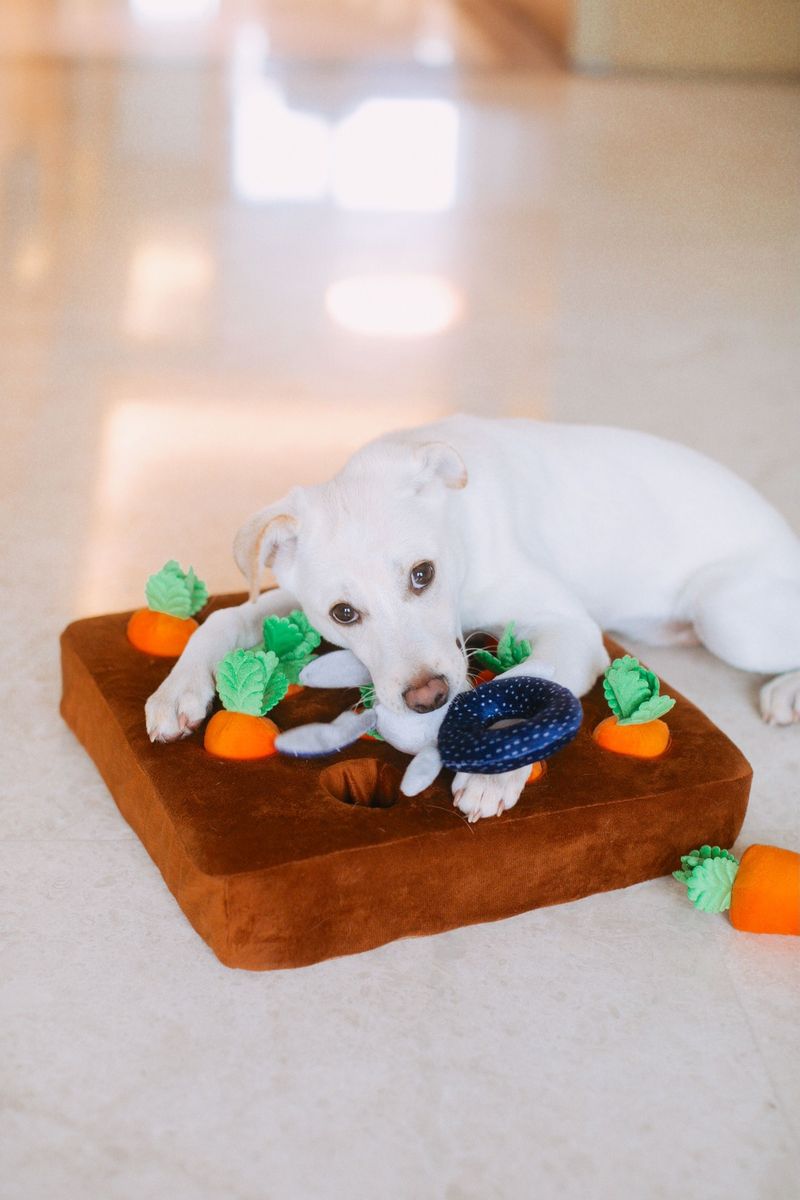
Hot afternoons are perfect for brain games. Puzzle toys, snuffle mats, and stuffed chew toys keep minds busy.
Crate training gives your puppy a calm den for rest. Short handling sessions, like touching paws and ears, make vet visits easier later.
Ten minutes of training can tire a puppy surprisingly well. Indoor enrichment turns summer into a great season for learning.
18. Socialize Where the Air Is Cool
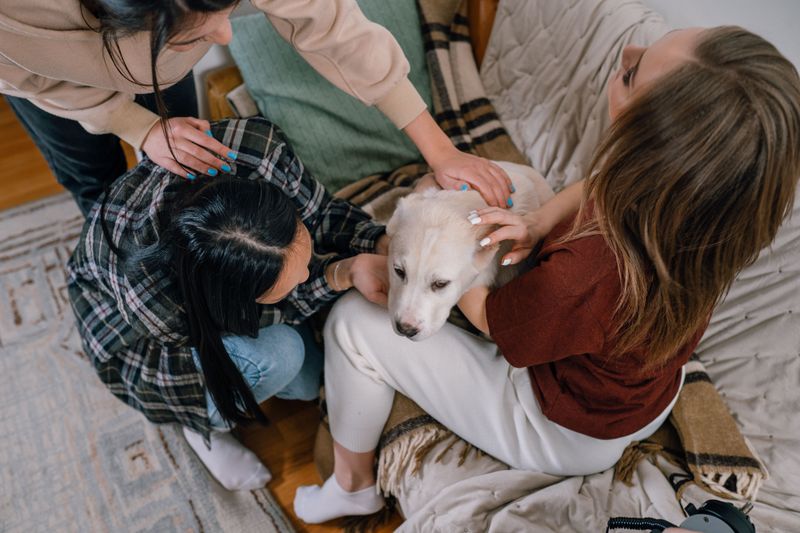
Early socialization shapes a confident adult dog. Summer heat just means moving it indoors.
Look for puppy classes in climate-controlled spaces. Visits to calm friends’ homes help too.
Some pet-friendly stores welcome puppies, but check store policies first.
Ask your vet when your puppy is ready for each setting. New sights, sounds, and gentle people all count as healthy experiences.
19. Keep Emergency Numbers Close
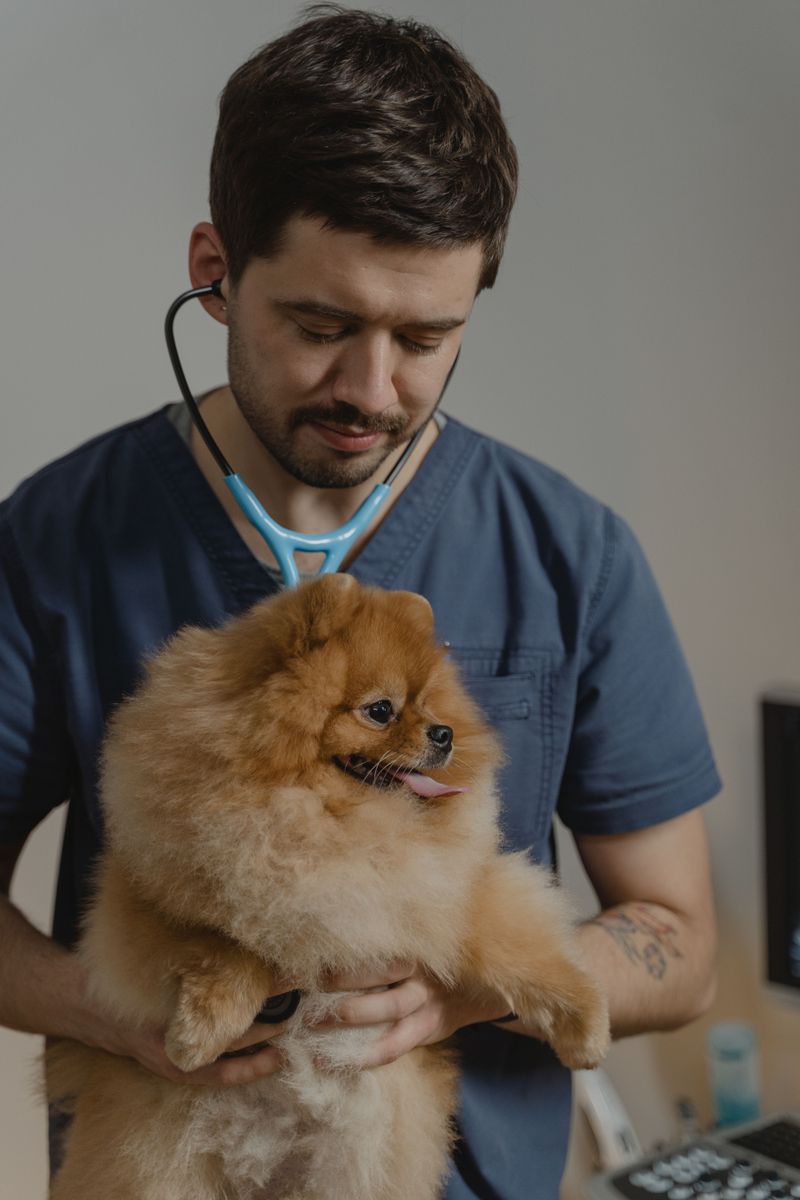
Nobody plans for an emergency, but a little prep brings peace of mind. Save your regular vet’s number in your phone.
Add at least one 24-hour emergency animal hospital nearby. Many Arizona cities, including Phoenix and Mesa, have options.
Write the numbers on the fridge too. If heat illness, a bite, or a sting happens, call right away and follow their guidance.