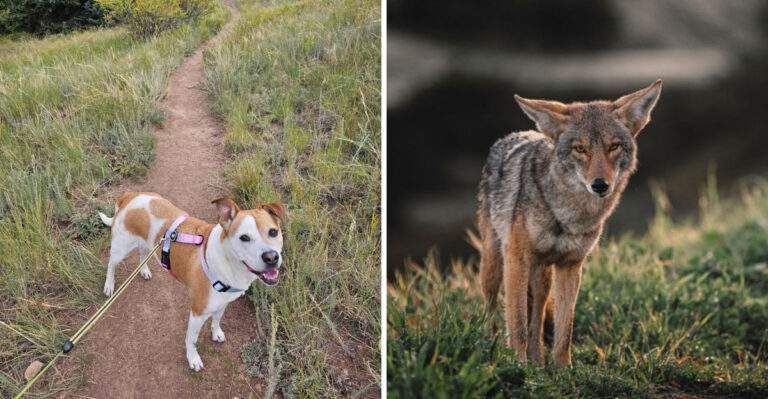
12 Ohio Farm-Dog Skills To Practice Before Harvest Traffic Picks Up
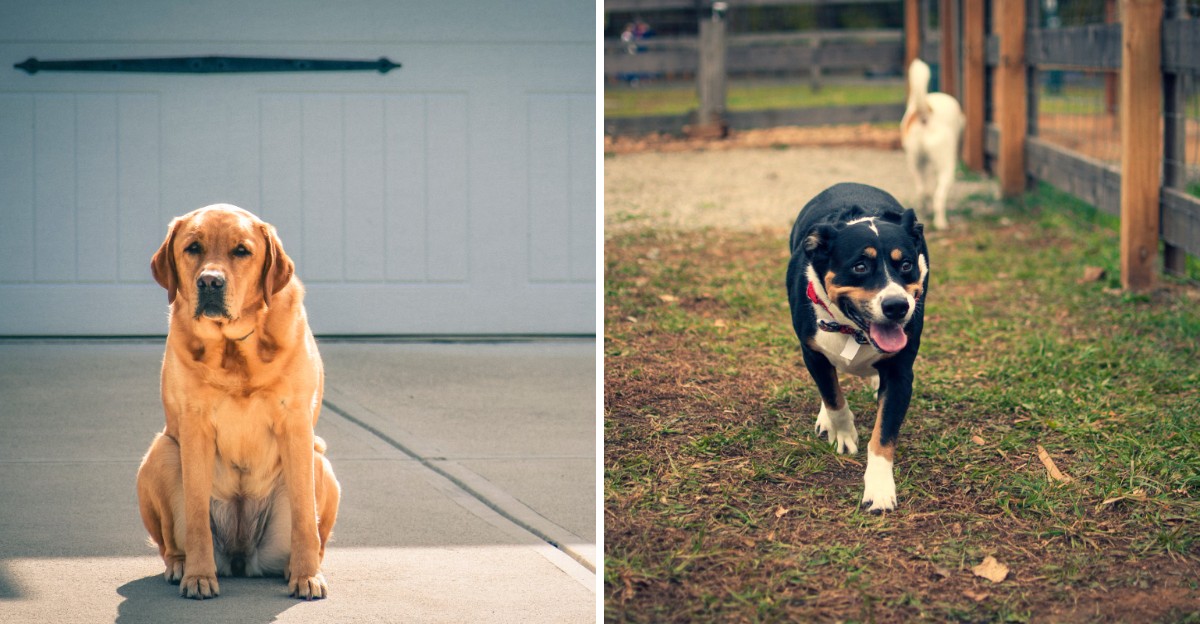
Harvest season brings more trucks, tractors, and changing routines to Ohio farms. If your dog joins you outside, a few practiced skills can make those busy days easier.
Start before traffic increases, using short lessons, tasty rewards, and safe spaces away from moving equipment. The everyday habits below help you build confidence together, without expecting your dog to handle everything at once.
1. Practice a Reliable Recall Around Farm Roads
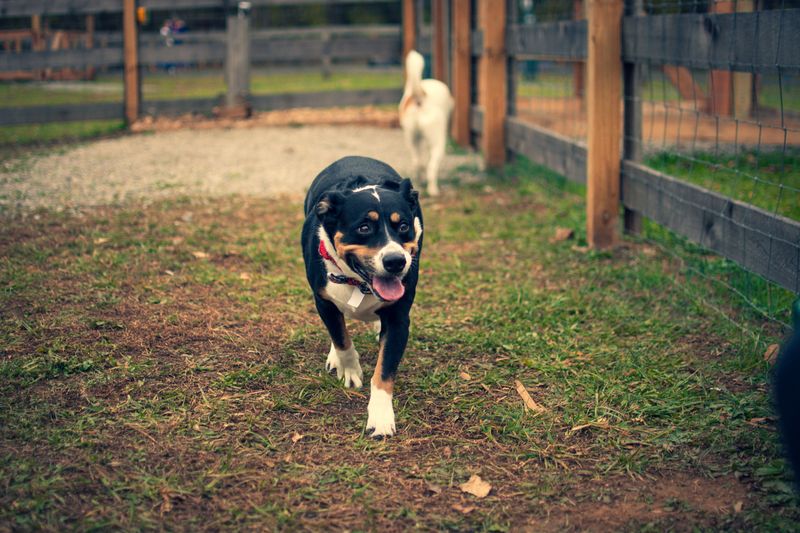
A familiar farm lane can become much busier when grain trucks arrive. Begin recall practice inside a secure yard, rewarding your dog for coming promptly.
Use one clear cue, then offer a treat when your dog reaches you.
Add distance gradually, using a long line only in open areas away from equipment. Never test recall beside moving traffic or trust training instead of physical control.
Keep roadside outings leashed, even when practice has gone very well.
2. Teach a Solid Wait at Gates
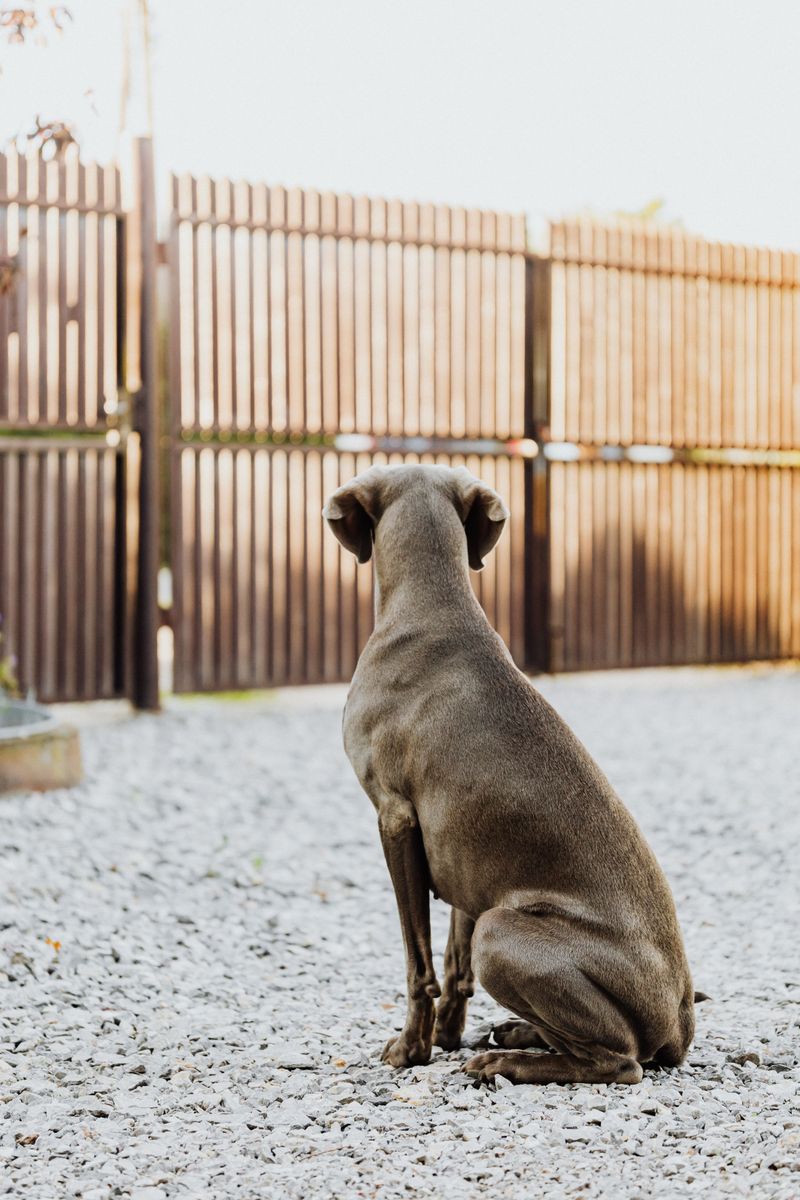
An opening gate should mean pause, not permission to dash through. Ask for a brief wait while your dog remains safely leashed.
Reward stillness, then give a separate release cue before walking through together.
Start with tiny gate movements and build toward wider openings over several sessions. If your dog steps forward early, calmly close the gap and try again.
Keep gates secured between lessons, since a trained pause cannot replace a properly closed physical barrier.
3. Build a Leave-It Cue for Crops and Debris
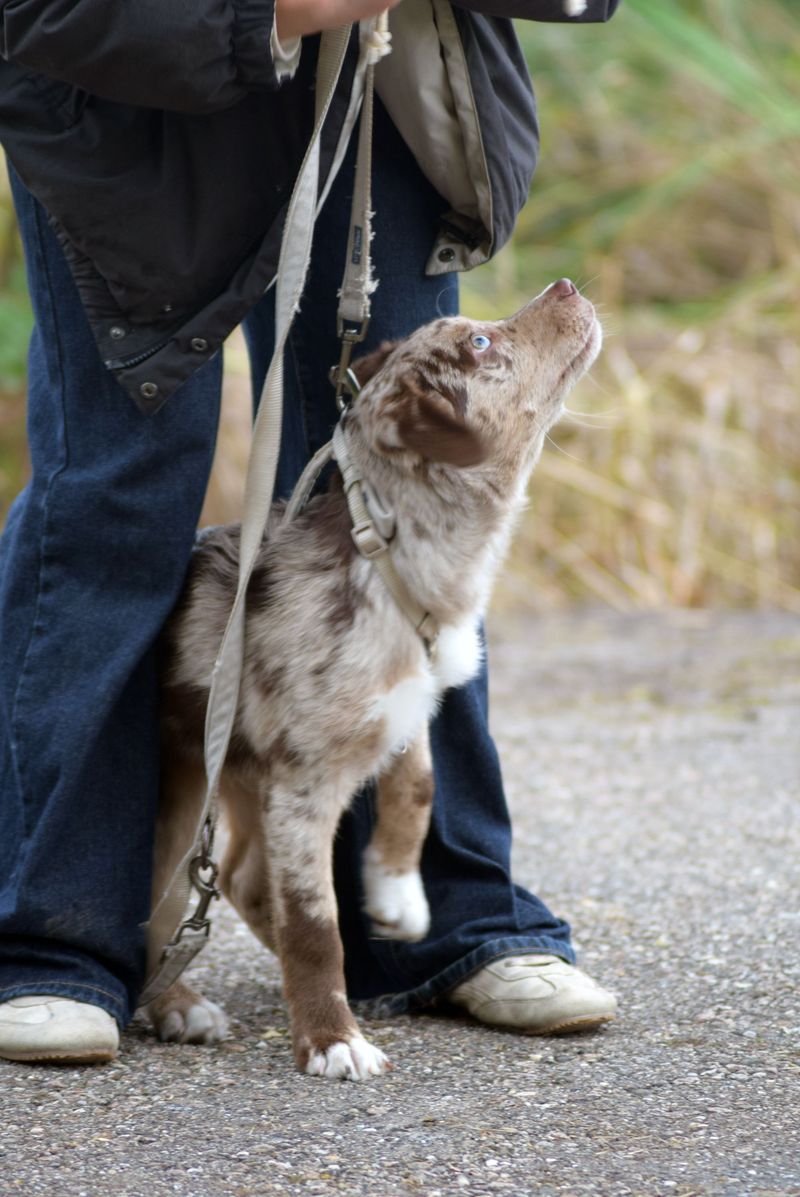
Curious noses often find spilled grain, corn scraps, and unfamiliar roadside objects. Teach leave-it first with a boring item covered by your hand.
Reward your dog from your other hand when attention shifts away.
Move to harmless practice objects outdoors, keeping your leash short enough to prevent grabbing. Do not use chemicals, sharp debris, or questionable food as training props.
Contact your veterinarian promptly if your dog swallows something concerning, rather than waiting for obvious symptoms.
4. Practice Walking Calmly Past Large Equipment
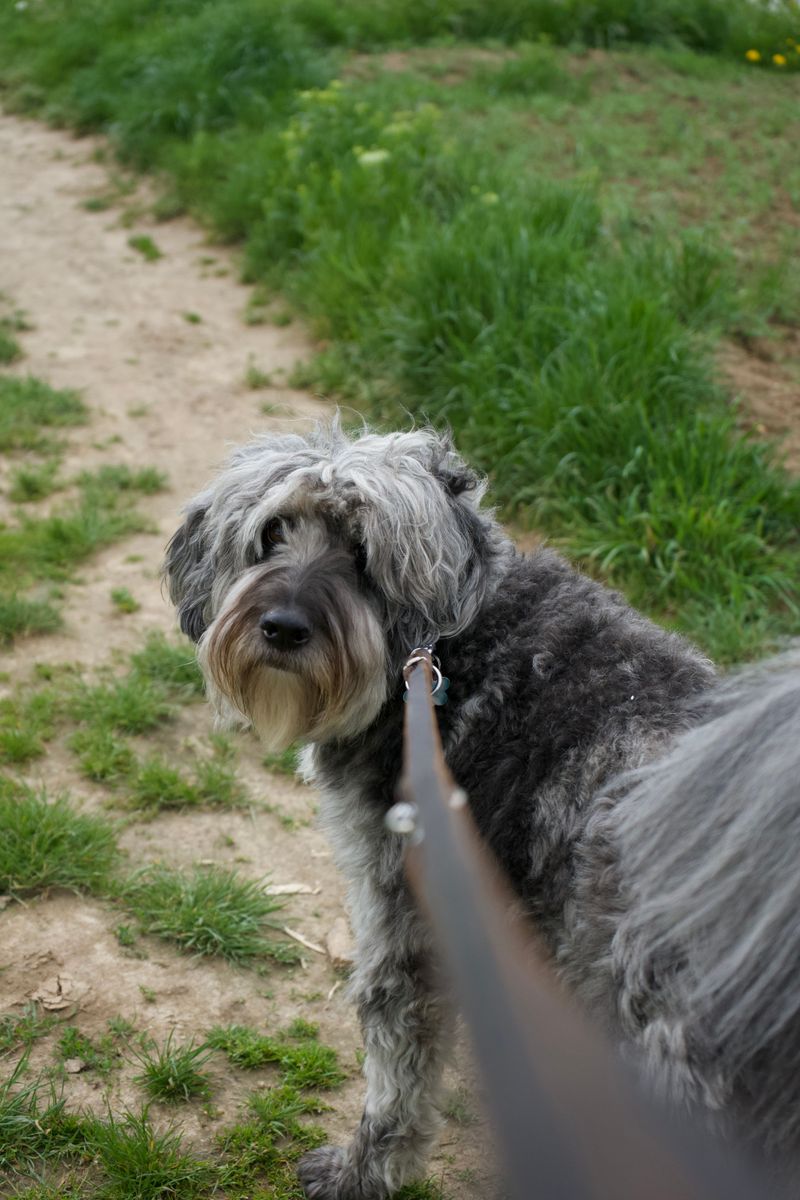
Even parked combines can look strange to a dog used to pickup trucks. Begin well away from equipment that is shut down and securely parked.
Reward relaxed walking and brief glances back toward you.
Let your dog choose a comfortable distance instead of pulling closer for inspection. Avoid tires, attachments, blind spots, and spaces beneath machinery during every session.
Arrange practice with the operator beforehand, and move your dog somewhere secure before any equipment starts or moves.
5. Get Comfortable With Sudden Engine Noise
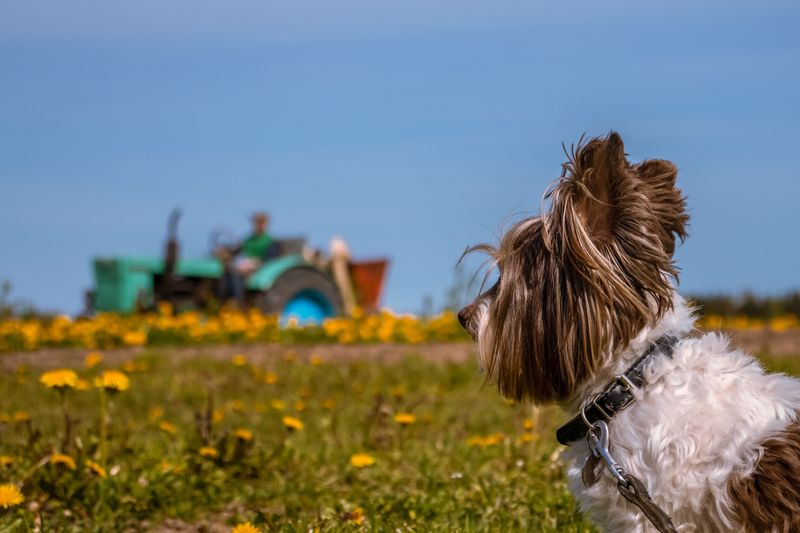
A rumbling engine may interrupt an otherwise peaceful afternoon around the barn. Introduce recorded machinery sounds quietly while offering treats or a favorite activity.
Increase volume only when your dog stays relaxed and willing to participate.
Real equipment requires much more distance and careful coordination with its operator. Watch for trembling, freezing, tucked posture, or attempts to escape the area.
Lower the challenge immediately when those signs appear, and seek professional guidance if noise worries keep returning.
6. Teach Your Dog to Stop on Cue
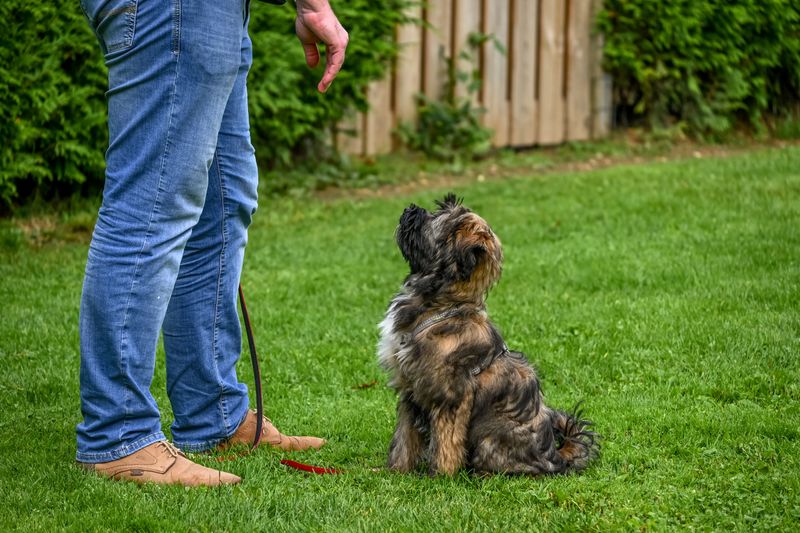
Sometimes stopping in place is more useful than calling your dog toward you. Practice a stop cue during slow, leashed movement in a fenced area.
Mark the pause immediately and bring the reward directly to your dog.
Begin nearby before adding a little distance or a mild distraction outside. Choose a standing stop or another comfortable position your dog already understands.
Treat this skill as backup support, never as permission for loose access to active farm lanes.
7. Practice Moving Aside for Passing Vehicles
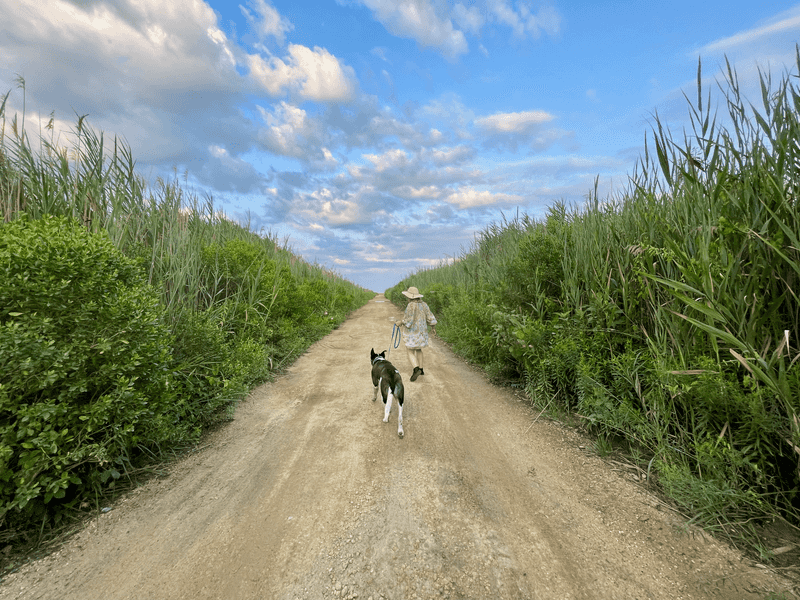
Sharing narrow lanes works best when you choose a safe waiting spot early. Teach an aside cue that guides your leashed dog into a designated refuge.
Reward staying beside you until you give permission to continue walking.
Select broad areas well outside the vehicle route, never ditches or cramped shoulders. If no safe refuge exists, avoid that route while traffic is active.
Drivers may not see dogs clearly, so coordinate with workers instead of assuming everyone notices you.
8. Help Your Dog Ignore Livestock
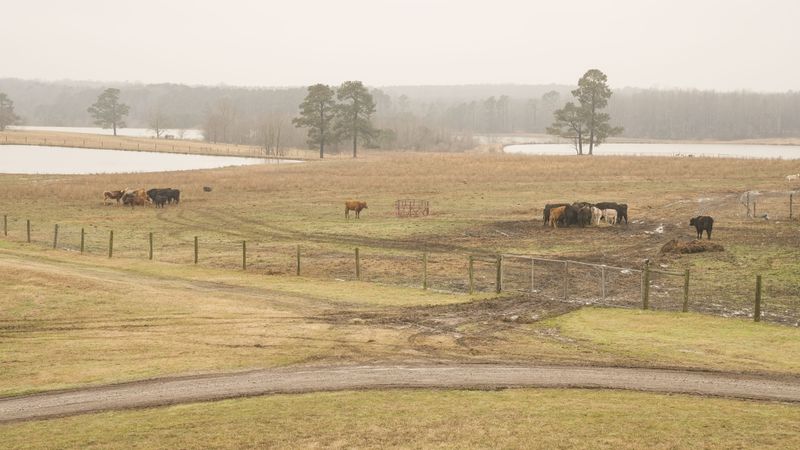
Watching cattle from a distance offers a useful lesson in staying connected. Begin outside secure fencing, far enough away that your dog can take treats.
Reward looking back at you rather than staring, barking, or pulling forward.
Never allow chasing, fence running, or unsupervised access to livestock during practice sessions. Herding breeds still need careful management, even when their interest seems natural.
Ask the livestock owner about suitable boundaries, and leave if either animal group becomes visibly unsettled.
9. Teach Calm Behavior Near Busy Driveways
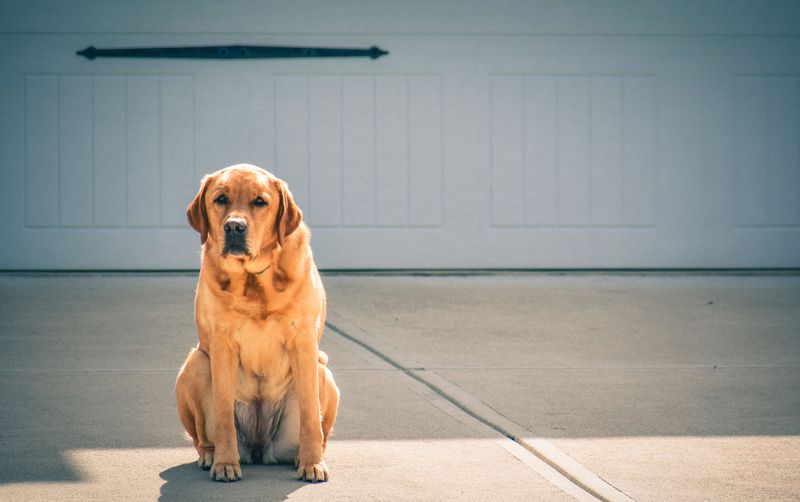
Delivery arrivals can make a familiar driveway feel like the farm’s busiest room. Set up a waiting station behind a secure barrier, away from vehicle paths.
Reward quiet standing, sitting, or resting while activity stays comfortably distant.
Practice with planned arrivals before expecting calm during a crowded harvest afternoon. Keep your dog indoors or securely enclosed when you cannot supervise closely.
Never tether a dog where vehicles turn, reverse, unload, or need room to pass other equipment safely.
10. Practice Emergency U-Turns
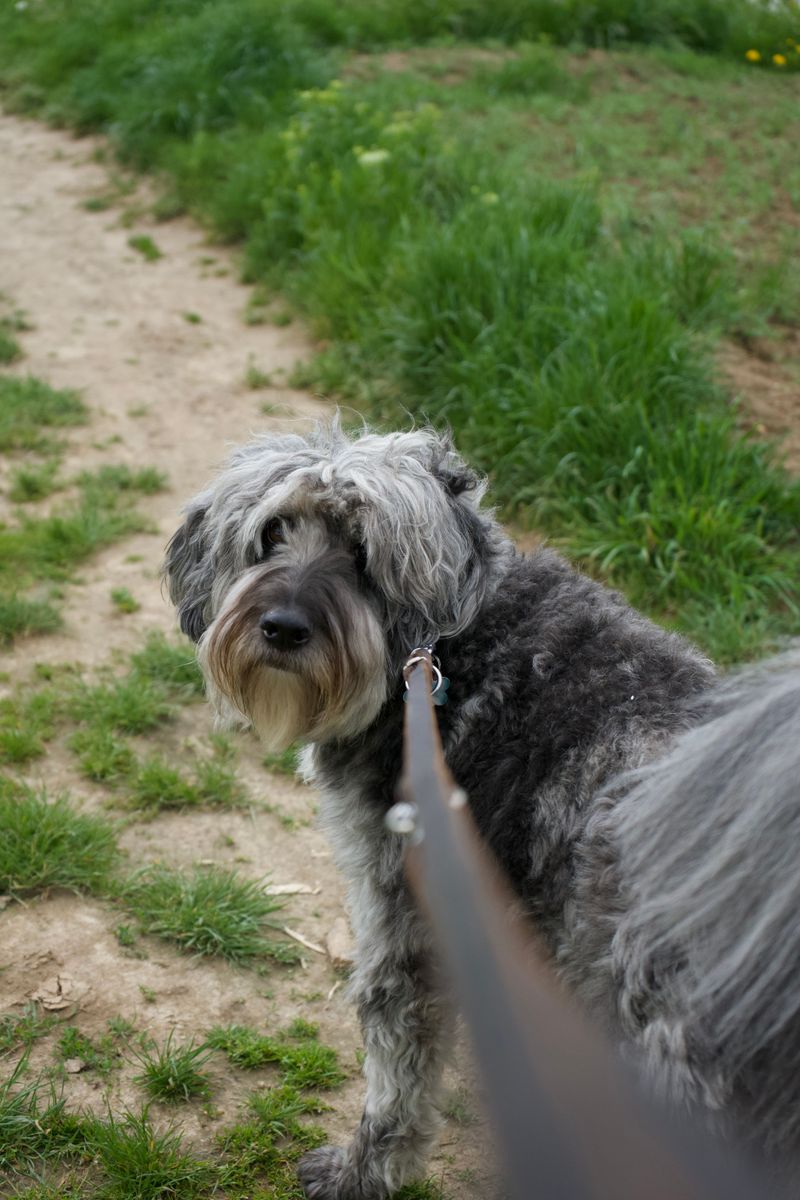
A cheerful change of direction can prevent an awkward meeting on narrow paths. Pick a short turning cue and practice where there is plenty of room.
Turn smoothly, encourage your dog along, and reward several steps in the new direction.
Build speed gradually without dragging your dog or tightening the leash sharply. Rehearse before reaching distractions, so turning away becomes a familiar shared habit.
When machinery approaches, leave early rather than waiting until your options become limited or uncomfortable.
11. Work on Staying Close Without Constant Commands
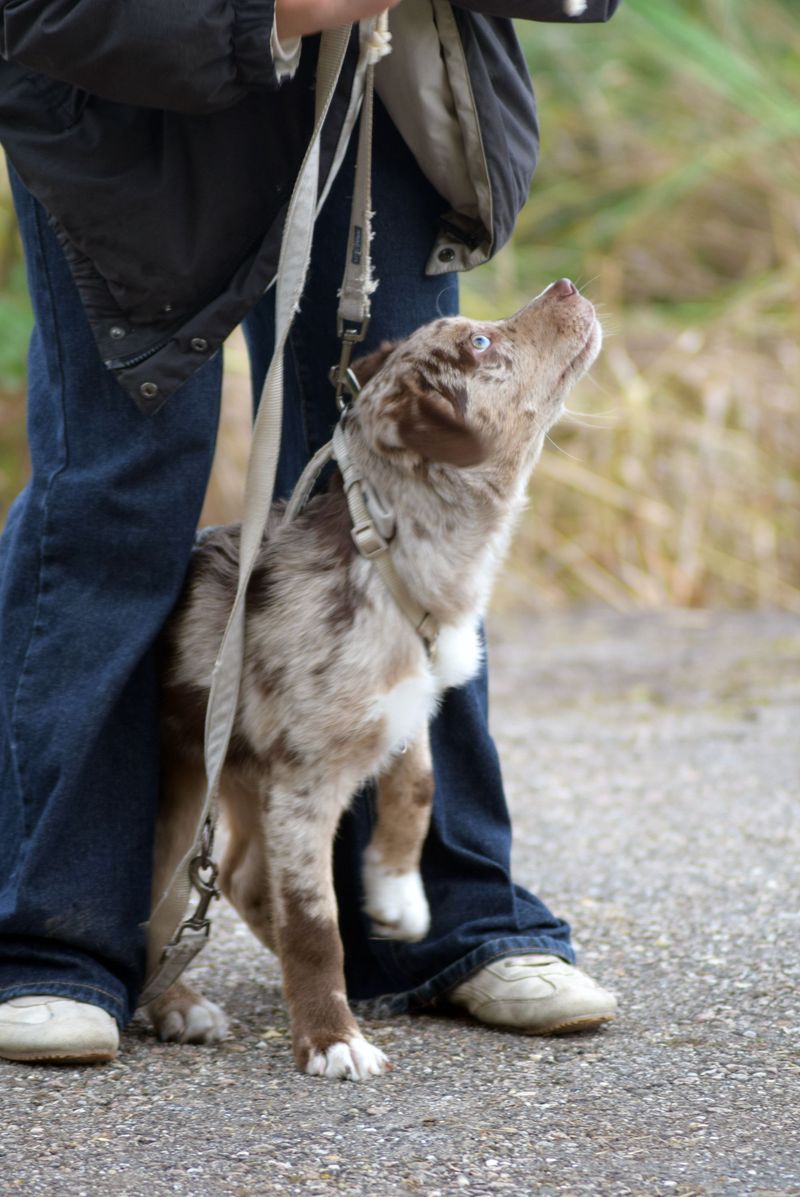
Quiet check-ins are worth rewarding, even when you never asked for attention. Notice when your dog naturally returns beside you during a leashed walk.
Offer a treat near your leg to make that position especially rewarding.
Change pace gently and reward your dog for matching your movement without reminders. Keep sessions short enough that staying connected still feels easy and enjoyable.
Closeness is a useful habit, but secure fencing and leashes remain necessary around roads and working machinery.
12. Keep Harvest Walks Predictable and Controlled
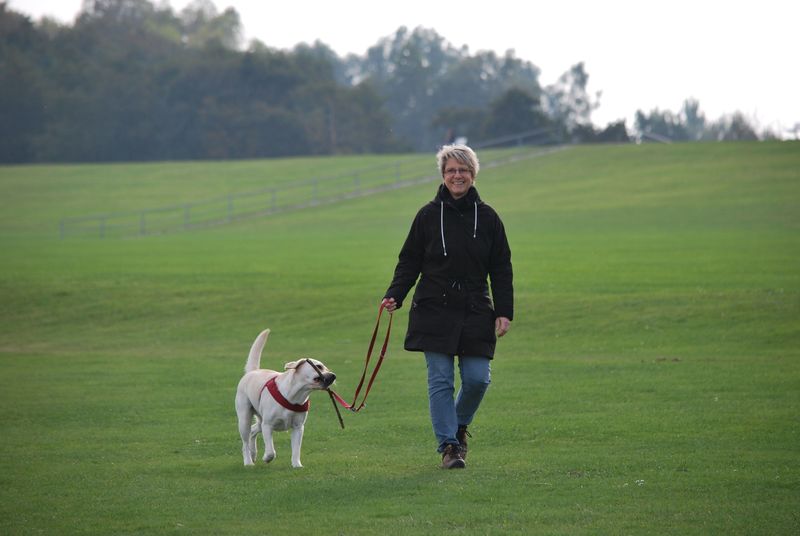
Good planning ties every practiced skill into a calmer daily routine during harvest. Choose familiar routes and quieter times, checking with workers before heading outside.
Carry rewards, use a secure leash, and keep identification details current throughout the season.
Ohio generally requires dogs to be confined or under reasonable control; confirm local requirements with animal control. Skip routes where machinery leaves too little space for safe separation.
Practice patiently, plan ahead, and let steady habits guide your harvest walks.