Moving From A Texas High-Rise To Ranch Country Changes These 15 Dog-Owner Habits
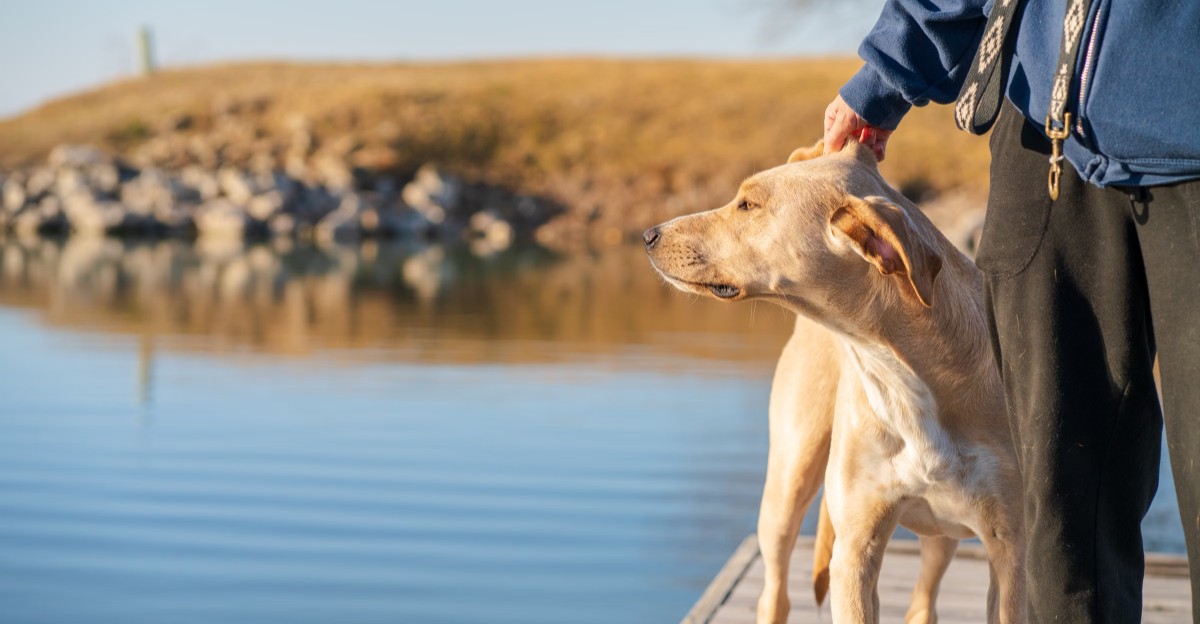
Trading a Texas high-rise for ranch country is a big, happy change for you and your dog. Instead of elevator rides and sidewalk strolls, your pup now has pastures, creeks, and endless new smells.
That freedom is wonderful, but it also asks you to update a few old city habits. Here is a friendly guide to the routines that help rural dogs stay safe, healthy, and content.
1. Swap Elevator Rides for Watchful Yard Time
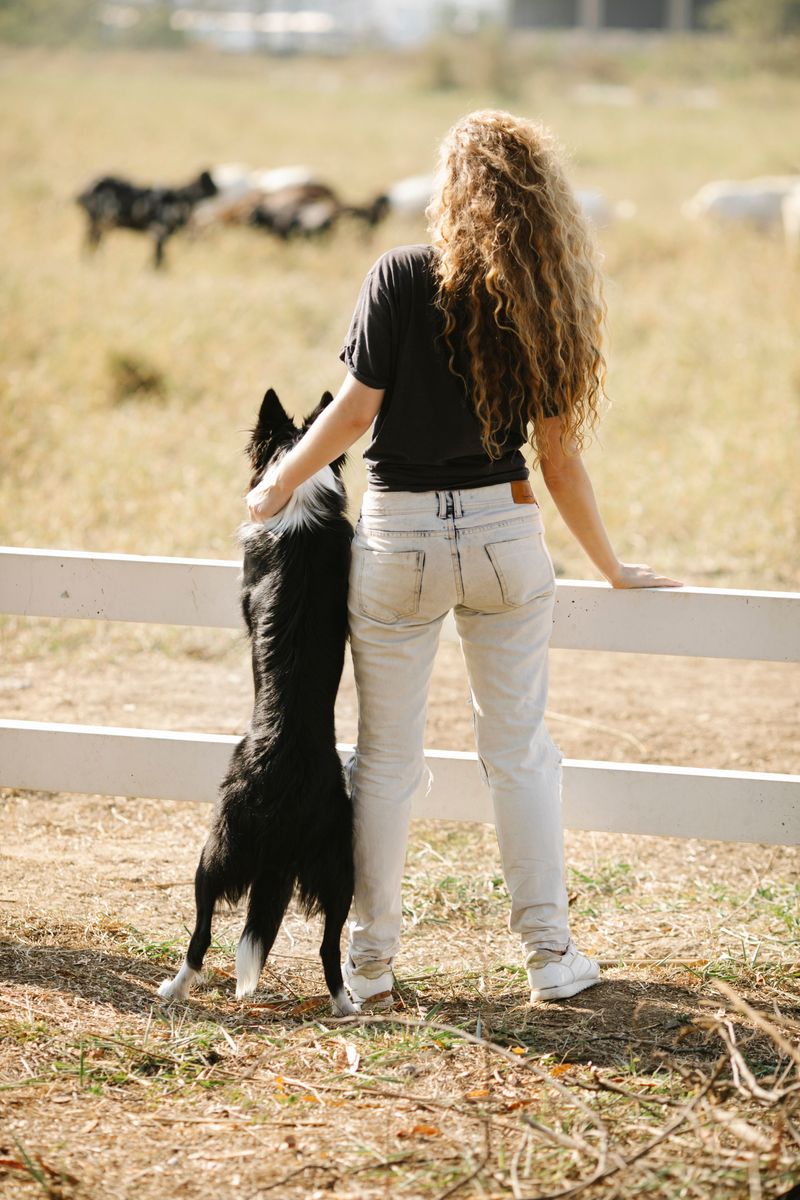
Back in the city, a walk meant a leash, an elevator, and a short loop around the block. Ranch life flips that routine on its head.
Your dog suddenly has acres to explore.
Wide spaces feel freeing, yet they come with new sights, smells, and critters. Stay outside with your dog during the first few months.
Watch where they like to roam and what grabs their attention.
Those early observations help you spot risky areas before they become problems.
2. Walk the Fence Line Like a Rancher
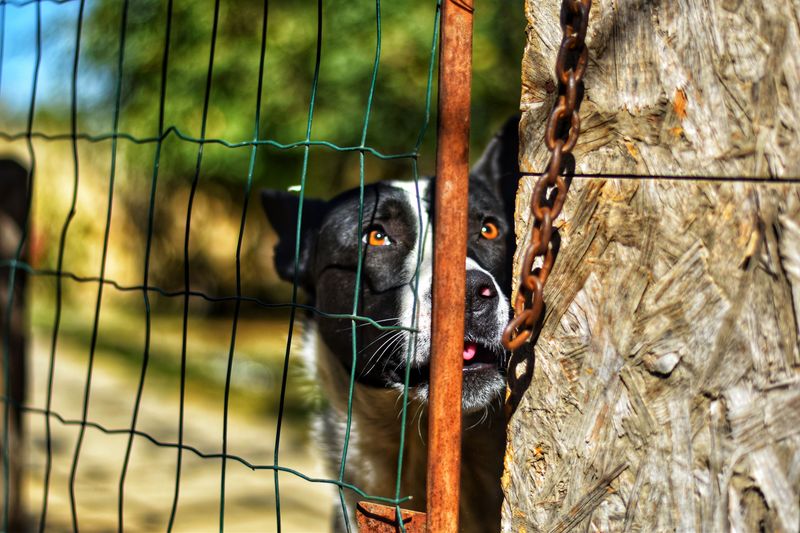
Seasoned ranchers ride their fence lines often, and dog owners should borrow that habit. Look for sagging wire, gaps near the ground, and gates that do not latch firmly.
Dogs are clever escape artists, especially diggers.
Cattle guards deserve extra attention. Their open bars stop hooves, but a dog’s leg can slip through and get hurt.
Many owners add a small pet gate or mesh panel beside the guard. That simple fix keeps curious paws safely off the rails.
3. Earn Off-Leash Freedom With a Rock-Solid Recall
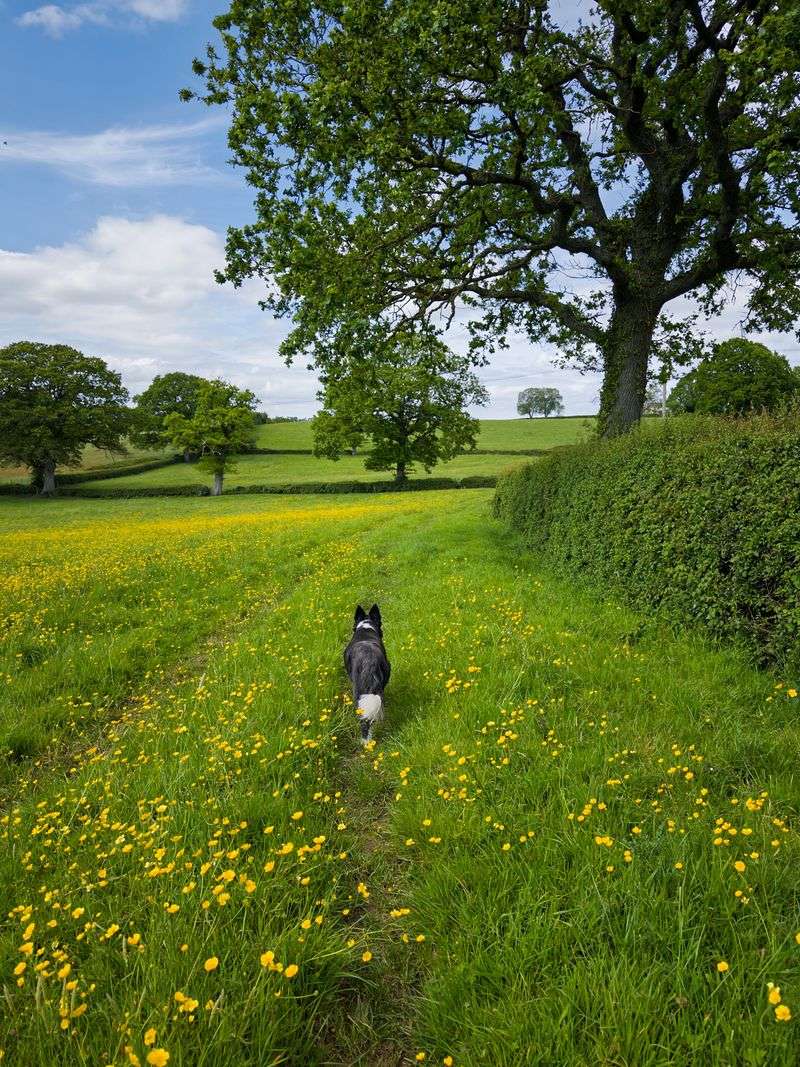
Picture a jackrabbit bursting from the grass. Will your dog turn around when you call, or keep running?
On open land, that answer matters a lot.
Start practicing in a quiet, fenced area with tasty treats and happy praise. Next, add a long training line, often 15 to 30 feet, for safe practice in bigger spaces.
Slowly increase distractions as your dog succeeds.
Only allow off-leash time once the recall works nearly every time.
4. Meet the Neighbors: Cattle, Horses, and Tractors
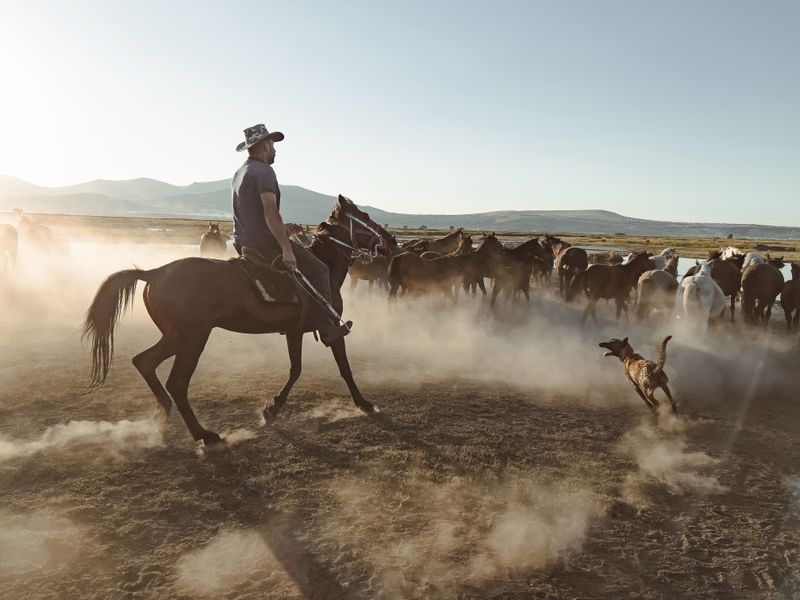
Your dog may never have seen a cow up close. To a city pup, a running calf can look like a giant toy.
Chasing livestock stresses the animals and can put your dog in real danger.
Texas law gives livestock owners strong protections, and dog owners can be held responsible for harm. Begin introductions on a leash, far away, rewarding calm behavior.
Shrink the distance slowly.
Treat tractors and mowers the same way, since their noise and movement can startle.
5. Make the Nightly Tick Check a Habit
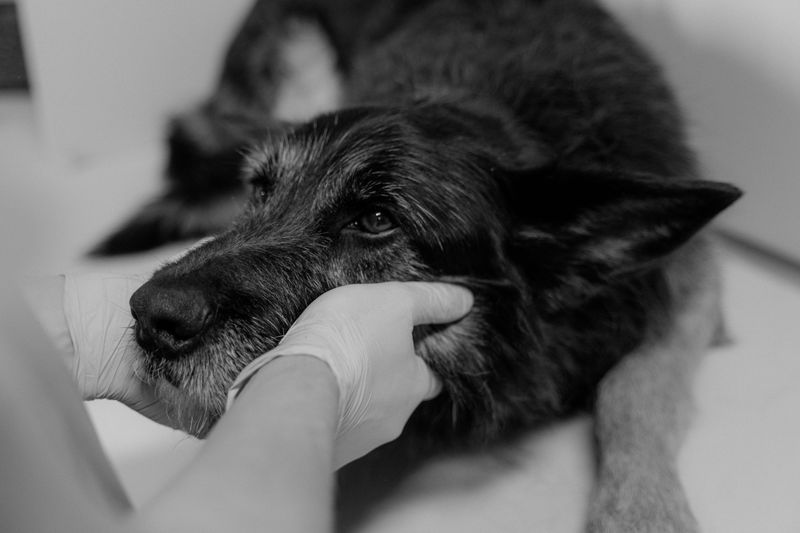
Mild Texas winters mean ticks can stay active almost all year. A quick check after outdoor time is one of the easiest rural habits to build.
Run your fingers slowly through the coat, feeling for small bumps. Focus on ears, eyelids, neck, armpits, and between the toes.
Found one? Use fine-tipped tweezers or a tick tool.
Grasp close to the skin and pull straight up with steady pressure. Then wash the spot with soap and water.
6. Keep Parasite Prevention on the Calendar
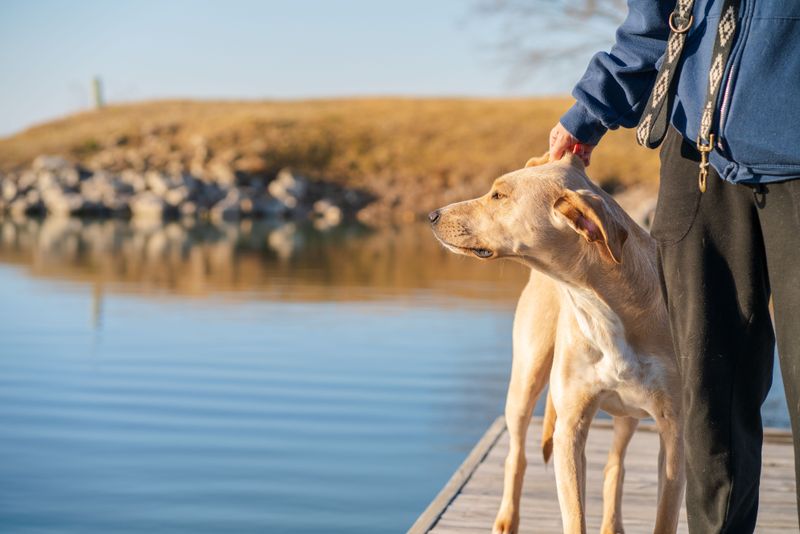
In a city apartment, a missed dose might feel like a small slip. Out on a ranch, the stakes rise quickly.
Fleas, ticks, and mosquitoes thrive across Texas throughout the year.
Mosquitoes spread heartworm, which harms the heart and lungs and is tough to treat. Ticks can carry illnesses such as ehrlichiosis, while fleas can pass along tapeworms.
Ask your veterinarian which year-round product fits your dog. Then set a phone reminder so no month slips by.
7. Stay Alert for Snakes and Hidden Hideouts
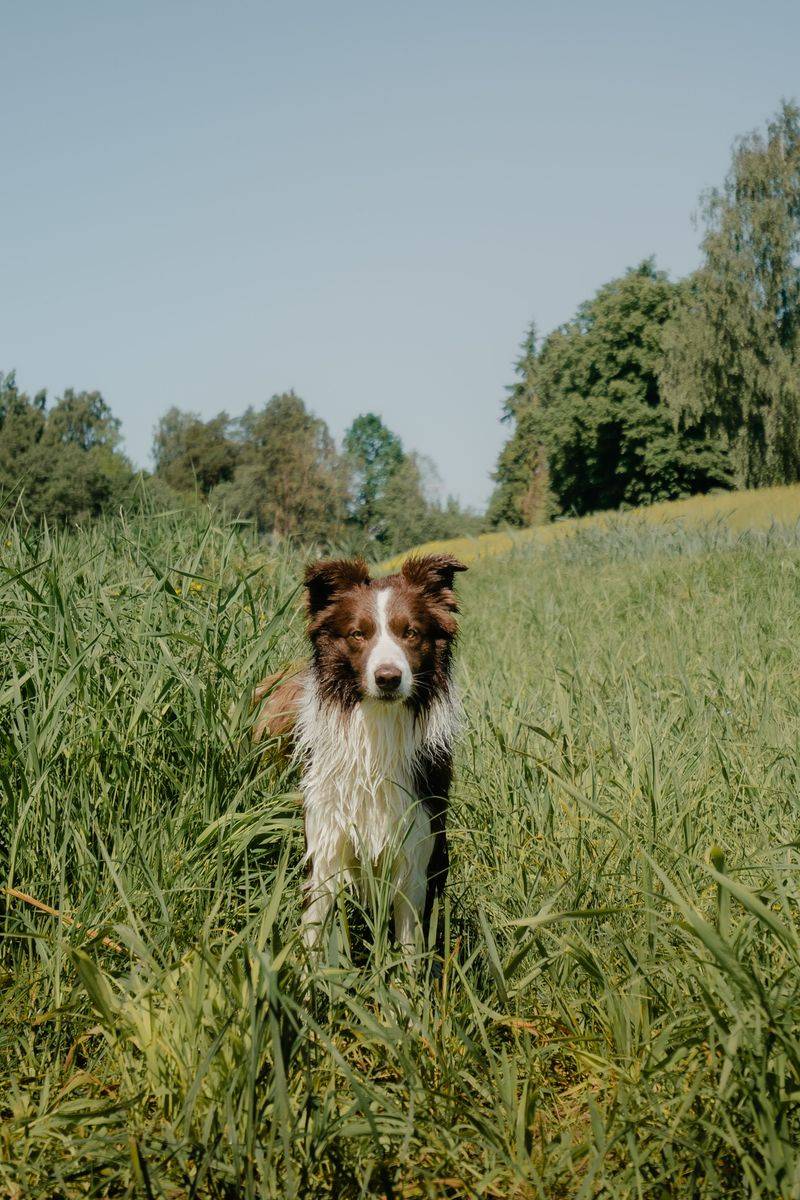
Texas is home to several venomous snakes, including rattlesnakes, copperheads, cottonmouths, and coral snakes. Curious noses tend to find them first.
Brush piles, woodpiles, and tall grass are favorite hiding spots.
Keep your dog on clear paths, especially on warm evenings. Mow around the house and clear clutter where you can.
Coyotes also roam many rural areas, so bring small dogs in at night.
Ask your vet about snake avoidance training and whether the rattlesnake vaccine makes sense.
8. Pick Out Burrs, Thorns, and Sneaky Grass Awns
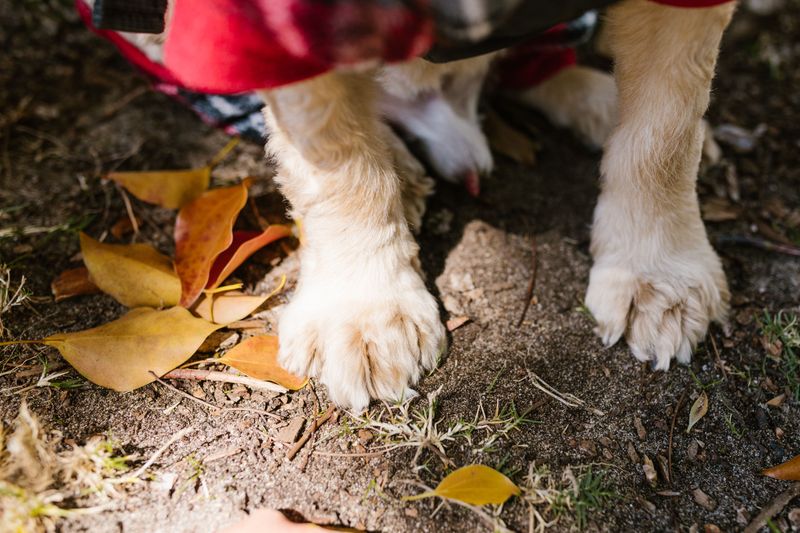
Mesquite thorns, sandburs, and grass awns are part of everyday ranch life. Grass awns are especially tricky.
Their barbed seed heads can work deeper into skin with every step.
After each outing, spread your dog’s toes and check between the pads. Look inside ears and around the eyes and nose, too.
Brushing helps catch burrs before they tangle.
Sudden limping, head shaking, or sneezing fits may signal a hidden awn. Let your veterinarian remove anything embedded.
9. Respect the Texas Sun With Shade and Water
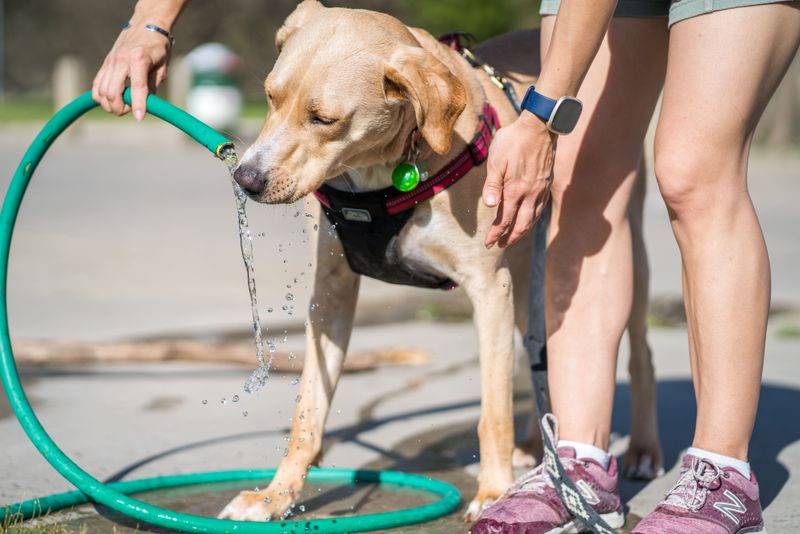
Dogs cool off mostly by panting, which works poorly on a scorching August afternoon. Ranch chores can pull you outside at noon, but your dog does not need to follow.
Plan walks and play for early morning or evening. Carry water on longer property walks, and make sure outdoor spots have shade all day.
Heavy panting, drooling, stumbling, or weakness are warning signs. Move your dog somewhere cool, wet them with cool, not icy, water, and call your vet promptly.
10. Lock Up Chemicals, Feed, and Livestock Meds

A ranch barn holds plenty of things a nosy dog should never taste. Pesticides, fertilizers, rodent bait, and antifreeze can all cause serious illness.
Some livestock dewormers, such as ivermectin products, are risky for dogs too.
Store these items in sealed containers on high shelves or behind locked doors. Clean spills right away.
Secure trash cans and feed bins as well, since they attract wildlife and hungry pups. Suspect a problem?
Call your vet or a pet poison hotline.
11. Teach Boundaries and a Dependable Leave It
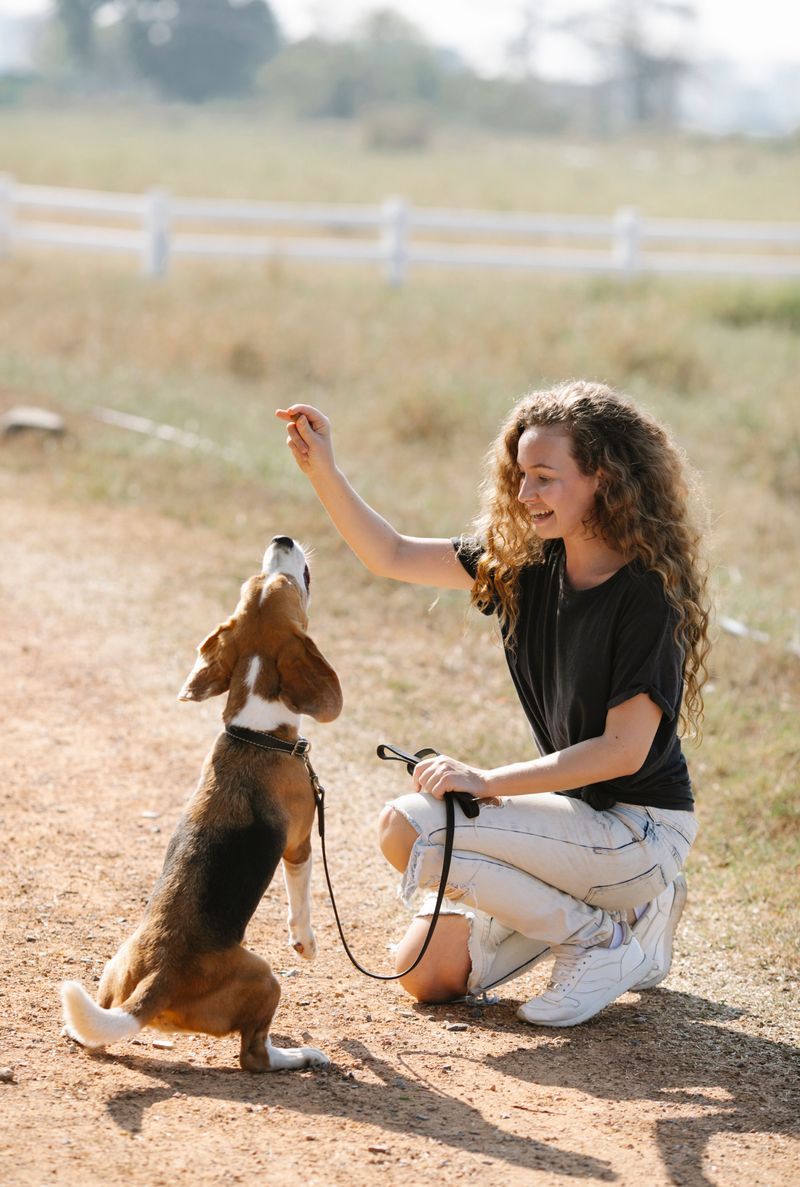
Two short words can save a lot of worry: leave it. On a ranch, that cue helps your dog skip dropped feed, strange bones, and wildlife.
Practice indoors first. Hold a treat in a closed hand, wait for your dog to back off, then reward with a different treat.
Build up to real outdoor temptations.
Boundary training works similarly. Walk the edges of your yard often, rewarding your dog for staying inside the line.
Short, cheerful sessions work best.
12. Supervise Splashes at Ponds and Stock Tanks
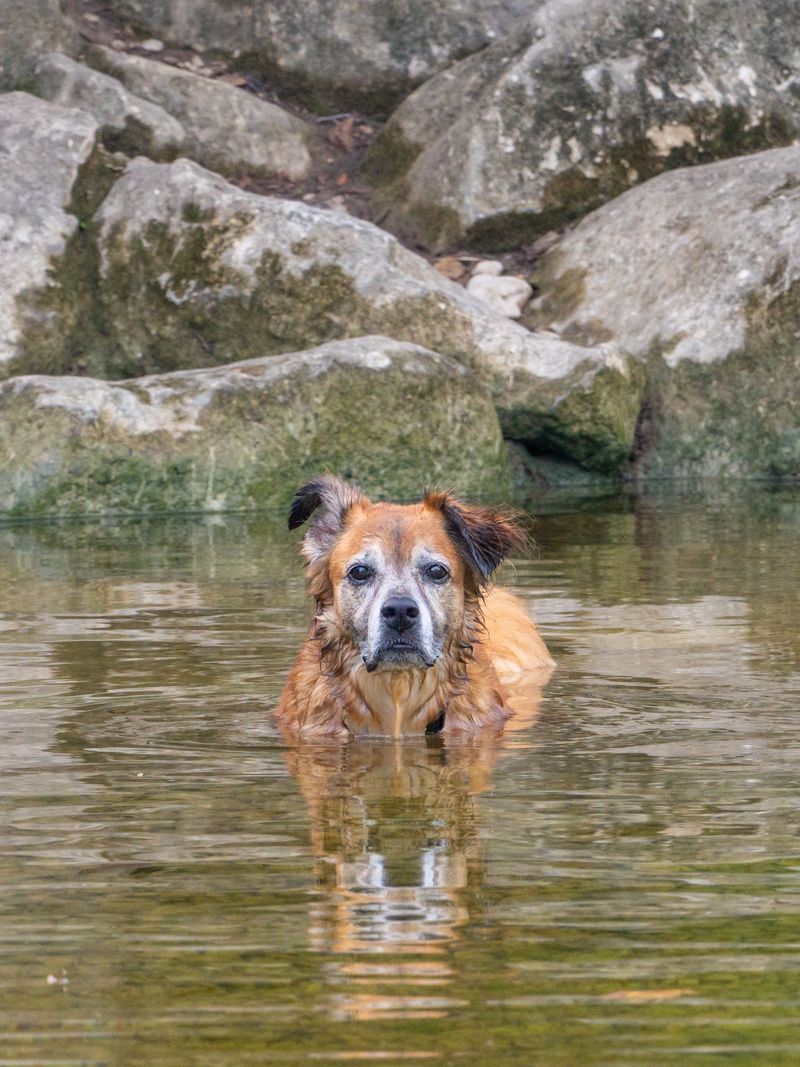
Stock tanks and farm ponds look like perfect swimming pools to an overheated pup. Many are fine, but some hide hazards you cannot see from shore.
Warm, still water can grow blue-green algae, which may produce toxins harmful to dogs. Skip any water with green scum, foam, or a bad smell.
Steep, slick tank walls can also trap a tired swimmer.
Stay nearby during swims. If your dog touches questionable water, rinse them well and call your vet right away.
13. Light Up Evening Walks Near Roads
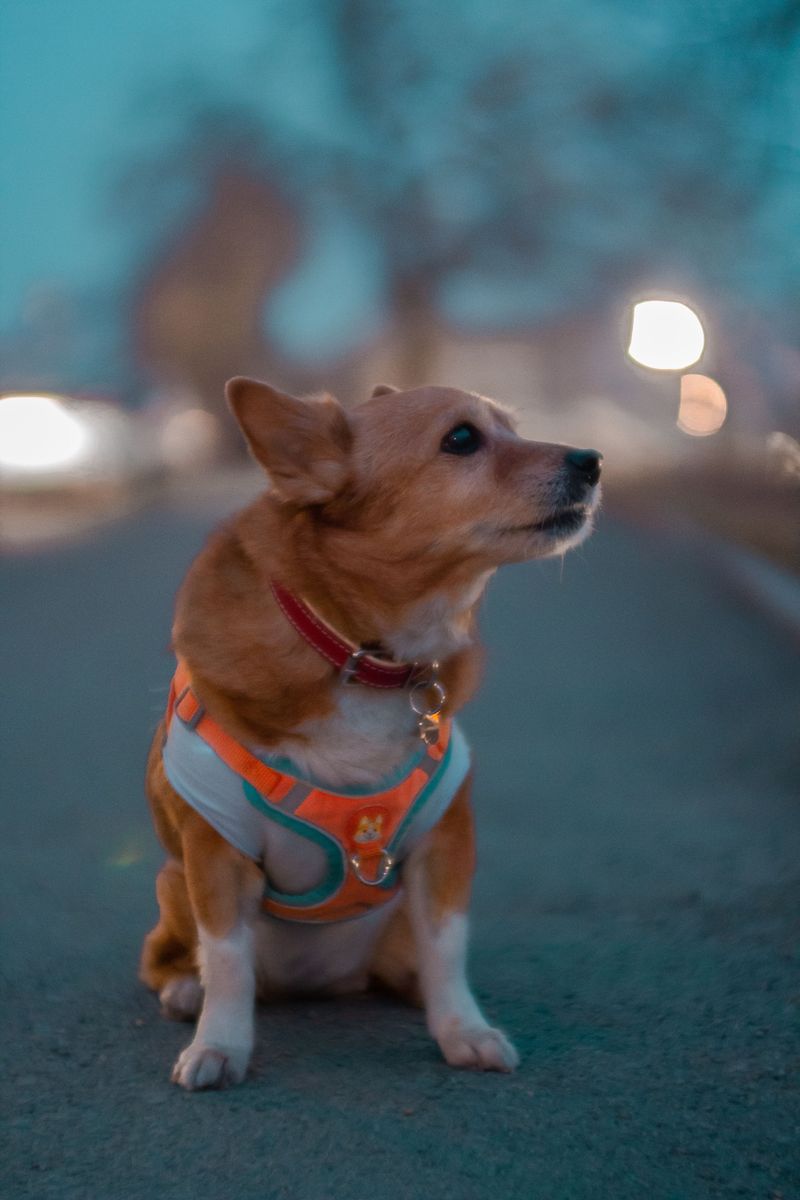
Country roads rarely have streetlights, sidewalks, or wide shoulders. Trucks and trailers may also move faster than you expect on a quiet lane.
A reflective harness or vest makes your dog much easier for drivers to spot. Bright colors like blaze orange help during the day, especially near hunting areas.
After dark, clip an LED light to the collar.
Wear something reflective yourself, too. Keep dogs leashed along the driveway and road edge, even if they know the route.
14. Update ID Tags and Microchip Records
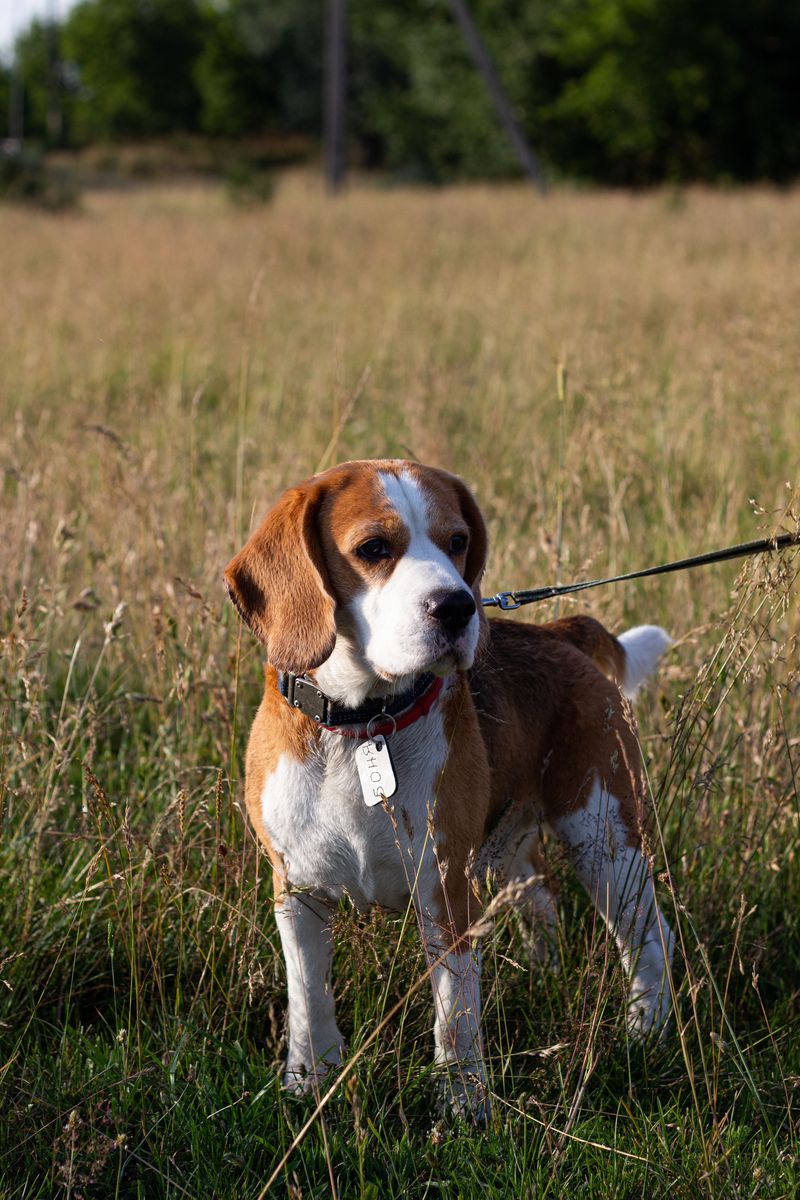
Moving day is the perfect moment to grab new ID tags. Your old high-rise address will not help a neighbor who finds your wandering dog.
Engrave your cell number and, if space allows, a backup contact. Then log in to your microchip registry and update every detail.
Texas has no statewide microchip requirement, though some cities and counties set their own rules. Check with your local animal control.
Either way, a registered chip greatly improves the odds of a happy reunion.
15. Plan Ahead for Vet Trips and Rural Emergencies
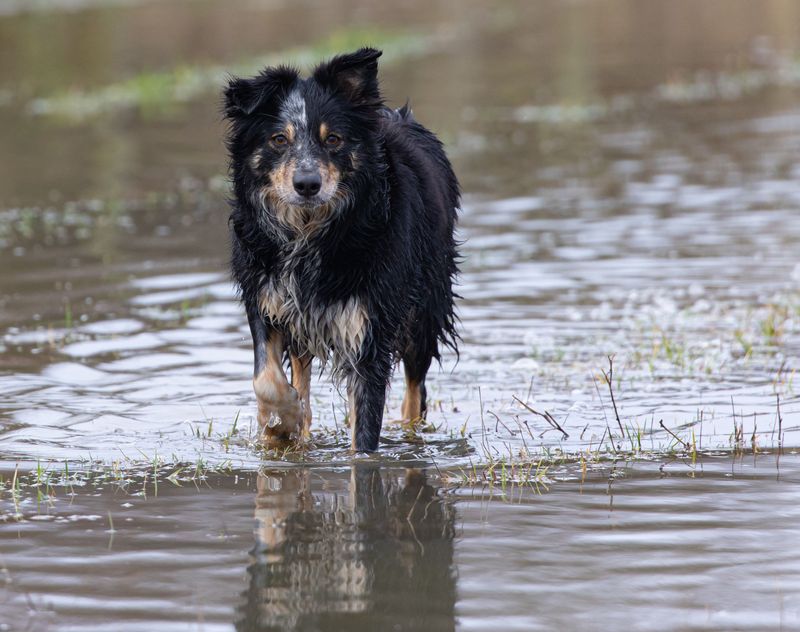
In Dallas or Houston, an emergency clinic might sit ten minutes away. Out in ranch country, the drive can take an hour or more.
Save the numbers for your regular vet and the nearest 24-hour hospital now. Then build a go-bag with several days of food, water, medications, a first-aid kit, leash, and vaccination records.
Wildfires, floods, and storms happen across Texas. A ready plan lets you both leave calmly.
Small habits like these make ranch life a confident adventure.