18 Livestock Guardian Dog Breeds For North Carolina Farms And Rural Properties
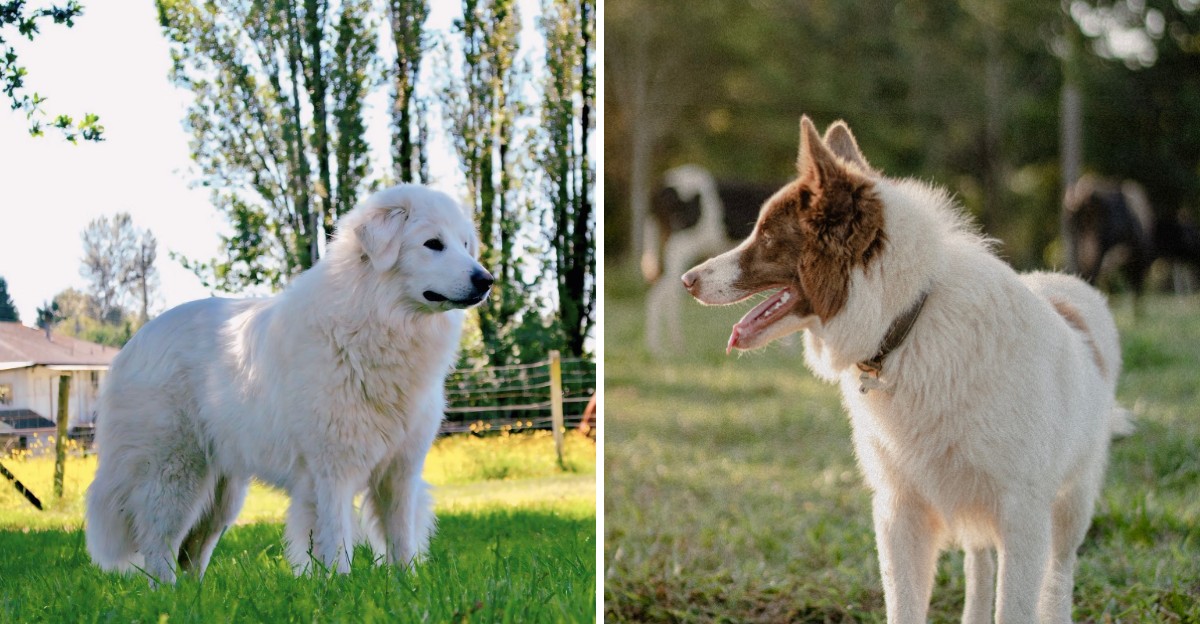
Coyotes now roam every county in North Carolina, and foxes, hawks, and stray dogs keep farmers on their toes too. A good livestock guardian dog works the night shift so you can sleep soundly.
Some breeds bark first and ask questions later, while others watch quietly from the hilltop. Choosing the right one depends on your land, your animals, and that sticky Carolina summer heat.
Ready to meet the fluffy security team that could change your farm life?
1. Great Pyrenees: The Gentle Giant Next Door
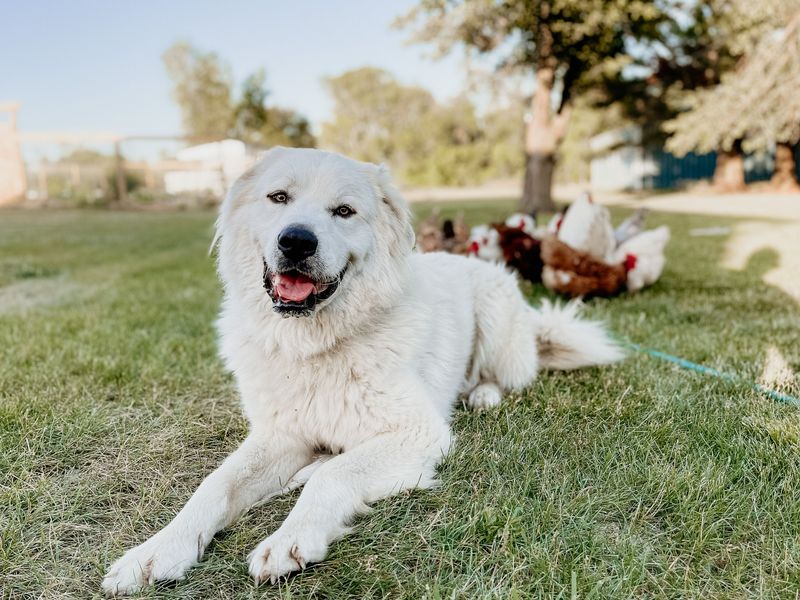
Drive past almost any goat farm in the Piedmont, and you will likely spot a big white cloud napping by the fence. That cloud is probably a Great Pyrenees.
Weighing 100 to 160 pounds, Pyrs use a watch and warn style. Their booming bark sends coyotes and foxes packing before trouble starts.
They think for themselves, so training takes patience. Give them shade, fresh water, and room to patrol, and they shine.
2. Anatolian Shepherd Dog: Sleek Turkish Muscle
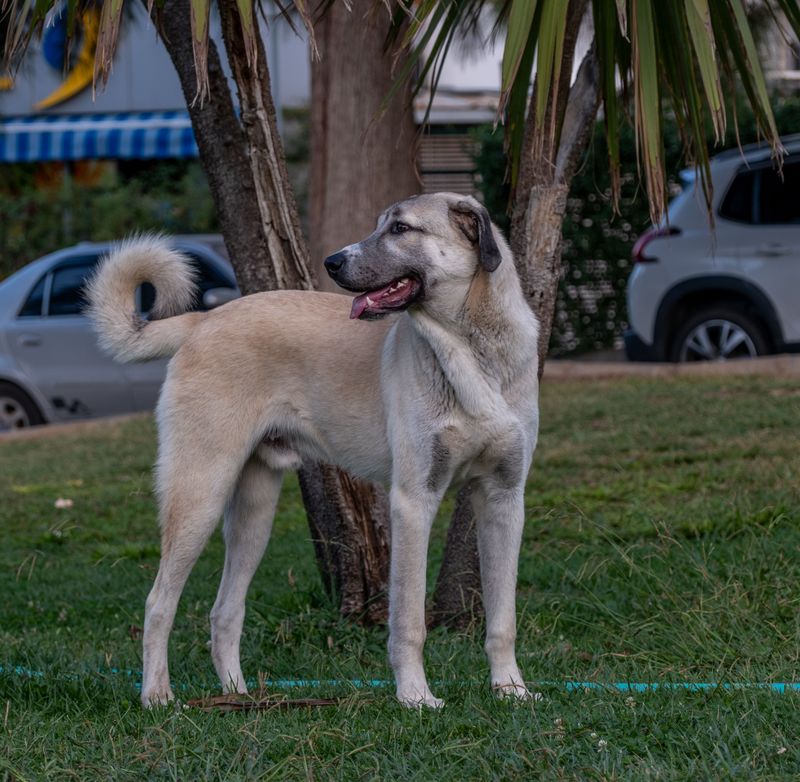
Picture a guardian built like an athlete, with a short coat that shrugs off humid August days. Meet the Anatolian Shepherd from Turkey.
Compared to the Pyr, this dog guards with more intensity and confidence. Its streamlined frame moves fast when a threat appears.
That shorter coat is a real perk in eastern North Carolina. Less brushing, less overheating, and a whole lot of devotion to the flock.
3. Akbash: The Quiet White Watcher
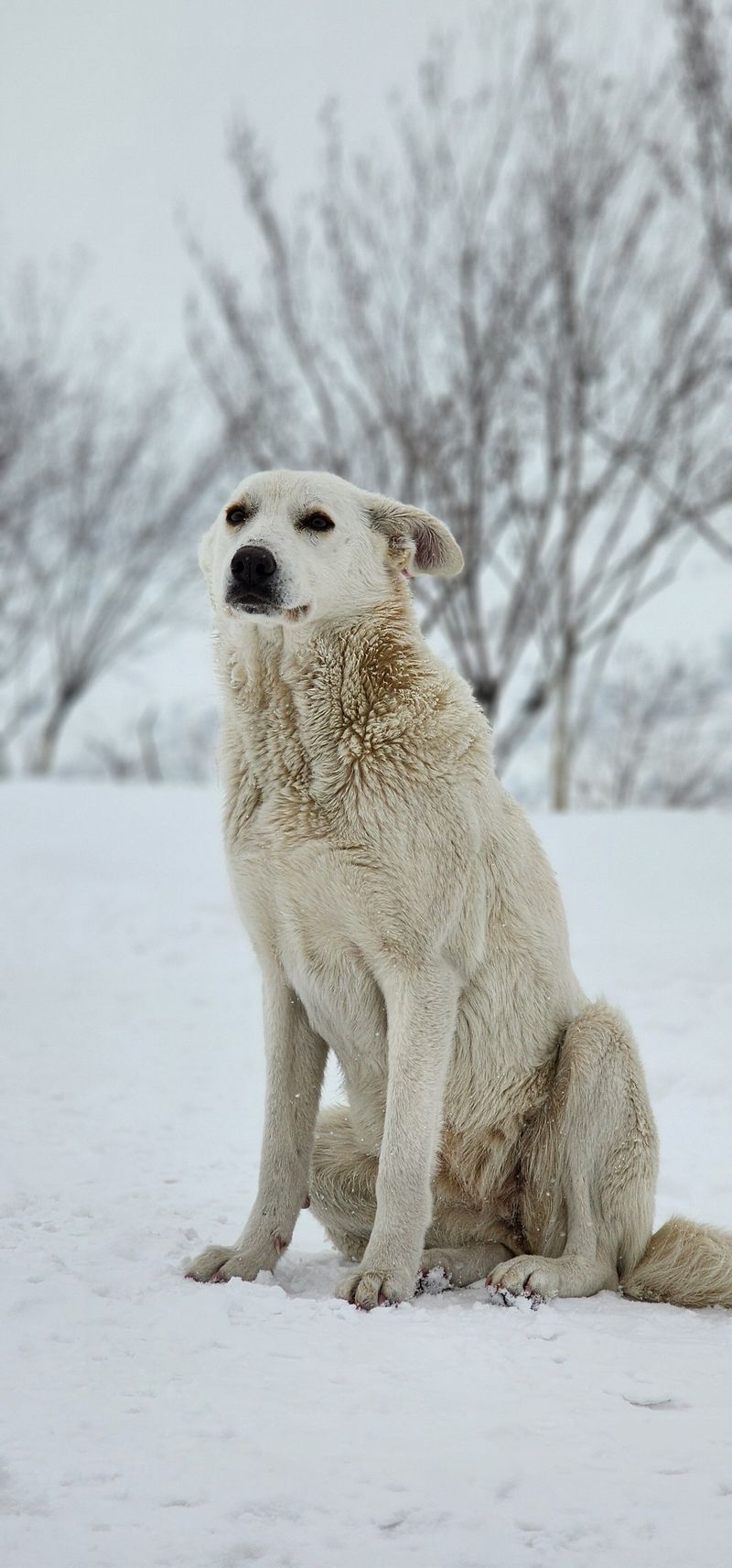
Fun fact: Akbash means white head in Turkish. Spotting one in a flock can feel like a game of hide and seek.
These lean, agile dogs prefer watching over barking. They study the tree line carefully, then act only when needed.
Early, heavy socialization matters a lot with this breed. The good news?
Several North Carolina breeders raise Akbash puppies, so finding one close to home is easier than you might think.
4. Maremma Sheepdog: Two Thousand Years of Loyalty
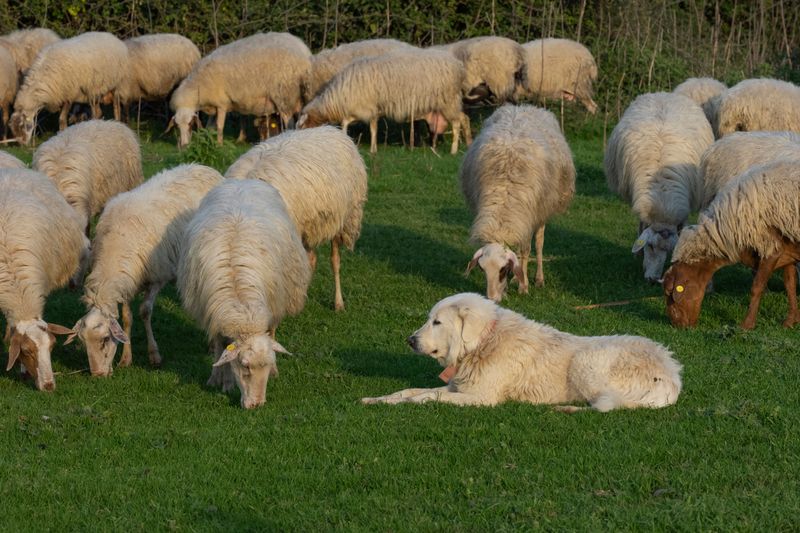
Italian shepherds have trusted the Maremma for more than 2,000 years. That is a resume few job seekers can match!
Maremmas bond tightly with both their families and their animals. They treat lambs, chickens, and kids as one big pack.
Brave without being pushy, they save the big reaction for real threats. Their thick cream coat needs regular brushing, especially during spring shedding season in the Carolinas.
5. Kangal Shepherd Dog: The Bold Protector
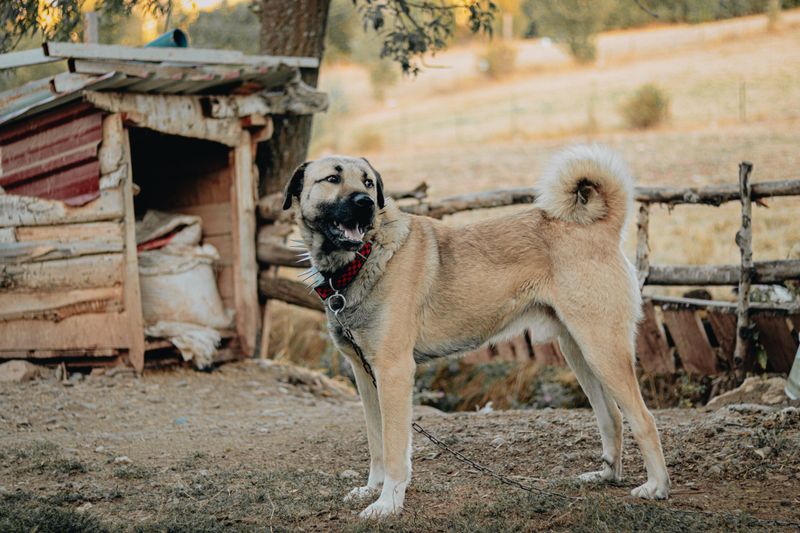
Some guardians whisper. The Kangal makes a grand entrance with confidence to spare.
Bred in Turkey to face down wolves, Kangals are larger and bolder than many cousins. They can handle more than one predator at a time.
For big properties with cattle or large herds, that serious work ethic is a gift. Pair one with a confident owner who sets clear rules from puppyhood, and you get a steady, focused partner.
6. Karakachan Dog: Bulgaria’s Coyote Chaser
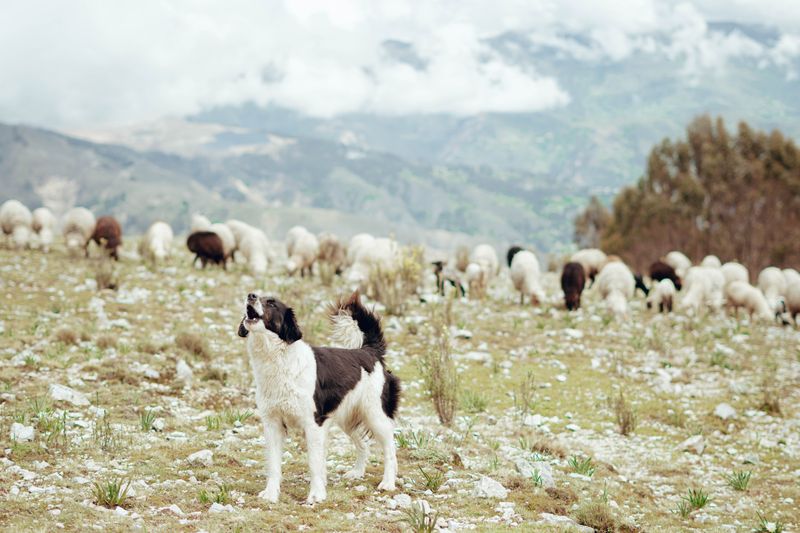
Nomadic Bulgarian shepherds gave this ancient breed its name. They relied on these dogs to stop wolves, bears, and sneaky thieves.
Today, Karakachans earn praise for keeping coyotes far from the barnyard. They make their own decisions and stick to their territory.
Often patched in black and white, they stand out from white breeds. Expect a reserved attitude toward strangers, but plenty of loyalty for the folks who feed them breakfast.
7. Kuvasz: Hungary’s Noble Sweetheart
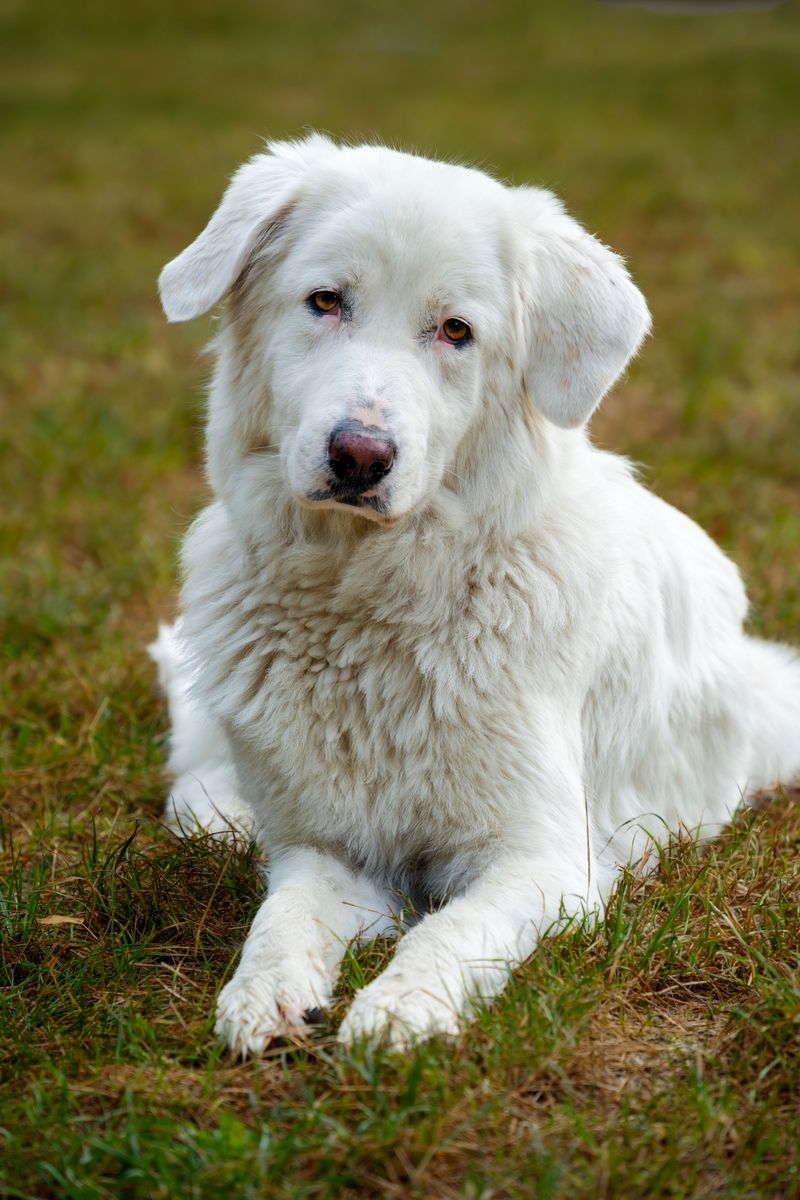
Here is a delightful surprise: the Kuvasz coat naturally sheds dirt and stays nearly odorless. Muddy spring days suddenly feel less messy.
This Hungarian breed is tough on predators yet tender and sensitive at home. Kids often become its favorite flock members.
Kuvasz dogs size up new people slowly. If you want one, breeders operate in North Carolina, including near Raleigh, which makes meeting puppies a fun day trip.
8. Komondor: The Mop With a Mission
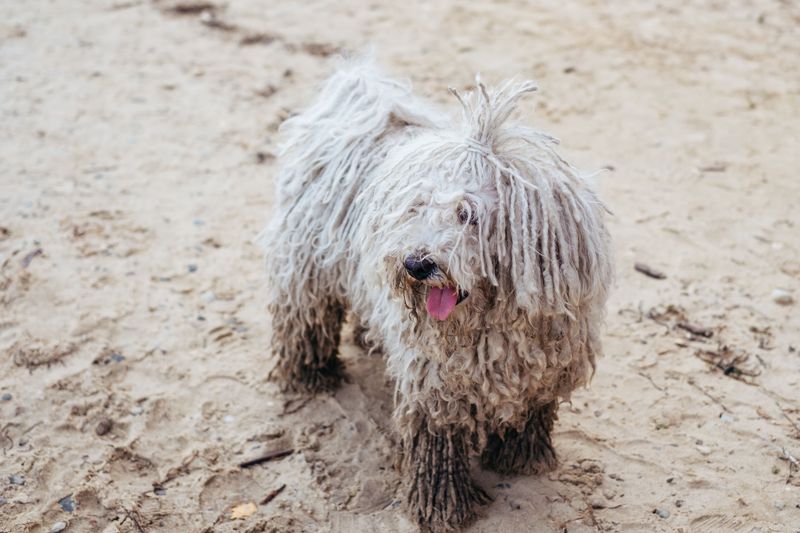
Yes, it looks like a walking mop. But those long white cords do serious work.
The Komondor coat blends into a sheep flock and shields the dog from weather and bites. Under all that hair hides a fast, athletic body.
Calm most days, Komondors spring into action when danger knocks. Heads up for Carolina owners: those cords need careful care, and they take ages to dry after summer storms.
9. Estrela Mountain Dog: Portugal’s Coastal Connection
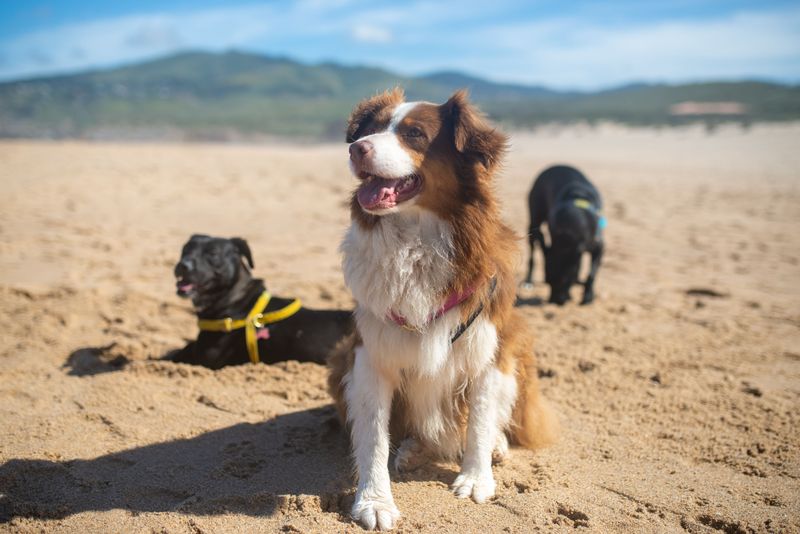
Did you know you can find Estrela Mountain Dog breeders in Leland, near Wilmington? That is handy for coastal farmers.
One of Portugal’s oldest breeds, the Estrela mixes mastiff power with surprising grace. It loves patrolling wide spaces and keeps a sharp eye out.
Calm indoors, it still needs exercise and puzzles to stay happy. First-time owners may struggle, so experience helps with this independent, devoted guardian.
10. Polish Tatra Sheepdog: The Thoughtful Bellower
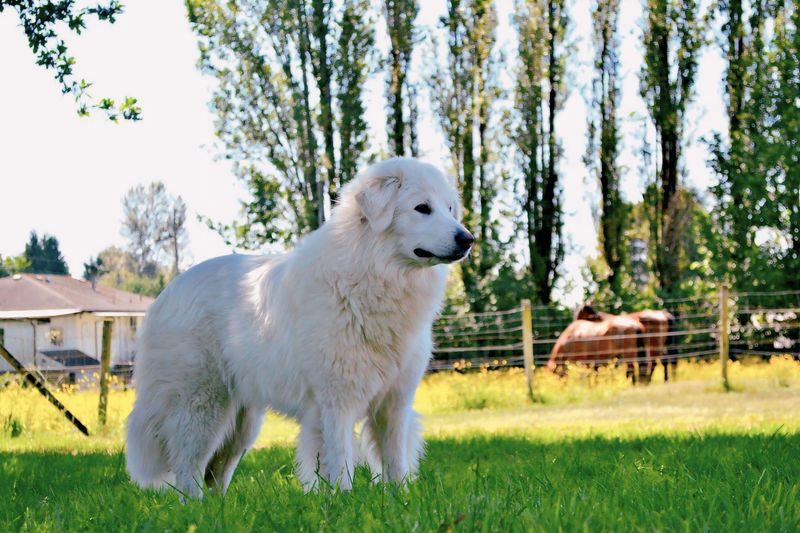
Think before you bark could be this dog’s motto. The Polish Tatra watches, weighs the situation, then responds.
From the Tatra Mountains of southern Poland, it needs little training about what to protect. Guidance works better than drills.
When a threat does show up, its bellowing bark rolls across the pasture. Families love its deep bonds, and western North Carolina mountain farms suit its heavy coat nicely.
11. Pyrenean Mastiff: A Rare Gem Near the Blue Ridge
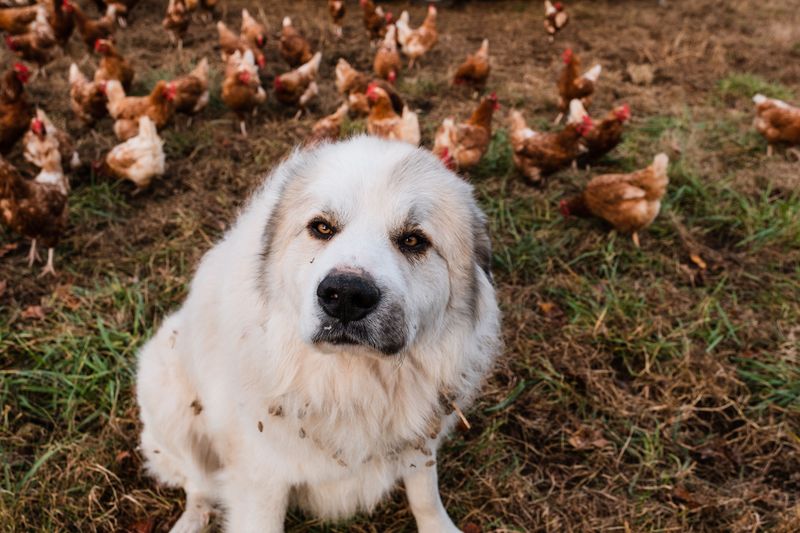
Tucked near the Blue Ridge in Dobson, dedicated breeders work hard to preserve the rare Pyrenean Mastiff.
This majestic dog is a close cousin of the Great Pyrenees. It guards livestock, watches estates, and cuddles up as a family pal.
Breeders focus on health, temperament, and athletic ability. If you love the Pyr look but want a heftier frame, this Spanish treasure deserves a spot on your wish list.
12. Spanish Mastiff: The Heavyweight Champion
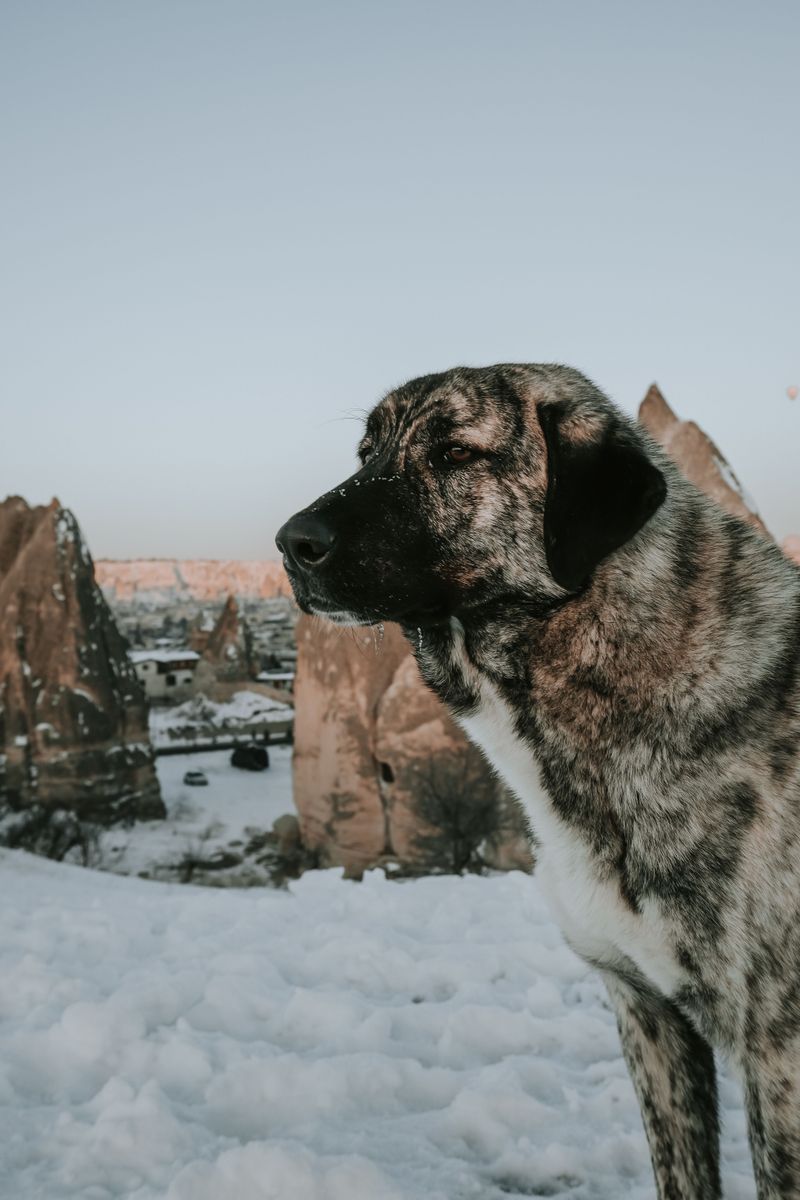
Weighing 140 to 200 pounds, the Spanish Mastiff tops the scales among guardian breeds. Talk about a big presence!
For over 2,000 years, it protected Spanish sheep from wolves. Look for its large head, double dewlaps, and sturdy, muscular body.
At home, it turns affectionate and dignified. Strangers get a cool reception, though.
Early, steady training from an experienced owner keeps this gentle heavyweight well mannered.
13. Armenian Gampr: An Ancient Landrace Legend
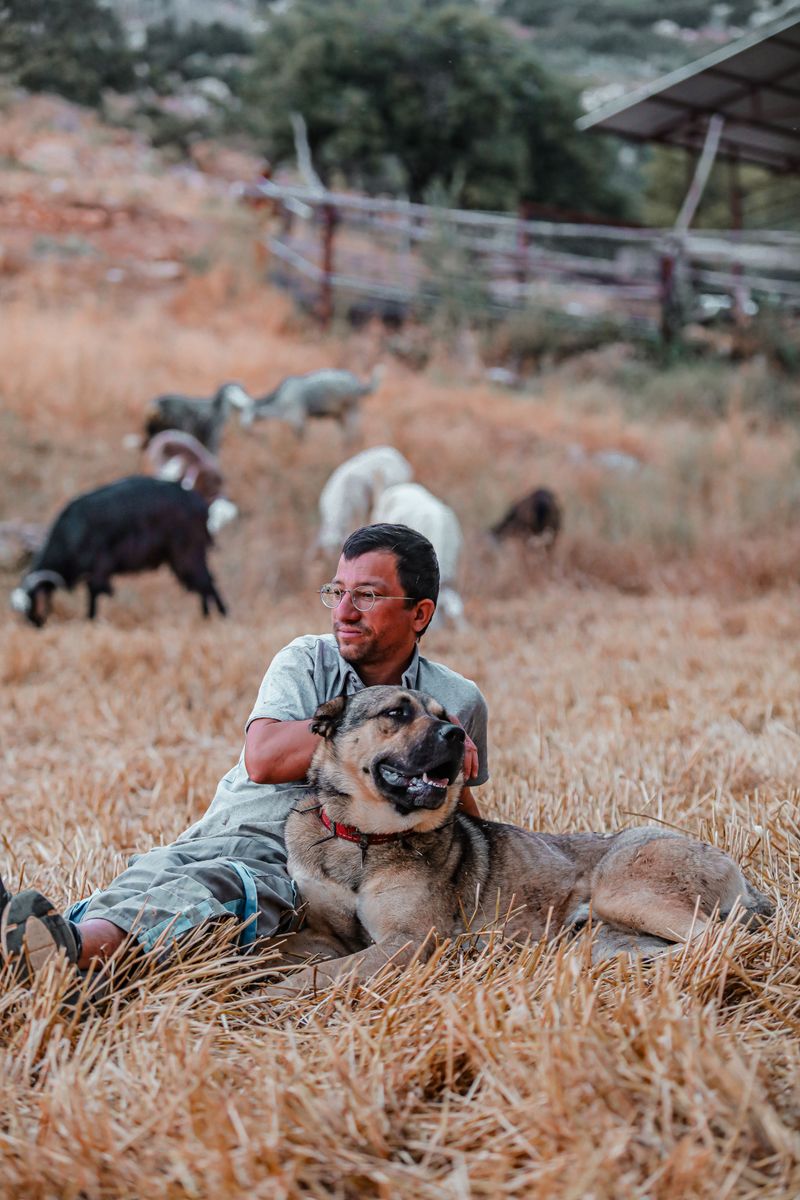
Some people trace Gampr roots back more than 12,000 years. That makes your family tree look pretty short!
As a landrace, Gamprs vary in looks but stay consistent at their job. Heavy bones and a thick coat handle any weather.
They are loving with family and self-controlled under stress. Breeders in North Carolina raise these athletic guardians, giving local farmers access to a true piece of history.
14. Šarplaninac: The Balkan Mountain Pro
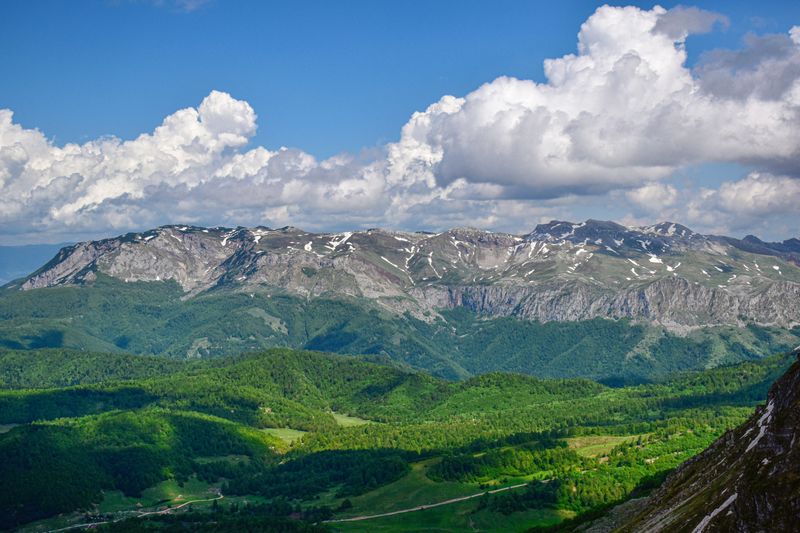
Imagine guarding sheep alone for weeks with no boss around. Balkan shepherds counted on the Šarplaninac to do exactly that.
Also called the Yugoslavian Shepherd Dog, it hails from the Šar Mountains. Its thick, often gray coat suits rugged hills.
Steady and calm, it reacts quickly to anything suspicious. Strong willed and choosy about strangers, it pairs best with owners who offer firm, consistent leadership.
15. Tornjak: The Patient Problem Solver

Records of the Tornjak go back to the 11th century in Bosnia and Herzegovina and Croatia. Old school, indeed!
Tornjaks are clever problem solvers who size up threats with cool heads. Their calm style makes them patient with lambs and kids alike.
Usually white with colorful patches, they wear a thick double coat. Be ready to brush often, since Carolina summers will send fluff flying everywhere.
16. Central Asian Shepherd Dog: The Mighty Alabai
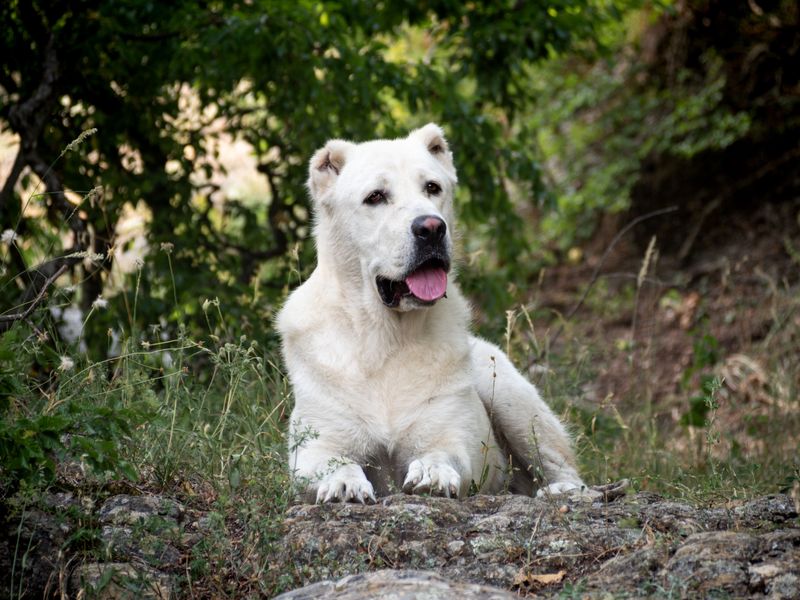
With over 4,000 years of history, the Central Asian Shepherd has seen it all. Fans also call it the Alabai.
Bred to face wolves and bears, this dog brings huge stamina and courage. Its dense coat handles rough weather well.
Strong territorial instincts make early socialization a must. Secure fencing helps too.
In experienced hands, the Alabai becomes a devoted, steady guardian for larger rural properties.
17. Slovak Cuvac: Born to Guard
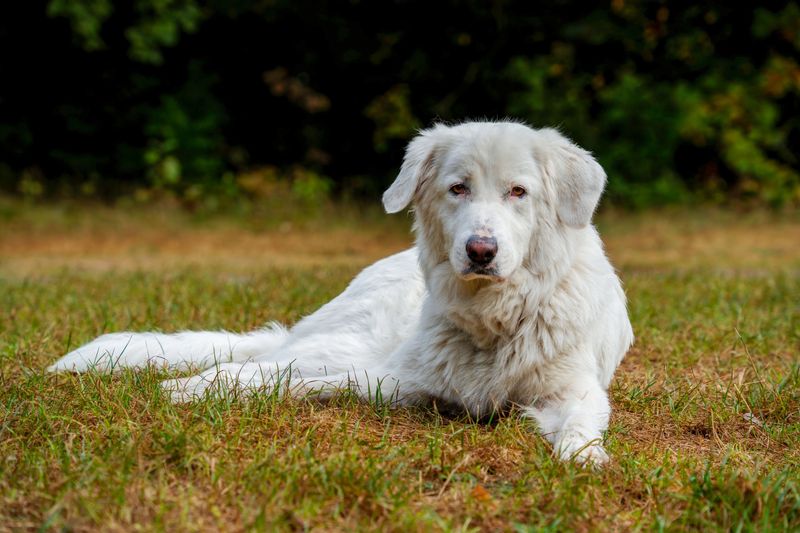
The name says it all. Čuvať means to guard in Slovak, and this breed lives up to every letter.
Mountain shepherds liked its shaggy white coat because they could tell it apart from predators at night. Smart move!
Cuvacs thrive with big families, lively kids, and plenty of animals. A busy North Carolina homestead with chickens, goats, and a tire swing sounds like their dream home.
18. Cão de Gado Transmontano: The Heat-Ready Rarity
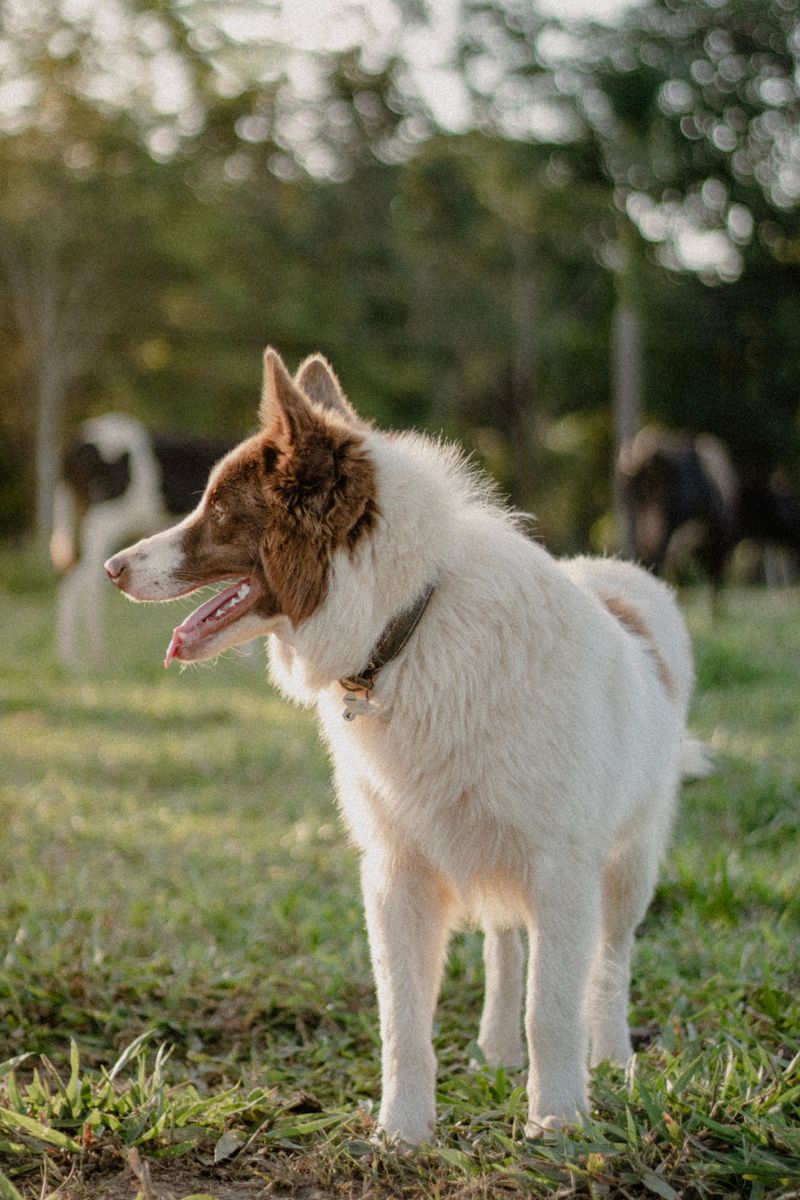
Saving the rarest for last! The Cão de Gado Transmontano is Portugal’s largest native breed.
Developed to stop Iberian wolves, it stays calm, confident, and watchful. Its broad head and muscular build look impressive on any farm.
Here is the bonus for Carolina owners: its coat suits warm, dry climates. Finding one takes effort, but this loyal guardian rewards the search.
Now go walk those fence lines with your new partner!