What Florida Rules Mean For People Buying Dogs From Pet Stores And Breeders

Bringing home a new dog is exciting, and Florida wants that moment to start on solid ground. The state has clear rules for pet stores and breeders who sell dogs.
These rules cover health checks, paperwork, and what happens if a puppy turns out to be sick. Think of this guide as a friendly walk through your rights, so you can shop with calm confidence and a happy heart.
1. Eight Weeks Before Any Sale

Tiny puppies need time with their mother and littermates. Florida law says a dog must be at least eight weeks old before it is offered for sale in the state.
The same rule applies to puppies brought in from elsewhere.
Those early weeks help with nursing, growth, and basic social skills. If a seller pushes a younger puppy, treat that as a warning sign.
Ask for the birth date in writing before you agree to anything.
2. A Vet Checkup Comes First
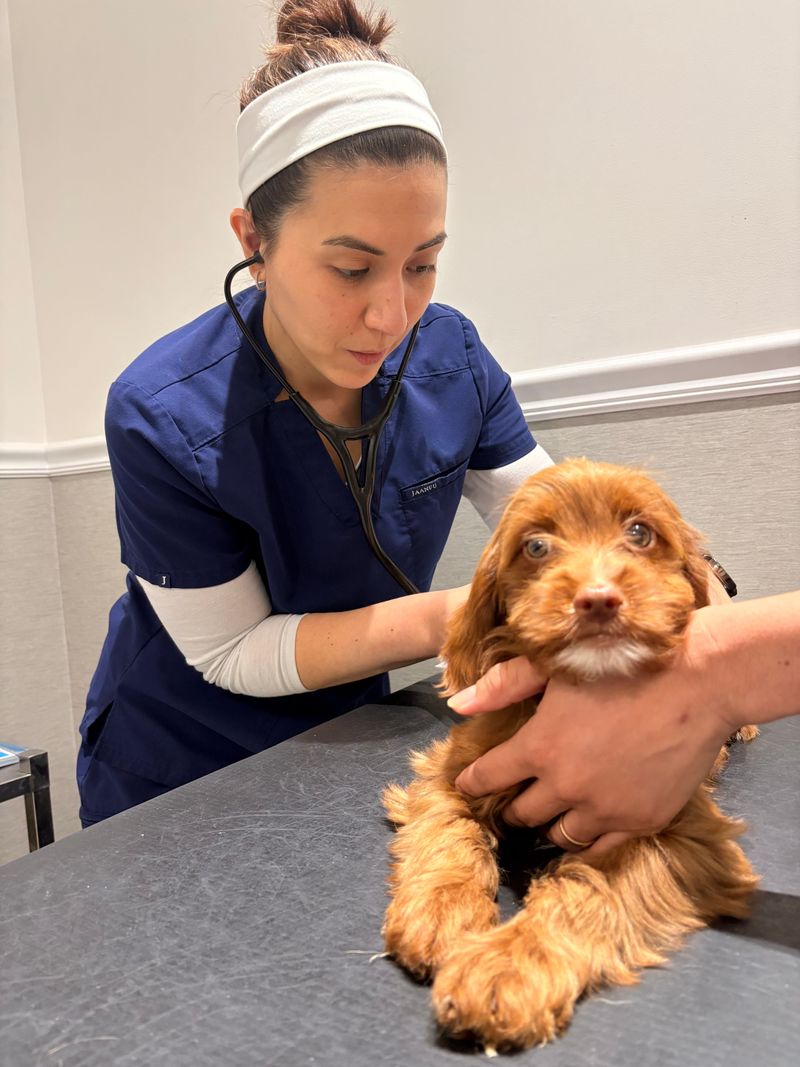
Picture a puppy getting a full checkup before meeting its new family. Florida requires that every dog offered for sale be examined by a licensed veterinarian.
That exam must happen within 30 days before the sale.
The vet looks at overall health, including eyes, heart, skin, and weight. You can ask the seller exactly when the exam took place.
A recent date gives you a clearer picture of the dog you are buying.
3. Your Official Health Certificate
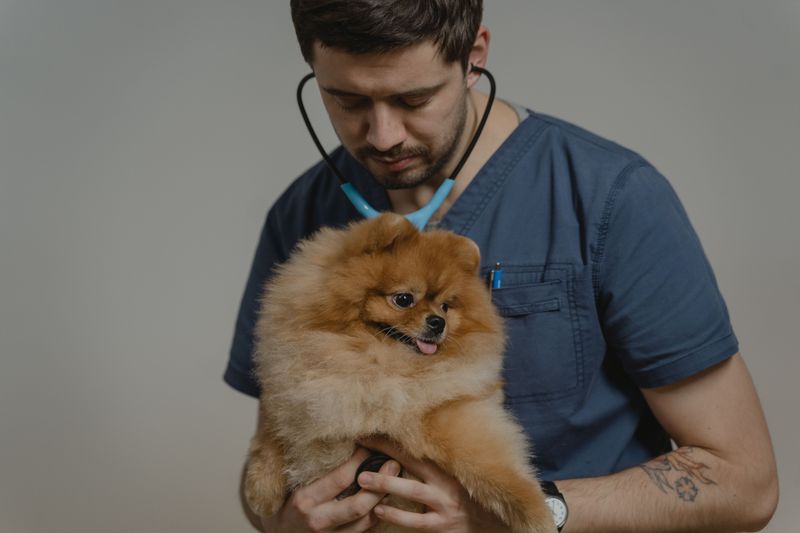
Paperwork may feel boring, but this document matters. Florida buyers must receive an official certificate of veterinary inspection when they buy a dog.
The certificate lists details like breed, sex, age, and color. It also shows that a vet examined the dog and found no known health problems at that time.
Keep the original in a safe folder. Snap a photo with your phone, too.
You may need it later if questions come up.
4. Shot Records Belong to You
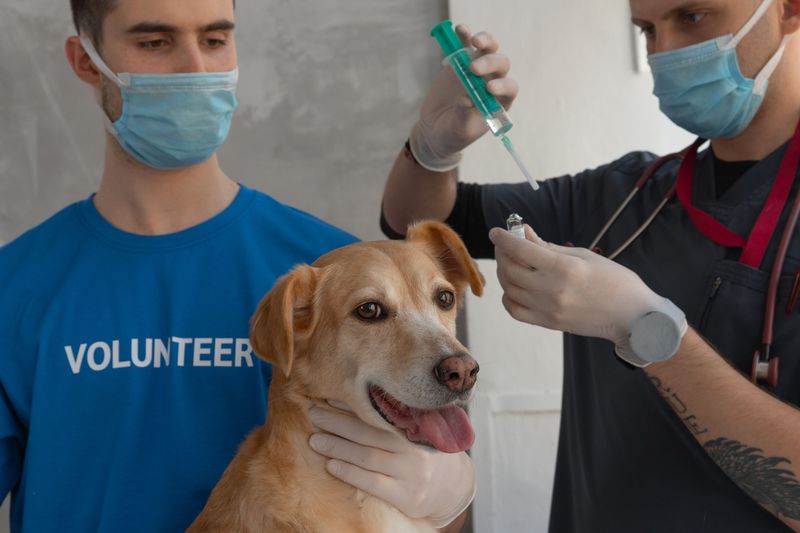
Ever tried to remember which shots you got as a kid? Puppies need that history, too.
Sellers must tell you which vaccines the dog has received.
This information is usually listed on the official health certificate. It should show the vaccine names and the dates given.
Bring the record to your own vet at the first visit. That way, your vet can plan the next round of shots without guessing or repeating doses.
5. Vaccines Matched to Age
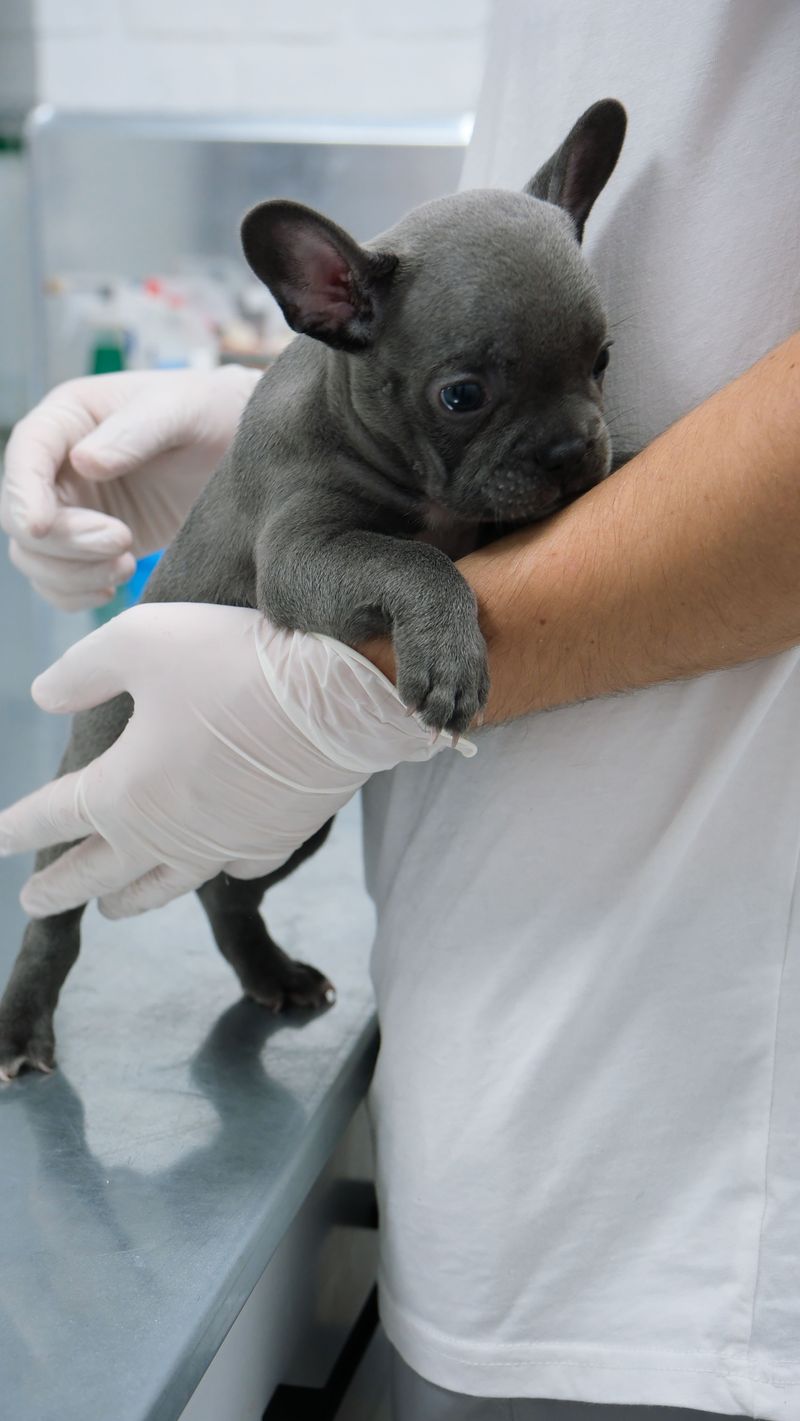
Young pups have growing immune systems, so timing counts. Florida requires dogs for sale to receive age-appropriate vaccines given by or under a licensed vet.
These cover illnesses like distemper, hepatitis, parvovirus, parainfluenza, leptospirosis, and Bordetella. Dogs over three months old also need a rabies shot.
Most puppies still need booster shots after you bring them home. Ask your vet to map out a simple schedule for the coming months.
6. Checking for Hidden Worms
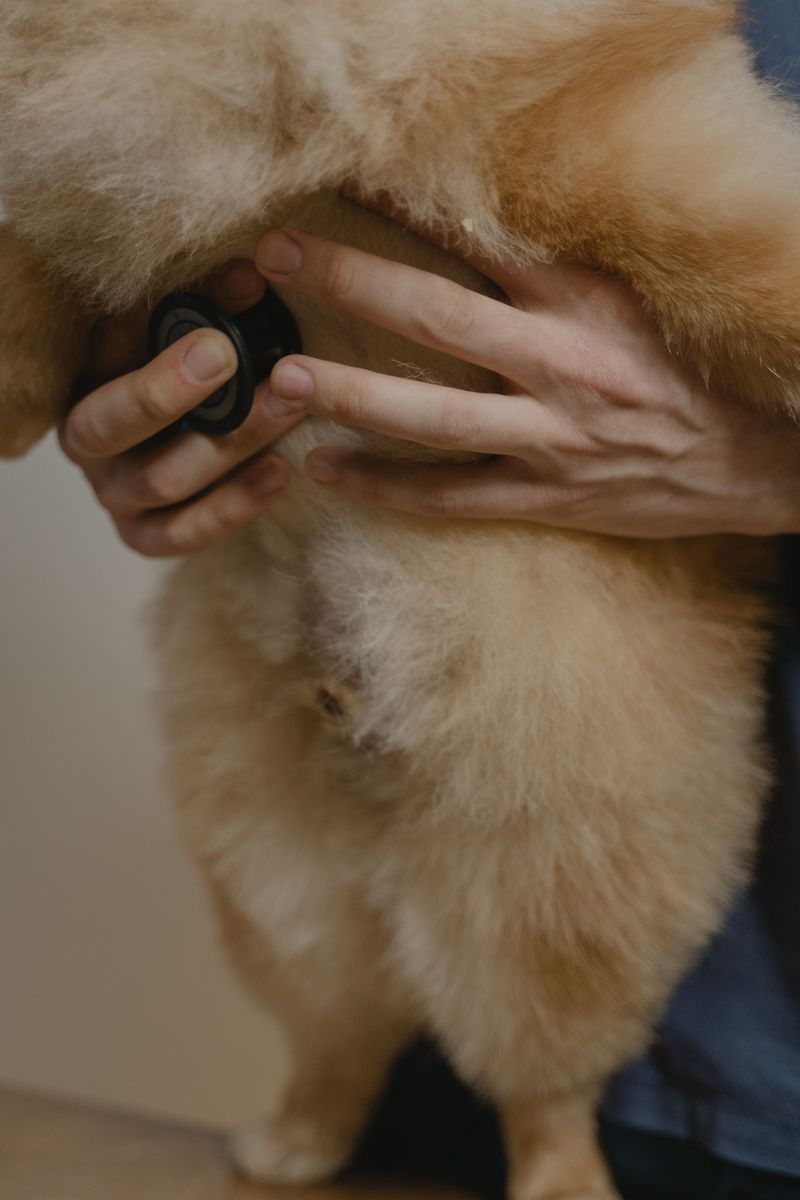
Some health issues are too small to see. That is why the required vet exam includes a fecal test for internal parasites.
The test looks for common worms like hookworms, roundworms, whipworms, and tapeworms. If any are found, the dog should receive treatment before sale.
Many puppies get a dewormer as a routine step anyway. Ask the seller which product was used and when.
Your own vet may suggest a follow-up test later.
7. Heartworm Tests for Older Pups
Florida’s warm, buggy climate makes heartworm a real concern. Mosquitoes spread it, and they thrive here year round.
Dogs over six months old must be tested for heartworms before sale. The result should appear on the health certificate.
If you are buying an older puppy or adult dog, look for that result. Then talk with your vet about monthly prevention.
A steady routine is one of the easiest ways to protect your dog.
8. Rules for Out-of-State Puppies

Plenty of puppies sold in Florida start life in another state. They still have to meet Florida’s health rules.
Required tests, vaccines, and deworming must be done by a licensed, USDA-accredited vet in the home state. Timing generally falls between 14 and 30 days before entry.
Each dog also needs an official health certificate. If your puppy came from elsewhere, ask to see that paperwork.
A good seller will share it gladly.
9. Who Counts as a Pet Dealer

Not every person selling a puppy falls under the same rules. Florida’s pet sale law applies to pet dealers, meaning sellers who sell more than a set number of litters or animals each year.
Many pet stores and larger breeders qualify. A family selling one litter may not.
Ask the seller directly if they follow Florida’s pet dealer law. Also check your county, since some local areas add their own rules on pet store sales.
10. Every Available Medical Record

Here is a helpful habit: ask for everything. Before the sale, pet dealers must give you copies of available medical exam and test records.
That includes notes on any medications the dog received. These records show how the puppy has been cared for so far.
They also help your vet spot patterns early. Sellers are expected to keep their own copies for years.
Still, keep yours organized in one place.
11. Money Terms in Plain Sight
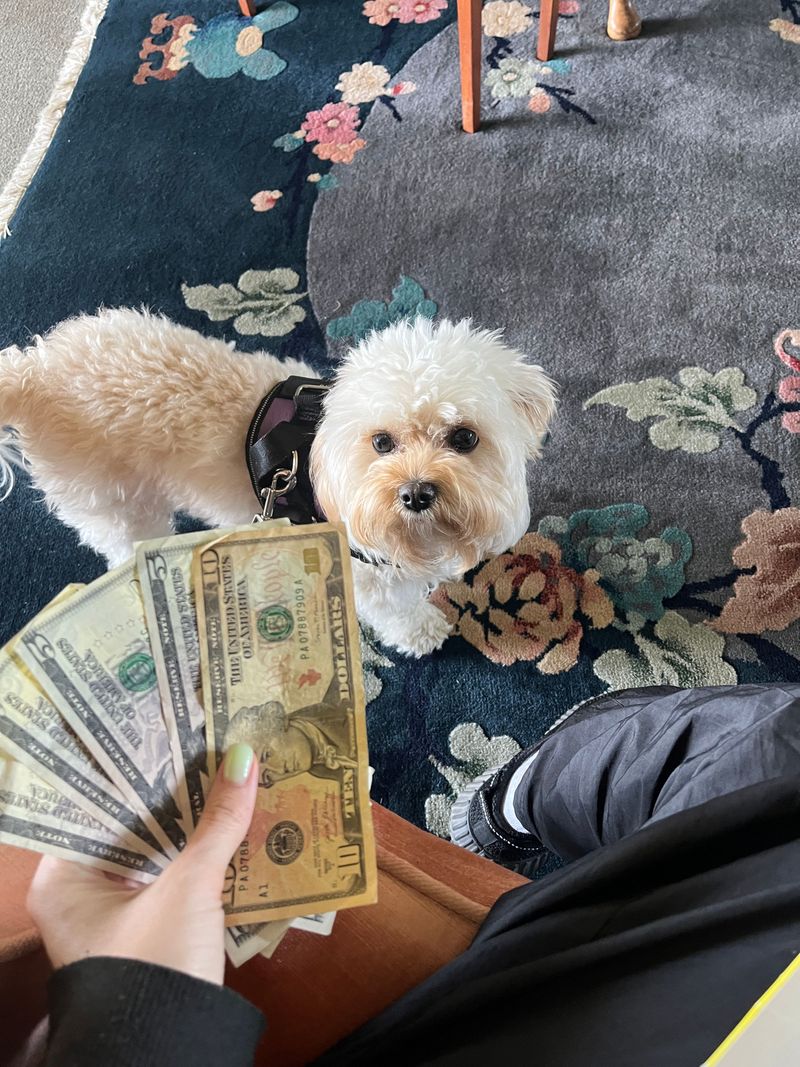
Some puppies cost as much as a used bike or more. Many stores offer payment plans to help.
Florida requires pet dealers to explain all financing terms before the sale.
Read the interest rate, monthly payment, and total cost carefully. If a financed dog is later certified unfit and returned, the financing should end without penalty to you.
Never sign a loan you do not fully understand. Take the papers home first if needed.
12. Your Cancellation Rights in Writing

Good news for careful shoppers. Pet dealers must hand you a written notice explaining your rights if the dog is later found unfit.
This notice spells out your options and deadlines. Read it before you leave the store or breeder’s home.
If it is missing, politely ask for it. Store it with the health certificate and receipt.
Having everything together makes any future conversation with the seller much simpler and calmer.
13. A 30-Day Window for Illness
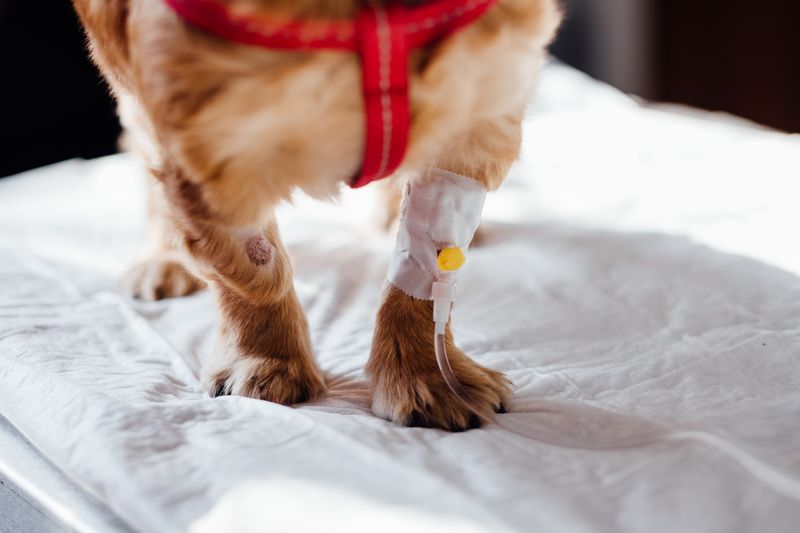
Mark your calendar on day one. Under Florida’s updated law, buyers have 30 days to have a licensed vet certify a dog unfit due to illness present at sale.
This window used to be 14 days, so confirm the current version when you buy. Intestinal or external parasites alone usually do not qualify.
They count only if the dog is clinically ill from them. Book a vet visit within the first week.
14. One Year for Hereditary Problems

Some health issues are present from birth but appear later. Florida gives buyers one year to get a vet’s certification for congenital or hereditary defects that affect health.
There is an exception worth knowing. If the seller disclosed a specific condition in writing and you signed an acknowledgment, that condition may not qualify.
So read every disclosure closely. Ask questions about the parents’ health, too.
Good breeders often share screening results.
15. A Vet You Choose
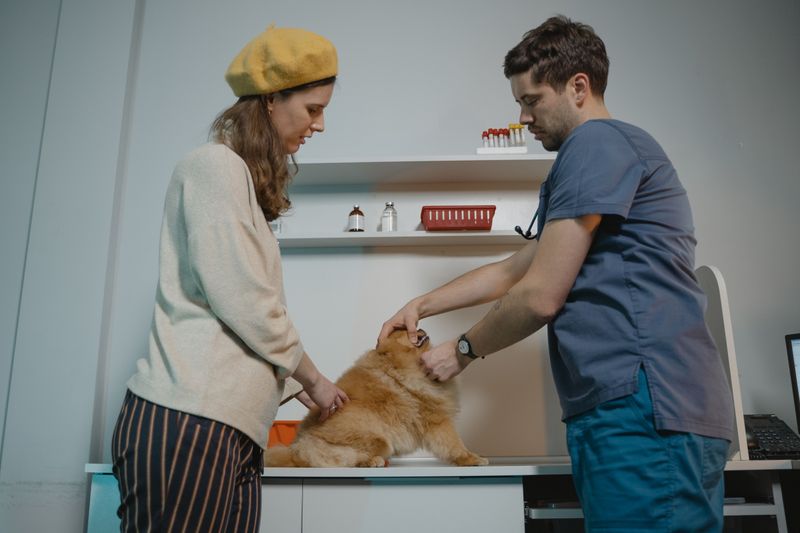
You are not stuck with the seller’s vet. Florida lets buyers take the dog to a licensed veterinarian of their own choosing for evaluation.
The seller may also have the dog examined by another vet. That two-sided right keeps things fair for everyone.
Choose a vet you trust and plan to keep long term. Ask for written findings at every visit.
Clear notes help if the seller needs to review them.
16. Getting Your Money Back
Sometimes a match simply does not work out because of health. If a vet certifies the dog unfit, one option is returning it for a full refund.
That refund generally includes the purchase price plus sales tax. You may also be reimbursed for reasonable vet costs tied to the certification.
Keep every receipt from the vet visit. Those small papers make the refund process smoother and help everyone reach a fair outcome.
17. Choosing an Exchange Instead

Some families still want a puppy from the same seller. Florida allows buyers to exchange a certified unfit dog for another of equal value.
Even with an exchange, you can seek reimbursement for reasonable vet costs from the first dog’s certification. Take your time choosing the replacement.
Ask for its full records and health certificate, just like before. A fresh start deserves the same careful look you gave the first time.
18. Keeping Your Pup and Vet Help
Love often shows up fast. Many buyers bond with their puppy before any illness appears.
Florida lets you keep the dog and seek reimbursement for reasonable vet costs.
This covers treatment to cure the condition or emergency care to ease discomfort. Costs must be comparable to typical local vet fees.
Reimbursement is generally capped at the purchase price. Talk openly with your vet about a treatment plan and expected costs.
19. Deadlines You Should Not Miss

Timing can make or break a claim. Once a vet finds the dog unfit, you must notify the seller within a short deadline.
You then have a few business days to present the written vet certificate. The seller usually has a set number of business days to respond.
Exact deadlines are in the statute and your written notice. Check them right away.
Send notices in writing, and keep dated copies.
20. Legal Options When Rules Break

Most sales go smoothly, and that is worth remembering. When a pet dealer does break the rules, Florida treats it as an unfair or deceptive trade practice.
That means buyers may pursue damages or other relief. A consumer attorney or the state attorney general’s office can explain next steps.
Your county may offer help, too. Keep calm, stay organized, and lean on your records.
Knowing your rights makes every puppy search happier and safer.