17 Things To Check Before Taking A Dog Into North Carolina Game Lands
North Carolina game lands offer miles of forests, fields, and quiet trails your dog will love to explore. These lands are managed for wildlife and hunting, so they follow different rules than a city park.
A little planning keeps your pup safe and keeps you on the right side of the rules. With a few simple checks, your next outing can be calm, fun, and worry-free.
1. Make Sure Dogs Are Allowed Where You Are Going
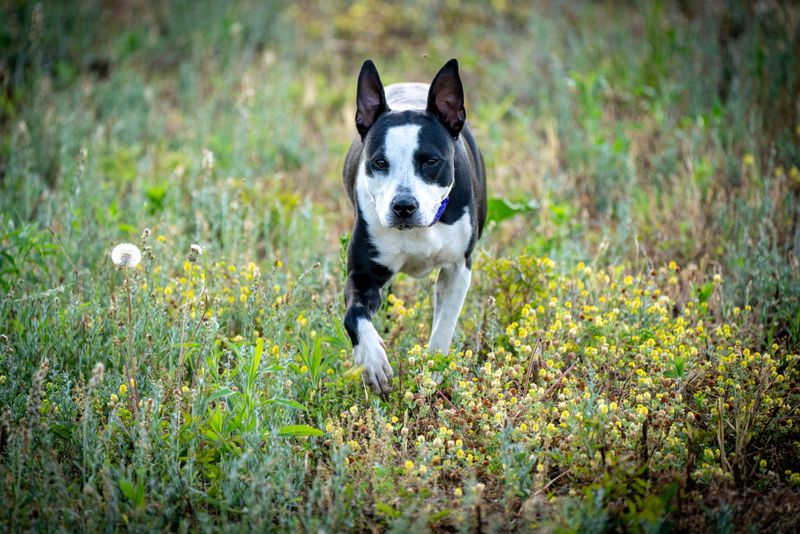
Every game land has its own personality, and its own rules. Dogs are generally allowed on North Carolina game lands, but some tracts set special limits.
For example, DuPont State Forest Game Land restricts dog training and use outside scheduled permit hunts. The Singletary Lake Tract bans using dogs to hunt deer and bear.
Before loading up the car, look up the exact game land you plan to visit. A quick check saves a wasted trip.
2. Read the Latest NCWRC Rules
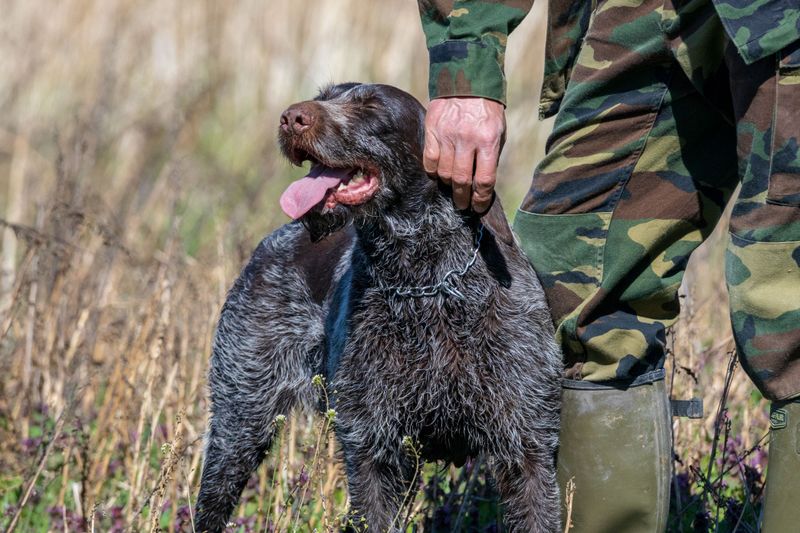
Rules change, and last year’s knowledge may not match this year’s regulations. The North Carolina Wildlife Resources Commission, or NCWRC, sets the rules for game lands.
You can find current details on the NCWRC eRegulations website. The yearly Inland Fishing, Hunting and Trapping Digest also covers dog use, seasons, and access rules.
Bookmark both on your phone. Five minutes of reading before each season keeps your plans current and stress-free.
3. Stick to Open Roads and Trails
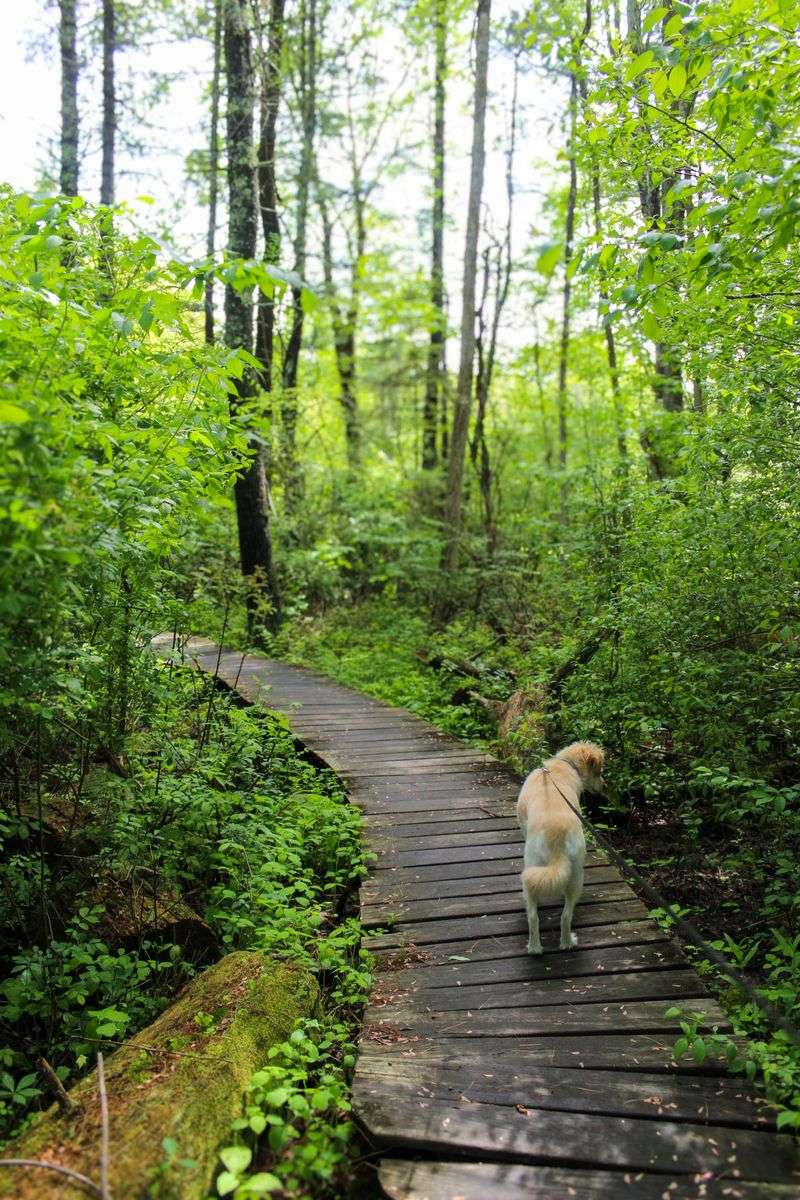
Picture a gravel road winding through tall pines. That kind of posted, maintained route is where you and your dog belong.
Vehicles may only use roads and trails built and marked for them. Hiking and dog walking are generally allowed in designated areas, though rules can vary by tract.
The NCWRC has also discussed a Conservation Access Pass for visitors without hunting or fishing licenses. Check whether any pass applies before you go.
4. Know the Hunting Calendar
Did you know each game land can have its own open days and seasons? Hunting dates often match nearby private land, but special rules may apply.
For instance, Carteret County Game Land has listed a short gun antlerless deer season in October. Other tracts follow different schedules.
Plan quiet walks for days with little or no hunting. Your dog will enjoy a calmer outing, and so will you.
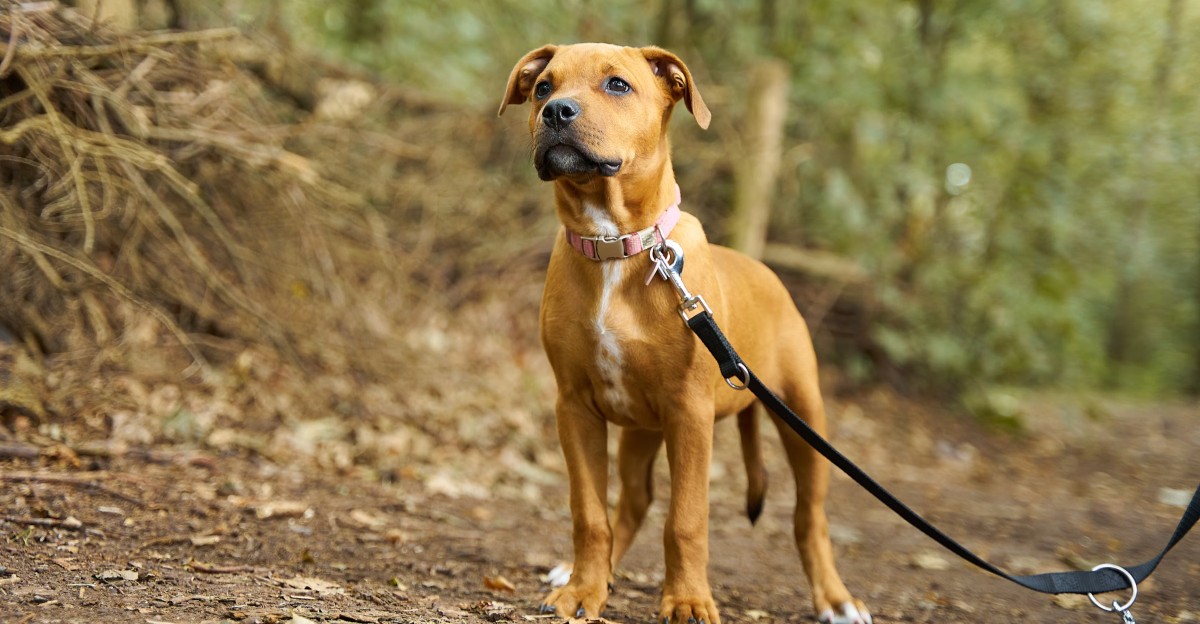
5. Bring a Sturdy Leash
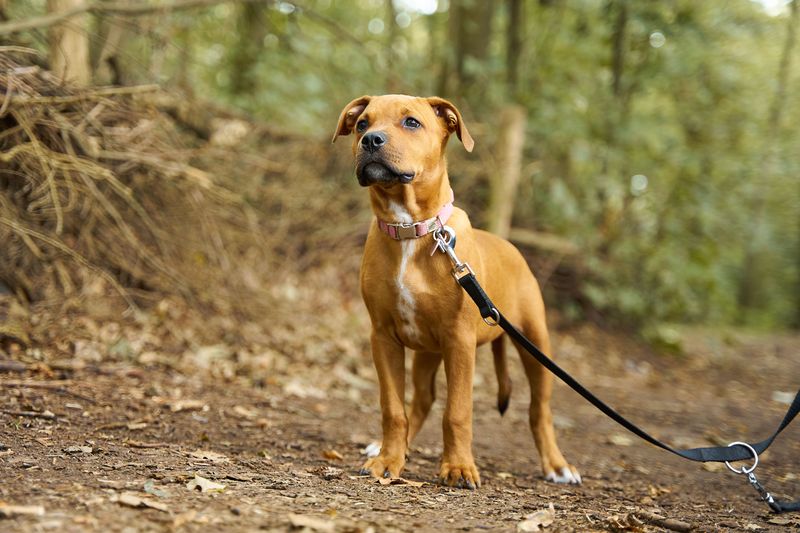
A good leash is your simplest safety tool. North Carolina has no statewide leash law for all pet dogs, yet game lands have seasonal limits.
West of I-95, dogs cannot run unleashed from April 1 through August 15. East of I-95, the window is March 15 through June 15.
Bear Management Areas have longer restrictions.
County or city rules may be stricter. Keeping your dog leashed year-round is the easiest choice.
6. Pack Plenty of Water
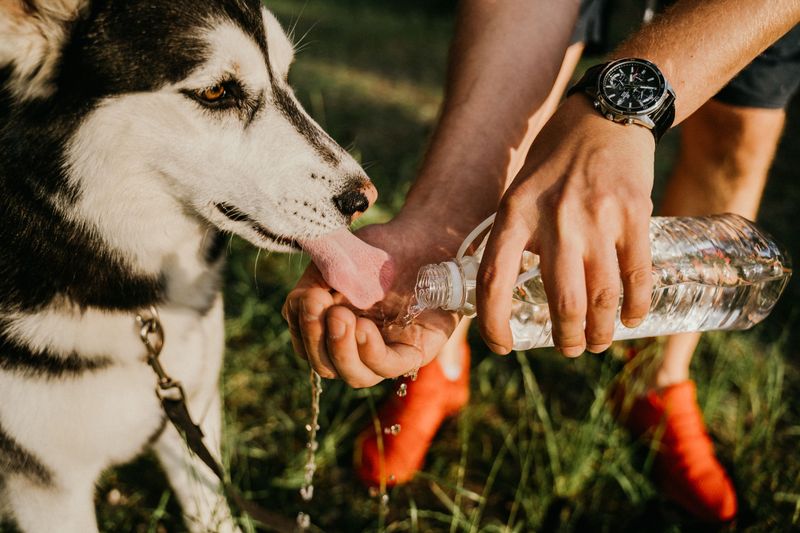
Southern summers can feel like a warm blanket that never comes off. Dogs heat up quickly, especially on long walks or open fields.
Carry more water than you think you need, plus a collapsible bowl. Offer drinks often, even if your dog seems fine.
Watch for heavy panting, slowing down, or stumbling. If you notice these signs, find shade, rest, and contact a veterinarian if your dog does not recover quickly.
7. Leave the Place Cleaner Than You Found It
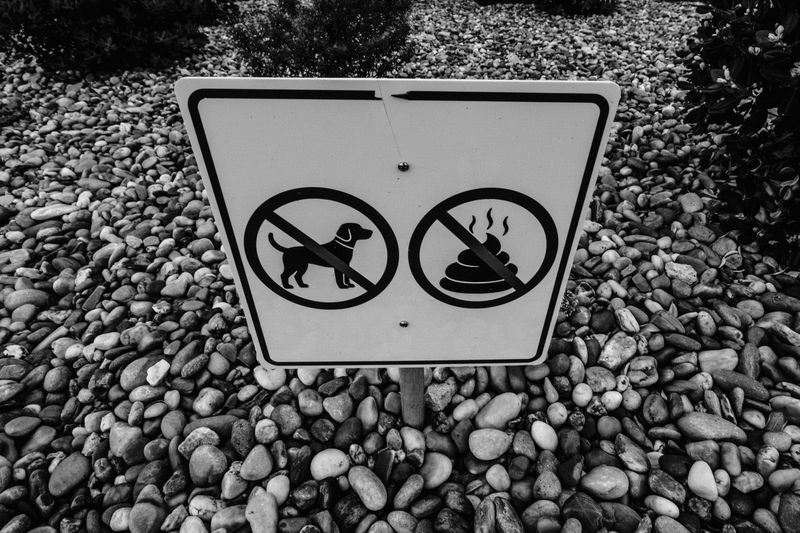
Good neighbors leave no trace. Littering is prohibited on game lands, and dog waste counts unless a proper receptacle is provided.
Bring bags and pack everything out with you. A small zip pouch helps contain odors on the ride home.
Park only in designated spots so you do not block gates or roads. Read posted signs at the entrance, since each game land may have its own extra rules.
8. Scan for Trail Hazards
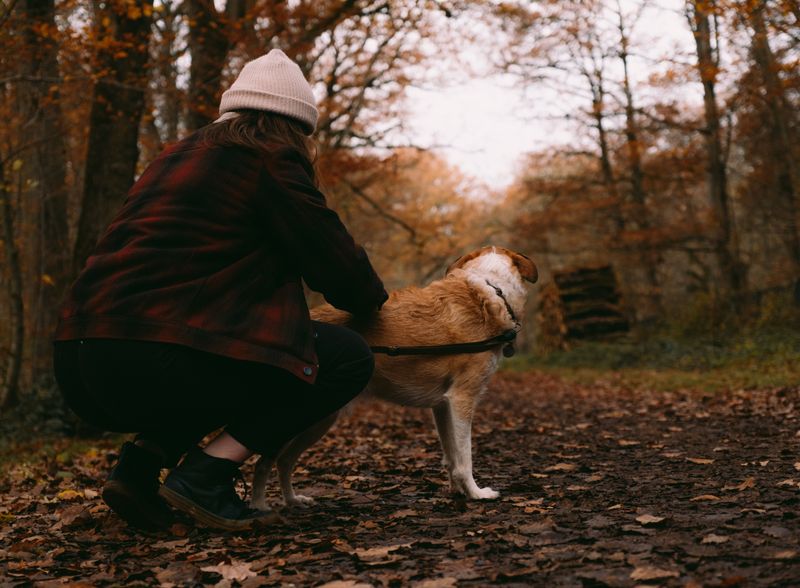
Woods are beautiful, yet they hold surprises. Trapping is allowed in some areas and seasons, so stay alert near brush and water edges.
Hunters may be present during open seasons. North Carolina is also home to venomous snakes and plenty of ticks.
Keep your dog close and away from thick cover. Use a vet-approved tick preventive, and check fur, ears, and paws after every visit.
9. Stay in Charge of Your Pup
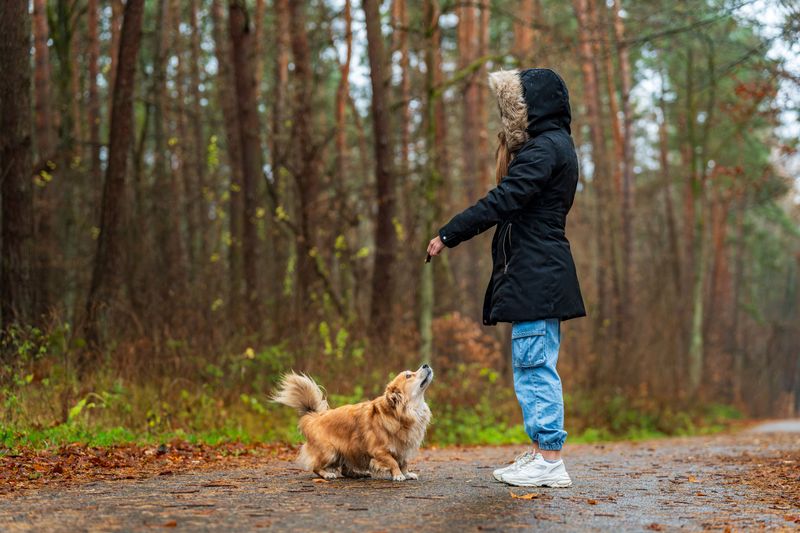
A dog that listens is a dog that stays safe. The NCWRC can impound dogs found running at large without supervision or identification.
Practice recall and leash manners at home before heading out. Reward calm behavior when you meet other visitors.
Good control also prevents run-ins with hunters, wildlife, and other trail users. Everyone enjoys the outdoors more when dogs stay close and relaxed.
10. Let Wildlife Stay Wild
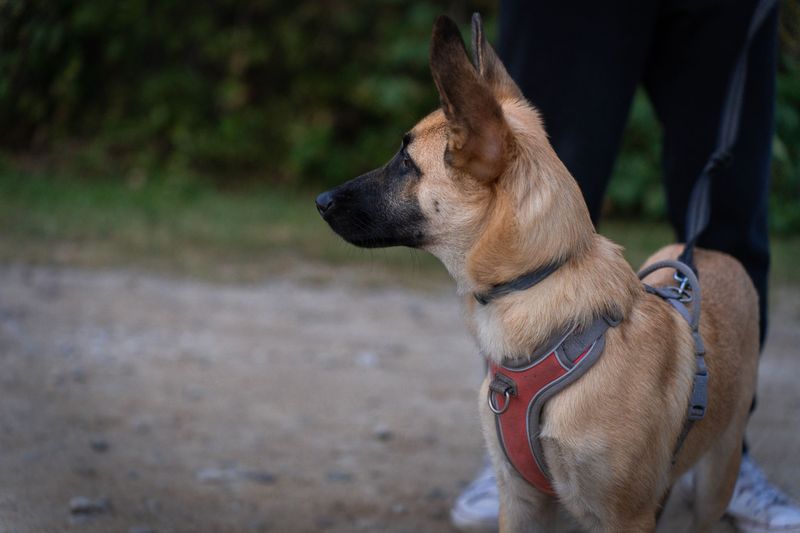
A deer bounding across the path can switch on any dog’s chase instinct. Here, that instinct needs firm limits.
Dogs not under owner control may not chase deer during closed season. A dog that pursues deer or bear on managed areas then may be impounded as a public nuisance.
Disturbing wildlife is generally prohibited on game lands. A short leash and treats help your dog stay focused on you.
11. Confirm Rabies Shots Are Current
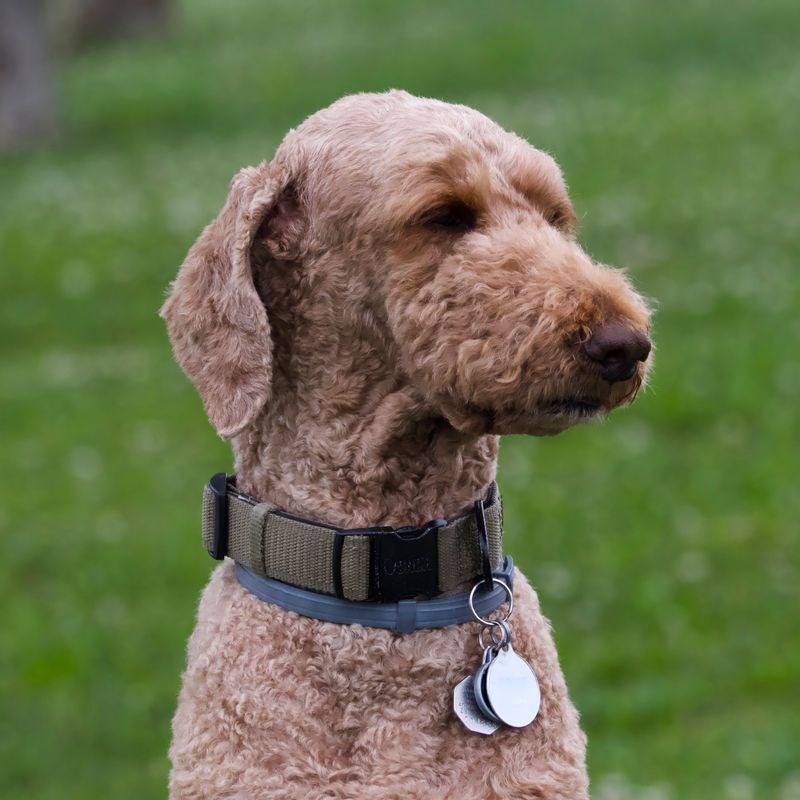
Here is one rule with no wiggle room. North Carolina law requires dogs four months or older to be currently vaccinated against rabies.
A licensed veterinarian or certified rabies vaccinator must give the shot. Your dog must also wear the rabies tag at all times.
Check the date on your paperwork before trip season starts. Booster timing depends on the vaccine, so ask your vet if unsure.
12. Add a Clear ID Tag
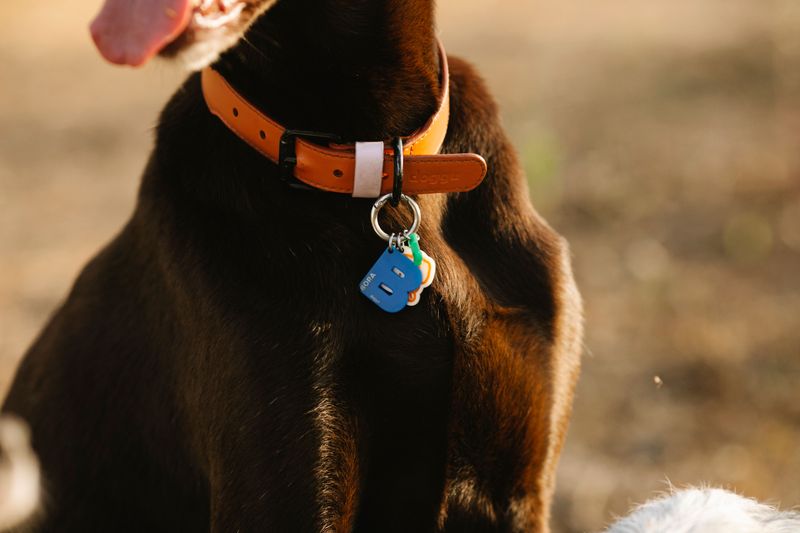
Even careful dogs sometimes wander after an interesting scent. An ID tag is your best ticket to a quick reunion.
Engrave your current phone number on a tag beside the rabies tag. Dogs found without ID on game lands may be impounded.
A microchip adds backup protection. Just remember to update the registry whenever you move or change numbers.
Old information cannot help anyone find you.
13. Get the Right License for Training
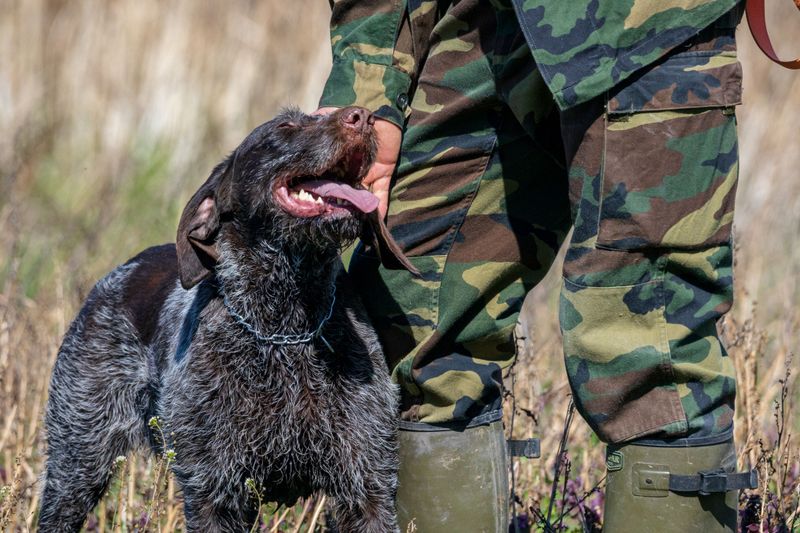
Training a bird dog or hound adds another layer of paperwork. Anyone training dogs using wildlife or joining field trials on game lands needs proper licensing.
A Game Lands License or another license allowing game land use is required. Chasing deer with dogs also calls for a Deer-Dog Use Stamp.
Some field trial judges and participants have exemptions. Confirm details with the NCWRC before your first session.
14. Honor Closed and Restricted Zones
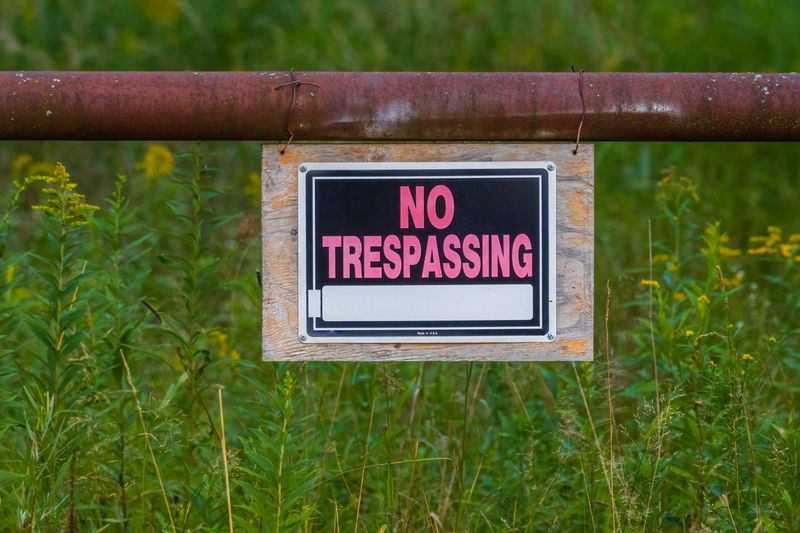
Some gates are closed for good reason. Game lands may include Restricted Zones and Temporary Restricted Zones that need a permit to enter.
Sensitive Habitat Zones can also close for certain seasons. These areas protect nesting wildlife and keep visitors safe.
Review official maps and watch for signs along the way. If a sign says closed, simply turn around and pick another path.
15. Watch the Clock on Day-Use Areas
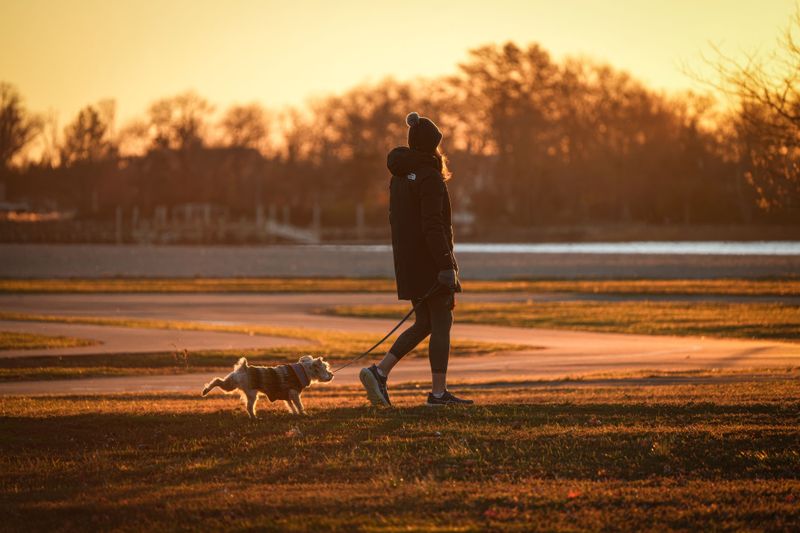
Sunset walks feel magical, but timing matters. Some game land areas are marked as Day Use Only Zones.
Public access in those zones is not allowed from sunset to sunrise. Staying late could lead to a citation.
Check the hours for your chosen game land before you leave home. Setting a phone alarm makes it easy to head back with daylight to spare.
16. Carry an Official Map
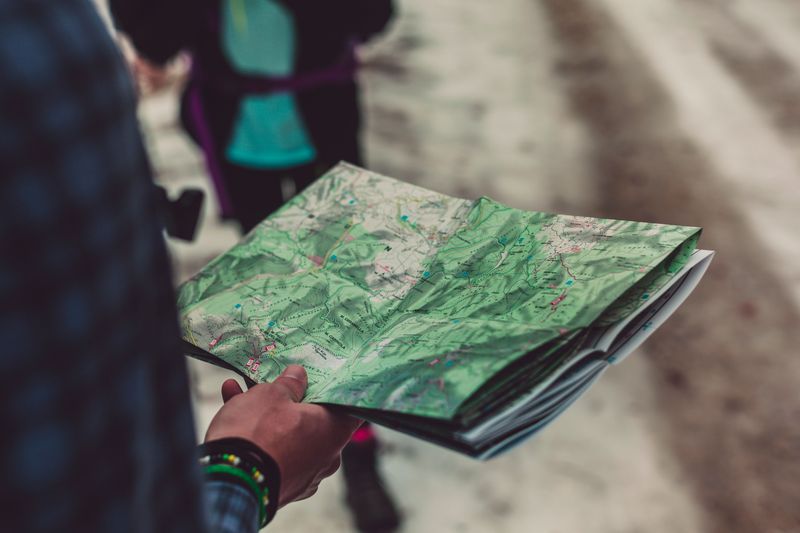
Boundaries in the woods are not always easy to spot. Official NCWRC game land maps online show borders, zones, and special rules.
Private property often sits right next to public land. You are responsible for keeping your dog off neighboring land.
Download the map before you lose cell signal. Paper backups work well too.
Knowing where you are makes the whole walk more relaxing.
17. Go Bright With Blaze Orange
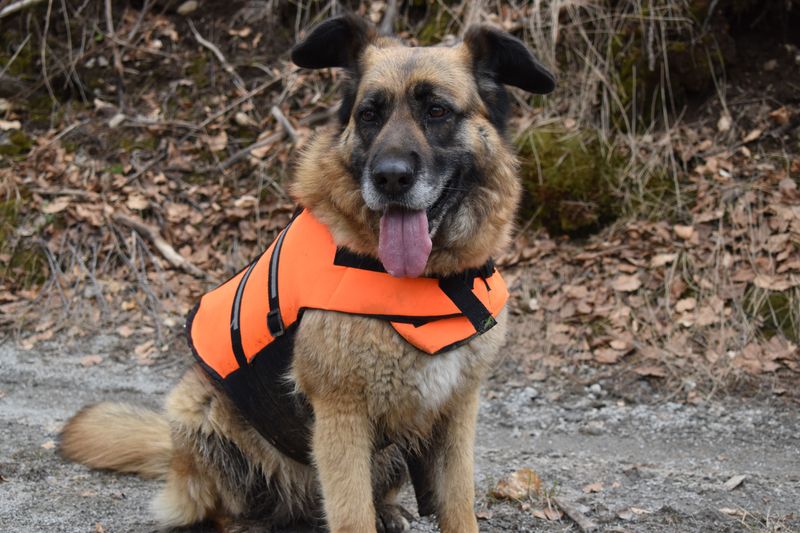
Bright orange is the color of the fall woods for good reason. Many hunters must wear blaze orange visible from all sides.
The NCWRC strongly encourages hikers and other visitors to wear it too during hunting seasons. Your dog benefits from a blaze orange vest or collar as well.
Brown or black dogs can blend into leaves easily. A little color helps everyone see each other clearly.