18 Things Texas Dog Owners End Up Keeping In The Truck Because Heat, Distance, And Sudden Weather Change The Routine
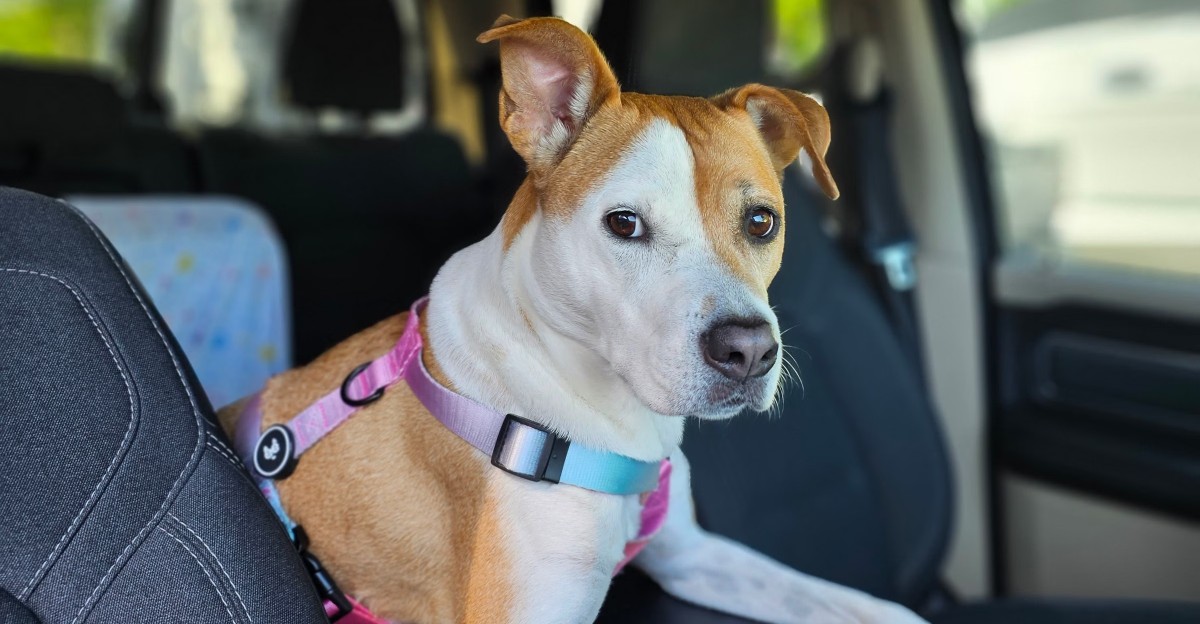
If you drive with a dog in Texas, you already know the weather has its own plans. A sunny morning can turn scorching by noon, and a storm can roll in fast.
Long stretches between towns make a little planning worth it. Here is a friendly look at the gear many local owners keep in the truck, so every trip feels calmer and safer.
1. Fresh Drinking Water
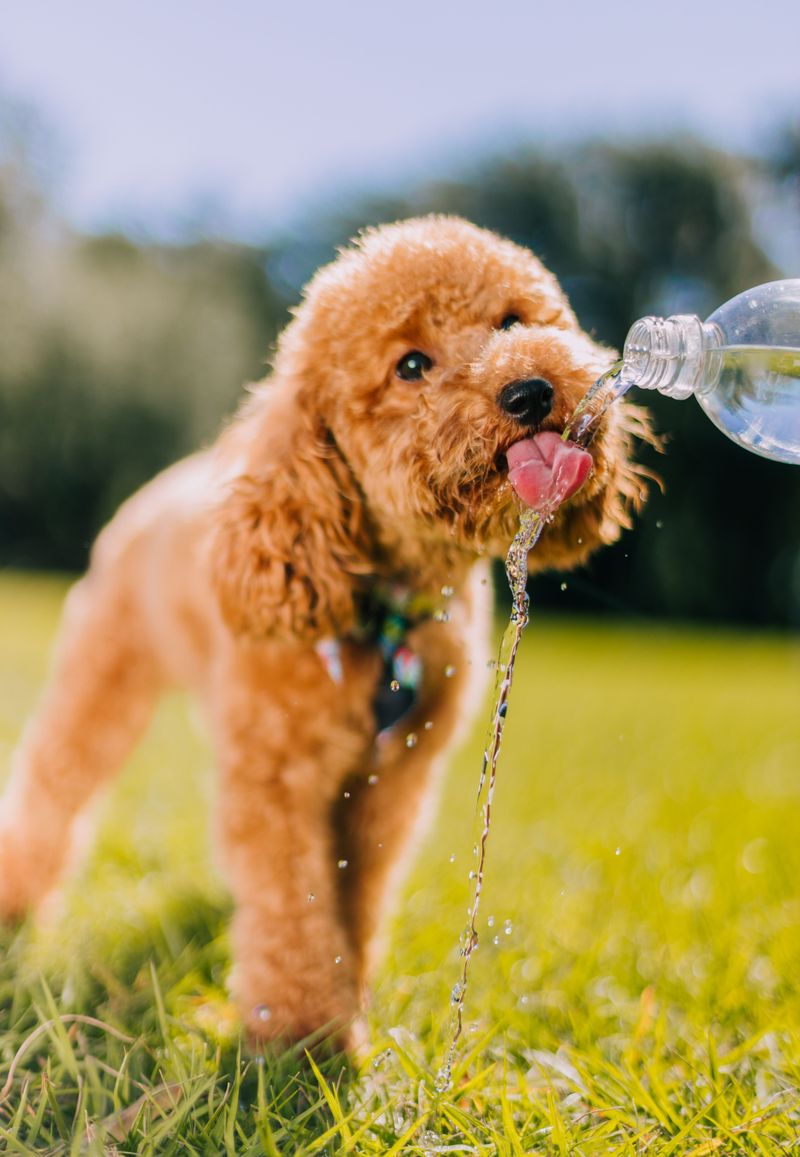
Dogs cool off mostly by panting, not sweating. They only have a few sweat glands, and those sit in their paw pads.
That means water does a lot of the work on hot Texas days.
Keep a few full bottles in the truck at all times. Swap them out often so they stay fresh and clean.
Watch for sticky gums, low energy, or heavy panting. Those can be early signs of dehydration, so offer water and rest right away.
2. Collapsible Water Bowls
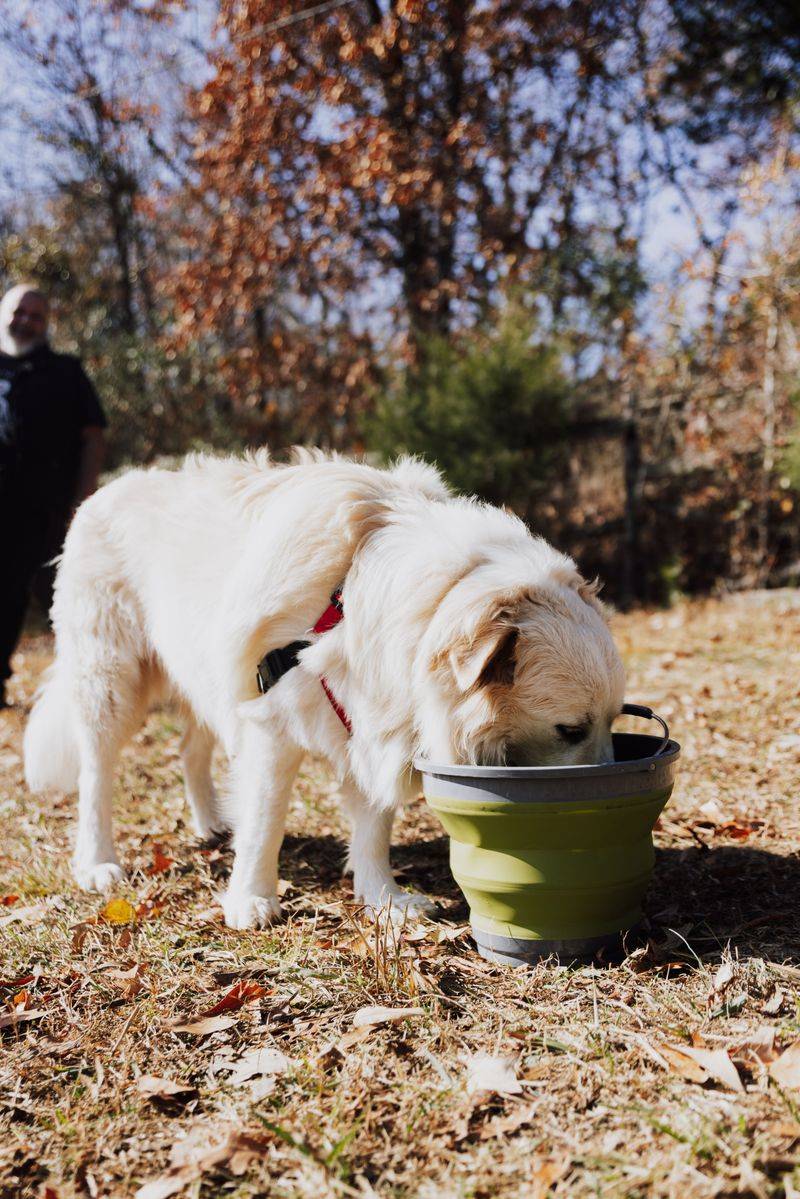
Ever tried giving a thirsty dog water from your cupped hands? It works, but not very well.
A collapsible bowl folds flat and tucks into a door pocket or glove box. Many clip right onto a leash, too.
Food-safe silicone is a popular choice. It bends without cracking and wipes clean in seconds.
Plastic can crack over time and may hold onto bacteria. Keep two bowls, one for water and one for food.
3. Insulated Water Jugs
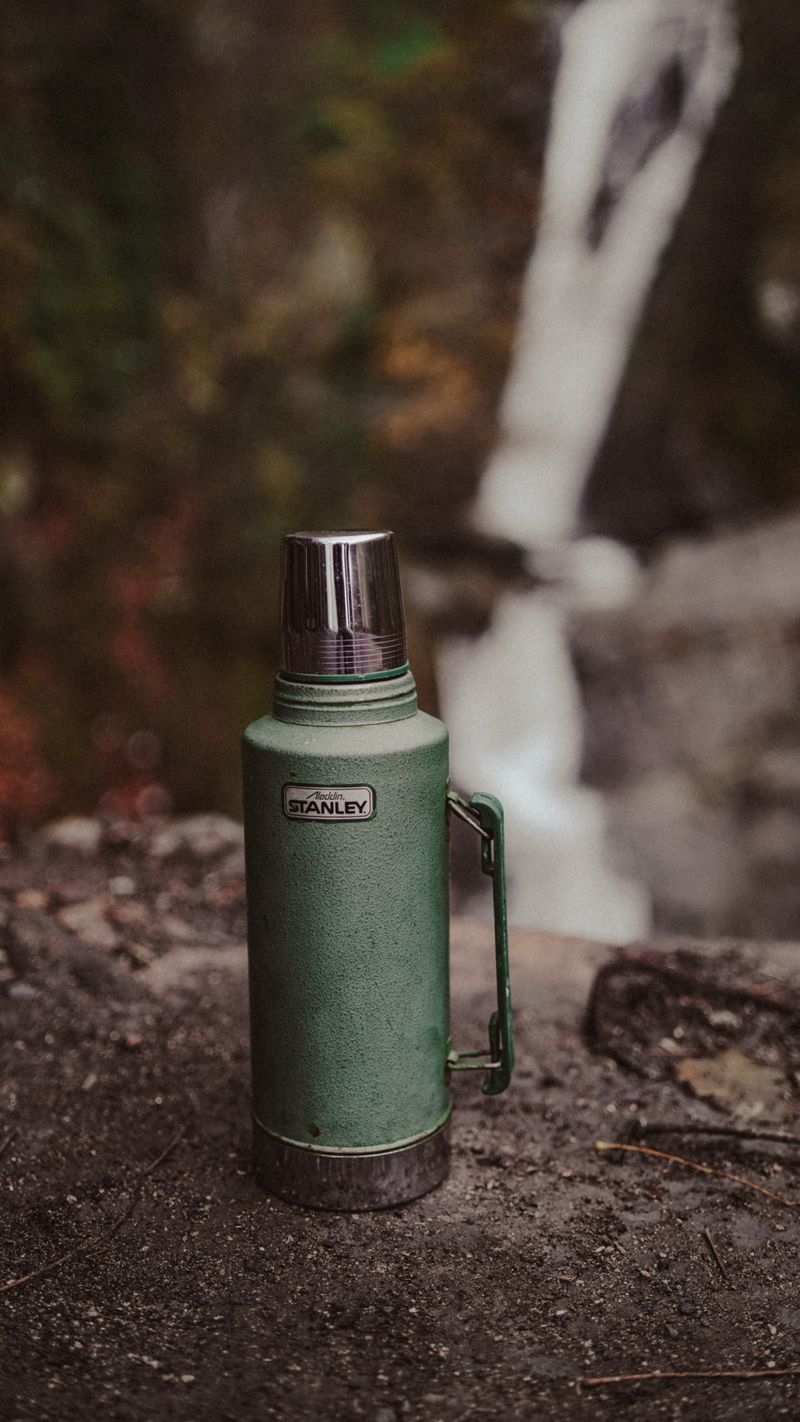
Here is a small surprise many owners learn the hard way. A plastic water bottle left in a Texas truck can get warm fast.
An insulated jug keeps water cooler for hours. That makes a big difference after a long hike or a hot errand run.
Fill it with cold water before you leave home. Toss in some ice on extra hot days.
Rinse it out regularly so it stays fresh and safe for your pup.
4. Vehicle Window Sunshades
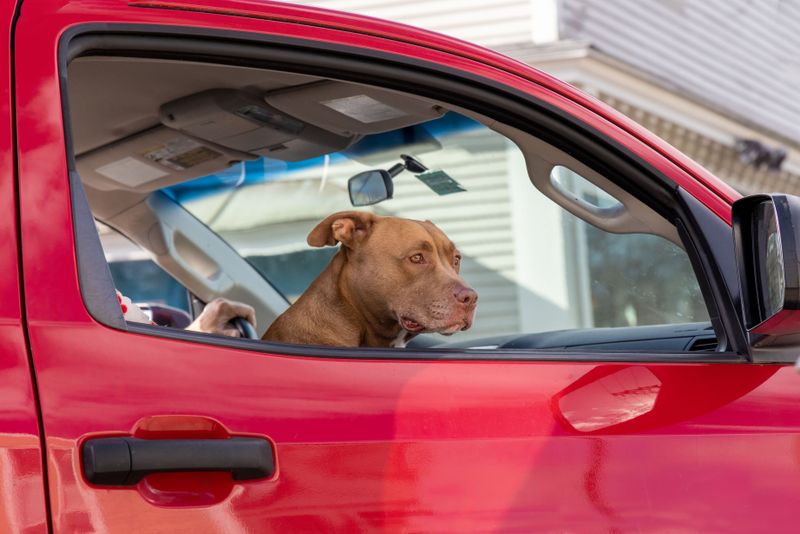
Window shades are helpful, but they are not a parking plan. Even with windows cracked, a parked vehicle in Texas heat can turn dangerous within minutes.
Shades do keep sunlight off your dog while driving. They also help the cabin warm up a little slower.
Texas law gives some people protection for rescuing pets from hot cars in certain cases. Details vary, so check local rules.
The safest habit is simple: bring your dog with you.
5. Battery-Powered Fans
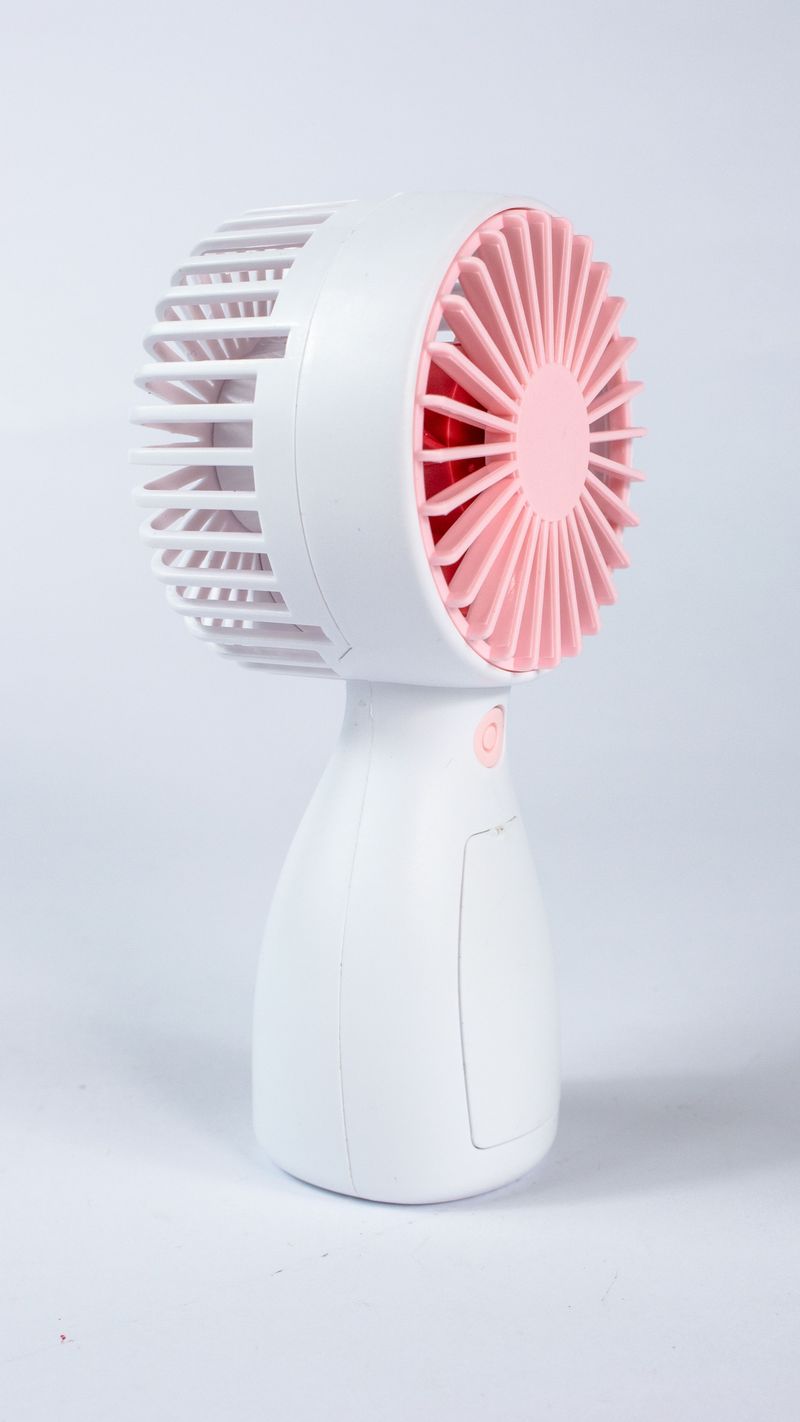
Airflow matters more than people think. A little breeze helps a panting dog feel much more comfortable on the road.
Small battery fans clip onto a crate door or headrest. Rechargeable ones can plug into the truck while you drive.
Treat a fan as an extra, not a cooling system. It helps while the air conditioning runs and you are nearby.
Keep cords and blades out of reach of curious noses.
6. Dog Seat Belt Harnesses or Secured Crates
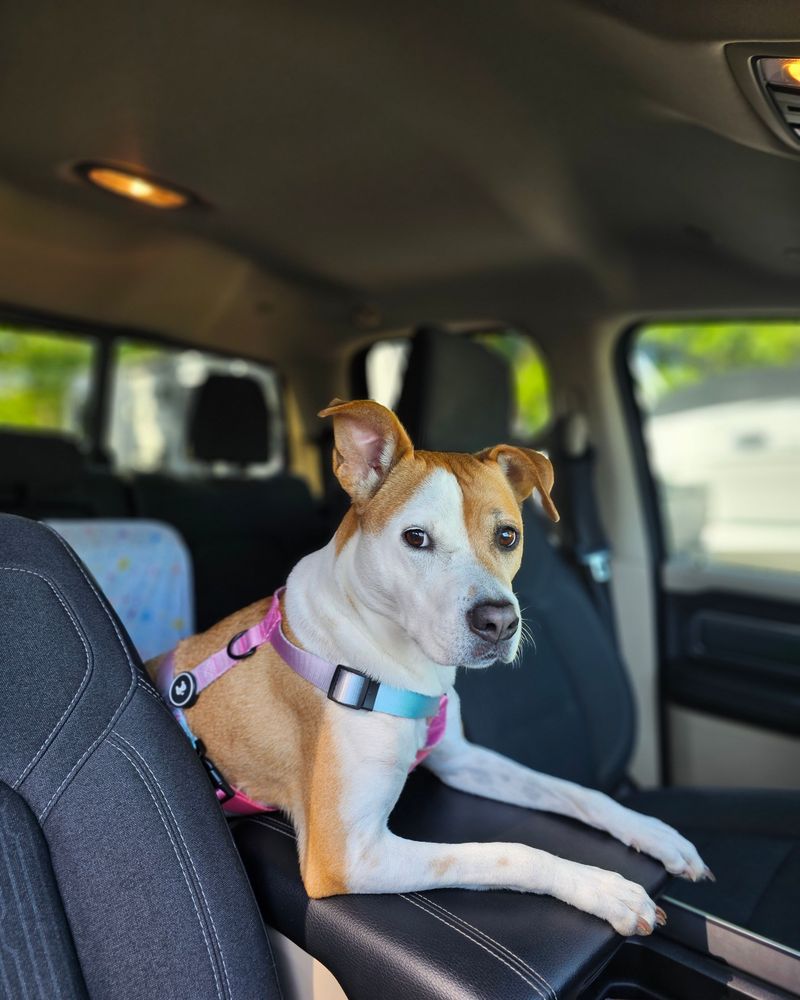
A sudden stop on a Texas highway can send a loose dog flying forward. Restraints help protect your pup and keep you focused on the road.
Look for crash-tested harnesses that connect to seat belts. Travel crates should be secured with strength-rated straps.
The back seat is safer, since front airbags are built for people. Cargo anchors may not handle crash forces, so check with your vehicle maker before relying on them.
7. Spare Leashes and Collars
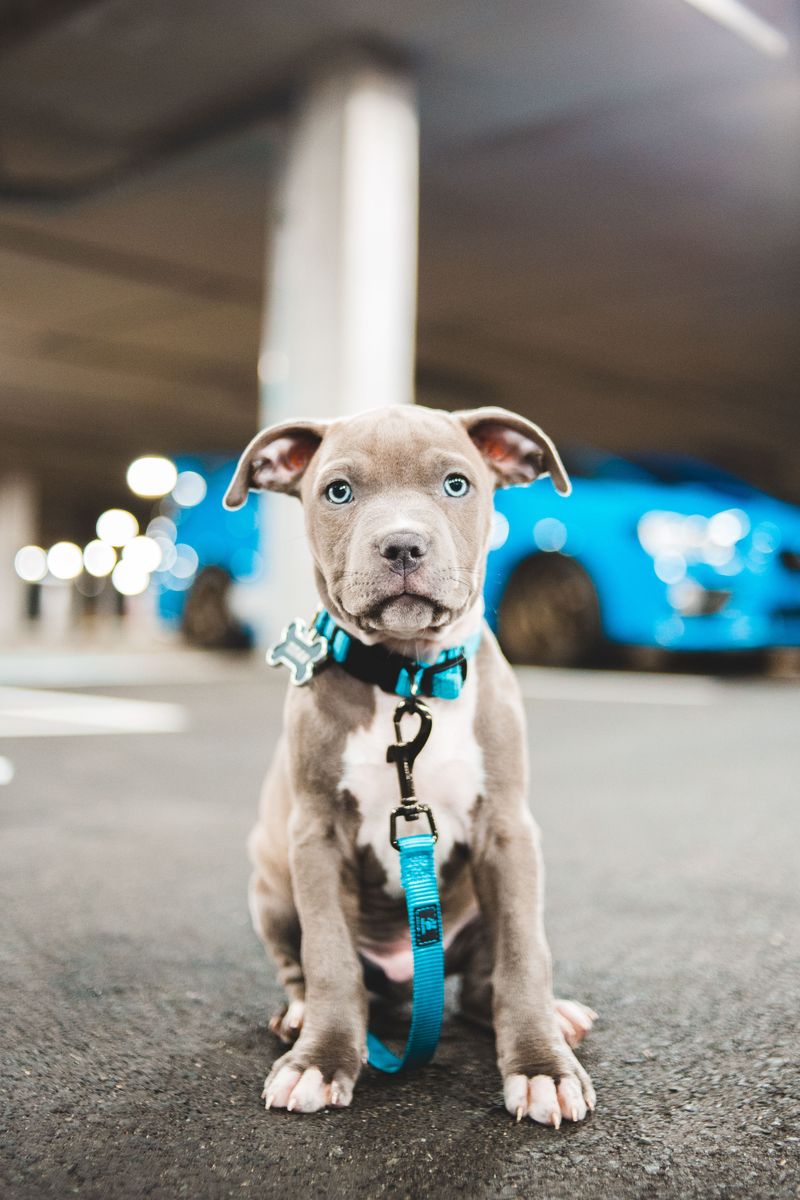
Clips snap, buckles crack, and nylon frays. Gear always seems to fail at the worst moment, usually far from home.
A spare leash and collar in the truck means you are never stuck. It also helps if you pick up a lost dog along the way.
Inspect gear about every six months. Active dogs may need new gear every six to twelve months.
Replace anything with loose stitching or worn hardware right away.
8. Identification Tags and Emergency Contact Information
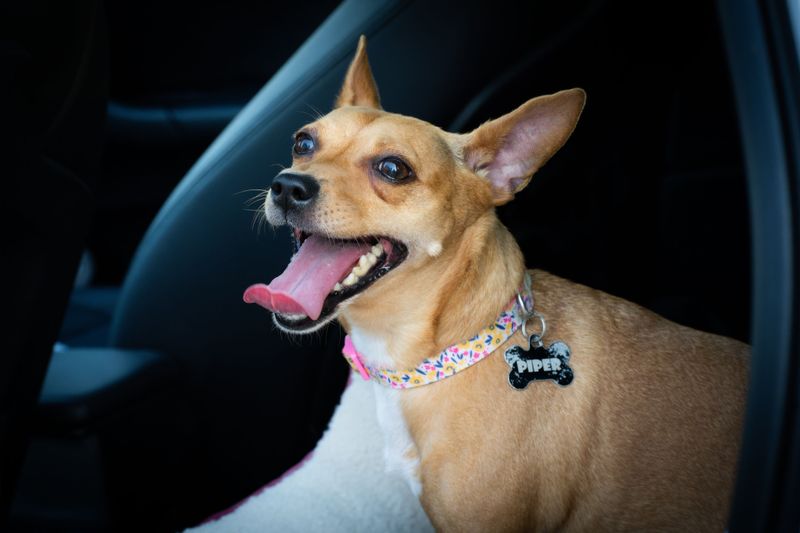
Scared dogs sometimes bolt during storms or roadside stops. Good ID is your best way home.
Texas requires rabies vaccination for dogs by 16 weeks of age. Many cities also require licensing, and some want tags on the collar.
Rules and fines vary by city, so check with local animal services.
A registered microchip adds backup. Your tag should list your name and phone number.
Keep chip records updated.
9. Dog First Aid Kits
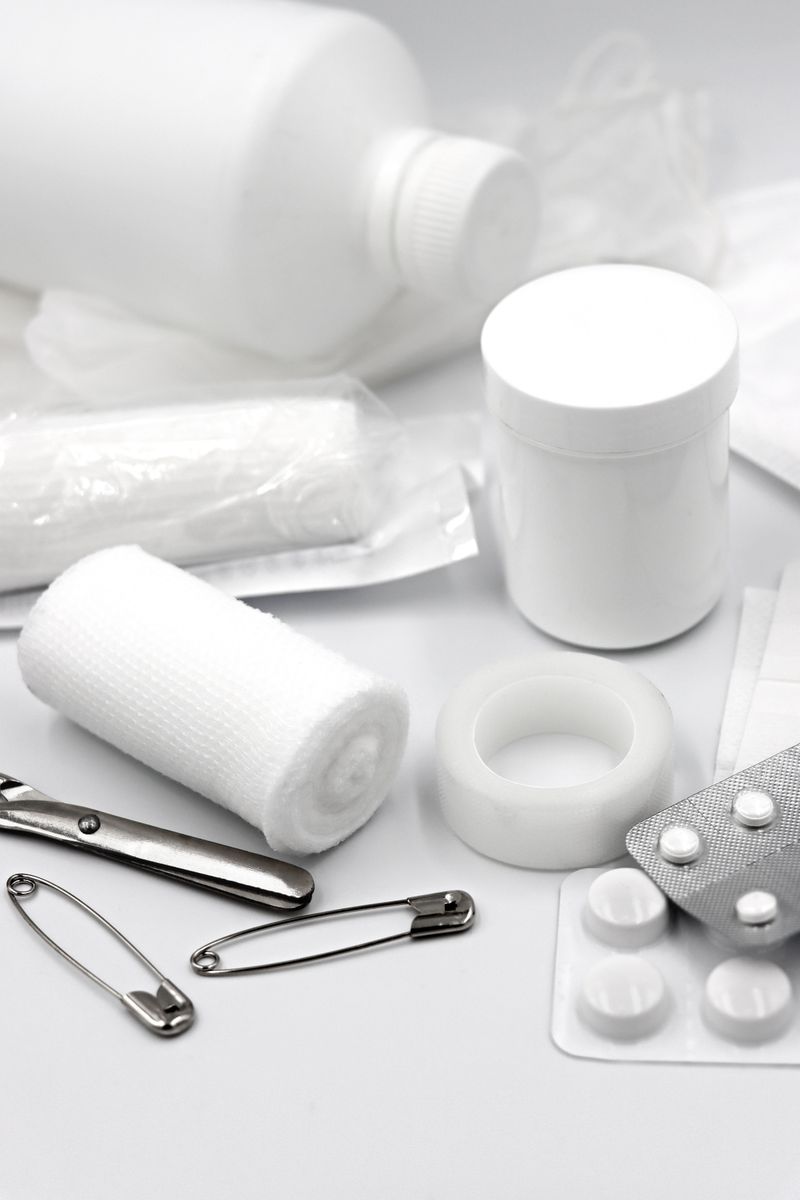
Cactus spines, sharp rocks, and fire ant mounds are all part of Texas life. Small injuries happen, even on easy outings.
A dog first aid kit helps you handle minor cuts, scrapes, and paw problems. Include gauze, self-stick wrap, tweezers, and a saline rinse.
Ask your vet what else to add for your dog. Never give human medicine without vet approval.
Some common pain relievers are unsafe for dogs.
10. Extra Dog Food and Treats
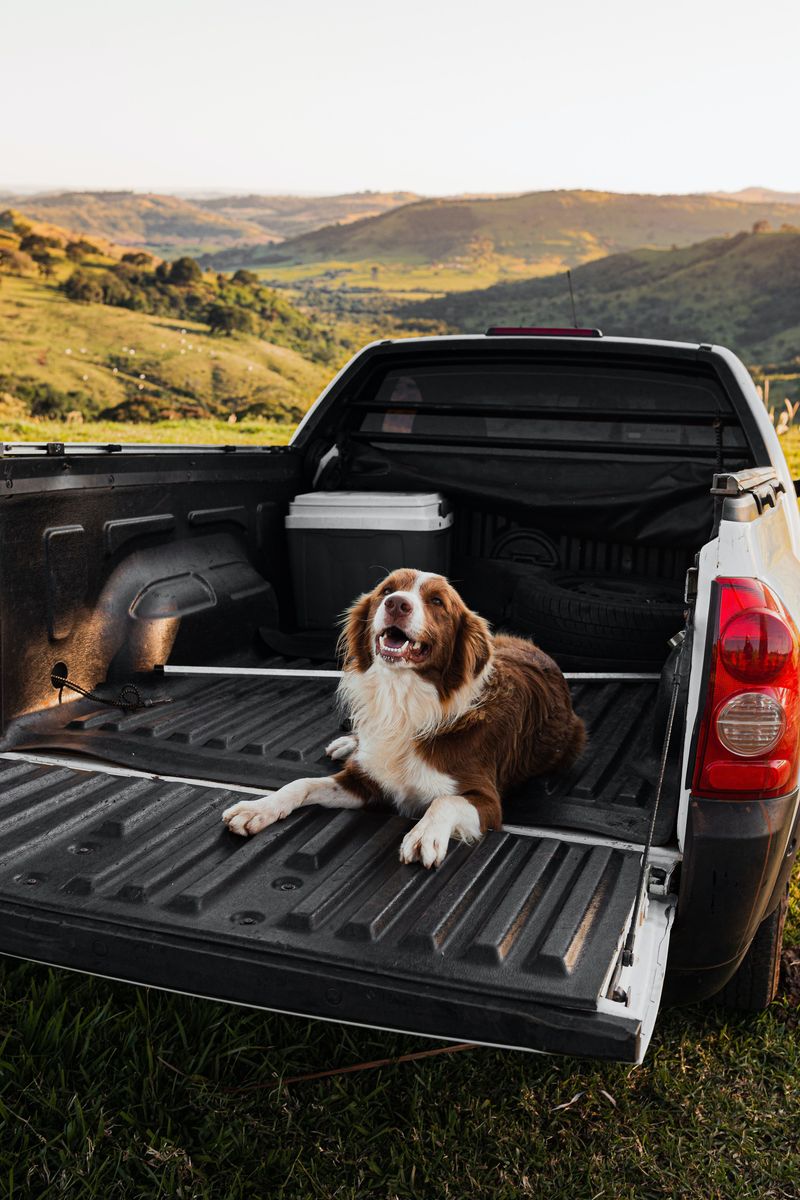
Road closures, flat tires, and long detours can turn a short drive into an all-day trip. A hungry dog makes waiting harder for everyone.
Pack a day or two of food in an airtight container. Add a few favorite treats for comfort and good behavior.
Heat can spoil food, so avoid storing it in direct sun. Swap the supply every few weeks.
Dry kibble usually travels better than wet food.
11. Essential Medications
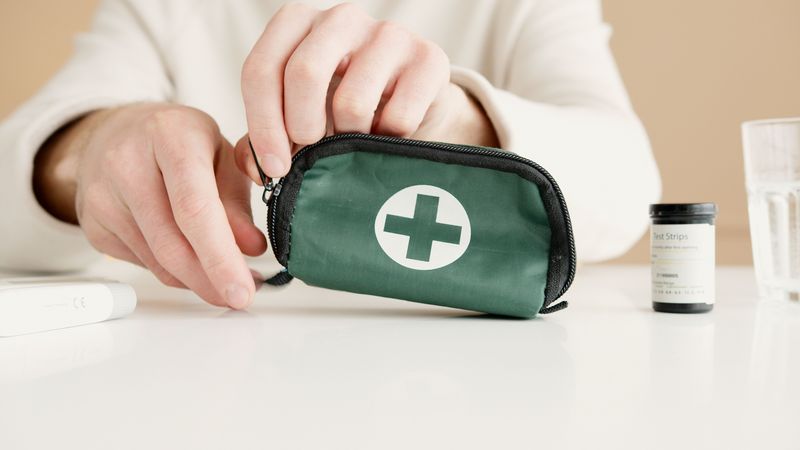
Missing a dose is easy when plans change. A small travel pouch keeps your dog’s routine on track.
Pack a few days of any daily medicine. Keep a copy of prescriptions too, in case you need a refill away from home.
Many medicines are sensitive to heat. Ask your vet or pharmacist how to store them.
Often, a cool bag you bring inside is better than the glove box.
12. Protective Paw Booties
Try the seven-second test. Press the back of your hand to the pavement.
If you cannot hold it there, it is too hot for paws.
Asphalt can reach about 125 degrees on a 75 degree day. It gets even hotter in summer, and burns can happen quickly.
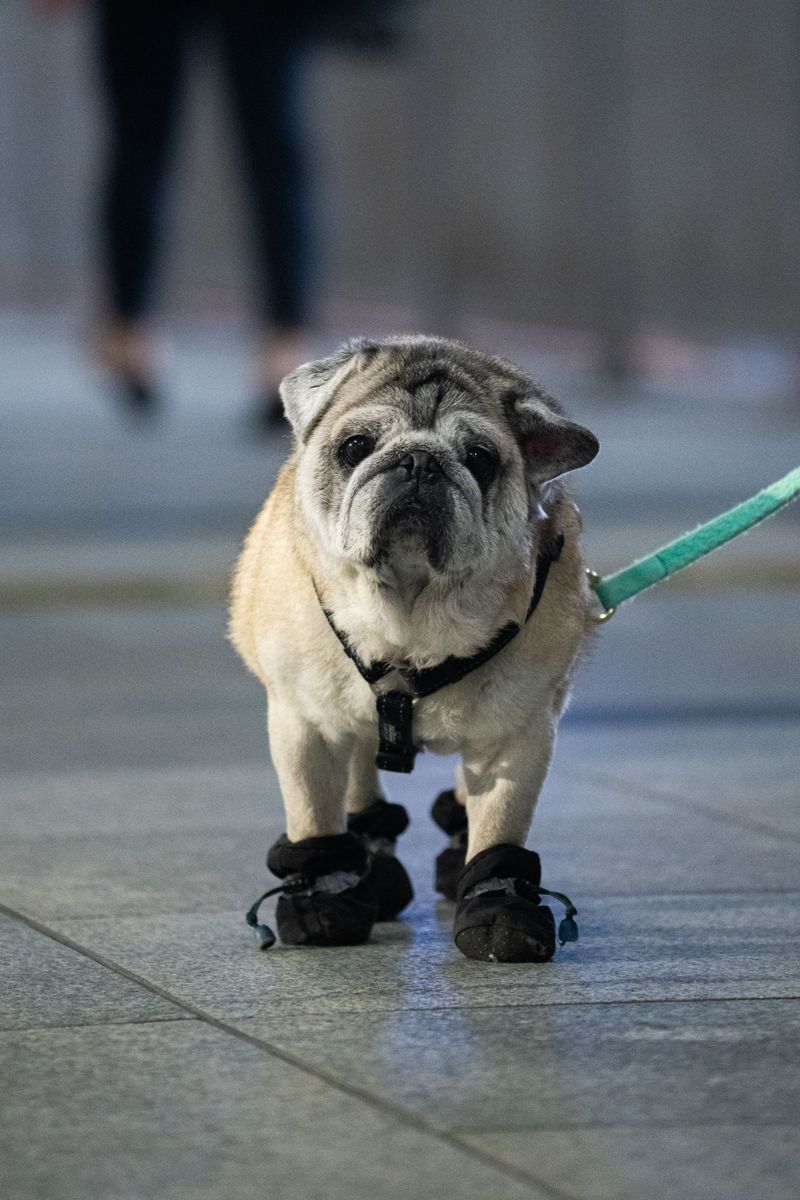
Booties make a strong barrier against heat and rough ground. Paw wax helps a bit, but needs frequent reapplying.
Practice booties at home first.
13. Absorbent Towels
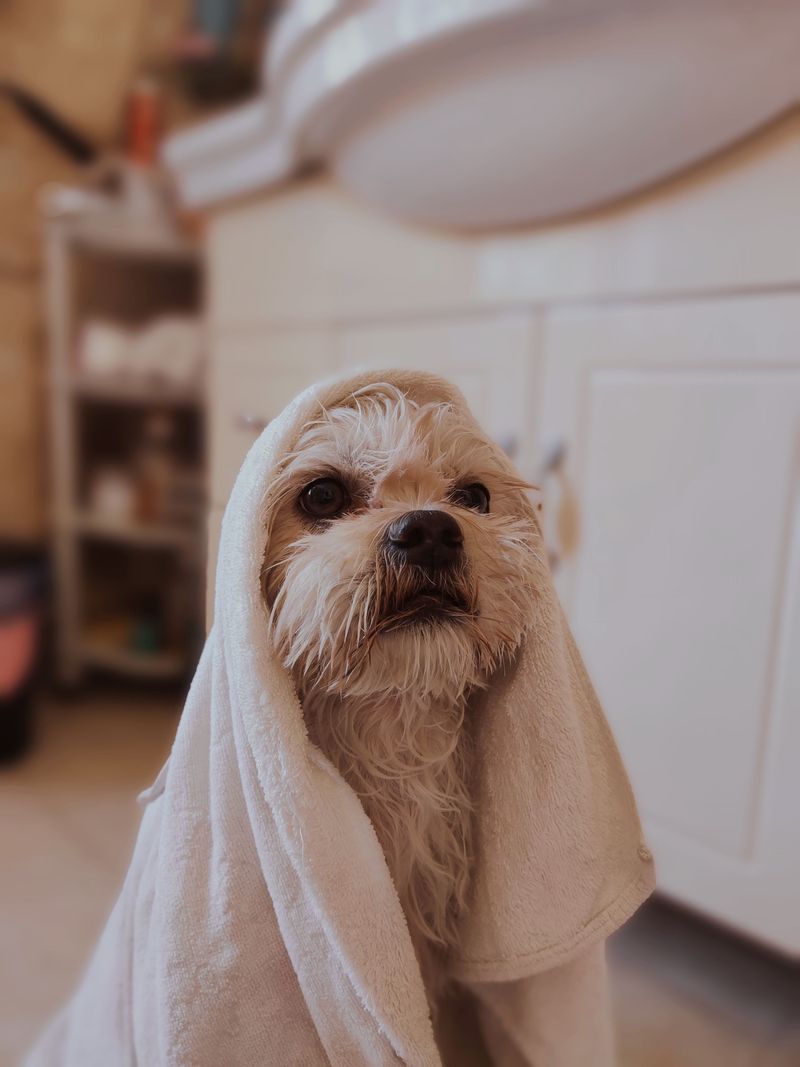
Muddy creek visits and surprise puddles are part of the fun. The cleanup afterward does not have to be.
Microfiber towels soak up water fast and dry quicker than cotton. They fold small, so a few fit under any seat.
Here is a handy bonus. Soak one in cool water and drape it over your warm dog.
Never wrap it tightly, since loose fabric lets heat escape better.
14. Waterproof Dog Raincoats
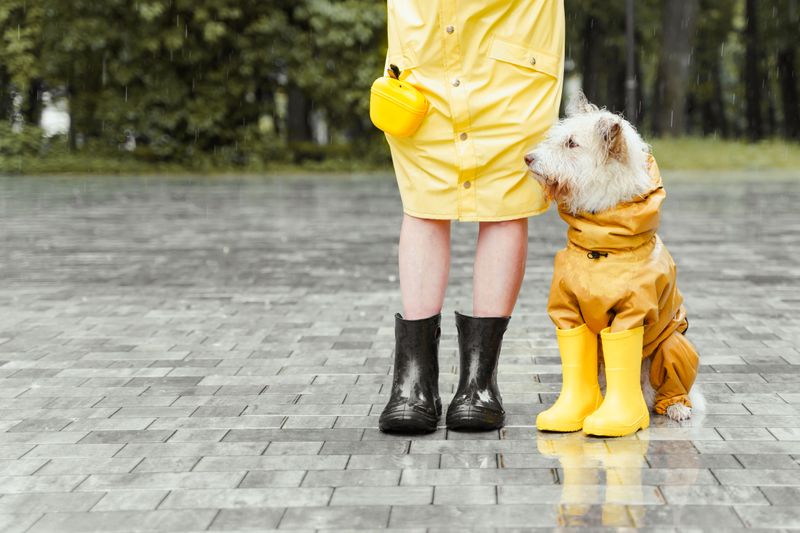
Texas skies can flip from blue to gray in under an hour. Spring storms especially like to surprise people.
A waterproof raincoat keeps your dog drier on bathroom breaks. It also means less wet fur soaking your seats.
Choose a coat with reflective trim and an easy fit. Short-haired and small dogs often appreciate one most.
Let your pup wear it indoors a few times before the first storm.
15. Warm Blankets
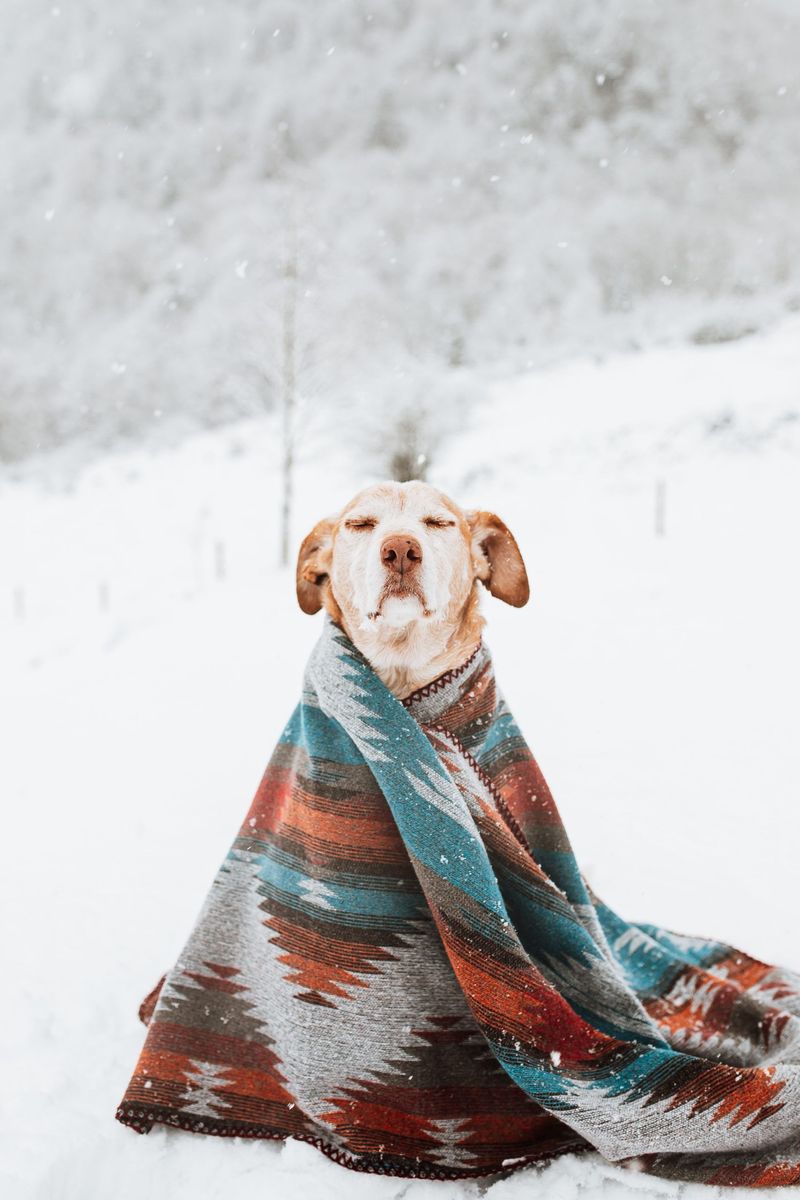
Yes, Texas gets cold. A blue norther can drop temperatures sharply in just a few hours.
A warm blanket gives your dog a cozy spot during those chilly surprises. It also cushions hard seats and truck beds.
Some blankets double as seat covers that block hair and scratches. Pick something washable.
Many dogs relax more on travel days when the blanket smells like home.
16. Waste Bags
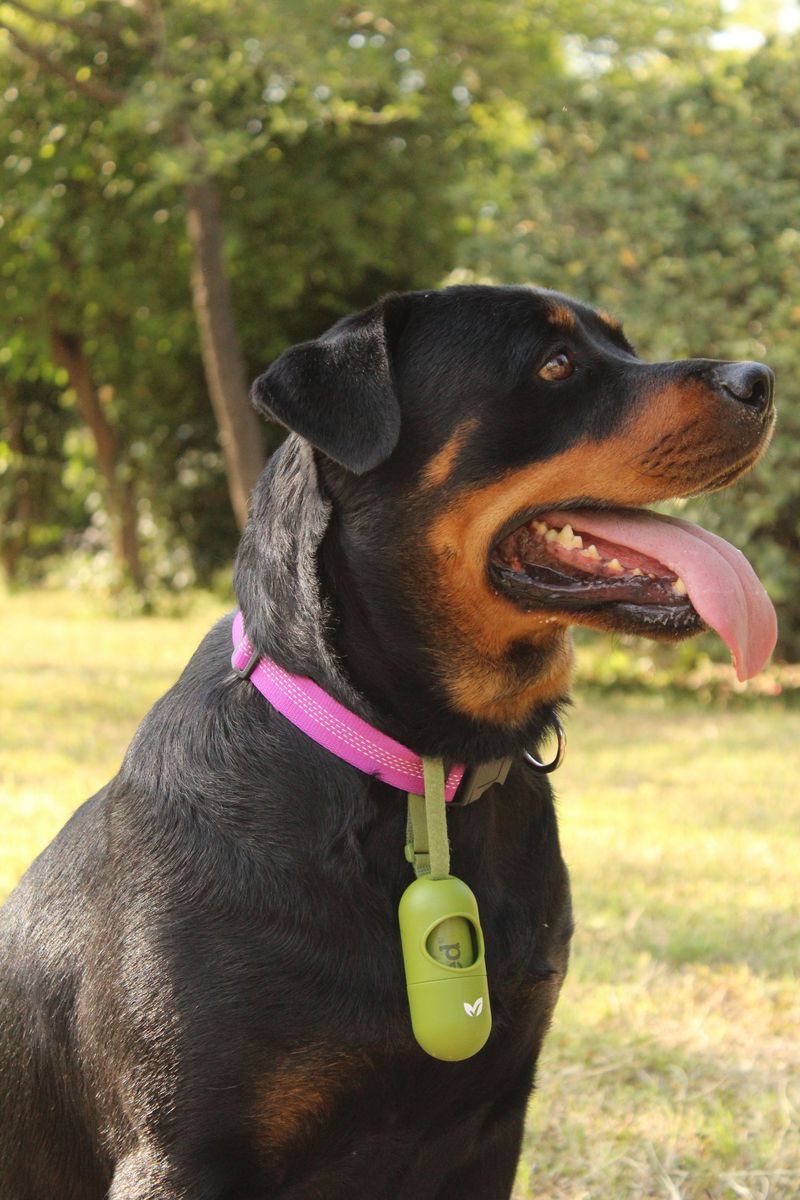
Nobody loves this chore, but every good neighbor does it. Many Texas cities require owners to pick up after their dogs.
Rules and fines differ by city, so check your local code. Rest stops and parks often post their own signs too.
Pet waste can carry germs and parasites. It can also wash into creeks and lakes.
Stash extra rolls in the truck, and toss bags in a trash can.
17. Reflective Collars and Safety Lights
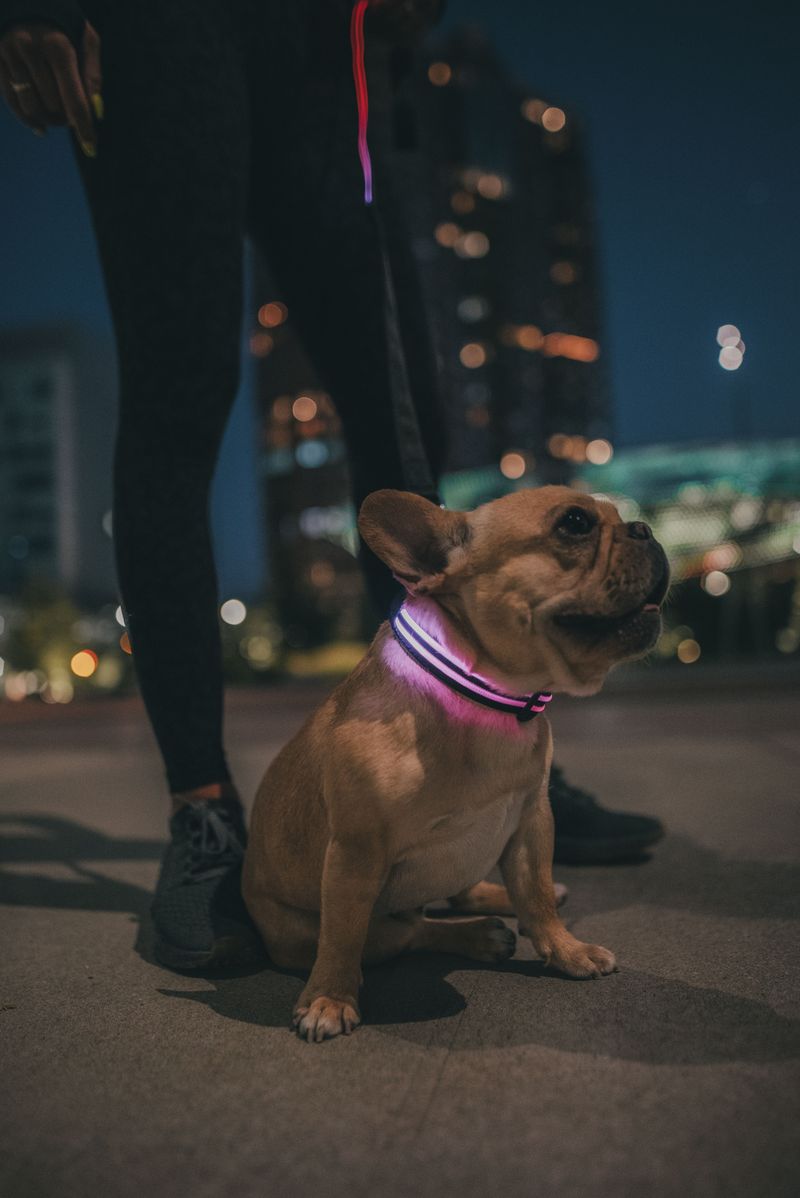
Country roads get very dark after sunset. Many owners walk early or late to avoid the heat, too.
Reflective collars shine when headlights hit them. LED collars make their own light, so they work even without passing cars.
USB-rechargeable lights are easy to top off in the truck. A small clip-on light works on any collar.
Your dog will be easier to spot from far away.
18. Emergency Veterinary Contact Information
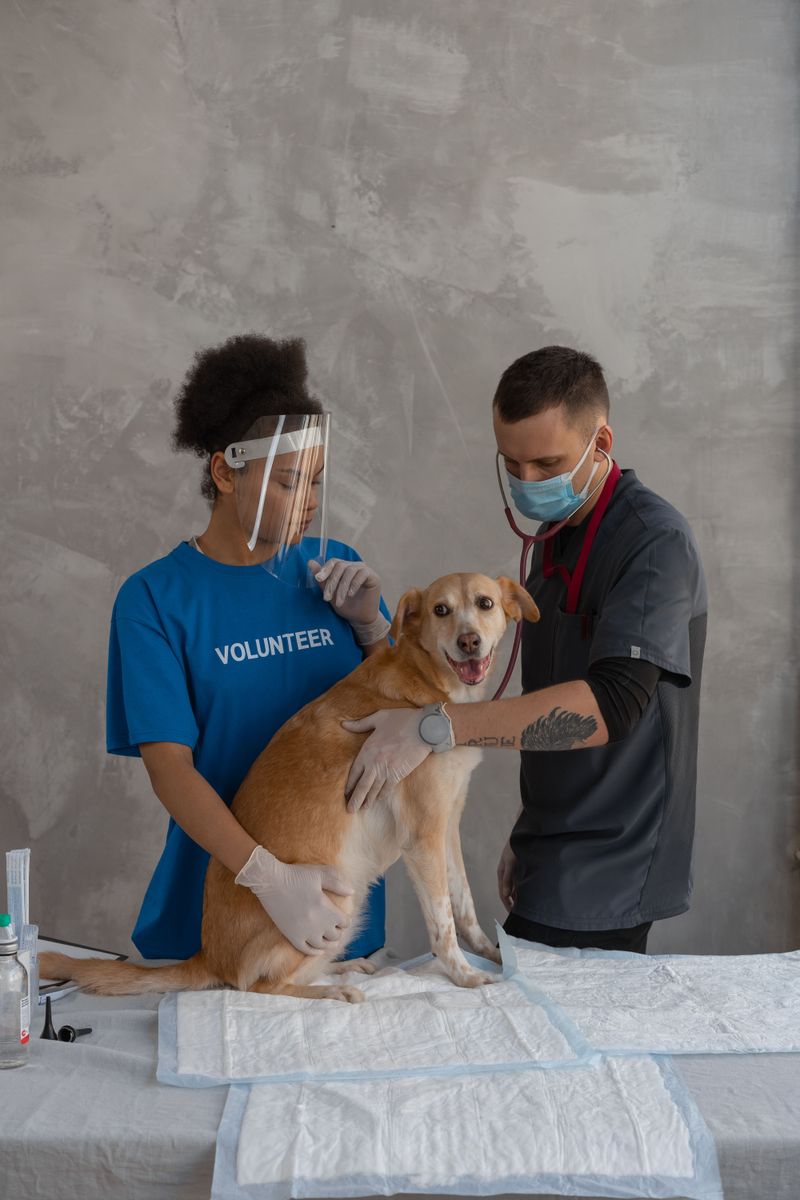
Cell signal can fade on long Texas drives. A written list is a quiet backup that never needs charging.
Write down your regular vet’s number and address. Add emergency clinics along routes you travel often.
Tape the card inside your visor or glove box. Save the numbers in your phone too.
Before a long trip, look up clinics near where you will stay. Calm planning beats a frantic search.