Why Alabama’s Long Mosquito Season Raises The Stakes For Heartworm Prevention In Dogs

Life with a dog in Alabama often means backyard play, shady walks, and plenty of warm afternoons. That same warmth gives mosquitoes more chances to spread heartworms, even when summer seems far away.
You can protect your dog without giving up the outdoor time you both enjoy. A steady prevention routine, regular testing, and a few simple yard habits can make a real difference.
1. Warm Weather Gives Mosquitoes a Longer Season
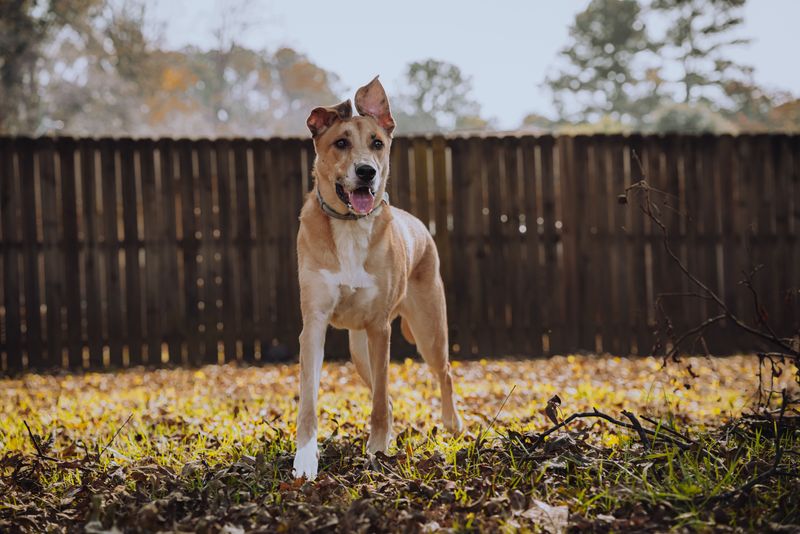
A sunny afternoon in November can feel like a bonus walking day for Alabama dog owners. Warm spells also mean mosquitoes may remain active beyond the summer months.
Their season varies with local temperatures, rainfall, and the mosquito species nearby.
There is no dependable statewide date when every mosquito disappears. Instead of guessing from the calendar, follow your veterinarian’s prevention plan throughout the year.
That steady approach helps cover Alabama’s unpredictable changes in weather each season.
2. More Active Months Create More Exposure Opportunities
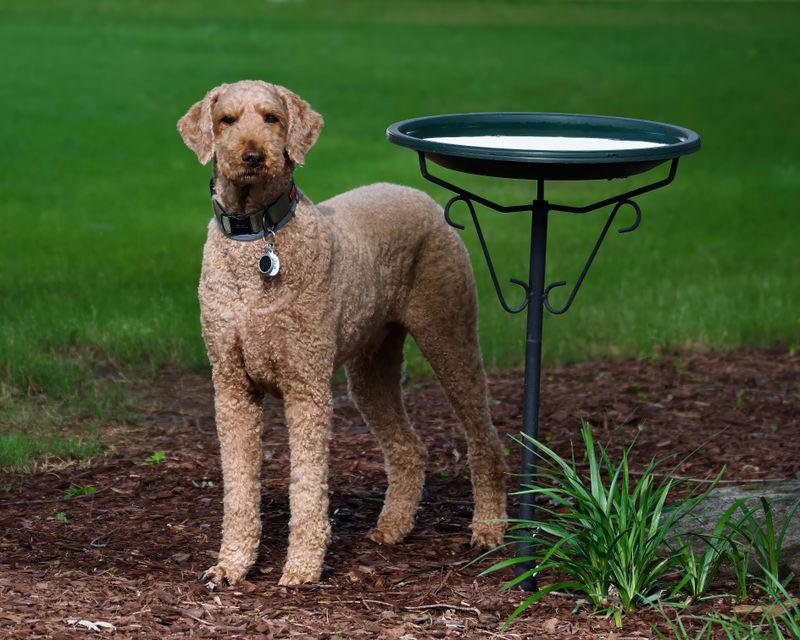
For dogs, repeated mosquito encounters matter more than whether a particular afternoon feels especially buggy. Alabama’s long warm season creates many opportunities for bites during walks, bathroom breaks, and backyard visits.
Rain and nearby breeding sites can increase local mosquito numbers.
Risk is not identical across every neighborhood or county. However, a quiet yard does not guarantee protection from infected mosquitoes.
Build your routine around consistent prevention rather than how many insects you happen to notice.
3. A Mosquito Bite Can Carry Heartworm Larvae
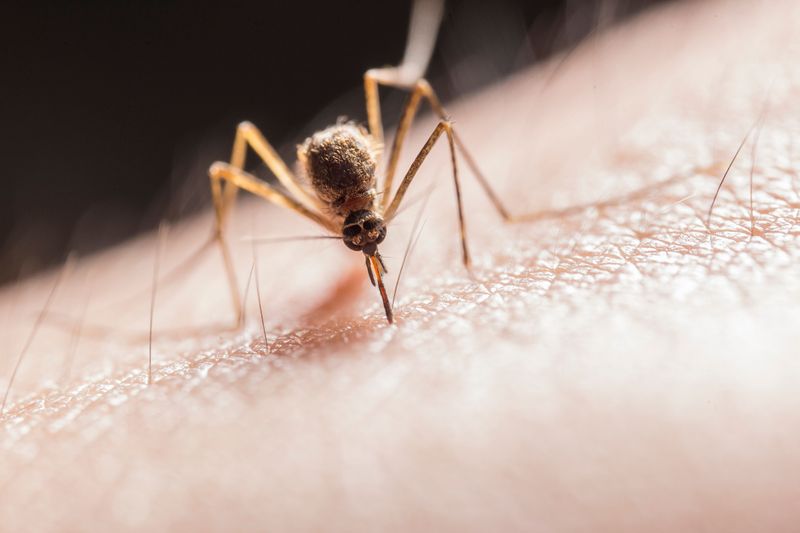
The process begins when a mosquito feeds on an animal carrying immature heartworms in its blood. Those young parasites develop inside the mosquito before they can infect another animal.
During a later bite, infective larvae can enter a dog.
Over several months, worms mature and settle mainly in blood vessels serving the lungs. Dogs cannot catch heartworms through shared bowls, play, or ordinary contact.
Prevention targets early stages before they develop into adult worms inside dogs.
4. Indoor Dogs Still Have Mosquito Encounters
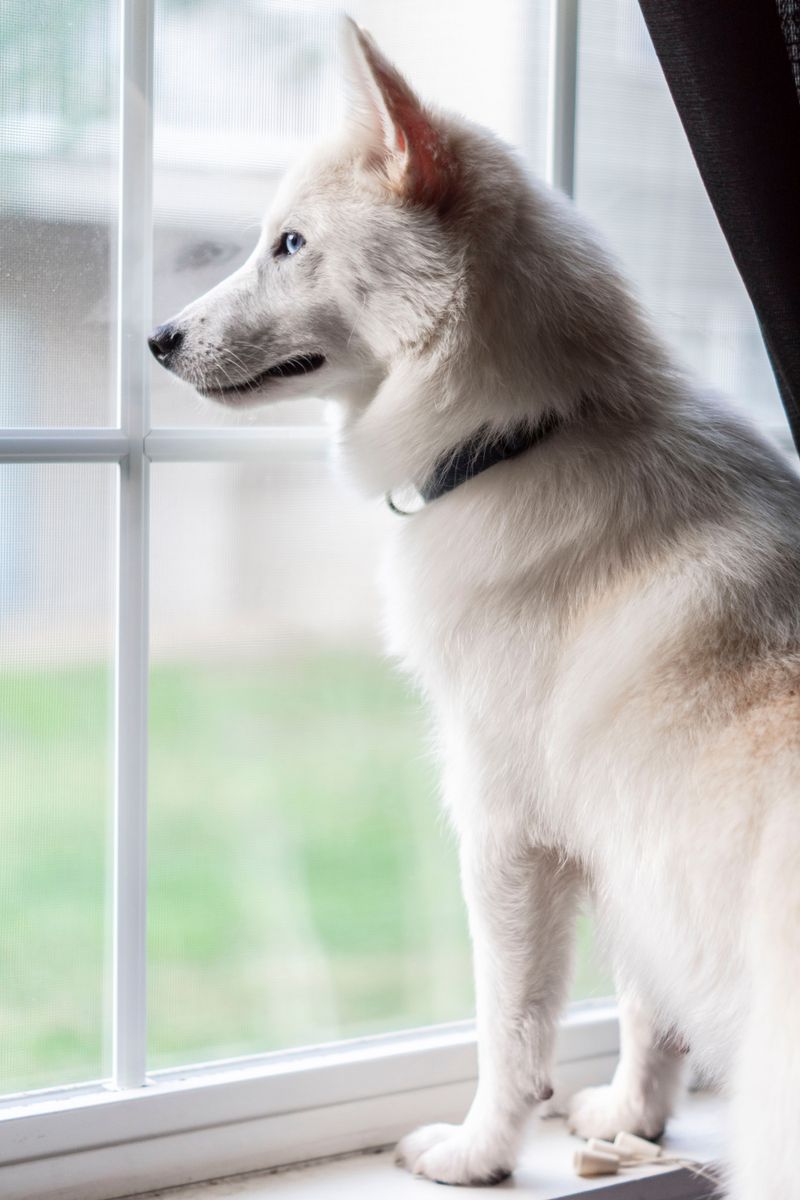
Your sofa companion still needs protection, even if outdoor adventures are limited to quick bathroom trips. Mosquitoes can enter through open doors, damaged screens, or gaps around windows.
A brief visit outside can also provide enough time for a bite.
Being indoors reduces some exposure, but it does not remove heartworm risk. Repair screens and avoid leaving doors open unnecessarily.
Keep indoor dogs on the same veterinarian recommended prevention schedule as dogs that spend longer outdoors.
5. Year-Round Prevention Removes Seasonal Guesswork

Skipping winter protection may seem reasonable when evenings turn chilly and insects become less noticeable. However, Alabama can have warm periods during colder months, and mosquito activity is hard to predict.
The American Heartworm Society recommends prevention throughout the year.
Many monthly products work against heartworm larvae acquired during the preceding weeks rather than preventing mosquito bites themselves. Their schedules should not depend on your last mosquito sighting.
Ask your veterinarian which year-round option best fits your dog’s needs.
6. Missed Doses Deserve a Prompt Phone Call
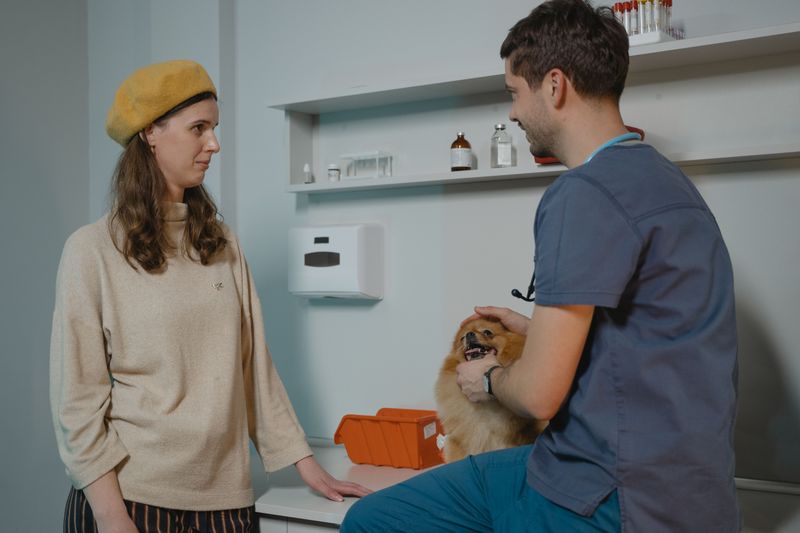
A forgotten dose happens, especially when travel, school schedules, or family changes interrupt your normal routine. The useful next step is contacting your veterinarian, not feeling guilty or making dosage guesses.
Gaps can leave developing parasites without the intended protection.
Explain which product you use and when your dog last received it. Your veterinarian can recommend restarting instructions and appropriate follow-up testing.
Never double a dose unless specifically directed, and remember that testing cannot detect infection immediately.
7. Annual Testing Checks What You Cannot See
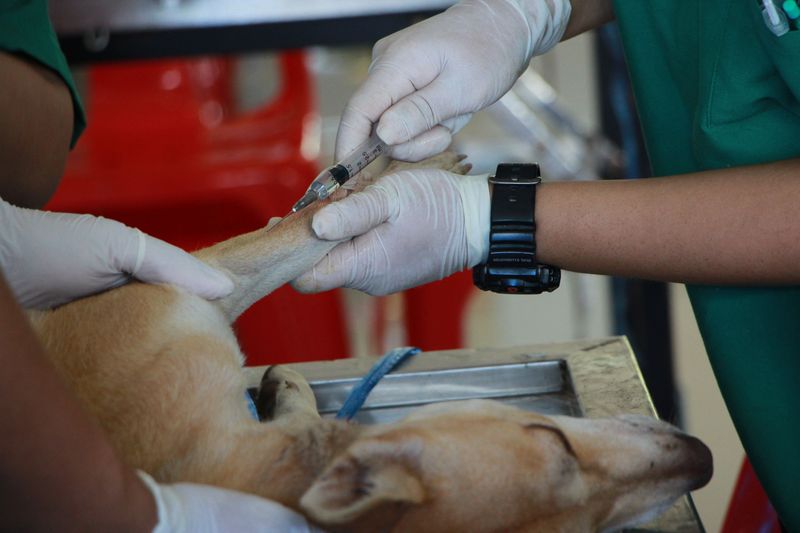
A dog can look healthy while an infection is developing beneath the surface for several months. Early heartworm disease may not cause obvious signs, so appearance alone cannot confirm your dog’s status.
Annual testing remains recommended even with regular prevention.
Your veterinarian may use tests for adult female heartworm proteins and circulating immature worms. Recent infections can escape detection because development takes time.
Keep yearly appointments, and ask whether missed doses or unknown history require additional testing.
8. Puppies Need an Early Prevention Plan

Between house training and puppy vaccinations, heartworm prevention belongs near the top of your new dog checklist. The American Heartworm Society advises starting puppies by eight weeks of age.
Product approval ages and minimum weights differ, so veterinary guidance matters.
Puppies younger than seven months can generally start prevention without an initial heartworm test. They still need later testing because early infections are not immediately detectable.
Ask your veterinarian to write down the testing and dosing schedule.
9. Wildlife Can Help Maintain Local Infection

Beyond neighborhood fences, wild animals can play a part in the local heartworm cycle as well. Coyotes and some other wild canids can carry heartworms, providing infection sources for feeding mosquitoes.
Unprotected domestic dogs can contribute to that cycle too.
Your dog does not need direct wildlife contact to face exposure. Mosquitoes provide the connection between infected animals and other dogs.
Keep pets supervised around wildlife, but recognize that avoiding wildlife alone cannot replace reliable heartworm prevention.
10. Small Pools of Water Can Support Mosquitoes

That forgotten flowerpot saucer can become more useful to mosquitoes than you might expect after rain. Many species lay eggs in or near standing water, including small containers around homes.
Buckets, clogged gutters, toys, and uncovered rain barrels deserve attention.
Empty and scrub suitable containers weekly, and refresh outdoor drinking water regularly. Keep rain barrels properly covered or screened.
Some breeding sites extend beyond your property, so yard cleanup supports protection rather than replacing your dog’s prescribed preventive.
11. Mosquito Activity Depends on Species and Conditions
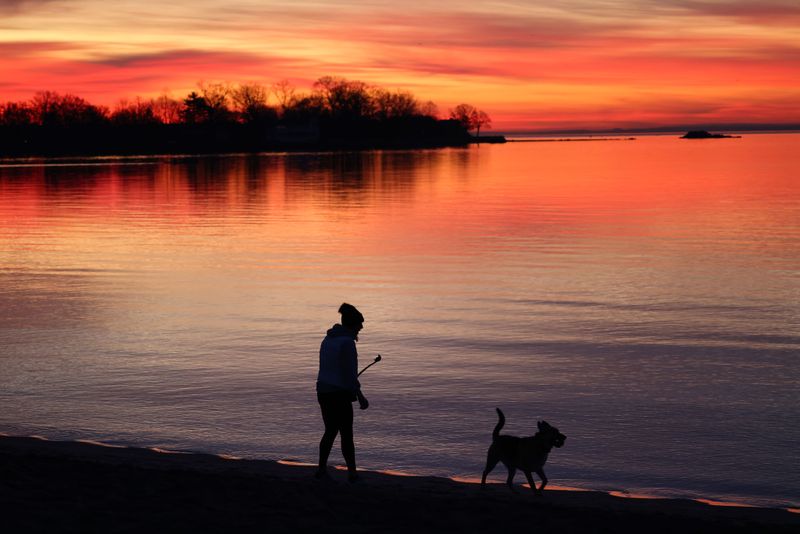
Evening walks often bring more buzzing, but mosquitoes do not all follow the same daily timetable. Many species are active around dusk or dawn, while others bite during daylight hours.
Shade, warmth, humidity, and wind also influence their activity levels.
Adjust walks when you notice heavy mosquito activity, choosing breezier routes where practical. Avoid assuming midday outings are entirely mosquito free.
Timing can reduce some encounters, but dependable heartworm prevention remains necessary regardless of your preferred walking hours.
12. Mosquito Control Adds Another Layer of Protection

A screened porch and good yard habits can make outdoor time more comfortable for everyone nearby. Removing standing water, repairing screens, and using fans where safe may help reduce mosquito encounters.
None of these steps guarantees protection against heartworm infection.
Use only mosquito products specifically approved for dogs, following their labels and your veterinarian’s advice. Never apply human insect repellent without veterinary approval.
Discuss yard treatments with qualified professionals, including when pets may safely return to treated areas.
13. The Best Preventive Fits Your Dog and Routine
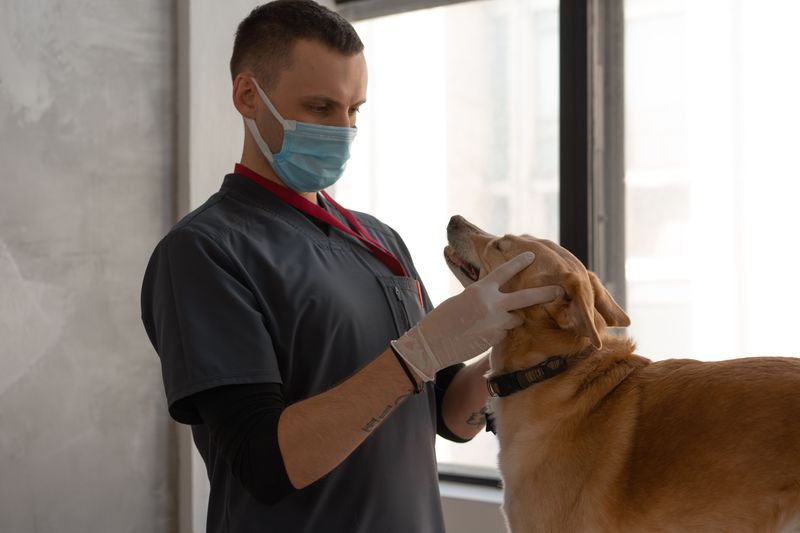
Some dogs happily take a chew, while others make medication day feel like a small negotiation. Heartworm prevention options include oral medicines, topical products, and veterinary injections with longer protection periods.
Eligibility and dosing intervals depend on the specific product.
Your veterinarian should consider age, weight, health history, and other parasite risks. Mention difficulties giving medicine before choosing an option.
Buy through reliable sources, follow label instructions, and check whether growing puppies need a different product size soon.
14. Outdoor Dogs May Encounter More Mosquitoes
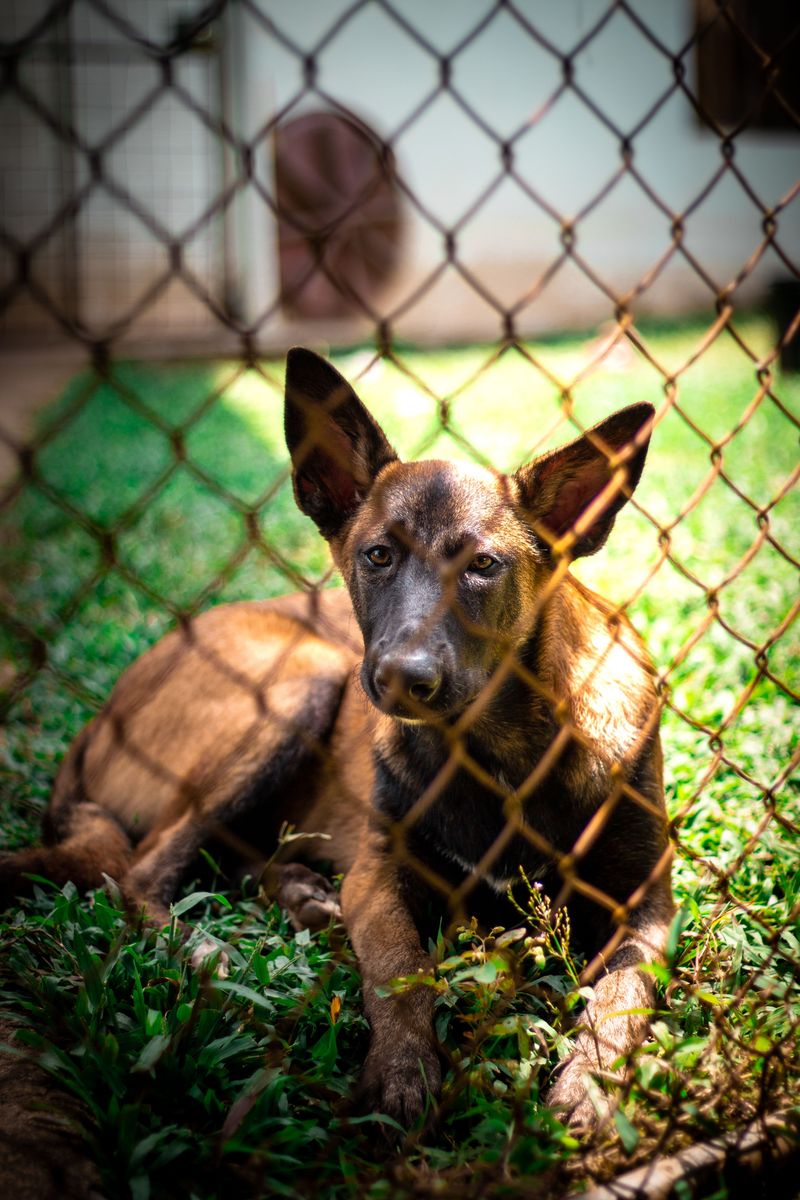
Hours spent beside a porch, wooded fence, or kennel can increase opportunities for mosquito bites considerably. Outdoor dogs may face greater exposure because they spend more time where mosquitoes are active.
Shaded, damp resting areas can add to those encounters.
Provide suitable shelter and bring dogs indoors when practical, especially during heavy mosquito activity. Maintain clean water bowls without allowing nearby containers to collect rain.
Prioritize uninterrupted prevention and regular testing rather than relying on a kennel’s location alone.
15. Simple Reminders Keep Prevention on Track

The easiest prevention routine is one you can repeat during busy weeks without relying on memory. Set phone reminders, mark a household calendar, or connect monthly dosing with a familiar recurring task.
Record each dose after giving it, not beforehand.
Watch your dog swallow oral medication, and follow topical application instructions carefully. If your dog vomits afterward, ask your veterinarian what to do.
Schedule injectable appointments early, and arrange refills before supplies run low or travel begins unexpectedly.
16. Treatment Requires More Than Giving a Preventive
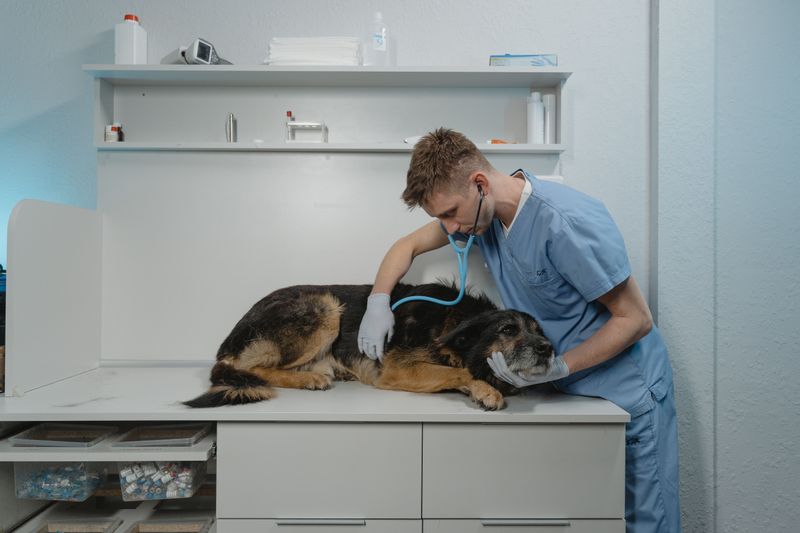
A positive test changes the care plan, even when your dog seems perfectly comfortable at home. Treatment usually involves additional testing, prescribed medicines, injections, and careful limits on activity over several months.
Your veterinarian adjusts the plan to your dog’s condition.
Exercise restriction helps reduce complications while treatment works, so follow those instructions closely. Preventives alone are not a substitute for recommended adult heartworm treatment.
Consistent prevention generally requires less time, expense, and disruption than managing an established infection.
17. Combine Medical Protection With Everyday Yard Habits
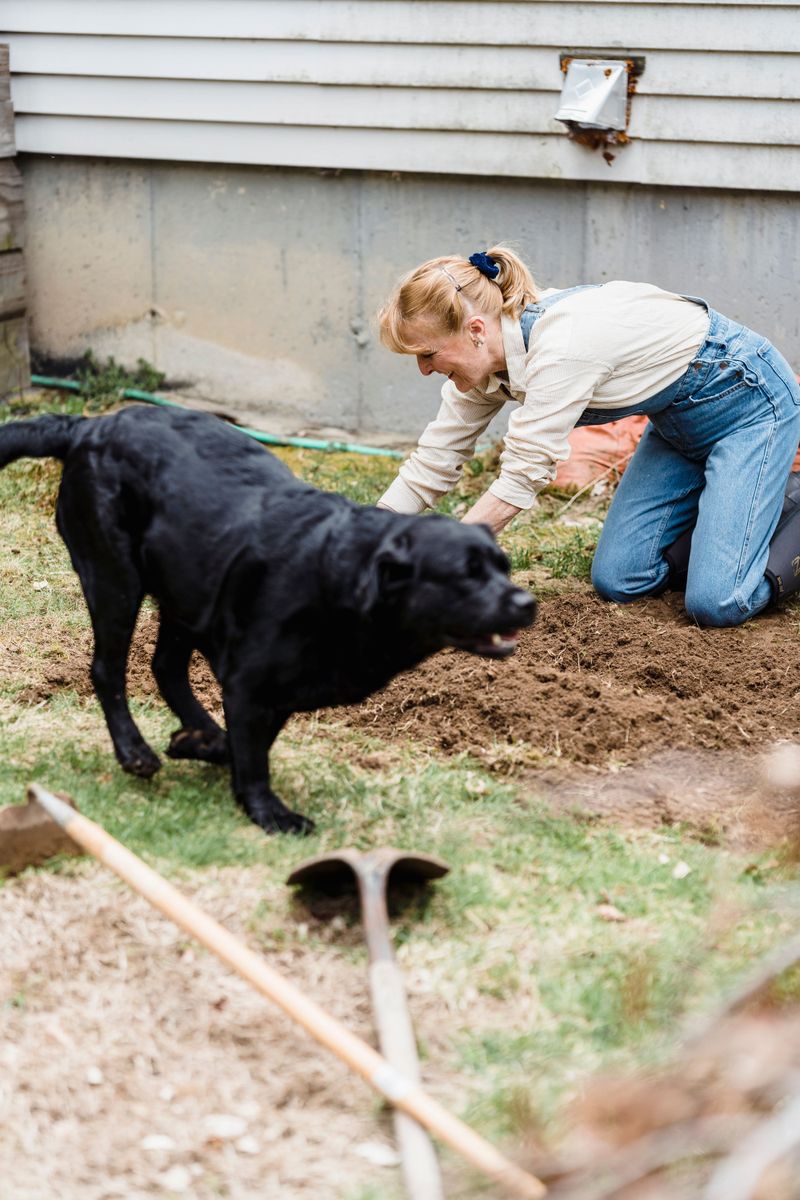
A reliable plan combines small habits rather than depending on one perfect mosquito solution at home. Give prevention on schedule, keep annual testing appointments, and remove standing water around your property.
Check screens and choose walking routes with local conditions in mind.
After adopting a dog, ask about previous prevention and testing records. Unknown history calls for a veterinary plan, not assumptions.
Keep every dog in the household protected, since different outdoor routines do not eliminate individual heartworm risk.
18. Your Veterinarian Can Keep the Plan Clear
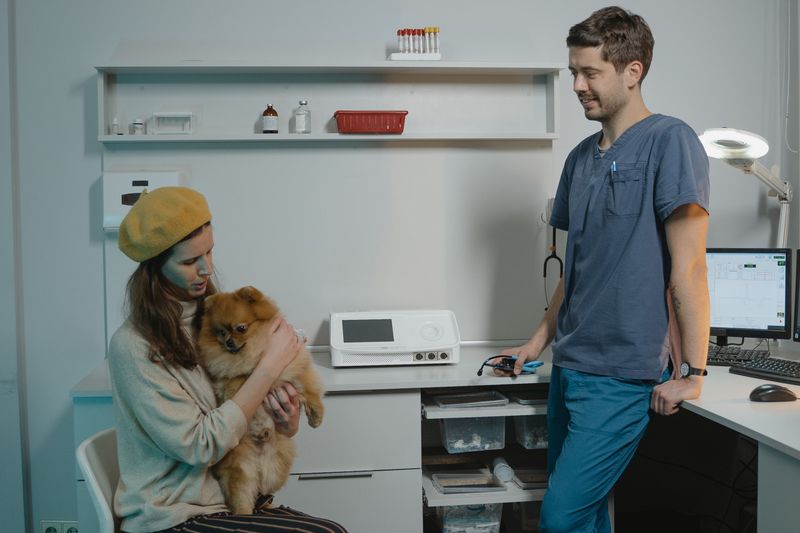
Questions are worth a call when you adopt, miss doses, change products, or notice new symptoms. Coughing, reduced stamina, or unusual tiredness deserve veterinary attention, though many conditions can cause these signs.
Do not wait for symptoms before discussing prevention.
Bring medication names, dosing dates, and past test results to appointments. Your veterinarian can turn those details into a clear plan.
Alabama’s long mosquito season calls for steady habits, not worry: stay consistent, test regularly, and ask for guidance.