20 Pennsylvania Farm-Dog Skills Worth Teaching Before Busy Harvest Months
Harvest season on a Pennsylvania farm brings long days, loud machines, and lots of new faces. For a farm dog, all that change can feel exciting and a little confusing.
The good news is that a few well-practiced skills can keep your dog safe, calm, and helpful. Starting now, before the fields get busy, gives you time to build habits that truly stick.
1. Come When Called, Every Time
Picture a rabbit darting across the hayfield just as you call your dog. A reliable recall means your dog chooses you anyway.
Start in a quiet, fenced area and reward every return with treats, play, or praise. Add distance and small distractions slowly.
A long line of 15 to 30 feet gives freedom while keeping control. It also stops your dog from learning that ignoring you pays off.
2. Sit and Stay While the Farm Hums
Busy days call for a dog who can simply hold still. Sit and stay are the quiet backbone of good farm manners.
A stay means holding a position for a while, usually close to you. Practice short stays first, then build time and distance.
Once your dog nails it in the yard, try it near the barn. Gradually add the noise of wagons, people, and animals.
3. The Emergency Stop
Some moments need a dog to freeze right where it stands. An emergency stop works even when your dog is running away and not watching you.
Pair one clear word, like halt, with a distinct hand signal. Teach your dog to drop or sit instantly and wait for you.
A long line of 25 to 50 feet makes practice safe. Keep sessions short, upbeat, and full of rewards.
4. Leave It Near Farm Chemicals
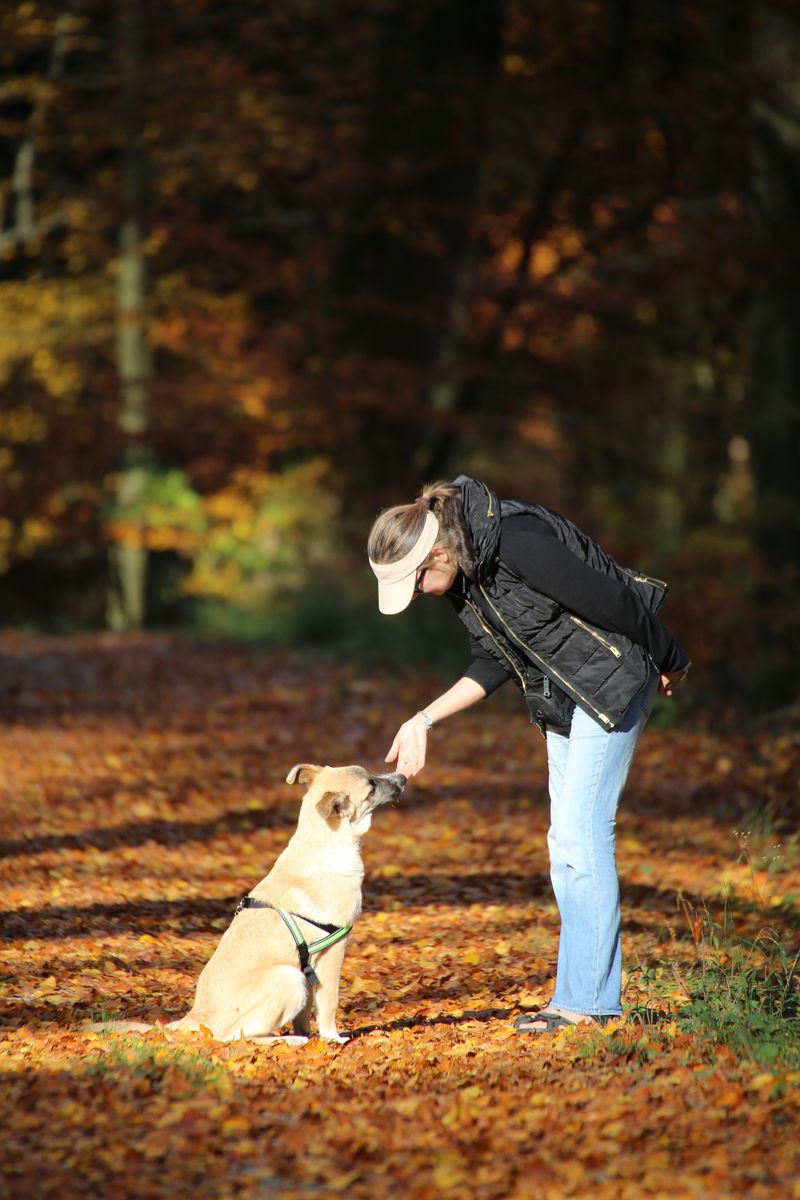
Fertilizer bags, pesticide jugs, and treated seed can all tempt a curious nose. Leave it teaches your dog to turn away on cue.
Begin with a boring item, reward the look away, then step up to tastier distractions.
Training is only one layer of protection. Keep chemicals locked in secure storage, and call your veterinarian quickly if you suspect your dog got into something.
5. Drop It Without a Fuss
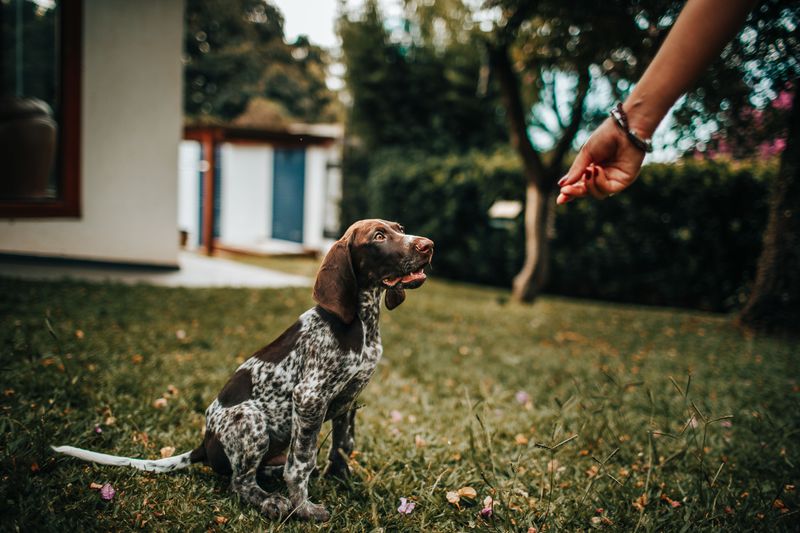
Farm dogs love to carry treasures, from old baling twine to sharp scraps. Drop it asks your dog to release whatever is in its mouth.
Make it a fair trade. Offer a better treat or favorite toy, and praise the release warmly.
Avoid chasing or prying jaws open. That can turn the moment into a game or chip away at trust you have worked hard to build.
6. Knowing Where the Yard Ends
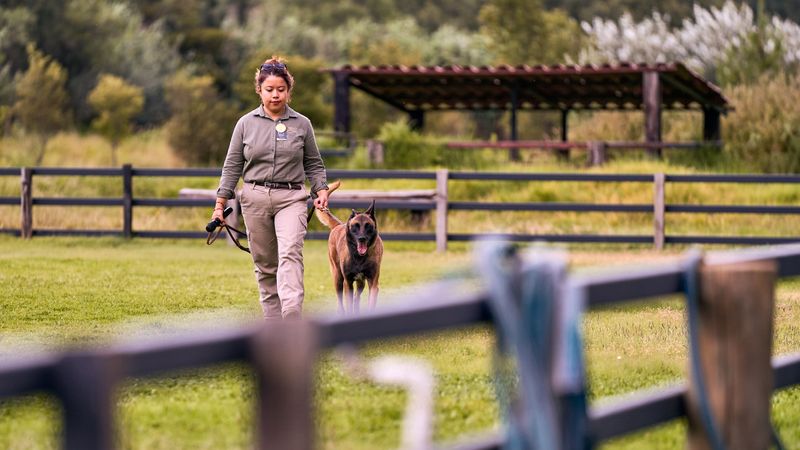
Fences and gates sometimes fail, especially when harvest traffic is heavy. Boundary training teaches your dog where its safe zone stops.
Walk the edges together on leash, rewarding your dog for turning back. Flags help mark the line while learning.
Some Pennsylvania owners use electronic fence systems, which often come with professional training. Whatever you choose, keep sessions positive and check local rules that may apply in your township.
7. Respect for Big Machines
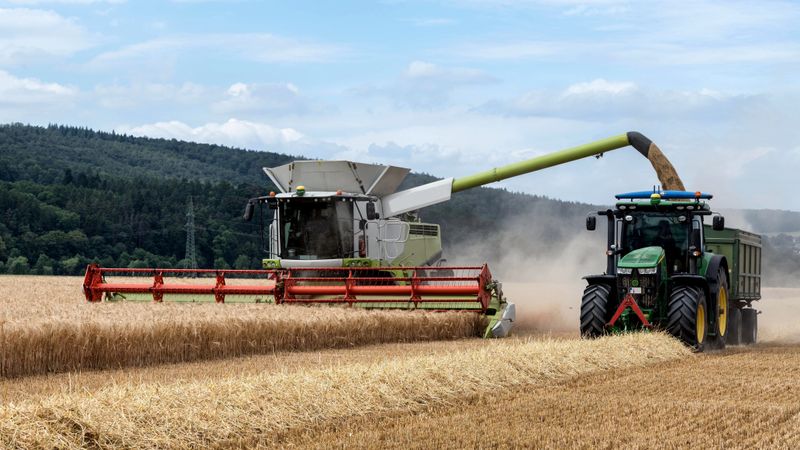
Combines and tractors have huge blind spots. An operator high in the cab may never see a dog near the wheels.
No state law spells out dog behavior around machinery. Farm safety guidance, though, stresses clear safety zones around working equipment.
Teach your dog to keep well back from any running machine. When harvest starts, a mat, kennel, or crate is often the simplest answer.
8. Steering Clear of Trucks and Trailers
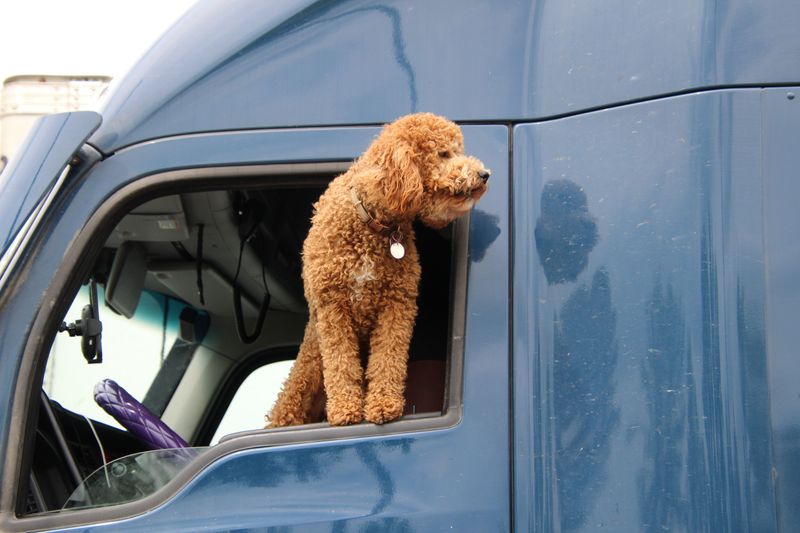
Harvest brings grain trucks, trailers, and pickups rolling in and out all day. Your dog needs to see moving vehicles as something to avoid.
Car door manners help a lot. Teach your dog to wait for permission before jumping out of any vehicle.
That waiting habit carries over to the farm lane. Pair it with your emergency stop, and you have a strong safety net for traffic.
9. Easygoing Around Livestock
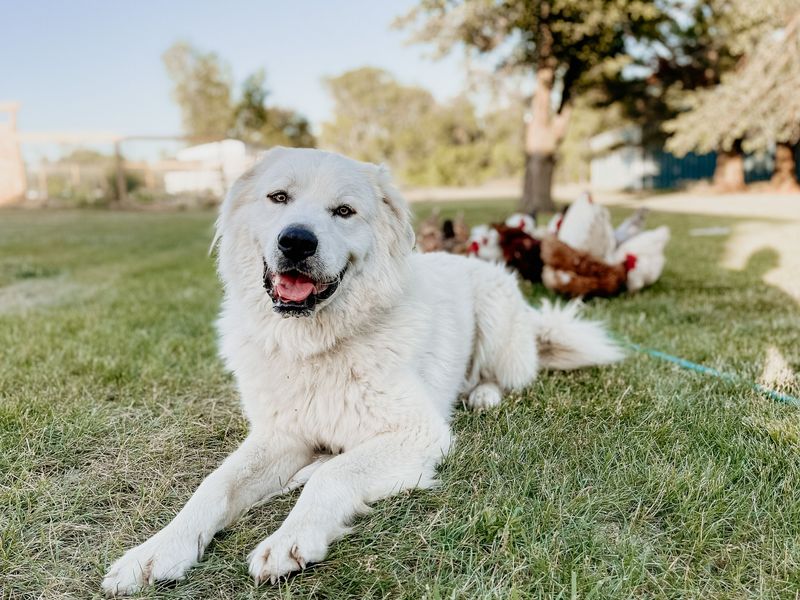
A relaxed dog makes for relaxed cows, horses, sheep, and hens. Farm animals are a leading cause of farm injuries, so calm matters.
Introduce your dog on leash, at a distance, and reward quiet watching. Move closer only when your dog stays settled.
Sudden moves and loud noises can spook livestock. Slow, steady visits help both sides learn respect and feel less stressed.
10. No Chasing, Period
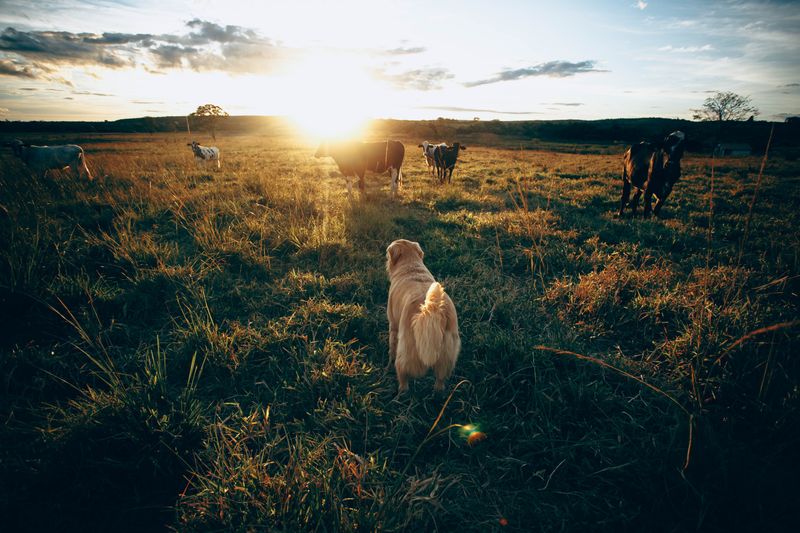
Chasing feels amazing to a dog, which is exactly why it becomes a habit fast. Prevention beats correction here.
Pennsylvania law makes it unlawful to negligently let dogs disturb game or wildlife. Chasing livestock also creates trouble with neighbors.
Use a long line during training so your dog never gets a successful chase. Reward calm looks, then call your dog back with your recall or stop cue.
11. Polite at Gates and Doors
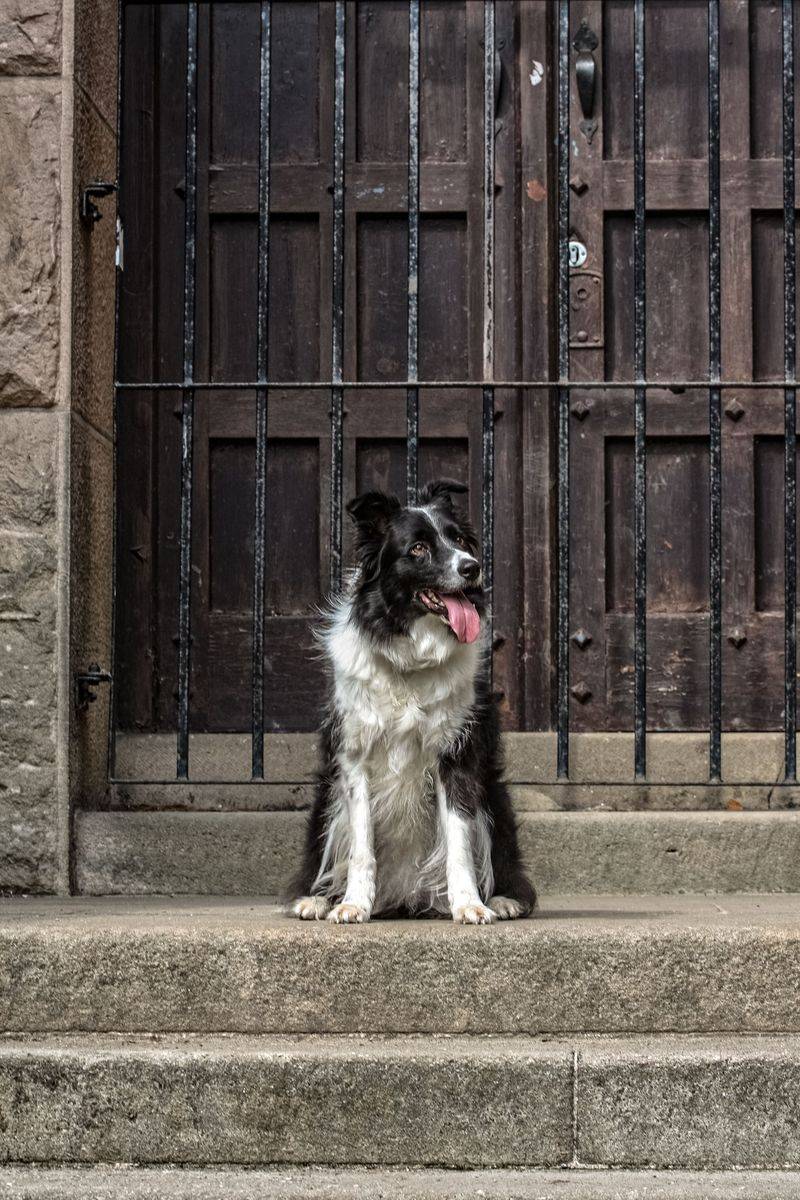
An open gate looks like an invitation to most dogs. Threshold manners teach your dog to pause until you say a release word.
Start at a quiet indoor door. Open it a little, reward the wait, and close it if your dog surges.
Keep a leash or tether on near outside exits during practice. That small pause also becomes a sweet moment of connection each day.
12. Loose-Leash Walking Among Visitors
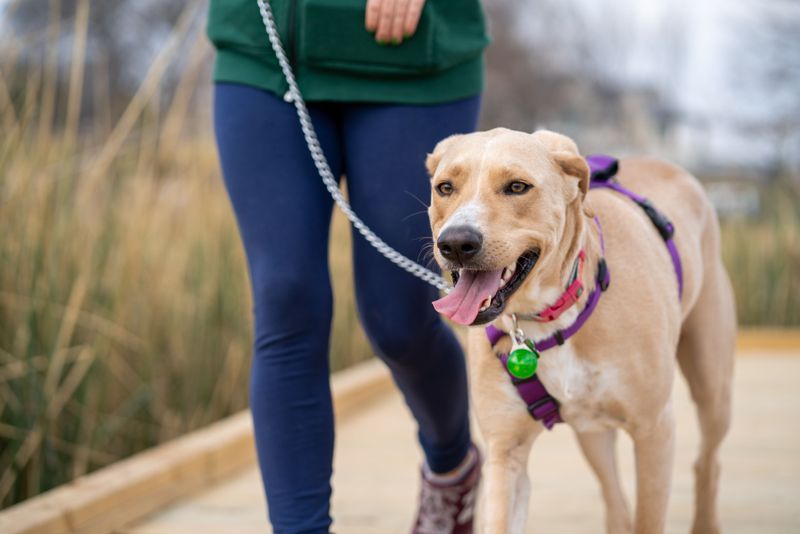
Delivery drivers, buyers, and helpers will all pass through during harvest. A dog who walks nicely on leash keeps those visits pleasant.
Reward your dog for staying near your side with a slack leash. Stop moving when the leash gets tight.
Practice near parked trucks and friendly people first. Many Pennsylvania training classes teach loose-leash walking if you want extra guidance.
13. Go to Your Place
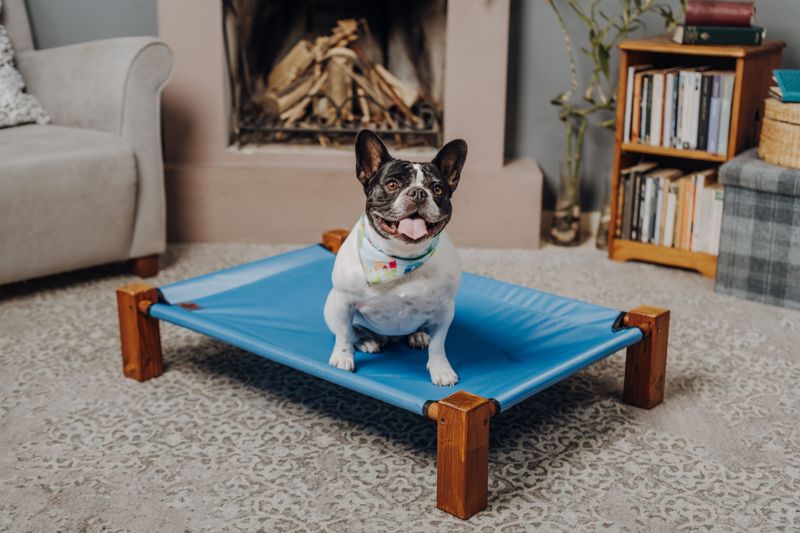
Every farm dog deserves a spot to call its own. A place command sends your dog to a mat or bed until released.
Lure your dog onto the mat, reward, and add duration slowly. Then add distractions like footsteps or a passing wagon.
During busy moments, this cue gives you a safe parking spot for your pup. That frees you to focus on the work at hand.
14. Quiet, Please
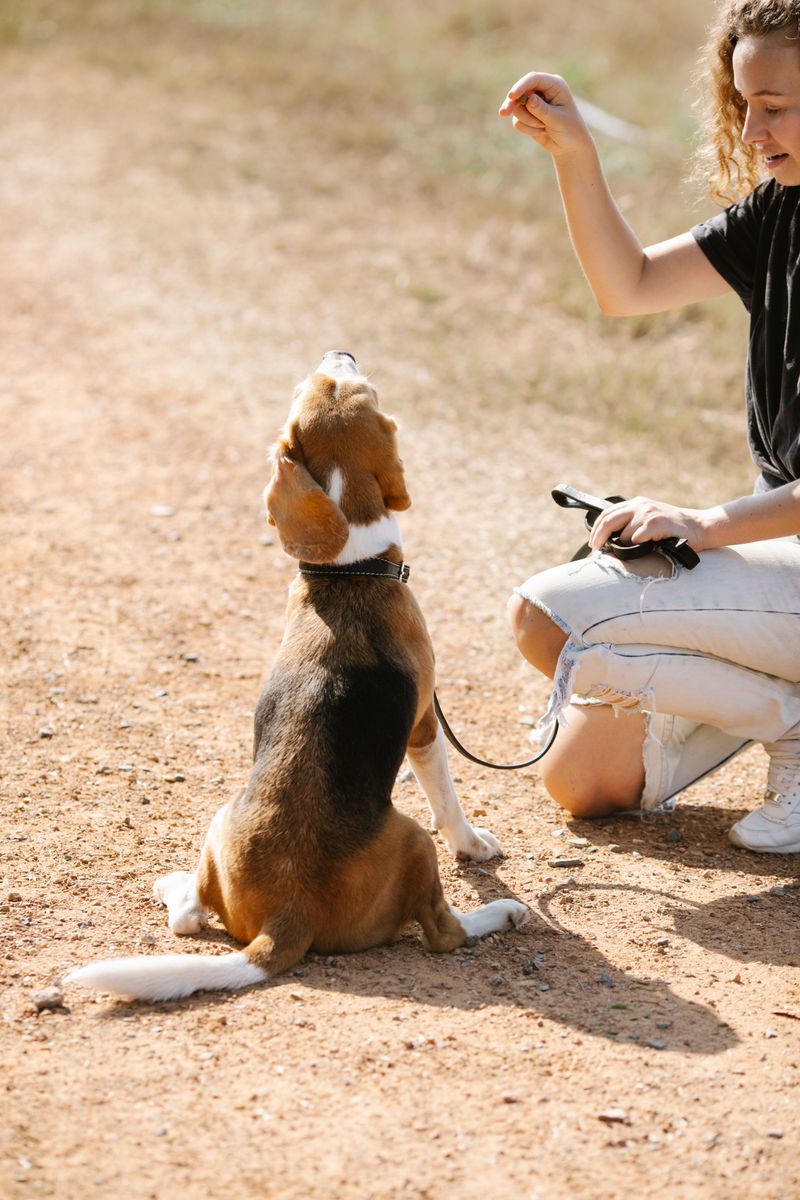
A few barks to announce a visitor are fine. Nonstop barking, though, can upset livestock and wear on everyone.
Notice what sets your dog off. After a few barks, say quiet, present a tasty treat, and reward the silence.
Practice with different triggers and places so the cue holds up anywhere. If barking seems compulsive, a local trainer or veterinarian can help.
15. Staying Away From Grain Bins and Silos
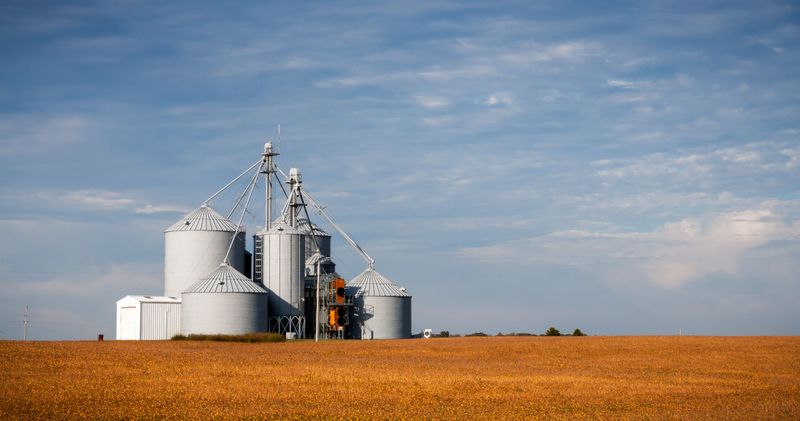
Grain storage areas are among the riskiest spots on any farm. Loose grain can trap a body, and gases or augers add hazards.
Treat your dog like a small child here. It should never enter bins or silos, and access should be blocked.
Fencing and closed doors do most of the work. Training simply backs them up, keeping your dog in the habit of staying clear.
16. Turning Down Mystery Snacks
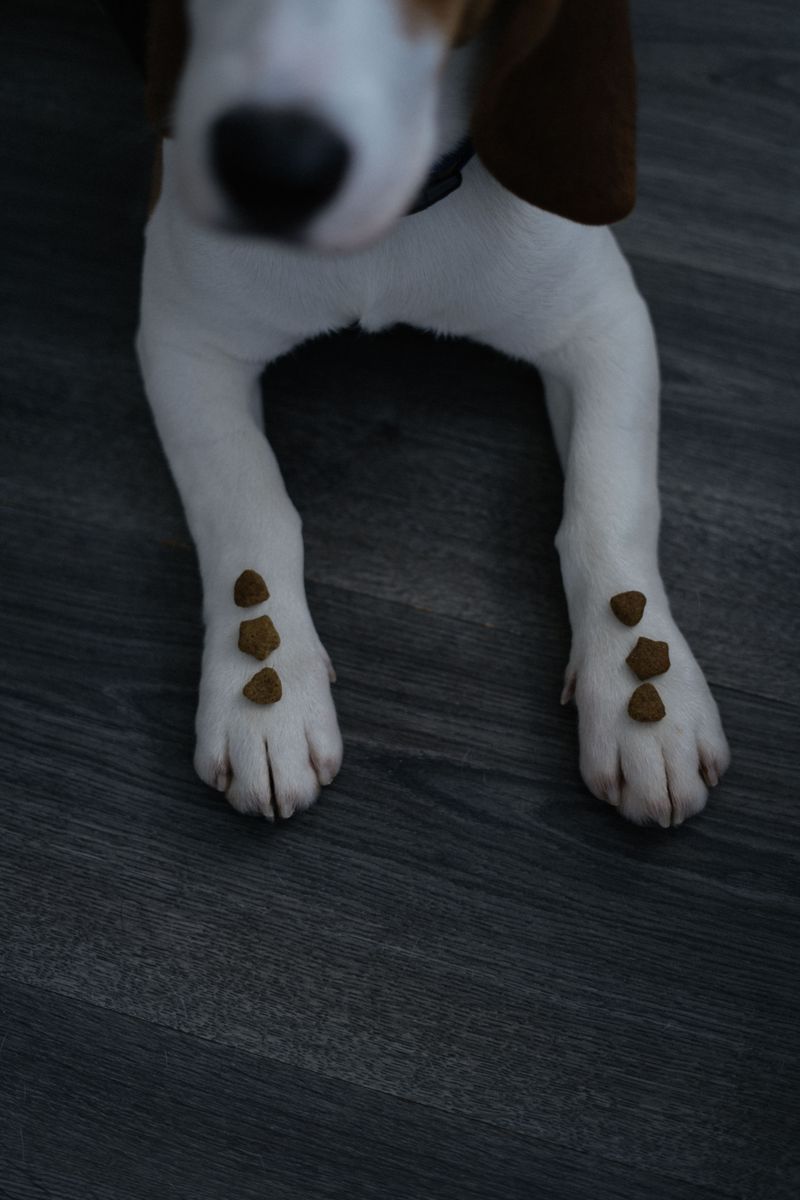
Fallen apples, spilled corn, and odd scraps appear everywhere at harvest time. A dog that snacks freely can end up with an upset stomach or worse.
Build on your leave it cue. Scatter safe items on the ground and reward your dog for walking past.
Practice in the orchard, barn, and lane. If your dog does eat something unknown, call your veterinarian for advice right away.
17. Friendly With New Faces and Vehicles
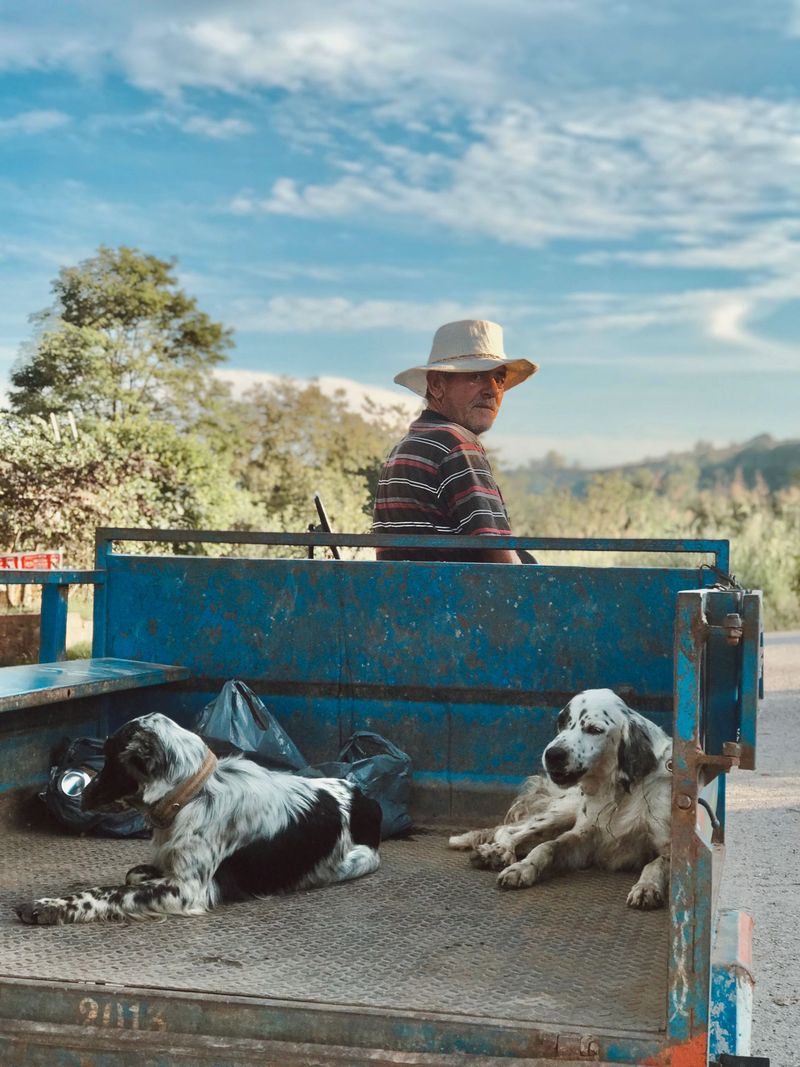
Seasonal crews, unfamiliar trucks, and nonstop motion can overwhelm a dog that rarely sees change. Gentle exposure builds confidence.
Let your dog watch new people and vehicles from a comfy distance. Pair each sighting with treats.
Puppies learn fastest in their first few months, but adults can improve too. Many Pennsylvania training centers offer socialization and distraction classes for extra support.
18. Happy in the Crate or Kennel
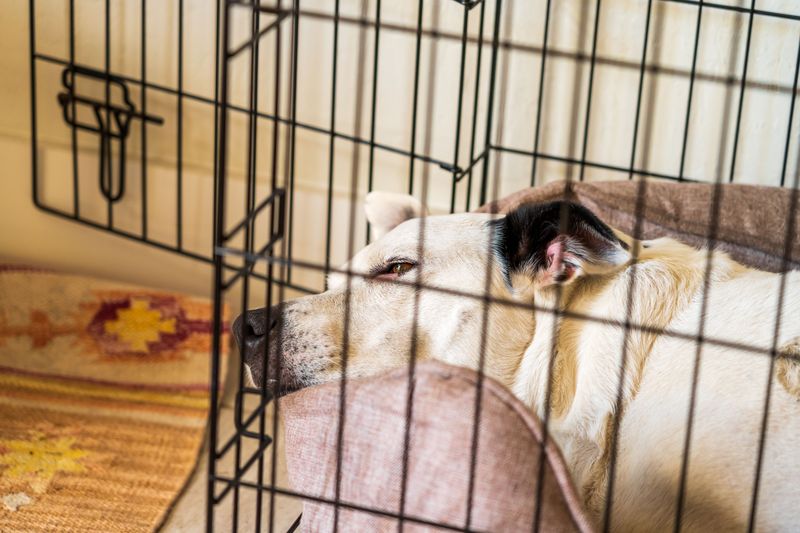
Sometimes the safest place for a dog is tucked away while machines run. A crate or kennel works best when it already feels cozy.
Feed meals inside, toss in chews, and keep early sessions short. Never use it as punishment.
When harvest arrives, your dog will settle in easily. Make sure the space has shade, fresh water, and good airflow on warm days.
19. Easy Paw and Tick Checks
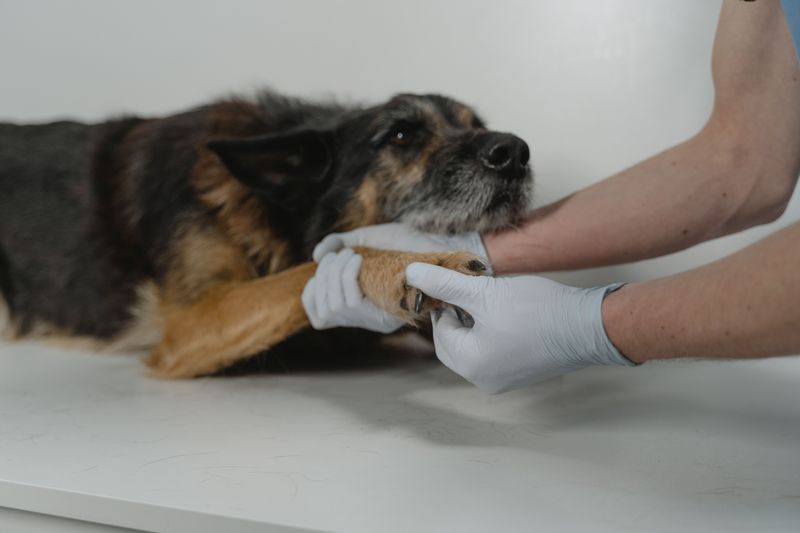
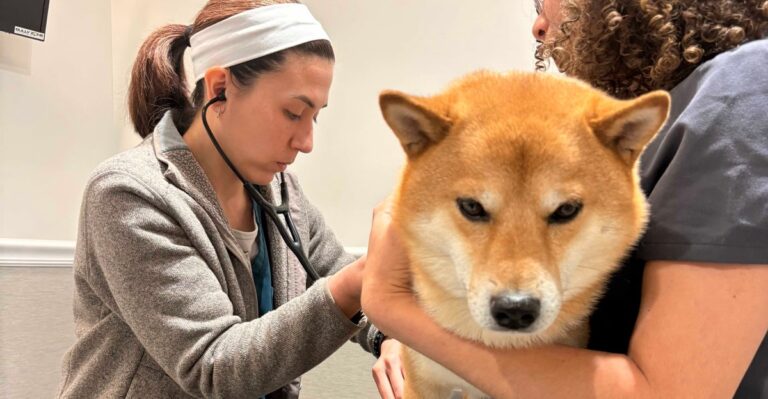
Stubble fields and tall grass leave paws scraped and coats full of ticks. Pennsylvania has plenty of ticks, so daily checks are smart.
Teach handling slowly. Touch a paw, give a treat, and build up to spreading toes and lifting ears.
A dog that enjoys this routine lets you spot small cuts early. Ask your veterinarian about tick prevention suited to your area.
20. Ready for Real Emergencies
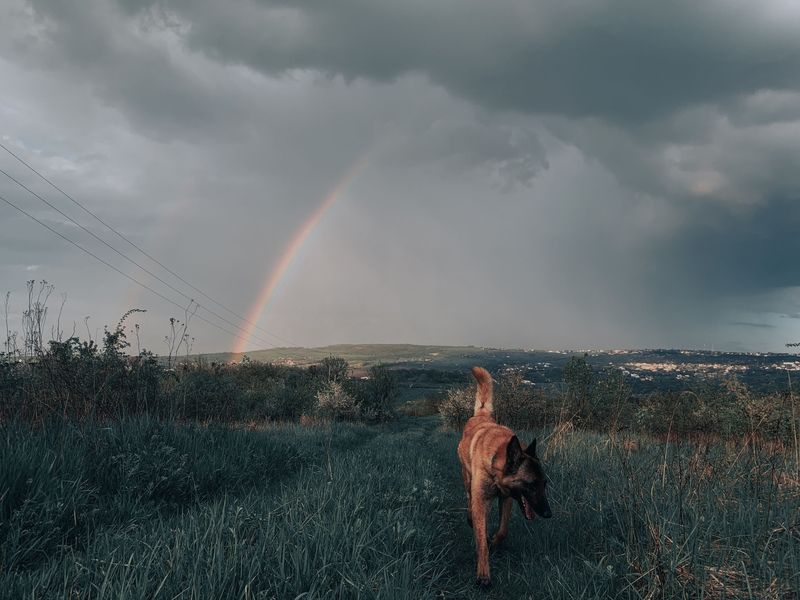
Storms roll in fast over Pennsylvania hills, and equipment problems can happen without warning. That is when all your practice pays off.
Choose a special recall word saved for urgent moments, and reward it richly. Then pair it with a quick trip to a secure crate or room.
The Pennsylvania Animal Response Team offers emergency preparedness training. Keeping a simple plan ready helps everyone stay calm.