15 Wildfire-Evacuation Supplies Washington Dog Owners Should Keep Packed
When wildfire alerts arrive, having your dog’s supplies ready gives you one less thing to think about. Across Washington, evacuation routes and shelter options can change, so a packed bag helps you move calmly when officials advise leaving.
You know your dog best, from favorite snacks to daily medicines, and those small details belong in your plan. Build your kit now, then check it regularly so everything stays useful.
1. Keep Copies of Your Dog’s Medical Records

A small folder can save plenty of explaining at an unfamiliar veterinary clinic. Pack copies of vaccination records, recent medical notes, and any treatment instructions.
Include allergies, ongoing conditions, and your veterinarian’s contact details.
Keep everything in a waterproof pouch, with another copy saved on your phone. Some boarding facilities request vaccination proof, but requirements vary.
Review the folder after appointments so your dog’s care information stays current wherever you need to go during an evacuation.
2. Pack Several Days of Your Dog’s Regular Food

Familiar meals help keep an unsettled day from becoming an upset stomach. Set aside several days of your dog’s usual food in sealed containers.
Add a measuring scoop and write down normal feeding amounts.
Ready.gov recommends several days of pet food in an airtight, waterproof container. Rotate your supply before it expires, especially during Washington’s wildfire season.
Pack bowls, too, and avoid introducing new treats while travel already changes your dog’s routine more than usual.
3. Store Plenty of Drinking Water
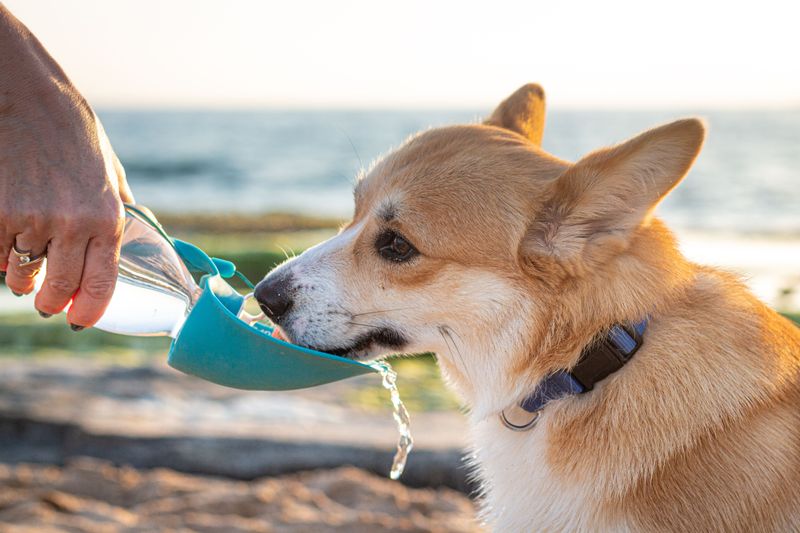
A thirsty dog cannot count on safe water being available at every stop. Store several days of drinking water specifically for your pet.
Your household supply must cover people separately, rather than sharing one small stash.
Ask your veterinarian about amounts for your dog’s size, health, and weather conditions. Carry a portable bowl and offer water regularly during travel.
Replace stored water regularly and pack enough for your dog’s needs throughout the evacuation, including delays. Avoid letting your dog drink from unfamiliar streams or puddles, which may be contaminated.
4. Bring a Secure Leash, Harness, and Backup Collar
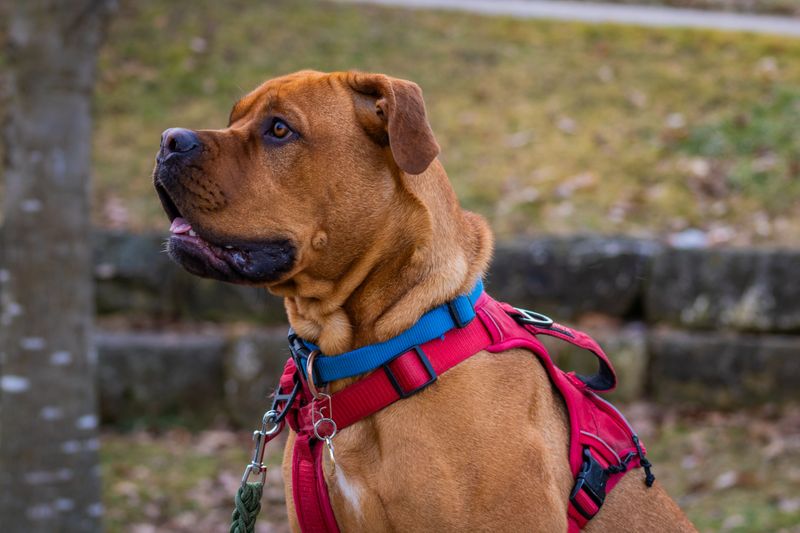
Busy parking lots can feel strange even to an easygoing dog. Choose a sturdy, fixed-length leash and a harness that fits securely.
Keep a spare collar packed in case a buckle breaks or equipment disappears.
Check straps, clips, and stitching before wildfire season, then practice using the gear together. Attach identification to the collar even when your dog wears a harness.
Never leave a tethered dog unattended, especially near vehicles, crowds, or unfamiliar animals during evacuation.
5. Keep Your Dog’s Identification Up to Date
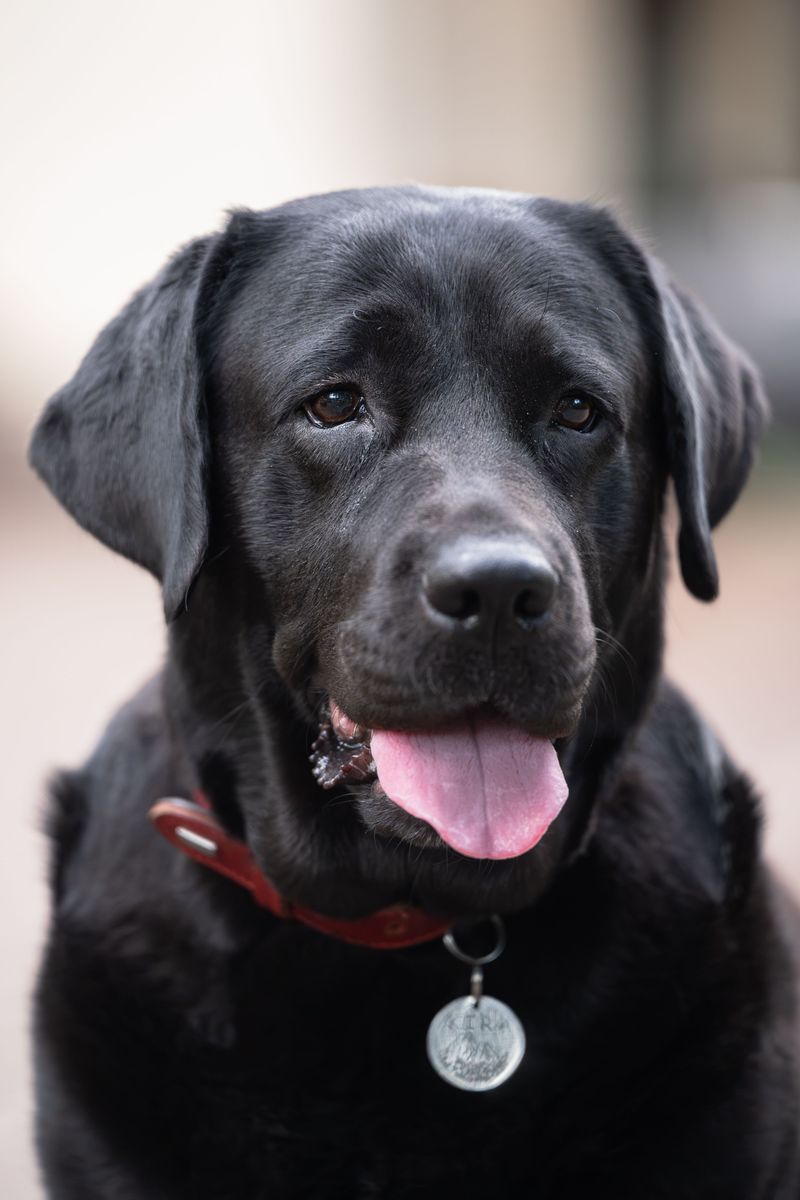
Your phone number is one of the most useful things your dog can wear. Check that identification tags show current contact details and remain readable.
Confirm your dog’s microchip registration also lists your correct phone number.
A microchip does not track location; a scanner reads its identification number. Pack a recent photo showing your dog’s face and markings.
Keep registration details with your records, and consider an alternate contact outside your area for another reliable connection.
6. Pack a Familiar Bed and Comfort Items
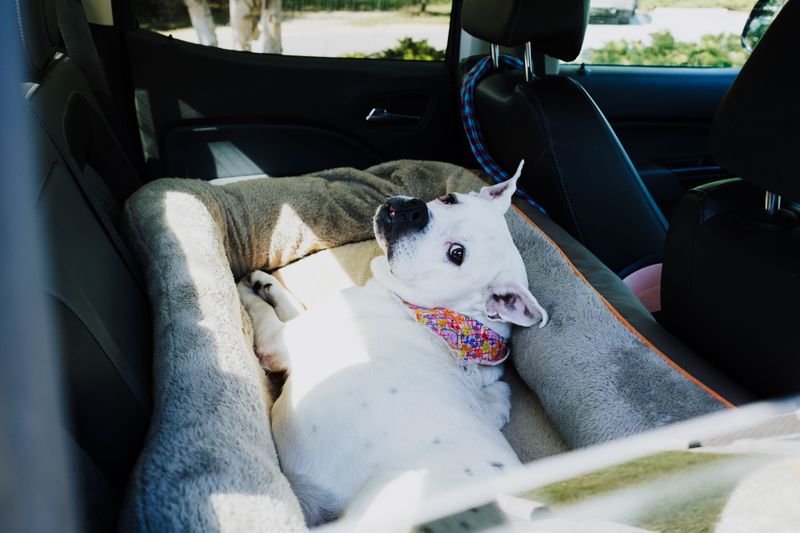
The smell of home can make an unfamiliar room feel less confusing. Tuck a familiar blanket, compact bed, or favorite toy into your evacuation supplies.
Choose washable items that fit easily in your vehicle.
Comfort matters, but leave bulky extras behind when space is limited. Avoid toys your dog could swallow or shred without supervision.
Let your dog use the travel blanket before an emergency, so it already carries familiar scents when you leave home together.
7. Prepare a Dog First-Aid Kit
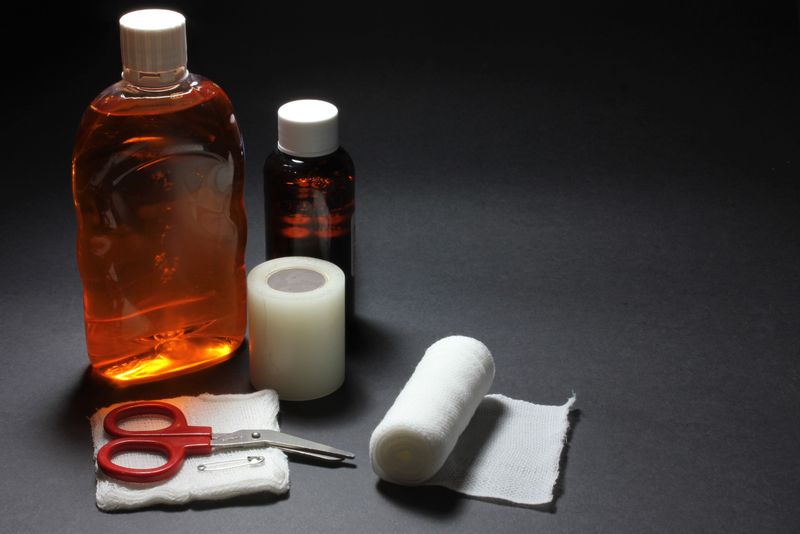
Small scrapes and minor mishaps are easier to manage when basic supplies stay together. Include gauze, nonstick pads, disposable gloves, blunt scissors, and veterinarian-approved cleaning supplies.
Ask your veterinarian which additional items suit your dog.
Add written first-aid guidance and emergency clinic numbers inside the pouch. Never give human pain medicines unless your veterinarian specifically directs you.
First aid supports professional care but does not replace it, so call a veterinary clinic if your dog develops concerning symptoms during an evacuation.
8. Bring All Prescribed Medications

Daily treatment should travel with your dog, not stay behind on the kitchen shelf. Keep prescribed medicines in their labeled containers with clear dosing instructions.
Ask your veterinarian about an appropriate emergency supply before refills run low.
Some medicines need refrigeration or protection from heat, so follow their storage directions carefully. Pack any required syringes or measuring tools separately and securely.
Write down refill contacts, and check expiration dates whenever you update the rest of your kit.
9. Pack Waste Bags and Cleaning Supplies
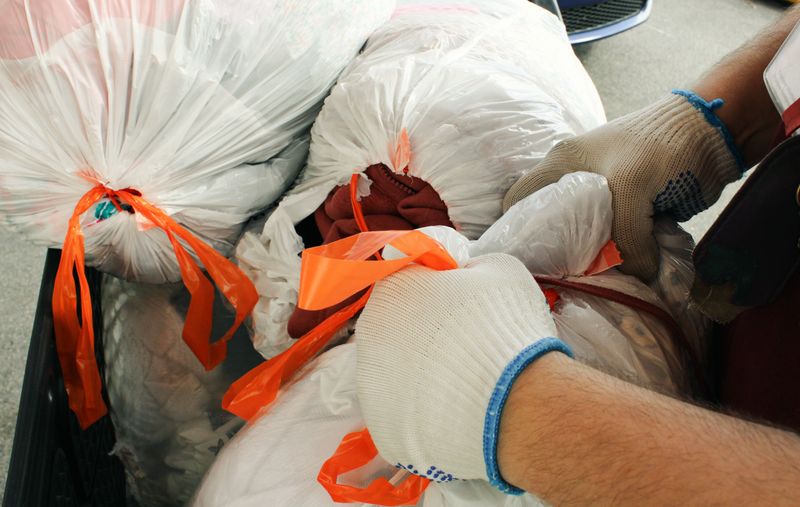
Good cleanup supplies make shared spaces easier for everyone using them. Pack plenty of waste bags, paper towels, disposable gloves, and absorbent pads.
Include a pet-safe cleaner, following label directions for use and storage.
Keep cleaning products sealed away from food, water, and curious noses. Bag waste promptly and use designated trash containers at stops or shelters.
A spare towel also helps with muddy paws, wet fur, or small spills without unpacking your entire travel bag.
10. Keep a Crate or Travel Carrier Ready
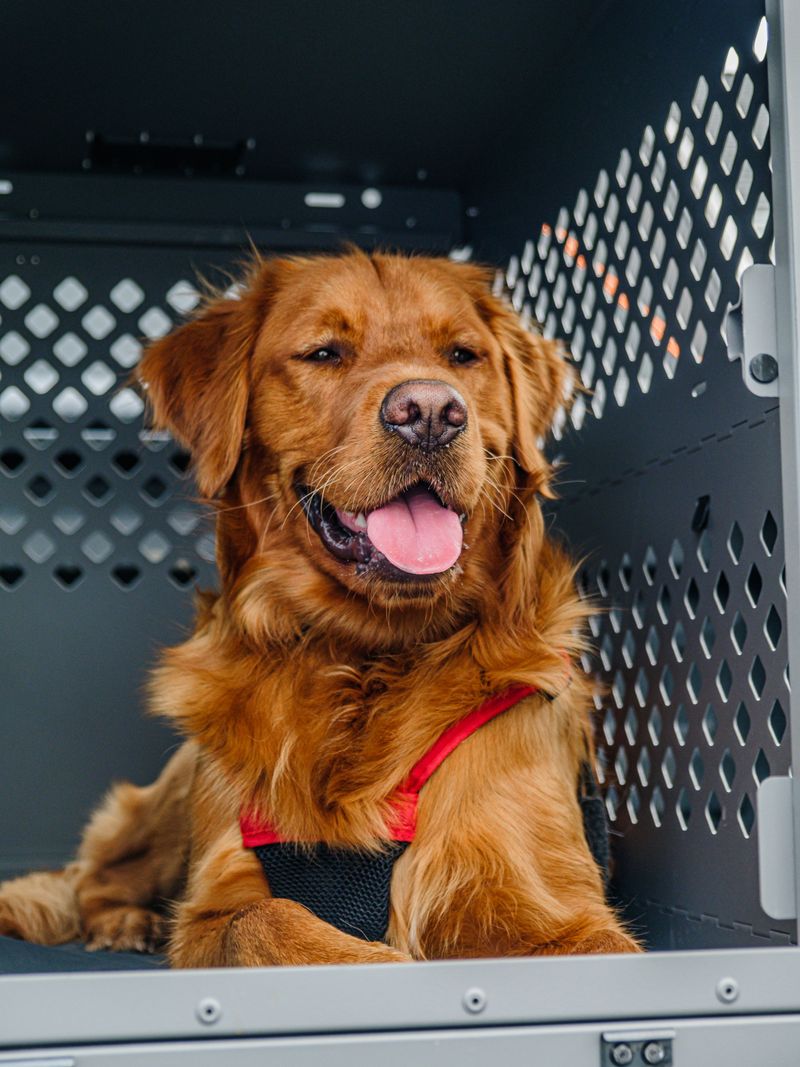
A familiar carrier gives your dog a defined place during a busy trip. Choose one allowing comfortable standing, turning, and lying down.
Check ventilation, door latches, and manufacturer instructions for securing it inside your vehicle.
Practice short, pleasant sessions before you need to leave quickly. Some temporary housing providers require crates, so confirm their rules when planning destinations.
Label the carrier with contact details, and never leave your dog alone inside a parked vehicle during evacuation.
11. Include Eye and Paw Cleaning Supplies
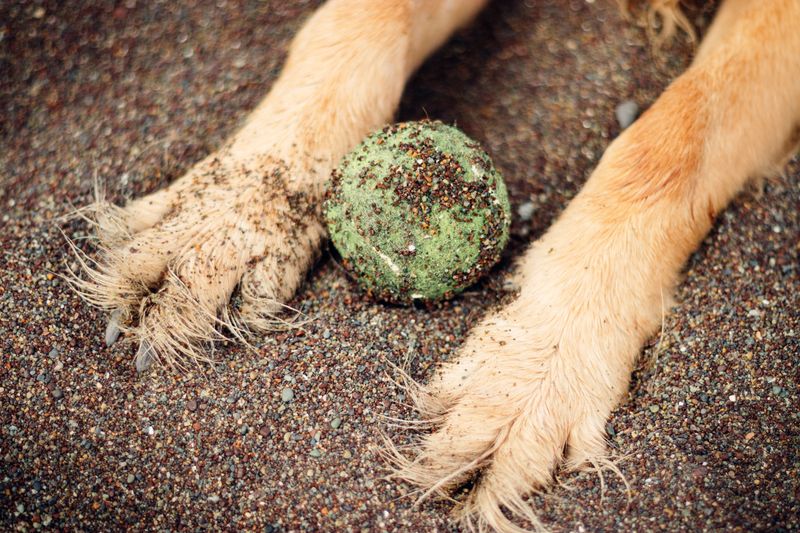
Dust and ash can settle on fur and paws during travel. Carry clean water, soft cloths, and veterinarian-approved sterile saline for eye rinsing.
Wipe paws gently before your dog licks them or enters bedding.
Never use homemade eye mixtures or medicated drops without veterinary guidance. Squinting, redness, coughing, or breathing changes deserve a prompt call to your veterinarian.
Cleaning supplies cannot make smoky air safe, so prioritize moving indoors somewhere with cleaner air whenever possible instead.
12. Store Emergency Contact Details on Paper

A phone with no battery should not take your backup plan with it. Write down your veterinarian, emergency clinics, animal control, and trusted contacts.
Add destination addresses and numbers for possible pet-friendly lodging.
Washington shelter arrangements vary by incident and county, so verify options through local emergency management. Keep the list inside a waterproof sleeve, with another copy in your vehicle.
Update numbers regularly, and include someone outside the affected area who can help coordinate messages.
13. Pack a Portable Fan and Cooling Supplies

Summer travel can turn warm quickly, even far from a wildfire. Pack a battery-powered fan, spare batteries, and a cooling mat your dog tolerates.
Keep water available and choose shaded breaks when outdoor air is suitable.
A fan alone cannot protect a dog inside a hot vehicle. Watch for unusual panting, weakness, or distress, and contact a veterinarian promptly.
Dogs with breathing conditions may need extra precautions, so discuss heat and smoke plans before evacuation becomes necessary.
14. Prepare a Pet-Friendly Evacuation Plan
Knowing where you can go makes a packed bag much more useful. Identify several destinations that accept dogs, including friends, boarding facilities, or hotels.
Confirm pet policies, fees, and vaccination requirements before relying on any location.
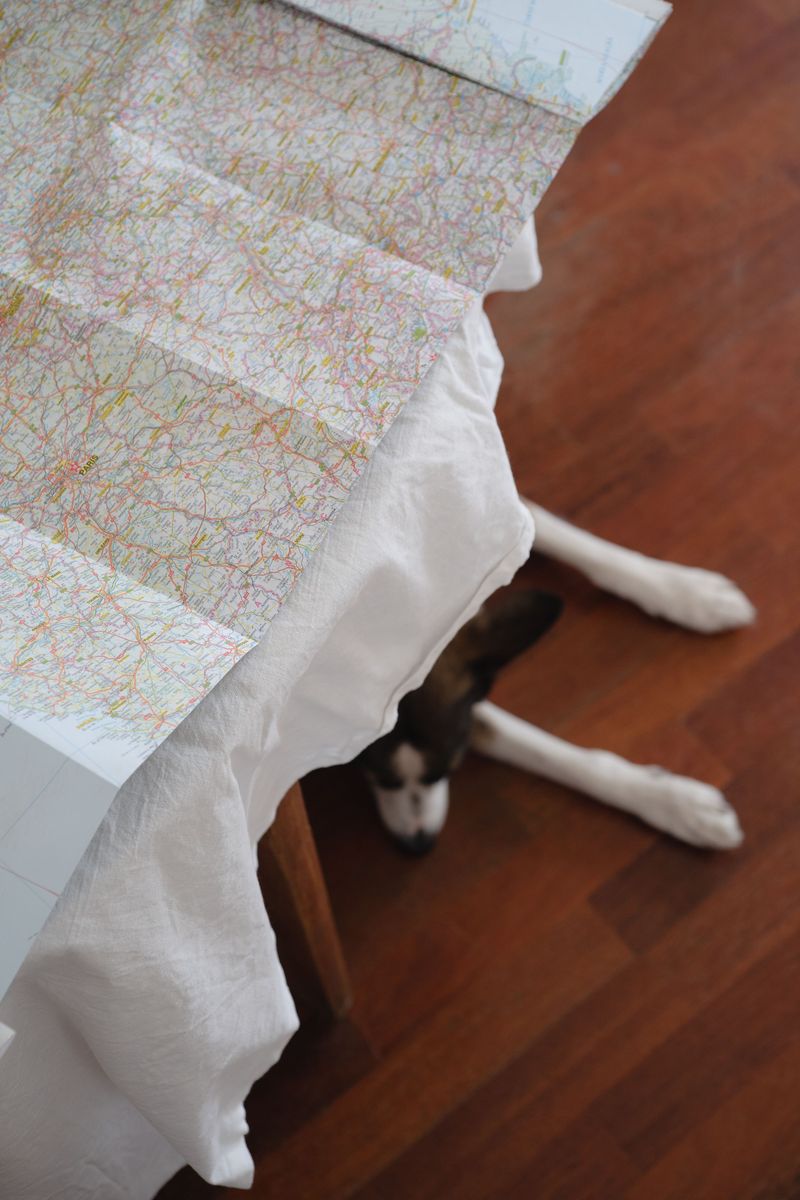
Carry a paper map with alternate routes, but follow current official evacuation instructions. General shelters may not house pets alongside people; local arrangements vary.
Assign household tasks, practice loading your dog, and leave promptly when authorities direct your area to evacuate.
15. Keep the Entire Kit Easy to Grab
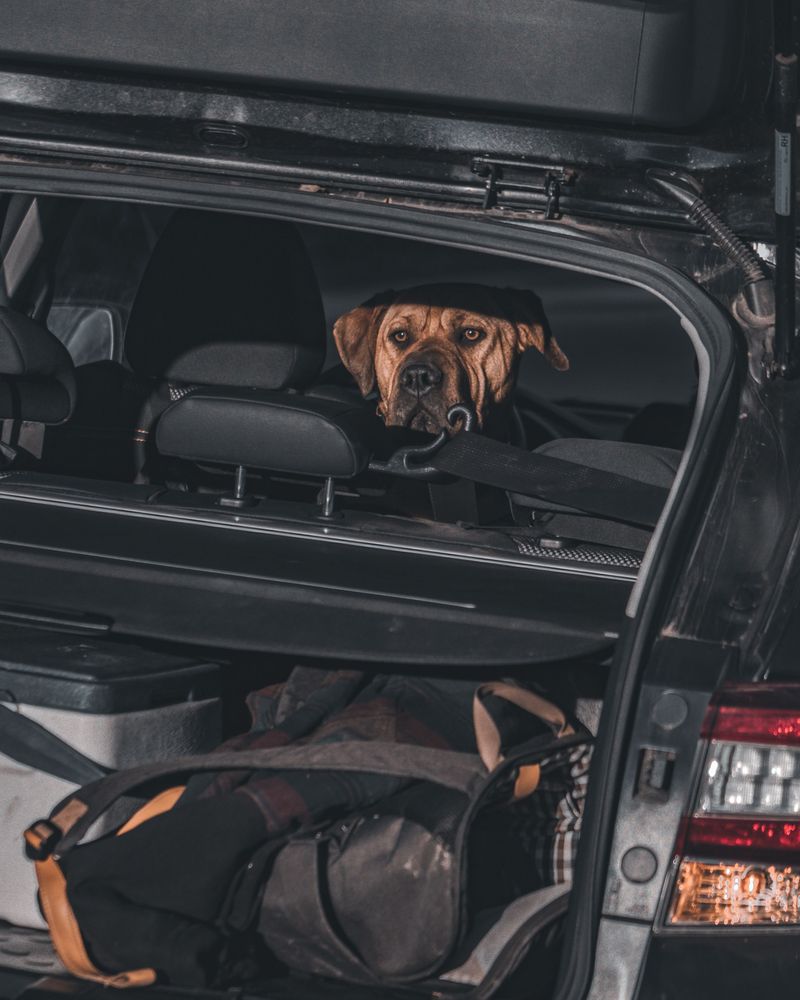
The best supplies are the ones you can actually find when leaving. Store your dog’s kit near your household evacuation bags, somewhere accessible and dry.
Use a checklist for refrigerated medicines or other last-minute additions.
Review food, water, batteries, and records regularly, replacing anything expired or damaged. Practice carrying everything to your vehicle without blocking your dog’s safe travel space.
A ready bag and a rehearsed plan let you focus on leaving calmly, with your dog beside you.