What Wisconsin Dog Owners Should Know About Wolves Near Northern Trails
Northern Wisconsin trails offer plenty of room for you and your dog to enjoy the woods. Some of those forests are also home to wolves, which makes a little planning worthwhile.
You do not need to feel nervous about every rustle or paw print. Knowing where to check updates, how to manage your dog, and when to change plans helps you explore with confidence.
1. Why Wolves Still Matter on Northern Wisconsin Trails
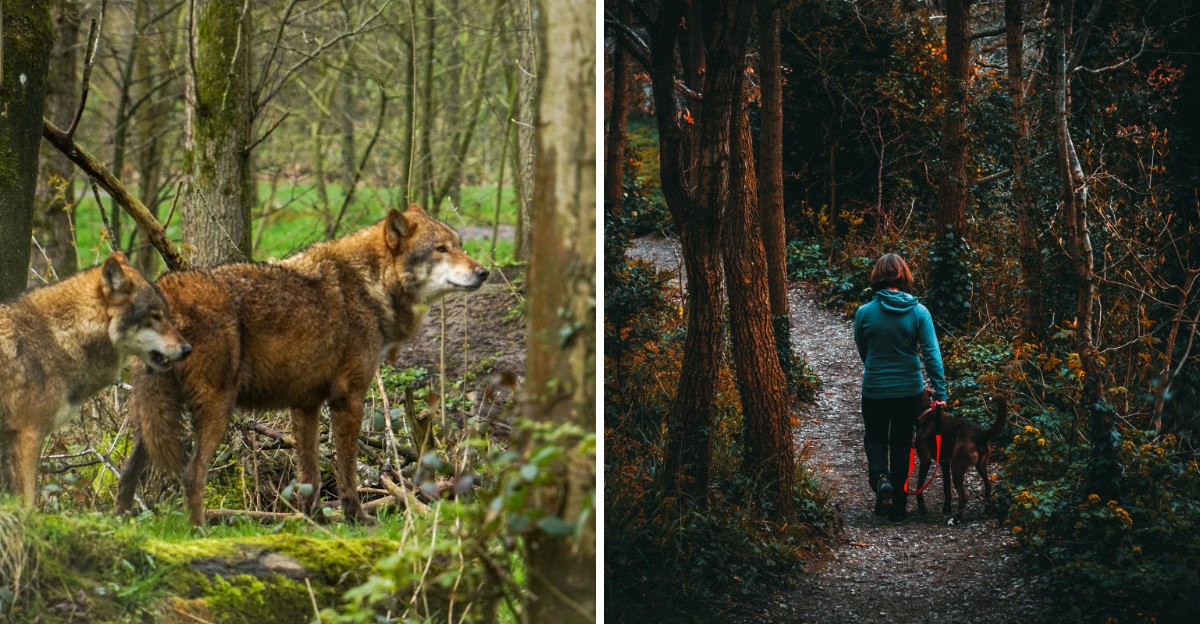
A quiet forest can be both your favorite walking spot and part of a wolf pack’s home. Wolves live across much of northern Wisconsin, including forests used for hiking, camping, and hunting.
Their presence deserves preparation, not panic.
Dogs can draw attention that people alone might not attract. Before heading out, learn about local activity and decide how you will keep your companion close.
Small habits make shared outdoor spaces easier to navigate safely together.
2. Know Which Areas Have Wolf Activity
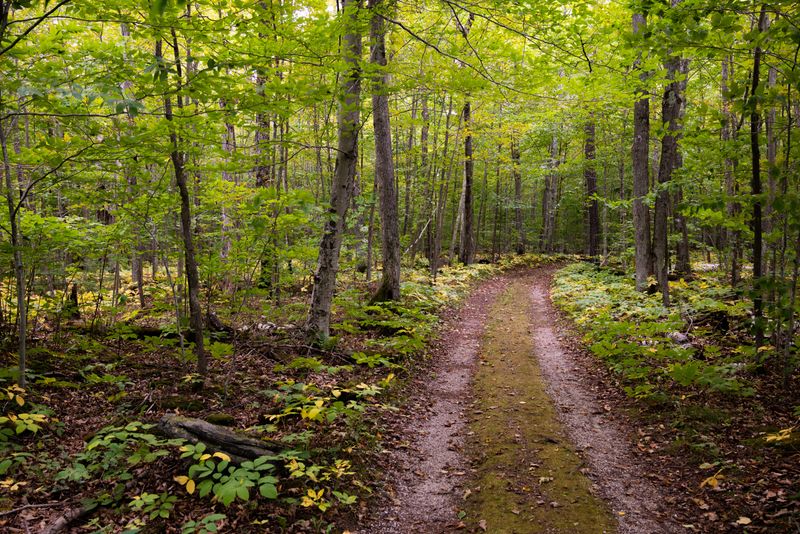
Your usual trail may cross wolf habitat even when you have never spotted a wolf there. Large wooded areas across northern Wisconsin support packs, but activity changes over time.
County borders do not neatly mark where wolves travel.
Check Wisconsin Department of Natural Resources information and ask local land managers about recent concerns. Focus on the exact area you plan to visit.
An old sighting nearby does not automatically make every surrounding trail unsuitable.
3. Keep Your Dog on a Short Leash
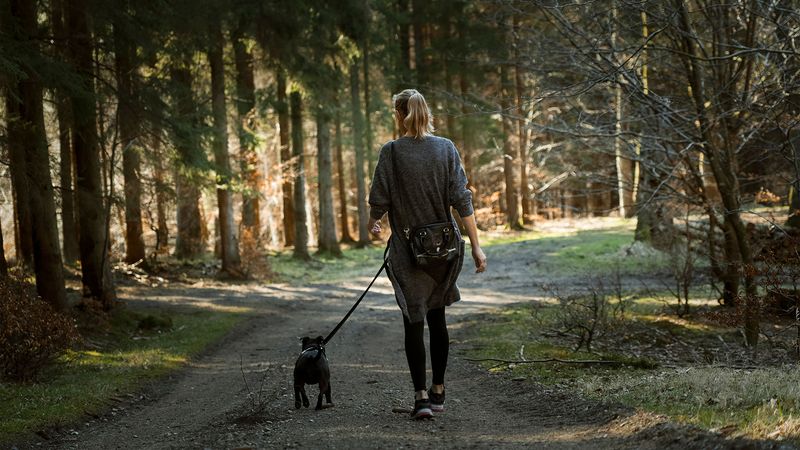
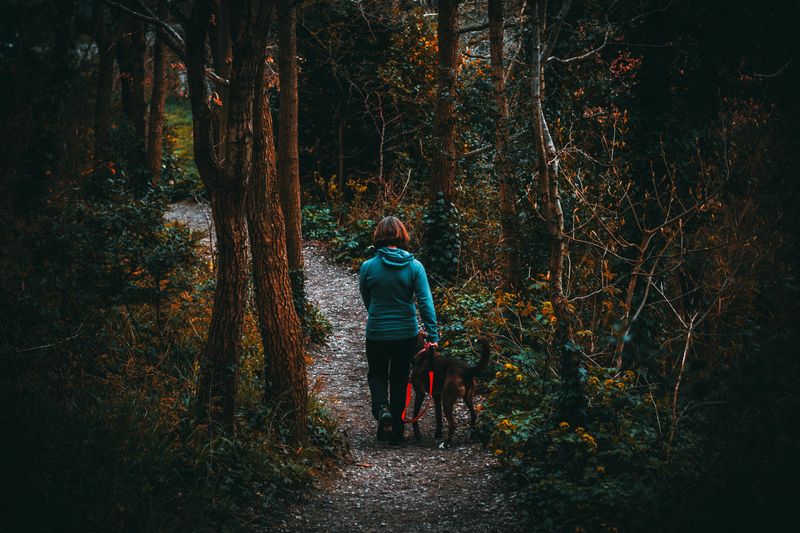
A leash keeps a curious nose from turning into an unexpected trip through the brush. Use a sturdy, fixed-length leash that lets your dog walk close beside you.
Long lines and extended retractable leashes allow too much separation in areas of concern.
Check the site’s posted leash rules before entering. Requirements vary among parks, forests, and other properties.
Even where loose dogs are allowed, staying connected gives you better control if wildlife suddenly appears nearby.
4. Never Let Your Dog Chase Wildlife
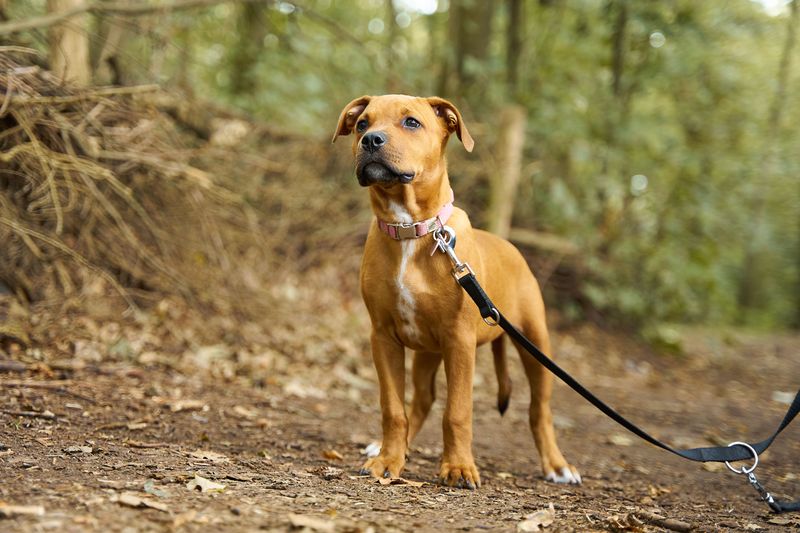
That quick dash after a squirrel can carry your dog farther than you expect. Chasing wildlife may lead into thick cover or bring your pet closer to wolves.
It also disturbs animals that belong in the forest.
Interrupt staring, pulling, or excited barking before a chase begins. Practice turning away and rewarding your dog for following you.
Do not rely on friendliness toward other pets. A playful approach can still create trouble around wild animals.
5. Recognize Signs of Wolves Without Assuming the Worst
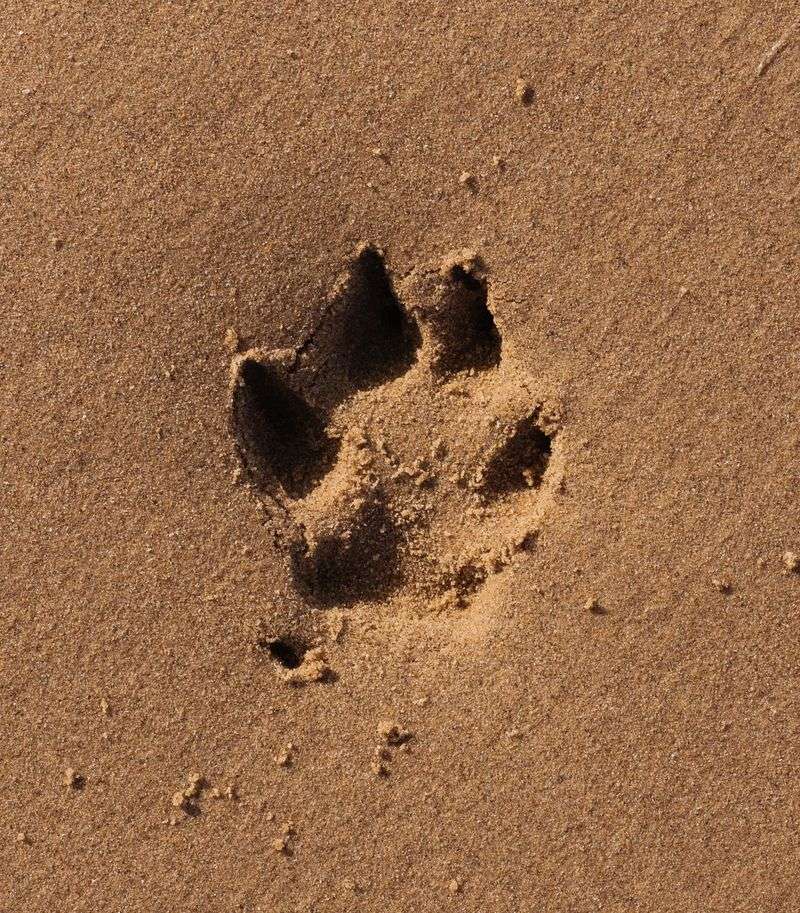
Large paw prints invite curiosity, but a single track rarely tells the whole story. Wolf tracks can resemble those of large dogs.
Scat and distant howling also need context before anyone draws firm conclusions.
Take a photograph with something showing scale, without touching scat or following tracks into cover. Keep your dog beside you while looking.
If identification matters, share images with wildlife staff. Signs suggest possible use of an area, not an immediate threat.
6. Check Wisconsin’s Wolf Caution Areas Before You Go
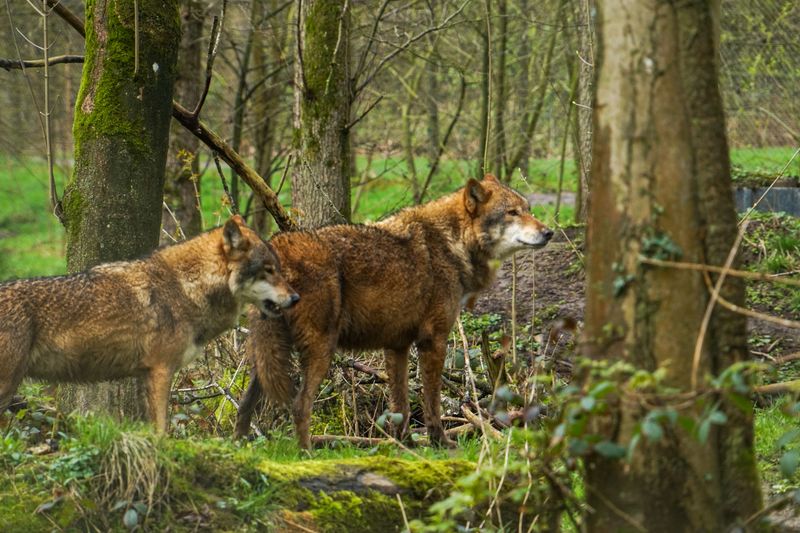
A quick map check belongs beside checking the weather and packing water. The Wisconsin DNR provides a map of verified wolf conflicts, including incidents involving dogs, and identifies caution areas where conflicts have been documented.
Review the current information before visiting unfamiliar northern woods.
Read accompanying dates and guidance, rather than looking only at map symbols. Conditions can change, and mapped areas are not guarantees about nearby locations.
Save useful details before losing cell service. When concerns overlap your route, select another place to walk.
7. Understand Why Dogs Can Trigger Defensive Behavior
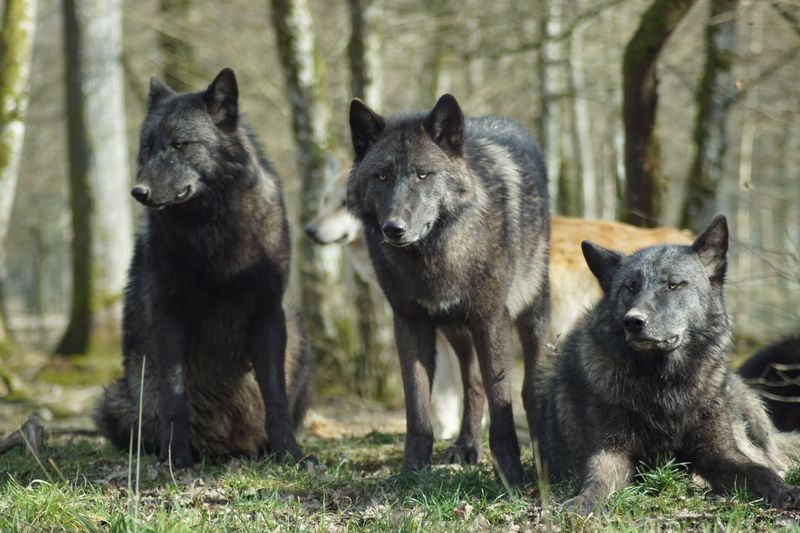
To a wolf, your dog may look more like another canine than a family companion. Wolves can react to dogs as competitors or intruders, especially near pups or important gathering places.
That response differs from their usual behavior around people.
Do not allow greetings, sniffing approaches, or barking contests. Your dog’s size does not guarantee protection, and a friendly temperament does not prevent conflict.
Keeping space between animals is more useful than guessing a wolf’s intentions.
8. Be Extra Careful During Summer and Early Fall
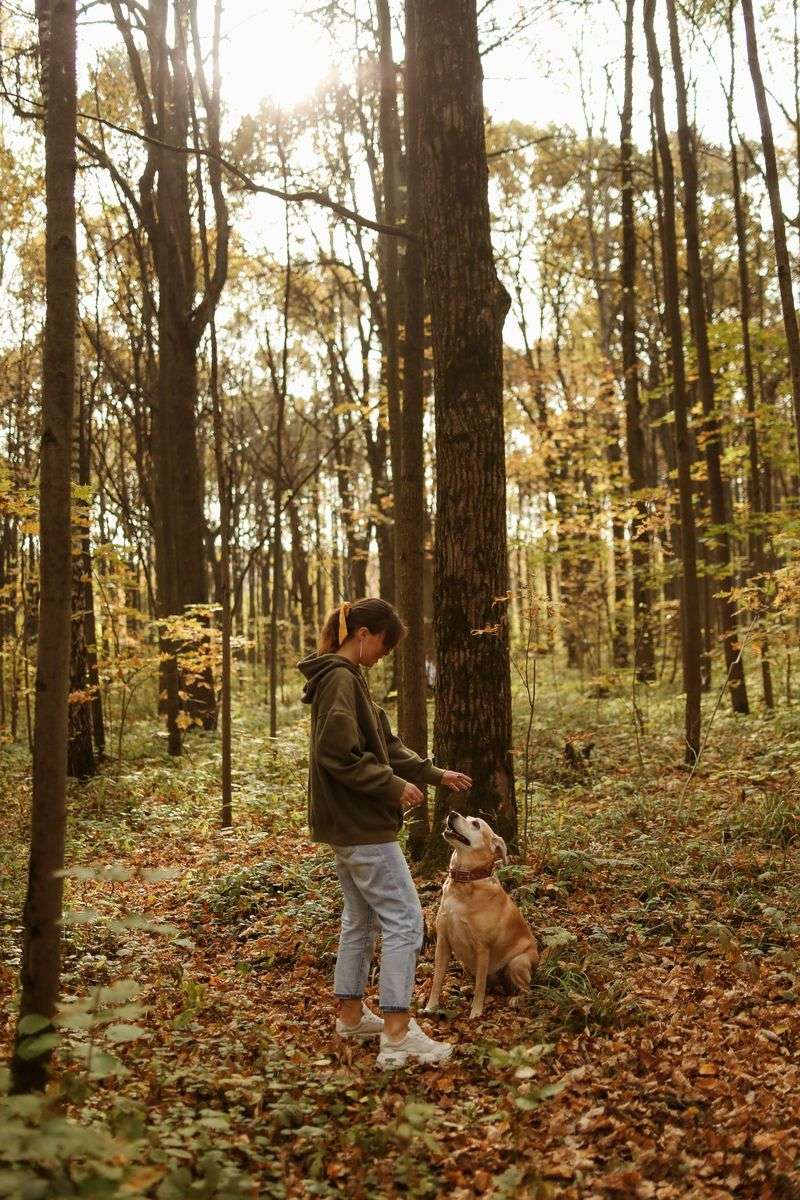
Warm weather brings more outings, but it also overlaps with wolves raising their pups. During summer and early fall, packs may use gathering places called rendezvous sites.
Dogs entering these areas can face defensive responses.
Review seasonal DNR advice, especially before running dogs or visiting remote forest roads. Avoid investigating repeated howling or groups of wolf tracks.
No season removes every concern, so keep your basic precautions throughout the year. Seasonal awareness simply adds another useful layer.
9. Know What to Do if You See a Wolf
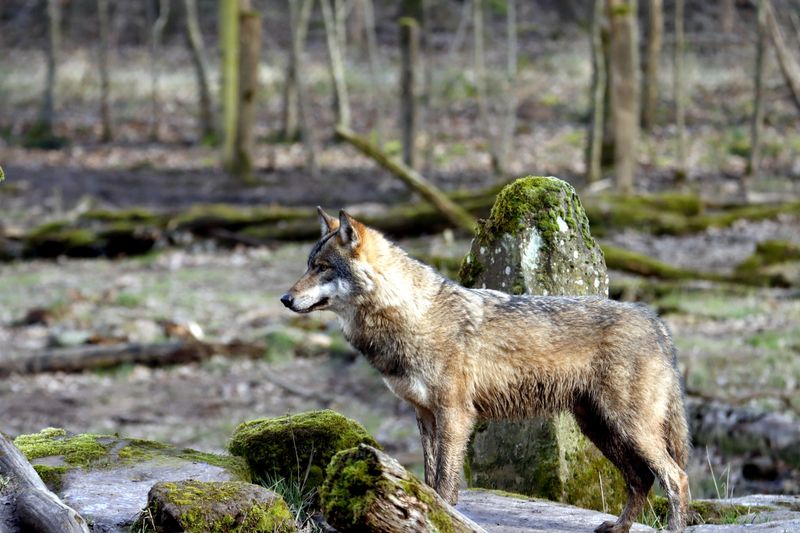
Spotting a wolf does not mean it will approach you. Stop, gather your dog close, and give the animal plenty of room.
Do not move nearer for a photograph or encourage your dog to investigate.
Stay upright and back away slowly while keeping the wolf in view. Avoid running, which can complicate the encounter.
Speak firmly if needed, and leave a clear escape route for the animal. Once safely away, choose a different direction or return.
10. Respond Calmly if a Wolf Does Not Move Away
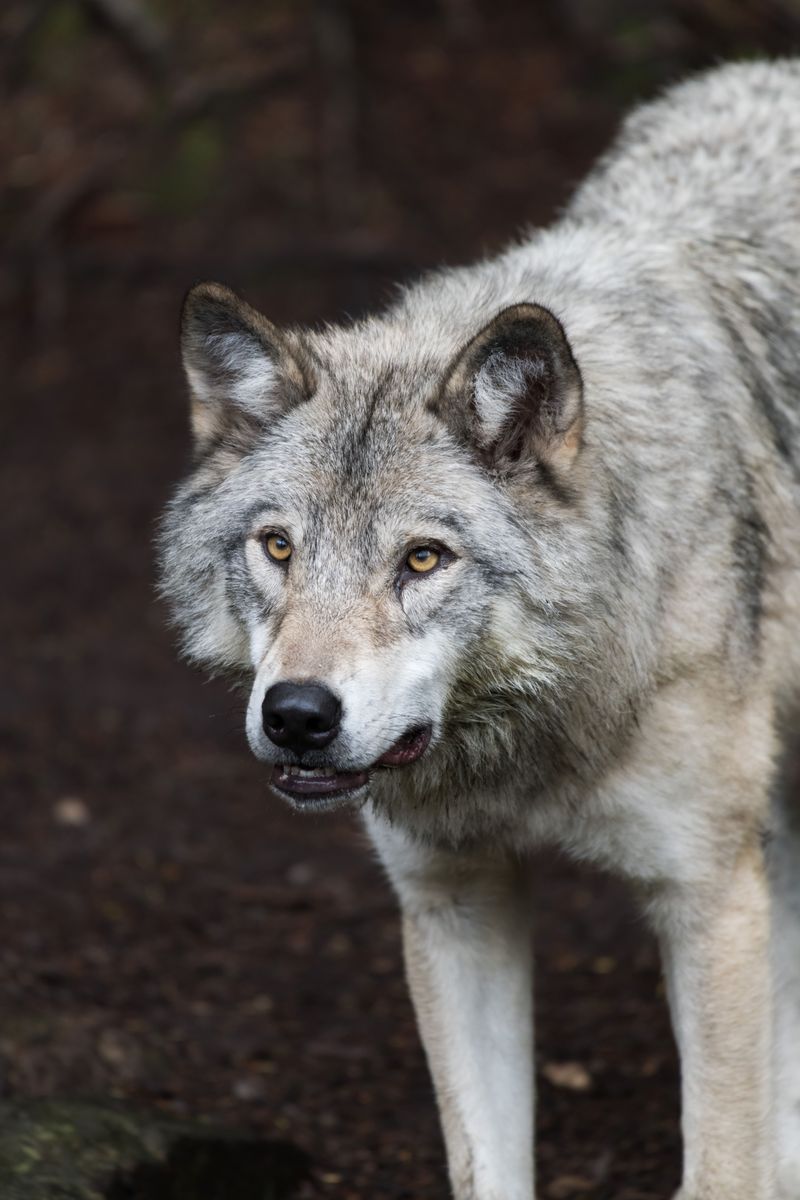
A lingering wolf calls for a firmer response, not a closer look. Keep your dog secured and stay facing the animal.
Make yourself look larger, speak loudly, and use strong, clear noise to discourage an approach.
Back toward a vehicle or other safe place without running. Do not release your dog to distract the wolf.
If the animal follows or repeatedly approaches people, report that behavior promptly. Call emergency services if you face an immediate threat.
11. Leave the Area if You Find Fresh Animal Remains
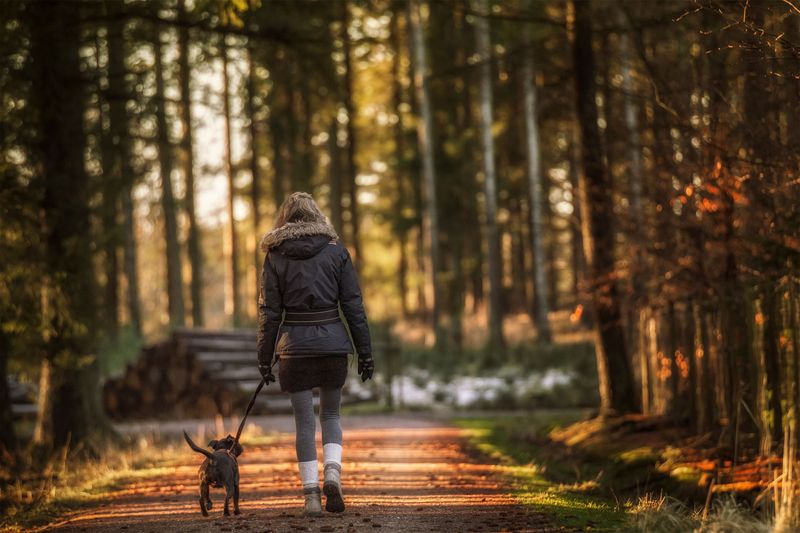
An unusual smell or your dog’s sudden interest may lead toward animal remains. Wolves and other wildlife may return to a recent feeding site.
You cannot reliably judge whether the area is clear by looking around.
Keep your dog from sniffing, eating, or approaching the remains. Turn around and leave without examining the site closely.
Do not move anything or linger for pictures. If the location affects a busy trail, notify the land manager when practical.
12. Make Your Dog’s Recall Reliable Before Hiking
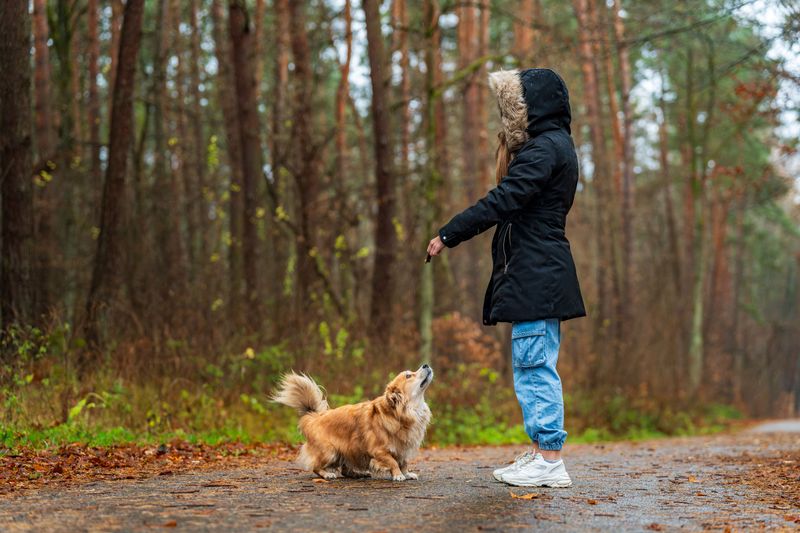
Coming when called starts at home, not during a surprise wildlife encounter. Practice in quiet places, then add distractions gradually in secure settings.
Reward your dog generously for returning, and avoid punishment after a delayed response.
A long line can help during training where its use is permitted. On northern trails with wolf concerns, switch to close leash control.
Even excellent recall can fail under excitement. Treat training as backup support, never a replacement for your leash.
13. Use Extra Precautions on Hunting Trips
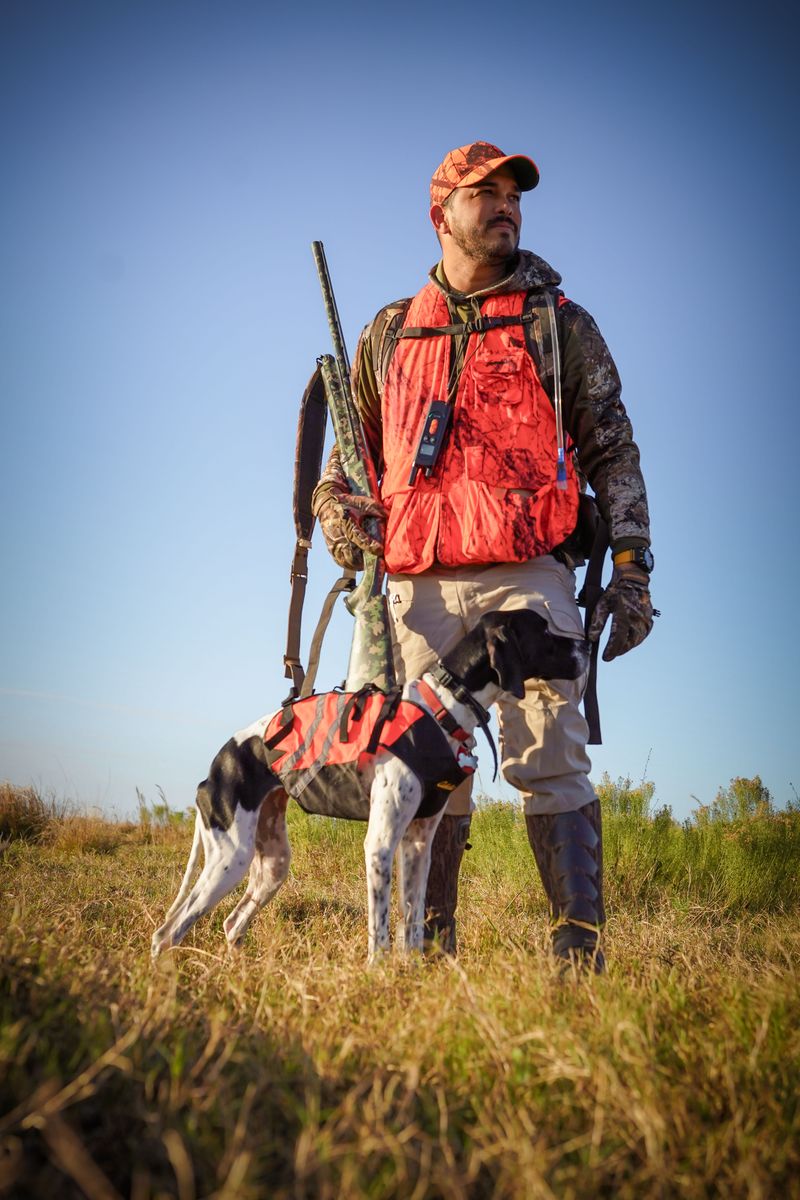
Hunting dogs may travel well beyond their handlers, which changes the safety picture. Wisconsin wolf concerns have often involved dogs pursuing game in wooded areas.
Check current caution areas before choosing where to train or hunt.
Follow applicable hunting and dog training rules, and review DNR guidance for your activity. Tracking equipment helps locate dogs but does not prevent encounters.
Avoid known concern areas rather than relying on equipment alone. Discuss emergency plans with everyone in your group.
14. Keep Your Dog Close at Campsites
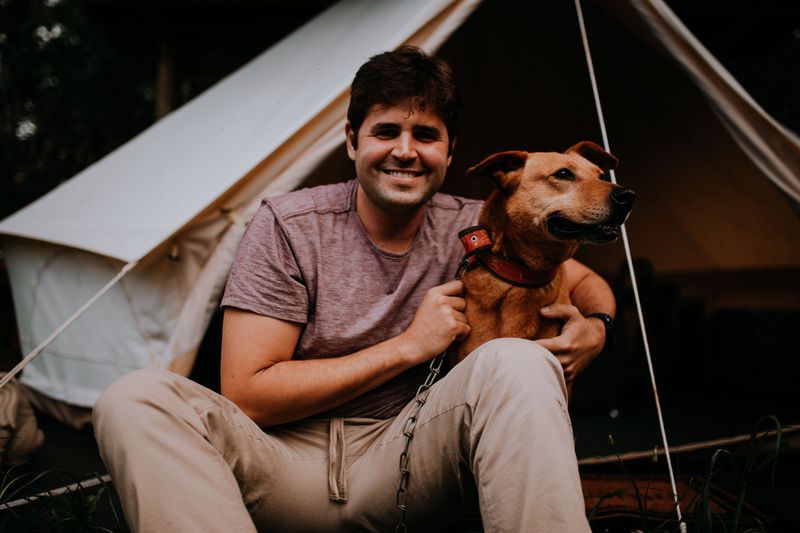
Camp feels familiar quickly, but the surrounding woods remain wildlife habitat. Supervise your dog outside, including during short bathroom breaks.
Do not leave your pet tethered alone while you cook, gather supplies, or visit neighboring sites.
Store dog food, treats, and trash according to campground rules. Remove leftover food instead of leaving bowls outside overnight.
Keep your dog inside your tent or vehicle with you when appropriate and safe. A tidy campsite reduces invitations to many animals.
15. Be Particularly Careful After Sunset
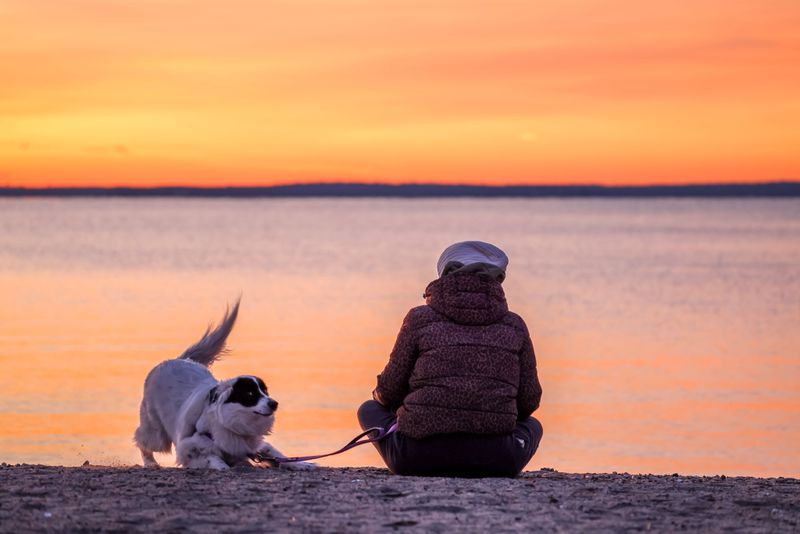
Low light makes it harder to see what has caught your dog’s attention. Wolves can be active at night, although they also move during daylight.
Darkness is a reason for tighter routines, not a reason to panic.
Keep evening walks short and stay near occupied areas when possible. Use a headlamp and reflective dog gear to improve visibility.
Avoid wandering into brush after noises. Before opening a camper door, attach the leash and check the surroundings first.
16. Carry a Few Essentials for Wildlife Encounters

A small kit makes unexpected situations easier to handle without overloading your pack. Bring a dependable leash, water, basic pet first aid supplies, and a charged phone.
Save maps and contact information for use without service.
A whistle or other noise maker can help you signal or make your presence clear. If carrying wildlife deterrent spray, check rules and learn its proper use beforehand.
No tool guarantees protection. Distance, supervision, and sound decisions remain your strongest everyday safeguards.
17. Know When to Choose a Different Trail
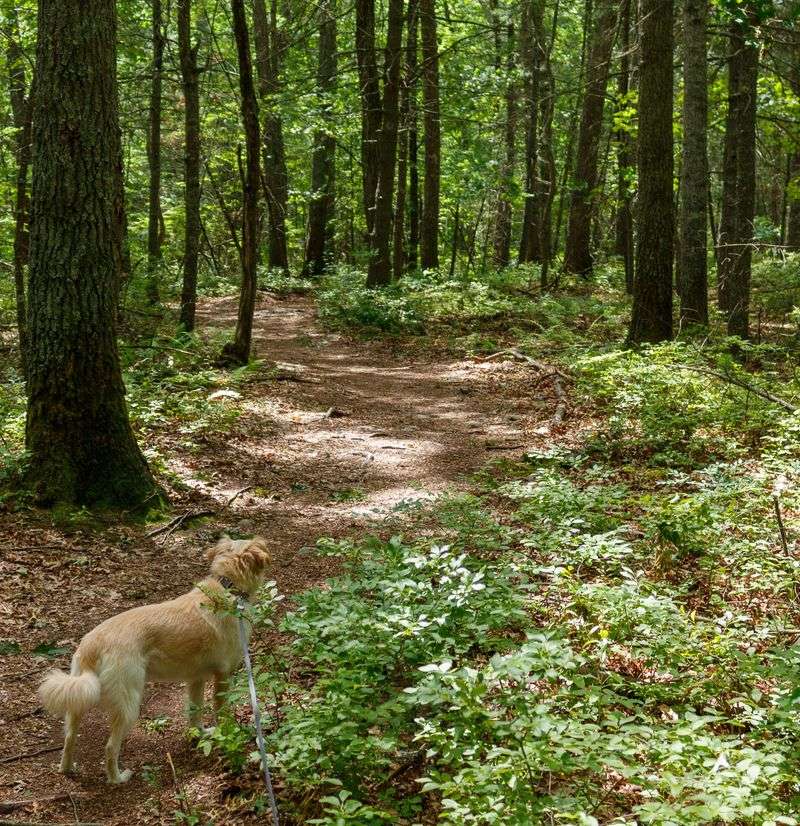
Changing plans can be the smartest part of a good outdoor day. Recent dog incidents, posted warnings, or repeated nearby wolf activity deserve attention.
A dog that constantly pulls or barks may also need an easier setting.
Select a route away from reported concern areas, or walk somewhere more developed that permits dogs. Ask property staff for alternatives when available.
There is no need to prove anything by continuing. A comfortable outing beats pushing through conditions you cannot manage.
18. Report Suspected Wolf Attacks on Dogs
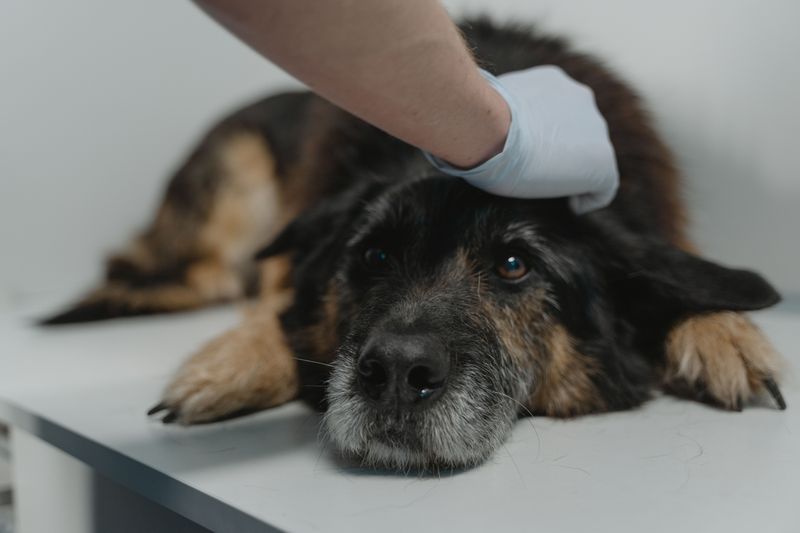
If your dog is injured in a suspected wolf encounter, seek veterinary care promptly. Once everyone is safe, report the incident to USDA Wildlife Services using the contact number for your region, as directed by the Wisconsin DNR.
Staff can direct you to the appropriate investigating agency.
Record the location, time, and what you observed without returning to danger. Photograph relevant signs only when safe, and preserve available evidence.
Do not assume tracks alone confirm responsibility. Ask officials about investigation procedures and any applicable compensation requirements before expecting reimbursement.
19. Remember That Wolves Usually Avoid People
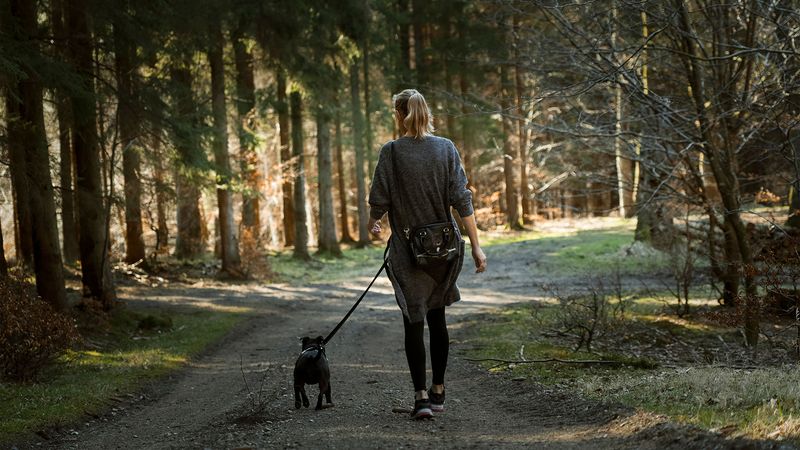
Most walks through wolf country end with nothing more unusual than muddy paws. Wolves generally avoid people, and seeing one does not automatically signal danger.
Still, a nearby dog can change how an encounter unfolds.
Carry that balanced view into every outing: respect wildlife, watch your companion, and give animals room. Check updates, shorten the leash, and change routes when needed.
Enjoy the woods without expecting trouble. Prepared owners and closely supervised dogs make a confident trail team.