Moving From A Chicago High-Rise To Rural Illinois Changes These 15 Dog-Owner Habits
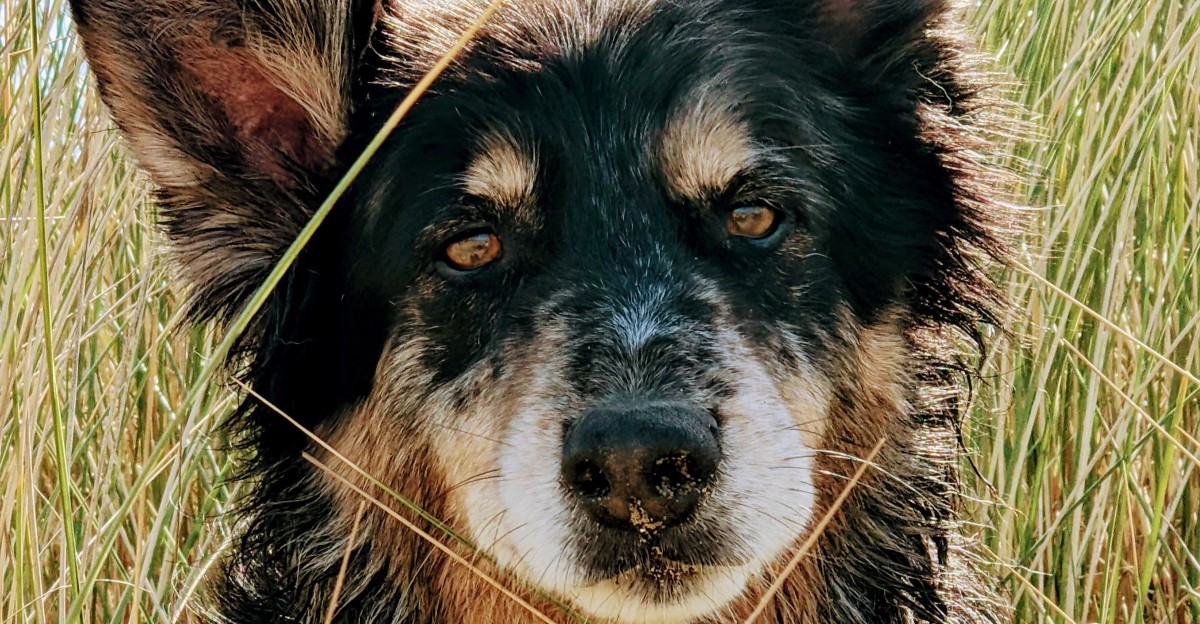
Trading a Chicago high-rise for a rural Illinois home changes your dog’s day as much as yours. Elevator rides give way to backyard breaks, while quiet roads bring new sights, smells, and routines.
More space can feel wonderful, but it still calls for training, supervision, and a little planning. A few thoughtful changes will help you both settle into country life with confidence.
1. Potty Breaks No Longer Depend on an Elevator
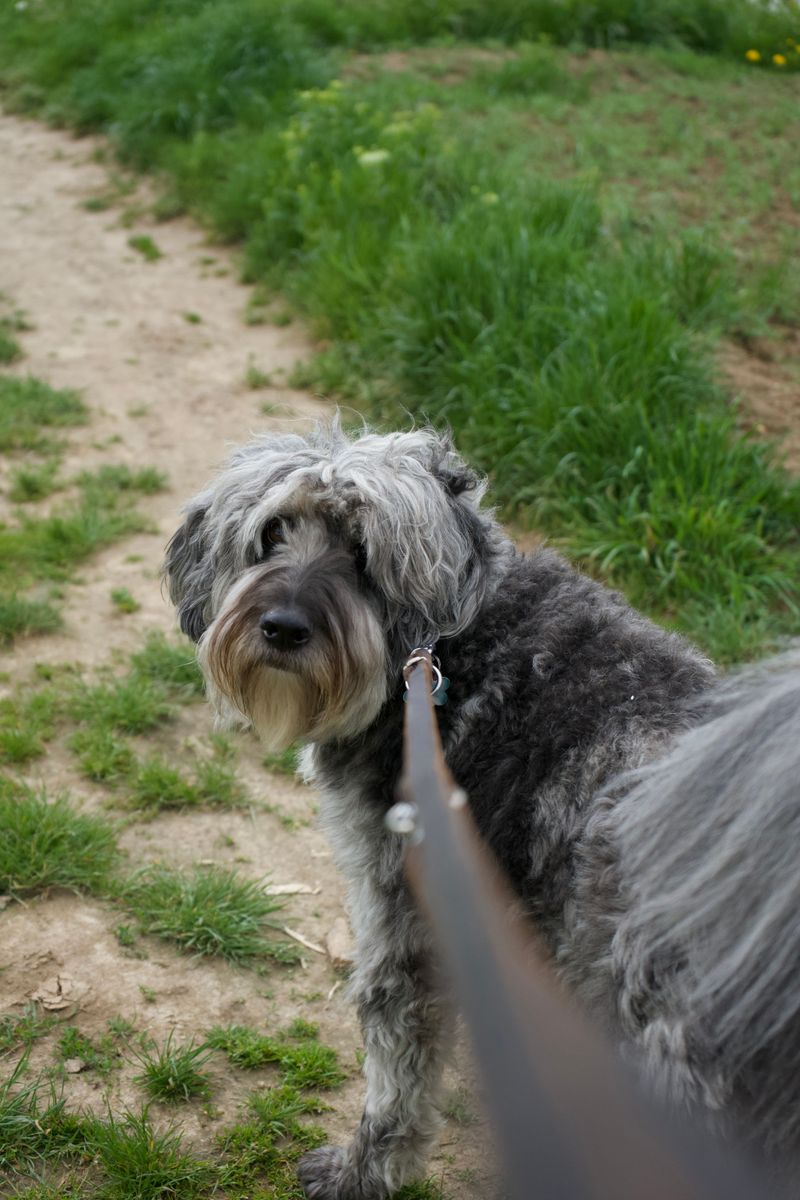
The first morning without an elevator wait can feel like a small vacation. Your dog still needs predictable bathroom breaks, especially during the move.
Keep familiar meal times and head outside after waking, eating, and playing.
Choose one easy spot near the house, then reward your dog for using it. Go along rather than simply opening the door.
Keep shoes, a leash, and a flashlight nearby for quick nighttime trips in your new country home.
2. Leash Walks Feel Different Away From Busy Streets
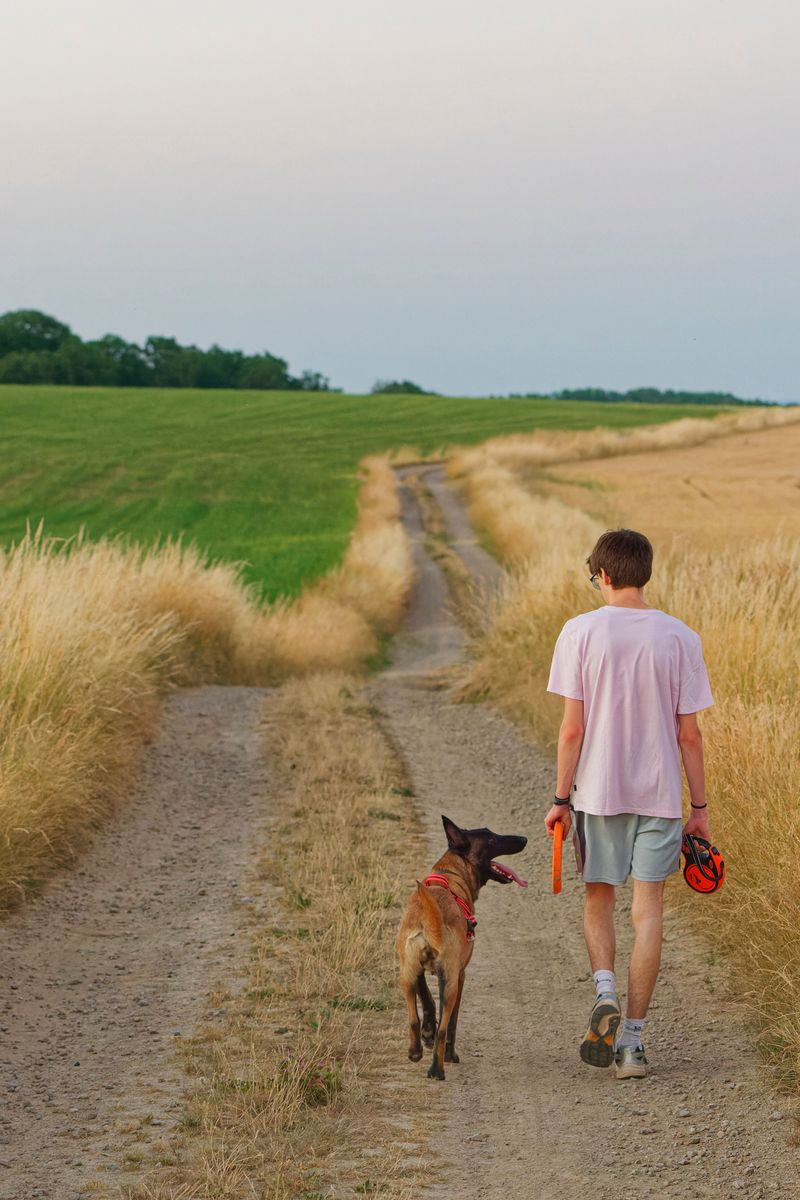
Quiet roads can seem easier than crowded Chicago sidewalks, but many lack safe walking space. Scout routes before bringing your dog.
Look for wide shoulders, clear sightlines, and places to step away from traffic.
Use a secure leash, and skip headphones when vehicles are nearby. Local leash rules vary, so check municipal or county requirements.
Public trails may offer better footing than roadsides. Respect private land, even when a field looks inviting for an afternoon stroll.
3. Fenced Yards and Waste Cleanup Join the Daily Routine
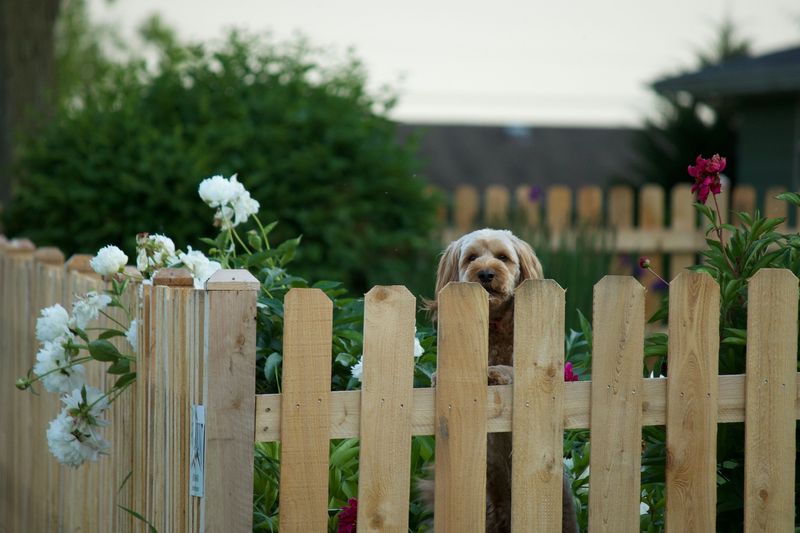
A backyard is useful, but a fence needs regular attention. Check gates, loose boards, and gaps before letting your dog explore.
Supervise outdoor time, especially while your dog learns the property’s sights and sounds.
Pick up waste regularly rather than leaving it across the lawn. Follow your local waste service’s disposal guidance.
Keep waste away from wells and drainage areas, and follow local guidance for disposal. Extra land changes where cleanup happens, not your responsibility to manage your dog’s waste responsibly.
4. Wildlife Awareness Becomes an Everyday Habit
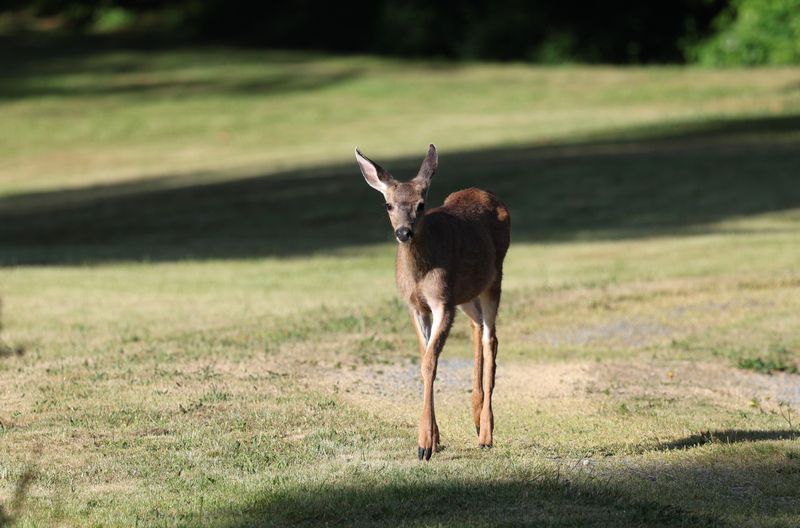
New smells may introduce your dog to deer, rabbits, and other local wildlife. Watch the yard before heading outside, particularly around dawn and dusk.
Keep your dog close when animals appear.
Bring pet food indoors and secure trash to avoid attracting visitors. Never encourage chasing, even when your dog seems playful.
Give wildlife room to leave. Ask local animal control about unusual behavior or repeated visits, rather than trying to handle unfamiliar animals on your own.
5. Tick Checks and Pest Prevention Extend Beyond the House
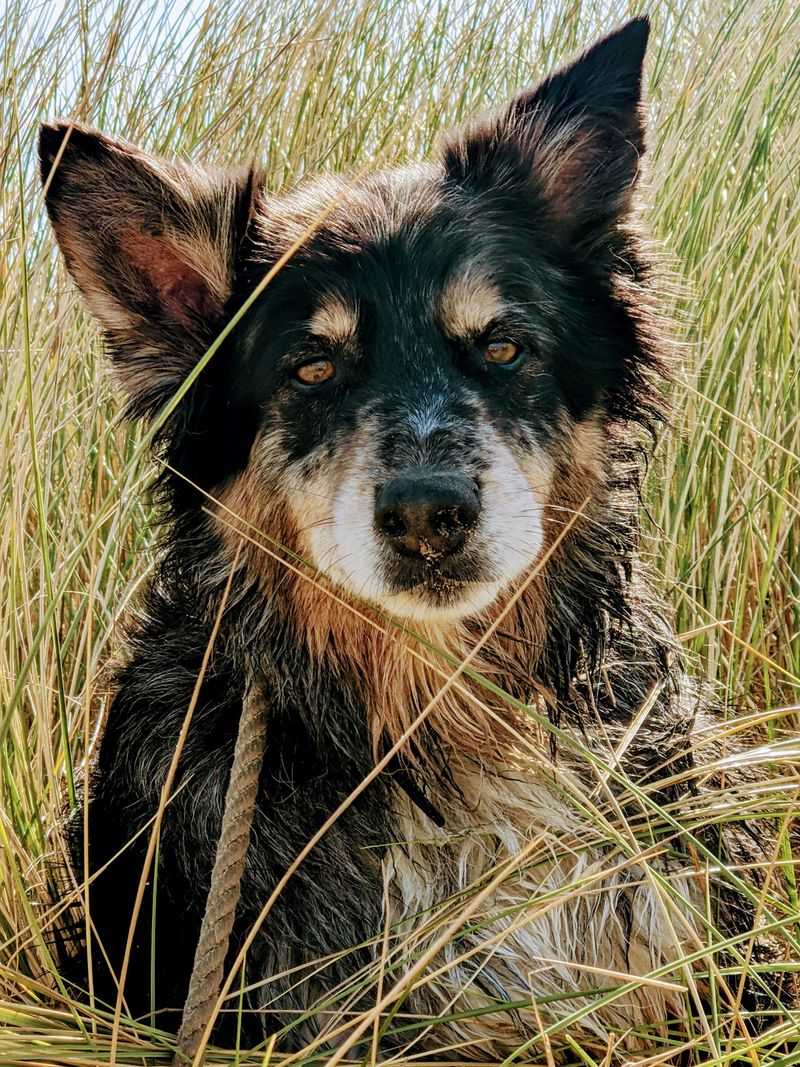
Tall grass adds a new step after walks: a careful coat check. Feel around your dog’s ears, neck, legs, and between toes.
Ticks can be small, so work slowly in good light.
Ask your veterinarian about prevention suited to your dog and local exposure. Follow product instructions, and never assume household pest treatments are pet safe.
Keep grass trimmed around common routes. If you find an attached tick, ask about proper removal and any needed follow-up.
6. Recall Training and Enrichment Deserve More Attention
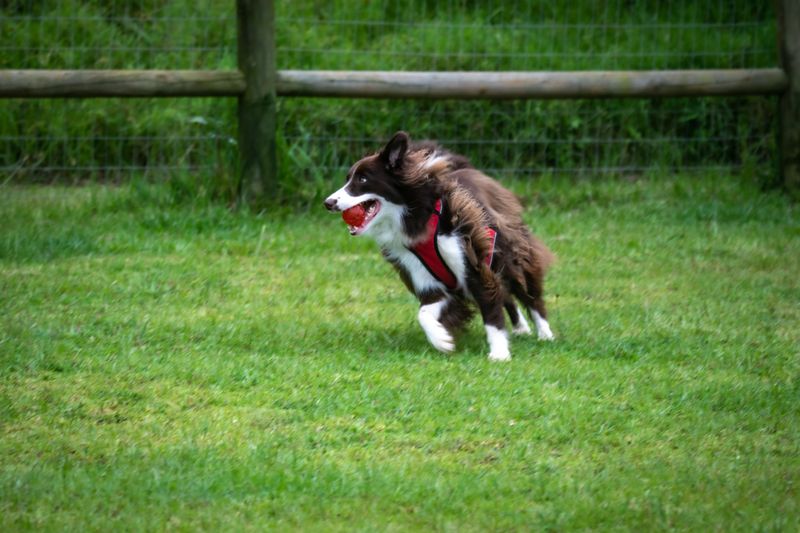
Open space can make a squirrel more interesting than your voice. Practice coming when called inside first, then move into a securely fenced area.
Reward every successful return with something your dog enjoys.
Use a long line attached to a harness where appropriate. Avoid testing recall near roads or livestock.
Add sniffing games, food puzzles, and short training sessions daily. A larger yard offers room, but thoughtful activities provide the mental exercise dogs still need daily.
7. Car Rides Replace Some City Walking Trips
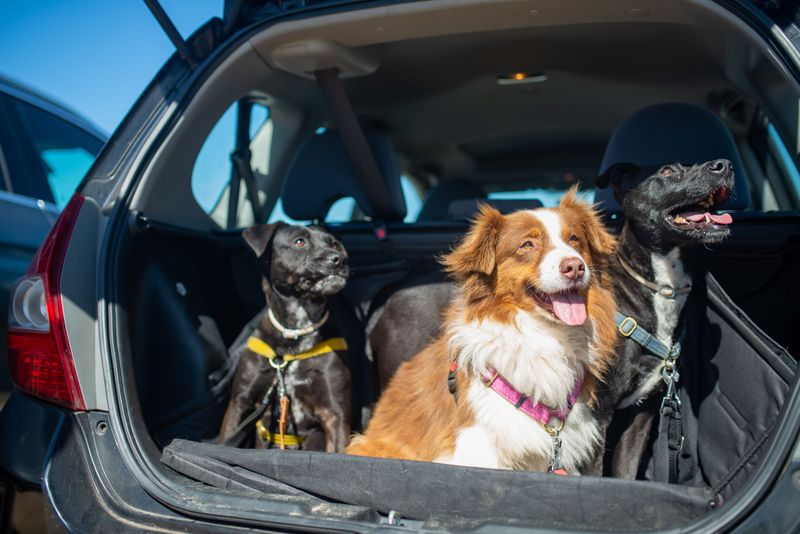
The pet store may no longer sit around the corner. Begin with short drives if your dog rarely rode in cars.
Use a suitable vehicle restraint or secured crate, following the manufacturer’s directions.
Pack water, cleanup bags, and a leash for every outing. Plan stops on longer trips, and keep identification on your dog.
Never leave your dog alone in a hot vehicle. For motion sickness or travel stress, ask your veterinarian before using any medication.
8. Veterinary Appointments Require More Planning
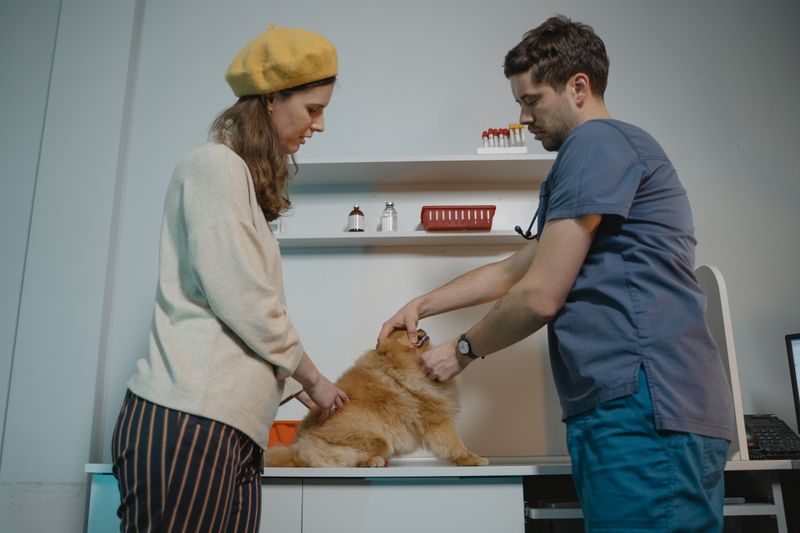
A longer drive changes how you schedule routine care. Find a nearby veterinary clinic before your dog needs an appointment.
Transfer records, refill prescriptions early, and confirm how the practice handles urgent concerns.
Save the nearest emergency clinic’s number and check its current hours. Rural practices may offer different services or appointment schedules.
Ask about local parasite risks and required vaccines. Keep a travel plan ready, including directions and someone who can help when you need transportation.
9. Grooming Supplies Move Into a Practical Mudroom Routine
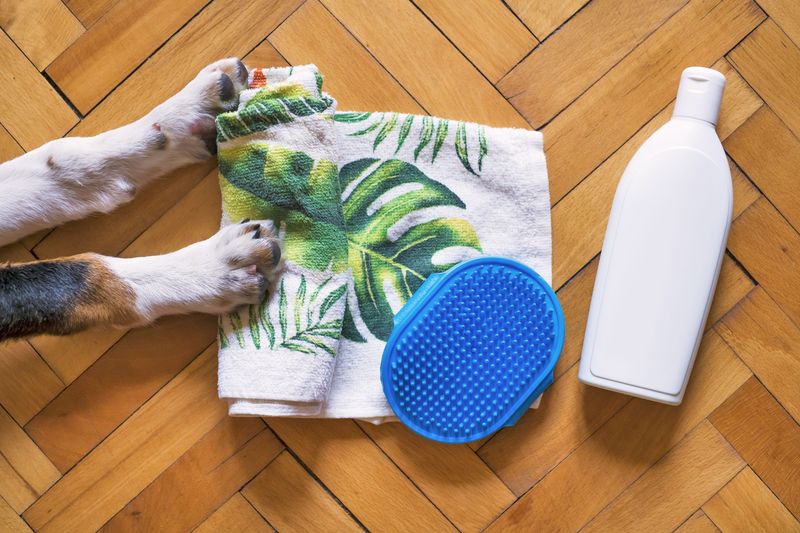
Muddy paws now need more preparation than a polite lobby entrance. Set up washable mats, towels, and a brush beside the door.
Store grooming supplies where you can reach them without leaving your dog unattended.
Check paws for burrs and small debris after outdoor adventures. Wipe gently, then dry between the toes.
Avoid pulling stubborn tangles or cutting close to skin. A groomer can help with difficult mats, while your veterinarian should assess irritated or tender areas.
10. Barking Has Different Neighbors to Consider
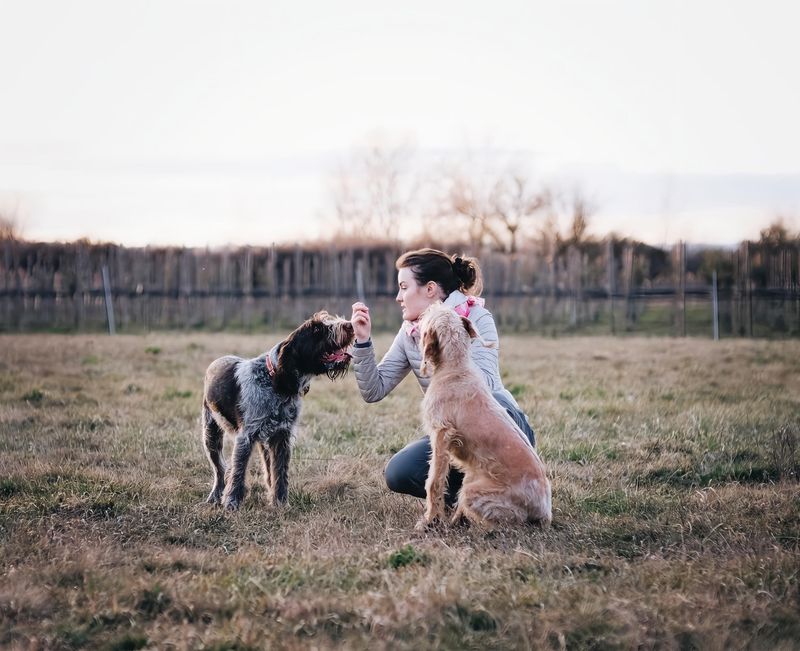
Sound carries across open land, even when houses seem far apart. Notice what triggers barking, such as passing trucks, livestock, or unfamiliar nighttime sounds.
Bring your dog inside before barking becomes a long routine.
Reward quiet behavior and practice settling away from windows or fences. Avoid leaving your dog outdoors to manage distractions alone.
Noise rules vary by community, so confirm local requirements. A friendly introduction to nearby neighbors can also make future conversations easier for everyone.
11. Outdoor Water Needs More Attention
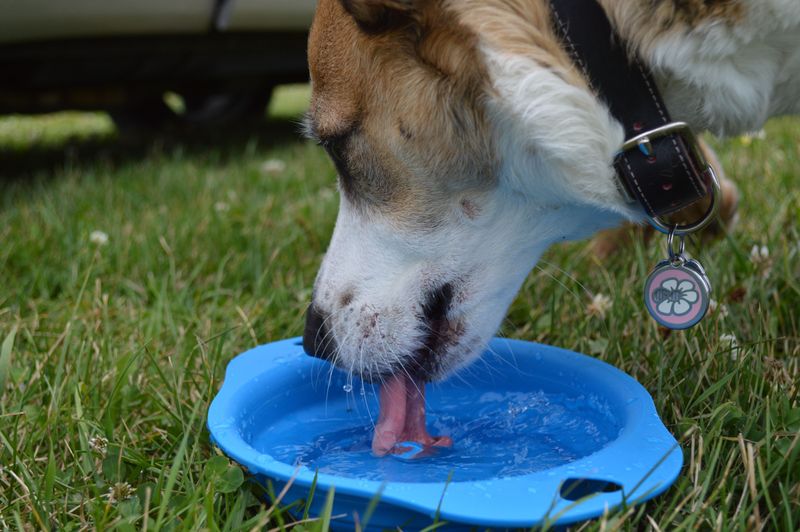
A sunny water bowl can become dirty surprisingly fast. Provide fresh drinking water whenever your dog spends time outside.
Place bowls in shade, wash them regularly, and check them throughout the day.
Discourage drinking from puddles, ponds, and farm containers. Their contents may include germs, chemicals, or harmful algae.
Don’t assume natural water is safe because it looks clear. Carry drinking water on walks, and contact your local health department or a qualified water-testing laboratory about testing if your household uses a private well.
12. Farm Equipment Changes Where Dogs Can Safely Roam
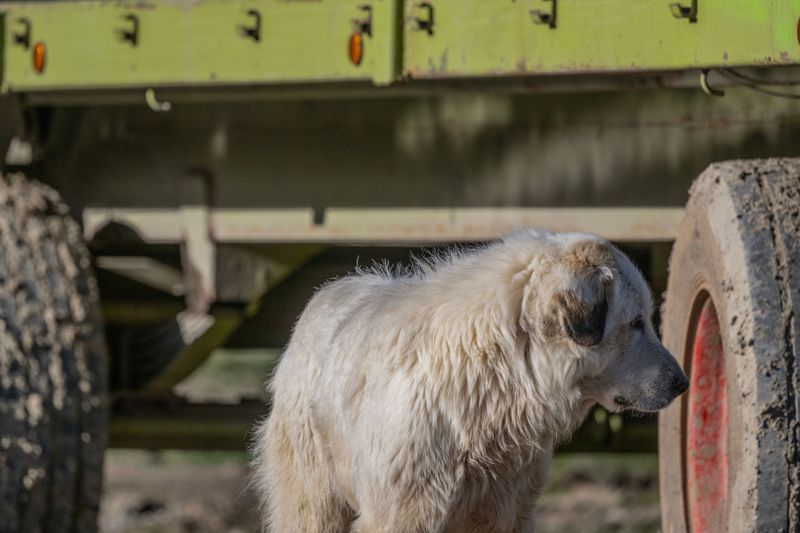
Planting and harvest can bring more activity near your home. Tractors, trailers, and delivery vehicles need plenty of room.
Keep your dog securely contained whenever equipment operates nearby, including on your own property.
Ask neighboring farmers about shared access routes and busy seasons. Stay away from work areas, stored chemicals, and livestock spaces.
Never rely on an equipment operator seeing a loose dog. Choose walking routes that avoid active fields, and respect gates, posted signs, and boundaries.
13. Pet Identification Becomes Even More Important
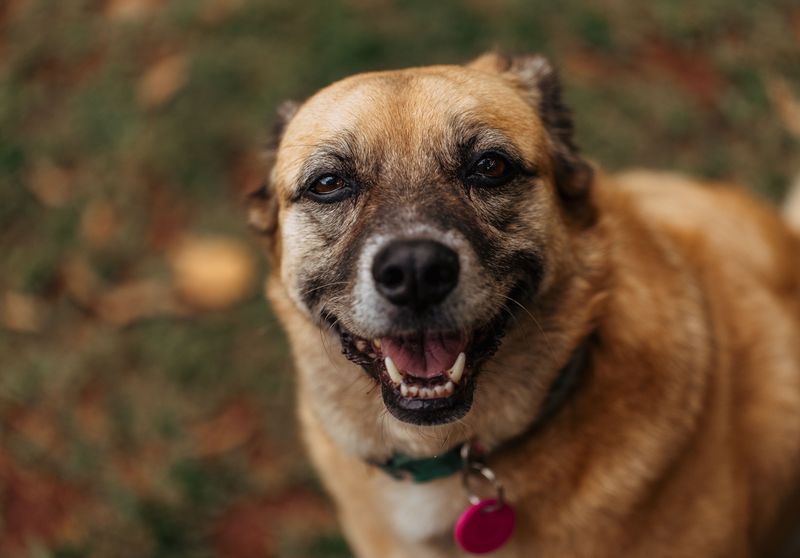
An unfamiliar landscape makes updated contact details especially valuable. Check that your dog’s collar tag shows a working phone number.
Update the microchip registry after moving, since a chip alone does not update your address.
Ask county animal control about registration and rabies tag requirements. Keep a recent photo and vaccination records easy to find.
Check collar fit regularly. If your dog goes missing, contact local shelters and animal control promptly with clear identifying information and photographs.
14. Seasonal Weather Changes the Walking Schedule
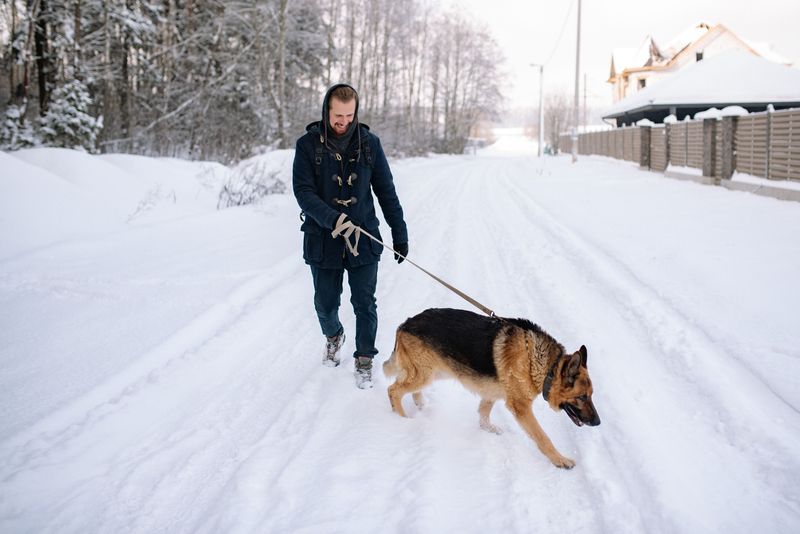
Illinois weather can turn a favorite route into mud, ice, or hot ground. Shift summer walks toward cooler hours.
During winter, shorten outings when your dog seems uncomfortable, and check paws afterward.
Choose coats or paw protection based on your dog’s needs, not appearance alone. Watch forecasts before walking far from shelter.
Thunderstorms call for indoor plans, while icy roads may require another route. Keep indoor games ready so difficult weather doesn’t remove exercise from the day.
15. Daily Supervision Still Matters With More Space
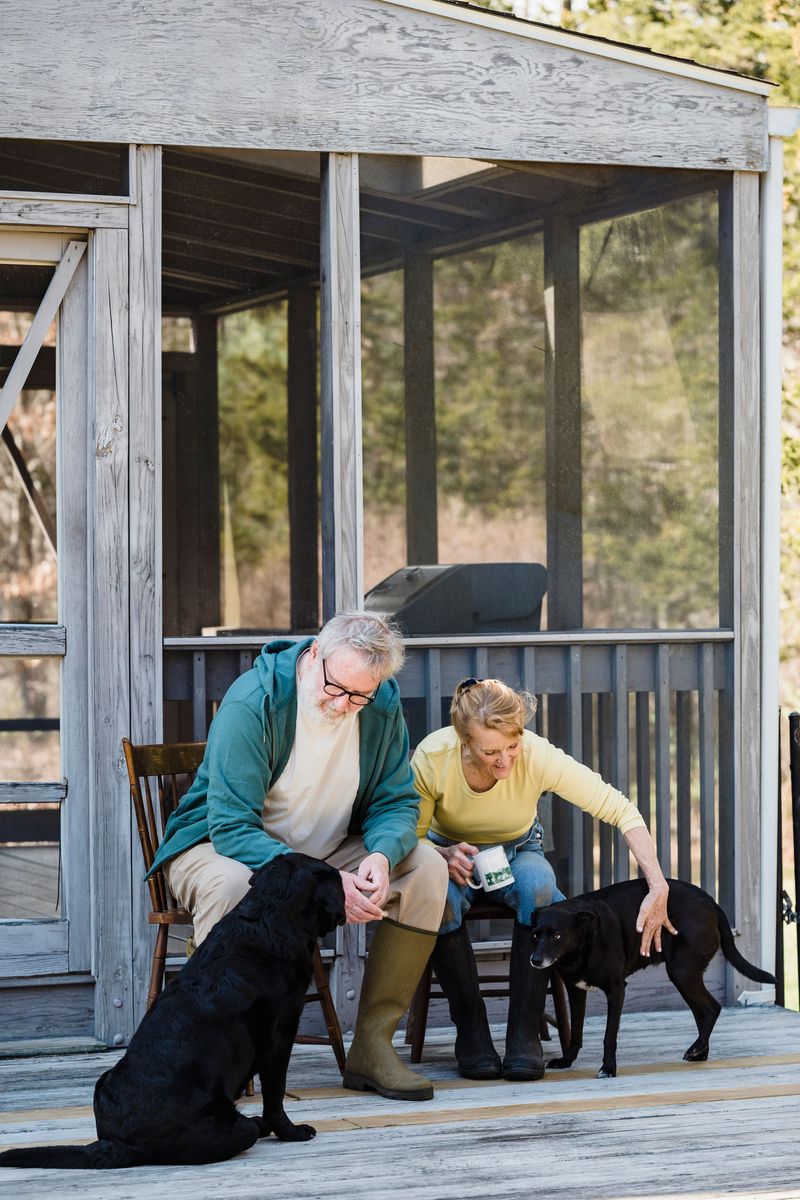
Country living works best when freedom comes with familiar structure. Keep meals, rest, walks, and training reasonably consistent during the transition.
Watch your dog’s behavior for clues that something needs adjusting.
Extra sniffing, shorter outings, or a quieter resting spot may help your dog settle. Contact your veterinarian about lasting changes in appetite, comfort, or behavior.
You don’t need a perfect routine immediately. Start small, stay observant, and build a country life that feels safe and welcoming.