Why Fast-Rising Water Along Ohio Creeks Can Catch Dogs Off Guard After Storms
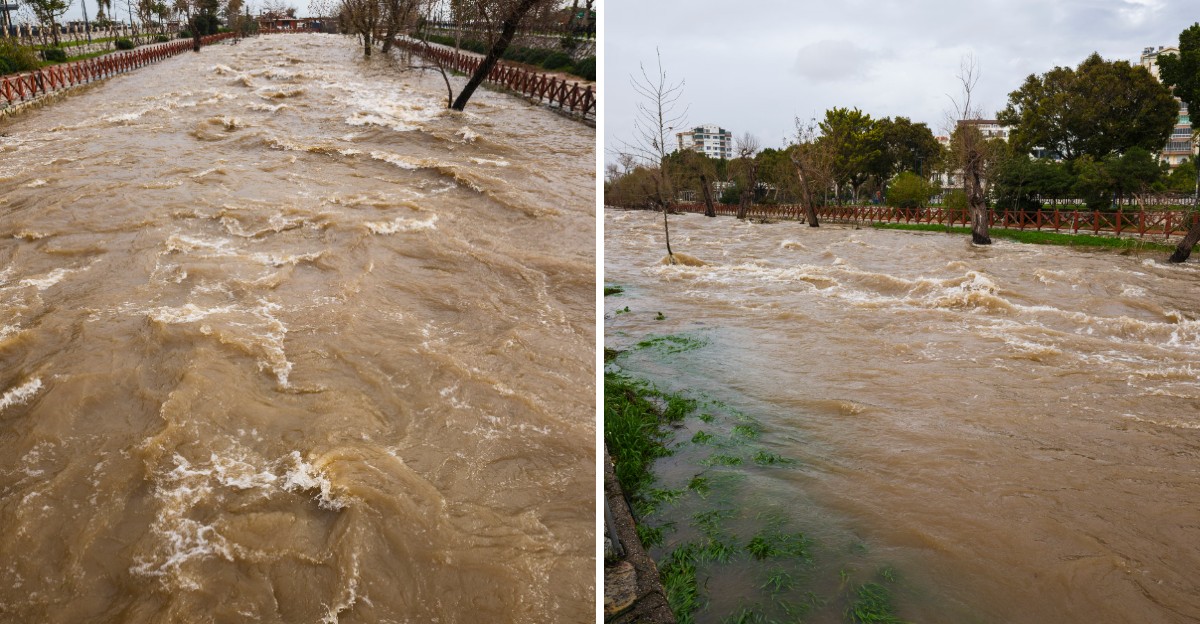
Your favorite creekside walk can look quite different after an Ohio storm, even when the rain has stopped. Water may rise quickly, covering familiar banks and bringing stronger currents than your dog expects.
Knowing what changes to watch for helps you choose safer routes without giving up enjoyable outdoor time. A few simple habits can keep those daily walks comfortable, predictable, and better suited to the weather.
1. Why Ohio Creeks Can Rise So Quickly After Storms
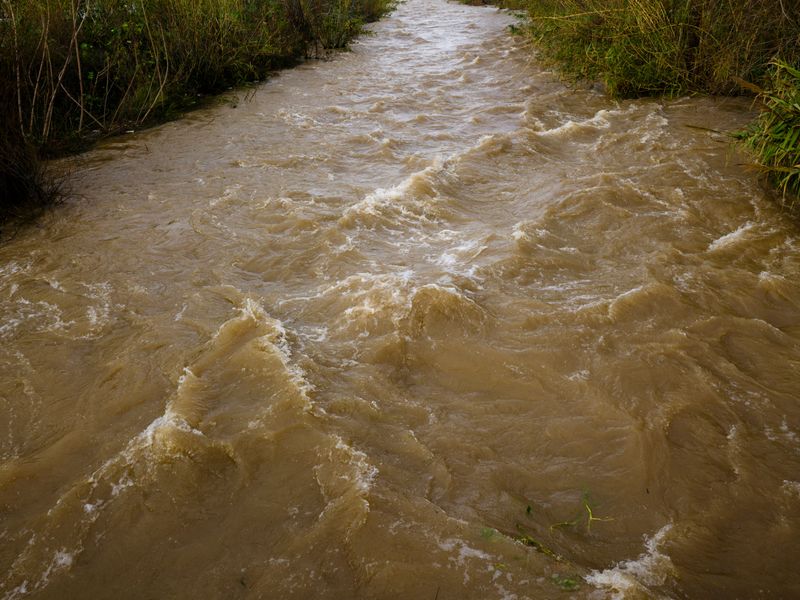
A small creek collects water from more land than you can see during a walk. Heavy rain sends runoff from hills, yards, roads, and smaller channels toward that creek.
When water arrives faster than the channel can carry it, the level rises.
Some Ohio streams respond quickly, especially during intense storms over small drainage areas. Keep your dog away from creek edges after downpours.
A quiet stretch can change before you notice the difference yourself.
2. Rain Upstream Can Affect a Creek Downstream
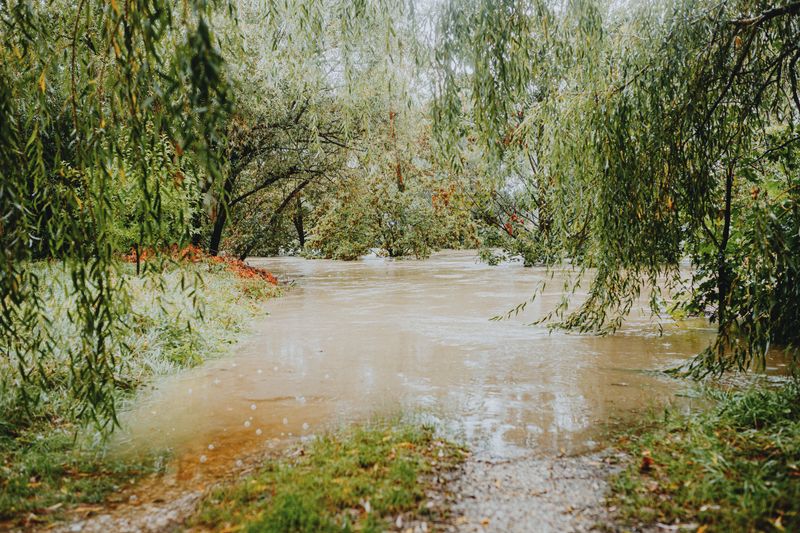
Blue sky above your neighborhood does not tell the whole creek story. Rain falling upstream can move through the drainage network and raise water farther downstream.
Your walking spot may receive that water after local rain has ended.
Check weather conditions beyond your immediate block, especially when storms have crossed nearby communities. Avoid assuming a dry sidewalk means a safe creek.
Leave extra distance between your dog and the water whenever upstream conditions remain uncertain.
3. Narrow Creeks Can Become Powerful Currents
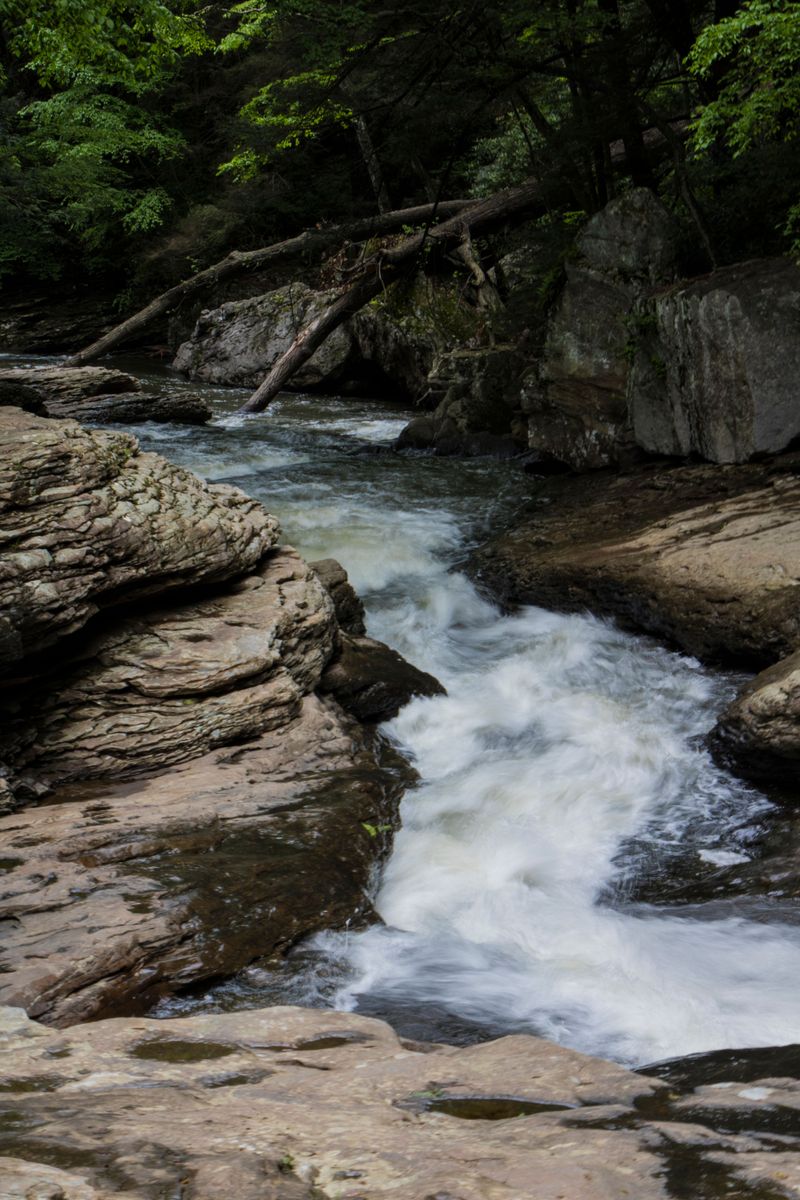
That little gap between the banks can carry surprisingly forceful water after a storm. Constricted channels can concentrate flow, although speed also depends on slope, depth, and nearby obstacles.
A creek does not need to look wide to challenge a dog.
Watch the water from a safe distance rather than testing it with your feet. Keep dogs out of narrow channels during high flows.
Choose a different path when the creek appears faster than usual.
4. Muddy Water Makes Hazards Harder to See
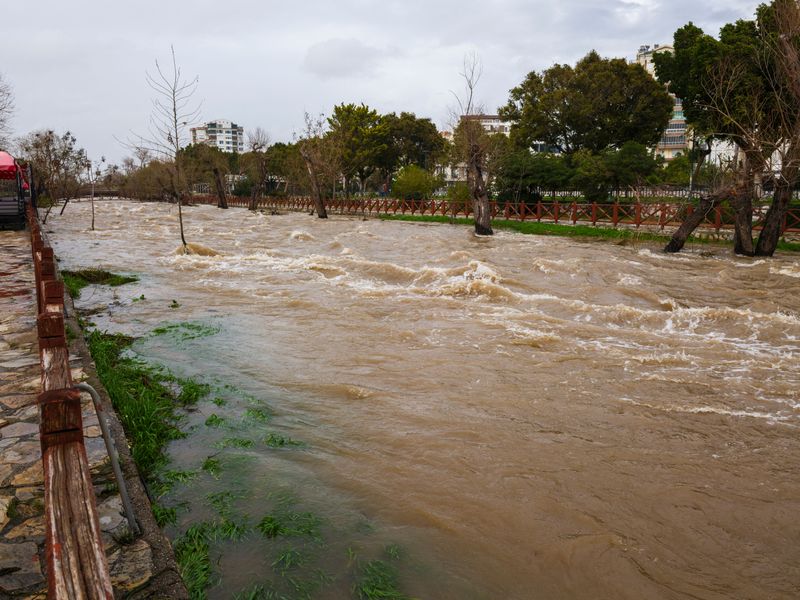
Brown water hides details that clear water might reveal on an ordinary day. Rocks, branches, holes, and sudden drops can disappear beneath the cloudy surface.
Floating debris may also move into a dog’s path without much warning.
Do not judge depth by color or send your dog ahead to investigate. Stay on dry ground and avoid flooded trail sections.
If you cannot see the footing, treat that uncertainty as a reason to turn around instead.
5. Low Banks Can Disappear Under Rising Water
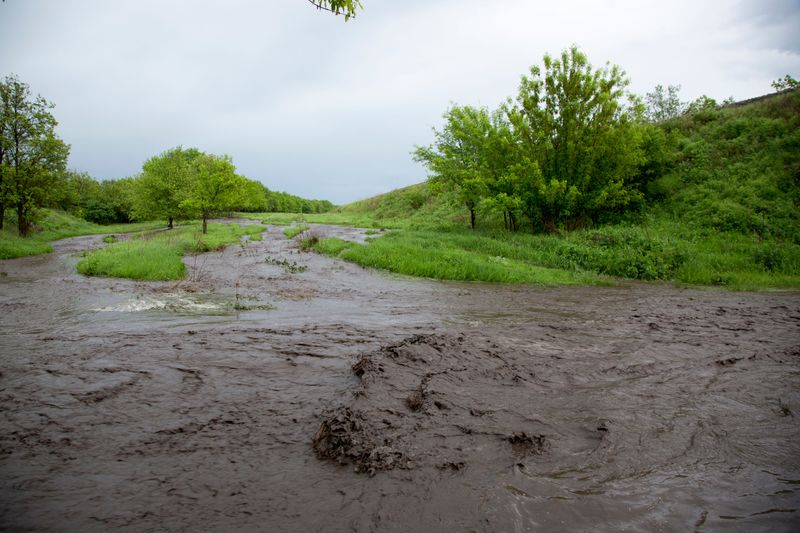
A grassy edge that usually feels solid may become part of the creek after heavy rainfall. Rising water can cover stepping stones, small beaches, and places where dogs normally stop to sniff.
The original bank line may become difficult to recognize.
Give the shoreline a wider buffer than you would during dry weather. Keep your dog on the uphill side when possible.
If water reaches the path, turn back before your route becomes cut off.
6. Storm Drains Can Feed Sudden Surges
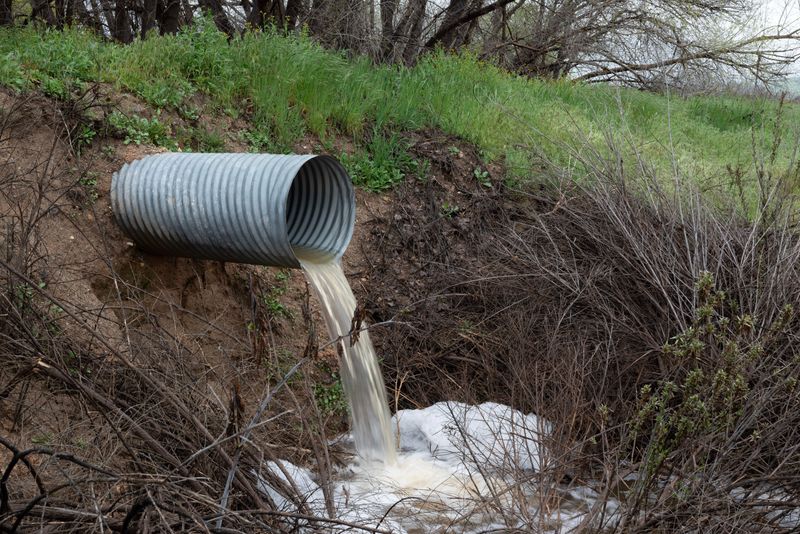
Neighborhood pavement helps rain reach drainage systems quickly instead of soaking into the soil. Some storm drains discharge into creeks, adding concentrated flows during and after heavy showers.
Near an outlet, water conditions may change faster than expected.
Keep dogs away from drain openings, pipes, and channels carrying runoff. Never let them explore a culvert, even when it seems mostly dry.
Move farther from the creek if nearby outlets are flowing strongly or collecting debris.
7. Saturated Ground Adds to the Runoff
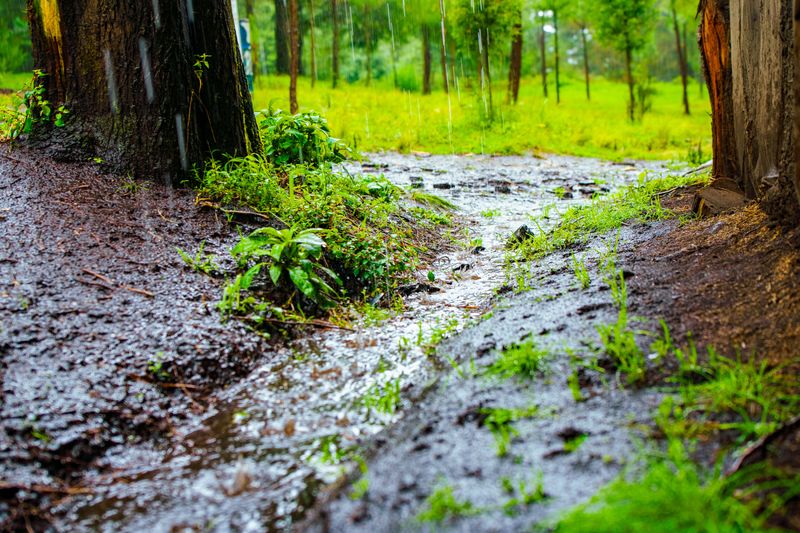
Several rainy days can matter as much as one loud afternoon storm. Once soil is saturated, more rainfall runs across the surface rather than soaking in.
That extra runoff can help creeks rise during storms that otherwise seem modest.
Think about the week’s weather before choosing a creekside outing. Soggy yards, standing puddles, and wet fields suggest the ground already holds plenty of water.
Pick an upland route when another round of rain is expected.
8. Familiar Walking Routes Can Change Overnight
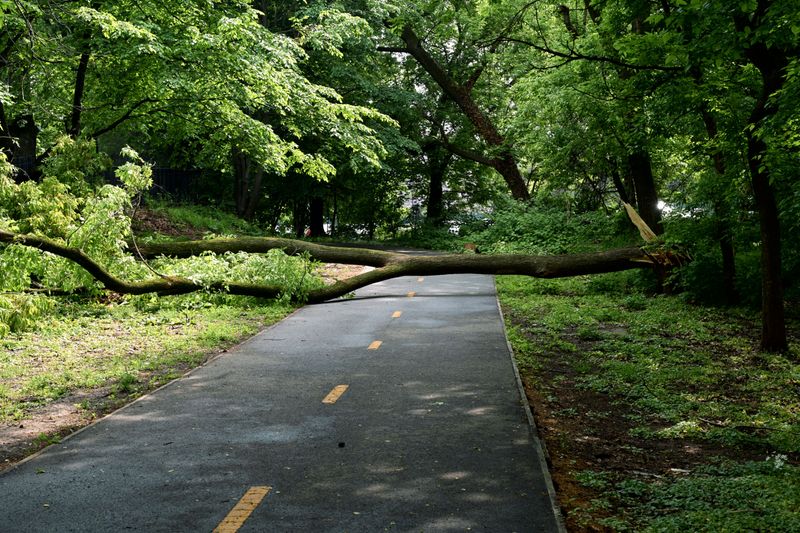
Yesterday’s easy walk may have new obstacles waiting around today’s first bend. Stormwater can wash away soil, leave slick mud, and move branches across familiar trails.
Dogs following their usual routine may approach those changes before you spot them.
Slow your pace and keep your dog nearby after storms. Look ahead for damaged paths instead of relying on memory.
A short scouting walk on higher ground can help you decide whether your regular route remains suitable.
9. Low-Water Crossings Can Become Dangerous
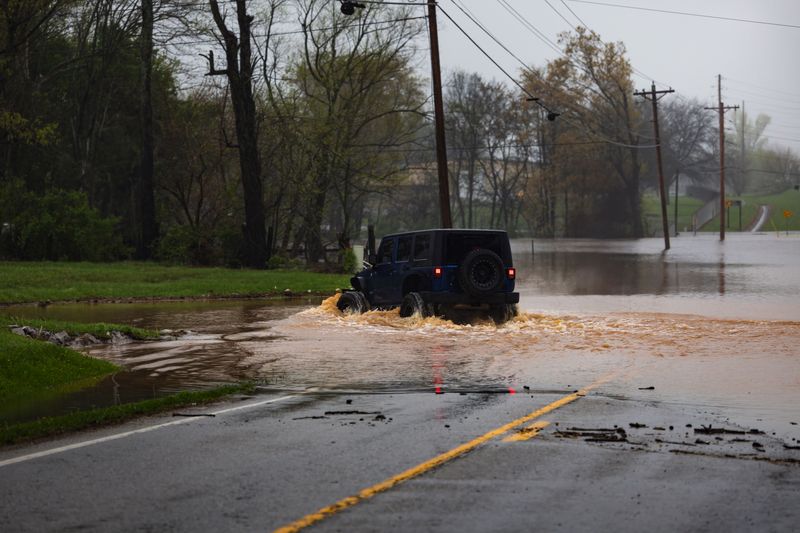
A crossing built for ordinary creek levels is not necessarily safe after rain. Moving water can hide missing footing, slippery surfaces, or damage beneath a shallow-looking sheet.
Your dog may step forward because the crossing was easy last week.
Do not wade through flooded crossings or drive through water covering a road. Turn around and find a dry alternative.
Keep your dog back while checking the route, and follow posted barriers rather than stepping around them.
10. Swift Water Can Overwhelm Strong Swimmers
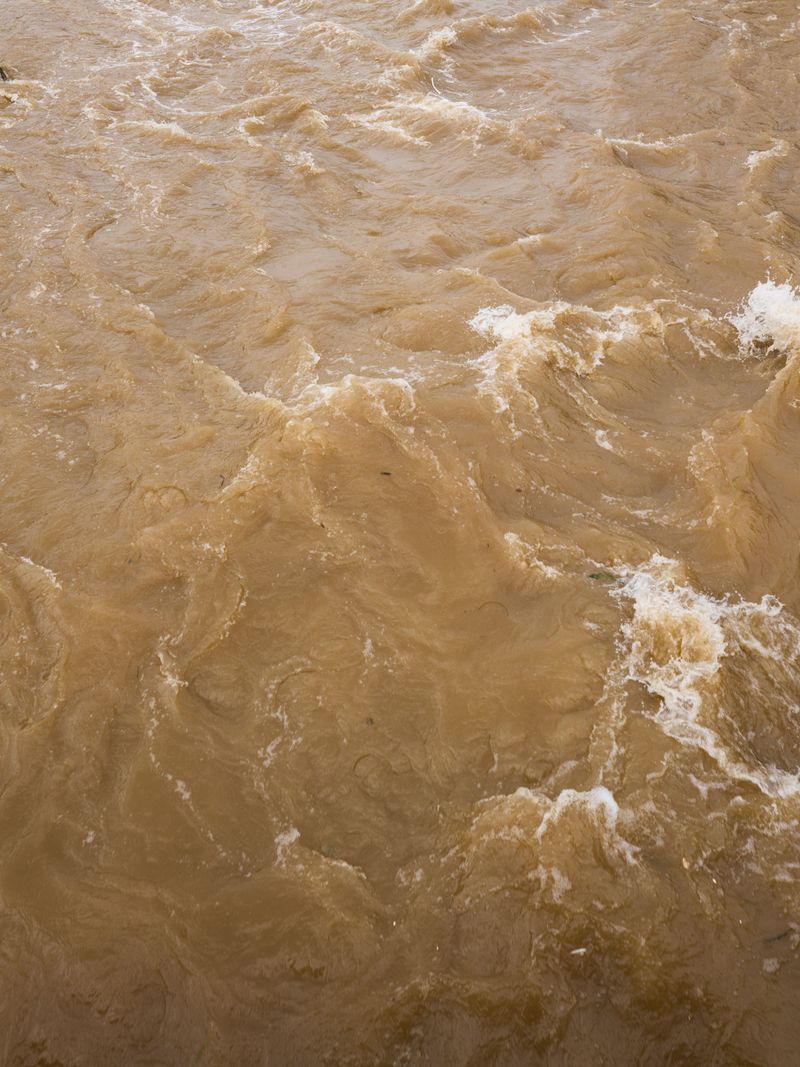
Loving the water does not prepare a dog for a fast, debris-filled creek. Current can push even experienced swimmers away from an easy exit.
Cold water, tired muscles, and tangled branches can make returning to shore harder.
Skip creek swimming whenever water is high, fast, or cloudy after storms. A properly fitted canine life jacket adds buoyancy but does not make floodwater safe.
Save swimming for suitable conditions in places where access and exits are predictable.
11. Leashes Need Extra Attention Near Creek Banks
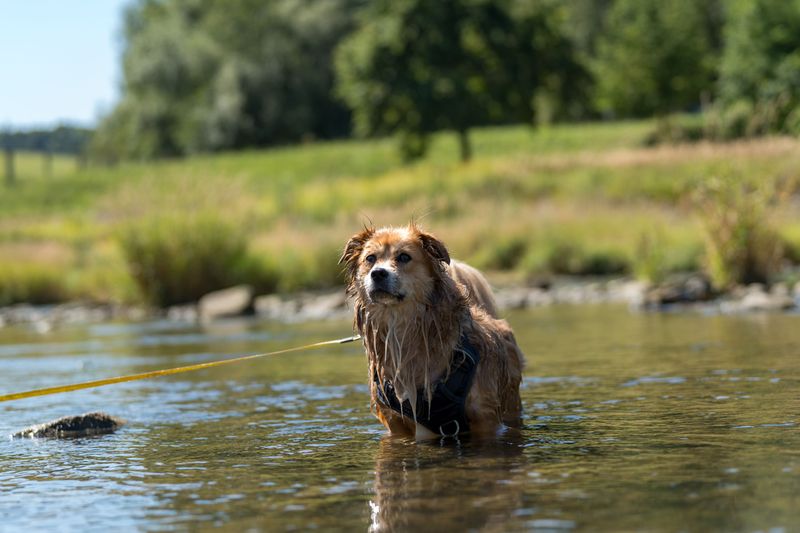
A squirrel or floating stick can suddenly pull your dog’s attention toward the bank. A secure, manageable leash helps prevent that quick dash toward unstable ground.
Long lines and extended retractable leashes allow more distance before you can respond.
Use a well-fitted harness or collar and check clips before leaving home. Keep the leash short enough for control without constant tension.
Avoid wrapping it around your hand, and move inland if your dog begins pulling hard.
12. Watch for Warning Signs Before Approaching the Water
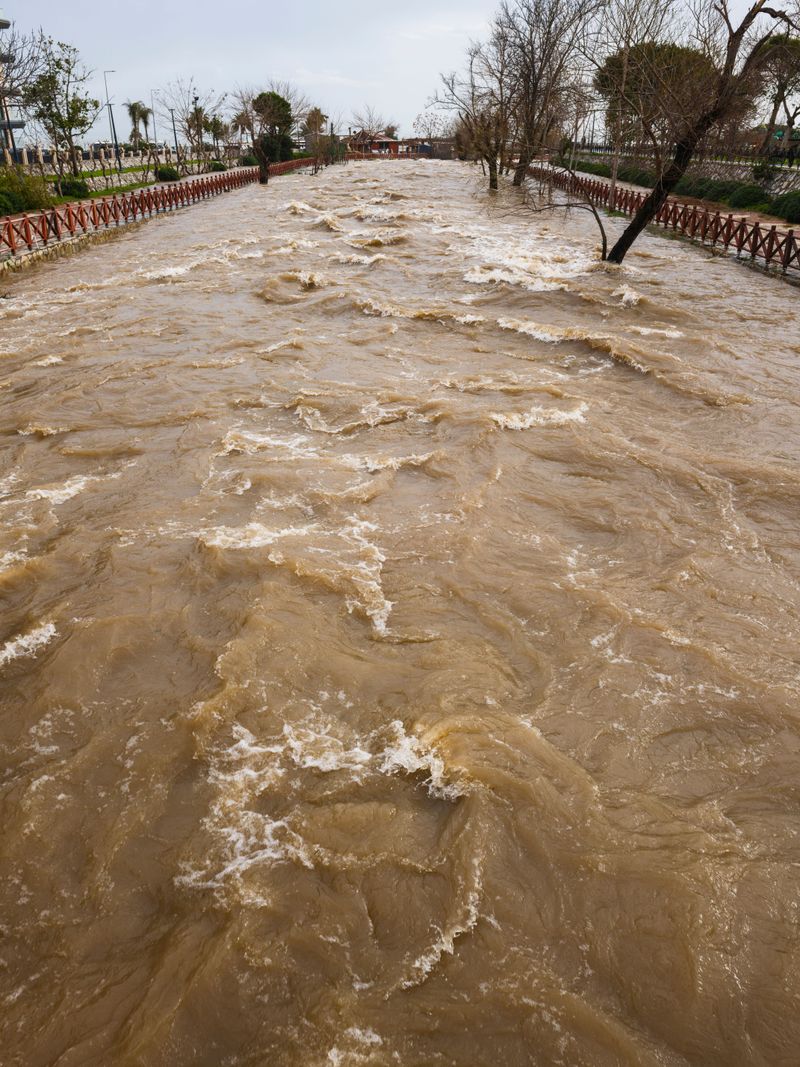
Small clues often tell you more than a quick glance at the creek. Watch for rising levels around fixed rocks, faster flow, floating branches, or water spreading onto the trail.
Fresh erosion and unusual rushing sounds also deserve attention.
Observe from firm ground without moving closer for a better view. If conditions are changing, leave the low area promptly with your dog.
You do not need proof of flooding before choosing a safer walking route instead.
13. Ohio’s Flash Flood Warnings Deserve Attention
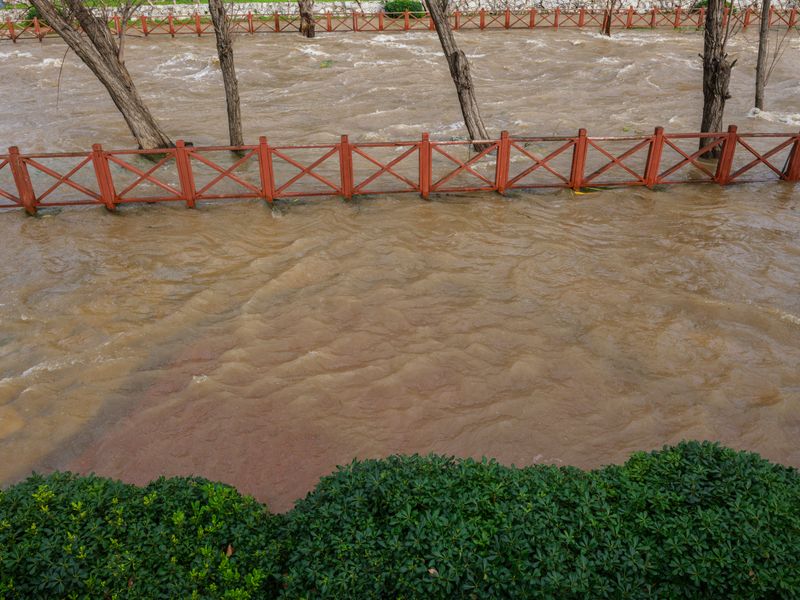
A phone alert is a useful reason to change plans, not just background noise. The National Weather Service issues flash flood warnings when flash flooding is occurring or imminent.
A watch means conditions favor flooding, so stay ready to adjust.
Read the alert’s affected area and instructions before heading outside with your dog. Avoid creeks and low routes during relevant warnings.
Enable emergency alerts and consult local forecasts, because not every small creek has a gauge.
14. Choose Higher Ground When Storms Are Nearby
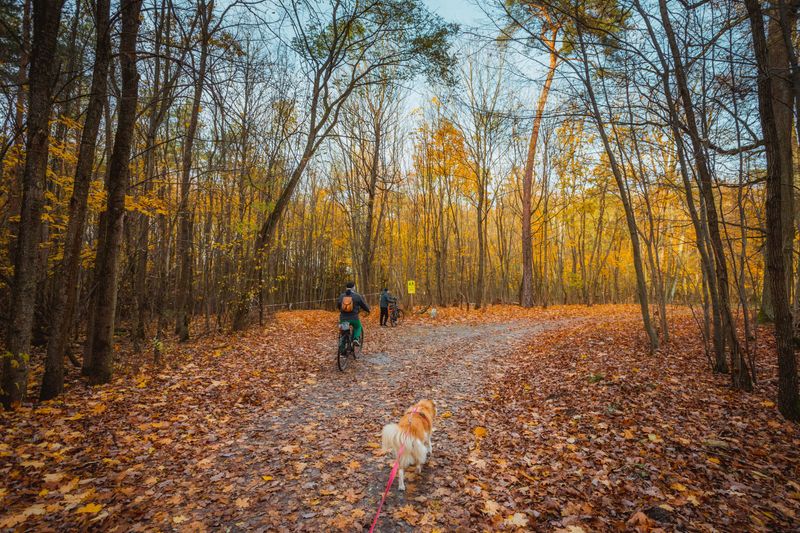
The easiest safety choice often happens before your shoes touch the trail. Select routes above creek valleys, drainage ditches, and other places where runoff collects.
Higher ground reduces exposure to rising water, but nearby lightning still requires indoor shelter.
If thunder is audible, postpone the walk and go inside a sturdy building. After the storm, choose dry paths with clear exits.
Keep outings brief when conditions remain unsettled, and avoid routes that depend on crossing water.
15. Never Let Your Dog Investigate Floodwater
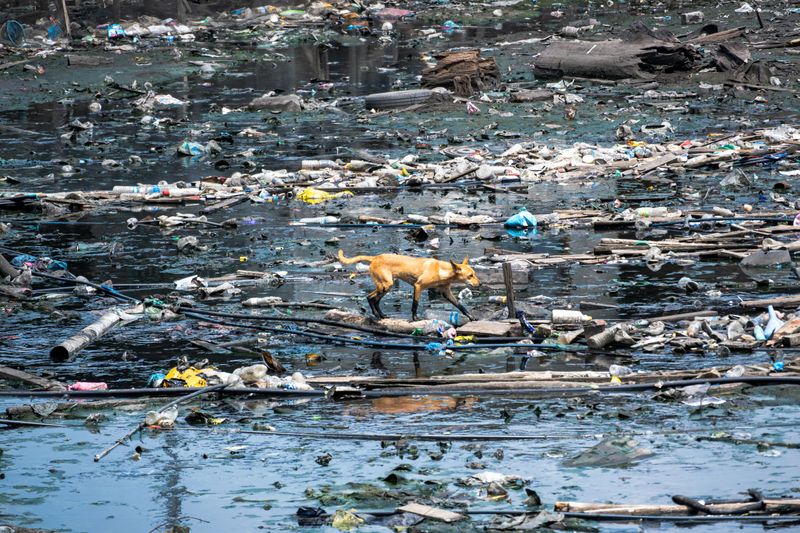
Curiosity can send a dog toward puddles connected to a swollen creek. Floodwater may contain sewage, chemicals, sharp debris, or other contamination that you cannot see.
Shallow water is not automatically clean or safe for drinking and splashing.
Carry fresh water and redirect sniffing toward dry areas away from runoff. If contact occurs, rinse your dog with clean water when safe.
Contact your veterinarian about swallowed floodwater, wounds, or symptoms such as vomiting and unusual tiredness.
16. Know What to Do if Your Dog Falls In
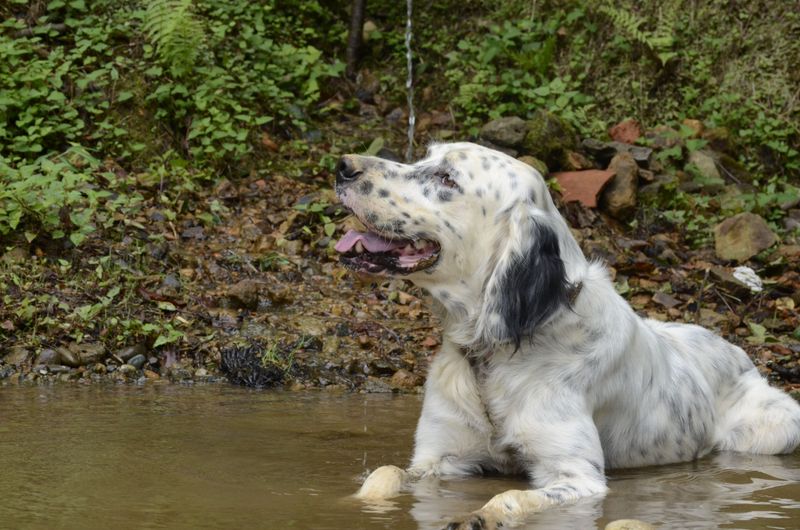
Keep your own footing secure if your dog unexpectedly enters moving water. Do not jump in or step onto an unstable bank to follow.
Call emergency services if rescue is needed, and clearly describe your location and the situation.
From stable ground, guide your dog toward an accessible exit if possible without risking your balance. Avoid improvising dangerous rescues or entering culverts.
Once safely recovered, seek veterinary advice, especially after breathing trouble, injuries, or unusual behavior.
17. Check Trails for Closures After Severe Weather
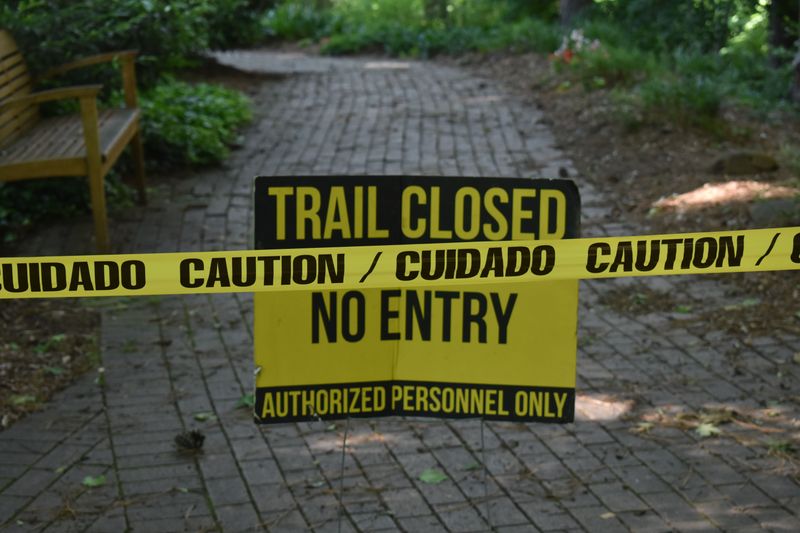
A closed trail may look peaceful while hiding damage farther along the creek. Park staff may restrict access because of flooding, fallen trees, damaged bridges, or unstable ground.
Closure decisions and reopening times vary among Ohio park systems.
Check the managing agency’s website or official updates before driving over. Follow signs and barriers even when other walkers continue past them.
If information is unclear, contact park staff and choose an open route away from waterways instead.
18. Give Creek Banks Time to Stabilize
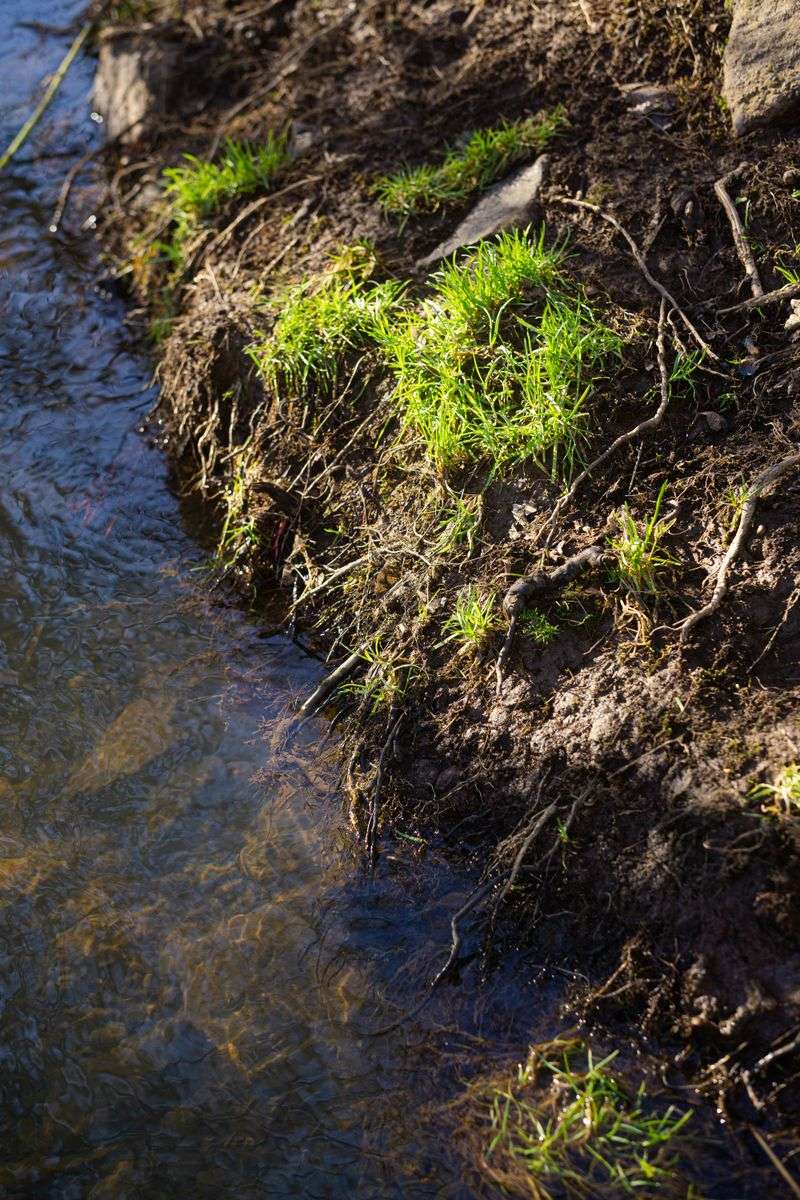
Lower water does not immediately restore a creek bank’s strength or reliable footing. Flooding can loosen soil, undercut edges, and leave slippery layers of mud behind.
A surface that looks dry may still have weak ground underneath.
There is no universal waiting period that makes every bank safe again. Follow local guidance and stay away from cracked, slumped, or eroded edges.
Keep dogs inland until trails are open and conditions appear stable from a safe distance.
19. Plan Safer Walks Around the Weather
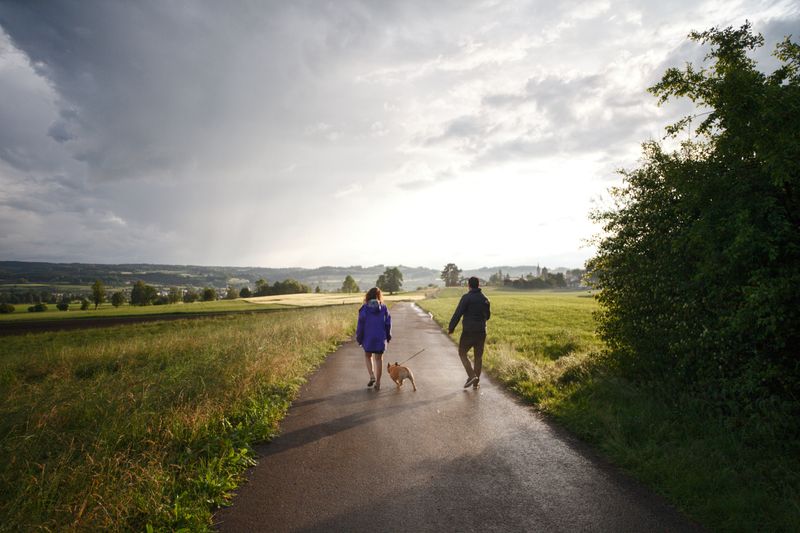
A little planning gives your dog more chances for comfortable walks after unsettled weather. Check the forecast, choose a dry backup route, and tell someone where you are going.
Bring your phone, fresh water, and secure walking gear.
Use indoor games when storms or flood alerts make outdoor exercise unsuitable. Return to creek routes only when access and conditions support it.
Remember the simple habit: check the weather, keep your distance, and choose dry ground together.