15 New Jersey Revolutionary-Era Grounds With Outdoor Paths Open To Dogs
A walk across New Jersey can lead straight into a history lesson, no classroom needed. Some paths follow riverbanks where troops traveled, while others cross fields that still look wide and quiet today.
Many of these outdoor grounds welcome leashed dogs, so you can share the walk with your favorite trail buddy. Bring water, keep an eye on posted rules, and see how much history fits into an afternoon outside.
1. Washington Crossing State Park: Follow the River
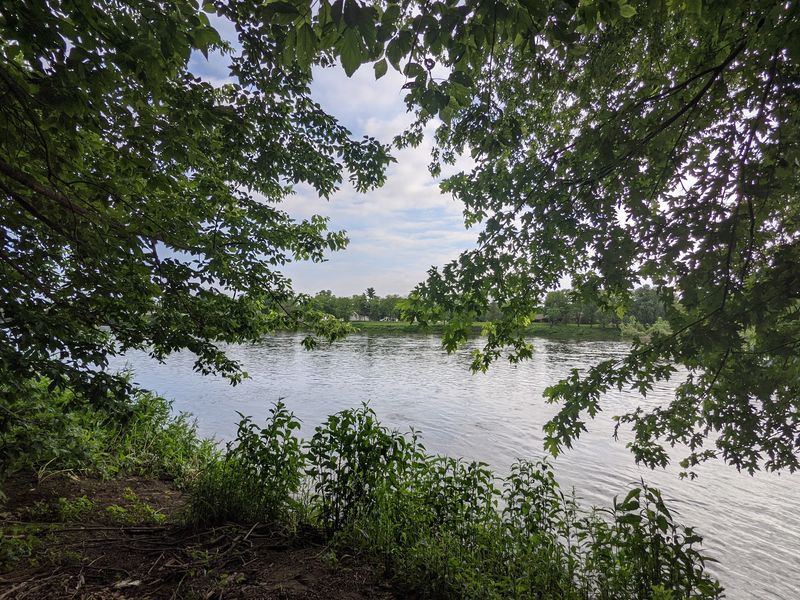
River air gives Washington Crossing State Park in Titusville an exciting start. Continental troops landed near here after crossing the Delaware in December 1776.
Today, wooded trails let you explore beyond the riverbank. Choose a short walk or follow a longer route if your dog has energy to spare.
Keep your dog on a leash no longer than six feet. Pack water, since woodland walks can run longer than expected.
Buildings and swimming areas are not pet stops.
2. Princeton Battlefield State Park: Cross an Open Field
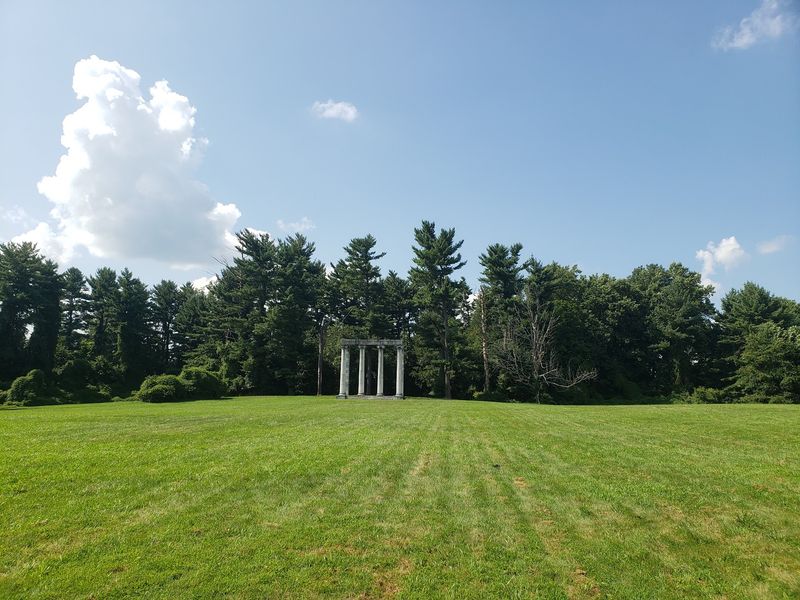
Wide fields make the story easy to picture at Princeton Battlefield State Park. The January 1777 victory here raised spirits for the Continental Army.
At 500 Mercer Road in Princeton, outdoor paths offer space for a thoughtful stroll. Some stretches are exposed, so bring water and plan shade breaks on warm days.
Keep your dog on a leash no longer than six feet. Stay on established paths, and save the Clarke House Museum for a visit without your pet.
3. Monmouth Battlefield State Park: Take the Long Way
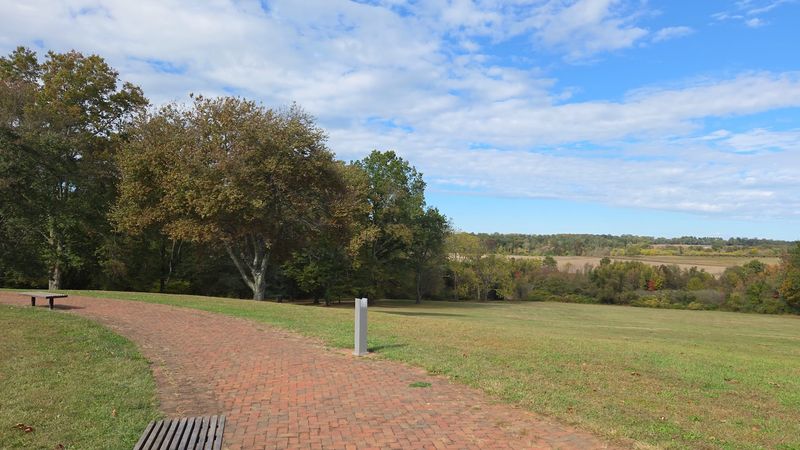
Room to roam is Monmouth Battlefield State Park’s big draw. Fields and farm roads spread across the Manalapan landscape where a major battle unfolded in June 1778.
Trail choices range from easy outings to longer walks, giving energetic dogs plenty to sniff. Check a map before setting off, because open ground can make routes look alike.
Use a leash no longer than six feet, and keep dogs outside park buildings. Bring water and watch for muddy patches after rain.
4. Jockey Hollow: Walk Among Encampment Stories
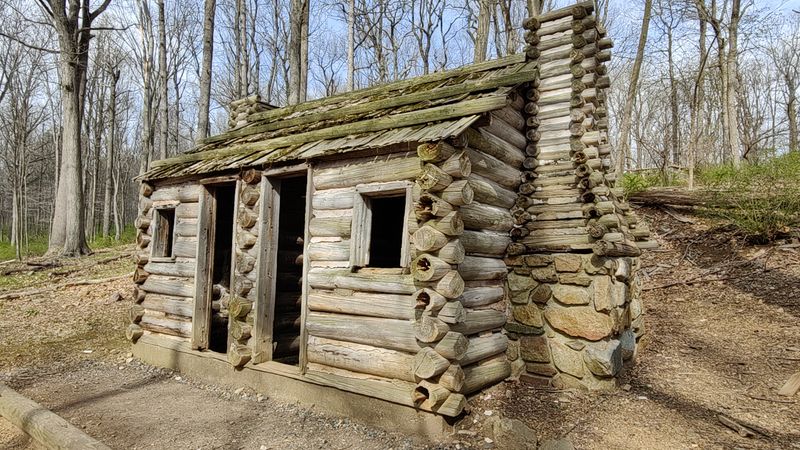
Quiet woods fill Jockey Hollow in Morristown, but its past was anything but quiet. Continental soldiers camped here through the winter of 1779 to 1780.
Trails pass historic features and wooded slopes, making this a rewarding stop for curious walkers. Pick a route that suits your dog’s stamina, and carry a trail map.
Dogs may join you on outdoor trails with leashes no longer than six feet. The Wick House and visitor center remain pet free.
5. New Jersey Brigade Area: Find a Quieter Route
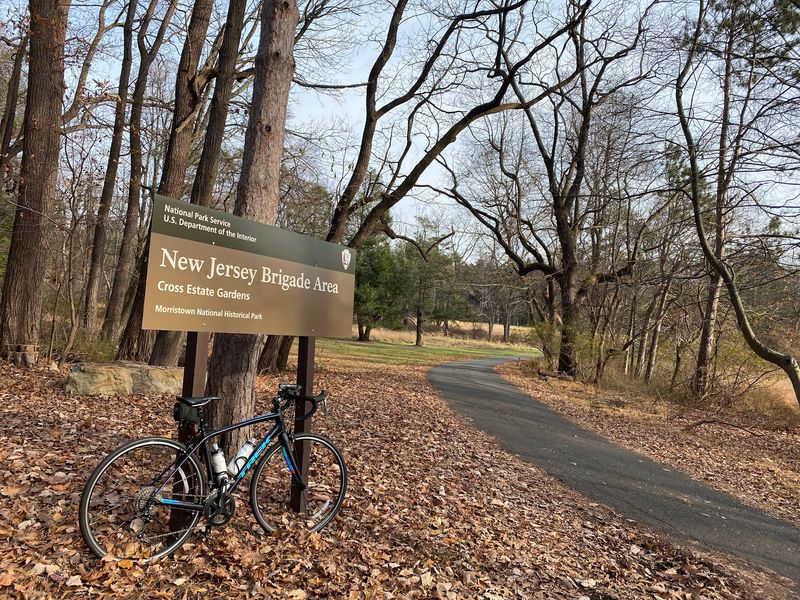
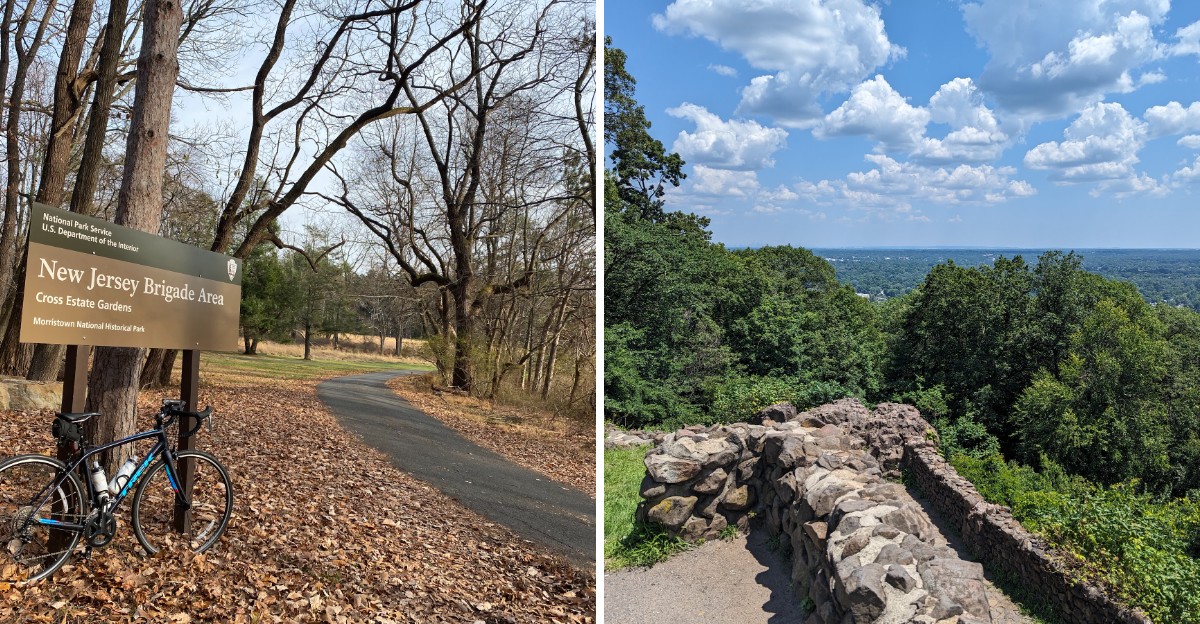
For a quieter Morristown walk, try the New Jersey Brigade Area near Bernardsville. Around 1,300 soldiers from the state’s brigade camped in this area during the winter of 1779 to 1780.
Outdoor routes connect with the wider trail network, including Patriots’ Path. Trail junctions deserve attention, so check your map before wandering farther.
Leashed dogs can explore the outdoor paths. Keep clear of buildings, respect garden signs near Cross Estate, and pack water for both walkers.
6. Fort Nonsense: Climb for the View
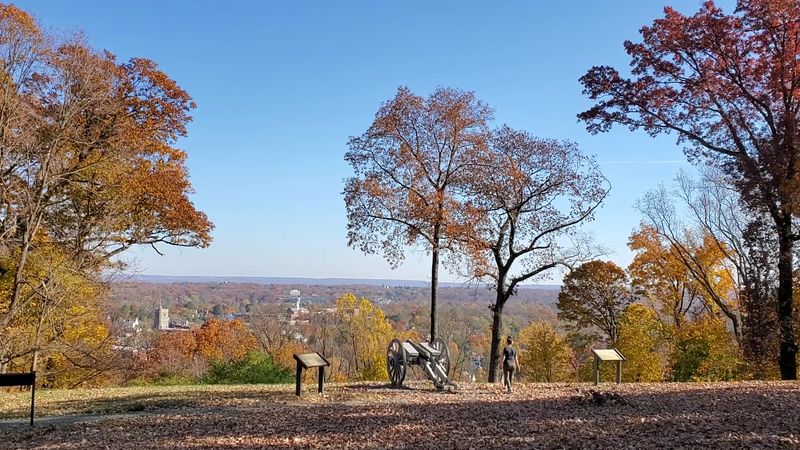
The reward at Fort Nonsense comes into view quickly. Set above Morristown, this former lookout offered Continental troops a useful view of the surrounding area.
Today, its outdoor paths and earthworks make a compact history stop. Bring your camera, but hold the leash securely near overlook edges.
Leashed dogs are welcome on the outdoor grounds of this national historical park unit. Check access before driving up, since the road or grounds may close for weather or maintenance.
7. Washington’s Headquarters: Circle a Historic Home
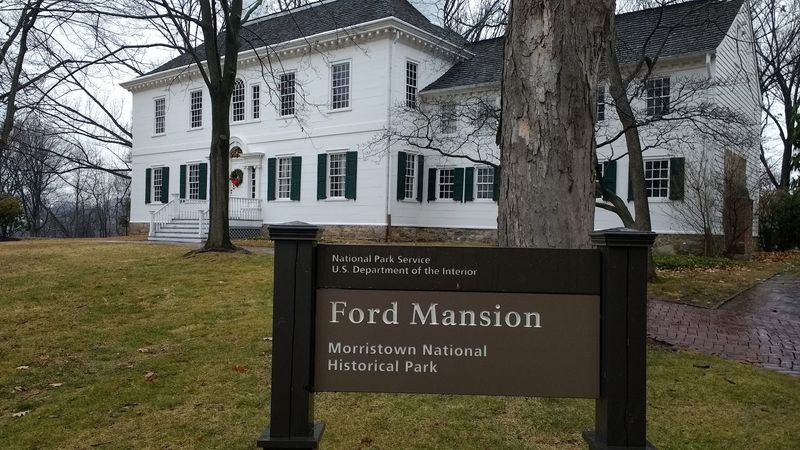
A grand old house sets the scene at Washington’s Headquarters in Morristown. The Ford Mansion served as the commander’s headquarters during the 1779 to 1780 winter encampment.
Walk the outdoor grounds with your dog and read signs that explain the site’s role. This is a shorter stroll, not a long hiking route.
Keep your dog leashed and outside the mansion and museum. For more walking afterward, look up trails elsewhere in Morristown National Historical Park.
8. Historic New Bridge Landing: Pause by the Crossing
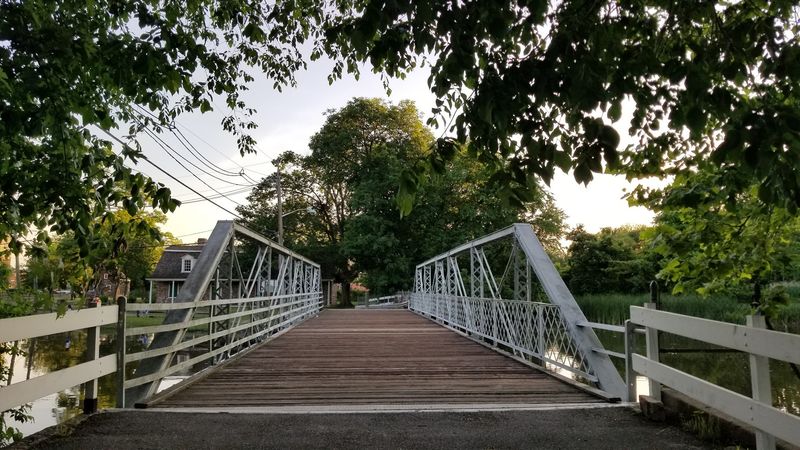
Bridge views tell the story at Historic New Bridge Landing in River Edge. Continental troops crossed the Hackensack River here during their 1776 retreat.
The grounds offer an easy outdoor history walk, with signs that help connect the landscape to its past. Pause by the river, but keep your dog away from steep banks.
Leashed dogs may visit the outdoor grounds, not the historic houses. Check opening details before traveling, especially if an event could change access.
9. Washington Rock State Park: Look Across the Valley
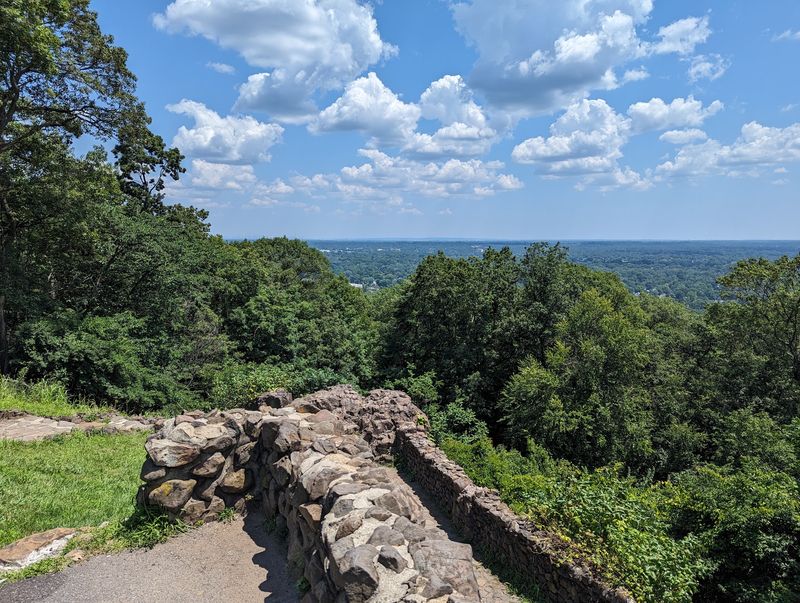
Big views arrive without a big hike at Washington Rock State Park in Green Brook. The rocky overlook recalls the lookout’s role during the 1777 campaign.
Paved areas and short walking paths make this an appealing stop when your dog needs a lighter outing. Watch your footing where surfaces change from pavement to dirt.
Keep dogs on leashes no longer than six feet. Share narrow paths politely, and bring water if you plan to linger at the overlook.
10. Fort Mercer: Walk the Delaware Riverfront
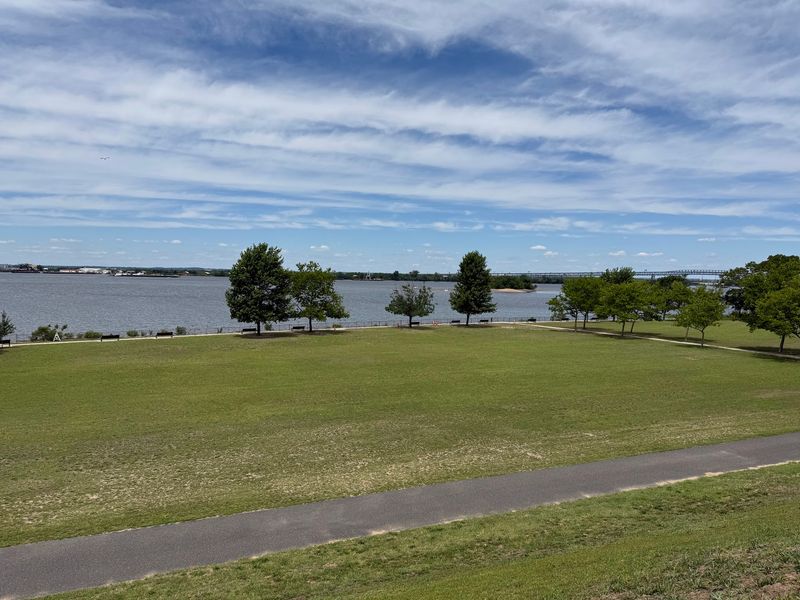
A riverside breeze makes Fort Mercer at Red Bank Battlefield Park feel especially inviting. The fort protected the Delaware River during the 1777 Philadelphia campaign.
In National Park, outdoor paths cross the grounds and offer room to admire the water. Give other visitors space on shared routes, especially during busy afternoons.
Dogs can enjoy the outdoor paths on leash, but not the historic Whitall House. Check park notices before going, since special events may affect your route.
11. The Hermitage: Slow Down in the Gardens
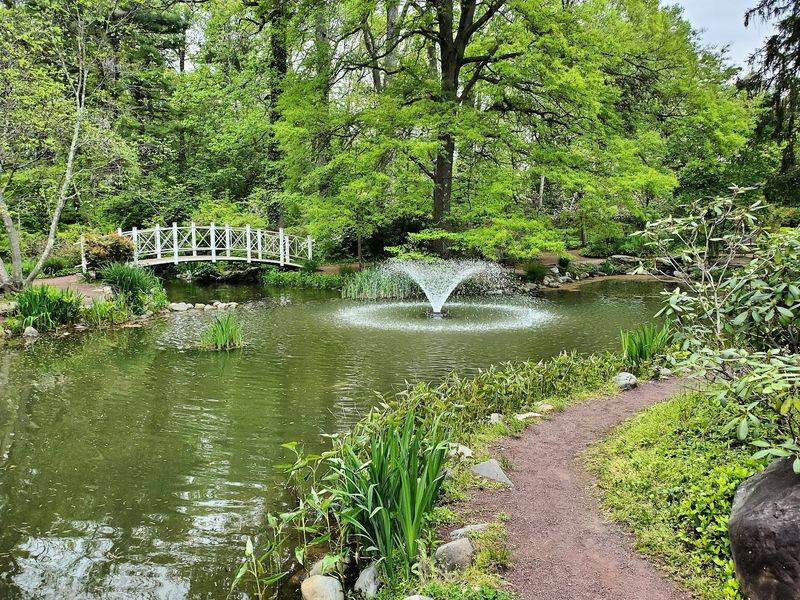
Garden paths give The Hermitage in Ho-Ho-Kus a gentler pace. The property hosted important Revolutionary-era visitors after the Battle of Monmouth.
Its outdoor grounds offer a setting for a relaxed visit, especially if your dog enjoys frequent sniffing breaks. Stay on public paths and give planted areas plenty of room.
Pet access to the outdoor grounds should be confirmed with the site before visiting, while pets are not permitted inside the historic house. Check current grounds hours and pet rules before your trip, and leave the gardens as tidy as you found them.
12. Rockingham State Historic Site: A Peaceful Chapter
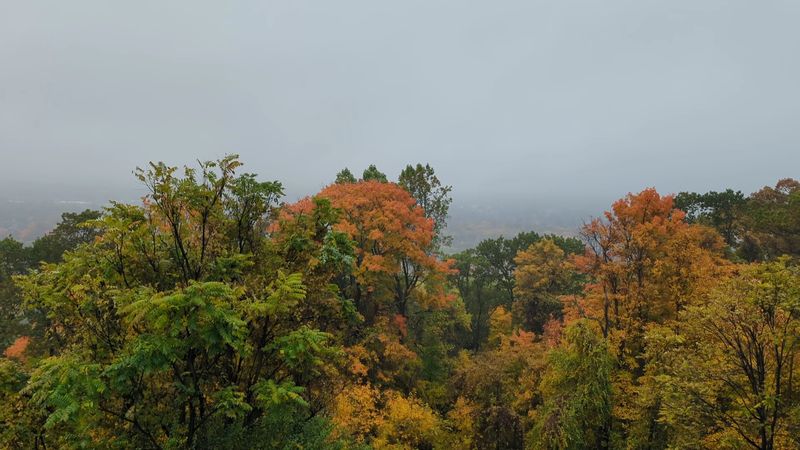
History takes a thoughtful turn at Rockingham State Historic Site in Franklin Township. The house served as the commander’s final wartime headquarters in 1783.
Open grounds offer space for a calm walk and a chance to reflect on the war’s closing months. Choose sturdy shoes if the grass is damp.
Keep your dog leashed on the outdoor property, and leave the house and visitor center to human guests. Check site notices before making the trip.
13. Wallace House and Old Dutch Parsonage: Two Stories, One Stop
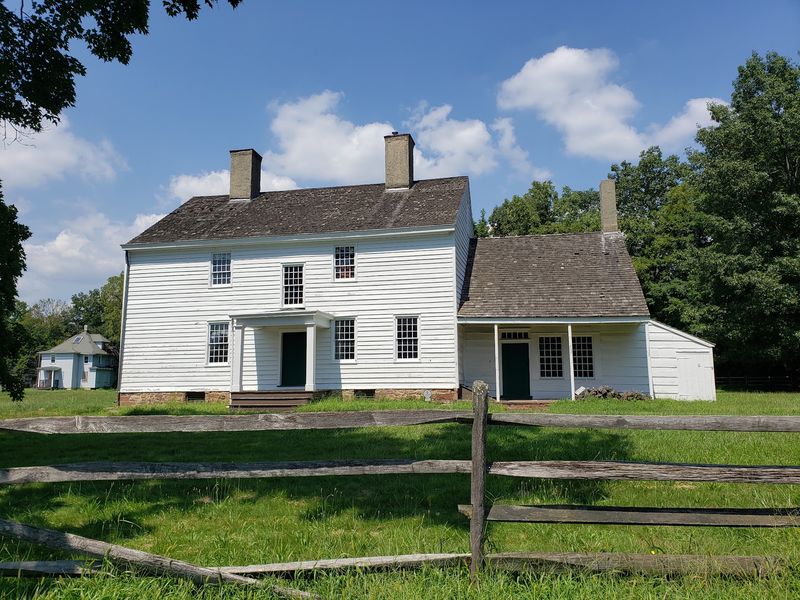
Two historic buildings share one easy stop in Somerville. At the Wallace House, the Continental commander kept headquarters during the 1778 to 1779 Middlebrook encampment.
The nearby Old Dutch Parsonage adds another chapter to the neighborhood’s past. Walking the grounds is best treated as a brief visit, rather than a full trail hike.
Bring a leash and keep pets outside both buildings. Check current grounds access first, since tours and preservation work can affect visits.
14. Hancock House: Take a Short History Walk
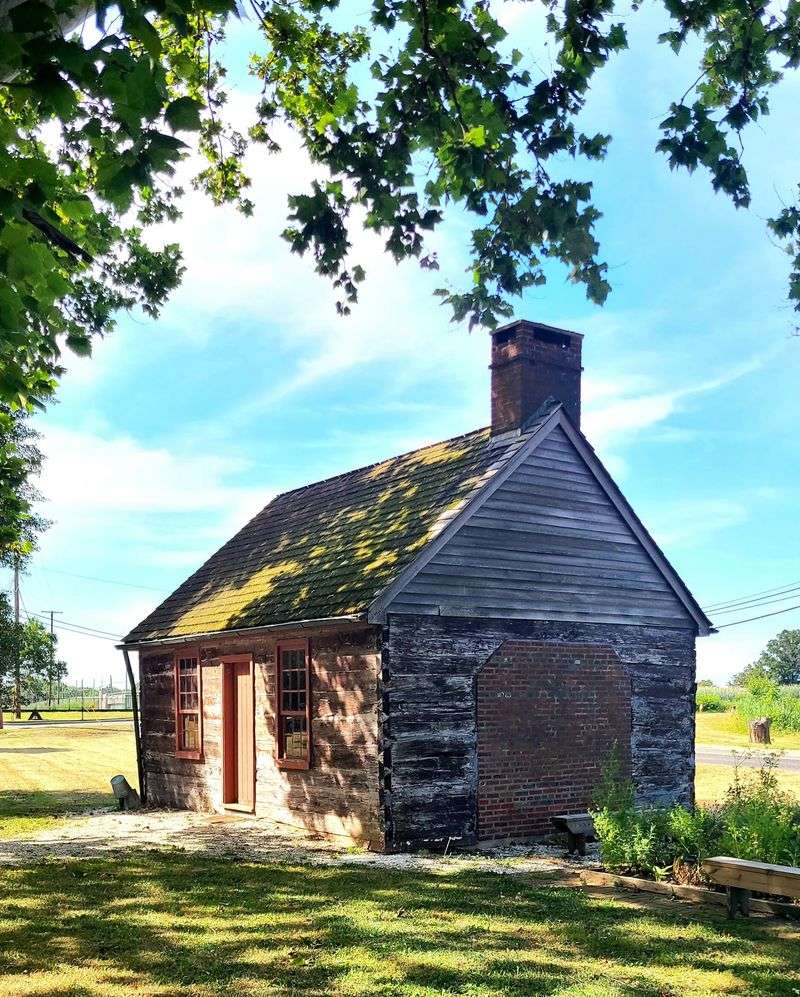
Country roads lead to Hancock House in Hancocks Bridge, a small site with a powerful story. Built before the Revolution, the house witnessed a 1778 raid that shaped local memory.
Its outdoor grounds offer a short, quiet walk rather than a marked hiking loop. Keep your dog close to avoid wandering toward neighboring property.
Leashed dogs can visit outside, but the house is not a pet stop. Confirm current access before driving out, and carry waste bags.
15. Trenton Battle Monument: Finish Where Streets Tell Stories
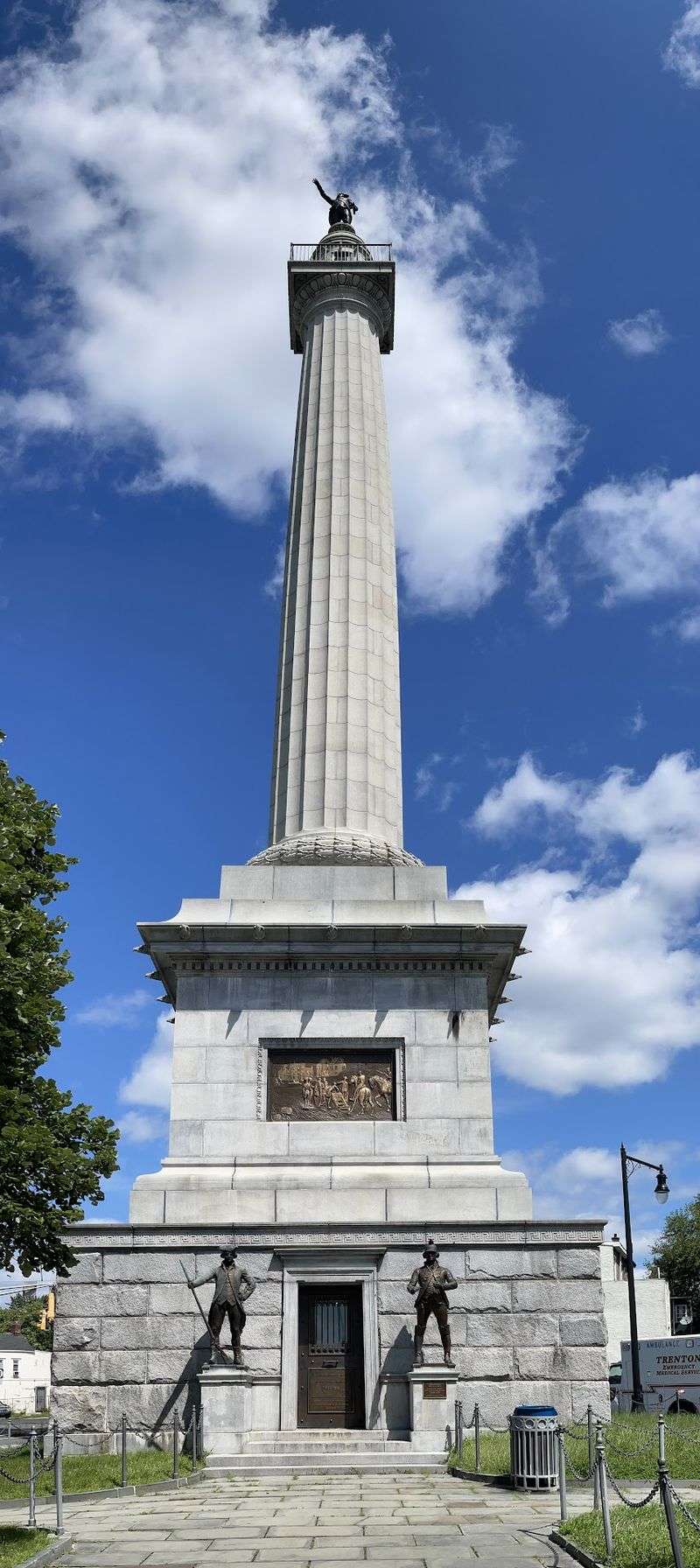
City streets provide a lively finale at Trenton Battle Monument. The landmark marks a key position connected to the December 1776 victory.
At 348 North Warren Street, walk the surrounding public area and notice how the monument rises above the neighborhood. Watch traffic closely, and use sidewalks for any longer history stroll.
Keep your dog leashed, clean up promptly, and check posted local rules. Then grab some water, give those paws a rest, and plan your next stop.