Moving A Dog To A New Florida County? Recheck These 12 Records Before Settling In
Moving across Florida gives your dog new places to sniff, but it also changes some paperwork needs. County rules can differ, and an old address can make everyday care harder to arrange.
Start with the records named in the title, then check the related documents covered below. A little preparation helps you settle in with clear answers, current contacts, and more time to enjoy your new neighborhood together.
1. Update Your Dog’s County License
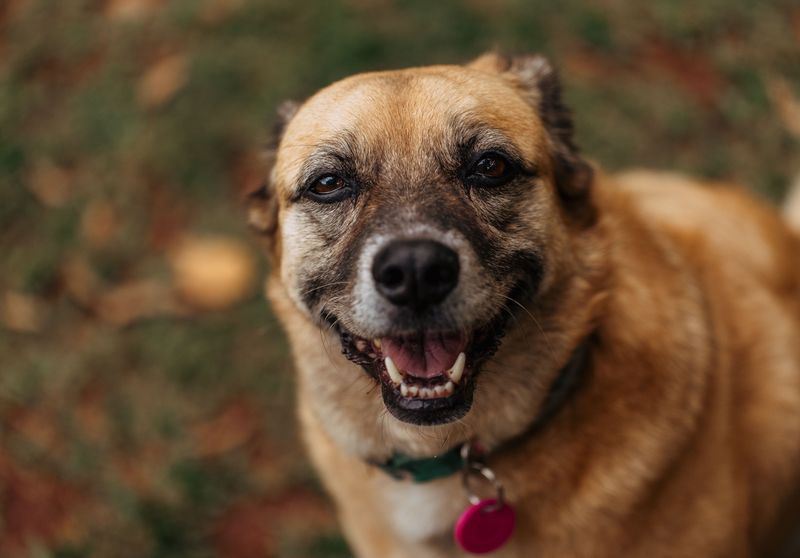
A familiar collar tag may not satisfy the requirements of your new county. Contact the destination county or its animal services office to determine whether a local license or registration is required and whether your existing tag remains valid.
Ask whether your existing license transfers or whether you need a new application.
Have your rabies certificate, identification, and new address ready. Confirm fees, renewal dates, and any city requirements too.
Keep the receipt until the new tag arrives, and replace outdated contact details on your dog’s identification tag.
2. Recheck Your Rabies Vaccination Certificate
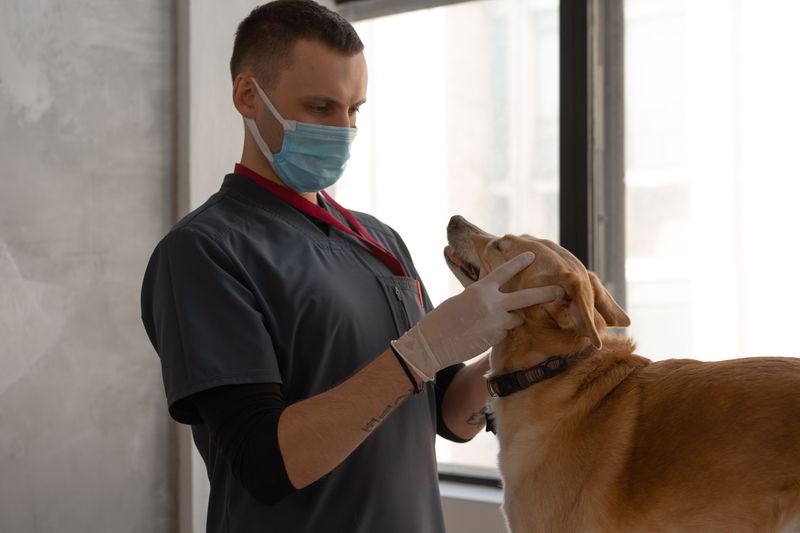
That small vaccine tag is useful, but the certificate carries the details officials usually need. Florida generally requires rabies vaccination for dogs four months of age or older.
A veterinarian can explain any medical exemption process that applies.
Check your dog’s name, vaccine date, next due date, and veterinarian’s information. Request a replacement if the certificate is missing.
Moving alone does not mean another shot is needed; let your veterinarian confirm the correct vaccination schedule first.
3. Confirm Your Microchip Registration
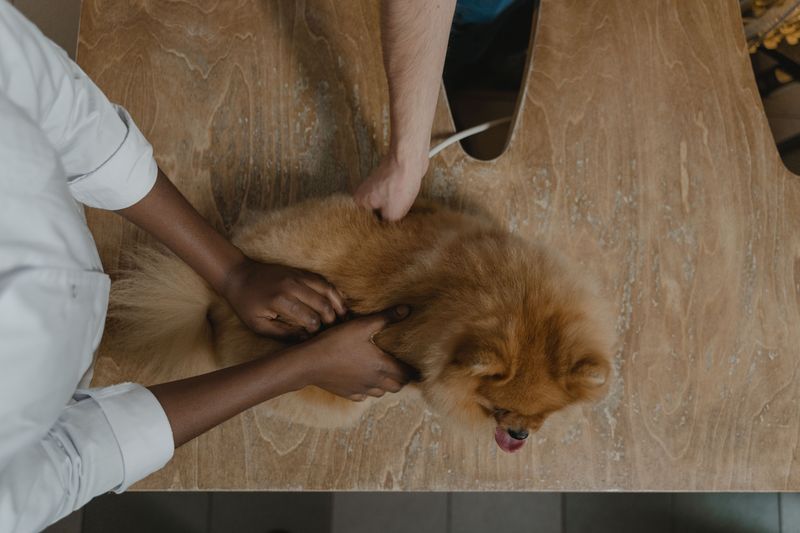
Your dog’s microchip stays put, but its contact information does not update itself. Sign into the chip registry and replace your old address and phone number.
Verify that your email still works and your account belongs to you.
If you cannot identify the registry, ask a veterinarian to scan the chip. A chip number lookup can help locate participating registries.
Add a trusted backup contact, then save confirmation of your changes with your other moving records.
4. Update Your Veterinary Records

A new veterinary team should not have to guess what happened at your dog’s last appointment. Ask your previous clinic to send complete records, including laboratory results, imaging reports, surgeries, and vaccination history.
Choose a nearby clinic and confirm it accepts new patients before you need care. Share ongoing concerns and schedule a visit when appropriate.
Keep your own digital copy, since clinic transfers can take time during a busy move or an unexpected appointment later.
5. Transfer Prescription and Medication Details
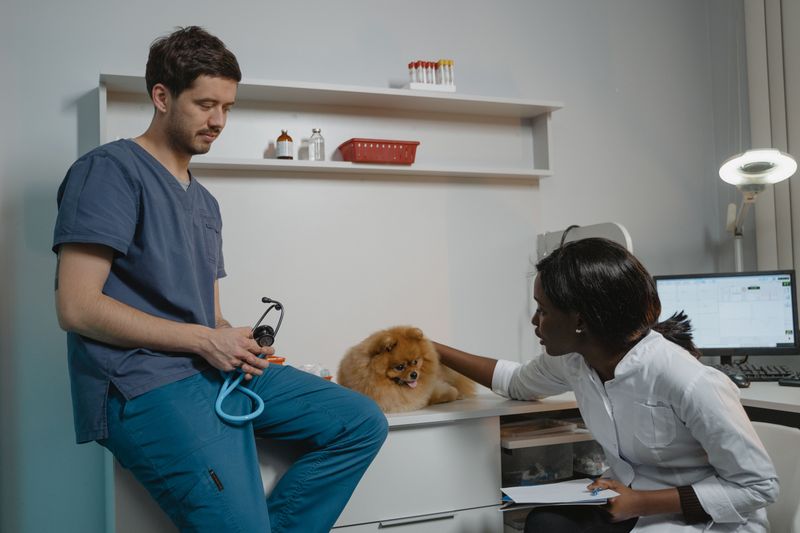
Running low on daily medicine is an avoidable moving headache. List each medication, its prescribed instructions, the prescribing clinic, and the pharmacy handling refills.
Include flea, tick, and heartworm preventives in that list.
Ask your veterinarian how to keep treatment uninterrupted while establishing local care. Prescription transfers and refill approvals depend on the medication and veterinary requirements.
Never change doses yourself. Store medicines as labeled, away from Florida heat, and bring original containers to appointments whenever possible.
6. Check County Animal Control Registration Rules
County lines can change which office handles your dog’s paperwork. Visit the official animal services website, then check whether your city has separate rules.
Registration, licensing, tag requirements, and application methods are not identical everywhere.
Ask about deadlines for new residents rather than assuming your former county’s schedule applies. Record the office’s phone number and save current instructions.
If online information seems unclear, request confirmation directly before paying fees or submitting documents through an unfamiliar website online.
7. Review Your Dog’s Spay or Neuter Records

An old surgery receipt can still earn its place in your moving folder. Some local licensing programs charge different fees for sterilized dogs and request veterinary proof.
Ask which documents your destination office accepts before submitting an application.
Check that the record identifies your dog clearly and confirms the procedure. If it is missing, contact the clinic that performed surgery.
Avoid treating age, appearance, or a verbal statement as proof when the office specifically requests written documentation.
8. Update Your Pet Insurance Address

Your insurance account needs the move notice even when your dog stays perfectly healthy. Tell the insurer your new address and ask whether location affects premiums or policy terms.
Confirm the effective date of any changes.
Review contact information, payment details, and claim submission instructions while you are logged in. Check how emergency visits and specialist care are handled.
Save the updated policy documents, and avoid canceling coverage without understanding possible waiting periods or future eligibility restrictions.
9. Recheck Your Dog’s Emergency Contacts
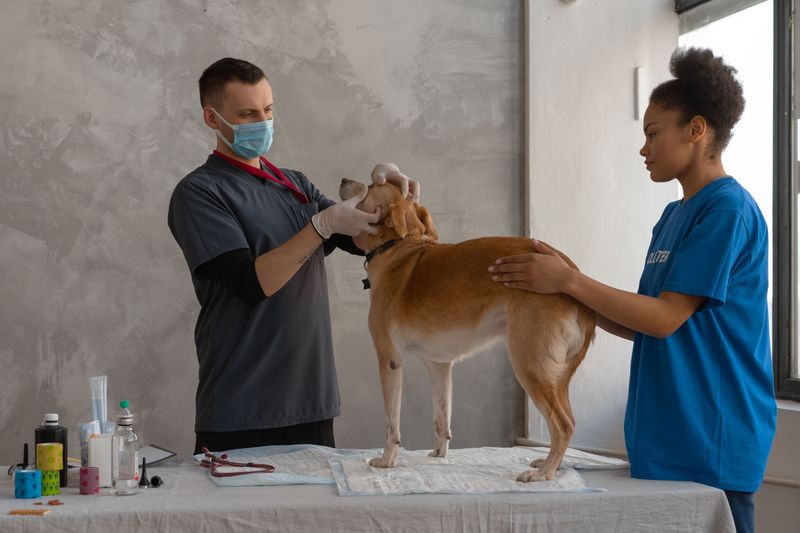
The closest emergency clinic may now be somewhere completely different. Find nearby veterinary emergency services and confirm their current hours and intake procedures.
Save their numbers in your phone before an urgent situation arises.
Choose a local person who can help if you are unavailable. Share your dog’s care instructions and your veterinarian’s contact information with permission.
Add evacuation contacts for storm season, and keep a printed copy where household members can find it without internet access.
10. Review Your Dog’s Training and Behavior Records

New sidewalks, neighbors, and sounds can make familiar routines feel different. Gather notes from trainers, behavior professionals, and veterinarians about your dog’s needs.
Include helpful cues, known triggers, and approaches that have worked well.
Share relevant information honestly with walkers, sitters, and boarding staff. Behavior notes usually support care rather than replace required legal records.
Keep introductions gradual, reward calm choices, and ask a qualified professional for help if your dog seems unsettled after the move ends.
11. Update Your Pet’s Travel and Boarding Records

A boarding reservation can stall when paperwork arrives too late. Ask your chosen facility which vaccines, parasite checks, and forms it requires.
Policies differ, and some vaccines need advance planning before a stay.
Keep travel documents separate from routine licensing papers. An ordinary move between Florida counties does not automatically require an interstate health certificate.
Travel outside Florida may involve additional requirements. Confirm rules with your veterinarian, destination authorities, and transportation provider before booking any trip together.
12. Check Any Breed-Specific or Dangerous-Dog Requirements
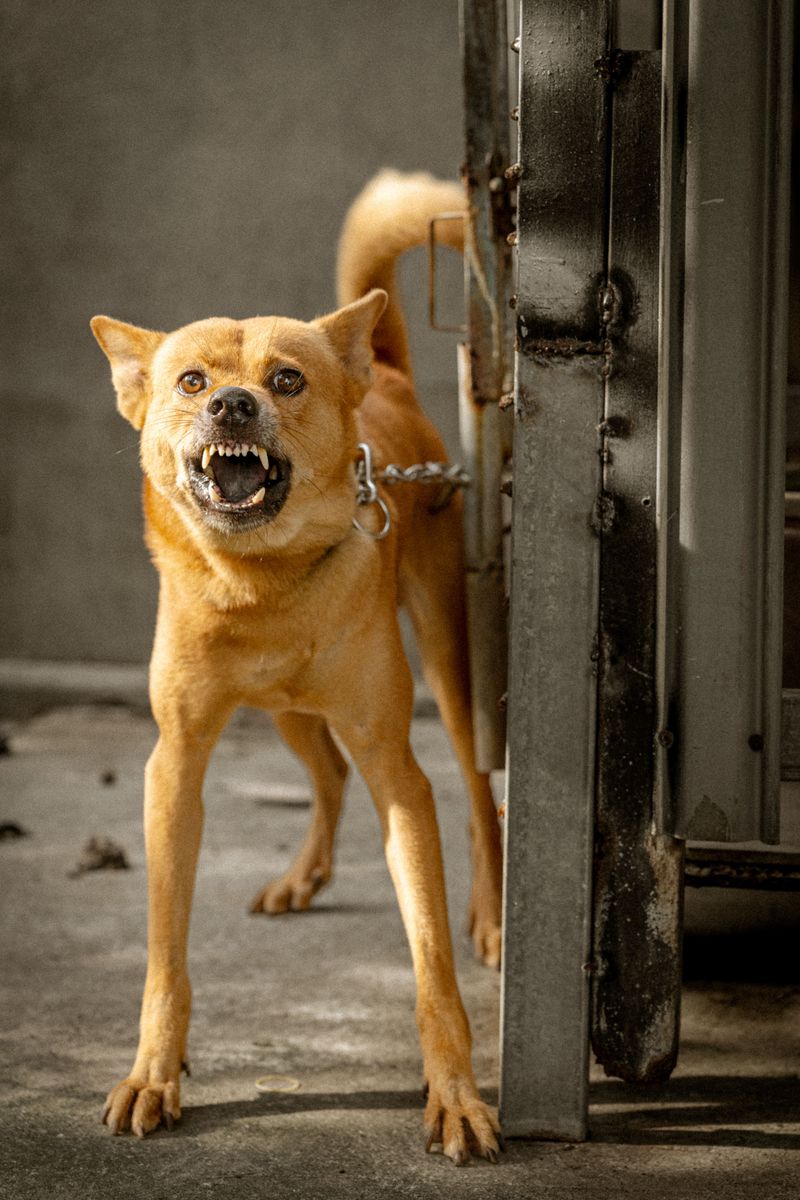
Legal labels deserve a careful check, not a guess based on appearance. Florida law bars local dog regulations based solely on breed, weight, or size.
Dangerous dog rules concern an individual dog’s documented conduct and legal status.
If your dog has an existing dangerous dog designation, contact both jurisdictions before moving. Ask about notices, registration, enclosure standards, and other applicable duties.
Private housing or insurance restrictions are separate issues, so review those documents directly with each provider.