15 Hunting-Season Precautions For Dogs On Indiana Trails And Rural Land
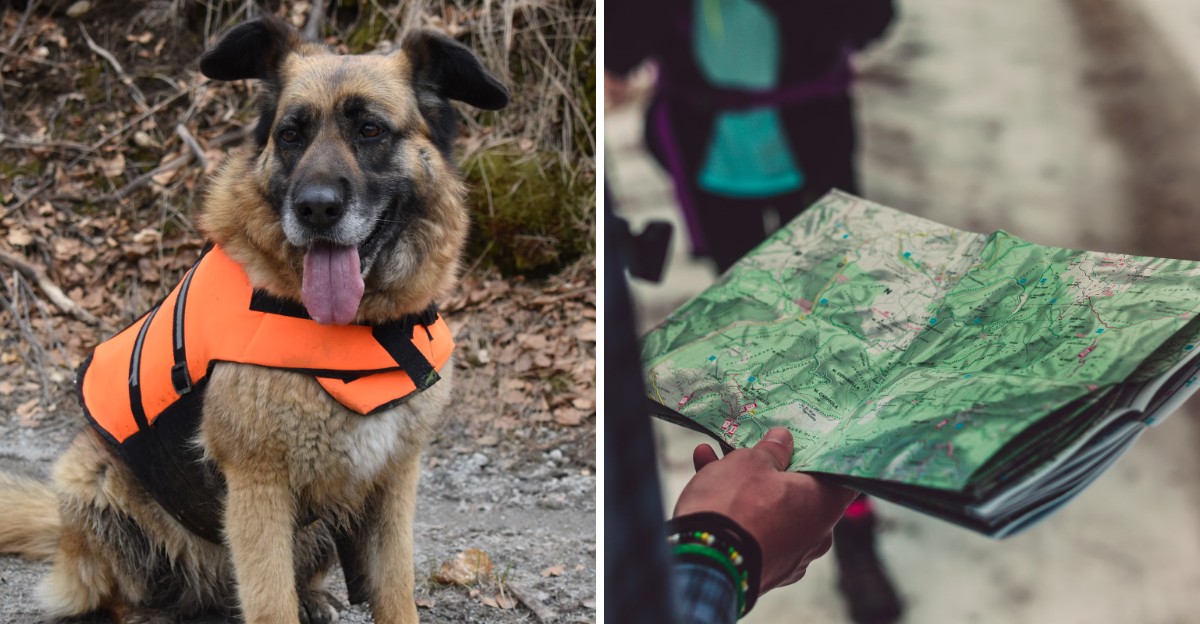
Indiana trails and country lanes offer plenty of room for happy walks with your dog. During hunting season, a little planning helps you share those spaces safely and respectfully.
You do not need special outdoor skills, just clear information, visible clothing, and a sensible route. Before your next outing, use these practical precautions to choose a comfortable walk for both of you.
1. Check Indiana’s Hunting Seasons Before Heading Out
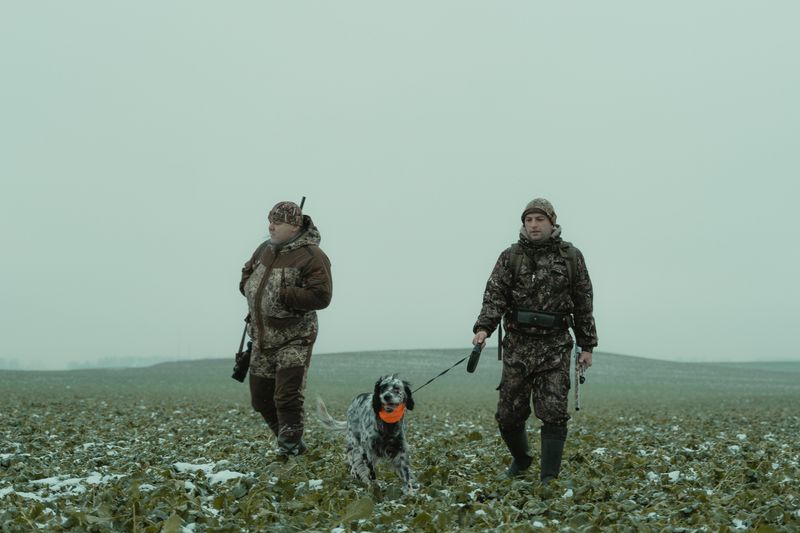
A familiar walking spot can have different activity levels throughout the year. Check current Indiana Department of Natural Resources hunting dates before leaving home.
Different species and hunting methods have separate seasons, so deer dates alone cannot tell the whole story.
Look for property notices and special hunt announcements, too. Save the official information on your phone for easy reference.
When dates or access details seem unclear, call the property office before choosing your route today.
2. Choose Trails Away From Active Hunting Areas
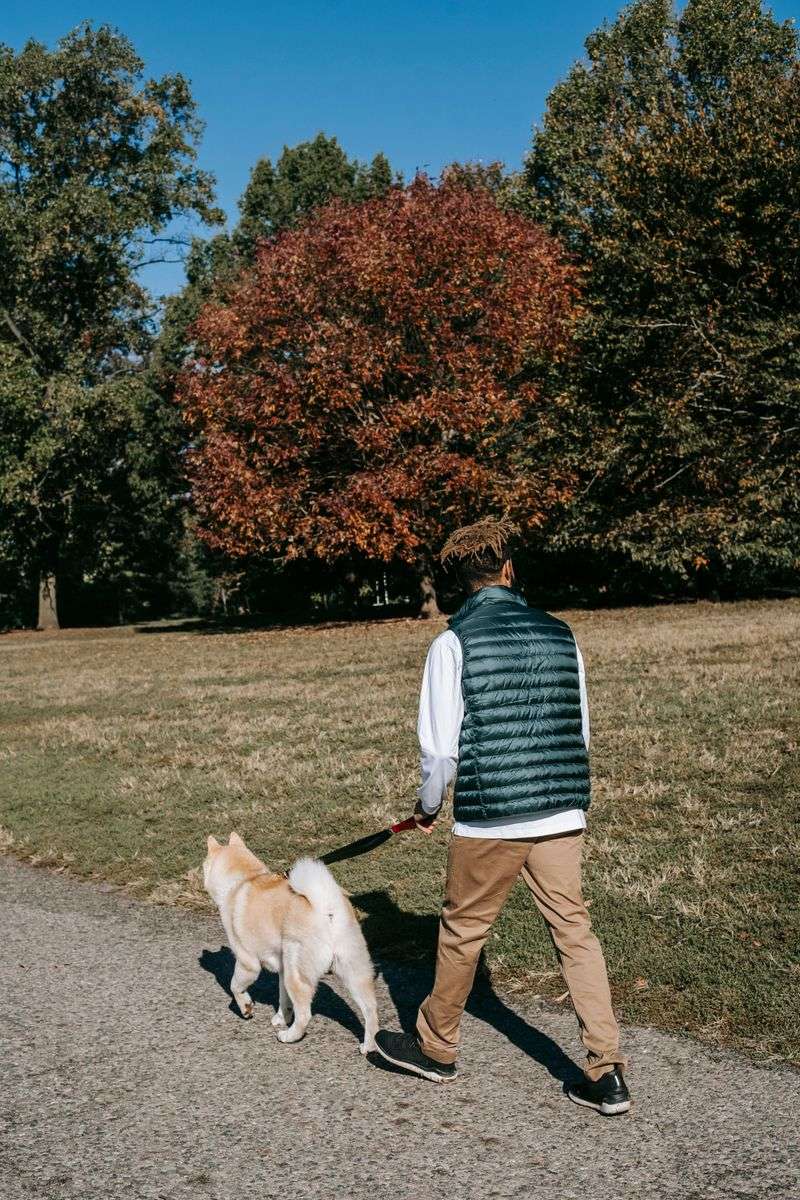
The best route sometimes starts with choosing a different parking lot. Study property maps for hunting zones, recreation areas, and temporary closures.
Favor paths that avoid posted hunt areas rather than relying on distance from parked vehicles.
Ask staff which trails offer the clearest separation from current hunting activity. Hunters may travel well beyond roads, so an empty roadside proves little.
Keep a nearby backup walk ready when your first choice feels uncertain or poorly marked.
3. Dress Your Dog in Bright Orange
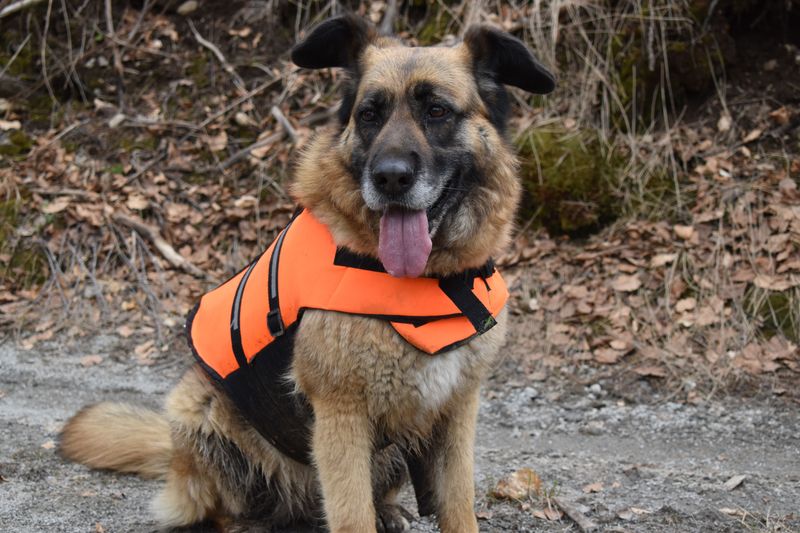
Brown leaves can make even a lively dog hard to spot. A blaze-orange vest gives your companion a more noticeable outline against woods and fields.
Choose a comfortable fit that allows normal movement without loose straps catching brush.
Check visibility from the front, sides, and rear before walking. Reflective trim helps in low light, but it does not replace bright daytime color.
Orange gear improves visibility, not immunity from risk, so keep using your other precautions.
4. Wear High-Visibility Clothing Yourself
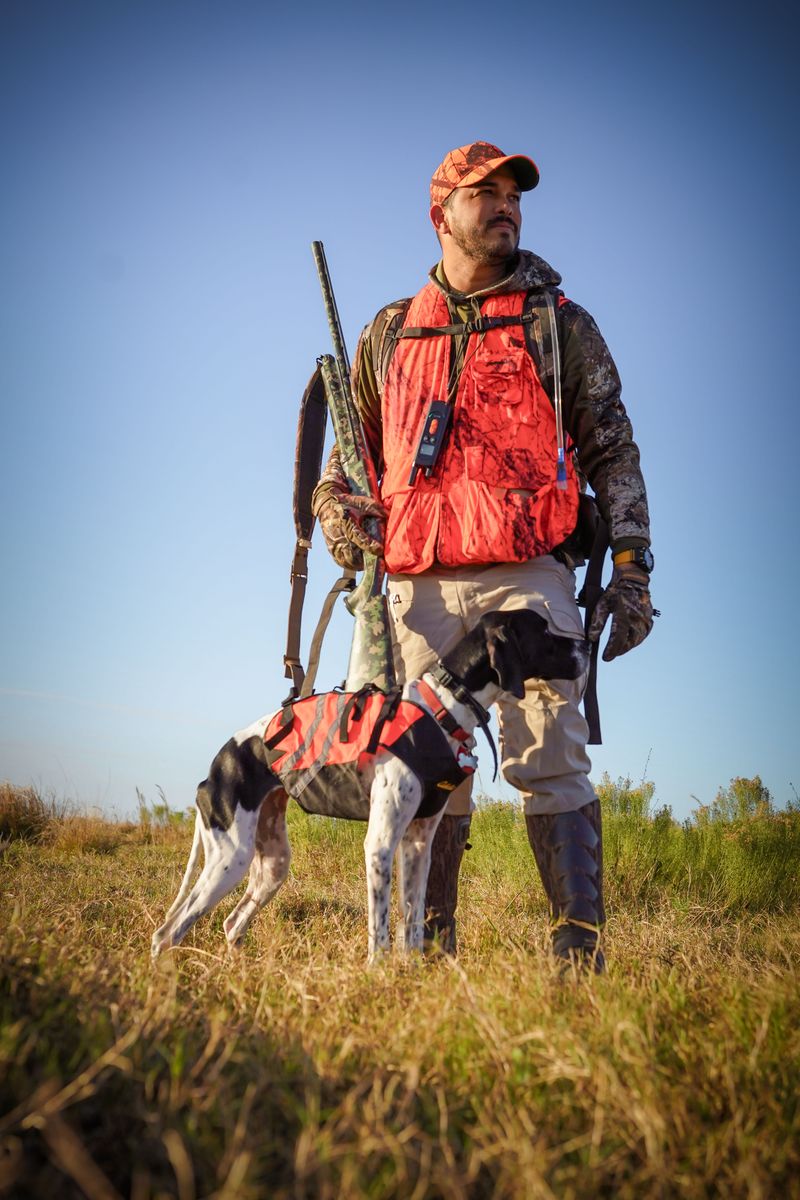
Your clothing deserves the same attention as your dog’s vest. Wear a bright orange outer layer that remains visible over your coat or backpack.
An orange hat adds visibility when plants partly hide your body.
Avoid depending on a tiny patch of color or a covered shirt. Indiana hunter clothing requirements apply to specified hunting situations, not automatically to every walker.
For dog owners, high visibility is a sensible safety practice alongside checking rules and choosing appropriate routes.
5. Keep Your Dog on a Short Leash
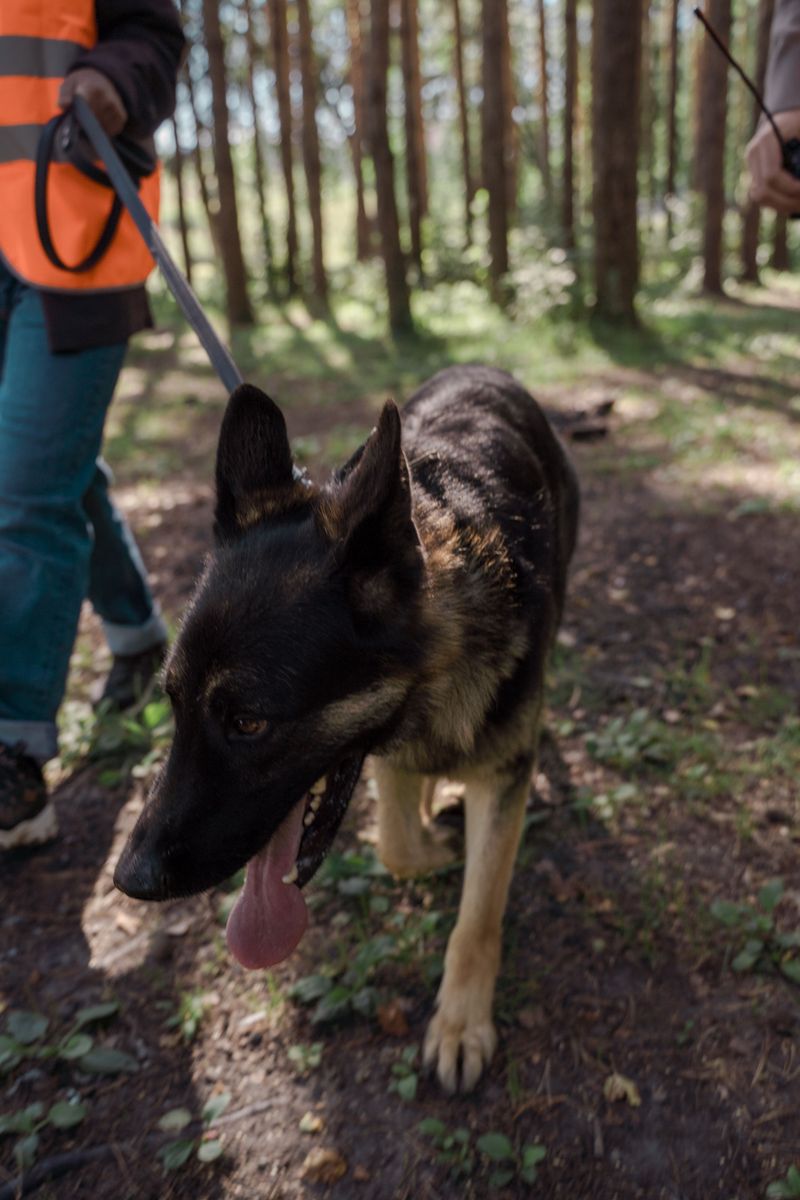
A squirrel can turn a calm walk into a sudden dash. Use a fixed-length leash that keeps your dog close without constant pulling.
Long lines and retractable leashes allow more wandering than you want near active hunting areas.
Check the clip, handle, collar, and harness before leaving your vehicle. Follow posted leash limits, since requirements differ among properties and communities.
Even excellent recall cannot replace physical control when wildlife, unfamiliar sounds, or other dogs appear unexpectedly nearby.
6. Stay on Marked Trails and Established Paths
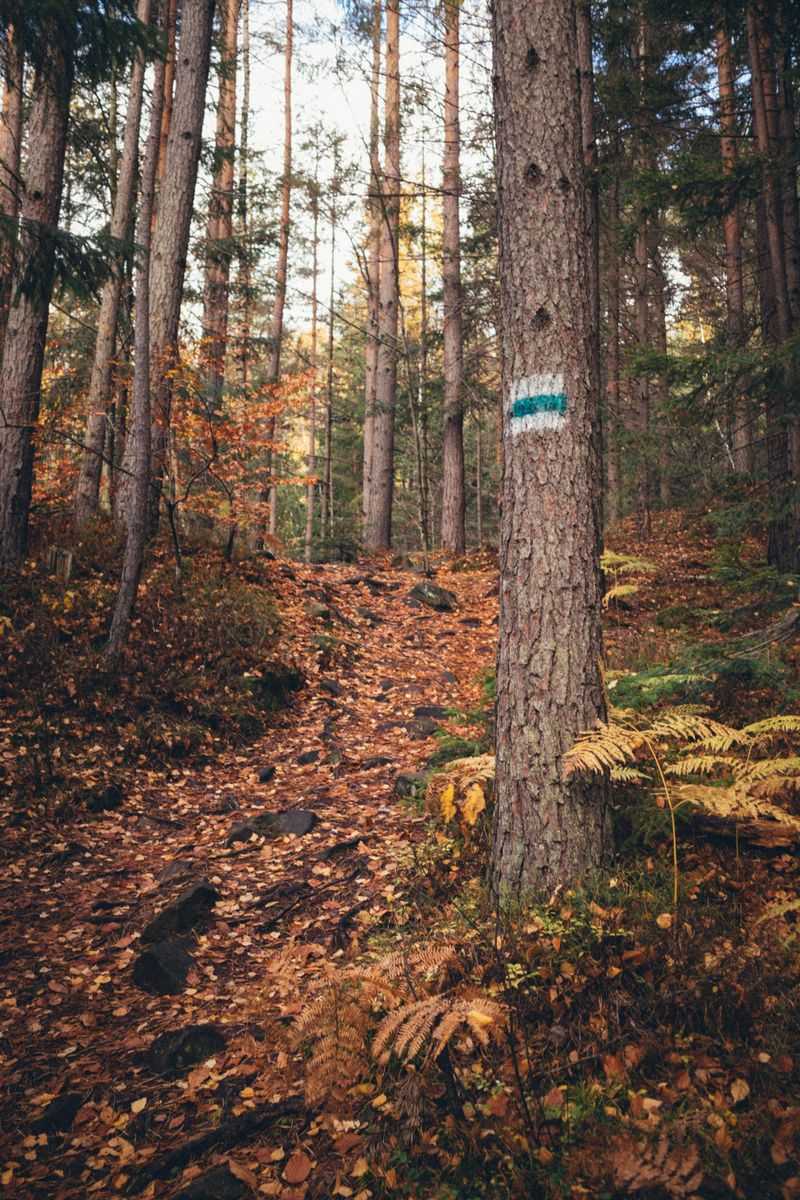
That tempting shortcut through tall grass may lead somewhere you did not expect. Follow marked routes and obey signs instead of cutting across fields or entering wooded edges.
Established paths make your movements more predictable for other people.
Carry a current map, especially where trail markers are widely spaced. If markings disappear, return along the known route rather than guessing.
Remaining on a trail helps, but it never guarantees separation from hunting where shared access is allowed.
7. Check Public Land Hunting Rules Before Visiting
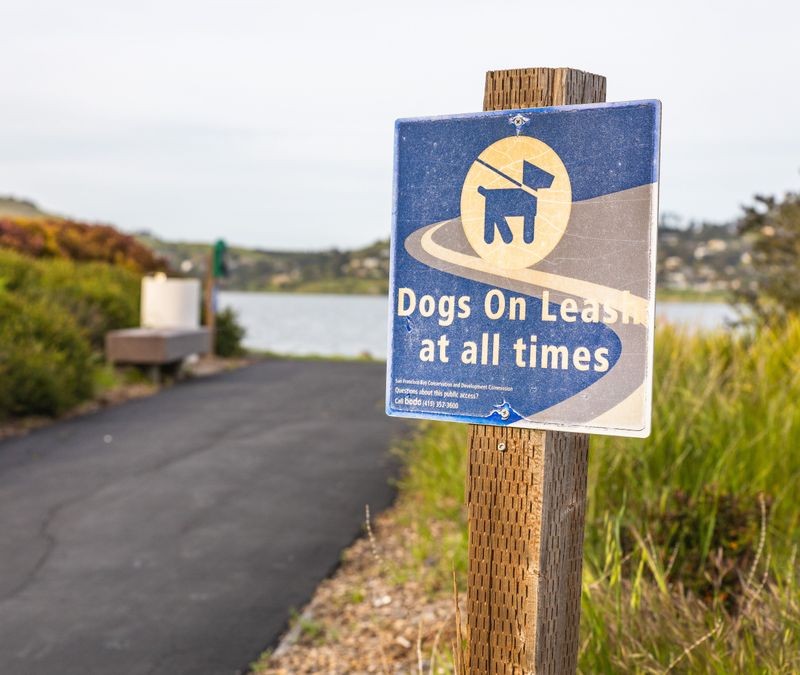
Public ownership does not mean every activity is allowed everywhere. Indiana state forests, fish and wildlife areas, parks, and other properties have different rules.
Some locations allow hunting, while others have special hunts or temporary closures.
Read the specific property’s official page for pet access, leash requirements, and visitor restrictions. Check entrance boards when you arrive, since conditions can change.
If online guidance conflicts with posted notices, contact staff before continuing rather than assuming either source is current.
8. Get Permission Before Walking on Private Rural Land
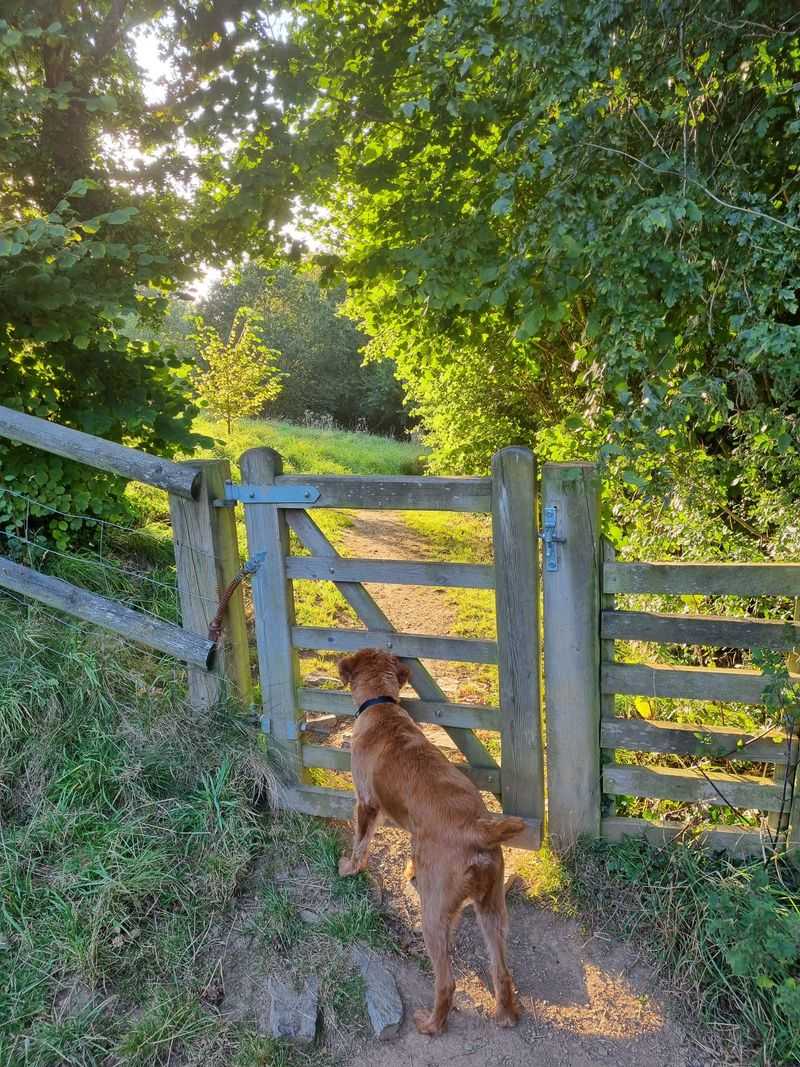
An open gate is not an invitation to explore. Get the landowner’s permission before taking your dog onto private fields, woods, or farm lanes.
Explain your planned route and ask whether hunting is happening that day.
Confirm boundaries, parking arrangements, and whether anyone else has hunting permission. Respect any request to postpone your visit, even if you walked there previously.
Leave gates as instructed, avoid crops and livestock, and remember that permission for one outing may not cover another.
9. Avoid Dawn and Dusk in Hunting Areas
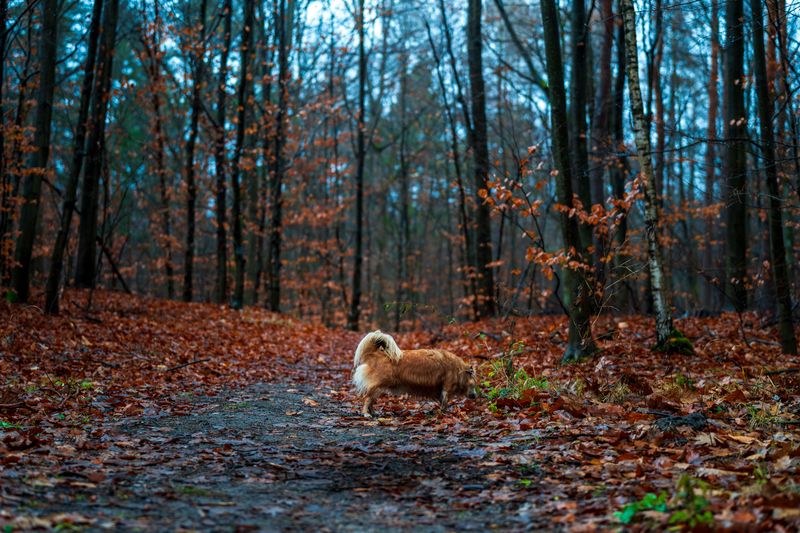
Early starts and sunset strolls can mean poorer visibility around woods. Many hunters are active near dawn and dusk, although activity varies by season and species.
When hunting is allowed nearby, choose full daylight when possible.
Midday is not a hunting-free window, so still check access rules and current activity. Plan enough time to return before the light fades.
If your schedule only allows dim conditions, choose a confirmed recreation setting or a familiar neighborhood route instead that day.
10. Prevent Your Dog From Chasing Wildlife
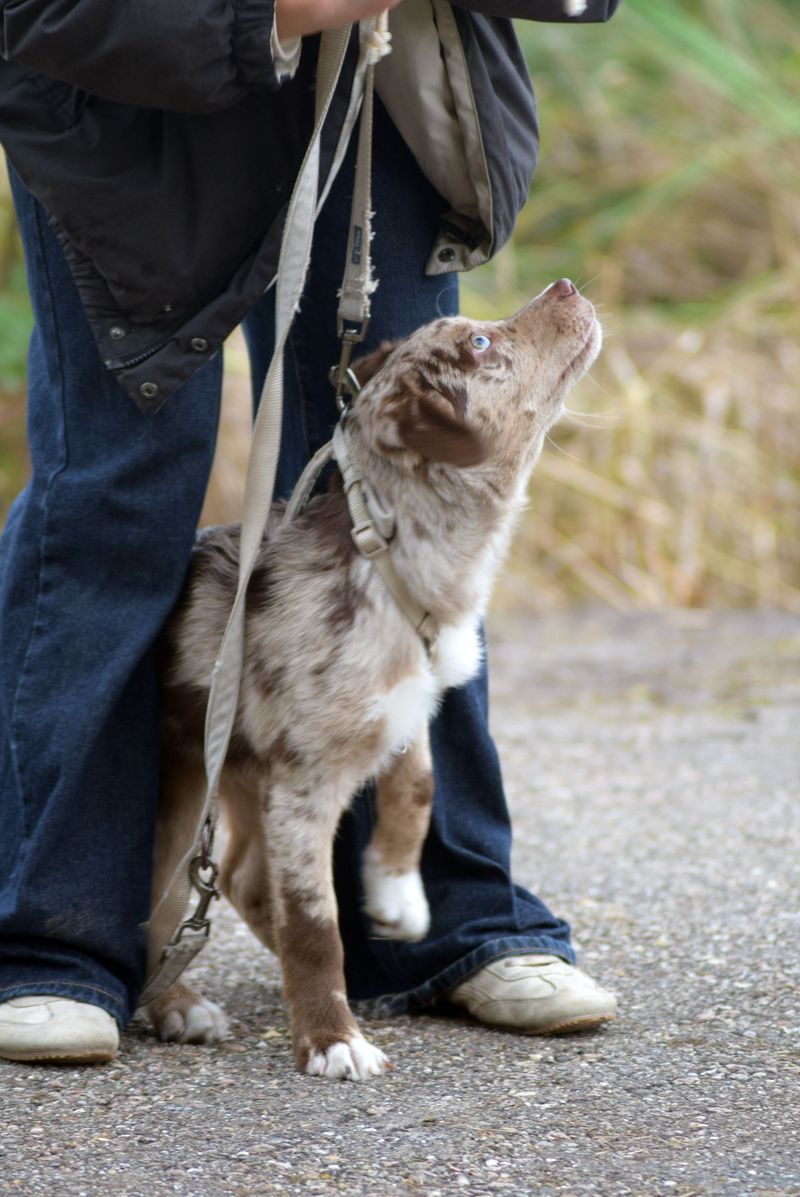
Wildlife smells can be more exciting than your usual walking treats. Practice a reliable attention cue and reward your dog for checking in with you.
Keep enough distance that squirrels, deer, and birds do not become overwhelming distractions.
Use the leash to prevent chasing rather than testing recall near wildlife. Turn away early when your dog stiffens, stares, or starts pulling.
Chasing can carry dogs into hunting activity, roads, or unfamiliar land, while also disturbing animals and other visitors nearby.
11. Check Your Dog’s Identification and Microchip
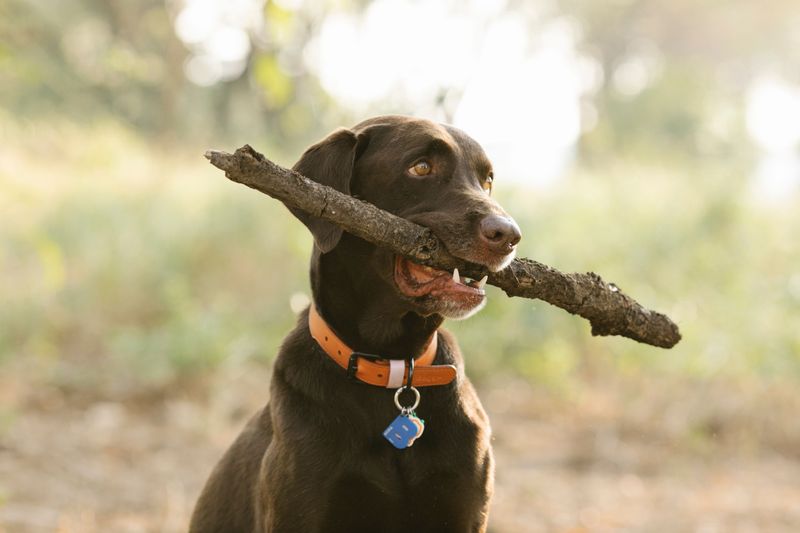
Preparation includes making sure someone can reach you if separation happens. Attach a readable identification tag with your current phone number to your dog’s collar.
Check that the collar fits securely without feeling tight.
Ask your veterinarian to scan the microchip during a routine visit. Update your contact details with the chip registry whenever they change.
A microchip is not a GPS tracker, and a tracking device cannot replace identification. Keep a recent photo available for sharing if needed.
12. Pack Water and a Basic First-Aid Kit
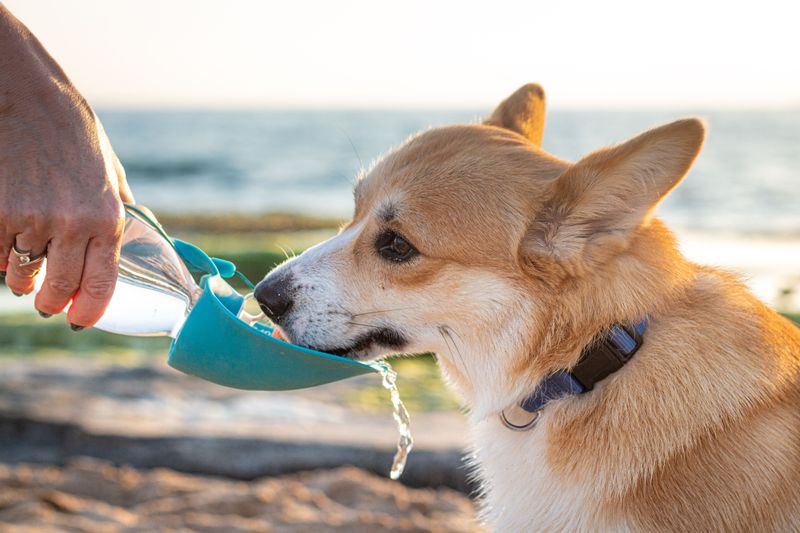
A small day bag can solve several common trail problems. Bring drinking water, a bowl, waste bags, and basic first-aid supplies for your dog.
Clean gauze, saline rinse, and a clean towel are useful starting points.
Ask your veterinarian what additional supplies suit your dog’s needs and your usual routes. Carry the clinic’s number and locate nearby emergency veterinary care.
Do not give human pain medicines without veterinary direction. For injuries or unusual symptoms, seek advice rather than improvising treatment.
13. Tell Someone Where You Plan to Walk
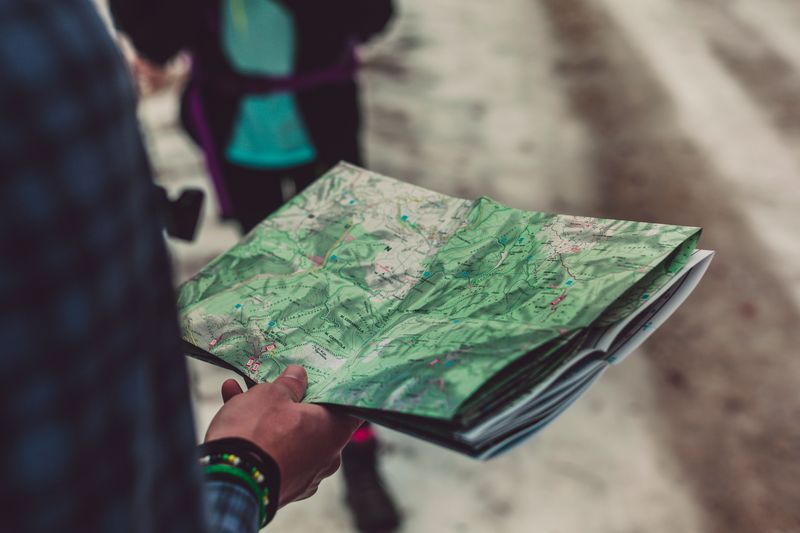
A quick message gives your outing a useful safety backup. Share the property name, trail, parking location, and expected return time with someone reliable.
Include any planned stops if your route crosses several areas.
Let that person know when you return or change plans. Charge your phone, but remember that rural coverage can be patchy.
Download maps beforehand and carry a paper option when practical. Agree on what they should do if you miss your check-in and cannot be reached.
14. Know the Difference Between Public Recreation and Hunting Access
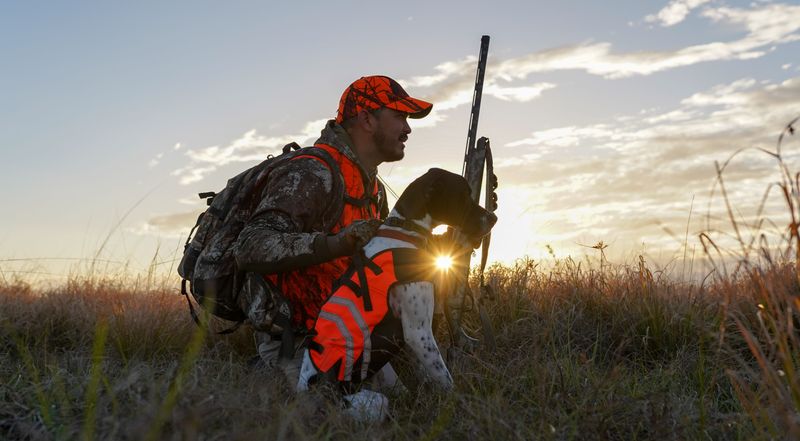
A place listed for hunting access is not automatically a walking destination. Access agreements may permit hunting while limiting other activities, dates, or entry points.
Some sites remain privately owned despite appearing in public hunting information.
Read the program’s terms and property details before planning a dog walk. Confirm whether general recreation and pets are allowed, rather than guessing from a map symbol.
When access is limited to hunting, choose another location unless the landowner separately grants appropriate permission for walking.
15. Recheck Conditions Before Every Outing
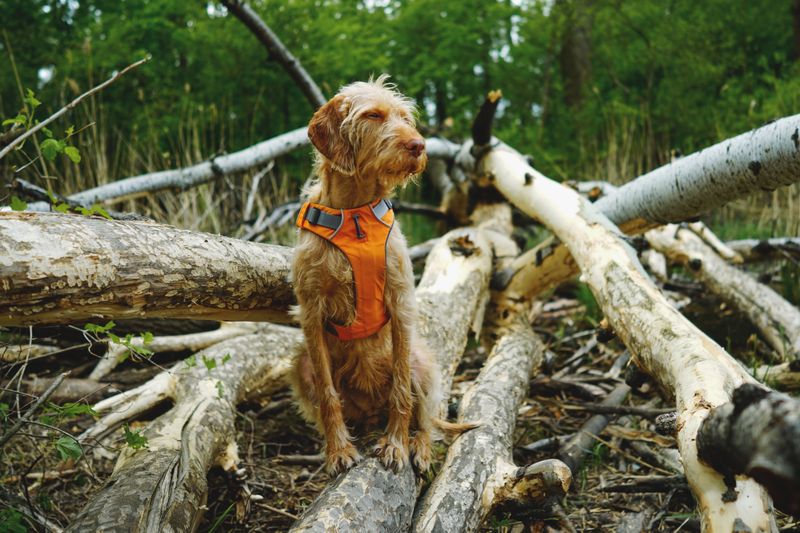
Yesterday’s quiet trail may have different conditions today. Review weather, property alerts, hunting schedules, and daylight before each outing.
At the entrance, look again for temporary signs, changed access, or activity that affects your chosen path.
Give yourself permission to turn around without feeling that the trip was wasted. Your dog’s exercise can happen somewhere else when details remain uncertain.
Know the rules, stay visible, and keep your companion close. A little preparation makes Indiana walks easier to enjoy together.