Why Water Releases Below Missouri Dams Require Extra Care Around Dogs
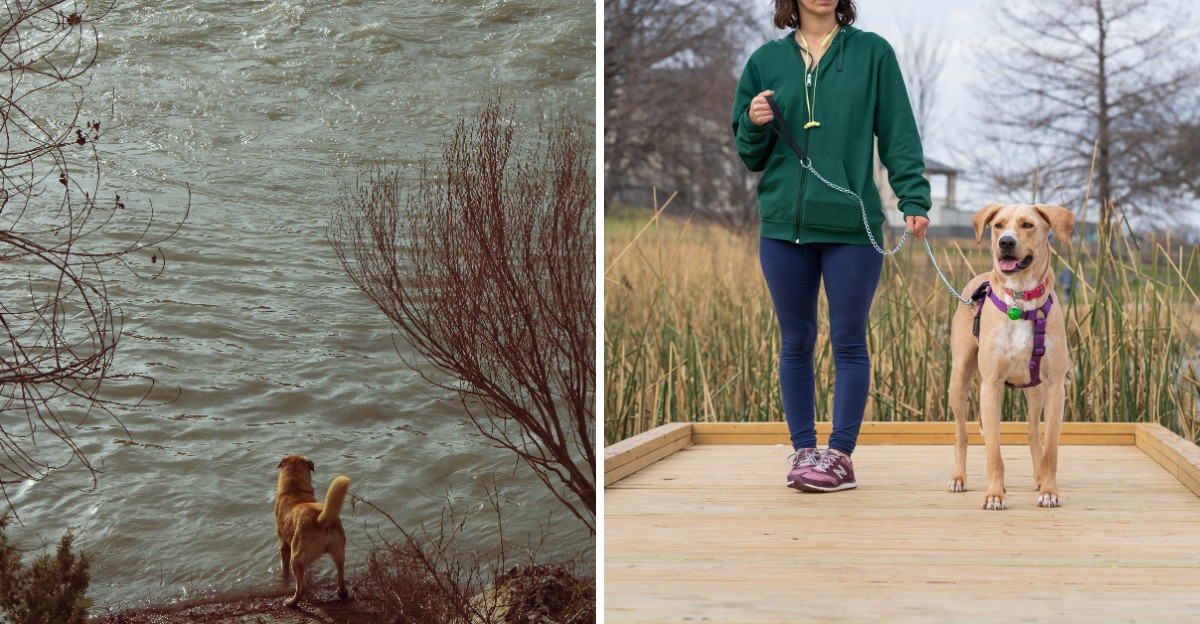
A riverside walk with your dog can feel peaceful, even when a nearby dam is releasing water. Below Missouri dams, currents and water levels can change faster than the view suggests.
Knowing what to check helps you choose better paths and keep curious paws away from trouble. With a few simple habits, you can enjoy local outings while giving your dog the extra care these places deserve.
1. Why Water Releases Below Missouri Dams Can Be Dangerous
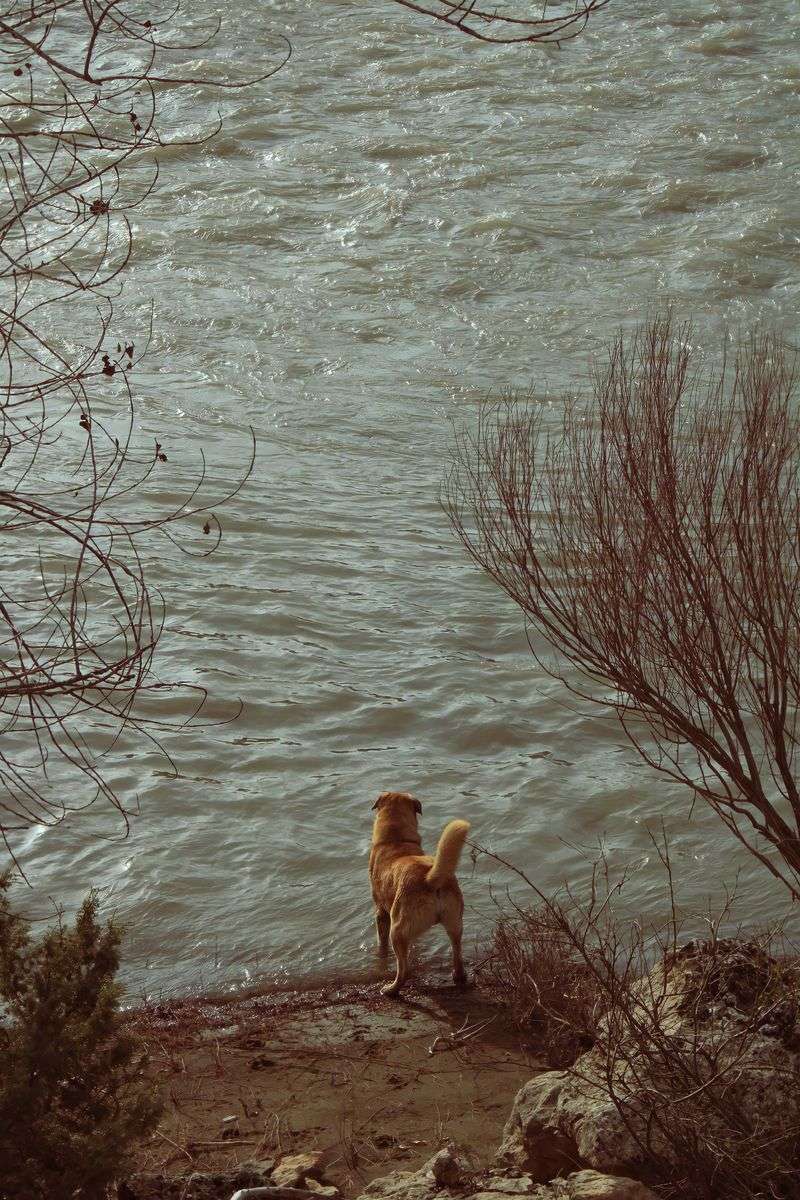
A dam changes more than the amount of water flowing downstream. Releases can increase speed, depth, and turbulence near outlets and along riverbanks.
Dogs cannot judge these changes, especially when following a scent or watching birds.
Plan visits around current conditions rather than familiar appearances. Stay outside restricted areas, and keep your companion away from the water below operating dams.
A dry walking route offers exercise without depending on unpredictable river conditions for safe footing today.
2. Watch for Sudden Changes in Water Levels
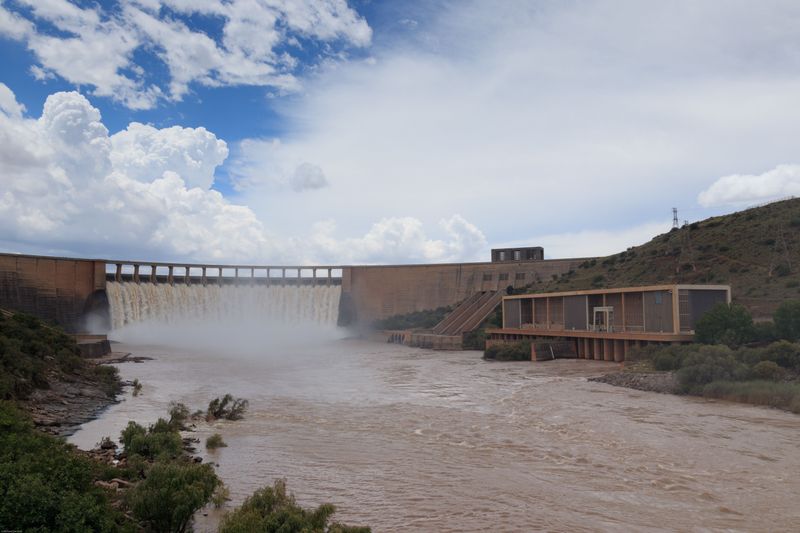
Your favorite gravel bar may not stay dry throughout a visit. When releases increase, low banks, islands, and shallow crossings can become covered.
The timing depends on the dam, distance downstream, and river conditions.
Choose a route with easy access to higher ground. Watch whether water starts covering stones or reaching plants along the bank.
Leave low areas promptly when levels rise, and never cross flowing water to reach a walking spot with your dog nearby.
3. Strong Currents Can Sweep Dogs Away

Even a confident swimmer can struggle when river speed increases. Moving water may carry a dog downstream faster than an owner can follow.
Uneven currents also make returning to the bank harder than swimming outward.
Do not use swimming ability as permission to enter tailwaters. Keep fetch games on dry ground, well away from the edge.
A canine flotation vest adds support during appropriate boating activities, but it does not make strong currents safe for dogs.
4. Cold Water Can Tire Dogs Quickly
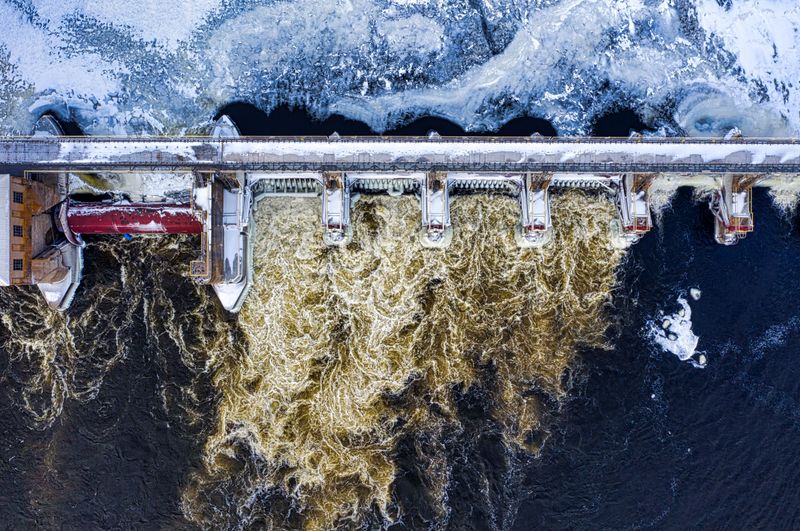
Warm sunshine does not guarantee warm water below a dam. Some releases draw from deeper reservoir layers, which can stay cool.
Temperature varies by season, reservoir structure, and the outlet being used.
Cold exposure can reduce comfort and swimming ability, especially in smaller dogs or those with health concerns. Avoid testing the temperature by letting your dog enter.
Bring towels for unexpected splashes, and ask your veterinarian about precautions suited to your dog’s age and condition.
5. Slippery Rocks Make Riverbanks Riskier

A wet rock can look like an inviting stepping stone. Algae, mud, and spray may turn that surface slick for paws and shoes.
Loose shoreline stones can shift under weight, adding another challenge near moving water.
Pick level paths instead of scrambling across riprap, the large rocks used to protect banks. Wear shoes with reliable traction and keep your dog beside you.
If reaching a spot requires careful balancing, choose another place for your outing instead.
6. Floating Debris Can Appear After a Release
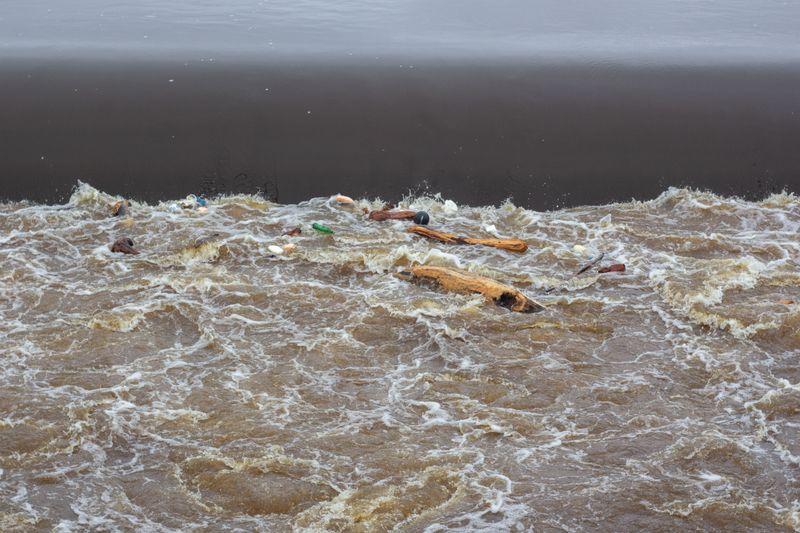
Branches drifting past can catch a playful dog’s attention. Higher flows may move logs, loose vegetation, and other debris already in the river.
Some objects remain partly underwater, making them difficult to spot from shore.
Keep your dog from chasing floating sticks or investigating piles near the edge. Avoid banks where debris is collecting or striking rocks.
Bring a familiar toy for games farther inland, and inspect your walking area for sharp litter before settling down.
7. Keep Dogs Away From Spillways and Outlets
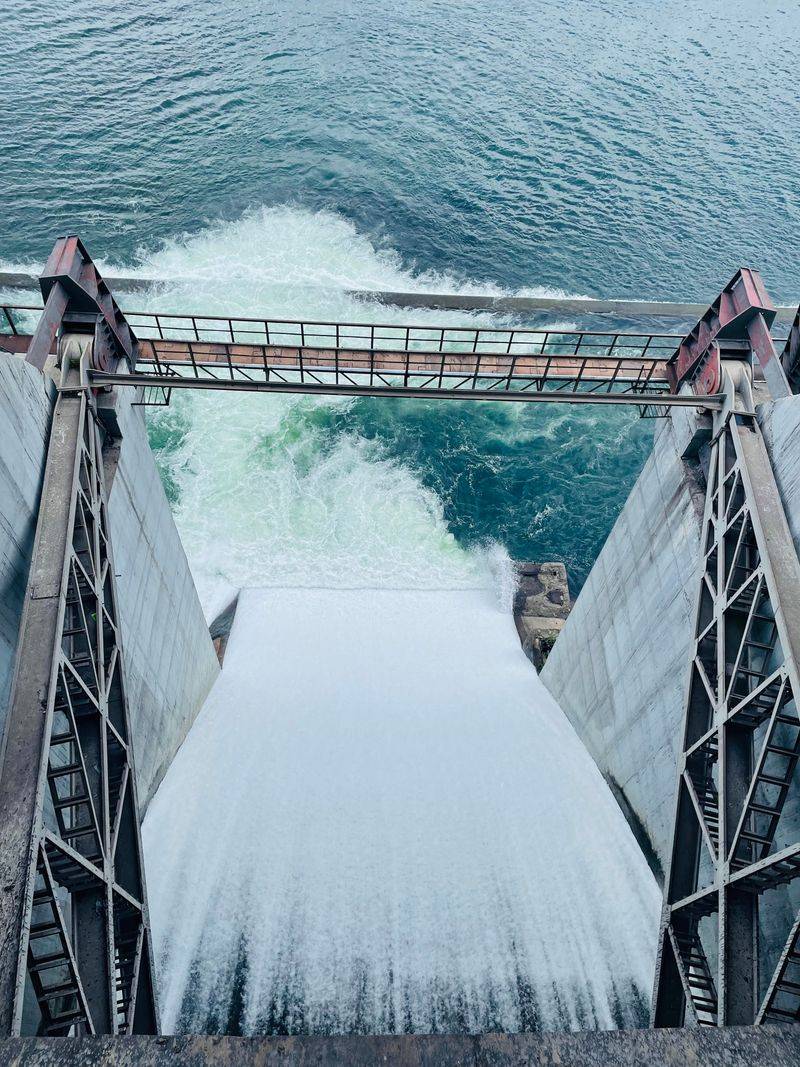
The busiest water often sits closest to release structures. Spillways and outlets can create powerful turbulence, recirculating water, and sudden changes in flow.
Those conditions are unsuitable for dogs, regardless of size or swimming experience.
Use designated public viewpoints when available, and remain behind barriers. Never approach an outlet through an unofficial path or gap in fencing.
Give these structures generous space even when discharge appears small, because operating conditions can change during your visit without warning.
8. Follow Warning Signs and Posted Closures

A closed gate is a cue to change your plans. Signs may identify restricted banks, release warnings, or areas closed for maintenance.
Rules differ among dam operators, parks, and local authorities, so read the notices at each location.
Do not assume another visitor’s behavior shows what is allowed. Keep dogs out of closed areas, and follow any posted pet restrictions.
If instructions seem unclear, contact the site manager before using that stretch of river for recreation.
9. Check Dam Conditions Before Leaving Home
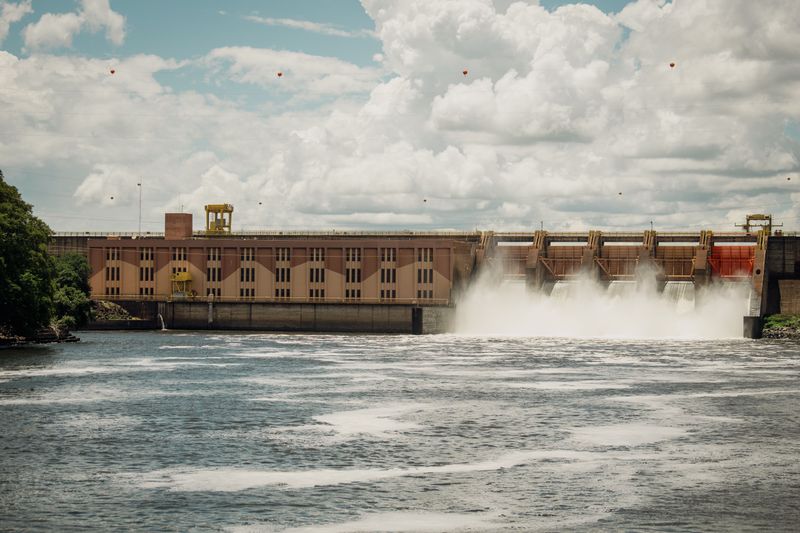
A quick check at home can prevent a disappointing outing. Look for official dam operator notices, park updates, and relevant river forecasts.
For Bagnell Dam, consult Ameren Missouri’s official information rather than relying on social posts.
Published schedules and forecasts can change, so check conditions again upon arrival. Weather upstream may matter even when your neighborhood stays dry.
Save the operator’s contact information, and choose a backup trail if release information is unavailable or conditions seem uncertain.
10. Choose Safer Walking Areas Away From the Water
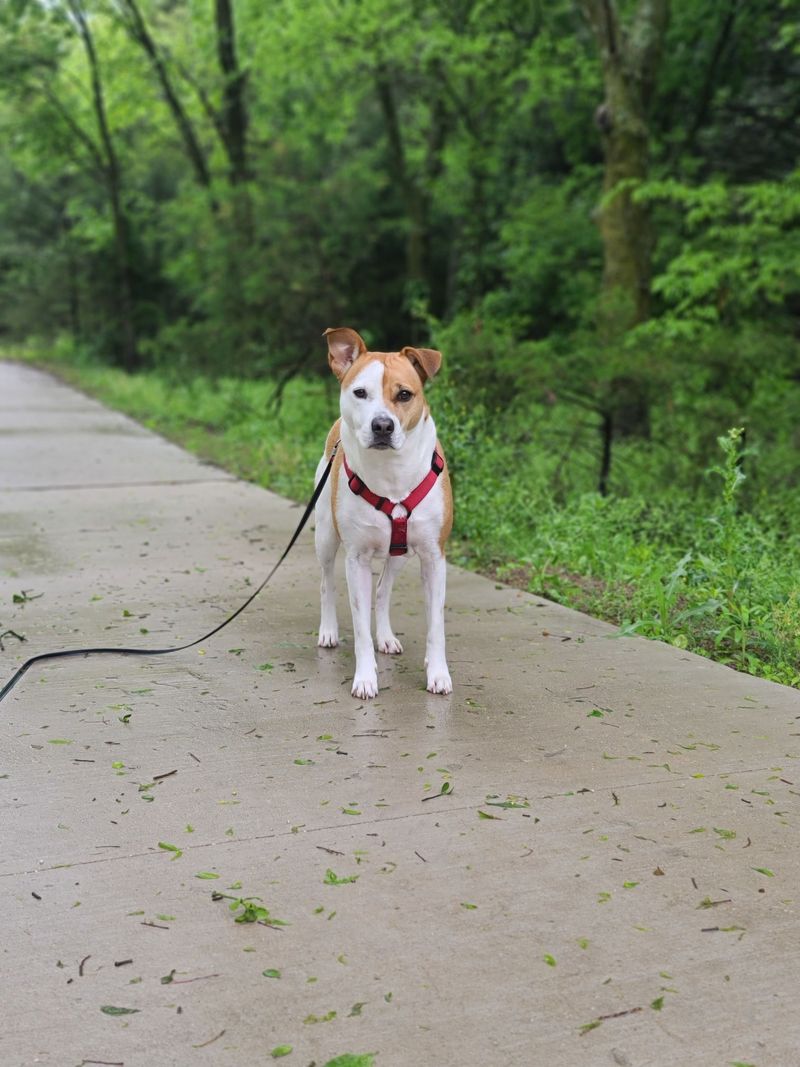
Your dog can enjoy river country without reaching the shoreline. Upland trails, open park paths, and designated pet areas often offer better footing.
Look for routes separated from steep banks and low floodplain stretches.
Check each park’s leash requirements and current closures before starting. Bring drinking water so your dog does not need river access for a drink.
Choose shade during warm weather, and build sniffing breaks into the walk to keep an inland outing interesting too.
11. Keep Your Dog Leashed Near Rivers
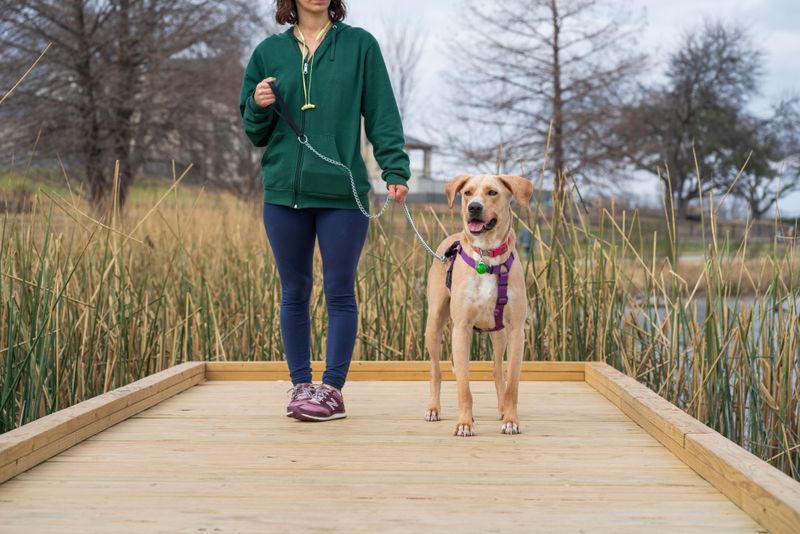
A squirrel or floating stick can change your dog’s plans instantly. A sturdy leash helps prevent a sudden dash toward the bank.
Use a secure collar or properly fitted harness, and inspect clips before leaving.
Keep enough control to guide your dog without approaching the edge yourself. Long lines and extended retractable leashes allow unwanted access near rivers.
Local leash rules vary, so confirm requirements with the park or municipality instead of assuming one statewide rule applies.
12. Do Not Let Calm Water Create a False Sense of Security
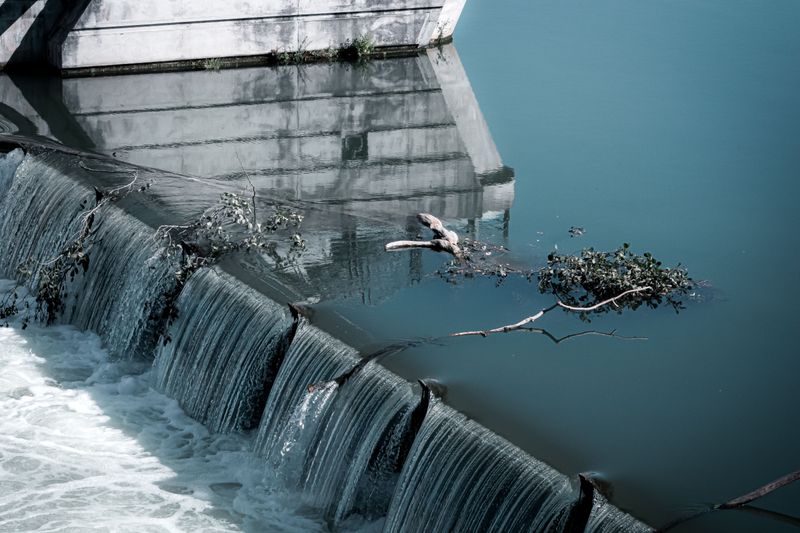
A smooth surface tells only part of the river’s story. Currents can remain strong below quiet patches, especially near deeper channels.
Water that looks still from a trail may behave differently a few feet away.
Judge safety by location, official guidance, and changing conditions, not surface appearance alone. Do not let your dog wade below dams because nearby water seems peaceful.
When uncertain, step back and enjoy the view from a designated path or overlook with barriers.
13. Be Careful Around Missouri River Dams
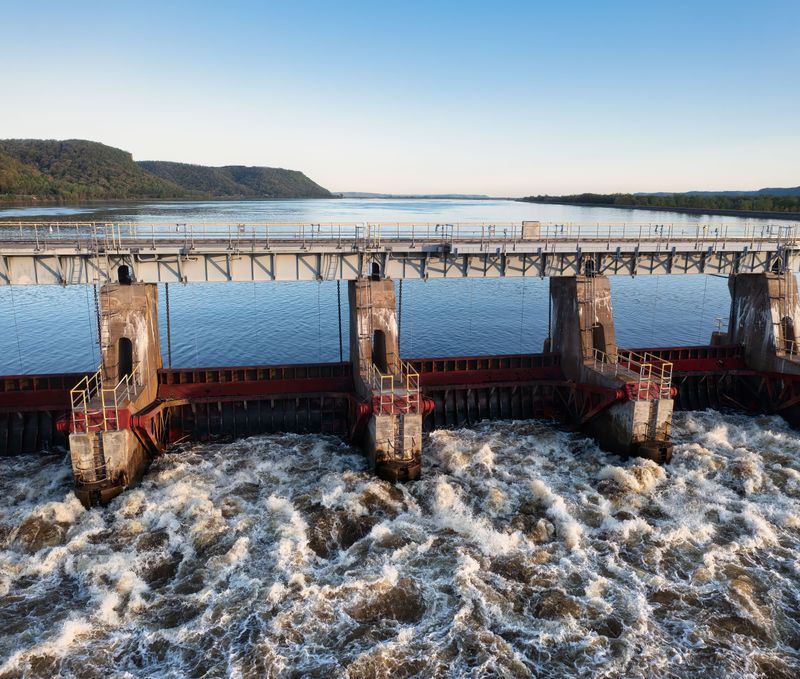
Geography matters when someone mentions Missouri River dams. The major mainstem dams lie upstream of Missouri, in other states.
Their operations can influence downstream flows, alongside tributary runoff, rainfall, and other river conditions.
For walks along Missouri’s portion of the river, check local gauges and forecasts. Do not expect a nearby dam siren to warn you about every change.
Keep dogs away from steep banks, navigation structures, and swift channels, even far from a release point upstream.
14. Understand Risks Near Lake of the Ozarks Tributaries
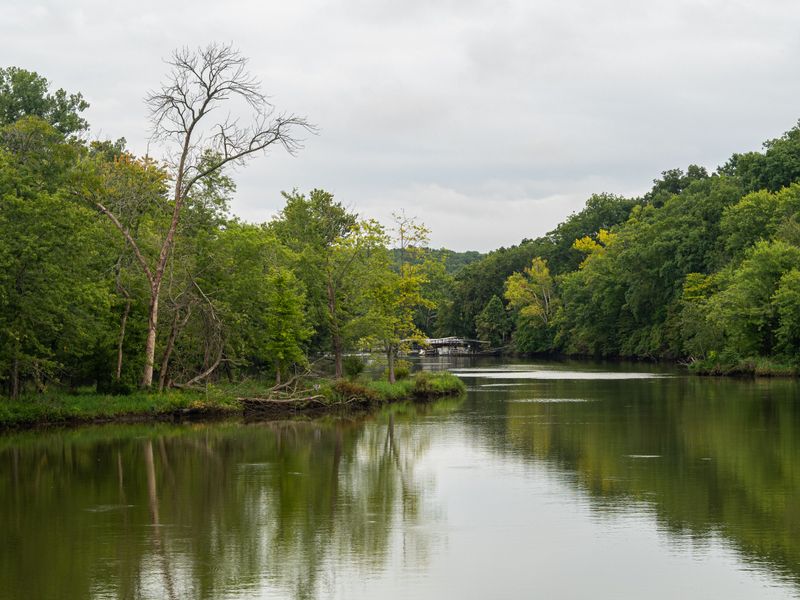
Not every stream near the lake has the same hazards. Bagnell Dam releases enter the Osage River downstream, not every tributary feeding the lake.
Tributary conditions also depend on rainfall, local runoff, and changing lake levels.
Identify whether your destination is below the dam, beside the reservoir, or along an incoming stream. Check information for that specific waterway instead of applying one forecast everywhere.
After heavy rain, avoid creek crossings and muddy banks during walks with your dog.
15. Recognize Signs of Dangerous Water
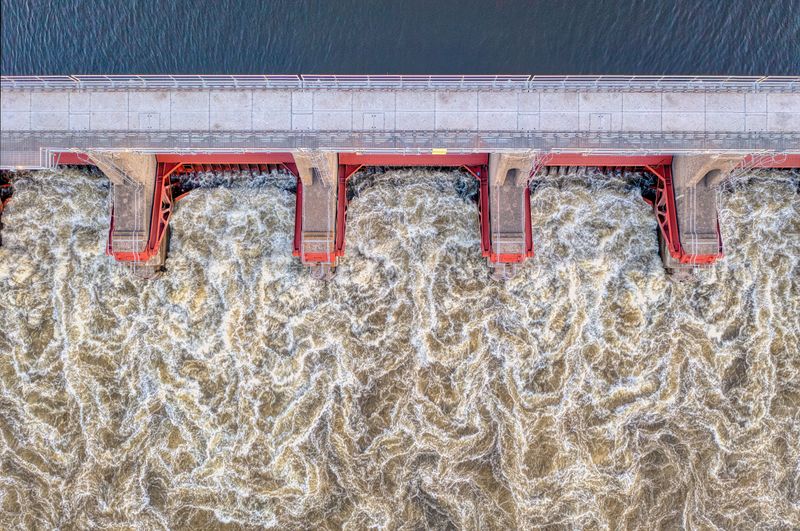
Swirling patches, choppy waves, and fast drifting branches deserve your attention. Water climbing the bank or covering a path means conditions are changing.
Increased roaring near a dam may also signal more active discharge.
If a warning siren sounds, follow posted instructions and leave affected areas promptly. Not every site uses sirens, and silence does not prove safety.
Treat visible changes as reasons to move inland, rather than waiting to see whether the river settles down again.
16. Never Send a Dog Into Dangerous Water for a Retrieval
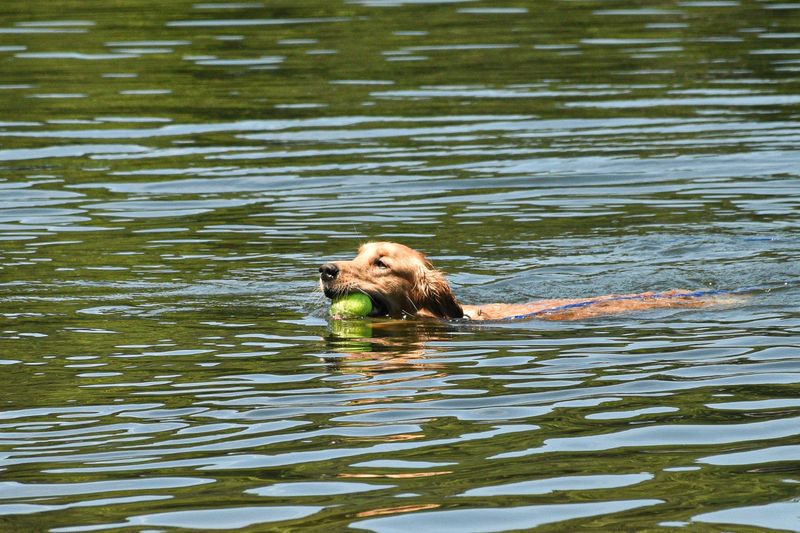
A lost ball is not worth testing a strong current. Fetch can make eager dogs focus on the target instead of their surroundings.
Avoid throwing toys toward rivers below dams, even from apparently sheltered banks.
If something lands in the water, leave it there rather than encouraging a retrieve. Practice recall and a leave it cue on dry land.
Reward your dog for turning away, then move the game to an open area safely away from the shoreline.
17. Know What to Do if Your Dog Falls In
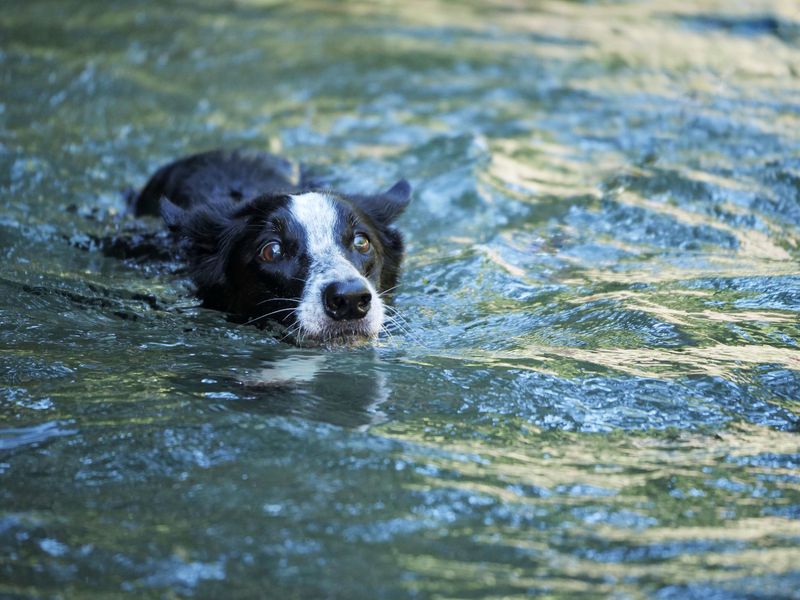
Keeping yourself safe is the first step toward helping your dog. Do not enter fast water or climb onto unstable banks.
Call 911 for an active water emergency, and explain your location and what happened.
From secure ground, keep sight of your dog and point rescuers toward its position. If safely possible, guide it toward an accessible bank using your voice.
Avoid wrapping a wet leash around yourself, and follow emergency responders’ instructions throughout the situation carefully.
18. Watch for Cold Stress After a Water Incident

Once your dog reaches safety, recovery still needs attention. Shivering, unusual weakness, confusion, or slow responses warrant prompt veterinary advice.
Coughing or breathing changes after water exposure also require urgent veterinary assessment.
Move somewhere sheltered, dry your dog, and use dry blankets for gentle warmth. Avoid direct high heat, and contact a veterinarian for next steps.
A little planning makes riverside outings easier: check conditions, keep your distance, and put your dog’s comfort first on every walk together.