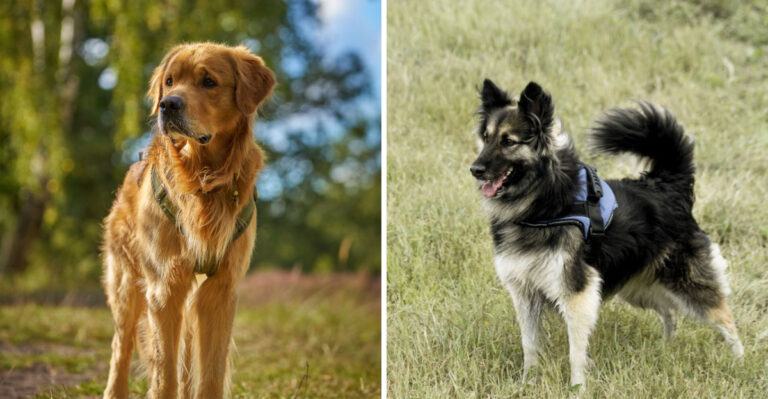
What New Jersey Dog Owners Should Know About Black Bears Near North Jersey Trails And Homes
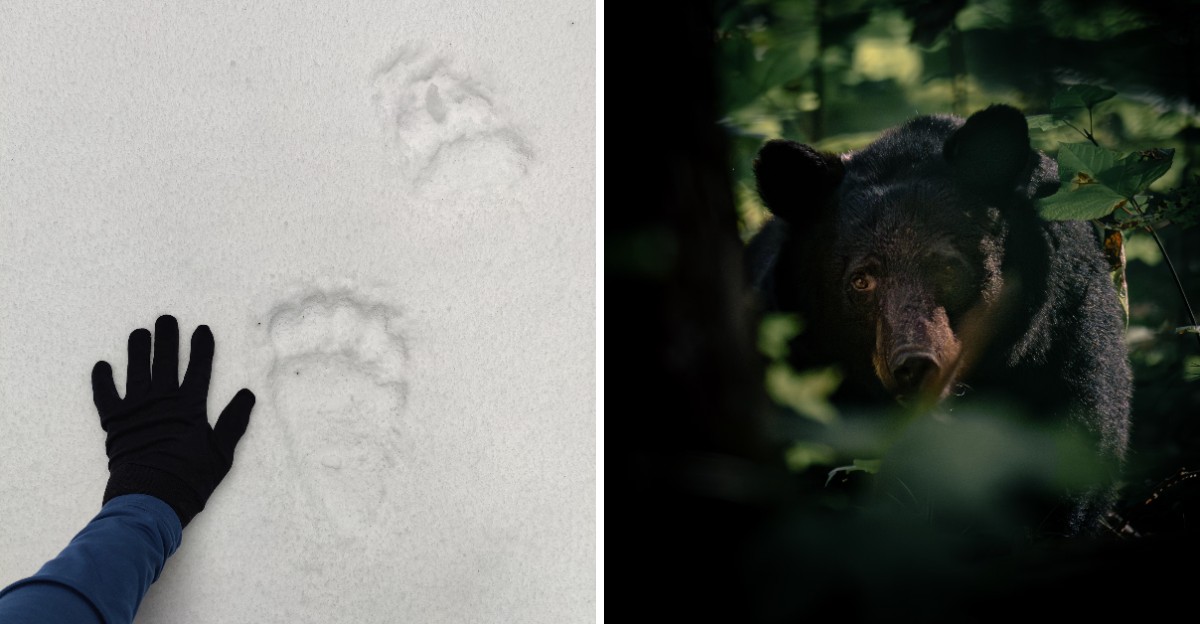
Walking your dog in North Jersey often means sharing wooded spaces with black bears. Bears usually avoid people, but food, curious dogs, and surprise meetings can bring them closer.
A few smart habits can make neighborhood walks, trail visits, and backyard breaks safer for everyone. Here is what local dog owners should know before clipping on a leash or opening the back door.
1. Why Black Bears Show Up Near North Jersey Trails and Homes
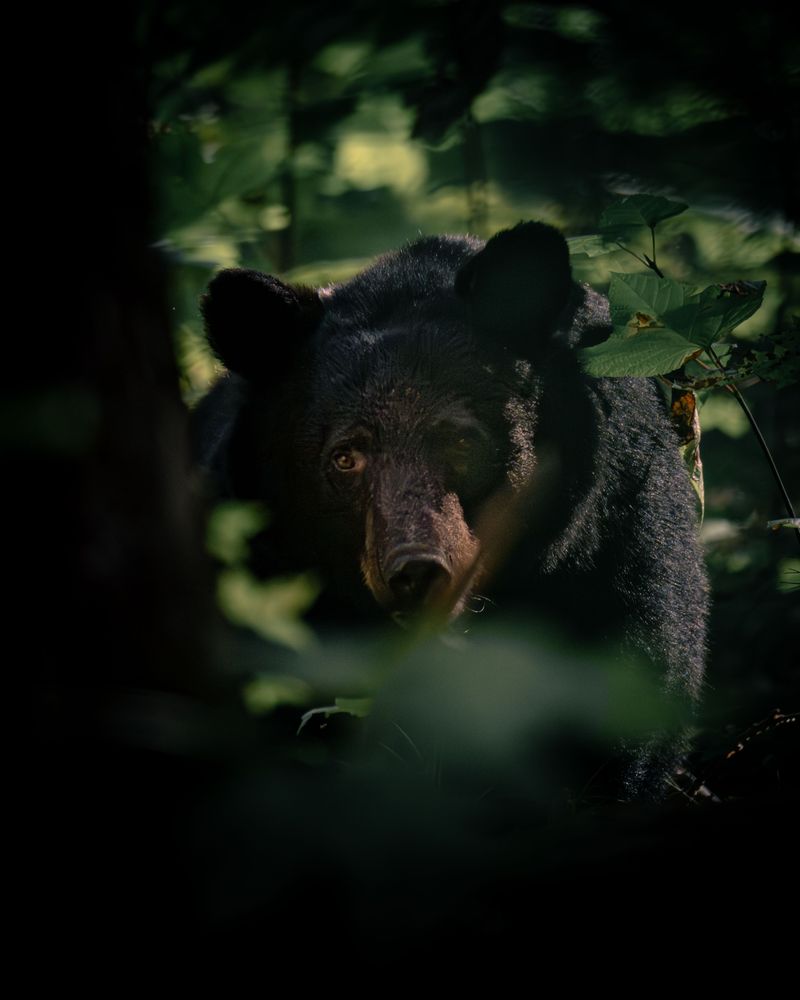
A wooded backyard can be part of a bear’s regular travel route. North Jersey offers forests, water, cover, and seasonal foods that support black bears.
Neighborhoods beside these habitats sometimes become convenient stopping places.
Bears may seek berries, acorns, insects, or unsecured household food. Seeing one does not automatically mean it poses an immediate threat.
Give it space, bring your dog indoors, and remove anything that could encourage another visit to your property later that week.
2. Keep Your Dog Leashed on Wooded Trails
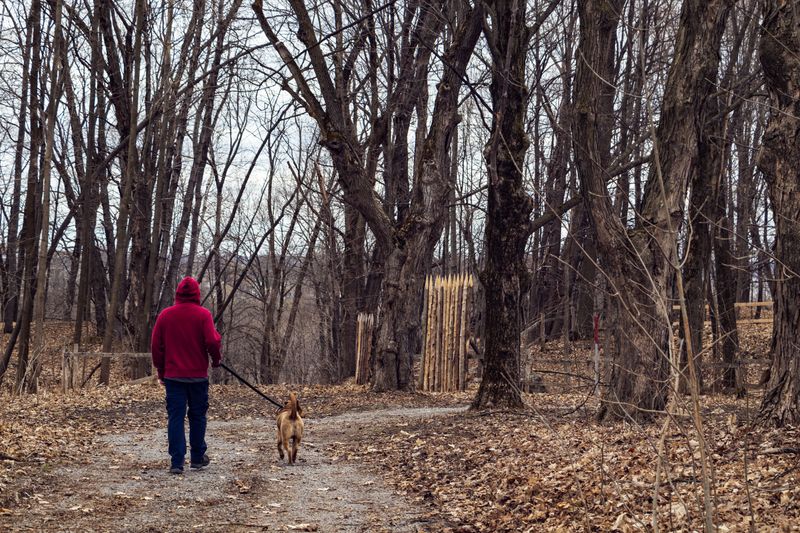
A squirrel chase can quickly carry a loose dog beyond your control. Use a sturdy, fixed leash that keeps your companion close on wooded walks.
Follow posted park rules and local leash requirements, which vary by location.
Avoid giving your dog enough line to enter brush or approach wildlife. Retractable leashes can make quick control harder.
Check the collar or harness fit before leaving home, and hold the leash securely throughout the entire trail walk ahead.
3. Recognize Signs That a Bear May Be Nearby
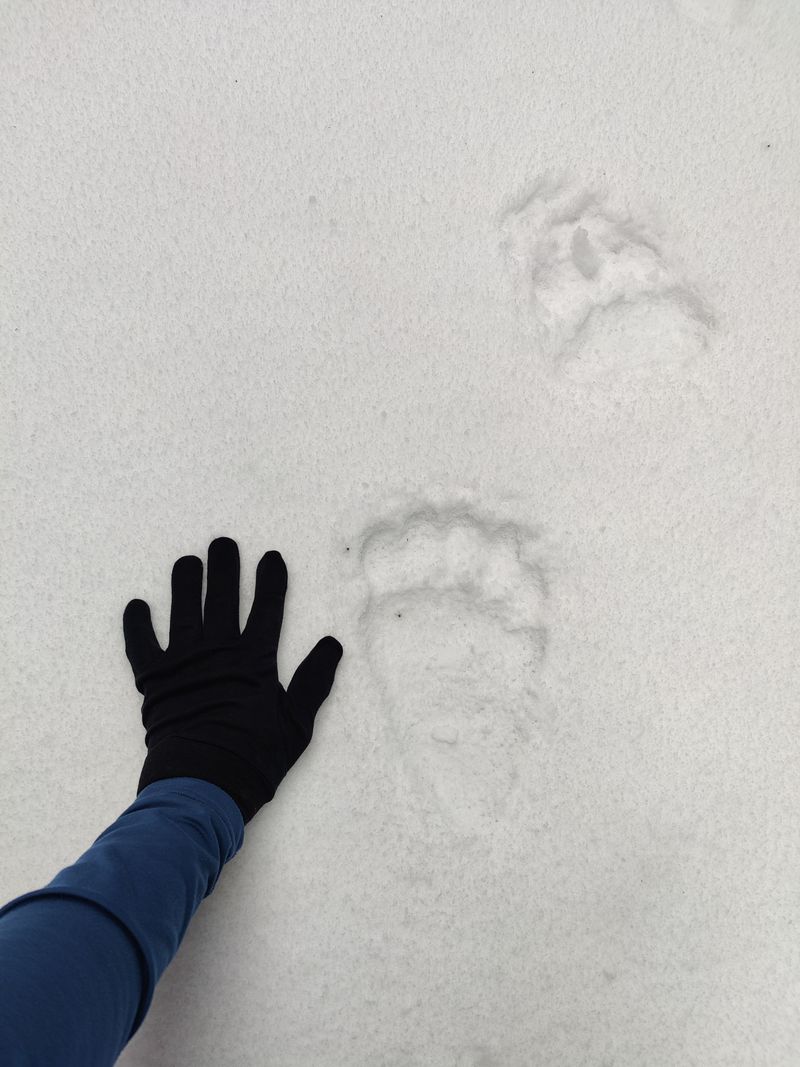
Fresh tracks in mud deserve a pause, especially near thick cover. Bear signs can include scat, disturbed logs, claw marks, and overturned garbage containers.
None tells you exactly where a bear is now.
Keep your dog from sniffing or following these clues into brush. Look around calmly and consider choosing another route.
Avoid touching droppings or investigating suspected resting places. Recent signs near a narrow path are a good reason to turn around with your dog.
4. Never Let Your Dog Approach a Bear
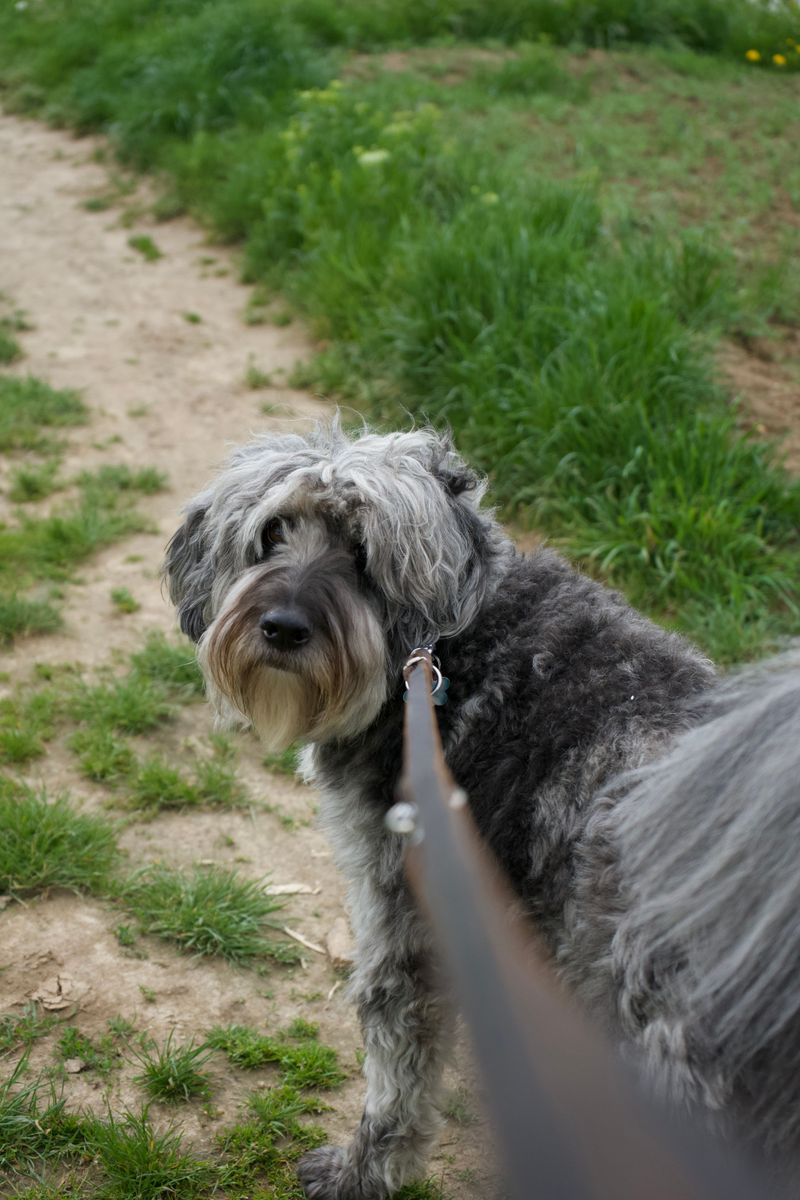
Even a friendly dog cannot safely greet a wild bear. Barking, lunging, or sniffing closer may make the bear feel threatened.
Keep the leash secure and prevent any approach, regardless of your dog’s size.
Do not move closer for photographs or allow a meeting through a fence. Distance matters more than curiosity.
If your dog notices the bear first, guide your companion away without sudden movements. Never release the leash hoping your dog will chase it.
5. Know What to Do When You Spot a Bear
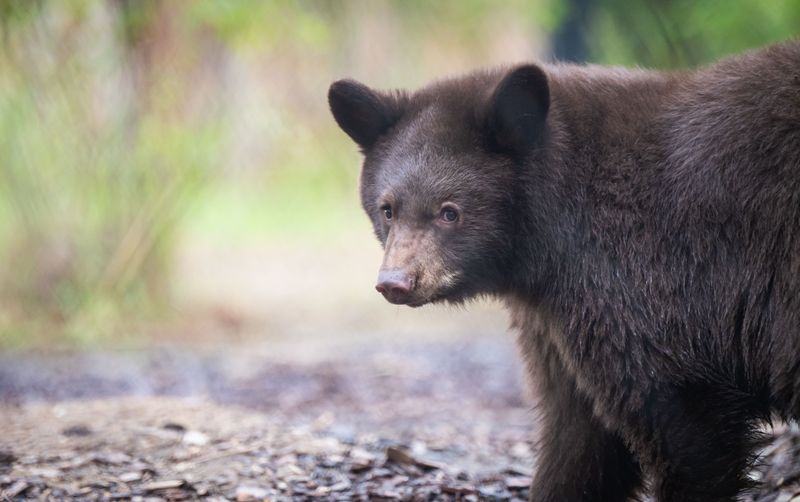
Spotting a bear calls for space, not speed. Stay calm, keep your dog close, and do not run.
Avoid direct eye contact, leave an escape route, and slowly back away.
A bear standing upright may simply be checking its surroundings. If it approaches, make yourself look larger and use a firm, loud voice.
Follow NJDEP encounter guidance. If a black bear attacks, fight back rather than remaining motionless.
Call 911 if you face an immediate safety emergency.
6. Understand Why Dogs Can Make Bear Encounters Riskier
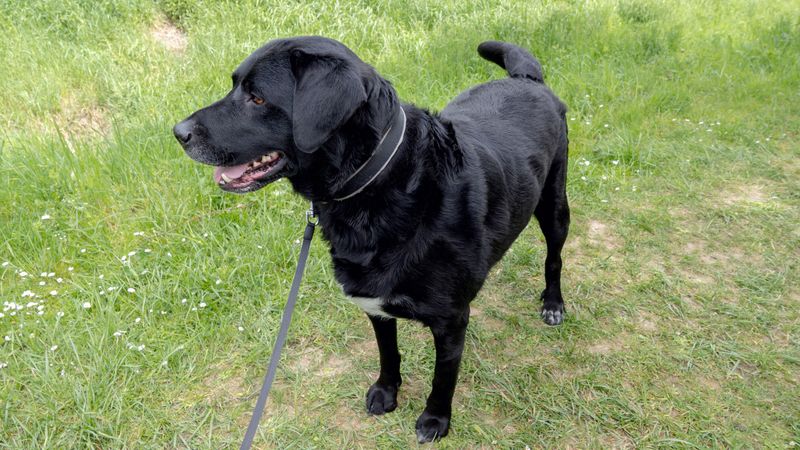
Your companion may notice wildlife long before you do. A dog’s scent, barking, or sudden movement can change a bear’s response.
A loose dog may approach a bear, then run back toward its owner.
That can bring the encounter closer instead of ending it. Do not assume a small dog seems harmless or a large dog offers protection.
Your best tools are distance, leash control, and an early retreat before excitement builds for either animal nearby.
7. Secure Garbage Around Your North Jersey Home
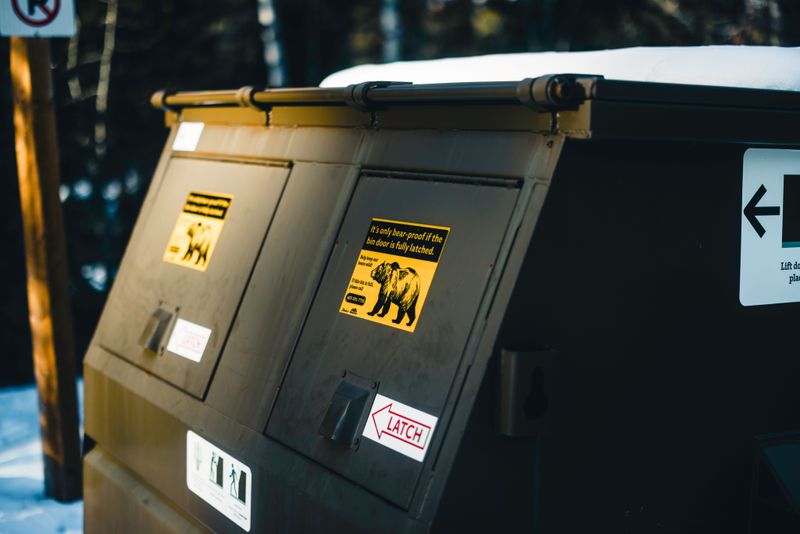
Trash night can become an invitation when food odors escape. Store garbage in a secure building or a properly closed, bear-resistant container.
Ordinary plastic bins and loose lids may not keep bears out.
Follow municipal collection rules, and avoid leaving garbage outside longer than necessary. Clean containers when residue builds up.
Ask your town about approved storage options if bears visit regularly. Keep your dog indoors whenever you discover disturbed bins or a bear near the driveway.
8. Remove Outdoor Food That Attracts Bears
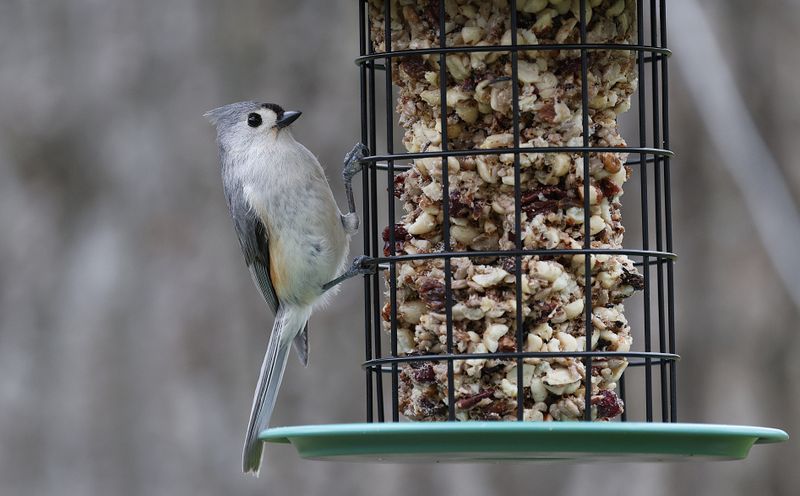
A forgotten food bowl smells interesting far beyond your porch. Feed pets indoors, and bring bowls inside after outdoor use.
Birdseed, suet, fallen fruit, greasy grills, and accessible compost can also attract bears.
Clean cooking surfaces and store food supplies securely. Follow current NJDEP advice about removing bird feeders in bear areas.
Never intentionally feed bears; New Jersey prohibits it. Reducing food rewards helps protect your neighborhood, not just the dog relaxing beside your back door.
9. Check Your Yard Before Letting Your Dog Out
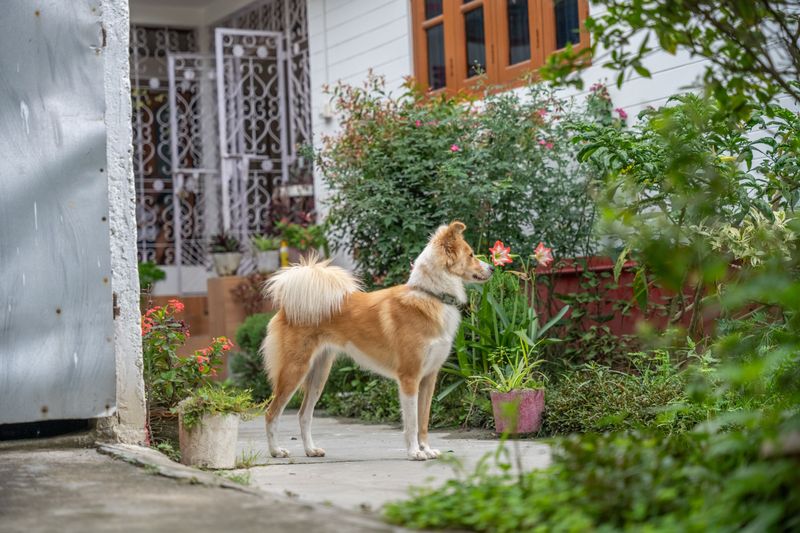
The back door deserves a quick safety check before it opens. Look across the yard, near garbage storage, and around shrubs or decks.
Turn on outdoor lights when visibility is poor.
Stay with your dog during bathroom breaks in bear areas. A fence does not guarantee that wildlife cannot enter.
If you see a bear, keep your dog inside and give it room to leave. Never send your companion outside to investigate unfamiliar noises after dark.
10. Make Evening and Early-Morning Walks Safer

Dim light makes it harder to notice movement beside the sidewalk. Bears can be active at any time, including dawn and dusk.
Choose familiar, open routes when morning or evening visibility is limited.
Carry a flashlight and avoid walking while distracted by your phone. Keep your dog close near wooded edges and garbage pickup areas.
Speak normally so wildlife can hear your approach. If shadows prevent a clear view ahead, change direction or shorten that walk.
11. Choose North Jersey Trails With Good Visibility
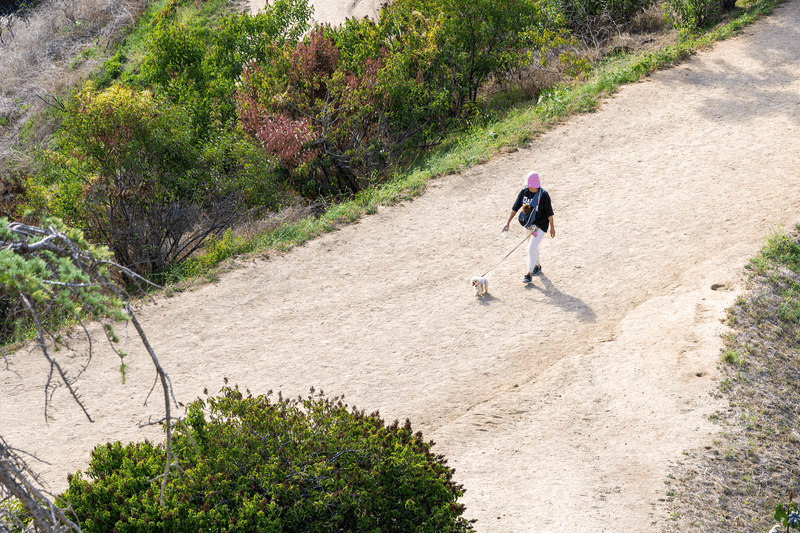
A clear view gives you more time to make good decisions. Favor established paths with open sightlines rather than tight trails through dense brush.
Check park alerts, trail conditions, and dog access rules before leaving.
North Jersey routes can change with summer growth, storm damage, or temporary closures. Ask park staff about recent wildlife activity when available.
No trail is guaranteed bear-free. Choose a route you can leave easily, and avoid corners where visibility disappears completely ahead.
12. Keep Your Dog Away From Bear Cubs
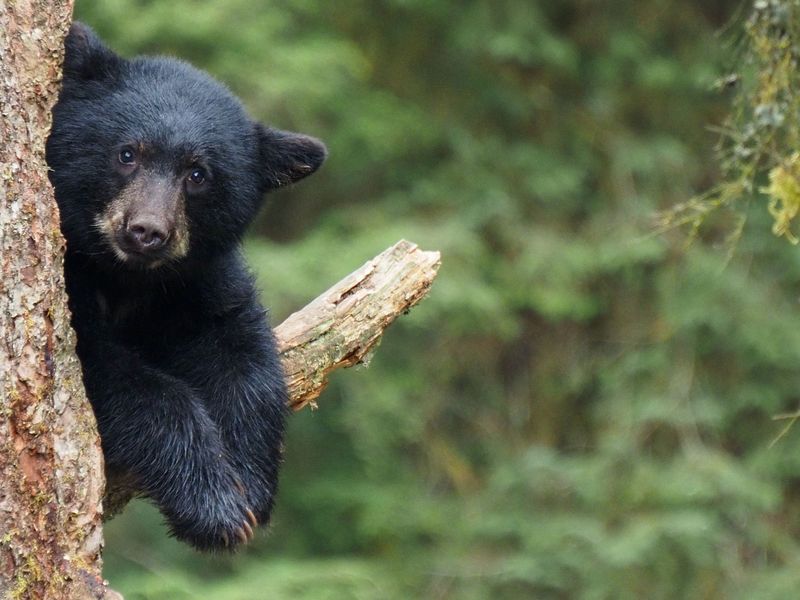
Small cubs are not an invitation to move closer. Their mother may be nearby, even when you cannot see her.
Keep your dog beside you and retreat without passing between family members.
Never let barking or curiosity draw you toward a tree holding cubs. Avoid stopping beneath them for pictures.
If your route leads toward the family, turn back instead. Giving every bear plenty of room is especially useful when young animals are present nearby together.
13. Understand New Jersey’s Bear Country Precautions
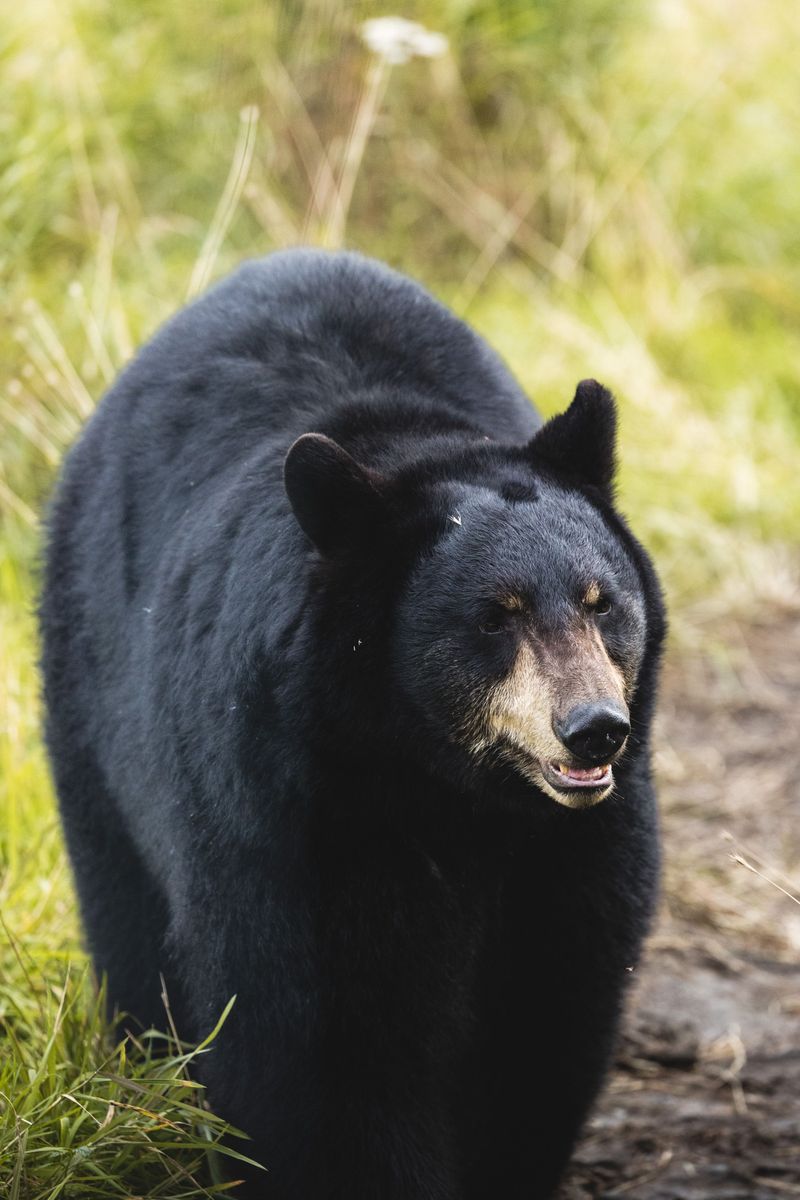
Local knowledge is more useful than advice passed around online. NJDEP Fish and Wildlife provides bear safety information for residents and visitors.
Check its current guidance before planning outings in bear habitat.
State rules prohibit feeding bears, while leash and park requirements depend on the location. Confirm those details with your municipality or park office.
Do not assume winter removes all risk, because bears may emerge during warmer periods. Keep household precautions in place throughout the year.
14. Carry Essential Supplies on Woodland Walks
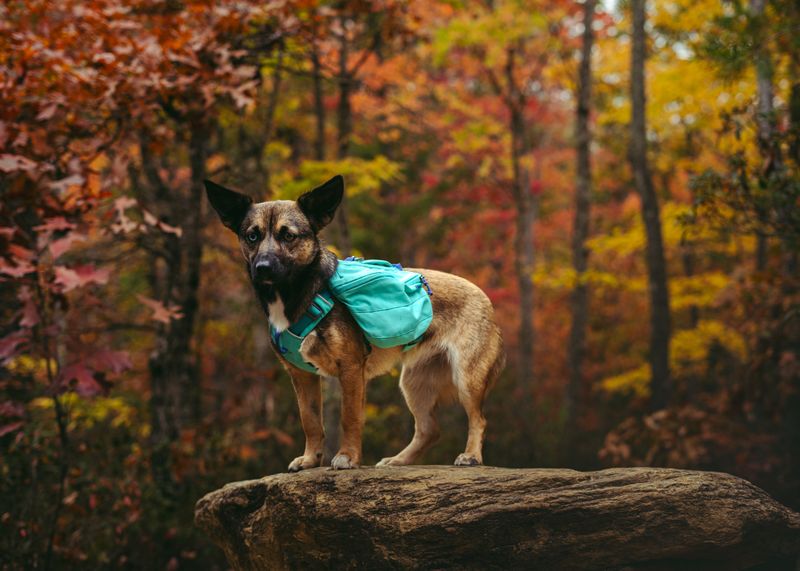
A small walking kit can solve several ordinary problems. Pack water, a bowl, waste bags, a charged phone, and basic first aid supplies.
Carry a flashlight if your return could happen near dusk.
Keep snacks sealed and never scatter treats along the trail. Some hikers carry bear spray where permitted.
Check park rules, read the label, and learn safe handling before relying on it. Do not confuse it with dog training sprays or use it casually.
15. Teach Your Dog to Respond to You Around Wildlife

Practice starts somewhere boring, not beside a bear. Teach your dog to turn toward you, leave distractions, and walk away on cue.
Reward calm responses at home before adding mild outdoor distractions.
A qualified trainer can help if your dog lunges or becomes hard to manage. Training supports leash control but never replaces it.
Avoid practicing near wildlife to test progress. Reliable everyday habits make it easier to leave when something unexpected appears beside your walking route.
16. Know When to Leave a Trail
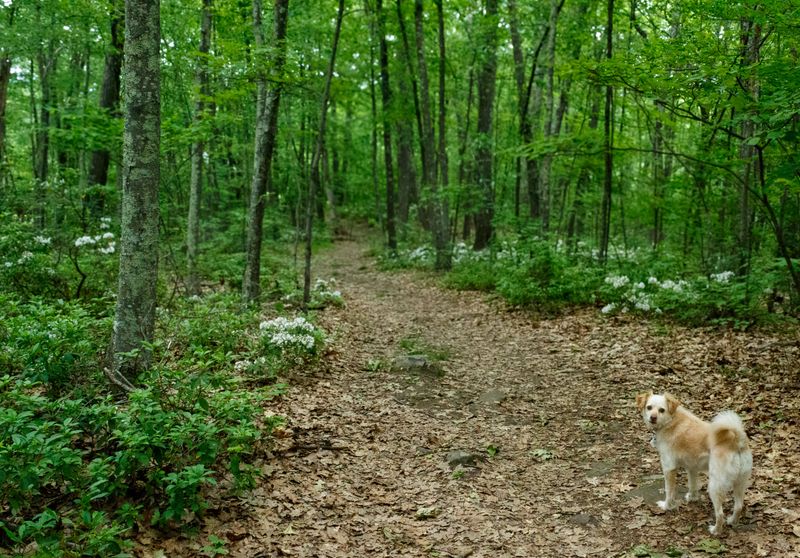
Turning around is a smart choice, not a failed outing. Leave when a bear blocks the route or thick cover prevents a safe detour.
Repeated barking, fresh activity, or your dog’s growing agitation also deserves attention.
Do not push past a bear to reach a viewpoint or finish your usual loop. Move away calmly and alert others without gathering a crowd.
Notify park staff about a bear affecting trail access, especially when visitors cannot pass safely nearby.
17. Report Bears That Behave Unusually Around People
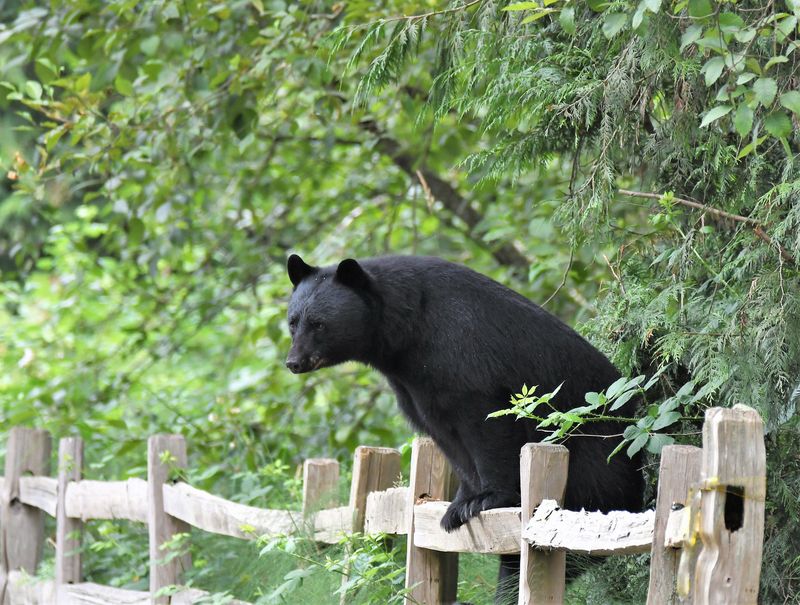
A passing bear and a persistent visitor need different responses. Report bears that repeatedly approach people, try entering buildings, or appear injured or disoriented.
NJDEP Fish and Wildlife accepts bear reports at 877-927-6337.
For an immediate safety emergency, call 911 instead. Describe the location, behavior, and direction of travel from a safe place.
Keep your dog inside while reporting. Do not follow the bear or approach for a better photograph to support your report to responding officials.
18. Check Your Dog for Injuries After an Encounter
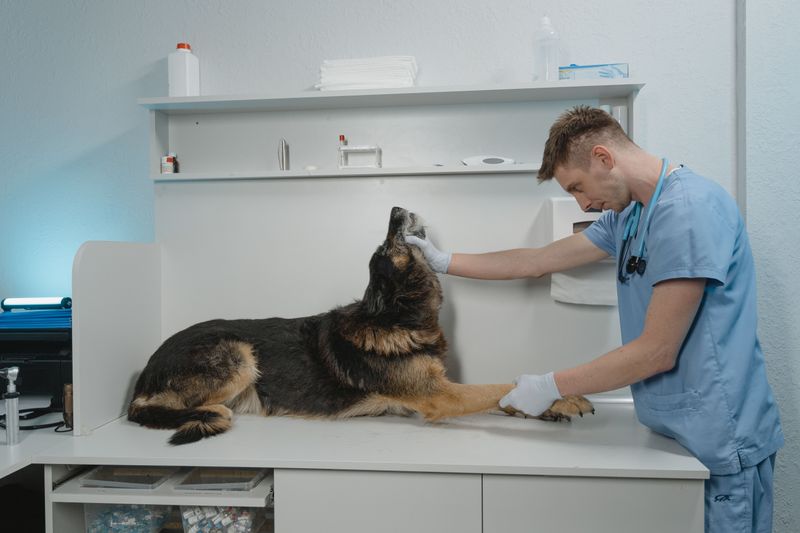
Once you reach safety, give your dog a quiet check. Look for limping, tenderness, swelling, torn nails, or changes in breathing.
Fear and excitement can hide discomfort during the first few minutes.
Contact your veterinarian promptly after physical contact with a bear, even when injuries seem small. Seek urgent care for breathing trouble, significant bleeding, or difficulty standing.
Ask about wound care and any rabies concerns. Avoid giving human pain medicine unless your veterinarian specifically directs you.
19. Make Bear Awareness Part of Every North Jersey Outing
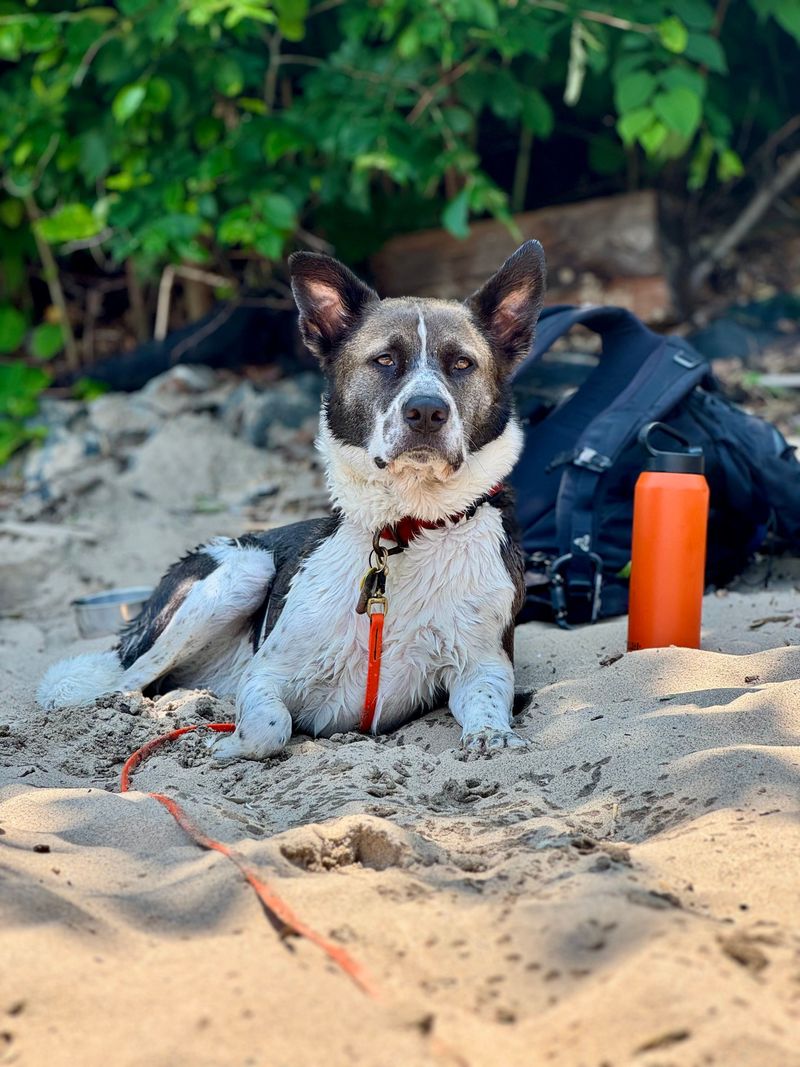
Good preparation works best when it becomes an ordinary habit. Check alerts, secure the leash, scan your surroundings, and keep food packed away.
Share the same routine with family members and anyone walking your dog.
At home, combine supervised yard time with careful garbage storage. On trails, choose distance over a closer look.
You do not need to fear every rustle. Stay aware, give bears room, and enjoy North Jersey with a calmer, better prepared canine companion.