20 Sporting Dog Breeds For Indiana’s Bird Fields And Hunting Traditions
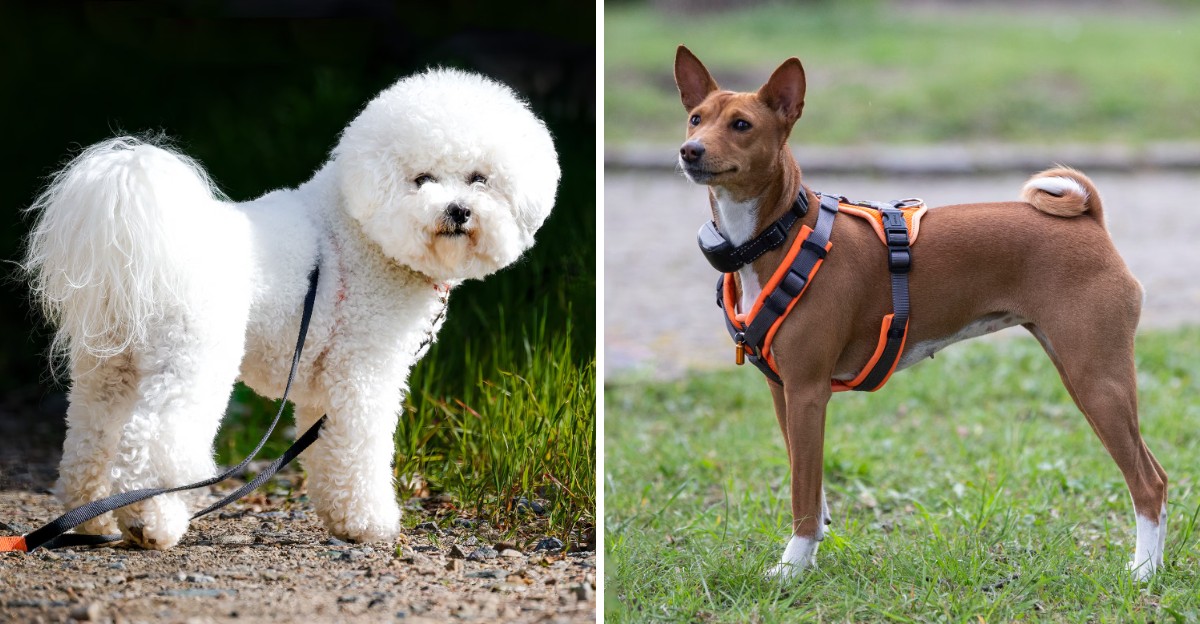
Indiana bird fields hold a fun surprise this season. Some of the smallest dogs on the couch carry real hunting roots, from Poodles that fetched ducks to Basenjis that flushed game in Africa.
Others never chased a feather but still love a sunny walk along a hedgerow. This list sorts the true field talents from the cheerful tagalongs, so every Hoosier dog lover knows who belongs in the brush and who belongs on the porch.
1. Havanese: The Porch Cheerleader
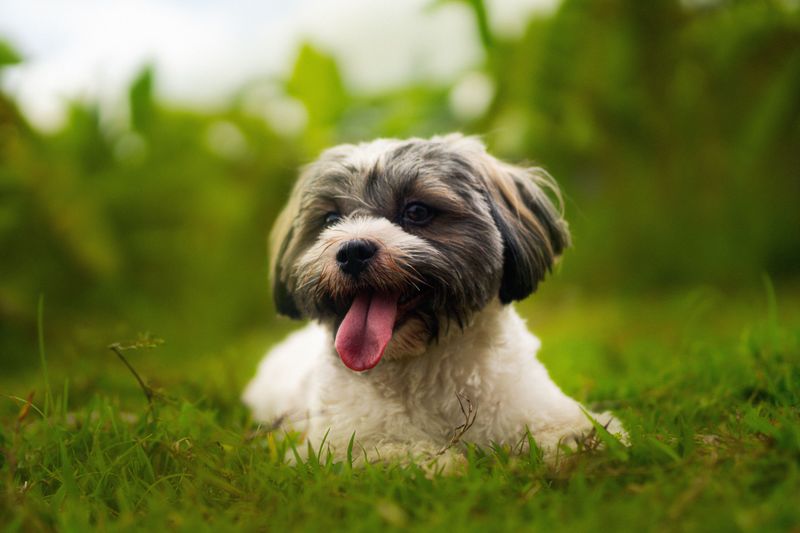
Picture a cozy farmhouse porch while the bird dogs head out at dawn. The Havanese is the one waving them off.
Bred in Cuba as a companion, this breed has no hunting history. Its silky coat would grab every burr in a cornfield.
Still, a Havanese makes a joyful camp buddy. Keep it on a leash during short trail strolls, and save the real field work for bigger breeds.
2. Cavalier King Charles Spaniel: A Spaniel in Name and Heart
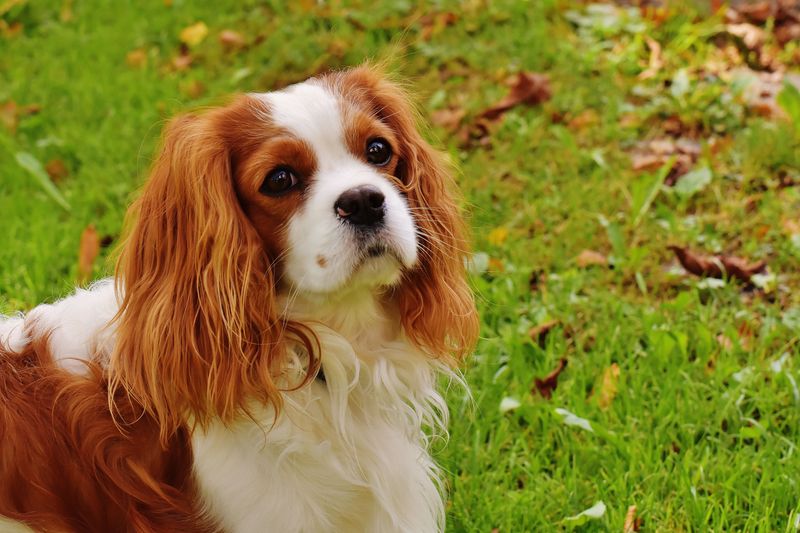
Spaniel is right there in the name, yet this sweetheart prefers laps over cattails. Today’s Cavaliers are bred as companions, with no verified field record.
That does not mean they skip the fun. Many enjoy sniffing games and easy rambles through state park trails.
Their floppy ears trap moisture, so check and dry them after damp morning walks. A soft blanket at the cabin will win this one over every time.
3. Miniature Poodle: The Duck Fetcher in Disguise
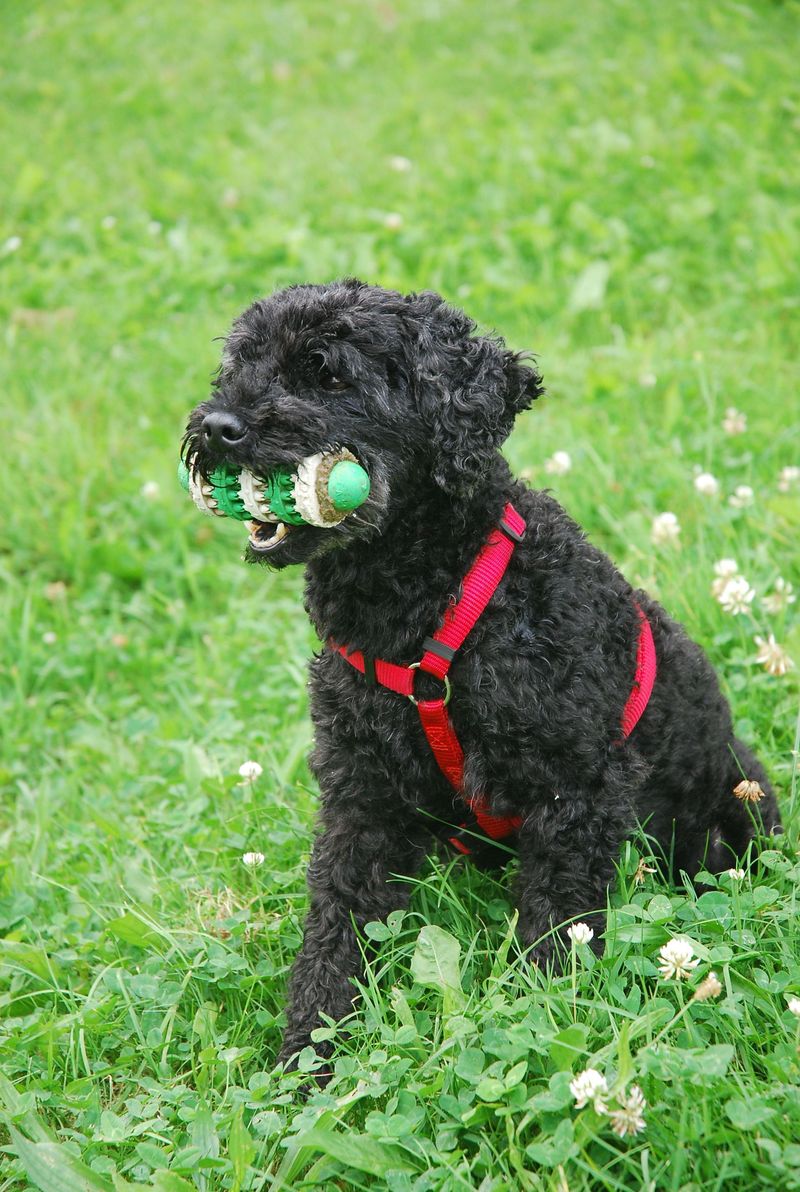
Forget the fancy show trim for a moment. Poodles began as serious water retrievers in Europe, fetching ducks for hunters.
The Miniature keeps that sharp brain and a strong nose. Many learn retrieving and flushing drills quickly.
Try training dummies near a calm marsh pond. A practical sporting clip keeps the coat manageable, and that famous curly fur dries better than you might expect after a splash.
4. Toy Poodle: Big Brains, Pocket Size
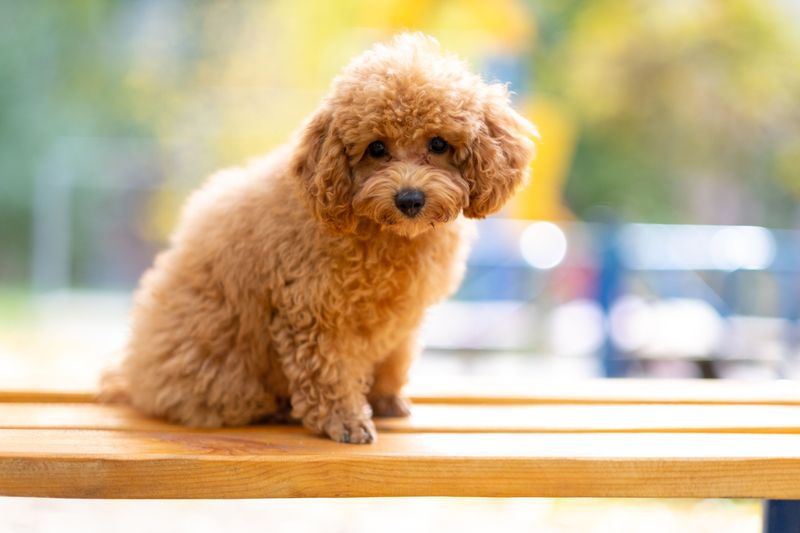
Small package, bold heritage. Toy Poodles share the same hunting family tree as their larger cousins, who retrieved waterfowl and upland birds.
A Toy won’t haul a pheasant home, but its quick mind loves scent puzzles. Hide a feathered toy in short grass and watch it work.
Keep outings brief in cold Indiana wind. A light jacket helps, and a warm truck cab makes the perfect halftime break.
5. Bichon Frise: Water Spaniel Roots in a Cotton Coat
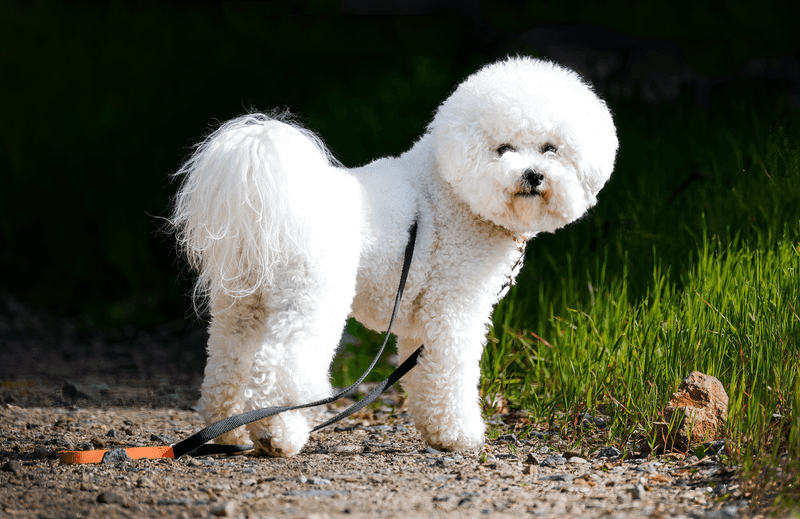
Did you know this puffball descends from water spaniels? Those ancestors once retrieved game for hunters.
Over time, the Bichon became a favorite of royal courts instead. Most have a low prey drive today, though some still perk up at a fluttering bird.
Field trips need planning. That curly white coat collects seeds and mats fast, so brush it out right after any walk through tall Indiana grass.
6. Maltese: The Sunshine Spectator
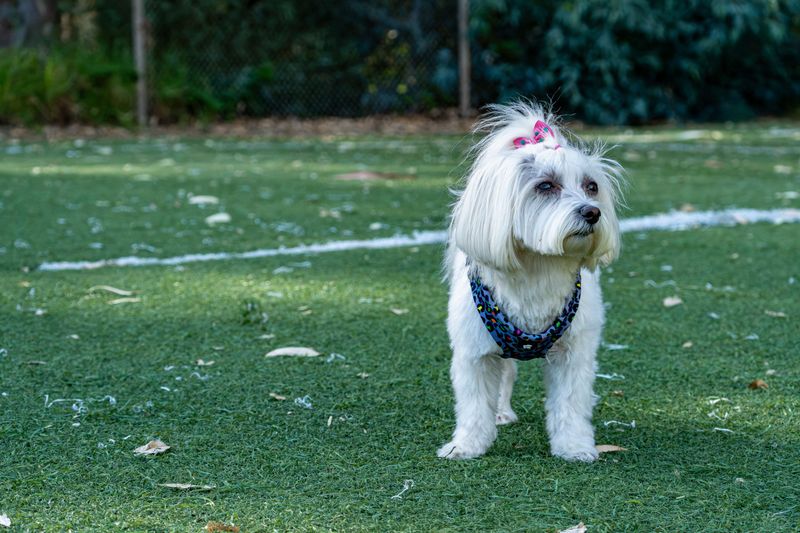
Some dogs work the field. The Maltese prefers to supervise from a sunny picnic blanket.
This ancient Mediterranean breed has always been a companion, with no record of bird work. Its floor-length white coat would turn green in minutes among Indiana grasses.
Bring one along for the social side of hunting traditions, like tailgate breakfasts. Short leashed walks on mowed paths keep it happy, clean, and proudly sparkling.
7. Chihuahua: Tiny Hunter With Ancient Swagger
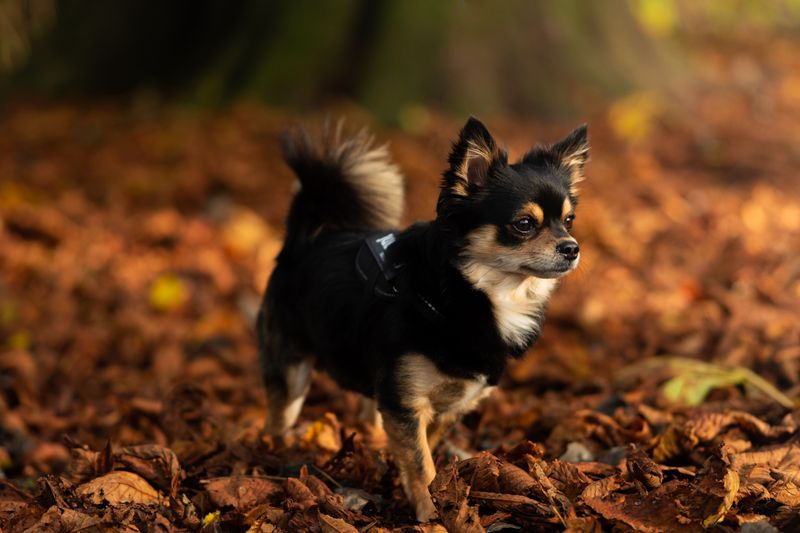
Watch a Chihuahua spot a squirrel and you will see history come alive. Its roots trace to Mexico, where small dogs chased rodents.
That spunk remains. Chihuahuas may chase birds, though they were never used for game birds.
They shine as alarm dogs around camp, announcing every visitor. Keep them leashed near hawk country, since a soaring raptor might view this tiny explorer as lunch.
8. Coton de Tulear: Madagascar’s Cuddly Ambassador
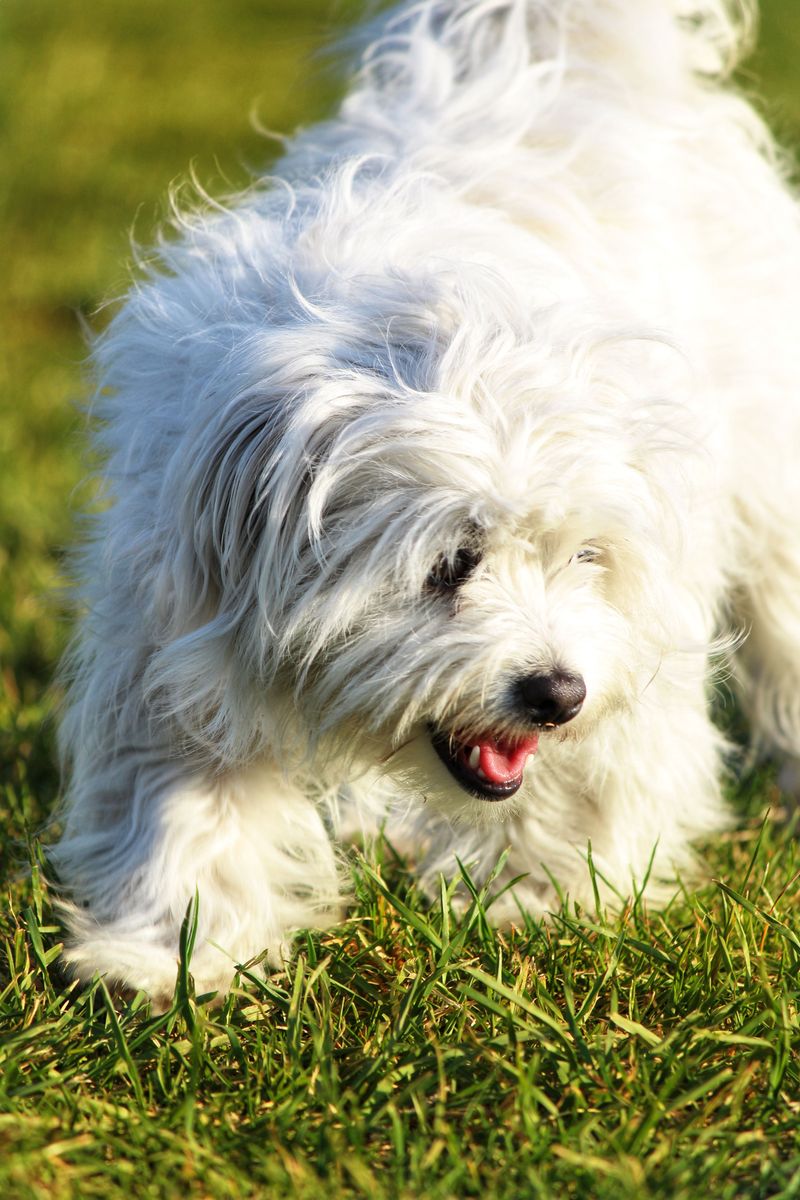
Named after a port city in Madagascar, the Coton brings island charm to Midwest fields. Hunting, though, was never part of its story.
Instead, these dogs are clowns who adore people. Many enjoy agility and fetch games on short grass.
Their cottony coat behaves like a burr magnet. A quick comb-out after each park stroll prevents tangles and keeps your living room free of hitchhiking seeds.
9. Italian Greyhound: Speed Wrapped in a Sweater
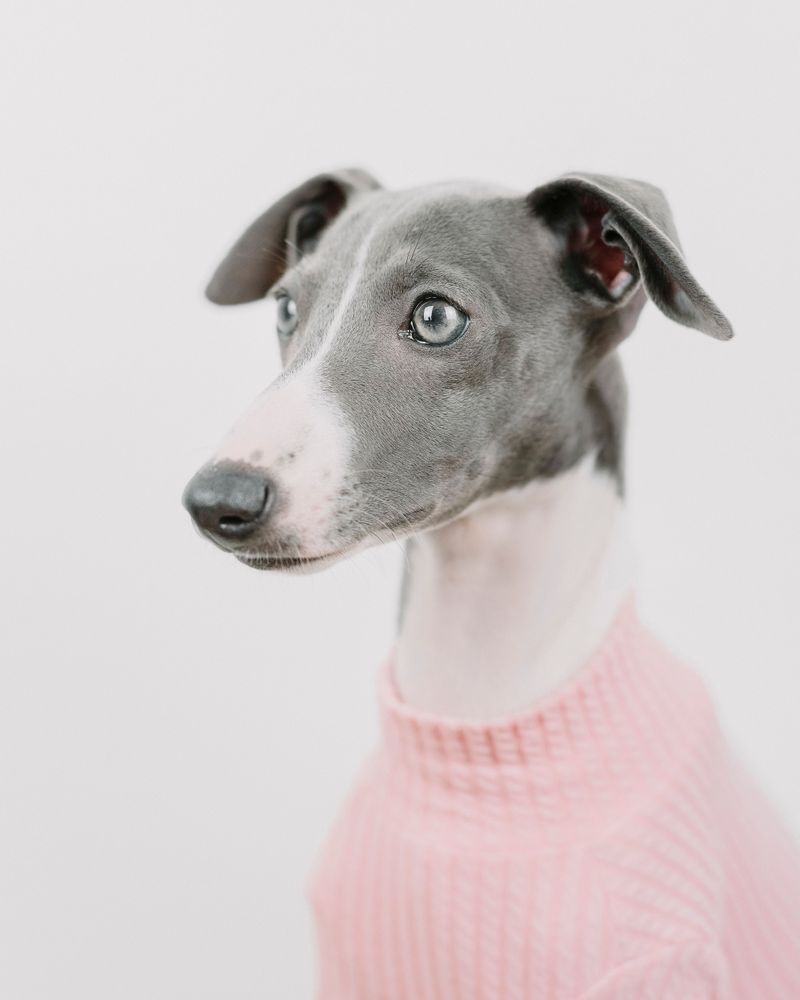
Zoom! An Italian Greyhound can go from nap to sprint in a blink.
This tiny sighthound was bred for companionship and racing fun.
No records show it working bird fields. Still, it spots movement fast and may bolt after a flushed quail.
Always use a fenced area for running. Those thin coats chill easily, so a snug sweater makes late-season Indiana mornings much more comfy.
10. Whippet: The Rabbit Racer of the Moors
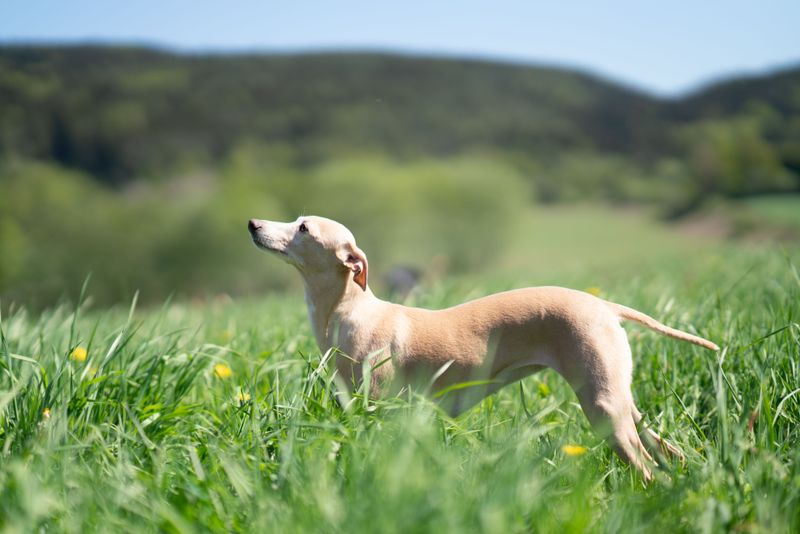
English mill workers once called the Whippet the poor man’s racehorse. It coursed rabbits and small game with blazing sight and speed.
So yes, it’s a true hunter. Yet that wild chase instinct makes it a tricky gun dog for birds.
Lure coursing events offer a safer outlet. Indiana has clubs hosting these runs, and watching a Whippet fly after a lure is pure joy.
11. Papillon: Butterfly Ears on the Trail
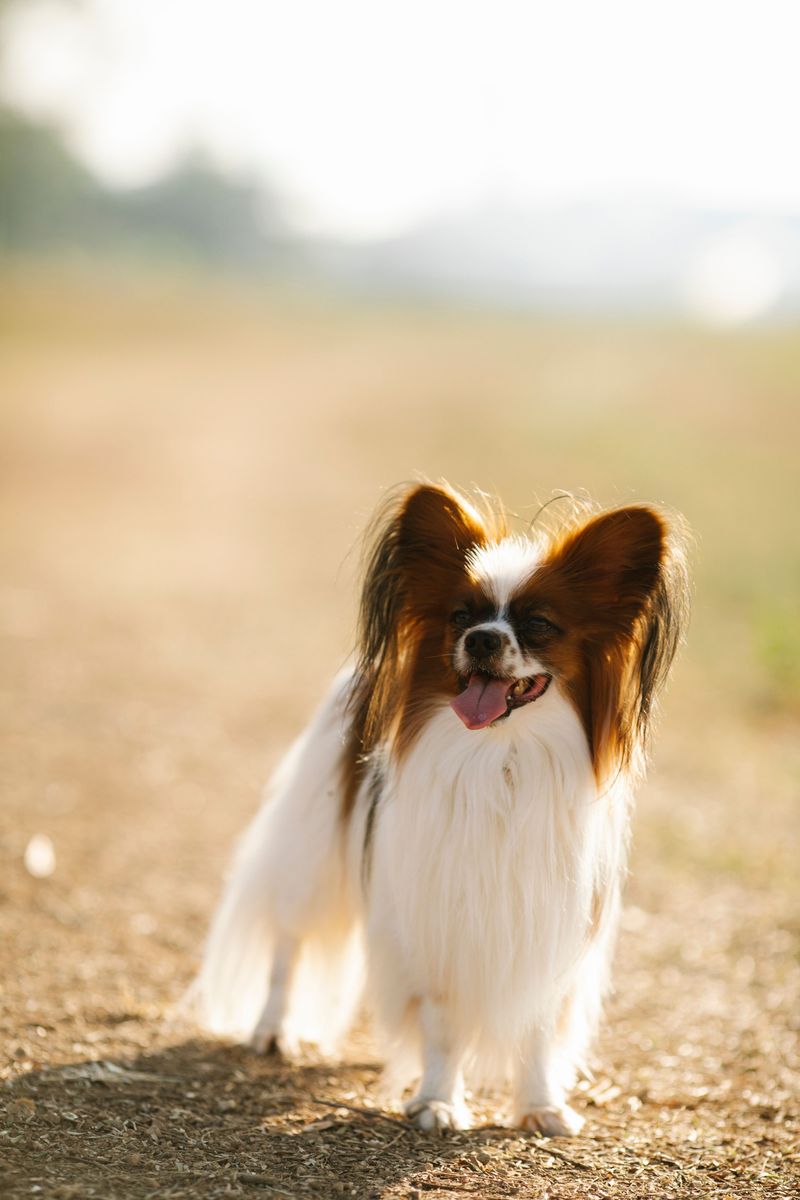
Those famous ears look like butterfly wings, which is where the French name comes from. Papillons charmed European nobles as companions, not hunters.
Don’t underestimate the energy, though. They often ace agility courses and trot happily for miles.
Leaf-covered trails at places like Brown County State Park suit them well on a leash. Pack water and a small towel for muddy paws.
12. Chinese Crested: Sailor Dog With a Ratting Past
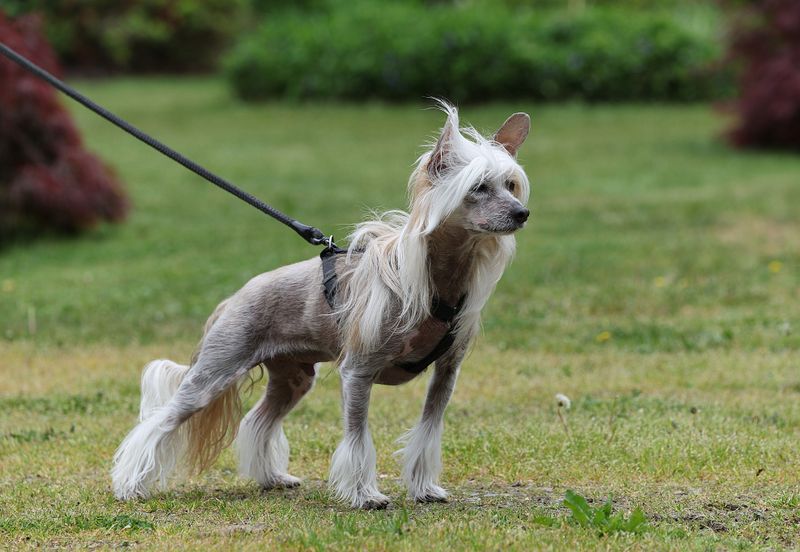
Legend says these dogs sailed on Chinese trading ships, catching rats below deck. That hunting spark still shows up today.
Barn Hunt is a sport made for them. Dogs search hay bales for safely tubed rats, and Cresteds often shine.
Bird fields are another story. Hairless skin needs sunscreen and a jacket, so plan indoor or shaded events instead of open Indiana prairie.
13. Yorkshire Terrier: Mill Town Mouser
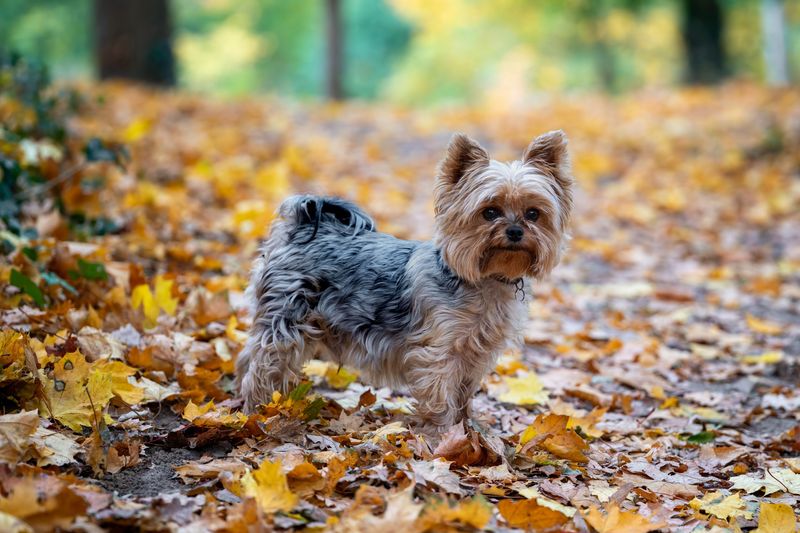
Behind that silky topknot beats the heart of a working terrier. Yorkies were bred in English mills and mines to chase rats.
They never became bird dogs, but the hunting fire burns bright. Expect excited barking at any rustle in the barn.
Channel that drive into scent games at home. Short coat trims make outdoor play easier and keep twigs from tangling those long strands.
14. Miniature Schnauzer: The Bearded Farmhand
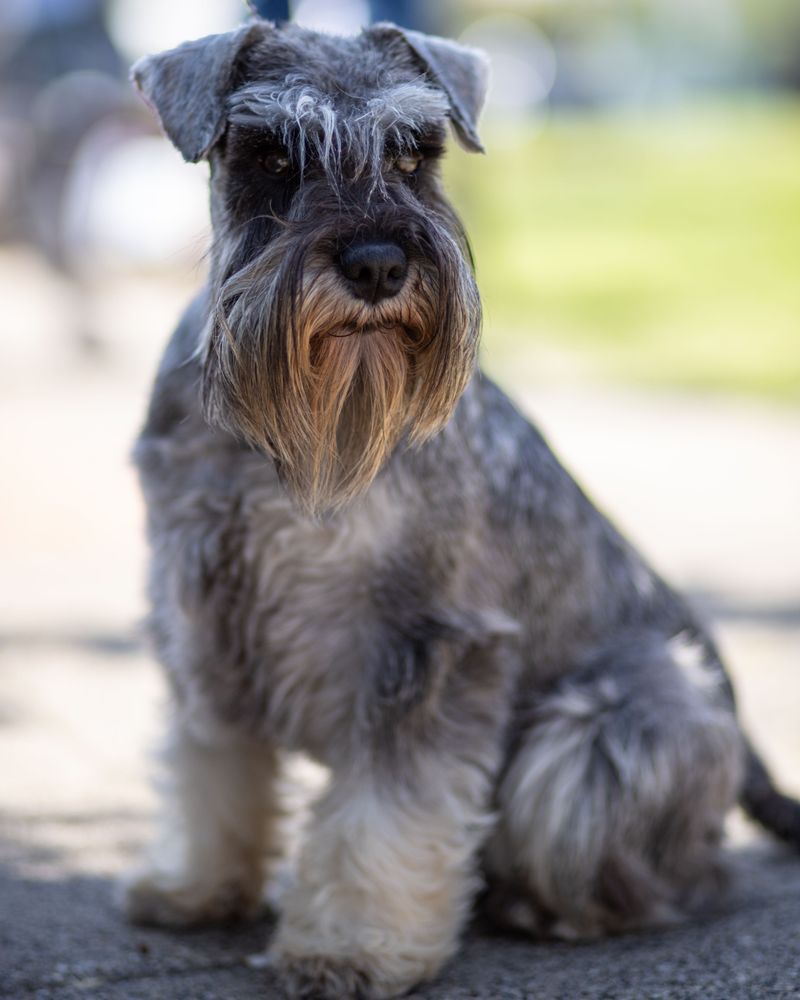
A bushy beard and eyebrows give this dog a wise old farmer look. Fitting, since German farmers bred Mini Schnauzers to catch rodents.
Sharp ears and a keen nose remain. Some trainers believe early, steady work could adapt those instincts to flushing birds.
Start young with short sessions near a cornfield edge. Rinse that beard afterward, because it collects seeds, mud, and burrs.
15. Miniature Dachshund: Badger Dog With Pheasant Stories
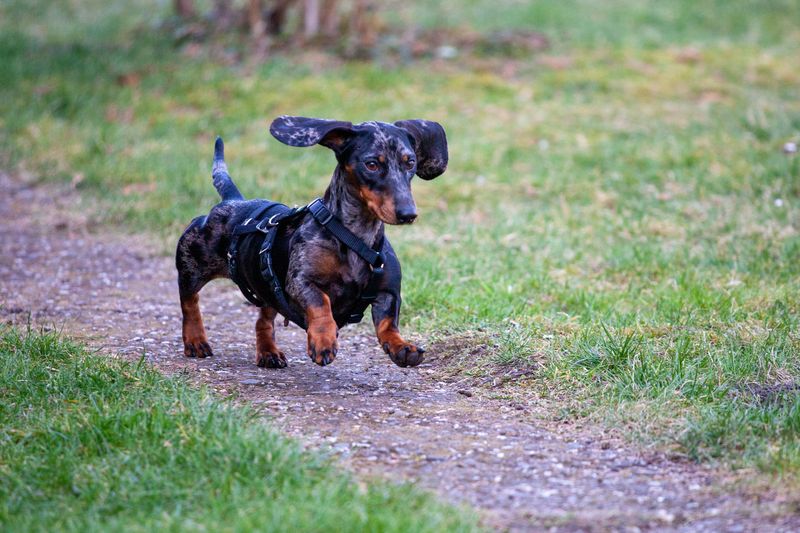
Nose down and tail up, a Mini Dachshund on a scent is unstoppable. Germans bred them to follow rabbits into burrows.
Some hunters still use Dachshunds for squirrels, rabbits, and even pheasants. That earns them a real spot on this list.
Protect that long back by avoiding big jumps over logs. Lift them across ditches, and let the nose do the heavy work in low brush.
16. Tibetan Spaniel: The Monastery Lookout
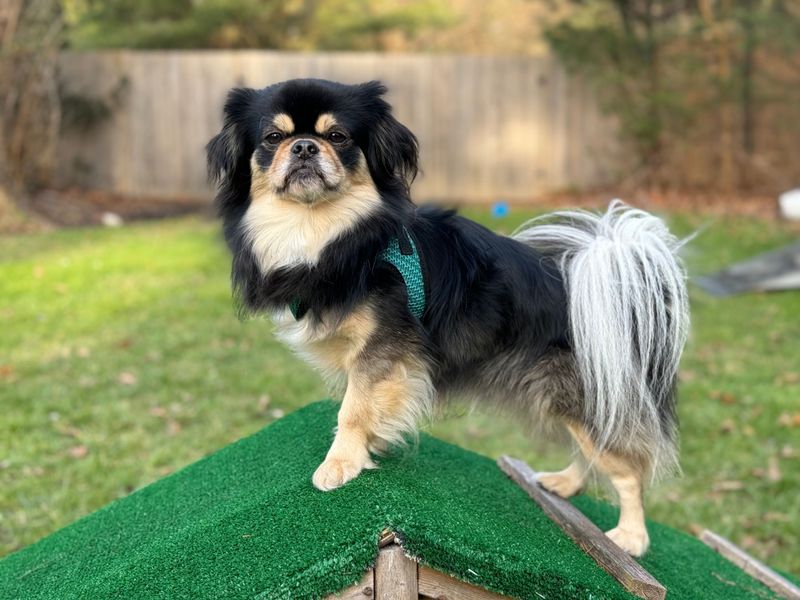
High walls were once this dog’s favorite spot. In Tibetan monasteries, these little lookouts watched for visitors and sounded alarms.
No bird hunting appears in their history. They do love perching up high, so a hay bale makes a perfect viewing throne.
Calm and catlike, they handle quiet camp days well. Bring a brush for that silky mane after any breezy Hoosier hike.
17. Basenji: Africa’s Barkless Bird Flusher
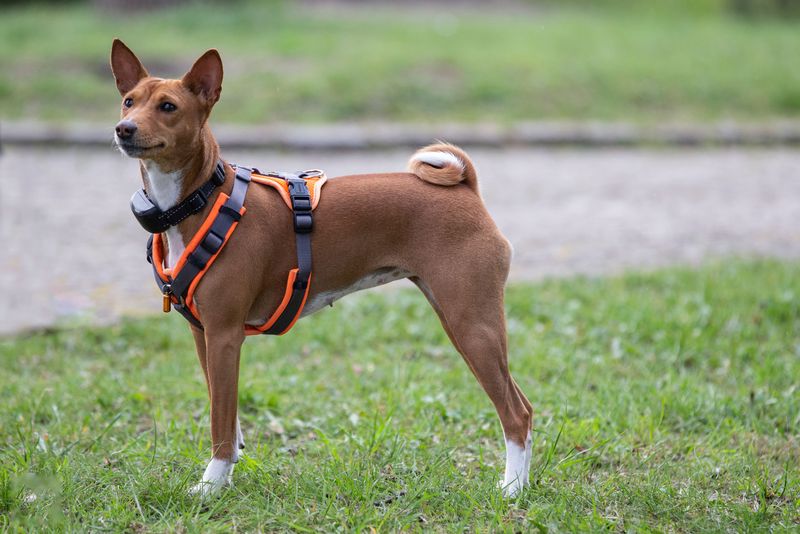
Here’s a fun twist: the Basenji yodels instead of barking. For thousands of years, African hunters prized it for tracking and flushing game.
Old accounts even describe Basenjis flash pointing and flushing pheasants. Both sight and smell guide their search.
That independence can test patience. Use a long check cord in open Indiana upland fields, and reward every return with a favorite treat.
18. Rat Terrier: America’s Farmyard All-Star
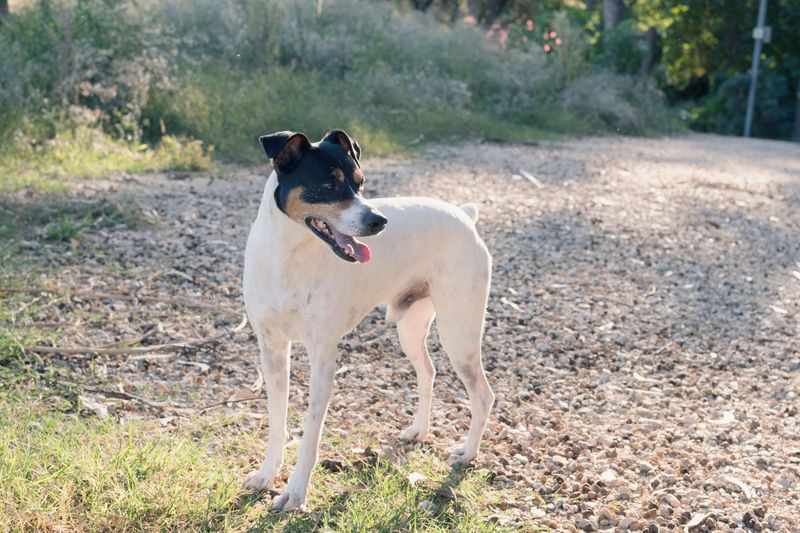
Born on American farms, the Rat Terrier is a true homegrown hustler. Farmers relied on it to clear barns of rats.
Talent goes beyond rodents. Many still hunt squirrels and other small game, and some course rabbits with surprising speed.
Its small, sturdy frame handles Indiana fence rows easily. Lots of daily exercise keeps this bouncy worker happy instead of digging up your garden.
19. Toy Manchester Terrier: Sleek Little Gentleman
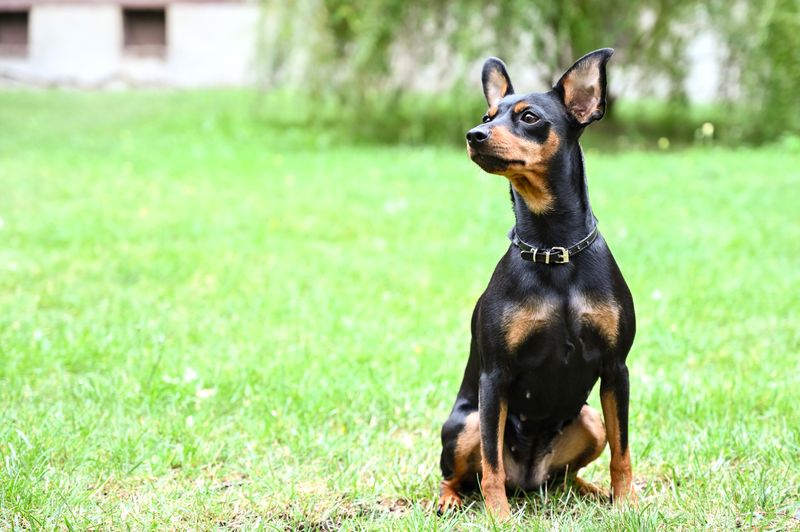
Sleek black and tan coat, alert eyes, and a dapper stance. The Manchester Terrier earned fame as a ratter in English cities.
The Toy version is mostly bred for companionship today. No records show it working bird fields.
Its short coat sheds burrs easily, a nice bonus outdoors. Pack a fleece layer for chilly mornings at the lodge, and expect lots of happy zoomies.
20. Lhasa Apso: The Lion Dog Guardian
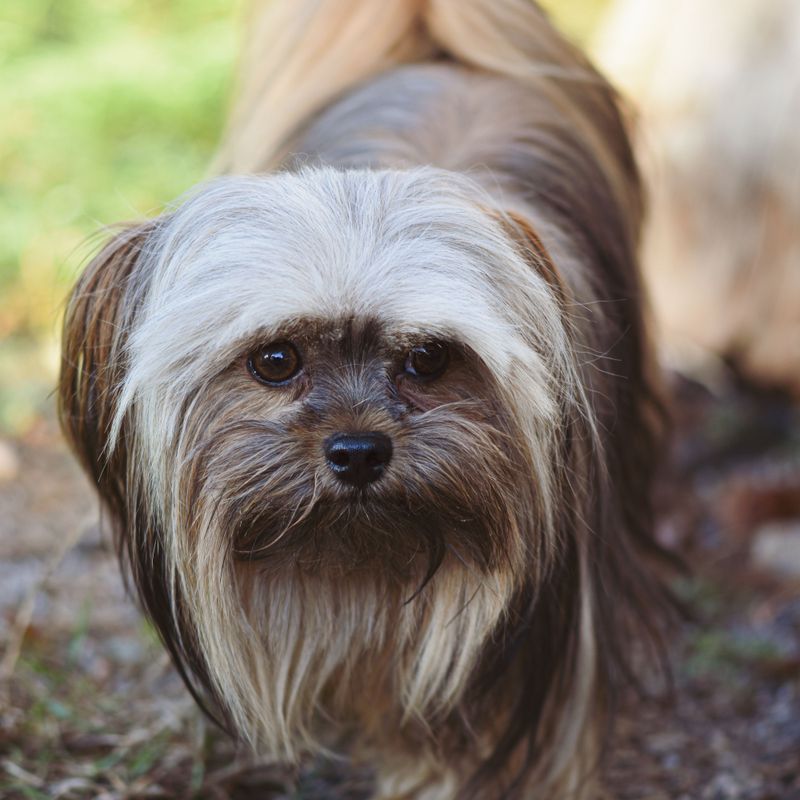
Tibetans called them lion dogs, and the confident strut fits. Lhasas guarded monastery halls and warned of strangers.
Bird fields never figured into their duties. Their real gift is keeping a watchful eye on camp while everyone else heads out.
Keep the coat trimmed short for easier care outdoors. A shady cabin doorway is their favorite post, perfect for greeting hunters coming home at sunset.