Why Tick Checks Matter After Massachusetts Woods, Fields, And Dunes
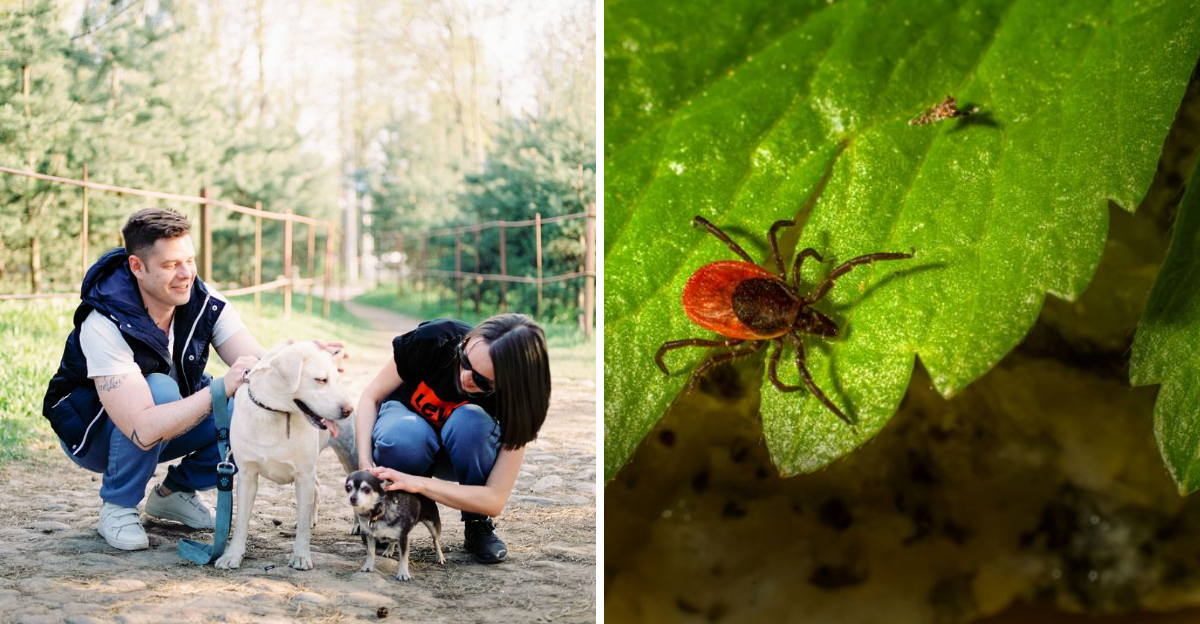
If you walk a dog anywhere in Massachusetts, ticks are simply part of the landscape. That is not a reason to skip the trail, the conservation land, or the sandy path behind the dunes.
It is a reason to build one small habit into the end of every outing: a calm, thorough tick check for your dog and for yourself.
Read through, pick up the habits that fit your routine, and head back outside feeling prepared rather than worried.
1. Blacklegged Ticks Live In Every Corner Of The State
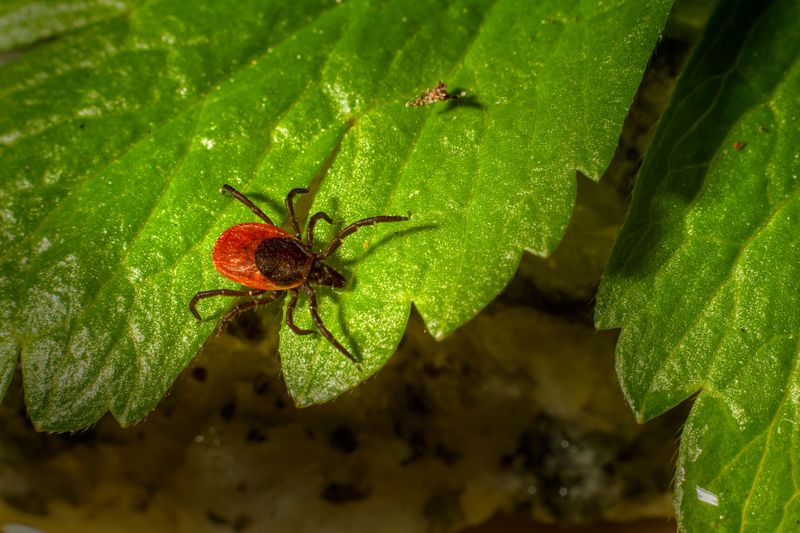
Deer ticks, properly called blacklegged ticks, turn up across Massachusetts from the Berkshires to the Cape. Milder winters have helped them spread into western counties where they were once uncommon.
They carry Lyme disease, anaplasmosis, babesiosis, and a few other germs. Cape Cod, the South Shore, Martha’s Vineyard, and Nantucket report especially high burdens.
Shady, damp spots hold the most young ticks, so wooded trails deserve a careful look afterward.
2. American Dog Ticks Share The Same Trails
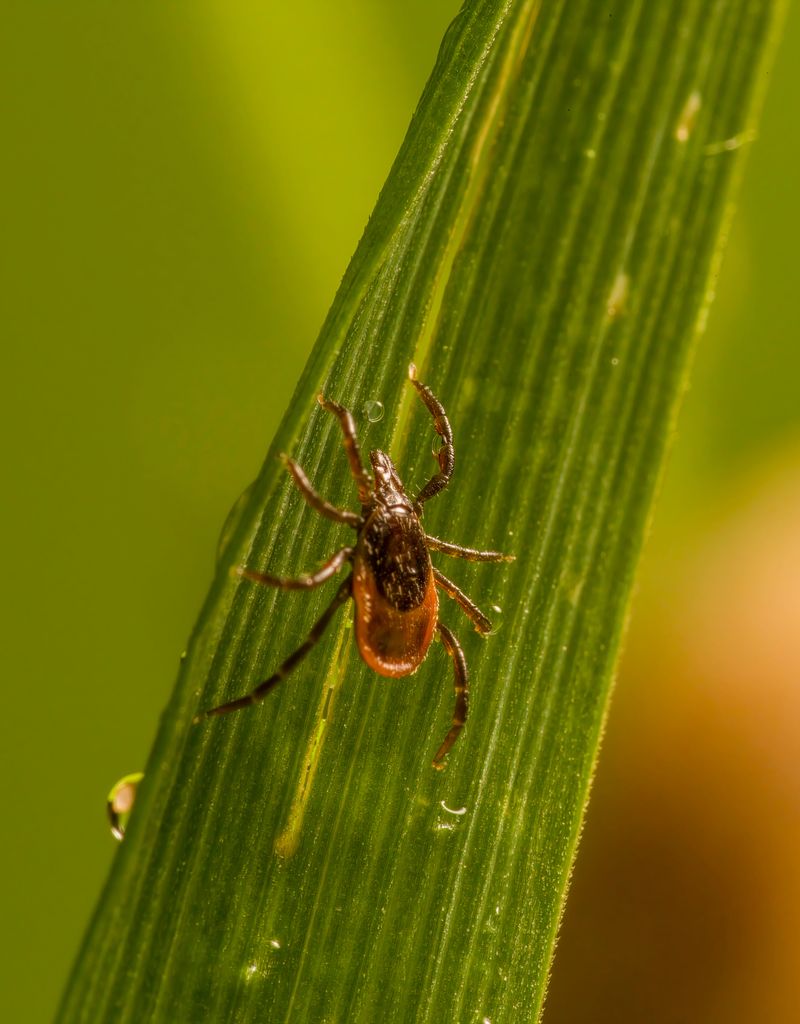
Bigger, browner, and easier to spot, the American dog tick is common across much of the state. Adults show mottled markings that stand out against fur.
Grassy borders, brushy transitions, and overgrown yard corners suit them well. Trail edges are a favorite.
They can transmit Rocky Mountain spotted fever and tularemia, so size alone does not mean harmless. Their visibility does make removal simpler once you know where to look.
3. Lone Star Ticks Have Joined The Lineup
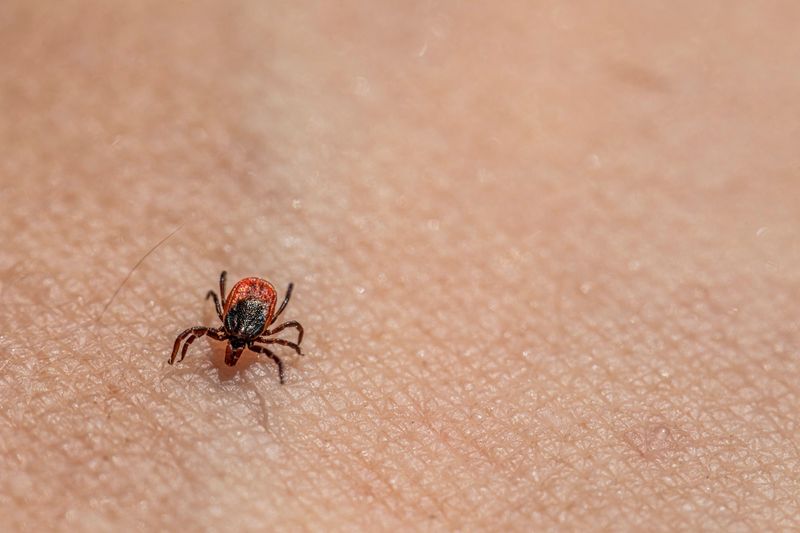
A newer arrival worth knowing: the lone star tick, recognizable by the pale dot on the female’s back. Populations have grown on the Cape and Islands, with reports from the Berkshires too.
Unlike ambush specialists, these ticks actively move toward a host.
They can spread ehrlichiosis, tularemia, and STARI. Their saliva is also linked to alpha-gal syndrome, an allergy to red meat that develops after a bite.
4. Forests Are Only Part Of The Story
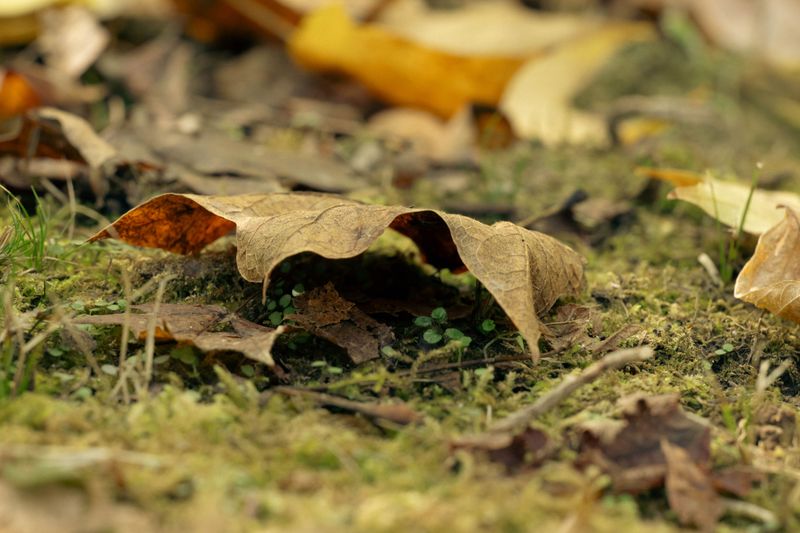
Plenty of tick encounters happen within sight of the kitchen window. Shady garden beds, leaf litter along fences, and unmowed corners all qualify as habitat.
Community trails, playground edges, and vacant lots beside neighborhoods hold ticks as well.
Gardening on a Saturday morning can expose you just as easily as a long hike. Remote wilderness is not required, which is exactly why the habit should be routine rather than occasional.
5. Dune Grass Counts As Tick Country

Beach days feel like a safe zone, and open sand mostly is. Step into the beach grass and coastal scrub, though, and conditions change.
Ticks need vegetation, shade, and moisture, and dune systems supply all three along the edges.
Lone star ticks have been documented in dune grasses along Cape Cod shorelines. After a walk through the path behind the dunes, check your dog before loading up the car.
6. Nymphs Are Roughly The Size Of A Poppy Seed
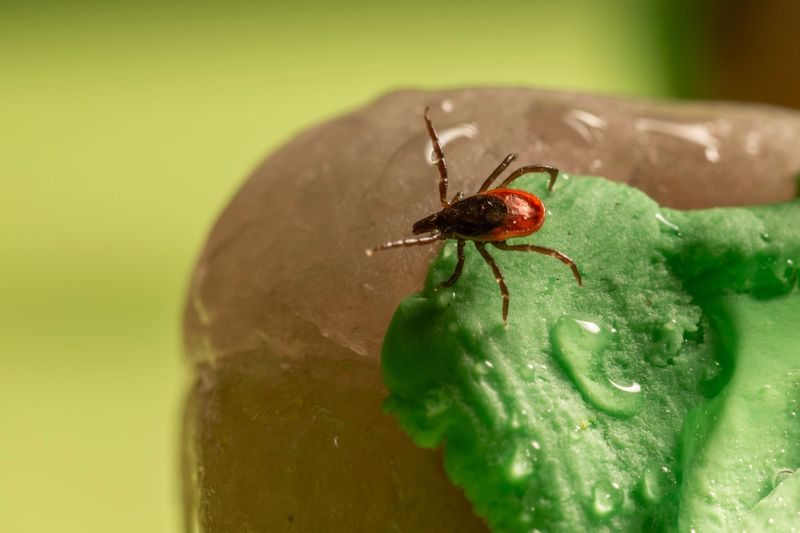
Picture a poppy seed with legs. That is a blacklegged tick nymph, and larvae are smaller still at under a millimeter.
Their size is the whole problem. They feed readily, and they are easy to mistake for a freckle or a speck of dirt.
Good lighting helps more than anything else. Run your fingertips slowly over your dog’s skin, because touch often finds what eyes miss.
7. Many Ticks Are Still On The Move
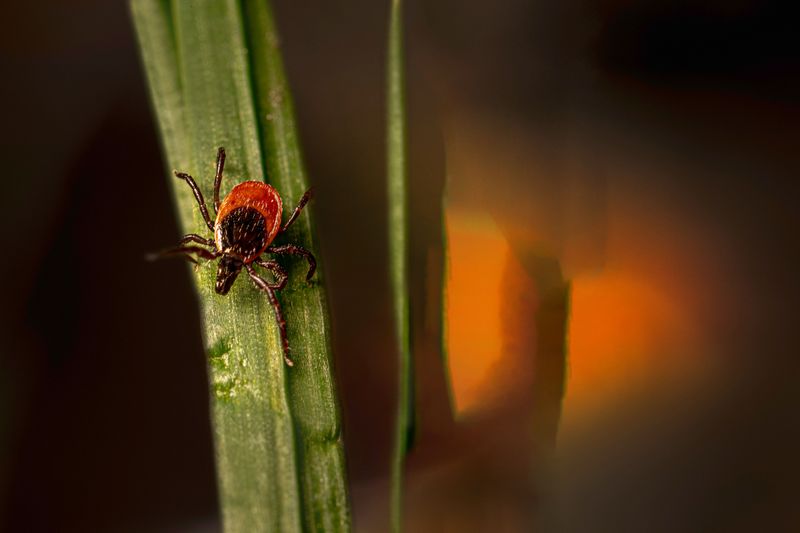
Here is an encouraging detail: a tick often wanders for a while before settling down to feed. That wandering period is your opening.
A crawler brushed off a sleeve or a dog’s coat never becomes a bite at all.
Some crawlers have already finished feeding elsewhere and dropped free. Either way, checking soon after you come indoors catches the ones that have not committed to a spot yet.
8. Speed Of Removal Changes The Math
Timing genuinely matters once a tick attaches. Lyme bacteria generally require a day or two of feeding before transmission becomes likely.
Other germs can move faster, so waiting is never the better plan.
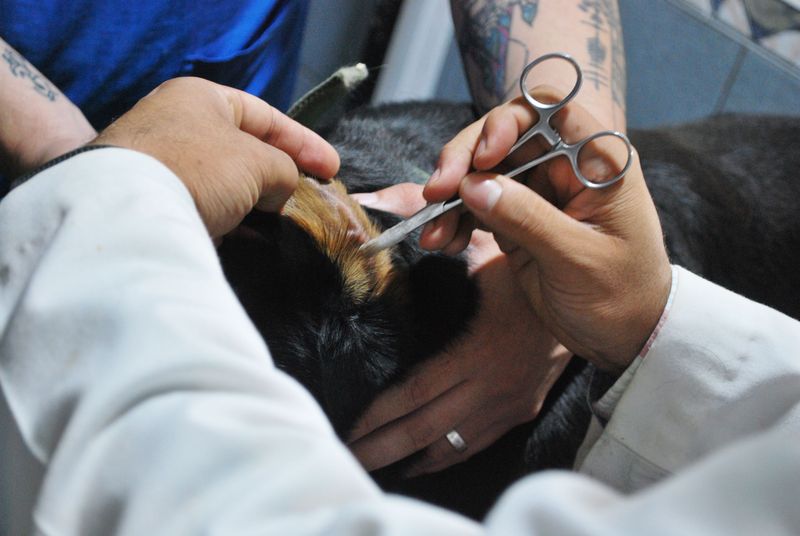
Use fine-tipped tweezers, grasp close to the skin, and pull straight up with steady pressure. Clean the area afterward.
If the mouthparts stay behind or the skin looks irritated, call your veterinarian for guidance.
9. Your Dog Can Be The Delivery Service
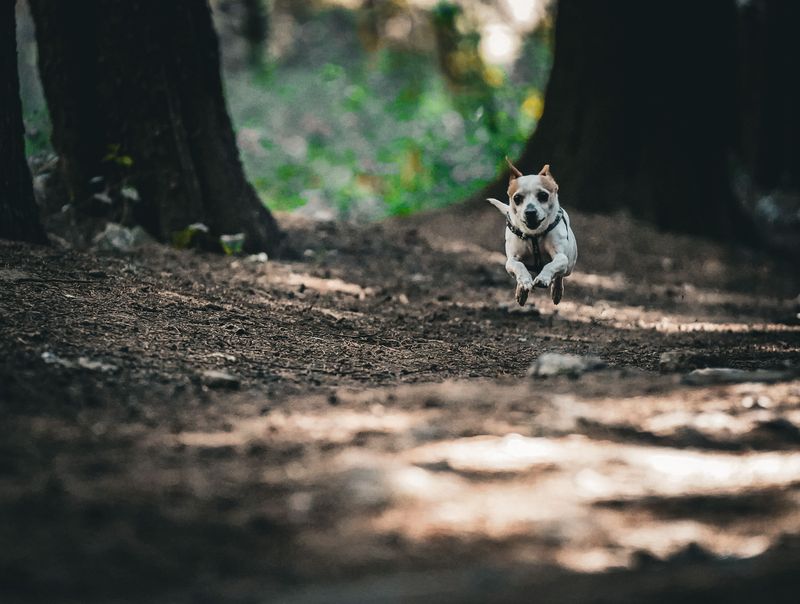
A dog’s coat works like a mobile brush through grass and brush. Ticks catch a ride and come home with him.
Indoors, some let go and travel to bedding, rugs, or the couch. Household members who never left the driveway can end up exposed.
Dogs can also pick up tick-borne illnesses themselves. Year-round preventives prescribed by your veterinarian, plus checks at the door, close most of that gap.
10. Where Ticks Hide On A Dog
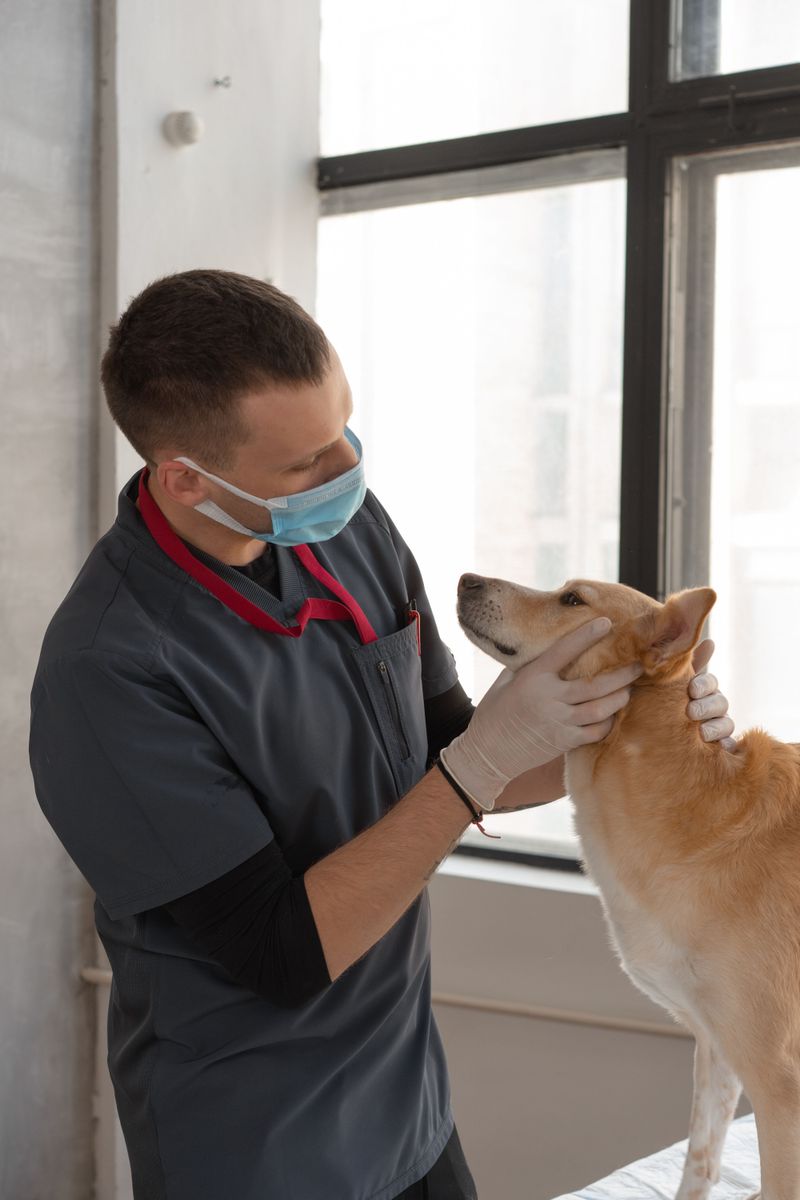
Warm, dark, undisturbed spots win every time. Start with the ears, inside and out, then slide fingers under the collar.
Work through the armpits, groin, tail base, and the webbing between toes. Eyelids and thin-furred bellies hide them well too.
Long coats, dark fur, and tight curls make the job harder, so use a comb and bright light. Grooming after outings becomes a nice bonding ritual.
11. People Have Blind Spots As Well
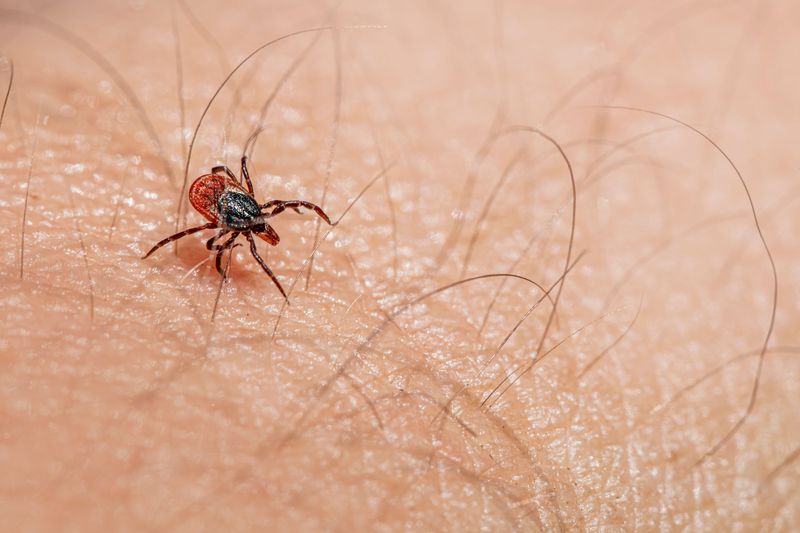
We are surprisingly hard to inspect. Scalp, hairline, and behind the ears top the list of missed locations.
Underarms, the belly button, and the waistband area come next, followed by behind the knees, the groin, ankles, and between toes.
A mirror covers some of it. A family member covers the rest.
Kids need help with hair checks, since nymphs blend into a scalp remarkably well.
12. Gear And Clothing Hitch Rides Too
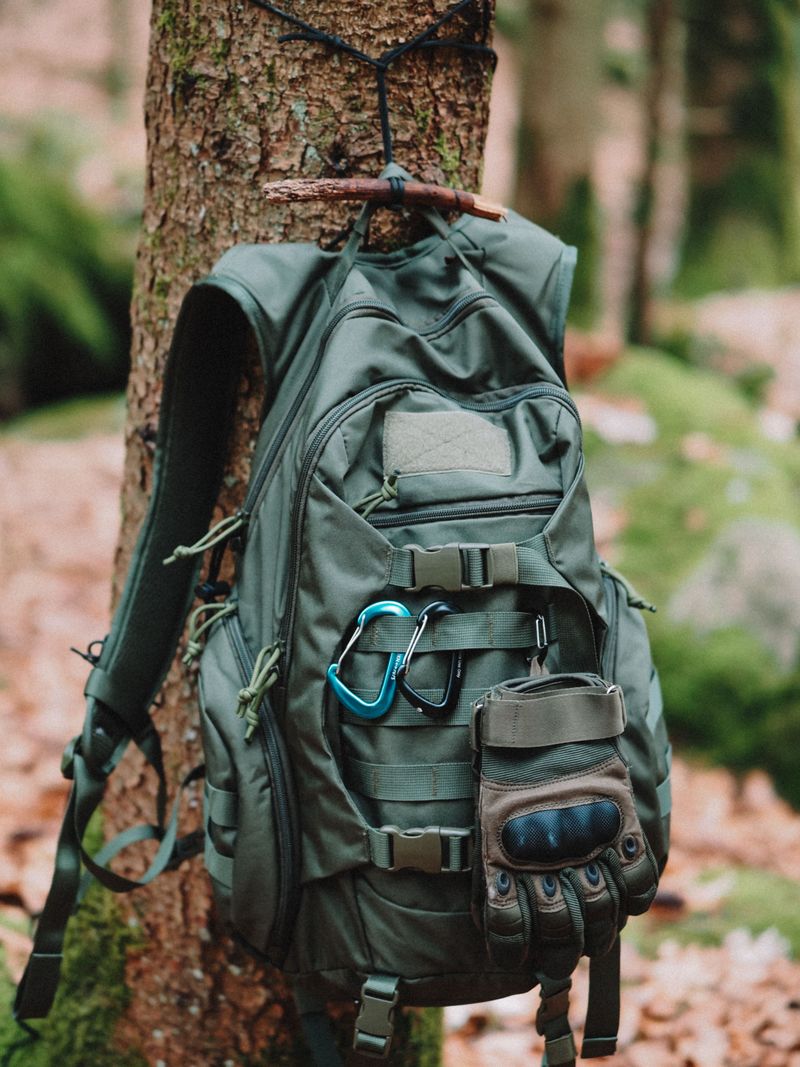
Backpacks, jackets, boots, and leashes all offer decent transportation. A tick clinging to a strap does not care that the hike ended.
Give gear a look before it crosses the threshold, and set packs on a hard floor rather than the sofa.
Anything that drops off later can wander onto bedding or carpet. A mudroom, porch, or garage makes a fine staging area for post-walk sorting.
13. Shower Soon After You Come In

Rinsing off within about two hours of returning indoors is worth the trouble. Water carries away unattached ticks still exploring your skin.
More usefully, a shower puts you in the right position for a proper head-to-toe look.
Run your hands over the spots your eyes cannot reach. Ticks feel like a small bump or scab that was not there this morning, which is often the first clue.
14. The Dryer Handles The Stragglers

Laundry day has a hidden benefit. Ten minutes in a dryer on high heat takes care of ticks on dry clothing.
Damp items need considerably longer, closer to fifty minutes, because dryness does the work rather than heat alone.
Washing first? Use hot water at 130 degrees Fahrenheit or above, since cooler cycles may not do the job.
Toss trail clothes straight into the dryer before they hit a hamper.
15. Tick Season Stretches Longer Than You Think
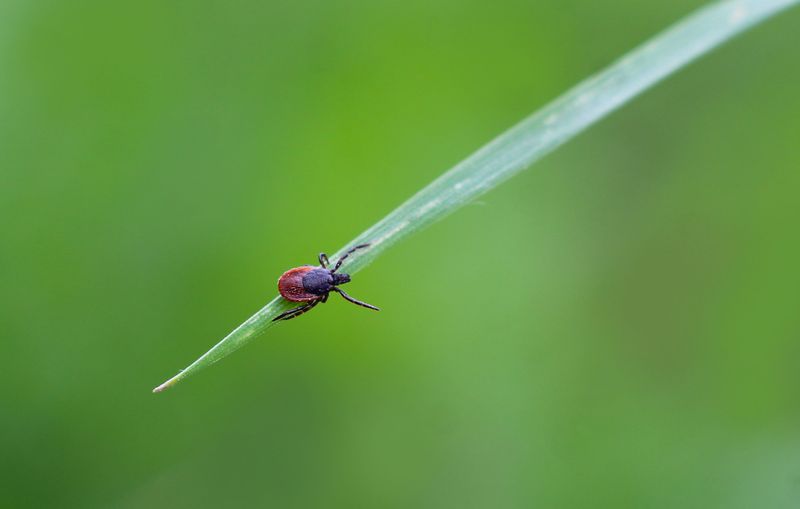
Frost does not end the story. Ticks become active whenever winter temperatures climb above freezing, which happens often in Massachusetts.
Activity generally peaks twice: spring through summer, then again from October into November.
Tiny nymphs are busiest from May through July, right when shorts and short walks feel most tempting. Keeping preventives going year-round, on your veterinarian’s advice, spares you from guessing when the risk starts.
16. A Single Walk Can Mean Multiple Species
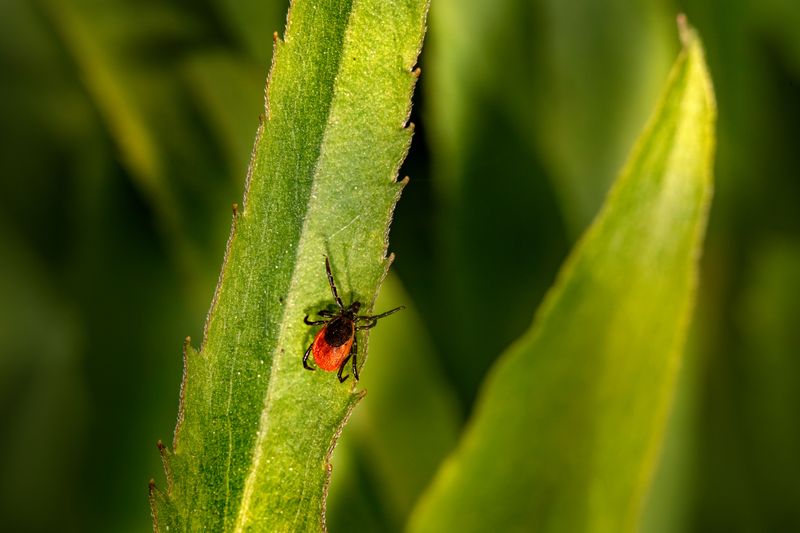
Three species, one trail. Blacklegged, American dog, and lone star ticks overlap in grassy, brushy, and wooded terrain across the state.
Finding one large tick does not mean a tiny one is not tucked somewhere else.
Blacklegged ticks can also pass along more than one germ in a single bite. Finish the whole check rather than stopping at the first discovery, and note what you found.
17. Knowing About A Bite Helps Later
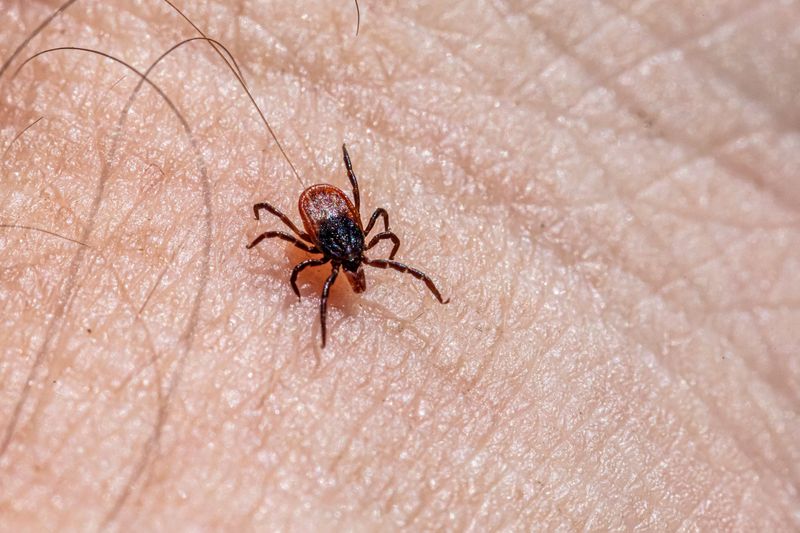
Records beat memory. Jot down the date, the location on the body, and where you had been walking.
Early symptoms of tick-borne illness can look like ordinary flu: fever, aching, deep fatigue. A known bite gives a clinician valuable context.
An expanding rash paired with those symptoms often allows a clinical diagnosis without waiting on bloodwork. Contact your doctor with concerns, and your veterinarian if your dog seems off.
18. Check Everyone In The Group
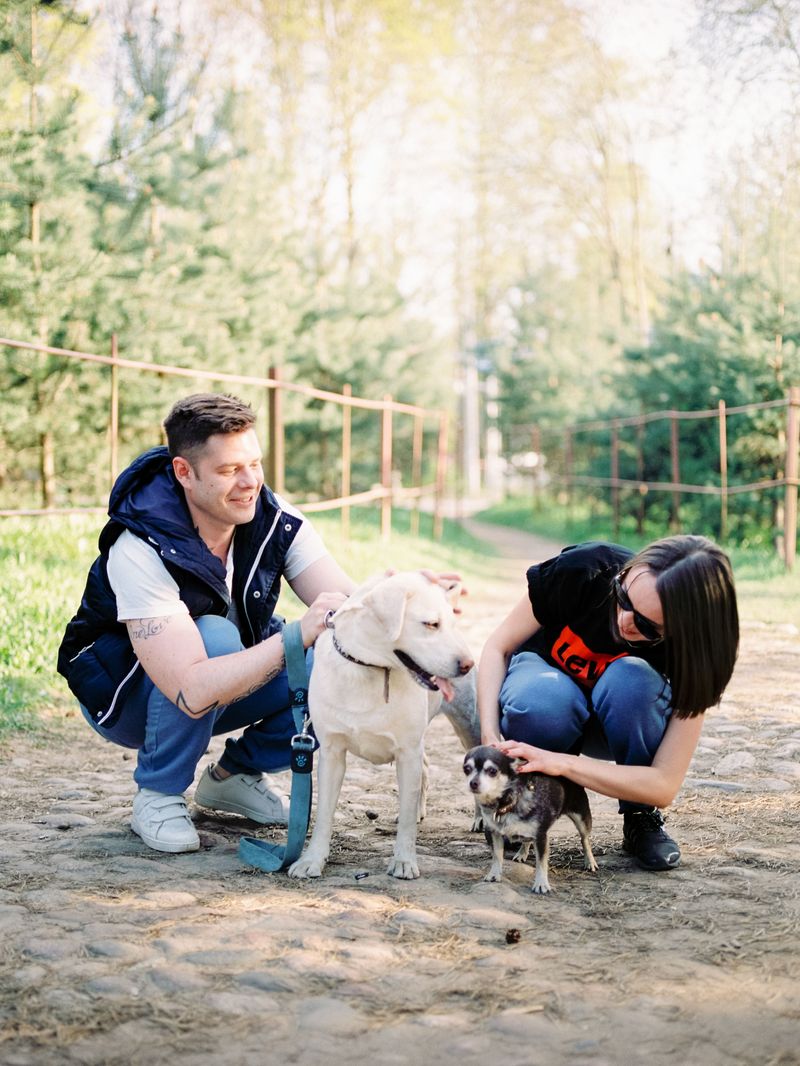
Make it a group ritual rather than a solo chore. Adults, kids, and dogs all get the same few minutes of attention.
Ask someone to look over the areas you cannot see, and return the favor.
Gear gets a glance, clothes go to the dryer, and everyone moves on with the day. Repeated often enough, the whole routine takes less time than unlacing boots.
Enjoy the trails with confidence.