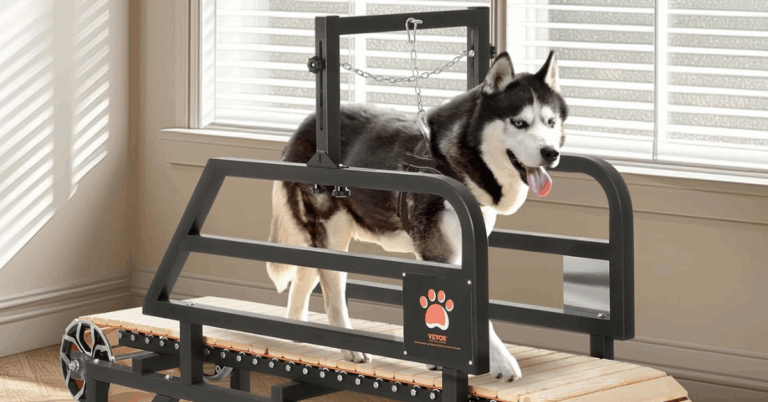
15 Working Dog Breeds Suited To Indiana Farms And Acreage
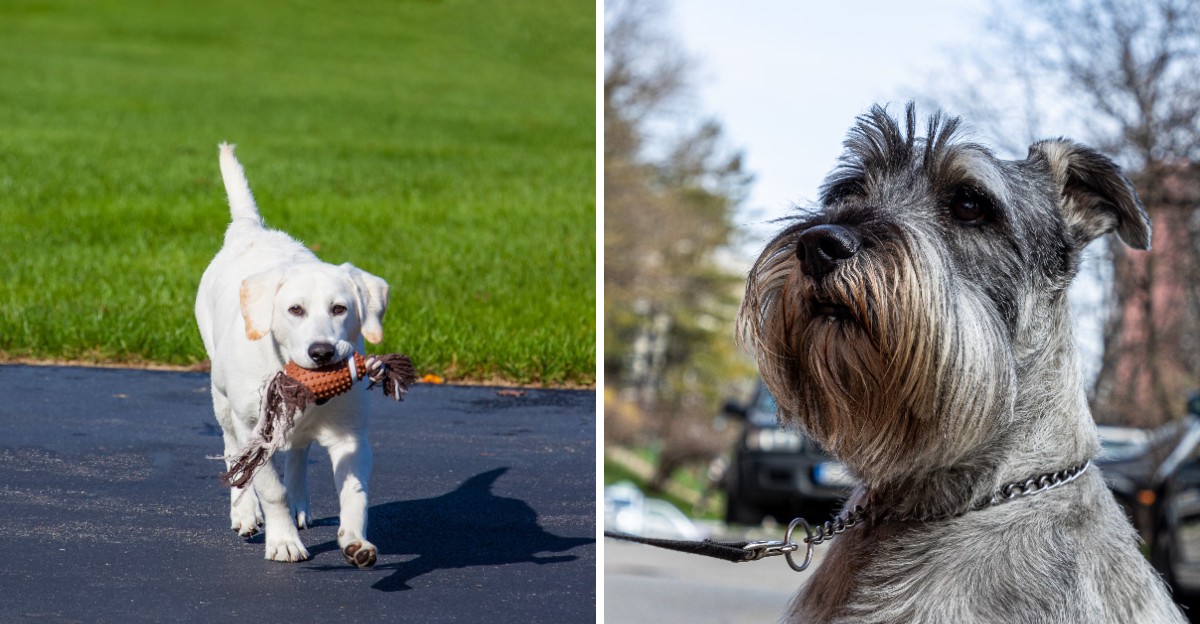
Muddy lanes, loose gates, and sheep heading toward the garden can turn an Indiana morning into a busy one. A capable farm dog can help, but matching the breed to the job matters more than choosing a familiar face.
Some dogs move livestock, while others watch over animals or join daily chores. Your fences, experience, and summer shade all help shape the right choice.
1. Border Collie: The Pasture Problem Solver
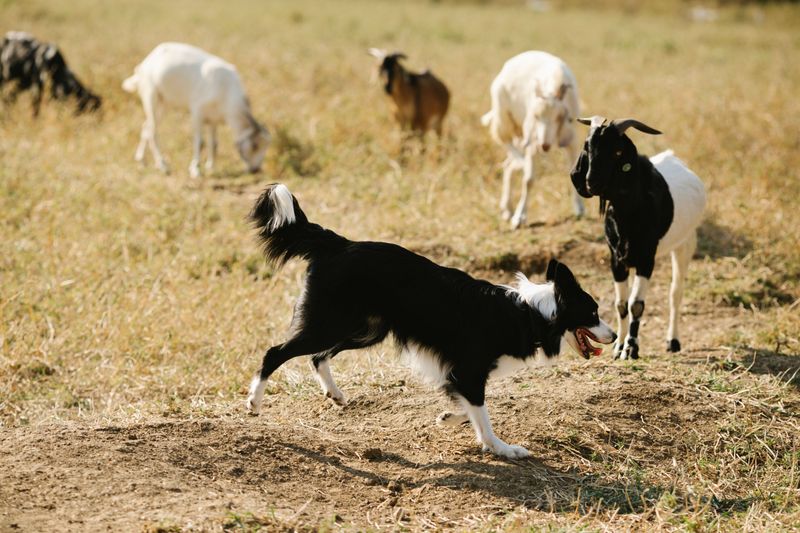
A flock drifting toward the wrong gate gives this quick thinker a reason to shine. Border Collies excel at moving sheep through careful positioning and focused attention.
Their famous stare helps guide animals without constant barking.
Choose working lines thoughtfully, and arrange lessons with an experienced herding trainer. Indiana acreage alone will not meet their needs.
Daily training, rest, and secure fencing matter just as much as room to run across your green pasture safely.
2. Australian Shepherd: A Versatile Chore Partner
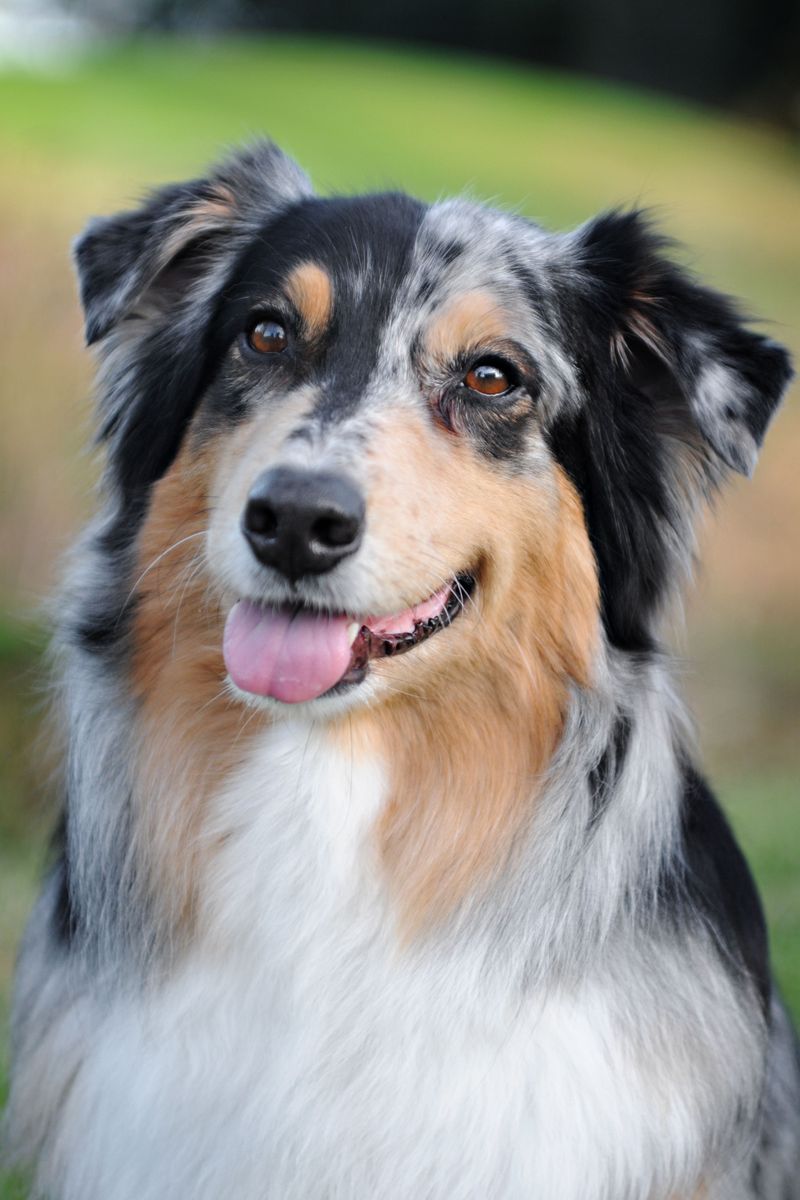
Chore time rarely feels dull with an eager Aussie nearby. Developed in the United States, the Australian Shepherd is an energetic breed known for its herding abilities and usefulness in livestock work.
Many enjoy learning tasks that keep them close to their handler.
Practice calm behavior around gates before adding faster work. Their thick coats collect burrs, so brush after pasture outings.
Give them clear instructions and quiet breaks, especially during Indiana’s humid summer afternoons when outdoor activity needs extra care.
3. Australian Cattle Dog: Built for Busy Days
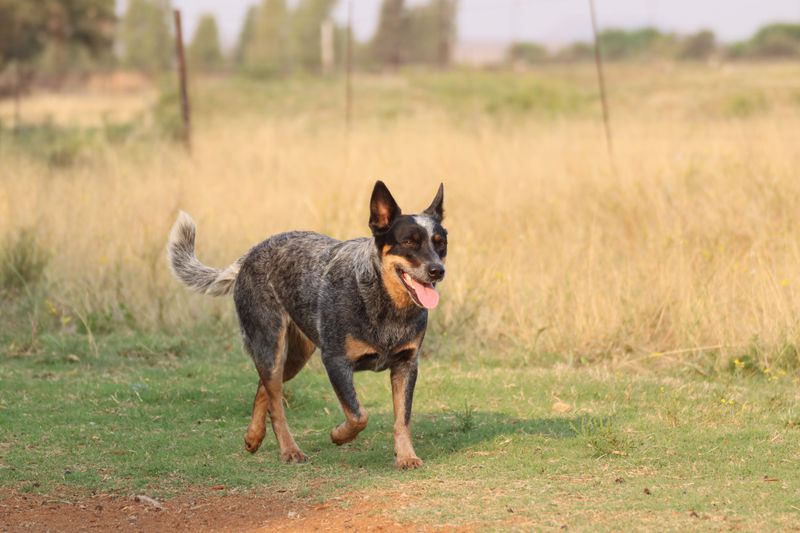
Stubborn cattle call for skill, not simply more speed. Bred to move cattle in Australia, this sturdy worker often brings determination and close attention to movement.
That drive needs an experienced owner and thoughtful livestock introductions.
Teach a reliable stop and recall before allowing pasture work. Heel nipping can carry over to running children, so supervise family time carefully.
Offer scent games between chores, and protect joints by building fitness gradually rather than demanding endurance immediately.
4. German Shepherd: A Thoughtful All-Rounder
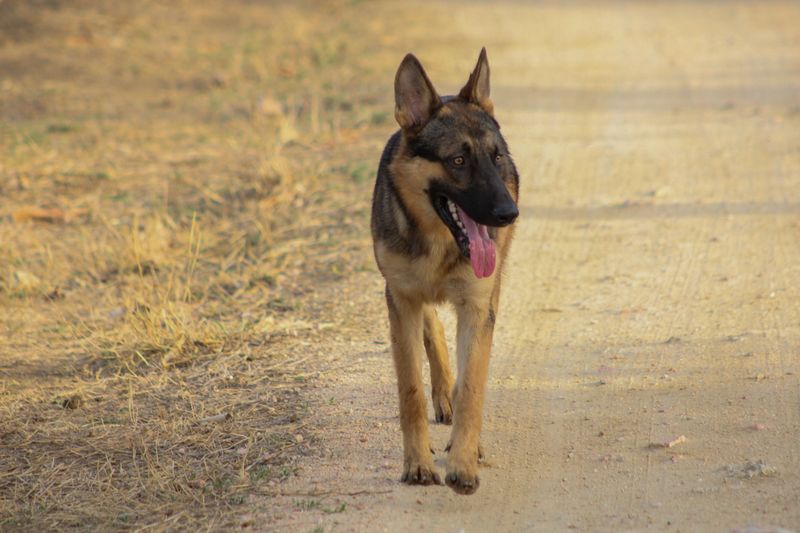
A steady walking partner can make daily property checks feel more organized. German Shepherds often enjoy structured tasks, from obedience practice to accompanying supervised chore rounds.
Their herding background does not guarantee ready livestock skills.
Look for stable temperament and documented hip and elbow screening when choosing a breeder. Introduce visitors calmly instead of encouraging suspicion.
German Shepherds often tolerate cool weather better than extreme heat, but individual tolerance varies. Every dog still needs dry shelter, fresh water, and regular time with family indoors during Indiana winters.
5. Great Pyrenees: A Watchful Pasture Presence
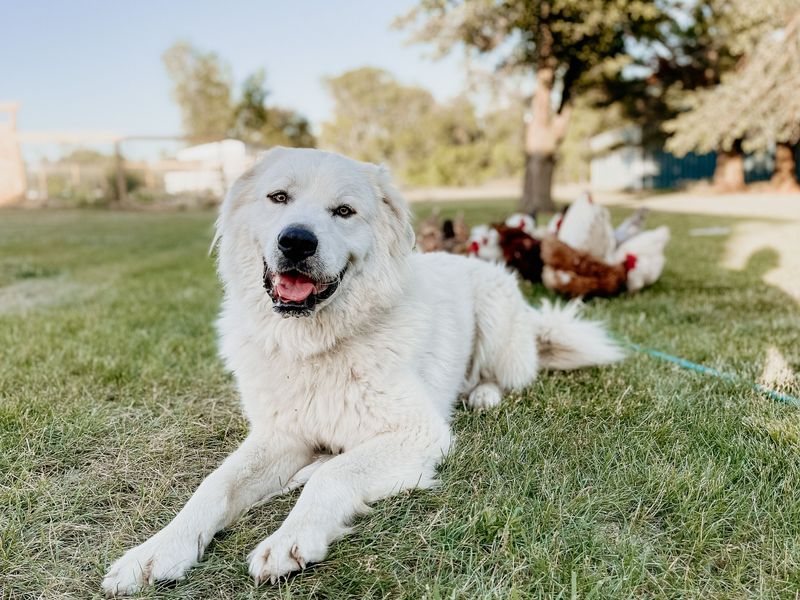
Quietly resting near sheep can be serious work. Great Pyrenees were developed to watch livestock, rather than gather and move them.
Their calm appearance often comes with independent decisions and a strong nighttime voice.
Start with suitable working parents and supervised livestock bonding. Secure fencing matters because these dogs may roam beyond property lines.
Provide deep shade during Indiana summers, and discuss barking with nearby neighbors before bringing home a puppy for your farm crew.
6. Anatolian Shepherd: An Independent Livestock Watcher
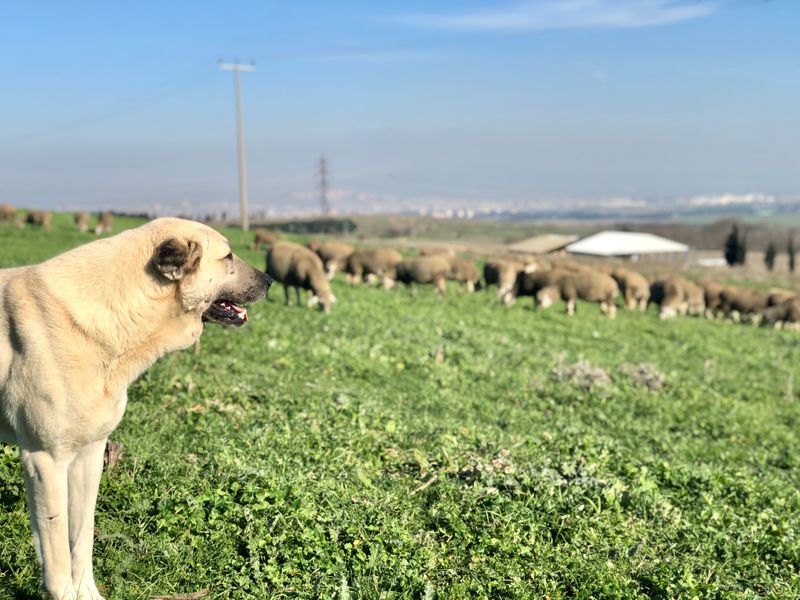
Wide pastures suit a dog bred to notice distant changes. Originating in Turkey, Anatolian Shepherds have a long history as livestock guardians.
They tend to think independently, which makes patient handling more useful than repeated commands.
Choose this breed for a clear guarding role, not casual obedience expectations. Strong fencing and planned visitor introductions are essential.
Young dogs need guidance around stock, while Indiana’s summer humidity calls for shade, water, and careful checks for heat stress.
7. Maremma Sheepdog: Staying Close to the Flock
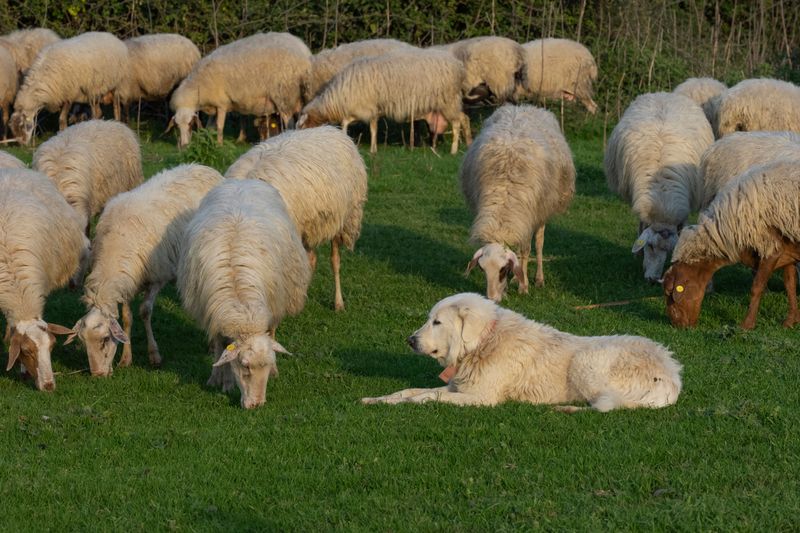
Among grazing sheep, a white coat can almost disappear. Maremma Sheepdogs come from Italy, where they developed as livestock guardians.
Many form strong bonds with their animals when raised through careful, supervised introductions.
Do not assume a puppy can immediately work alone. Plan gradual responsibility, dependable fencing, and regular handling for veterinary care.
Brush the dense coat and watch for mats. Around Indiana poultry, provide separate introductions because success with sheep does not guarantee bird safety.
8. Belgian Malinois: For Highly Involved Handlers
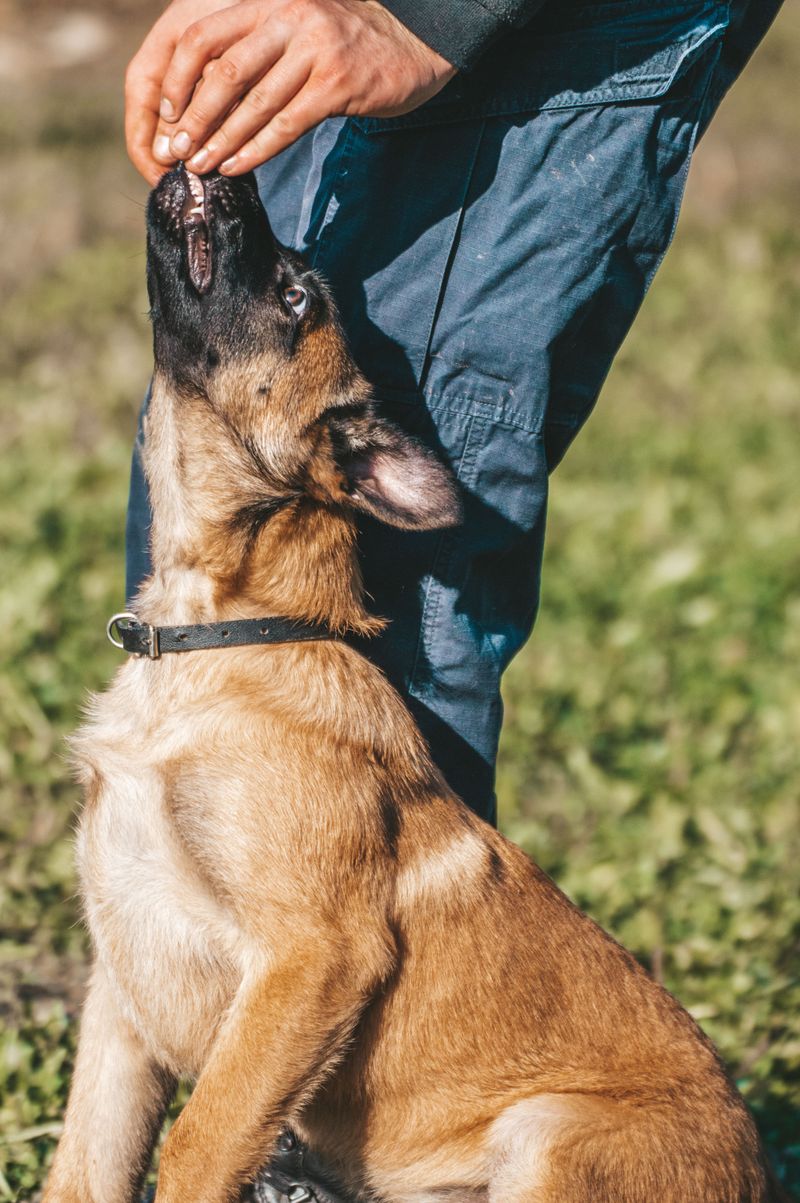
Fast feet are only part of this demanding package. Belgian Malinois usually need substantial training, purposeful exercise, and skilled handling.
For experienced owners, structured work can fit alongside farm routines, but acreage alone solves little.
Keep sessions focused, and teach settling indoors as deliberately as active tasks. Movement can trigger chasing, so protect livestock with barriers during introductions.
Choose another breed if your schedule cannot support daily engagement through Indiana’s rainy weeks and busy planting season.
9. Rottweiler: Strength With a Cattle-Working Past
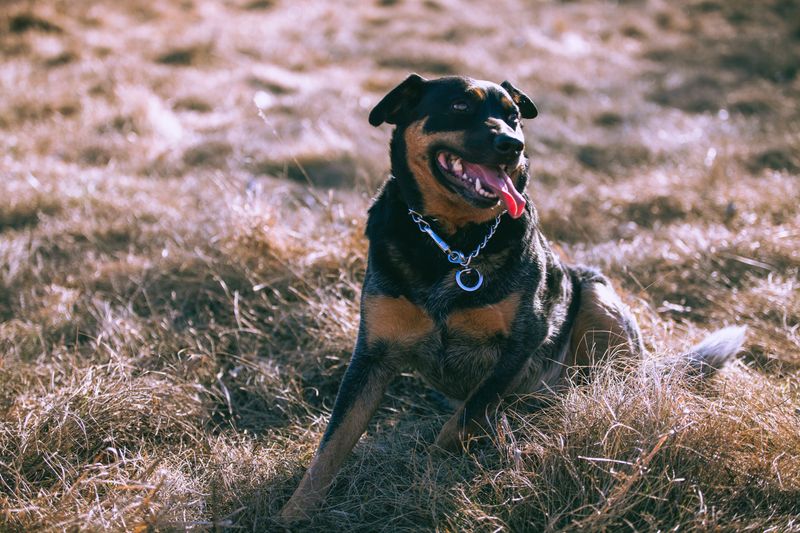
Behind that sturdy frame sits a history of moving cattle. Rottweilers can enjoy practical training and steady participation in daily routines.
Their size makes polite leash walking and calm greetings especially valuable around a busy farmyard.
Work with a trainer before trying livestock tasks, since instincts and suitability vary. Ask breeders about recommended health screening, including hips, elbows, and heart.
During humid Indiana weather, schedule exercise early and provide cool indoor breaks after outdoor chore rounds.
10. Doberman Pinscher: A Close Chore Companion
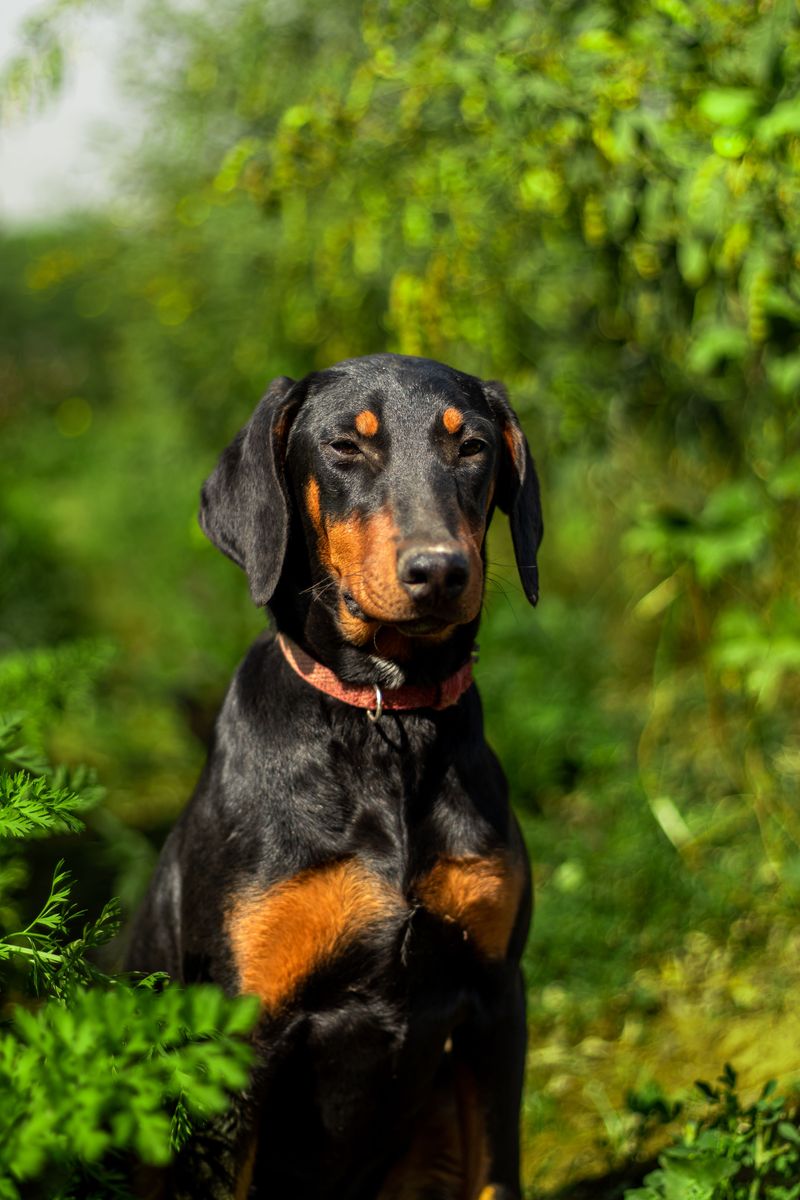
Some farm helpers prefer staying beside their person over watching a distant pasture. Doberman Pinschers often fit that description, enjoying close teamwork and clear routines.
They are property companions, not substitutes for trained livestock guardians.
A short coat offers little protection against Indiana’s winter cold, so plan indoor living. Discuss heart screening and breed health with your veterinarian.
Build calm habits around delivery vehicles, and use fenced training areas for exercise rather than allowing roadside wandering.
11. Black and Tan Coonhound: Following the Woodland Trail
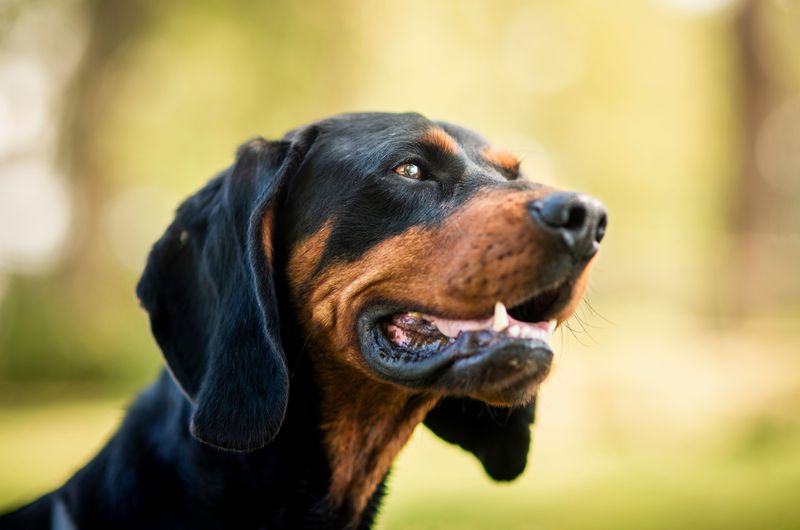
One interesting scent can turn a simple walk into detective work. Black and Tan Coonhounds were developed for tracking raccoons, making them scent specialists rather than herders.
Wooded Indiana acreage offers plenty of supervised sniffing opportunities.
Use secure fencing and a long line outside enclosed spaces. Their musical voices can travel, so consider nearby homes.
Check long ears regularly, introduce barn cats cautiously, and reward check-ins before expecting attention around exciting woodland smells during daily walks.
12. Bluetick Coonhound: The Nose-Led Explorer
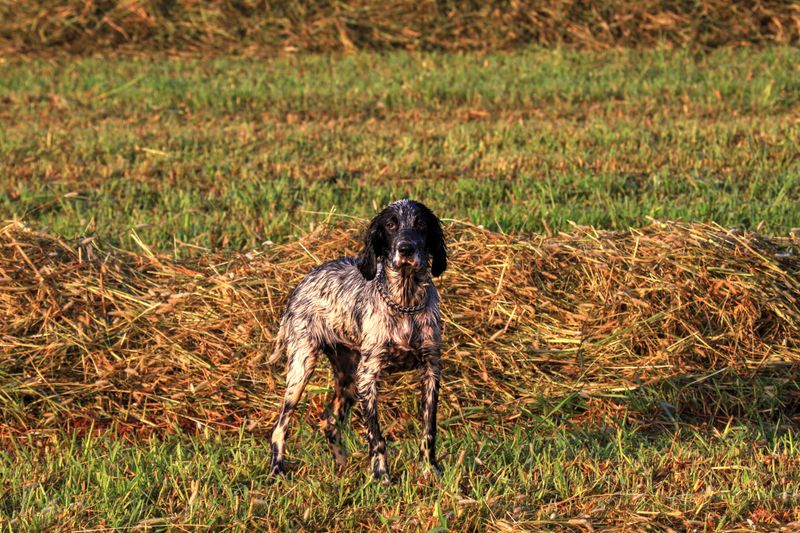
A speckled coat catches your eye, but the nose runs the show. Bluetick Coonhounds bring persistence and lively voices to scent work.
They suit owners who enjoy tracking activities, not those seeking automatic livestock control.
Lay simple scent trails around safe areas of your acreage for useful enrichment. Recall may fade when a trail becomes exciting, so maintain physical boundaries.
After Indiana field walks, inspect ears, paws, and skin for ticks, seeds, and small hidden burrs.
13. Labrador Retriever: A Willing Fetch-and-Carry Helper
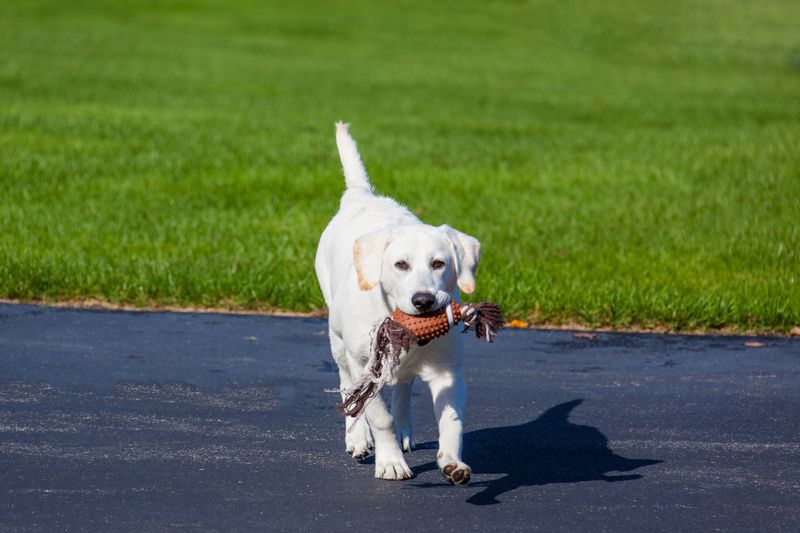
Retrieving a training dummy can be more than a backyard game. Labrador Retrievers often enjoy carrying safe objects and learning useful delivery tasks.
Their cooperative style can suit active households that include daily acreage chores.
Teach a gentle hold before asking for help, and never offer sharp tools. Fence ponds when needed and supervise swimming.
Measure food carefully, since extra weight strains joints. In Indiana mud season, rinse dirty paws and dry ears after wet outings.
14. Golden Retriever: Cheerful Help Around the Homestead
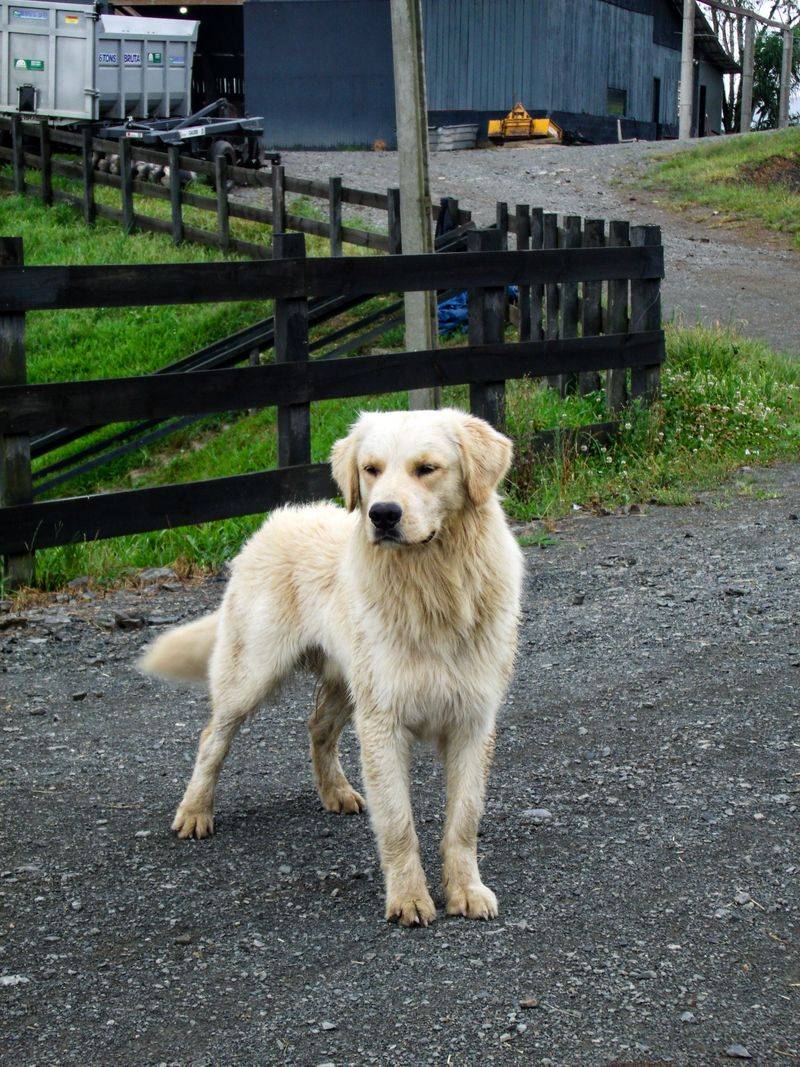
Carrying something soft often feels like a golden opportunity. Originally developed as sporting retrievers in Scotland, Goldens commonly enjoy teamwork and reward-based lessons.
They can join farm routines without being expected to manage livestock.
Practice waiting at gates and leaving poultry alone from the start. Feathered coats collect mud and plant debris, so grooming belongs on the chore list.
Seek recommended health testing when choosing puppies, and provide shaded breaks during warm Indiana days spent outside.
15. Standard Schnauzer: A Compact Farmyard Original
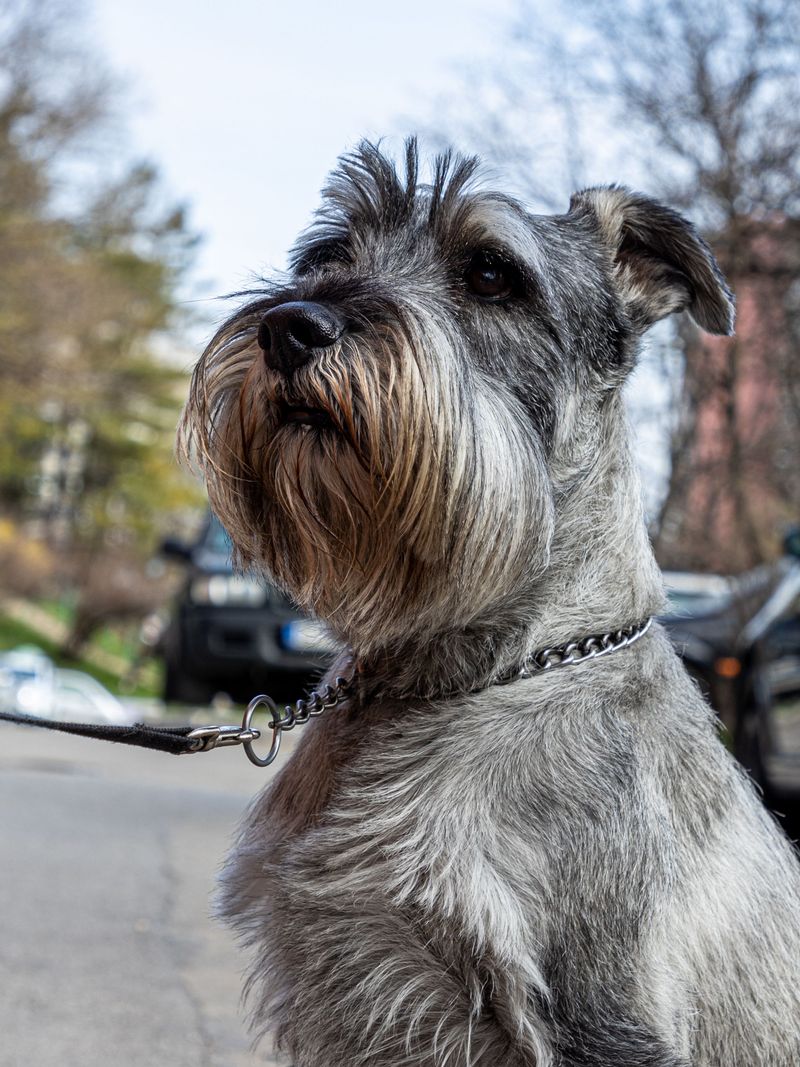
That whiskered face belongs to an old German farm worker. Standard Schnauzers historically handled varied jobs, including watching property and catching rodents.
Their manageable size still comes with energy, confidence, and a taste for mischief.
Channel those instincts into supervised searches rather than unsupervised chasing around barns. Maintain the wiry coat with appropriate grooming, and teach polite visitor greetings.
Match the job, build good habits, and let your Indiana farm partnership grow one happy chore at a time.