What California Dog Owners Should Know About Dogs Riding In Pickup Beds
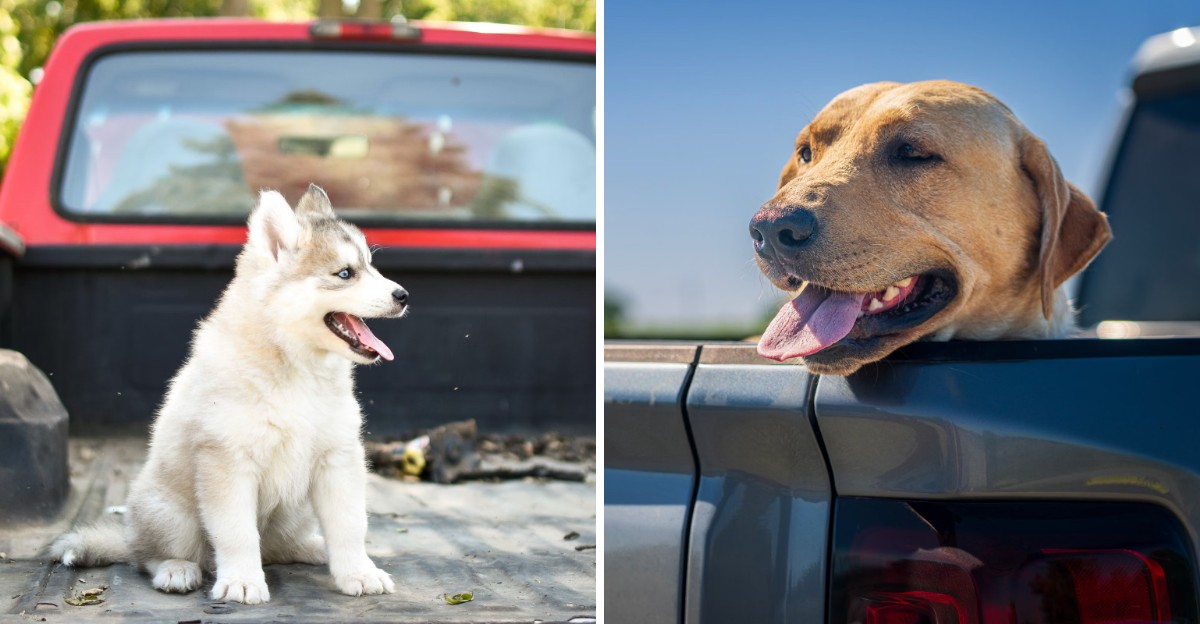
Taking your dog along in a pickup can feel like a normal part of California life. Yet an open truck bed brings different rules and risks than a seat inside the cab.
A few smart choices can make those trips more comfortable and better protected. Before your next drive, here is what to know about state law, safe equipment, changing weather, and your dog’s needs.
1. California Law on Dogs Riding in Pickup Beds
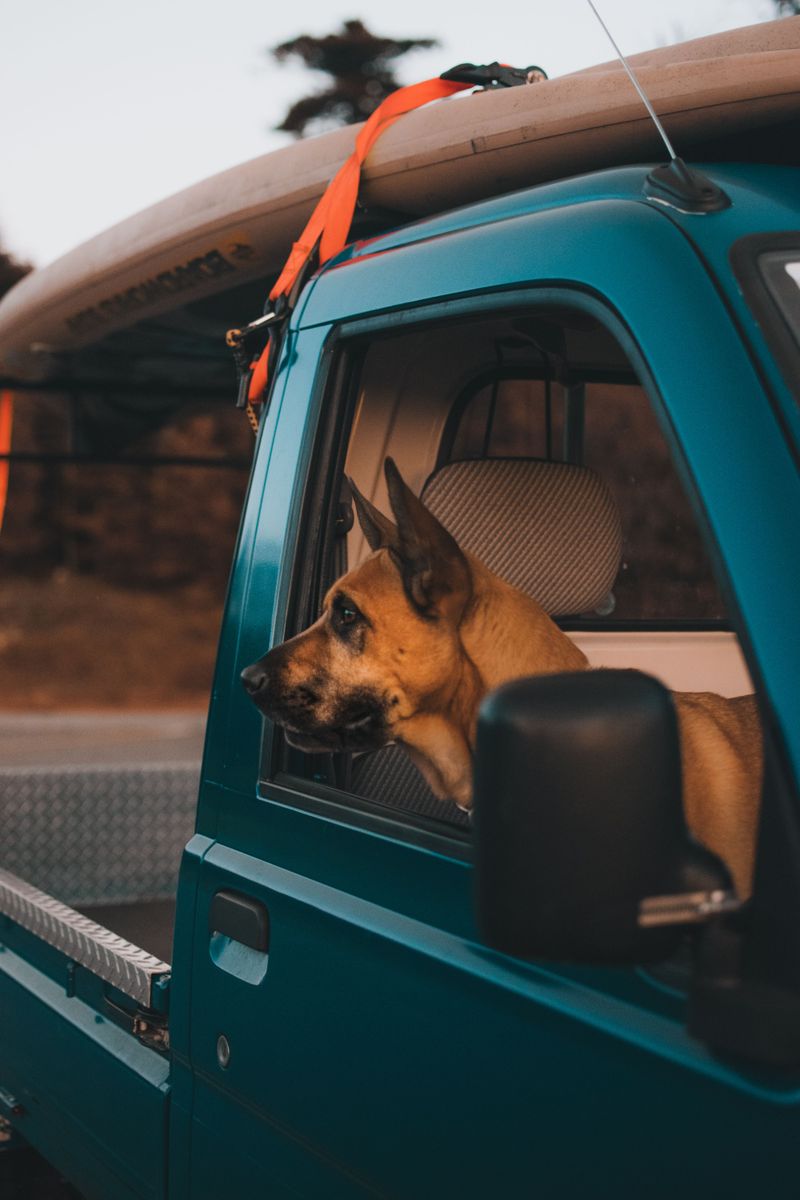
A familiar country road still comes with legal rules. California Vehicle Code Section 23117 covers animals transported in vehicle areas intended for loads on highways.
It generally requires protection against an animal being thrown, falling, or jumping out.
The law includes specific alternatives and limited exceptions. Meeting its wording does not guarantee the safest ride.
Read the current statute before relying on any exception. Ask local authorities when your route or work situation raises questions.
2. Why an Unrestrained Dog Can Be Ejected
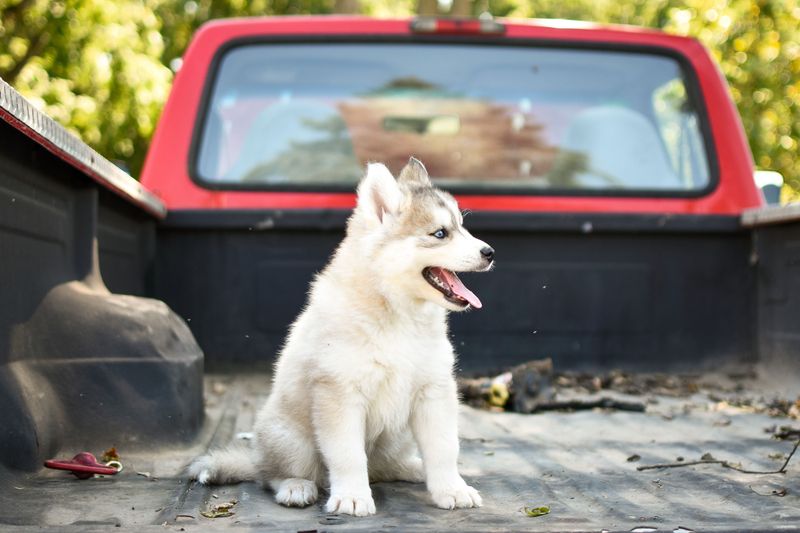
Even a steady dog cannot predict every turn. A bump, quick swerve, or sudden brake can upset its balance.
An open tailgate or low side gives little protection when that happens.
Dogs may also jump toward another animal or something interesting beside the road. Good training helps behavior, but it cannot cancel vehicle motion.
Never depend on a command to keep your dog inside. Choose secure transport before the truck starts moving, even near home.
3. What California’s Restraint Rules Require
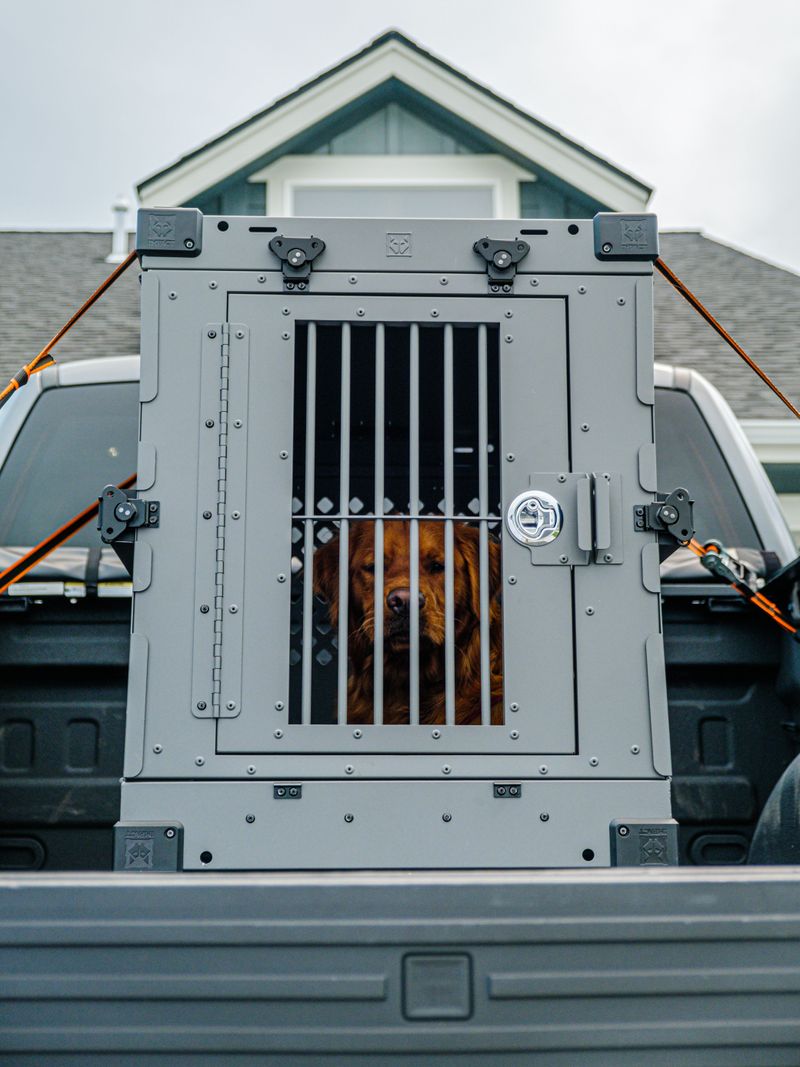
The statute offers several ways to meet its requirements. These include an enclosed space or side and tail racks reaching 46 inches vertically.
Another option is a secured cage.
Cross tethering or another protective method must prevent the animal from being thrown, falling, or jumping out. A standard leash does not automatically satisfy that standard.
Read Section 23117 for its complete wording. Favor secure cab travel rather than treating the legal minimum as your safety goal.
4. Why Tying a Dog by the Collar Is Dangerous
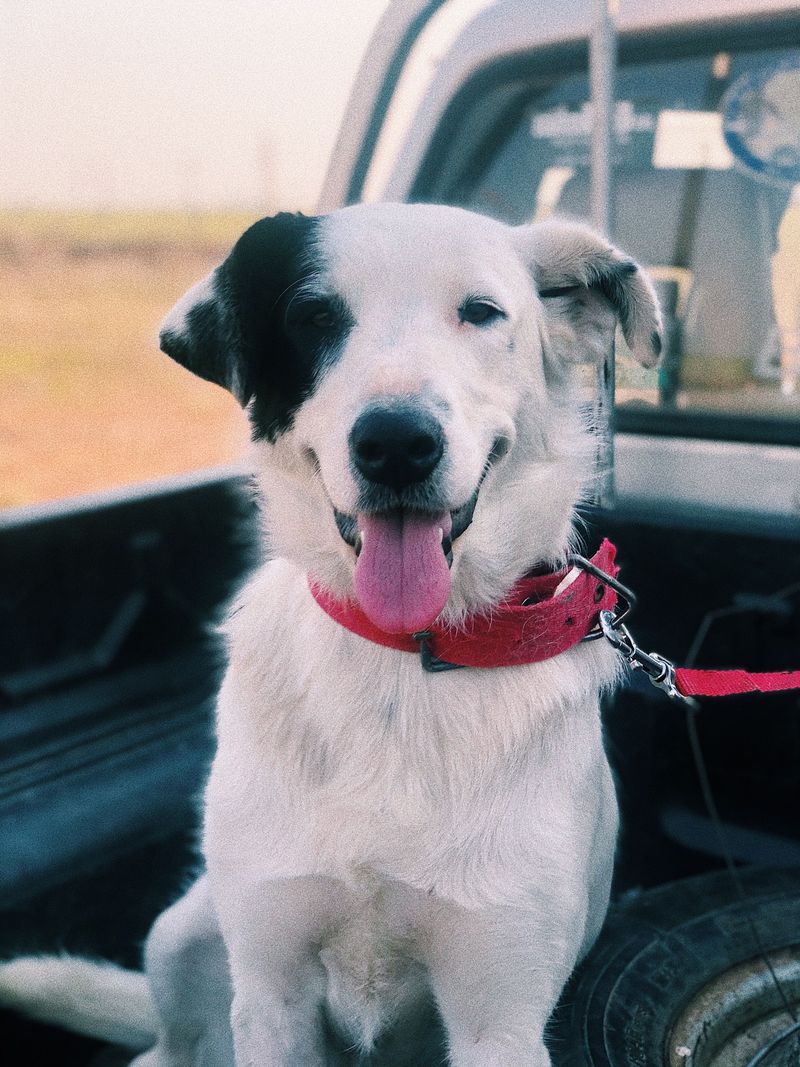
A collar belongs around the neck, not at the center of a vehicle restraint system. If a dog slips or reaches the edge, a collar tether can place pressure on its throat.
Extra rope creates another problem: tangling around legs or truck hardware. Shortening that rope does not make collar restraint safe.
Discuss transport equipment with your veterinarian or a qualified installer. A suitable body harness matters, but an improvised truck bed setup remains a concern.
5. Choosing a Secure Crate for the Truck Bed
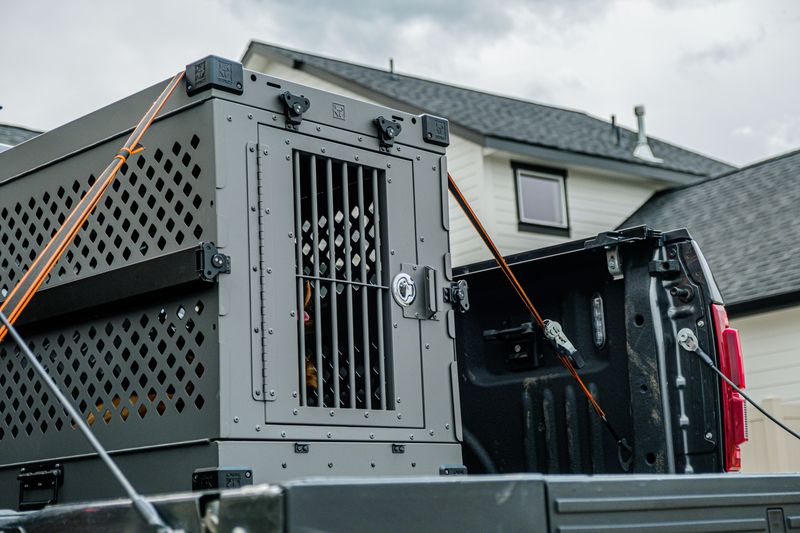
Shopping for a crate means looking beyond size and price. Your dog needs room to stand, turn around, and lie comfortably.
The crate also needs strong construction, ventilation, and a dependable door latch.
Secure it using the manufacturer’s approved mounting method and suitable truck anchor points. A loose crate can slide or tip.
Ask whether any crash testing applies to your exact model and installation. Never assume a household crate is designed for vehicle travel outdoors.
6. Protecting Dogs From California’s Summer Heat
Sunshine can turn a truck bed into an uncomfortable surface surprisingly quickly. Metal, dark liners, and enclosed crates can hold heat.
Moving air does not guarantee a safe temperature.
Choose the air conditioned cab during hot weather, and carry fresh drinking water. Watch for heavy panting, drooling, weakness, or unusual behavior.
Move your dog somewhere cool and contact a veterinarian promptly if symptoms appear. Never leave your dog waiting unattended in a parked vehicle during heat.
7. Cold Weather and High-Elevation Driving
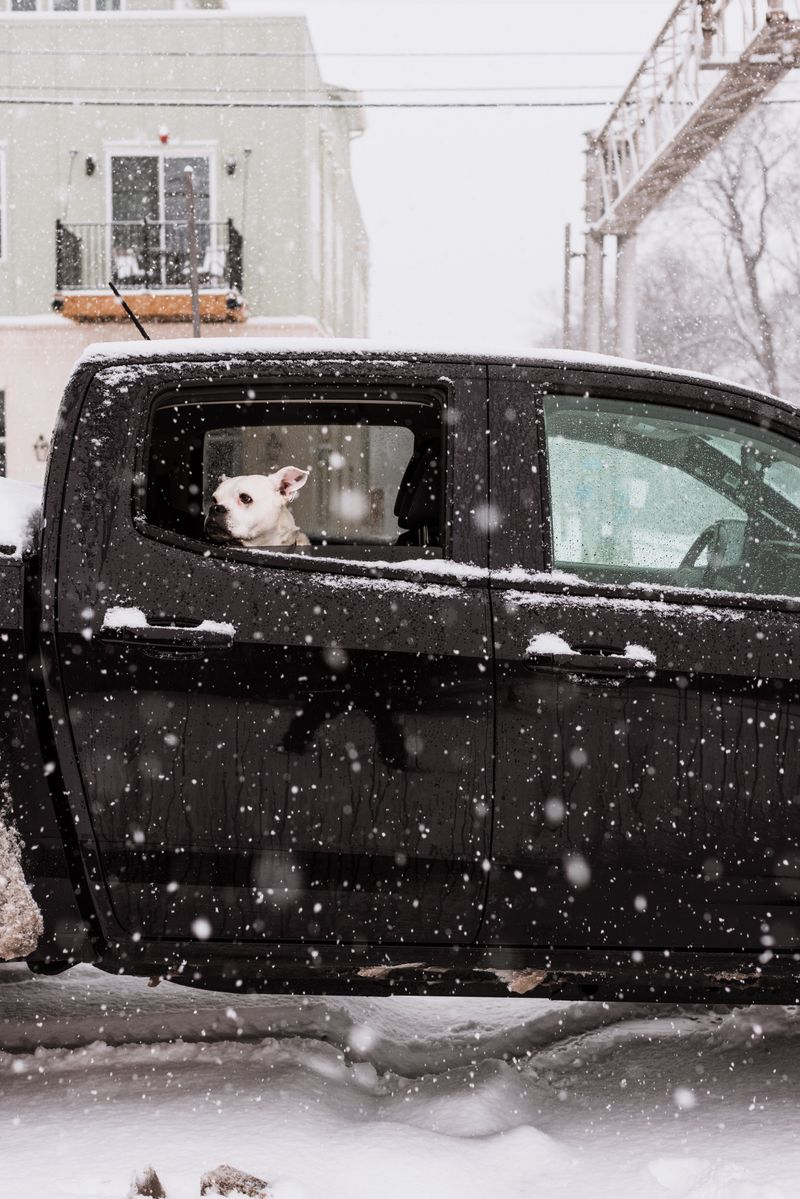
A mild valley morning can become a chilly mountain afternoon. Wind and wet fur increase heat loss, especially during exposed travel.
Small dogs, thin coated breeds, and older pets may struggle sooner.
Move your dog into the cab before climbing into colder conditions. Bring dry bedding and check mountain forecasts before leaving.
Shivering, reluctance to move, or unusual tiredness calls for warmth and attention. Ask your veterinarian about extra precautions for dogs with heart or breathing conditions.
8. How Wind and Road Debris Affect Dogs
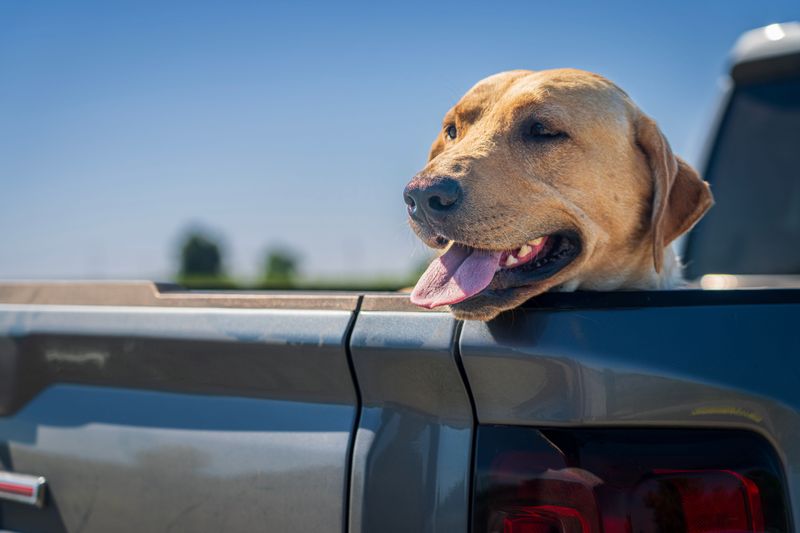
That breeze carries more than interesting smells. Dust, grit, insects, and small road debris can irritate a dog’s eyes.
Constant wind may also make an exposed ride uncomfortable.
A crate should provide ventilation without leaving your dog directly exposed to flying debris. Do not cover ventilation openings to block dust.
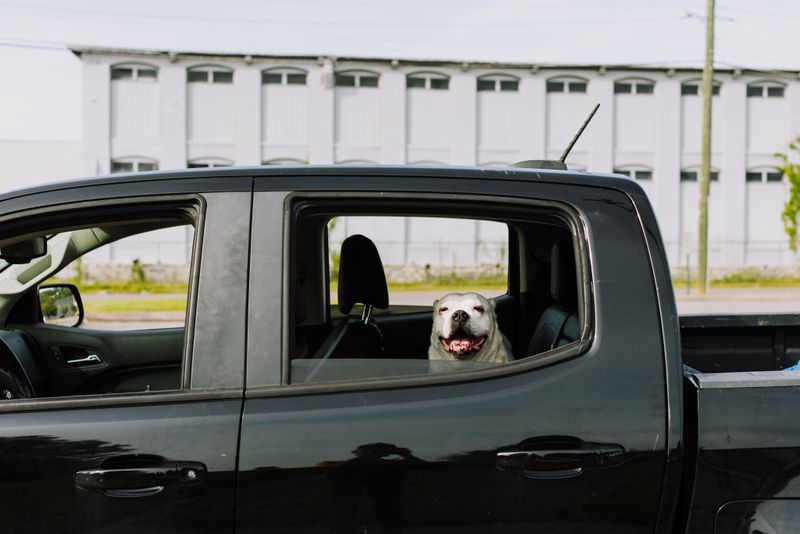
Inside the cab, keep your dog’s head behind the window. Persistent squinting, redness, or pawing at an eye deserves veterinary advice rather than another windy ride.
9. Why a Leash Alone Is Not Enough
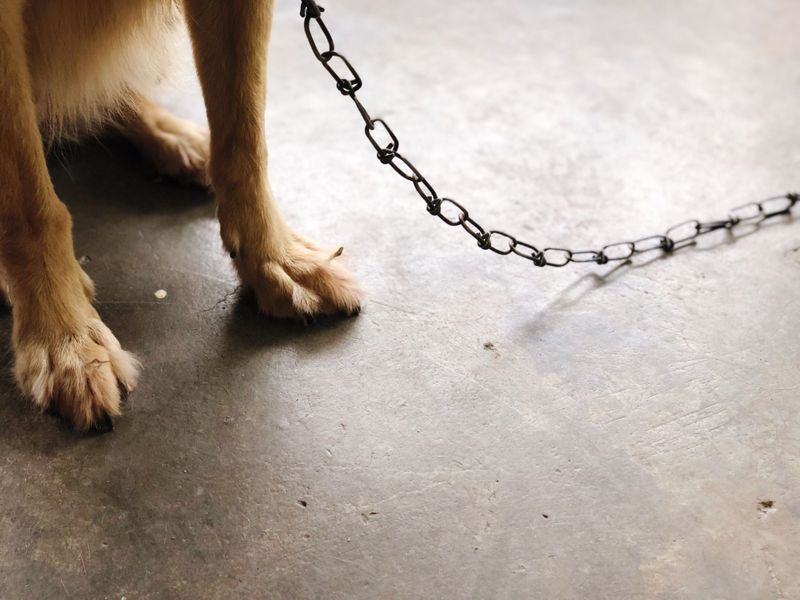
Walking gear has a different job from travel equipment. A leash clipped to a bed hook may allow jumping, sliding, or tangling.
Ordinary clips and leash materials may not withstand sudden vehicle forces.
Never hold the leash through a window while someone drives. That arrangement cannot reliably protect your dog or the person holding it.
Use equipment intended for vehicle transport, following its instructions carefully. Keep the walking leash ready for stops, not as your main restraint.
10. Keeping Dogs Safe During Short Farm and Ranch Trips
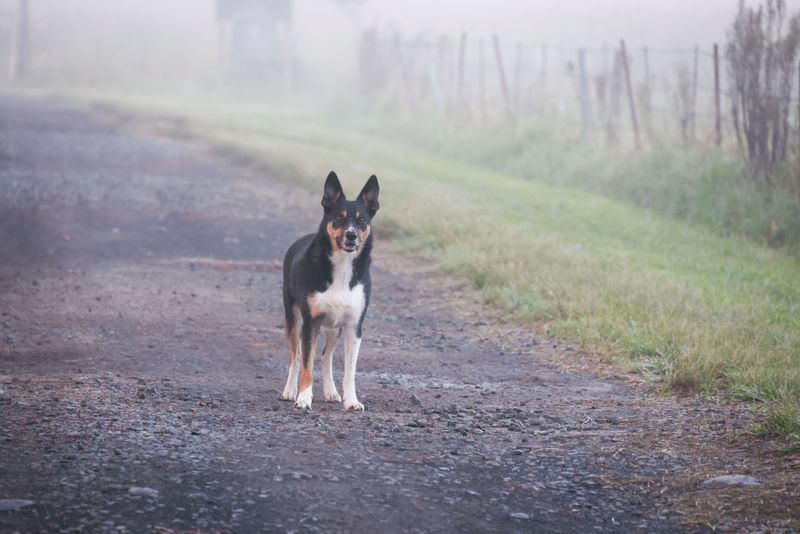
A trip between gates can feel too short for preparation. Yet uneven ground, livestock, and sudden turns still require care.
Familiar surroundings do not remove the chance of a dog losing balance.
California law contains limited exceptions involving certain agricultural work and livestock dogs. They are not blanket permission for every ranch outing.
Confirm whether your exact activity qualifies before relying on one. Even where an exception applies, secure transport remains the sensible choice for your dog.
11. Puppies and Senior Dogs Need Extra Protection
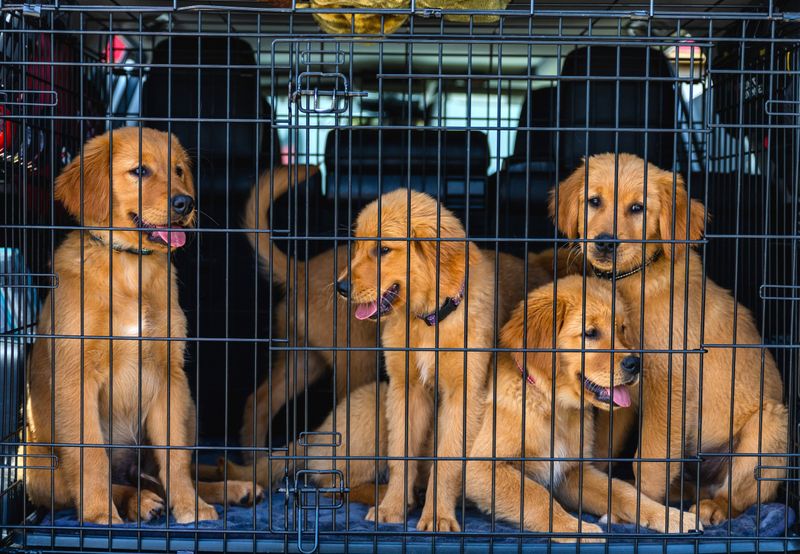
Age changes what a comfortable ride looks like. Puppies may chew straps, become restless, or struggle with balance.
Senior dogs may have stiff joints, reduced strength, or medical needs.
Plan cab travel with supportive bedding and properly fitted transport equipment. Help your dog enter without a high jump, using a suitable ramp when needed.
Schedule breaks around comfort rather than mileage alone. Your veterinarian can suggest adjustments for growing puppies, arthritis, anxiety, or other individual health concerns.
12. What to Do if Your Dog Jumps or Falls
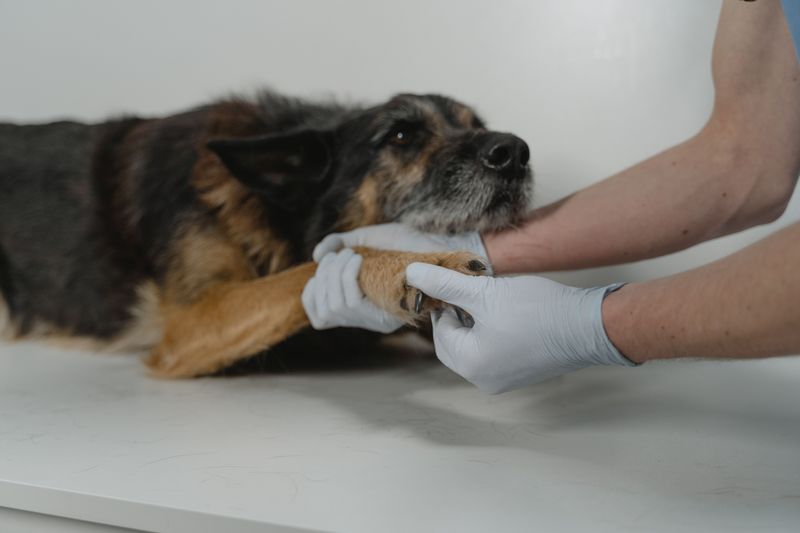
First, stop somewhere safe and protect yourself from traffic. Avoid rushing into the roadway after your dog.
Call for help if reaching the animal would put anyone at risk.
Once safely approached, limit your dog’s movement and contact a veterinarian for instructions. Pain may make even a friendly dog react unexpectedly.
Do not assume normal walking rules out injury. Seek prompt veterinary assessment after a fall, and avoid giving human pain medicine without specific veterinary direction first.
13. Planning Stops for Water and Rest
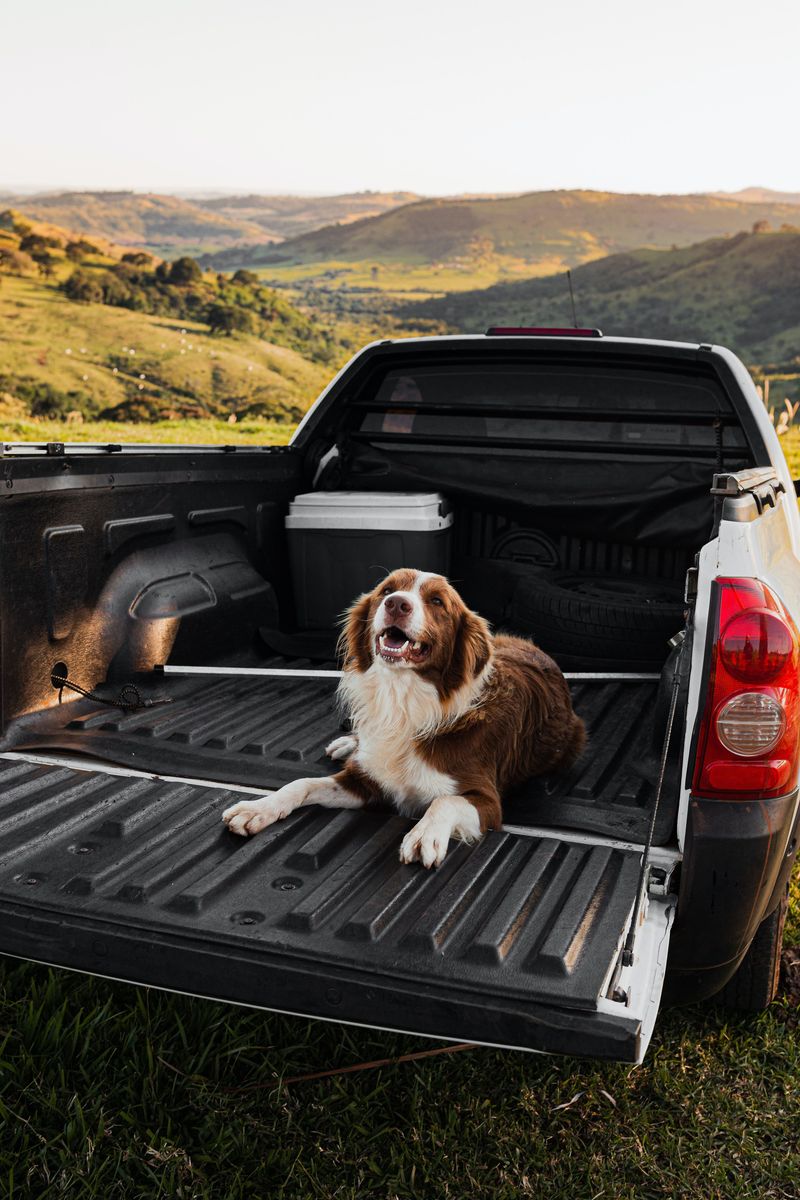
A good stop gives your dog more than a quick drink. It offers a bathroom break, gentle movement, and a chance to settle.
Plan safe stopping places before the journey begins.
Carry familiar water, a bowl, waste bags, and enough supplies for delays. Offer breaks regularly, adjusting for age, weather, health, and your dog’s behavior.
Attach the leash before opening any door or crate. Choose quiet areas away from traffic and check pavement temperature before walking outside.
14. Why Riding Inside the Cab Is Usually Safer
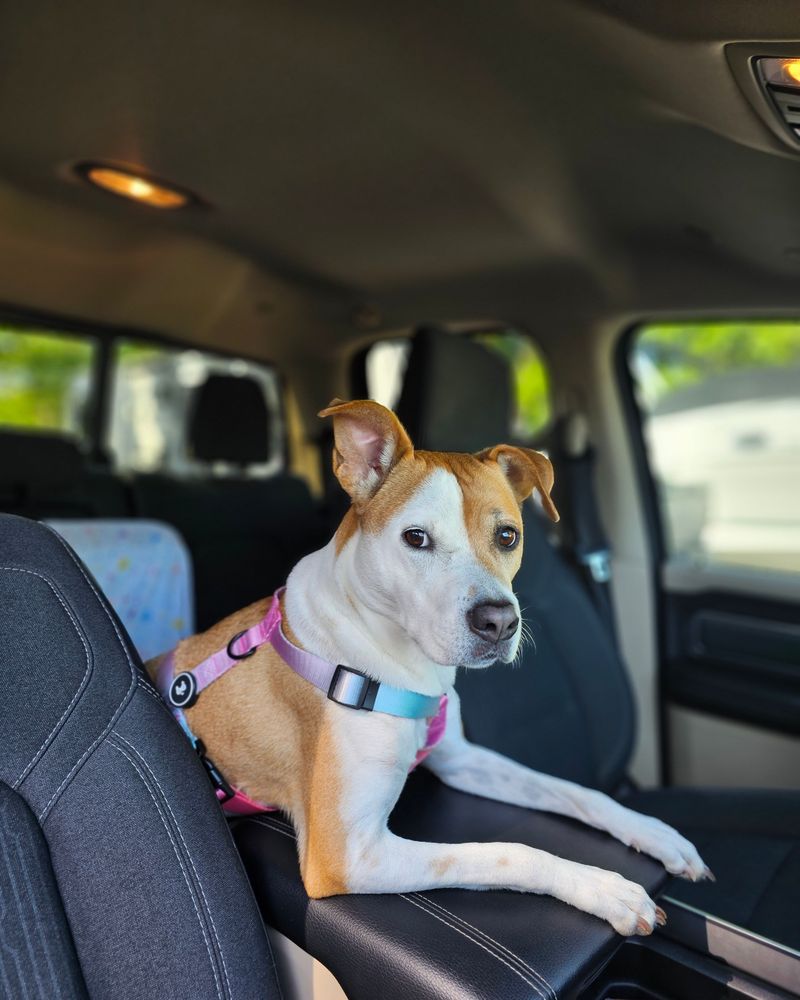
Four walls and climate control offer useful protection. The cab shields your dog from weather and road debris.
Proper restraint also helps prevent roaming that could distract the driver.
Choose a suitable secured carrier or vehicle harness with credible crash testing for its intended use. Follow both vehicle and equipment instructions.
Keep dogs away from the driver’s lap and active front airbags. Cab space alone is not enough: an unrestrained dog can still be hurt during sudden movement.
15. What California Dog Owners Should Check Before Traveling
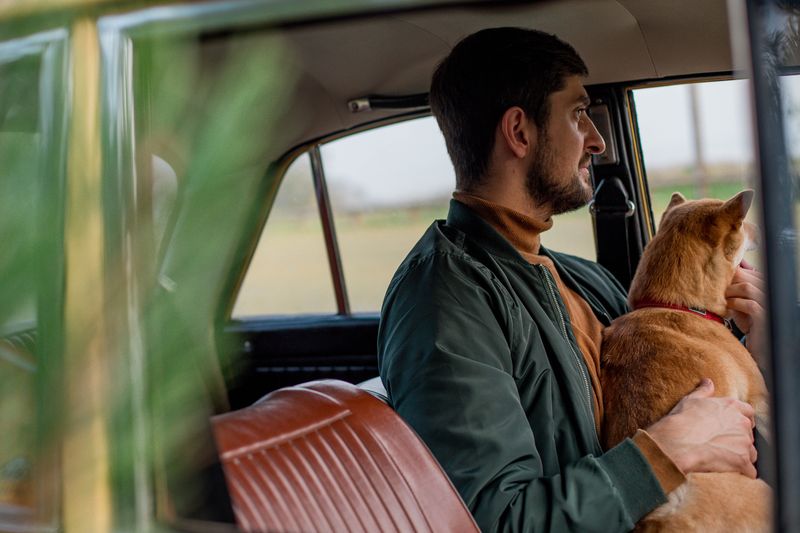
Before leaving, review your route, weather, equipment, and dog’s condition. Confirm current state requirements and any relevant local animal rules.
Crossing state lines means checking the destination’s laws as well.
Bring identification, needed medication, veterinary contact details, and a recent photo of your dog. Save nearby emergency veterinary locations when traveling somewhere unfamiliar.
Choose cab travel whenever practical and postpone trips when conditions are unsuitable. The best routine is simple: secure your dog, check comfort, then go.