Rural Northern Pennsylvania Dog Owners Need A Different Specialty-Vet Plan Than City Residents
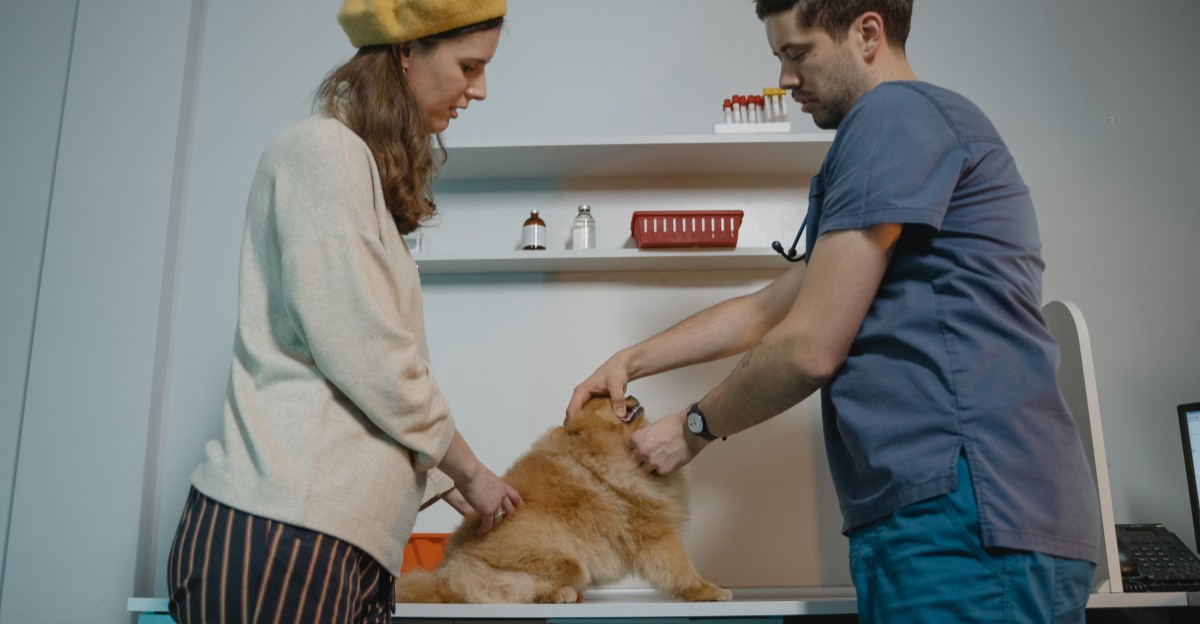
When your dog needs a specialist, the nearest appointment may be far beyond your usual vet clinic. In rural northern Pennsylvania, distance, weather, and limited clinic hours can shape your choices.
A little planning now can make those choices much easier later. Here is how to find the right care, keep your regular vet in the loop, and travel with more confidence.
1. Find Specialty Vets Before You Need One
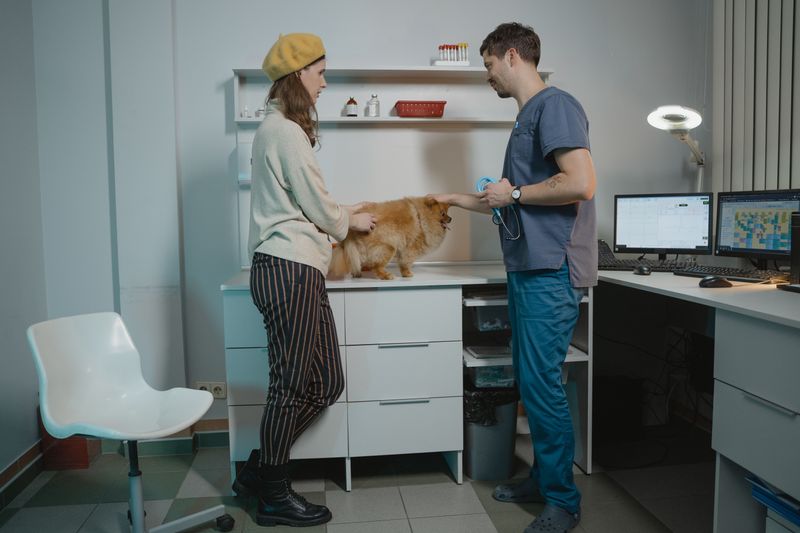
A quiet afternoon is a good time to look beyond your usual clinic. Ask your veterinarian which specialty hospitals they commonly work with.
Save each hospital’s address, phone number, hours, and website. Check whether it offers emergency care or only scheduled visits.
Then call to confirm current services and appointment procedures. A familiar name on your phone is useful when you must make decisions quickly.
Keep both nearby and farther options on your list.
2. Know Which Specialists Your Dog May Need
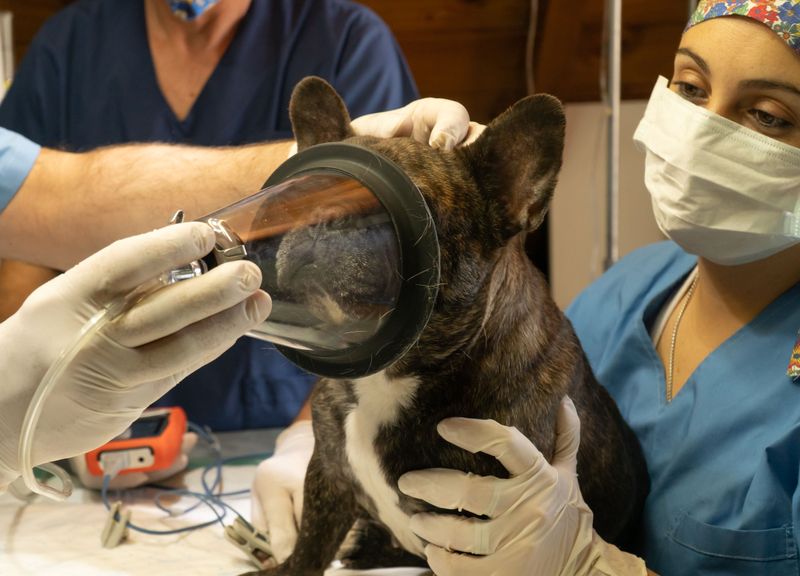
Specialty care covers more than one kind of problem. A veterinary surgeon may assess an injury, while a cardiologist focuses on heart concerns.
Other specialists address skin, eye, nerve, or internal health conditions. Your regular vet can explain which field fits your dog’s needs.
Ask about likely services if your dog has an ongoing condition. You do not need to predict every problem.
Knowing the right type of clinic can narrow a long search when time matters.
3. Expect Longer Drives For Advanced Care

The closest advanced clinic may still be a long drive from home. Check travel time before choosing an appointment, and allow extra time for stops.
Ask how long the visit might take, especially if testing is planned.
For a tiring trip, bring water, a leash, and familiar bedding. Find a safe place to pause along the route.
If your dog seems too unwell to travel comfortably, call the clinic for guidance before setting out.
4. Keep Your Regular Vet Involved
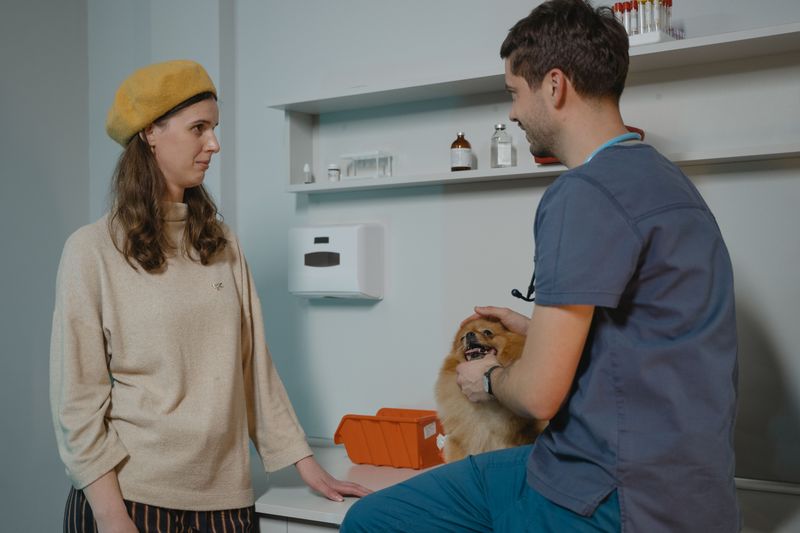
Your hometown vet remains a key part of specialty care. They know your dog’s history and may spot changes between distant appointments.
Tell them when you book a specialist visit, and ask how records will be shared.
After the visit, confirm that your vet receives the findings and treatment plan. Clear communication helps everyone understand who handles tests, medicines, and follow-up care.
It can also spare your dog an unnecessary repeat trip.
5. Plan Around Rural Road Conditions

Mountain roads can change a simple appointment into a slower journey. Check weather and road conditions before leaving, especially on unfamiliar routes.
Give yourself daylight when possible, and keep your fuel tank comfortably filled.
Save the clinic number in case a delay affects your arrival. Some roads have weak cell service, so download directions ahead of time.
If travel looks unsafe, call the clinic to discuss timing rather than rushing to keep an appointment.
6. Have A Backup Clinic In Another Direction
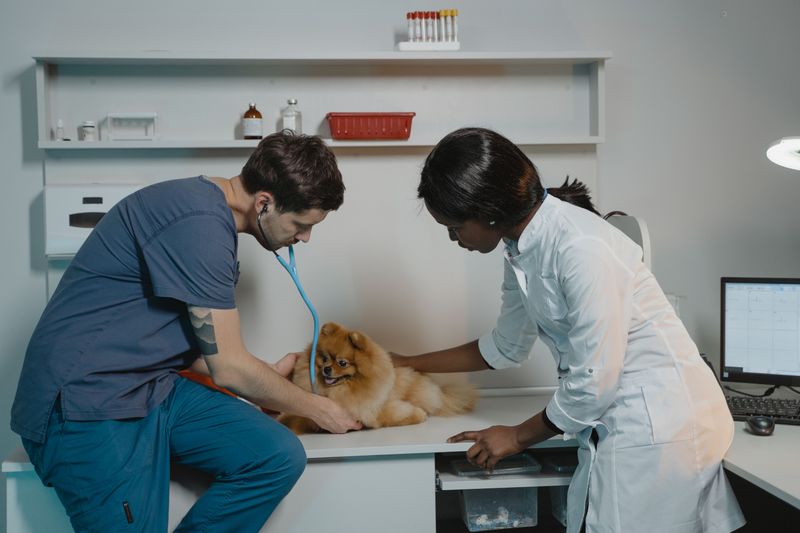
One saved clinic may not be enough when roads or schedules change. Choose a second option reached by a different route, if one is available.
Check its hours, services, and intake rules before adding it to your plan.
Do not assume every emergency hospital has every specialist on site. Call ahead whenever possible to describe your dog’s needs.
A backup gives you another practical choice without forcing you to search from scratch during a stressful day.
7. Know Which Emergencies Cannot Wait
Some signs call for prompt veterinary advice, not the next open specialty appointment. Trouble breathing, collapse, repeated seizures, or a swollen belly are examples.
Sudden inability to walk and suspected poisoning also need immediate guidance.
Contact your vet or an emergency clinic right away if these occur. Tell the team what you see and follow its travel instructions.
When a sign seems less clear, calling is still a sensible way to decide the next step.
8. Keep Emergency Numbers Easy To Find
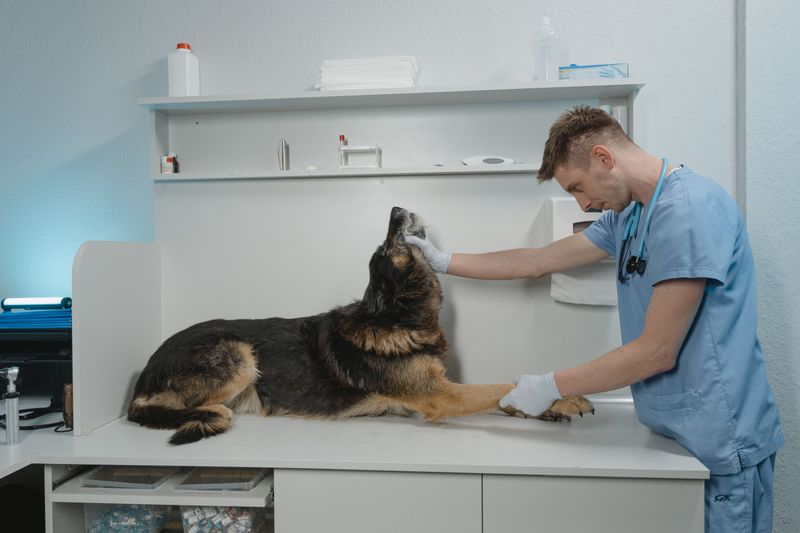
Phone searches feel harder when your dog needs help quickly. Put your regular vet’s number and emergency clinic contacts in your phone.
Keep a printed copy at home for family members or pet sitters.
Include clinic addresses and note which locations operate after hours. Update the list whenever hours or services change.
If someone else watches your dog, show them where the list is kept. Good contacts are most useful when everyone can find them.
9. Ask About Referral Requirements
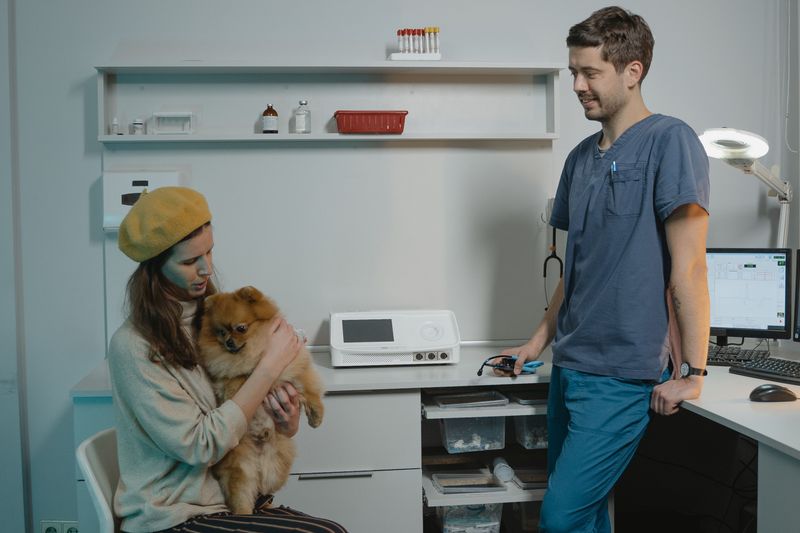
Before booking, find out how the specialist accepts new patients. Some clinics request a referral or records from your regular vet.
Others may let owners schedule directly but still need medical notes.
Ask who sends records, whether forms are required, and when the clinic must receive them. Confirm any instructions for your dog’s visit.
These details vary by clinic. A short call now can prevent paperwork from delaying an appointment after a long drive.
10. Keep Your Dog’s Records Ready
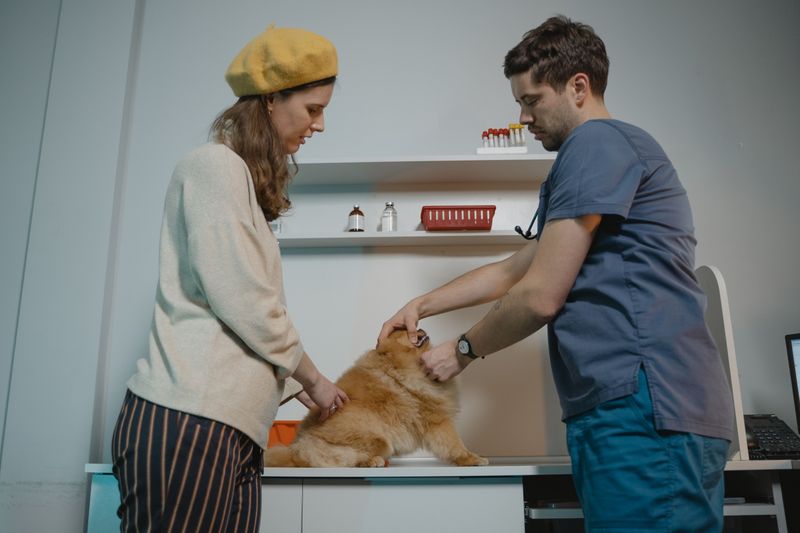
A simple folder can make a new visit much smoother. Keep your dog’s medication list, past test results, and current treatment notes together.
Add dates and contact details for clinics that have provided care.
Ask your vet for copies or access to electronic records before travel. Specialists may need images or lab reports, not just a summary.
Bring updated information to every visit. Having it ready helps the care team see the full picture sooner.
11. Check Whether Follow-Up Visits Are Needed

The first specialist visit may be only the beginning. Ask whether your dog will need repeat tests, checkups, or treatment adjustments.
Find out which visits must happen there and which might happen closer to home.
Before leaving, write down the expected schedule and any signs you should report. Check how the clinic handles questions between visits.
For rural owners, follow-up plans affect travel, time away, and costs. Knowing the schedule makes those needs easier to manage.
12. Ask What Can Be Done Locally
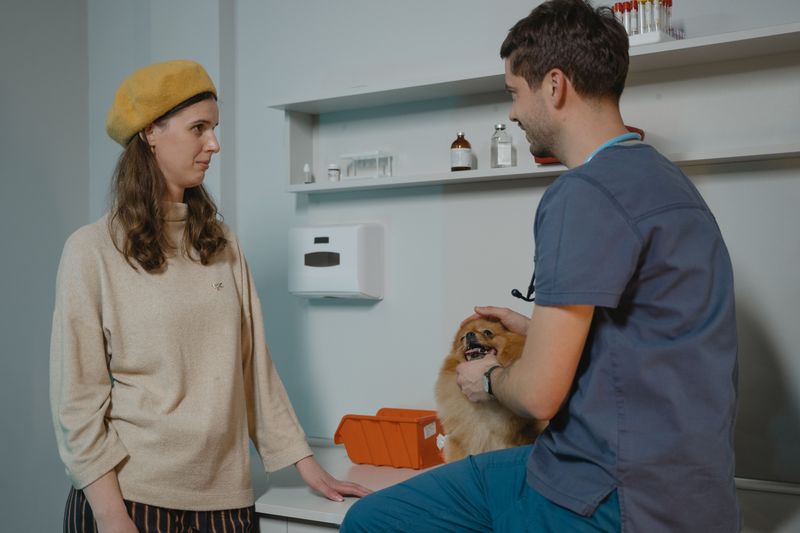
Not every part of specialty care requires another distant trip. Your local vet may be able to collect samples, run certain tests, or check progress.
The specialist must decide what is suitable for your dog’s plan.
Ask both clinics how they will share results and who will explain them to you. Confirm whether any local service needs advance approval.
When everyone agrees on the steps, nearby care can save travel while keeping treatment well coordinated.
13. Prepare For Medication Refills
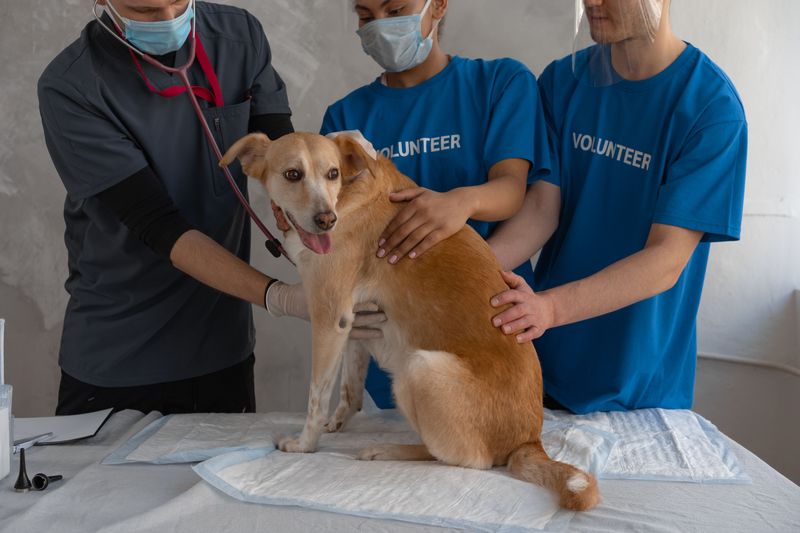
Running low on medicine is easier to handle before a weekend begins. Ask which clinic will prescribe refills and how much notice it needs.
Check whether the medicine comes from a local pharmacy, veterinary clinic, or delivery service.
Keep a calendar reminder well ahead of the last dose. Never change a dose or stop treatment without veterinary guidance.
If travel or shipping could cause a gap, contact the prescribing clinic early to discuss safe options.
14. Consider Seasonal Travel Challenges
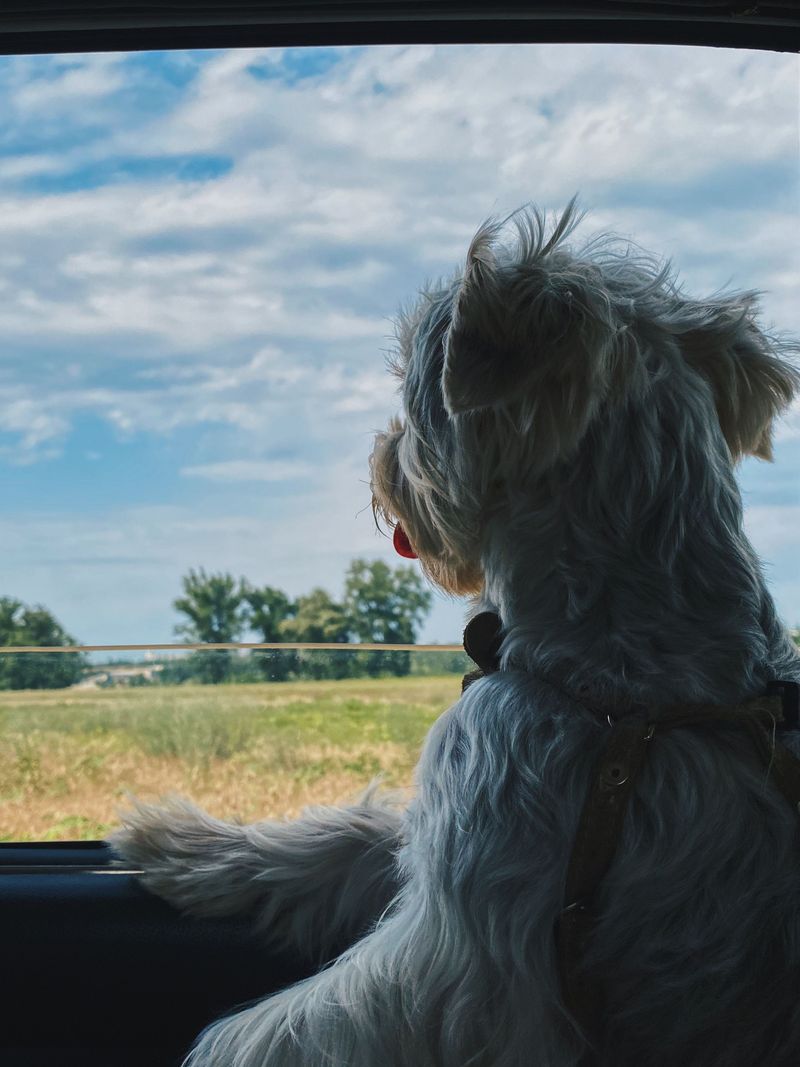
Winter snow is not the only reason to allow extra travel time. Heavy rain, fog, and busy holiday roads can also affect a long trip.
Check the forecast close to departure and review your route.
For planned care, ask how the clinic handles weather-related rescheduling. Keep your dog comfortable with water and suitable bedding during the drive.
If conditions change suddenly, call before traveling. A flexible plan helps protect both your dog and your driver.
15. Make A Transport Plan For A Sick Dog
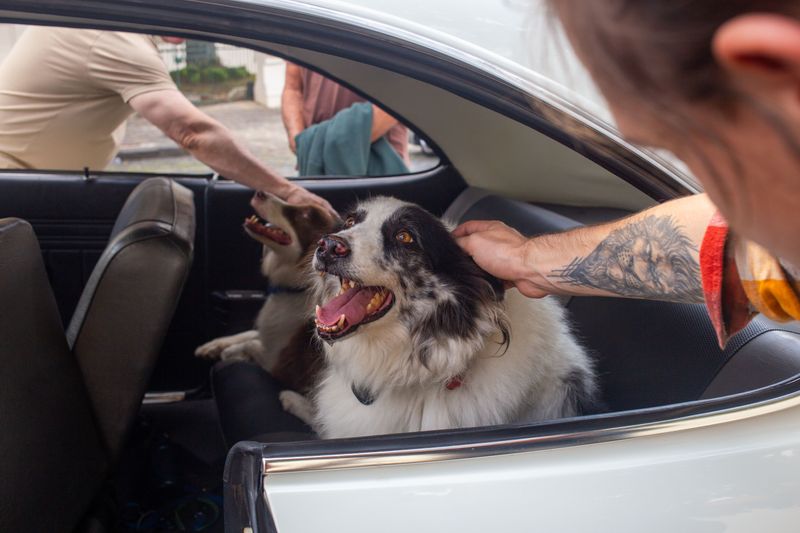
A dog that feels unwell may need more help getting into a car. Practice using a secure crate, harness, or ramp before an urgent trip.
Choose equipment that suits your dog’s size and mobility.
If lifting is difficult, decide who can help and how you will contact them. Ask a veterinarian how to move your dog safely when movement appears painful.
Keep towels, water, and a leash in your travel kit for practical comfort.
16. Ask About After-Hours Instructions
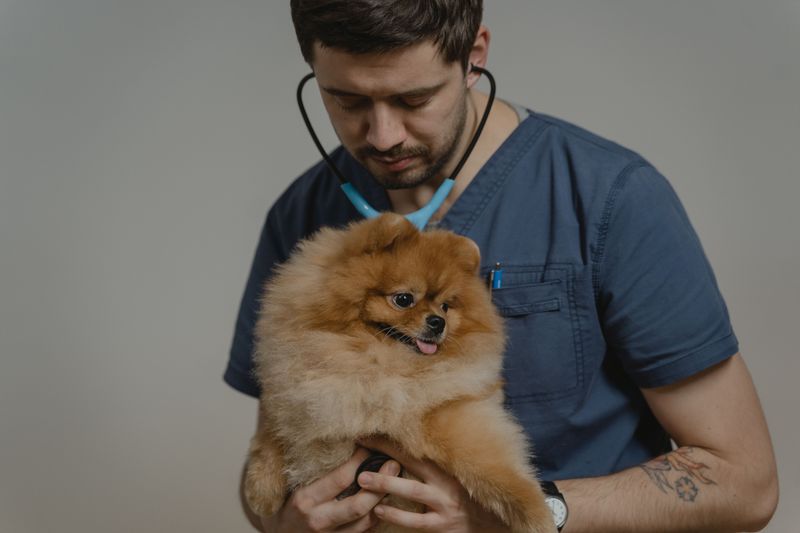
Clinic doors may close before your questions do. Ask the specialist whom to call if concerns arise at night or on weekends.
Find out whether its phone line offers guidance or directs you elsewhere.
Also ask what your regular vet recommends when its office is closed. Save those instructions beside your emergency numbers.
If your dog develops a concerning sign, use the contact plan instead of waiting for a message reply. Clear directions ease uncertainty.
17. Budget For Travel As Well As Treatment

A specialty appointment can bring costs beyond the clinic bill. Fuel, meals, parking, and time away from work may add up.
Longer visits might also require a place to stay.
Ask the clinic for an estimate of planned services and its payment policies. Then make a separate travel estimate based on the likely schedule.
If costs are difficult, tell the care team early. They can explain which parts of the plan are most time sensitive.
18. Build A Specialty-Vet Plan Before Your Dog Needs It
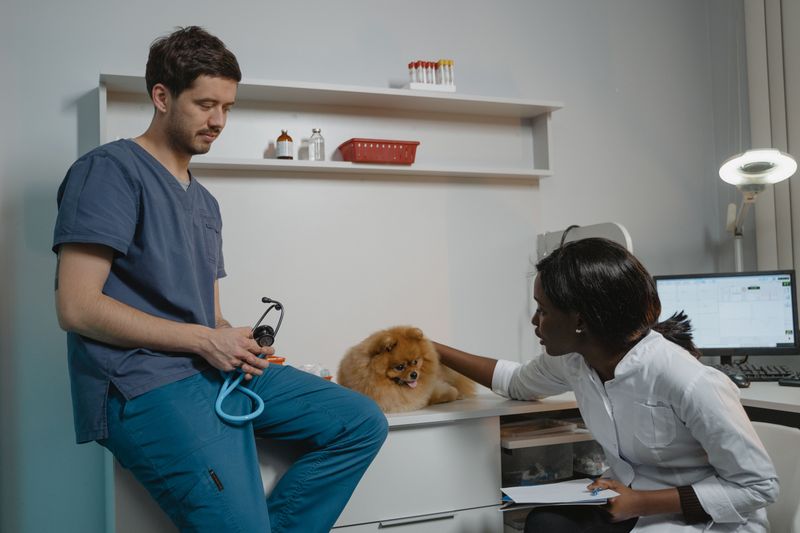
A useful plan can fit on one page. List your regular vet, specialty options, emergency clinics, and backup route.
Add your dog’s records location, medication details, and transport needs.
Review the page with anyone who helps care for your dog. Check clinic information from time to time, since hours and services can change.
Preparation cannot answer every question, but it gives you a steady place to start. That confidence travels well, wherever care takes you.