19 Sporting Dog Breeds Suited To New Jersey’s Marshes And Upland Fields
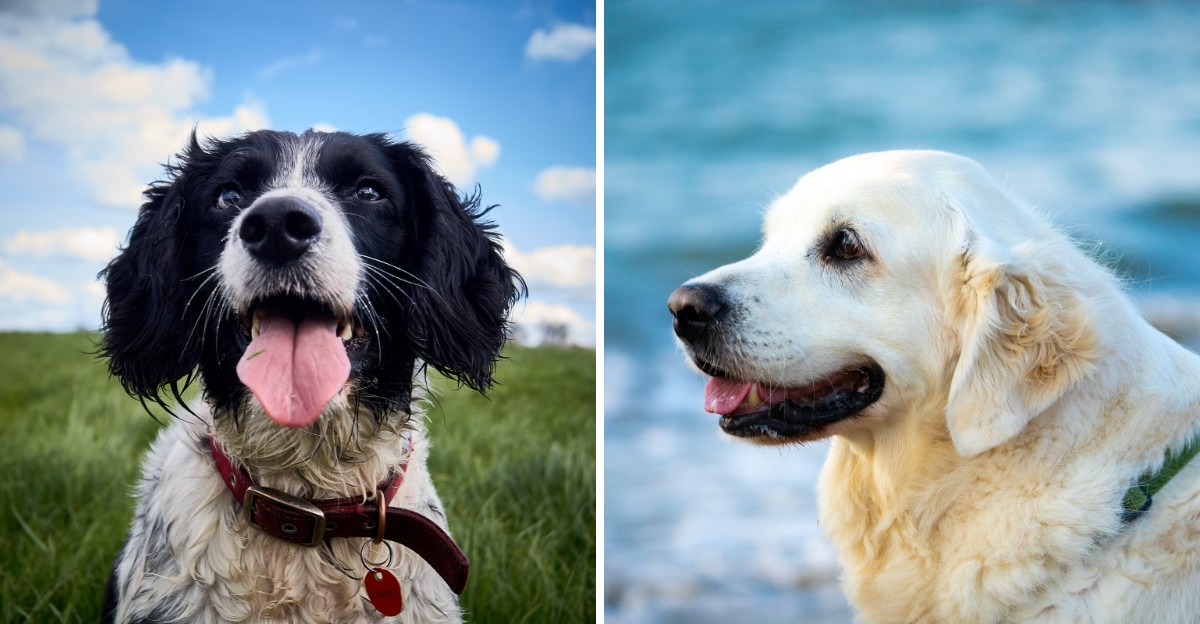
New Jersey hides a wild side most people never notice from the Turnpike. Salt marshes ripple along the Delaware Bay, and brushy fields roll through Sussex and Hunterdon counties.
Mud, briars, chilly tides, and sudden heat all test a working dog in one season. Some breeds shrug off that mix with a grin, and a few might surprise you.
Here is who thrives where the cattails meet the corn stubble.
1. Labrador Retriever: The Garden State Classic
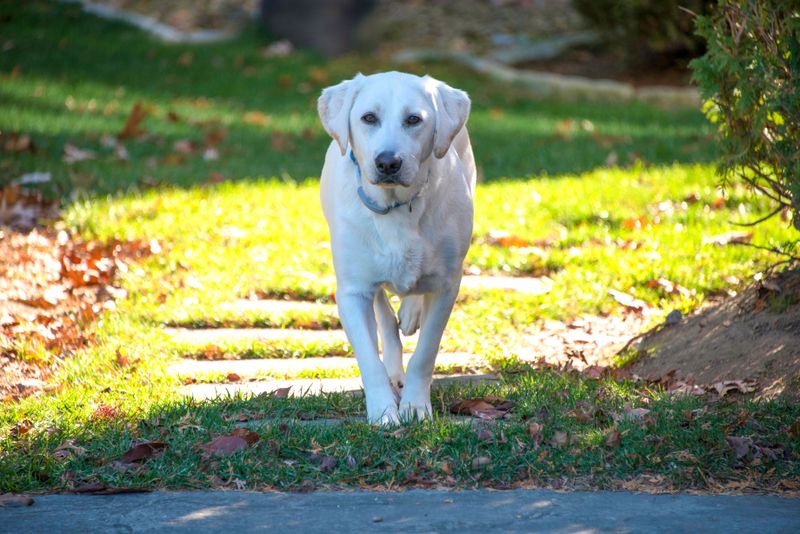
Ask any duck hunter at a Cape May boat launch, and odds are a Lab is riding shotgun. Their thick, water-resistant double coat handles bay chill with ease.
Labs work at a steady pace and flag scent with an expressive tail. That tail doubles as a rudder while swimming.
Weighing 55 to 75 pounds, they suit both marsh and pheasant field. Bonus: their eager, even temper makes training feel like play.
2. Chesapeake Bay Retriever: Built for Icy Water
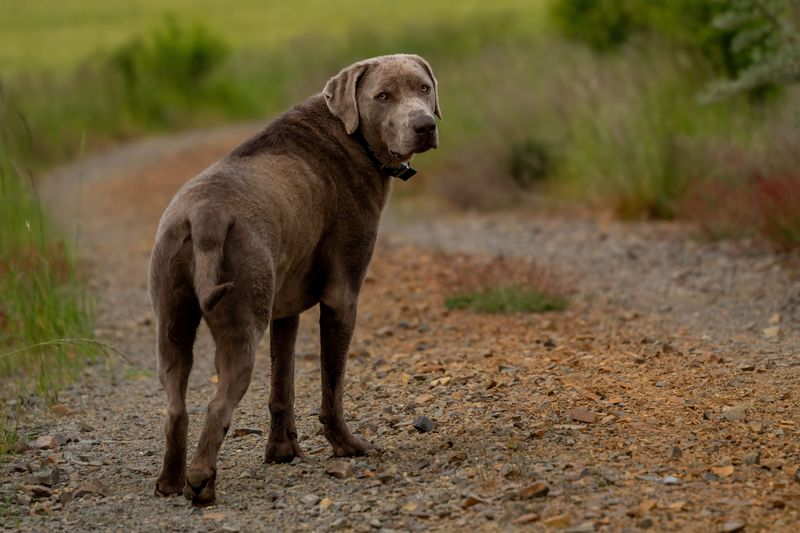
Ice on the decoys? A Chessie barely blinks.
Bred for the rough water just south of us, this breed loves Delaware Bay grit.
An oily outer coat and woolly undercoat keep them toasty. Colors like sedge and deadgrass blend right into marsh reeds.
Webbed feet power strong swims. One tip: keep upland outings short on warm September days, since that heavy frame heats up fast.
3. German Shorthaired Pointer: The Do-It-All Athlete
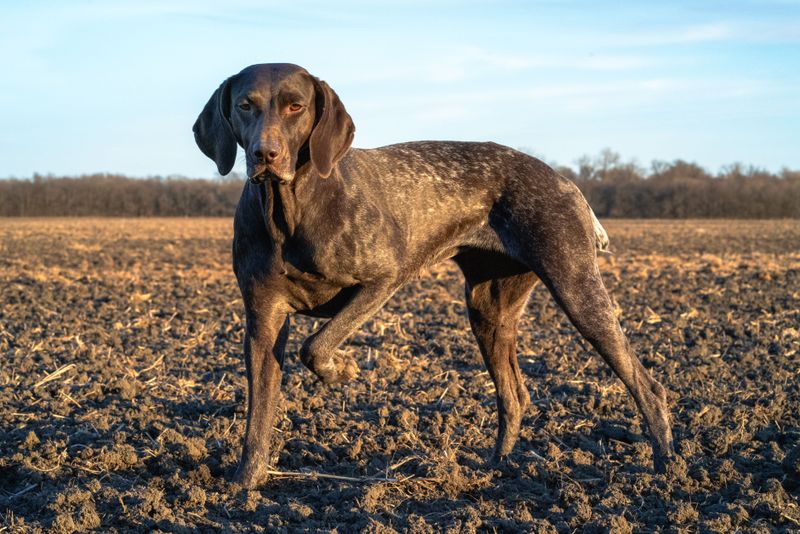
Picture a dog that points quail at dawn and fetches geese by lunch. That is everyday life for a GSP.
Streamlined legs, webbed feet, and a short water-resistant coat let them cover rough ground for hours. Their noses find tiny birds in tall cover.
Young pups show strong instincts early, so training can start sooner. Just plan on long daily runs, or that energy will find your couch cushions.
4. German Wirehaired Pointer: Briar-Proof and Bold
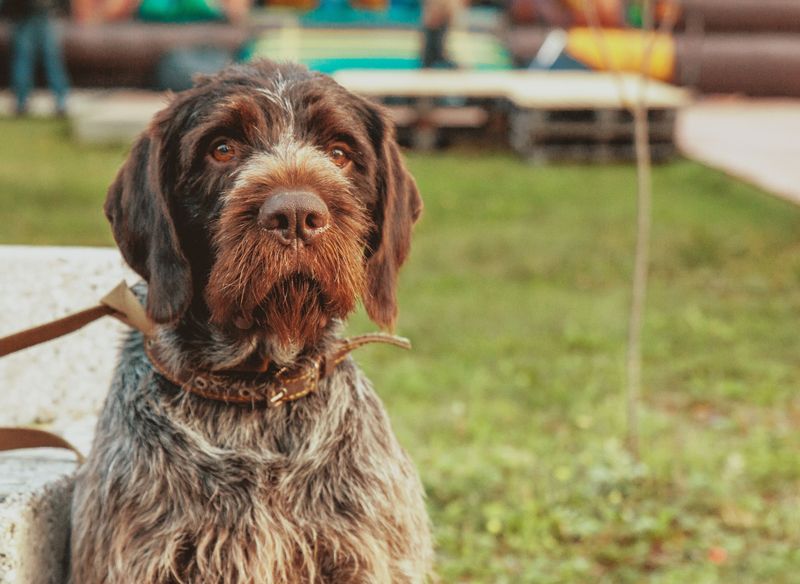
Greenbrier thickets in South Jersey can shred a jacket. A GWP charges through them wearing nature’s armor.
Their coarse, wiry coat blocks thorns, cold, and water, then dries quickly. Around 65 pounds, they are sturdy without being bulky.
Strong water drive and a keen nose make them stars at finding lost birds in dense cover. Give them a job, and you gain a determined, happy partner.
5. English Springer Spaniel: Bouncing Through the Brush
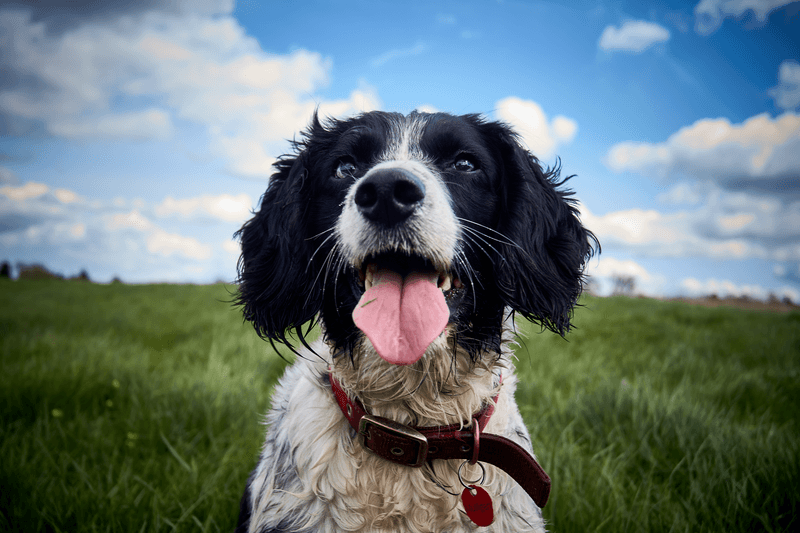
Few sights beat a Springer bursting from a hedgerow, pheasant rocketing skyward. Pure joy on four legs.
These spaniels flush and retrieve on land and in water. Webbed feet make them handy for small-pond ducks too.
Standing about 19 to 20 inches and 40 to 50 pounds, they slip through dense brush easily. Their tireless stamina and eager attitude make long days in Hunterdon fields fly by.
6. Brittany: Small Size, Big Gallop
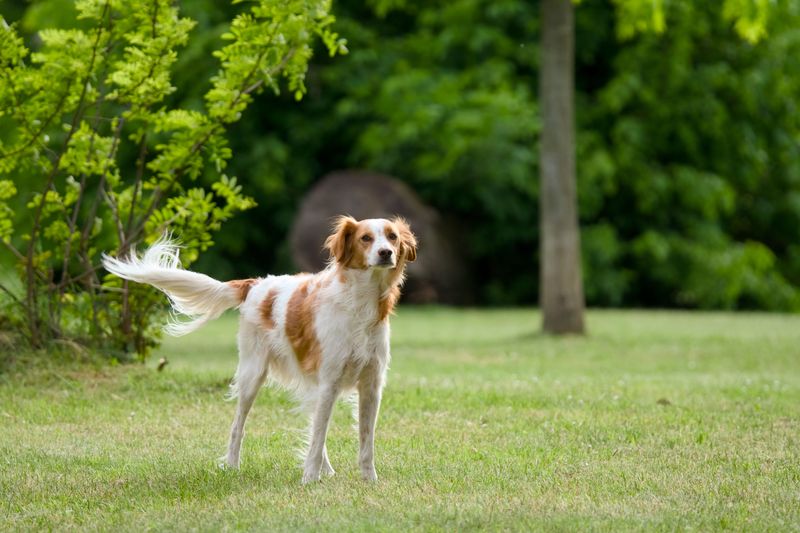
Blink and a Brittany has already crossed half the meadow. These compact speedsters run at a fast gallop.
Even at medium range, they keep checking in with their handler. That connection is gold in wide New Jersey fields.
Brittanys point and retrieve, and some even handle waterfowl. Their size helps them weave through tangled cover.
Friendly and trainable, they do need serious daily exercise to stay sweet.
7. Golden Retriever: Sunshine With a Soft Mouth
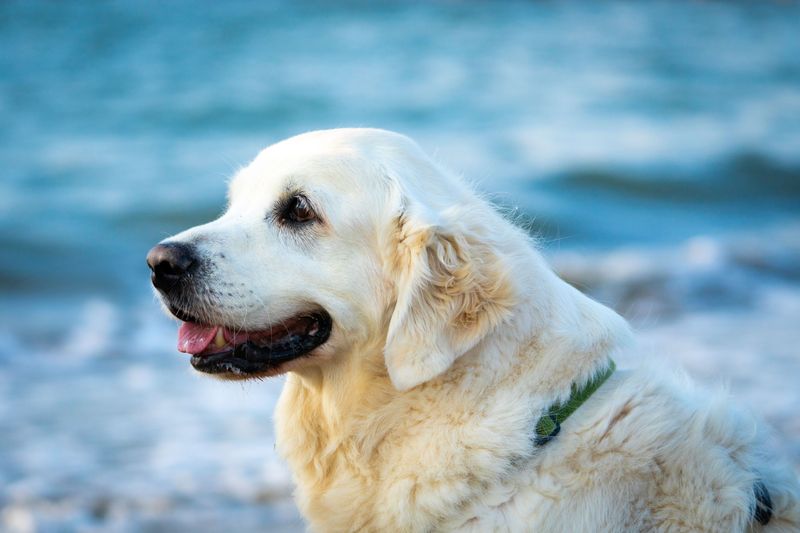
Most folks know Goldens as family sweethearts. Field-bred ones, though, are serious marsh talent.
They mark falls well, brave cold water, and carry birds with a gentle grip. Their noses often find birds other dogs miss.
At 55 to 75 pounds, with a dense double coat, they handle bay weather nicely. Regular field practice keeps their upland skills sharp.
Expect cuddles once the boots come off.
8. Boykin Spaniel: The Little Boat Dog
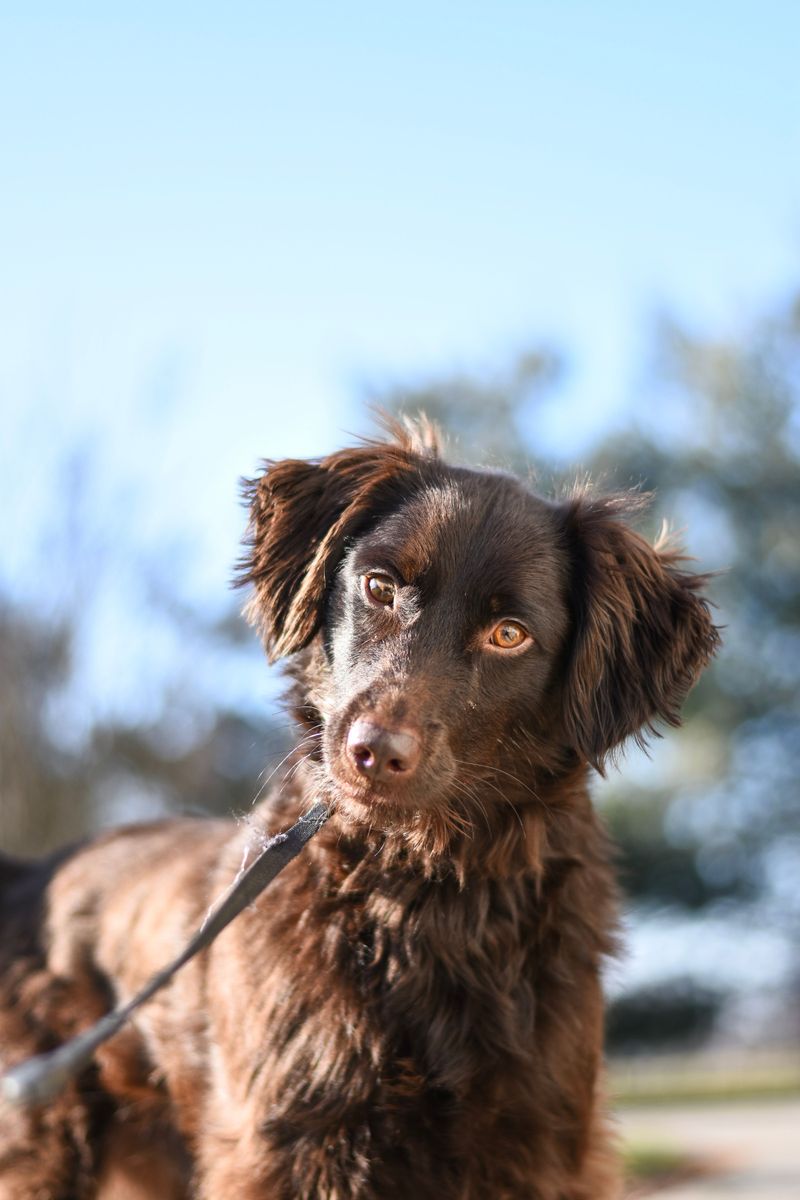
Born in South Carolina swamps, Boykins were sized to fit small boats. A tiny johnboat on a Jersey creek feels like home.
Weighing 25 to 45 pounds, they swim strongly and flush with a bouncy style. Pheasant, quail, and grouse all count.
Hot dove days? Boykins handle heat better than many breeds.
Their friendly attitude also makes switching from field to family room totally smooth.
9. American Water Spaniel: Curly Canoe Companion
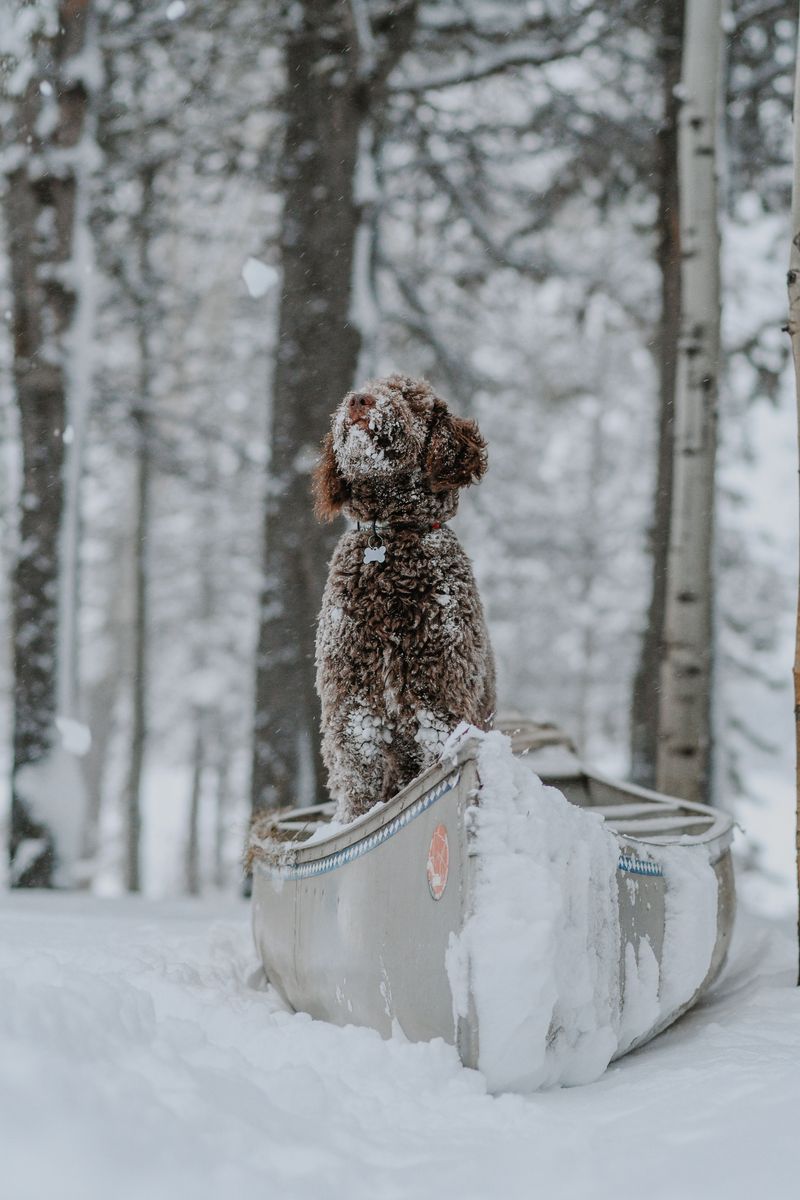
Here is a fun fact: this curly brown dog was developed in the American Midwest for canoe hunting. Pine Barrens paddlers, take note.
Compact bodies keep small boats steady. Webbed feet and a wavy liver coat make swimming second nature.
They flush upland birds close to the gun and retrieve ducks too. Smart and affectionate, they still need plenty of daily exercise to burn off that spark.
10. English Cocker Spaniel: Mighty in the Thickets
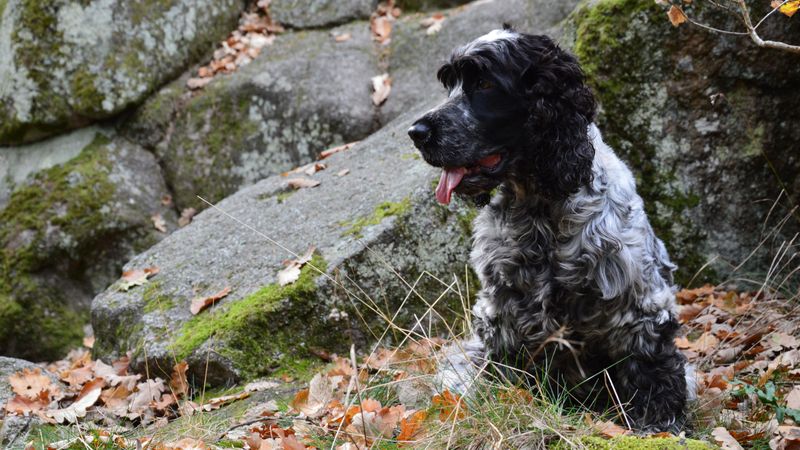
Woodcock love the tangled alder thickets of northern New Jersey. So do English Cockers, the smallest sporting dogs around.
At 15 to 18 inches, they quarter close and stay within gun range. Their sharp noses pick through cover larger dogs avoid.
They swim willingly in mild weather. One training tip: keep sessions short and varied.
Repetition bores these merry, clever little hunters fast.
11. Irish Water Spaniel: Curls and Courage
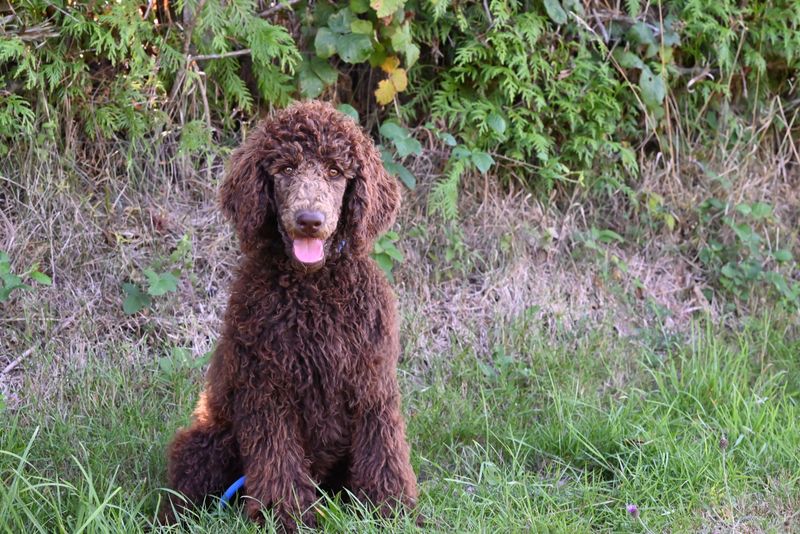
Tight curls, a rat-like tail, and a clownish grin. The Irish Water Spaniel looks unforgettable.
As the largest spaniel, it has the power to bust through heavy cover. A dense curly coat and webbed feet handle cold marsh water beautifully.
They hunt at a moderate pace with relentless energy. Plan for brushing after outings, though.
Burrs and grass awns love hiding in those curls.
12. Pudelpointer: Calm Mind, Wiry Coat
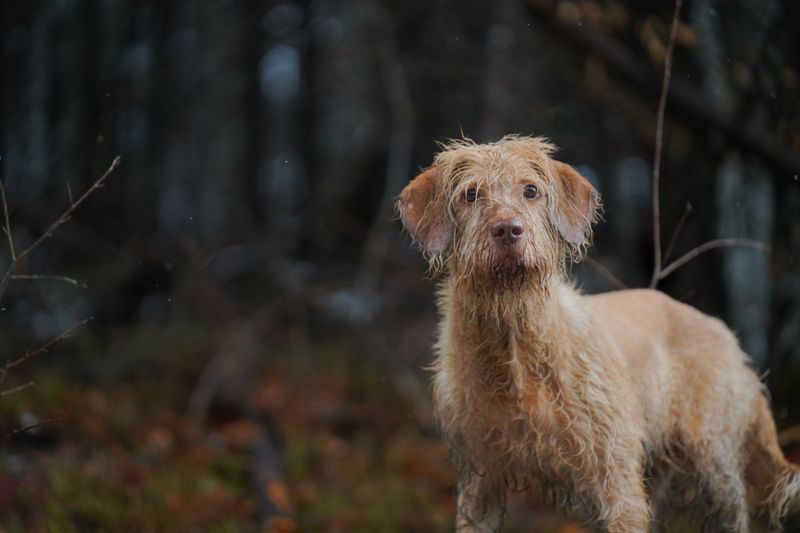
Cross a Poodle with a Pointer, and you get a quiet overachiever. Fields, woods, and wetlands all suit the Pudelpointer.
Their harsh wiry coat and woolly undercoat block briars and nasty weather. Weighing 44 to 66 pounds, they balance power with agility.
Calm and self-controlled, they still bring serious drive. They point, retrieve, and even track lost game.
Water? They take to it naturally.
13. Small Münsterländer: Close Range, Big Heart
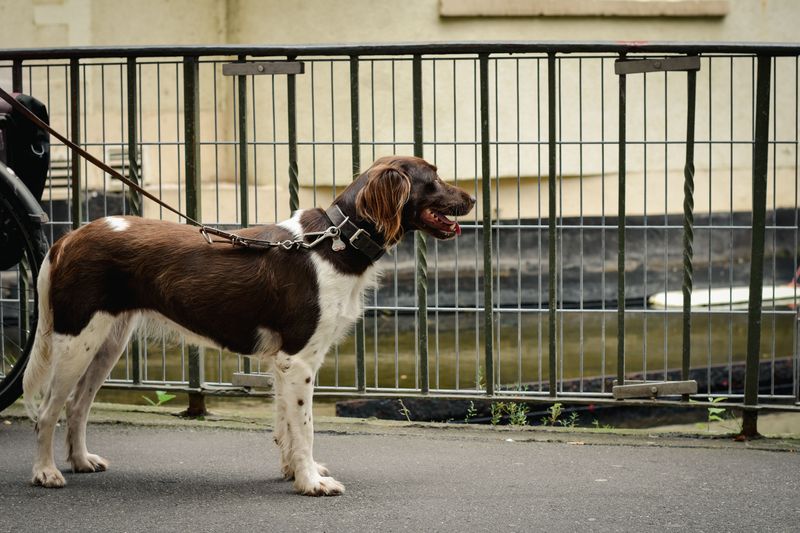
Tall cattails swallow many dogs whole. A Small Münsterländer plunges right in and comes back with the bird.
With an average range of about 50 yards, they suit foot hunters perfectly. They search close, point firmly, and dive into water quickly.
Looking like a spaniel and setter blend, they charm everyone. Indoors, they have a handy off switch.
Outdoors, the engine roars back.
14. Nova Scotia Duck Tolling Retriever: The Playful Lure
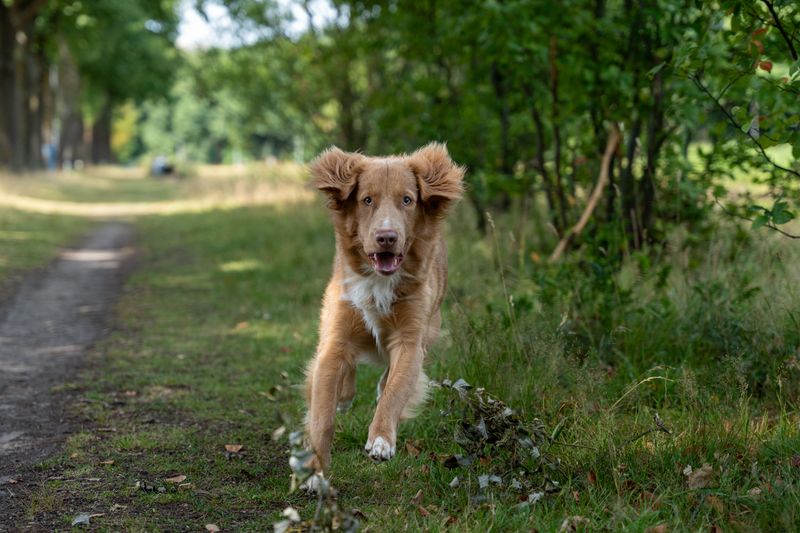
Ever seen ducks paddle closer just to watch a dog play? That trick is called tolling, and Tollers invented it.
As the smallest retrievers, they stand 17 to 21 inches tall. A thick water-repellent coat lets them break thin ice to fetch birds.
They also flush upland birds with a close style. Tollers learn best with positive, upbeat training, so pack treats and patience.
15. English Setter: Elegance in Motion
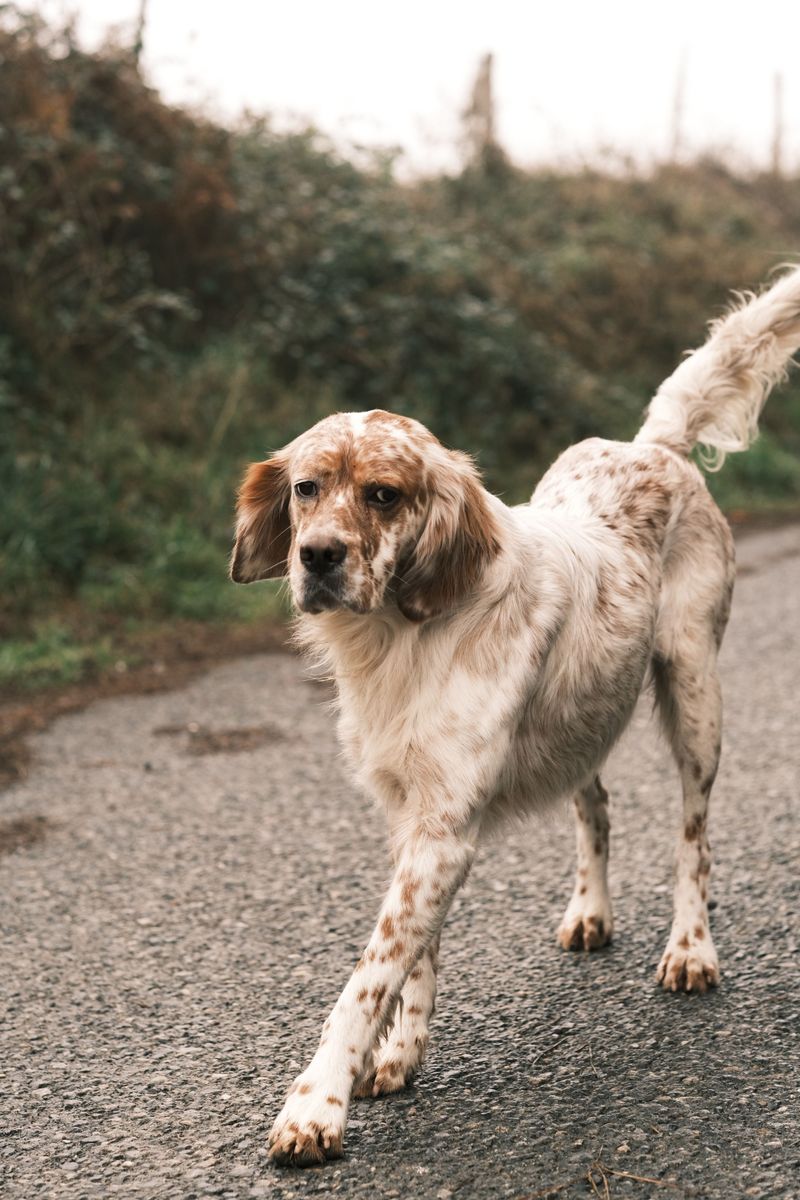
Watching an English Setter glide across a field feels like watching ballet. The stride flows, then freezes into a graceful point.
Bred to range wide, they shine in open country for quail and pheasant. Their noses are remarkable, and their mouths soft.
Weights run 45 to 80 pounds. That silky coat needs combing after each outing.
Their affectionate spirit makes every grooming session worthwhile.
16. English Pointer: Born to Run
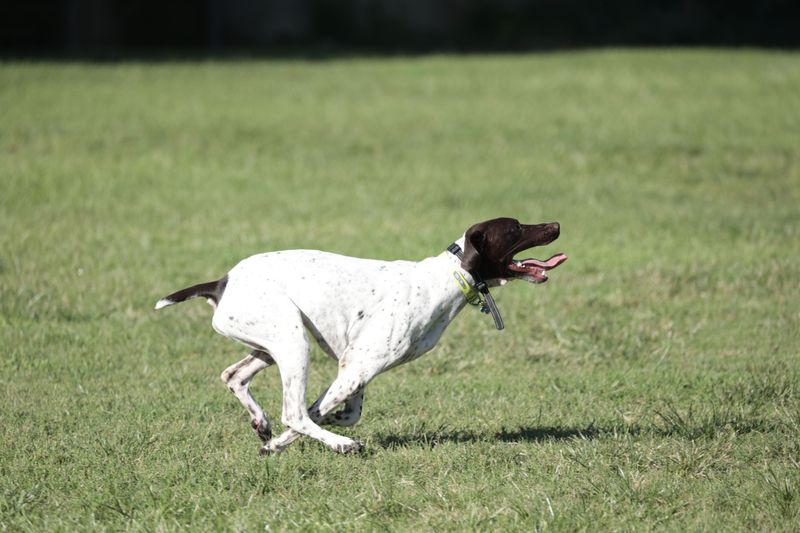
Tail high, body frozen, nose locked on a hidden covey. The English Pointer’s stance is famous for good reason.
Built for hard, flat-out running, they thrive in wide-open fields. Their short, tight coat stays low maintenance.
Retrieving does not come naturally, but training helps. Sizes range from 45 to 75 pounds.
Give them big spaces to stretch, and they become sweet housemates afterward.
17. Vizsla: The Golden Velcro Dog
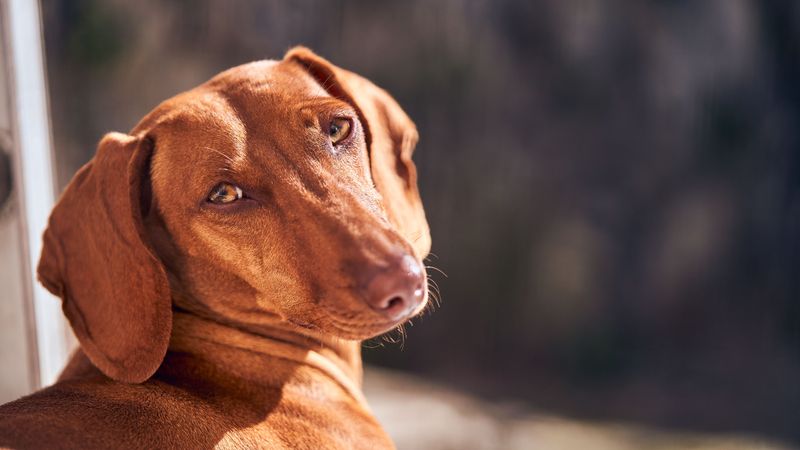
Golden rust coats glow in morning light as a Vizsla sweeps the field. Hungary’s pride brings flash and focus.
They cover ground efficiently, using sharp eyes and sensitive noses. Smooth Vizslas lean toward upland work.
Wirehaired cousins handle cold water better.
At home, they stick to you like tape. That is why fans call them Velcro dogs.
Daily exercise keeps that sweetness balanced.
18. Spinone Italiano: Bearded and Tireless
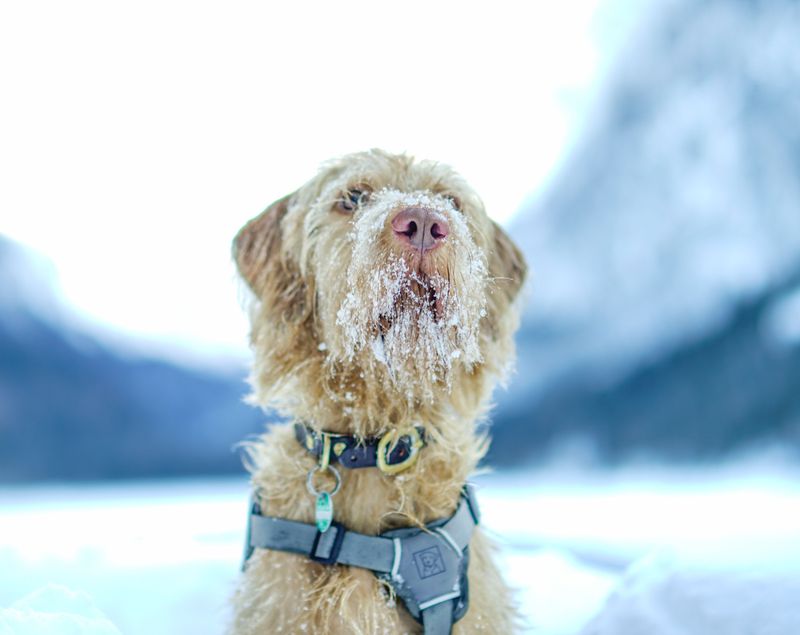
Bushy eyebrows, a mustache, and a beard give the Spinone a wise old professor look. Underneath beats a tireless hunter.
This ancient Italian breed points, tracks, and retrieves through dense cover and deep water. A wiry coat sheds water and resists thorns.
Weighing 60 to 85 pounds, they work all day at a steady clip. Patient and kind, they settle beautifully into family life.
19. Flat-Coated Retriever: Forever Young
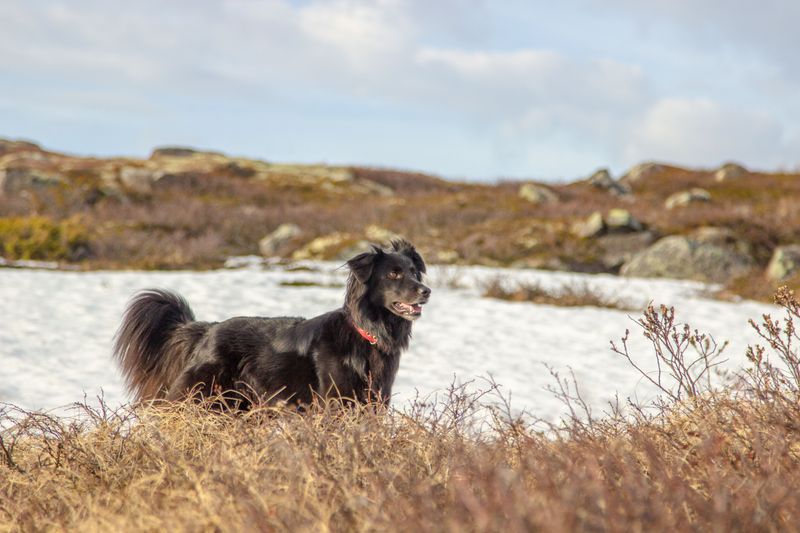
Known as the Peter Pan of dogs, the Flat-Coat never quite grows up. Its happy wiggle lasts for years.
These 60 to 70 pound athletes flush pheasant in heavy cover and retrieve from water. They hunt with heads held high, almost like setters.
Without a thick undercoat, they dry faster than some retrievers. That makes muggy Jersey marsh mornings easier.
Trainable and cheerful, they love every outing.