What Maryland Law Says About Dogs Riding Unrestrained In Pickup Beds
If your dog loves riding in the back of your truck, you are far from alone. Many Maryland owners enjoy that happy picture of ears flapping in the breeze.
Still, the rules about pickup beds are not the same everywhere in the state. Some counties and towns have clear requirements, while state law covers the bigger picture of animal care.
Think of this guide as a friendly chat with someone who has already done the homework. You will learn what the state says, what local rules add, and how to keep your pup safe and legal on every drive.
1. No Single Statewide Pickup Bed Ban
Here is the starting point that surprises many owners. Maryland does not have one blanket statewide law that bans dogs from riding unrestrained in pickup beds.
That does not mean anything goes. Other state laws about animal care still apply to how you travel with your dog.
Many counties and towns also set their own clear transport rules.
So the real answer depends on where you live and drive. Knowing both layers keeps you confident and prepared.
2. The Unnecessary Suffering Rule
Picture a law with a wide umbrella. Maryland Criminal Law § 10-604 prohibits causing unnecessary suffering or pain to animals.
The statute does not name pickup trucks directly. However, a dog bouncing loose in an open bed could face real risks.
Sudden stops, sharp turns, or flying road debris can all lead to injury.
If a ride causes a dog avoidable pain, officials may look at this law. A secure setup keeps you well clear of that concern.
3. Air, Space, Shelter, and Weather Protection
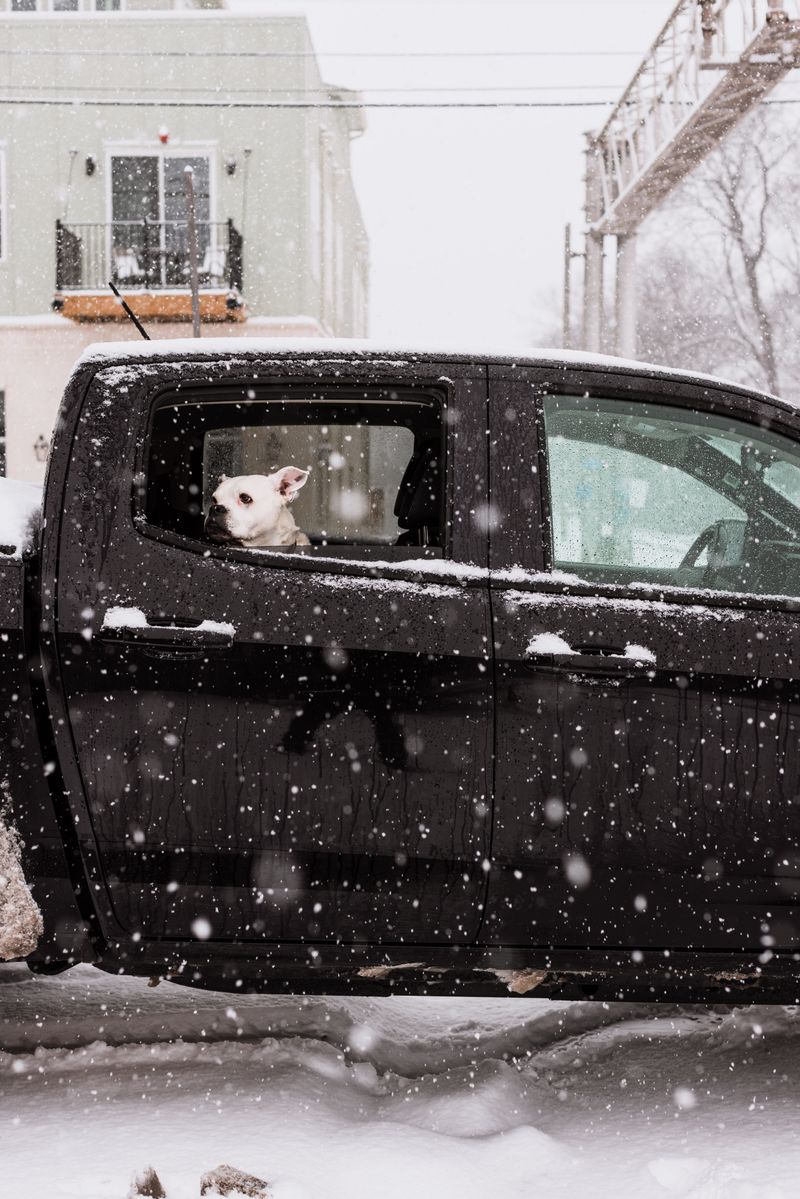
Basic care does not stop when you leave the driveway. Maryland law requires owners and custodians to provide proper air, space, shelter, and protection from weather.
A truck bed can get very hot in July. Metal surfaces soak up sun and can burn tender paws.
Winter wind can chill a dog quickly too.
Bring water, add shade, and lay down a mat on hot days. On harsh weather days, the cab is often the kinder choice.
4. Penalties Under § 10-604
Numbers help make things real. A violation of § 10-604 is a misdemeanor in Maryland.
A conviction can bring a fine of up to $1,000, up to 90 days in jail, or both. Courts may also add conditions, such as counseling or limits on owning animals.
Most owners never come close to this. Still, knowing the stakes makes it easier to choose a crate over a loose ride.
A small habit change offers big peace of mind.
5. Stronger Penalties Under § 10-604.1
Maryland treats the most serious outcomes with extra weight. Under § 10-604.1, stronger penalties can apply when abuse or neglect leads to an animal not surviving.
The same applies if medically necessary euthanasia becomes needed. In those cases, a person may face up to one year in jail, up to $5,000 in fines, or both.
The goal is clear. The state wants owners to take care seriously.
Thoughtful travel habits keep your dog far from that territory.
6. Parked Vehicles and Unattended Dogs
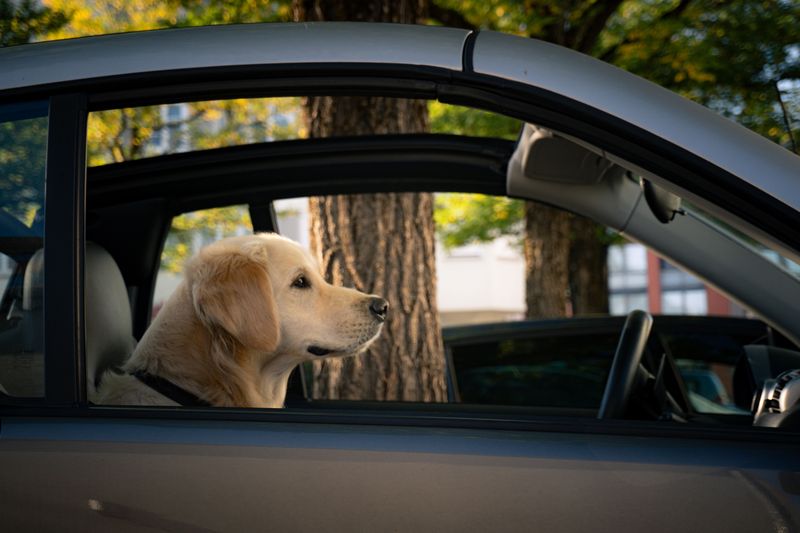
Quick errand, warm afternoon, dog waiting in the truck. That familiar moment is where Transportation § 21-1004.1 comes in.
The law prohibits leaving a dog unattended in a standing or parked vehicle under conditions that endanger its health or safety. Officers, animal control, and rescue workers may use reasonable force to remove an animal at risk.
A parked truck bed in full sun can heat up fast. When in doubt, bring your pup inside or leave them home.
7. Local Rules Can Go Further
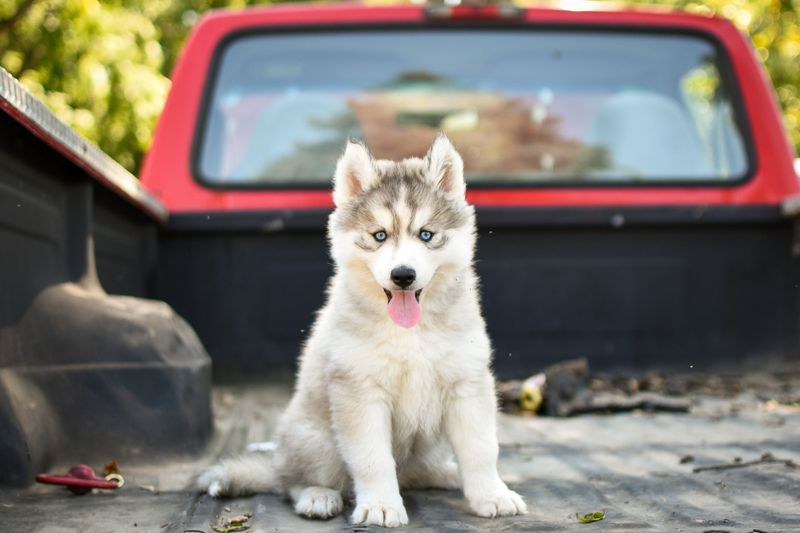
Think of state law as the floor, not the ceiling. Local governments in Maryland may set stricter animal transportation rules than the statewide ones.
That is why a ride that seems fine in one county may break a rule in the next. Codes also change over time, so older advice may be outdated.
Before a road trip, check the county code or call animal control. A five minute phone call can save real headaches later.
8. Anne Arundel County Requires a Secure Container
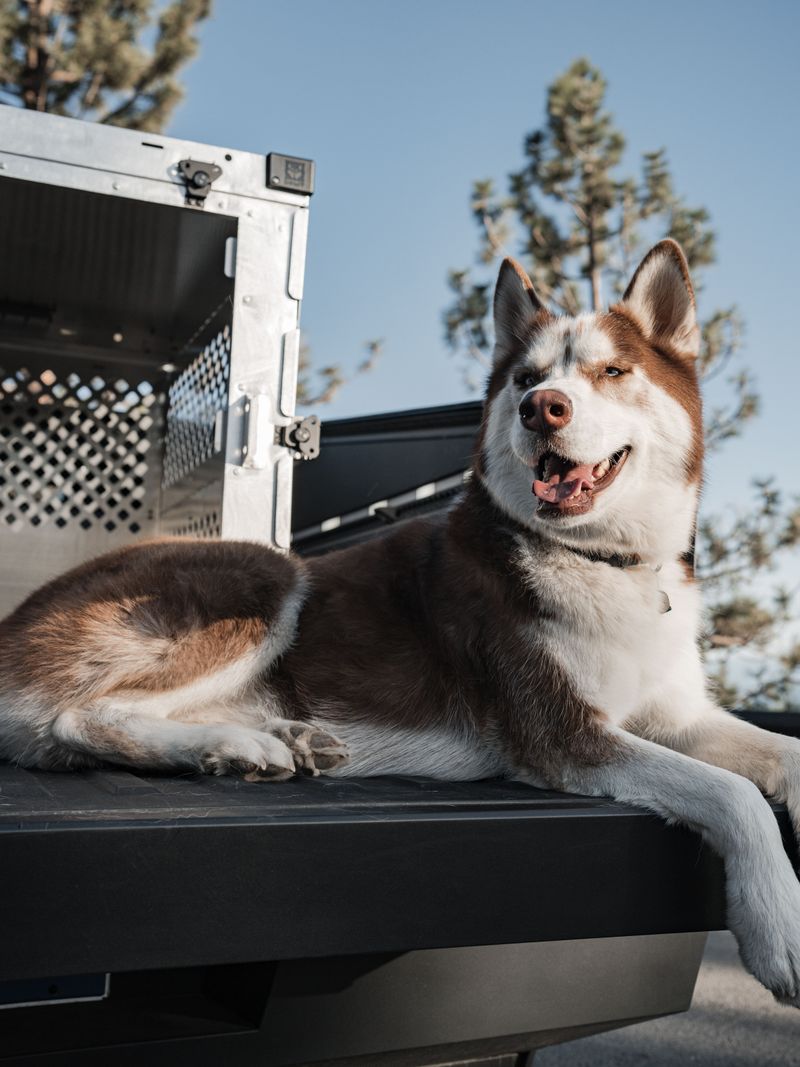
Heading toward Annapolis with your pup in the back? Anne Arundel County has a direct rule on this.
Dogs may not ride in unenclosed parts of a vehicle unless secured in an appropriately affixed, ventilated container, cage, or similar protective device. A loose dog in an open bed does not meet that standard.
A sturdy, airy crate that is fastened down checks the boxes. Your dog also gets a cozy spot that feels like a little den.
9. Anne Arundel’s $50 Fine
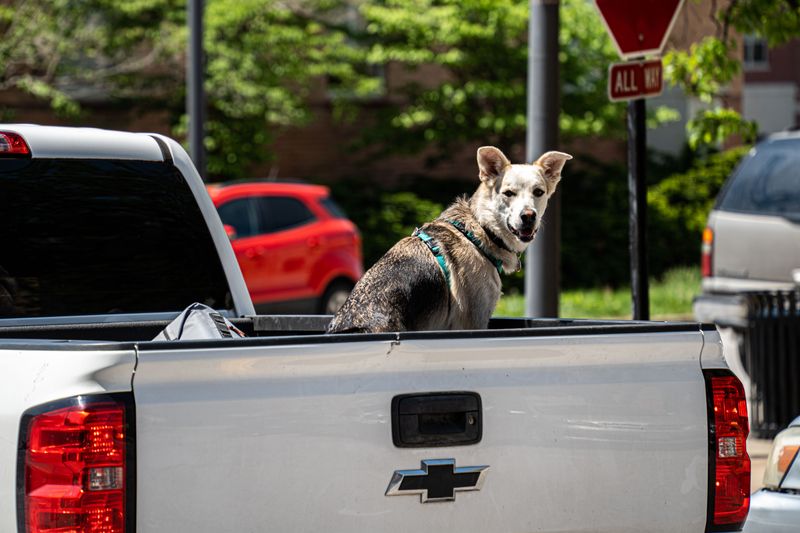
Compared with state penalties, this one is modest. A violation of Anne Arundel County’s animal transportation provision carries a $50 fine.
Fifty dollars may not sound like much. Yet that money could easily cover part of a good truck bed crate instead.
Viewed that way, buying proper gear is the smarter deal. You avoid the ticket, and your dog rides with steady protection.
Everyone heads home happier, including your wallet.
10. Baltimore City Offers Two Options
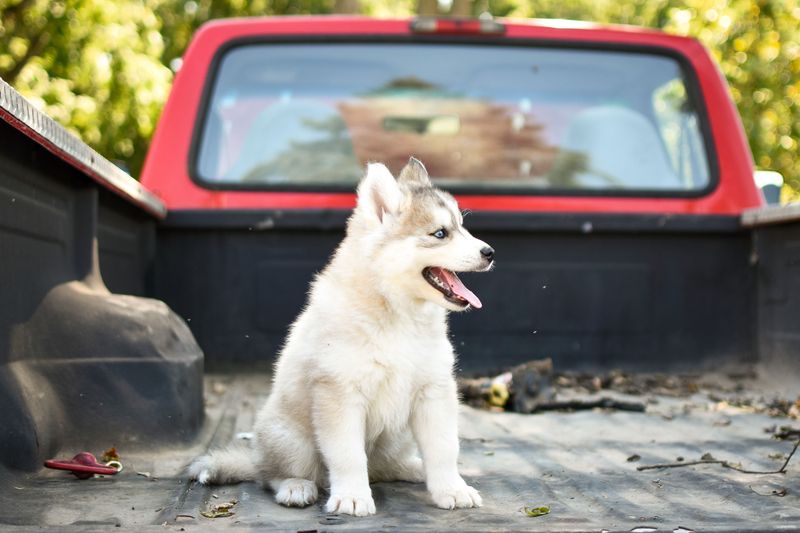
City streets bring tight turns, potholes, and lots of stop-and-go traffic. Baltimore City requires dogs in unenclosed vehicle areas to be secured.
Owners can use a secure tether or a securely affixed, ventilated crate. Either option is acceptable under the city rule.
If you choose a tether, keep it short enough that your dog cannot reach the sides. Many owners find a fastened crate simpler and calmer for busy city driving.
11. Calvert County Wants a Proper Enclosure
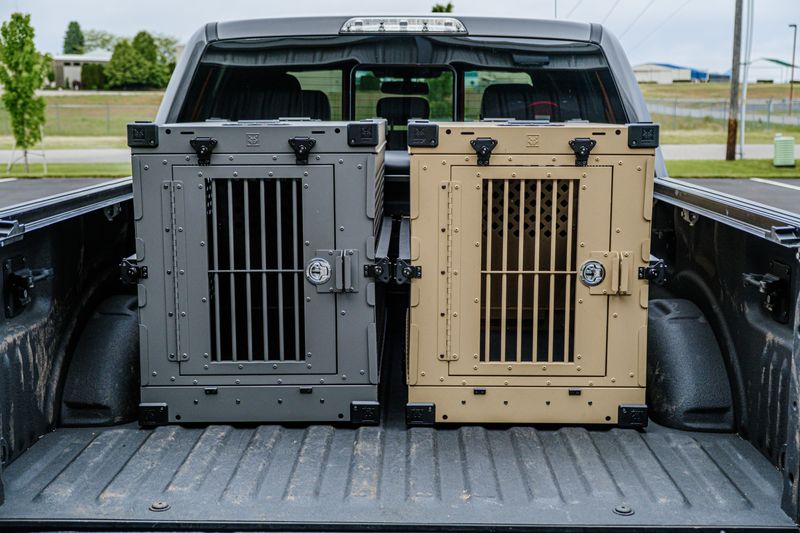
Size matters in Southern Maryland. Calvert County requires animals in unenclosed vehicle areas to be confined in securely affixed, appropriately sized transport enclosures.
A good fit means your dog can stand, turn around, and lie down comfortably. Too much room lets them slide during braking.
Too little space feels cramped.
Measure your dog from nose to tail base, then add a few inches. Fasten the crate firmly so it stays put on curvy bay roads.
12. No Cross-Tethering in Calvert
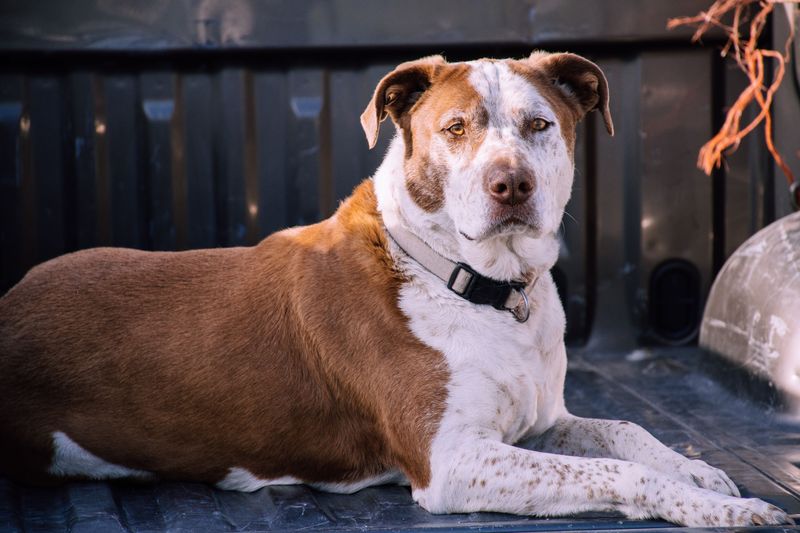
Here is a detail many drivers miss. Calvert County specifically prohibits cross-tethering as a way to secure dogs in motor vehicles.
Cross-tethering means clipping a dog between two lines attached to opposite sides of the bed. Some places allow it, but Calvert does not.
If you have used this method elsewhere, switch to a fastened enclosure when driving in Calvert. Ratchet straps or bolts can hold a crate firmly in place.
13. Calvert’s Class B Violations
Local codes often sort violations into classes. Calvert County classifies breaking its open-vehicle confinement and cross-tethering rules as Class B violations.
The fine tied to each class is set by county code and can be updated. Some online summaries list these rules differently, so details may vary.
For the current amount, contact Calvert County Animal Control or read the county code directly. Getting the facts straight from the source keeps you fully informed.
14. Charles County Calls for Ventilated Containers
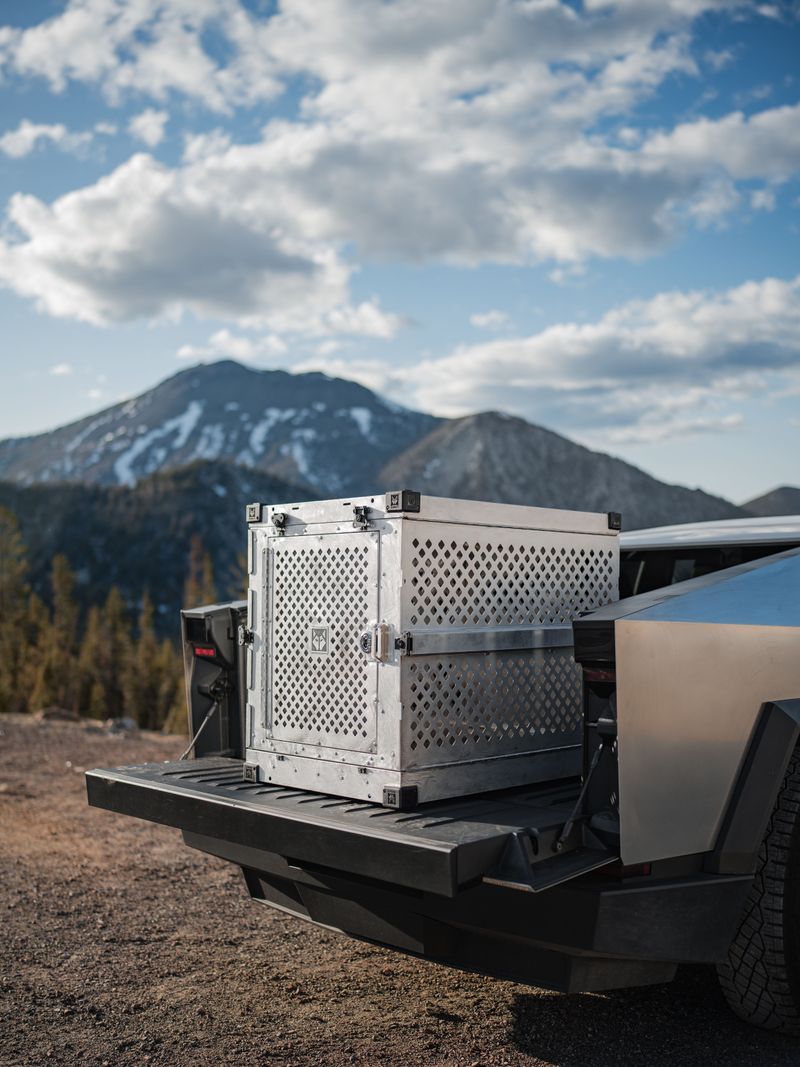
Fresh air is a key word in Charles County. Animals riding in unenclosed parts of a vehicle must be confined in securely affixed, well-ventilated containers or similar protective devices.
Look for crates with openings on several sides. Solid plastic boxes with tiny holes can trap heat on sunny days.
Wire or vented crates with a weather cover work nicely. You get airflow in summer and a little shelter when clouds roll in.
15. Montgomery County Allows Tethers or Cages
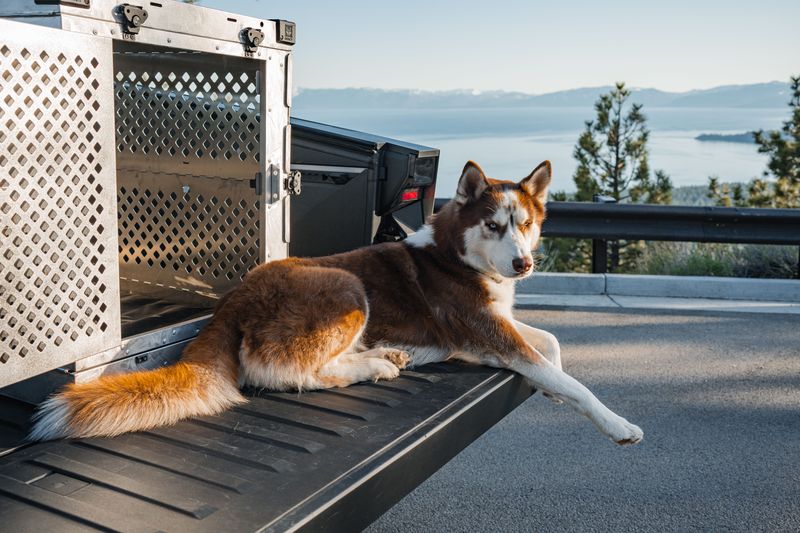
Montgomery County takes a slightly different path. Dogs riding in open-bed trucks must be cross-tethered or confined in a suitable cage.
Notice the contrast with Calvert, where cross-tethering is not allowed. Rules truly shift from one county line to the next.
If you tether, attach lines to both sides so your dog stays centered. Use a harness, not a collar, to spread pressure gently across the chest during stops.
16. Anchor That Cage in Montgomery
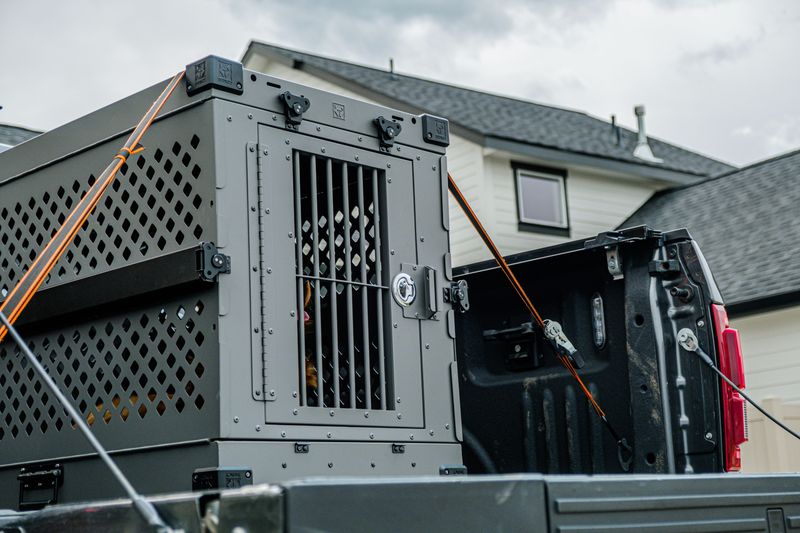
A crate that slides around is only half a solution. Montgomery County requires transport cages to be anchored or tethered so they do not move while driving.
Most truck beds have tie-down points near the corners. Ratchet straps through these points hold a crate snugly.
Give the crate a firm push before each trip. If it shifts, tighten the straps.
That quick check takes seconds and keeps your dog steady.
17. Queen Anne’s County Says No Loose, Tethered, or Chained Rides
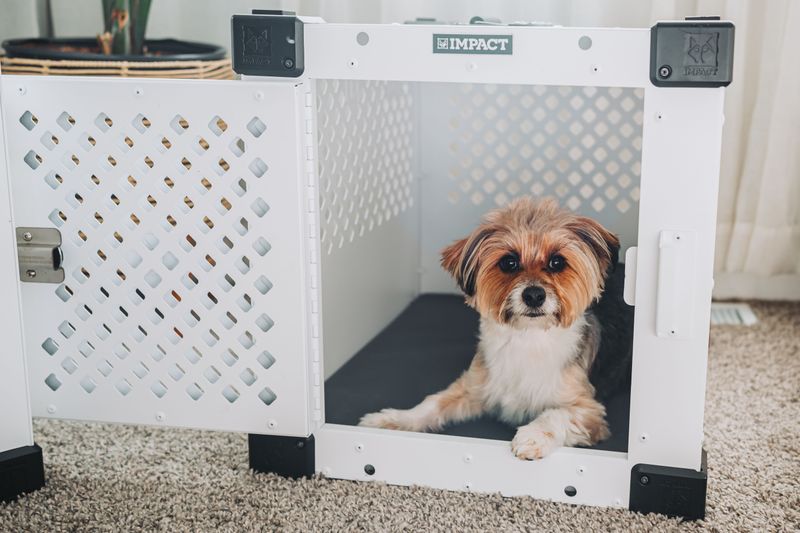
On the Eastern Shore, one county keeps things very clear. Queen Anne’s County prohibits animals from riding loose, tethered, or chained in unenclosed vehicle areas.
Instead, a securely affixed, ventilated enclosure or similar device is required. Tethers alone do not count here.
So if you cross the Bay Bridge with your dog, plan ahead. Pack a fastened crate, or let your buddy ride inside the cab with a seat harness.
18. Leonardtown’s Town Rule and Final Thoughts
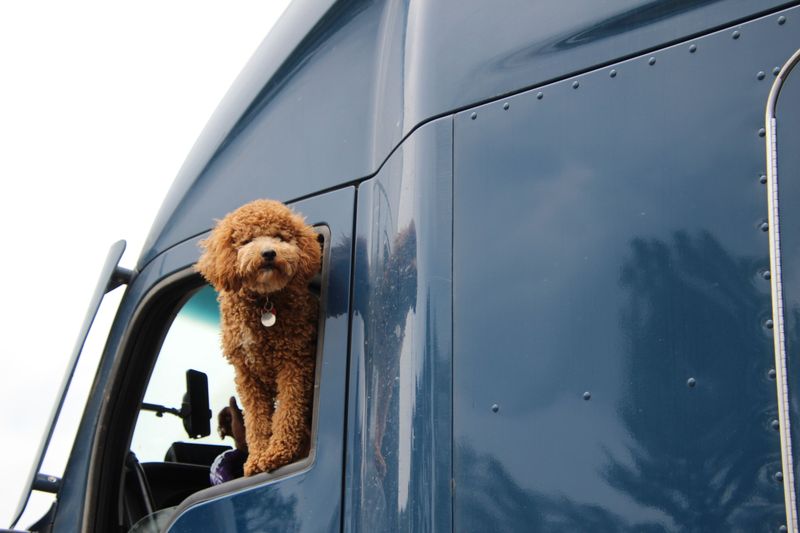
Even small towns can have their own rules. Leonardtown prohibits animals in unenclosed vehicle areas unless secured in a properly affixed, ventilated container, cage, or similar device.
That brings the whole picture together. State law covers care and safety, while local codes add specific transport rules.
When unsure, choose a fastened, airy crate or the cab. Confirm local details with animal control.
Then enjoy the ride, knowing your dog is safe and you are prepared.