Moving To Michigan’s Upper Peninsula With A Dog Changes These 15 Daily Habits
Moving to Michigan’s Upper Peninsula gives you and your dog plenty of room to explore. It also changes small routines, from checking the forecast to keeping towels beside the door.
Snowy mornings, wooded trails, and long drives become easier when you know what to expect. A few steady habits can help you enjoy your new home while keeping your dog comfortable through every season.
1. Morning Walks Follow the Weather
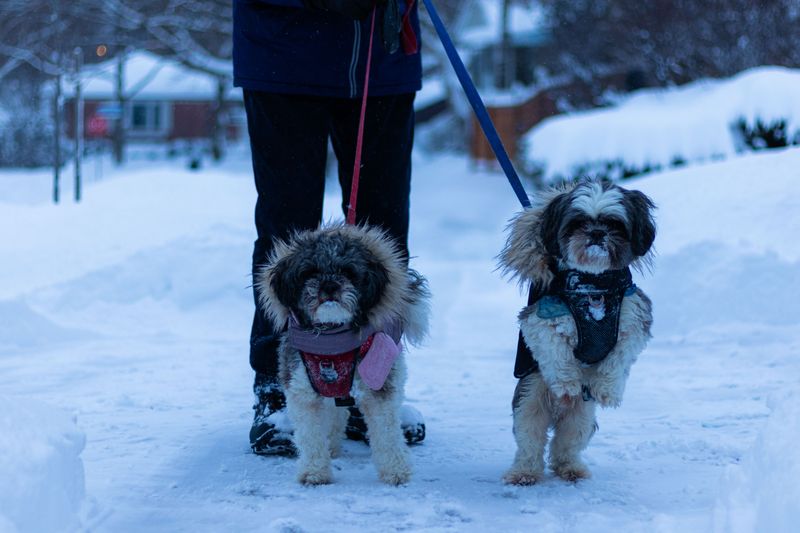
A sunny window can hide a sharp wind off Lake Superior. Check the temperature, wind chill, and forecast before choosing your morning route.
Conditions can differ between sheltered streets and open shorelines.
Let your dog’s comfort guide the outing, not a fixed walking goal. Puppies, older dogs, and dogs with thin coats may need shorter trips.
Turn home when your dog shivers, lifts paws, or seems reluctant to continue walking outside.
2. Snow Depth Gets Checked Before Potty Breaks
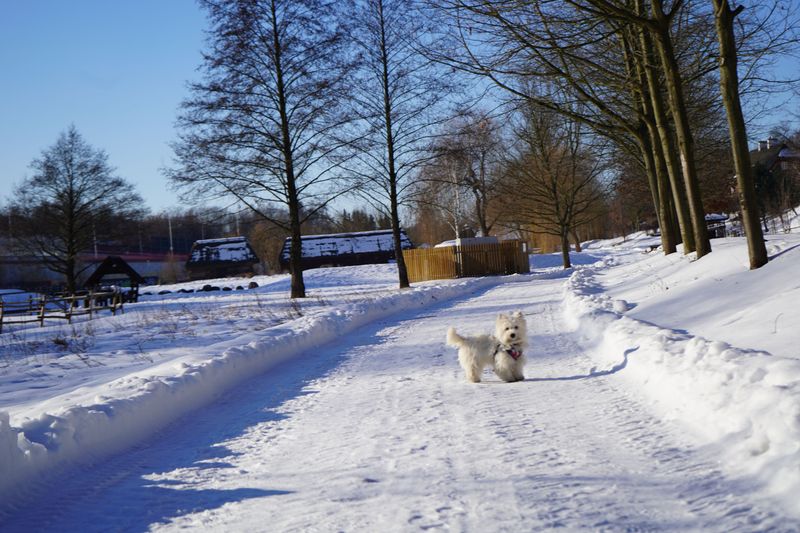
Yesterday’s clear yard may disappear beneath fresh lake effect snow. Before opening the door, check drifting near steps, gates, and your usual potty spot.
Deep snow can make simple trips difficult for smaller dogs.
Keep a short path cleared and inspect fences after storms. Packed snow can reduce a fence’s effective height.
Stay outside with your dog, especially during heavy snowfall, and reward quick potty breaks with a comfortable return indoors.
3. Paw Cleaning Moves Into the Entryway
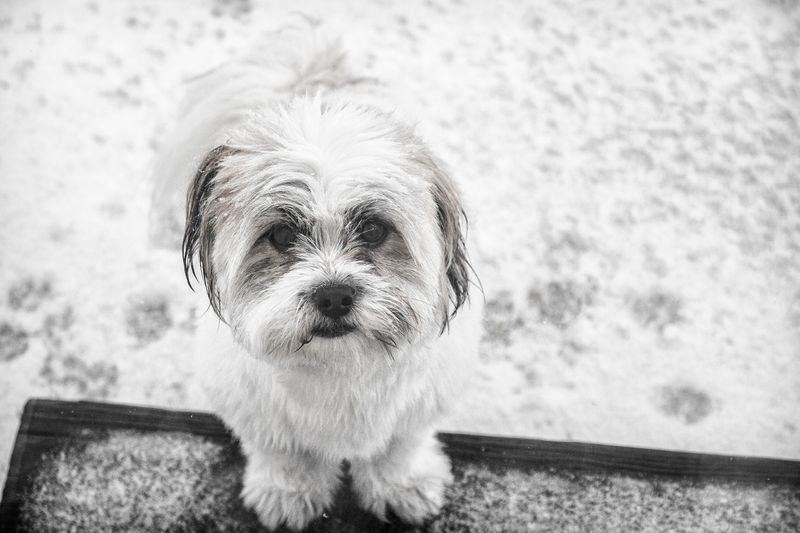
Your entryway soon becomes a tiny paw care station. Road salt, grit, and snowballs can collect between toes during ordinary neighborhood walks.
Keep lukewarm water, soft cloths, and a washable mat beside the door.
Rinse dirty paws, dry between the toes, and check for redness or small cracks. Properly fitted boots may help some dogs.
Prevent licking until residue is removed, and ask your veterinarian about irritation that does not settle quickly.
4. Winter Daylight Shapes Your Walking Schedule
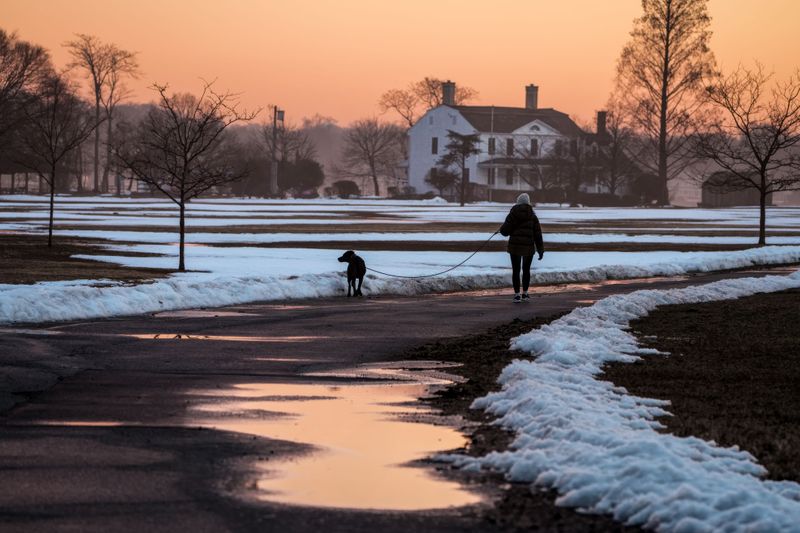
By late afternoon, a familiar route may already look dim. Move longer winter walks into daylight whenever your schedule allows.
Save shorter, familiar loops for mornings or evenings when visibility is limited.
A reflective leash, visible clothing, and a small light help others notice you. Choose cleared routes with room away from traffic.
Avoid assuming drivers can see around snowbanks, and keep your dog beside you when crossing streets after sunset.
5. Wildlife Watching Becomes Part of Every Outing
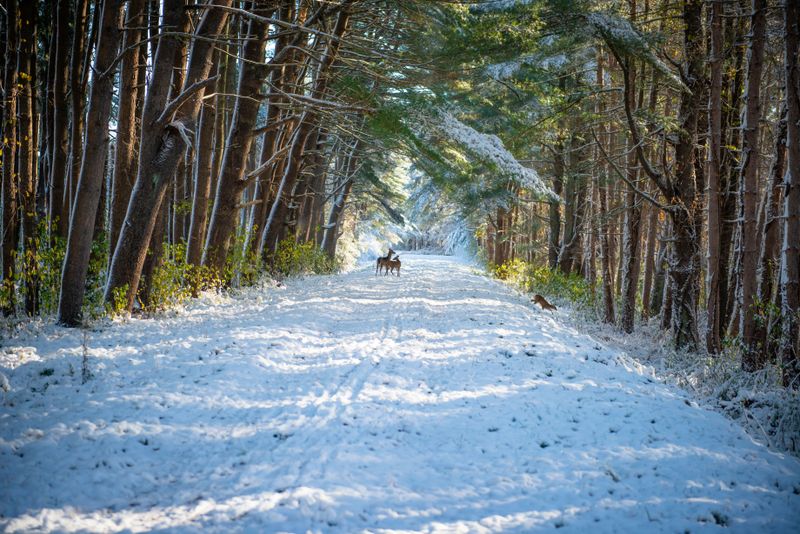
A rustle beside the trail deserves your attention before your dog’s. Deer, porcupines, skunks, and other wildlife share many Upper Peninsula neighborhoods.
Scan ahead, especially around brush, wooded yards, and quiet roadside stretches.
Keep enough leash control to turn away without approaching an animal. Never encourage chasing or allow greetings with wildlife.
Secure household trash and avoid leaving pet food outdoors. If an encounter causes injury, contact a veterinarian for appropriate guidance.
6. Tick Checks Join the After-Walk Routine
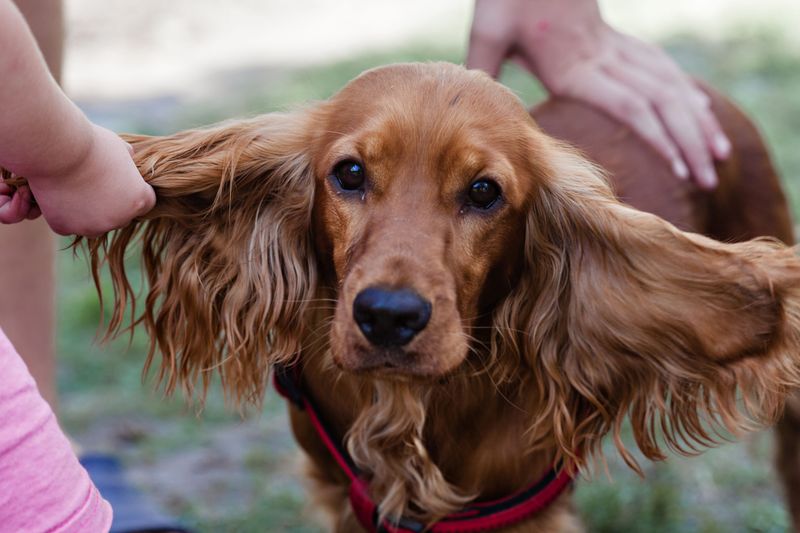
Cool weather does not automatically mean a tick free walk. Ticks can become active during mild periods, including outside summer.
Ask your veterinarian which prevention schedule fits your dog and local conditions.
After outings, check ears, toes, armpits, and beneath the collar. Feel through thick fur rather than relying on a quick glance.
Remove attached ticks promptly with an appropriate tool and steady technique. Your veterinary team can demonstrate removal and explain concerning changes.
7. Ordinary Outings Need a Better Packed Bag
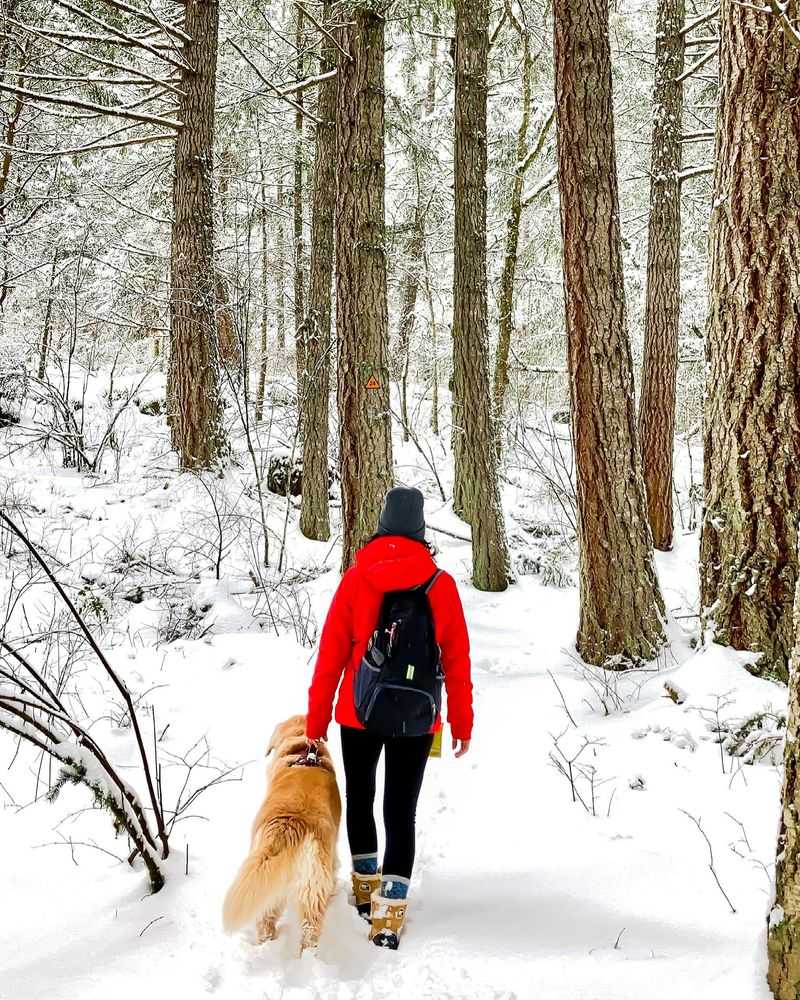
A quick drive can lead farther from supplies than expected. Pack water, a bowl, waste bags, a spare leash, and basic first aid materials.
Bring any medication your dog may need during delays.
Keep identification current, including your new address and phone number. Download directions before entering areas with weak service.
During winter travel, add blankets and extra food. Check road conditions before leaving, and tell someone your route for remote outings.
8. Summer Exercise Shifts Toward Cooler Hours
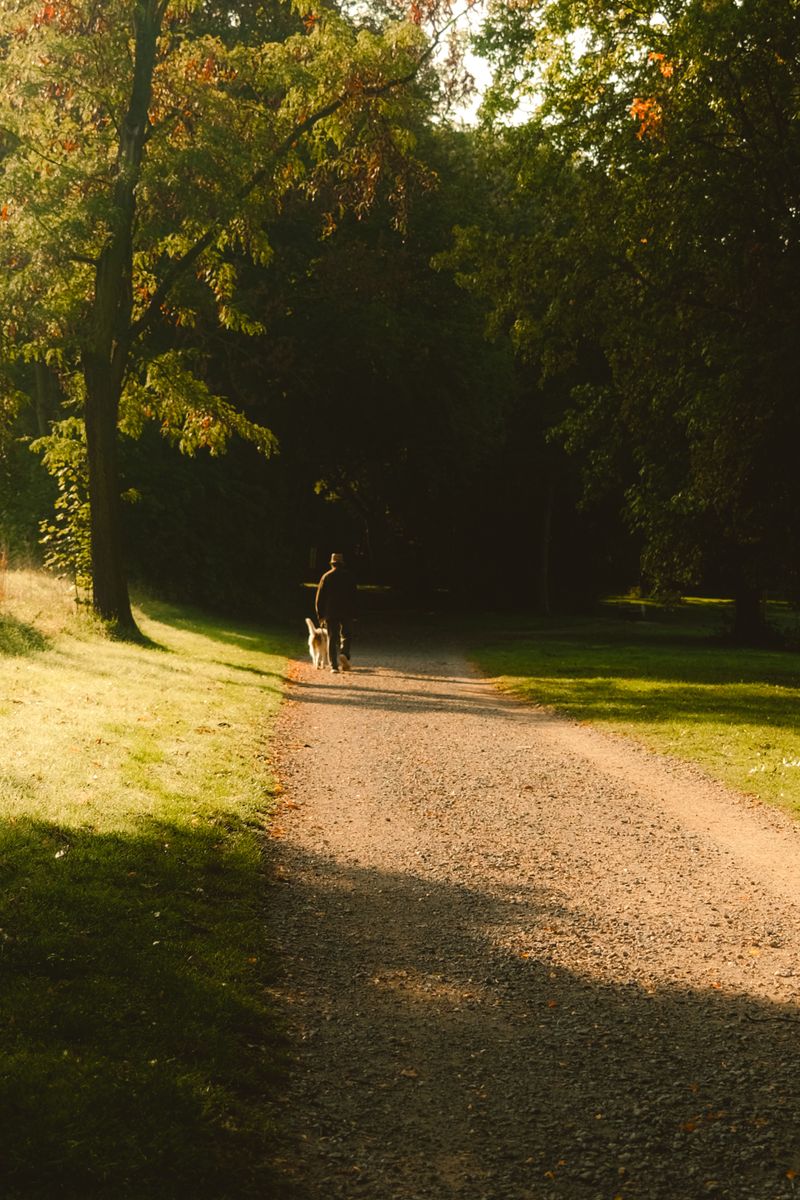
Northern summers still bring days that feel hot to dogs. Choose early or late walks, and favor shaded routes over exposed pavement.
Carry drinking water even when lakes seem close to your path.
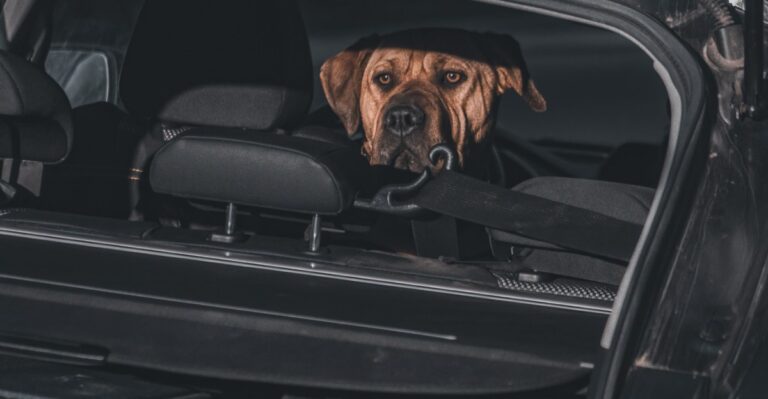
Never leave your dog waiting in a parked vehicle. Watch for heavy panting, slowing, or unusual behavior, and stop activity when needed.
Move into cooler surroundings and contact a veterinarian promptly if your dog seems unwell during warm weather.
9. Familiar Routes Get Checked for Hidden Ice
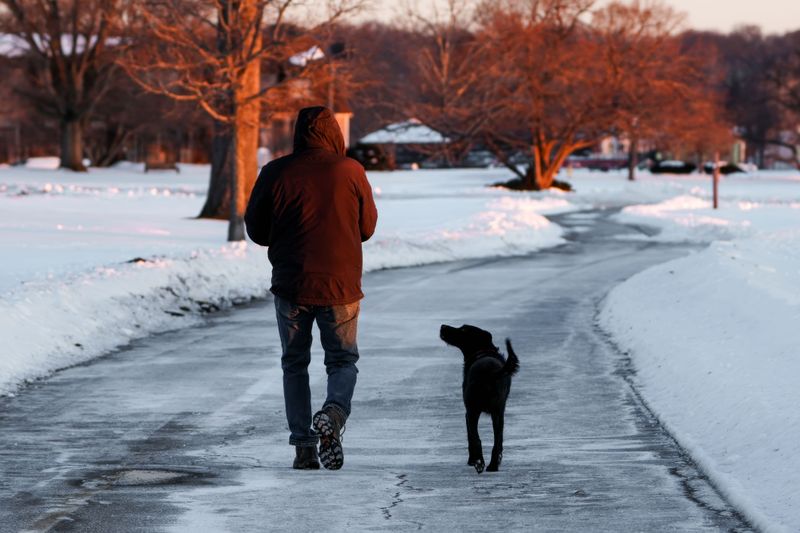
The slippery corner is often the one shaded all afternoon. Notice where meltwater crosses sidewalks, gathers near downspouts, or freezes beside snowbanks.
A route that worked yesterday may need changing after another cold night.
Wear footwear with suitable traction and keep your dog’s leash manageable. Avoid sudden pulls, running starts, and icy stairs whenever possible.
Choose a cleared alternative instead of crossing uncertain footing. Dogs with mobility problems may need extra support outdoors.
10. Lake and River Visits Require Closer Supervision
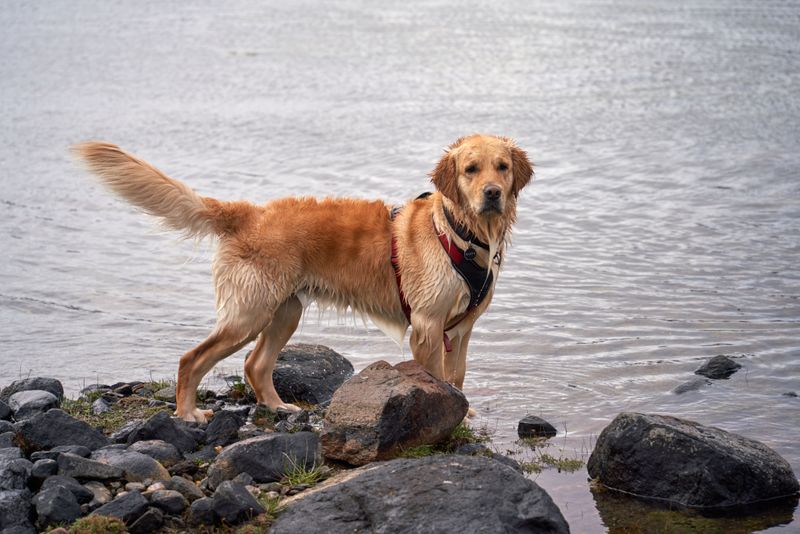
Beautiful shorelines deserve the same attention as busy roads. Keep your dog close near currents, steep banks, docks, and changing waves.
Swimming ability does not guarantee safety in cold or moving water.
Use a properly fitted canine life jacket for boating and appropriate water activities. Avoid shore ice and never assume frozen water supports your dog’s weight.
Follow posted water advisories, including algae warnings. Bring fresh drinking water rather than encouraging lake drinking.
11. Mud Season Changes the Way You Come Home
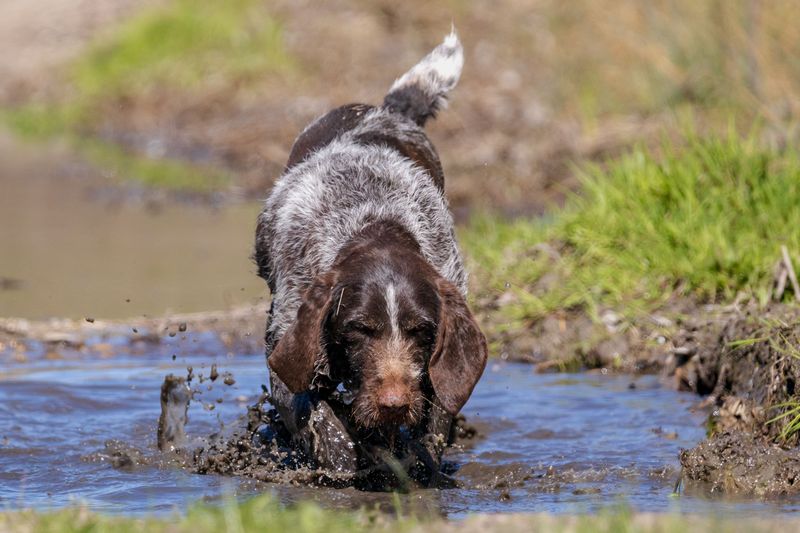
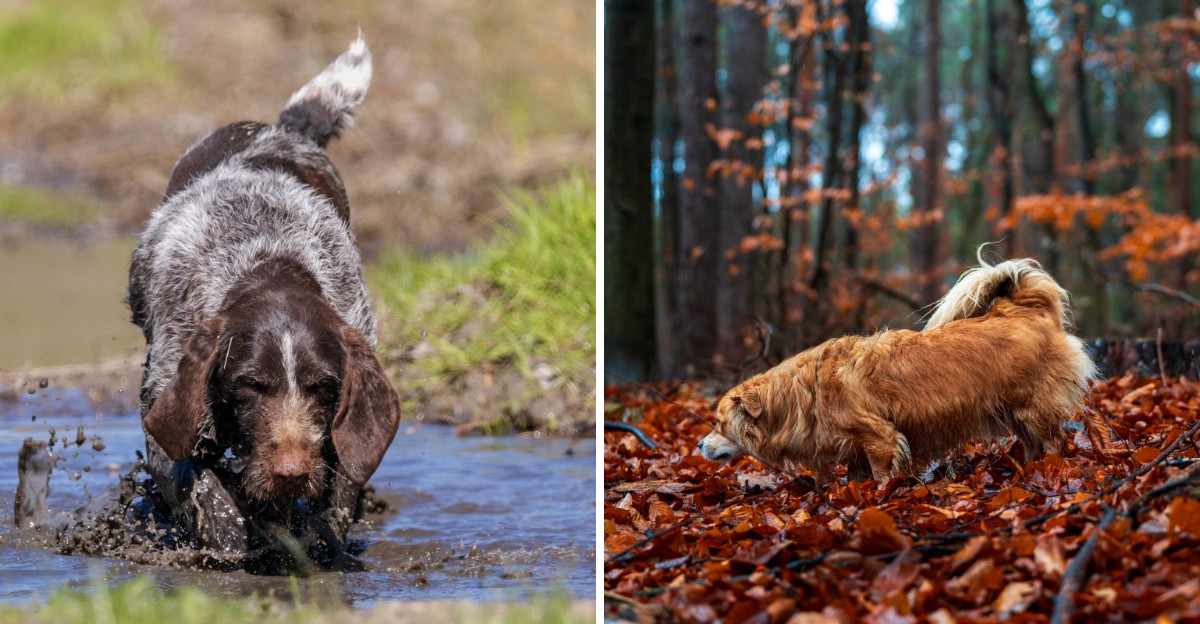
Spring thaw can turn a tidy yard into a sponge. Set up a cleanup area before muddy weeks arrive, with towels and washable bedding.
Choose firmer walking routes when trails become soft or deeply rutted.
Respect temporary trail closures, which help protect wet ground from damage. Check paws and belly fur for grit after outings.
Dry your dog thoroughly before settling indoors. A simple washable cover can save your car seats plenty of scrubbing.
12. Exercise Goals Change With the Season
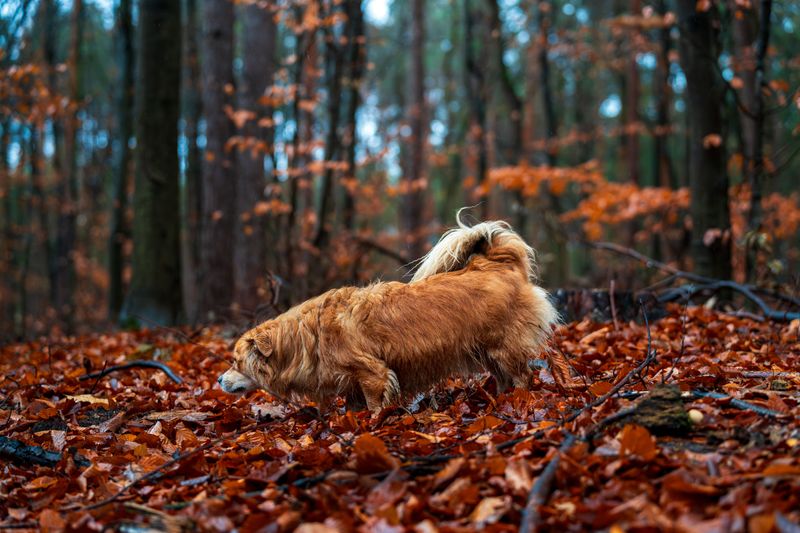
Your dog’s energy needs will not match every seasonal change. Deep snow takes more effort than a clear sidewalk, while summer warmth limits comfortable activity.
Adjust distance and pace instead of chasing the same mileage.
Build fitness gradually when returning to longer outings after quiet weeks. Mix sniffing walks with suitable play and rest.
Ask your veterinarian about exercise changes for puppies, older dogs, or existing health concerns. Enthusiasm alone does not measure readiness.
13. Pet Care Appointments Need More Travel Planning
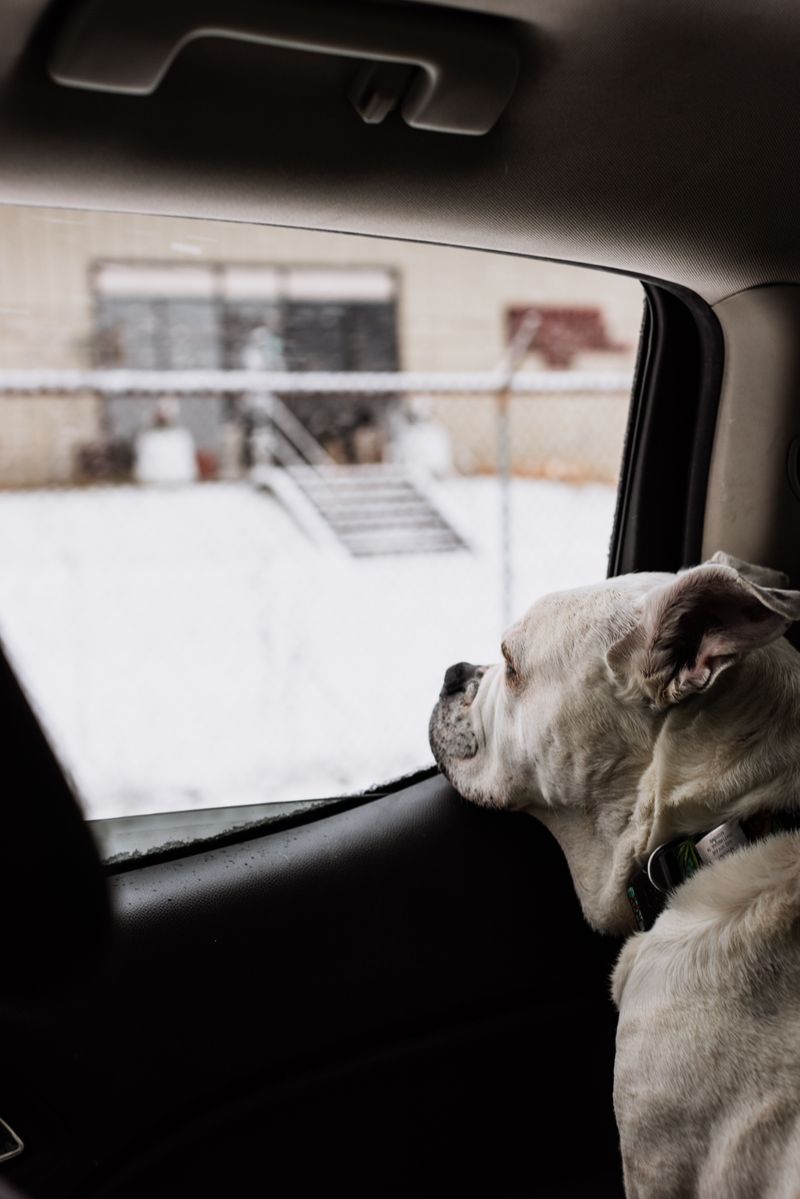
The nearest appointment may involve more driving than before. Find a regular veterinarian soon after moving, and ask about emergency coverage.
Service hours and available care vary across Upper Peninsula communities.
Save clinic numbers, confirm where urgent cases go, and check travel times in winter. Keep medical records accessible and secure your dog safely during drives.
Schedule routine visits before supplies run low. For urgent concerns, call first when possible to confirm current availability.
14. Off-Leash Freedom Starts With Checking Trail Rules
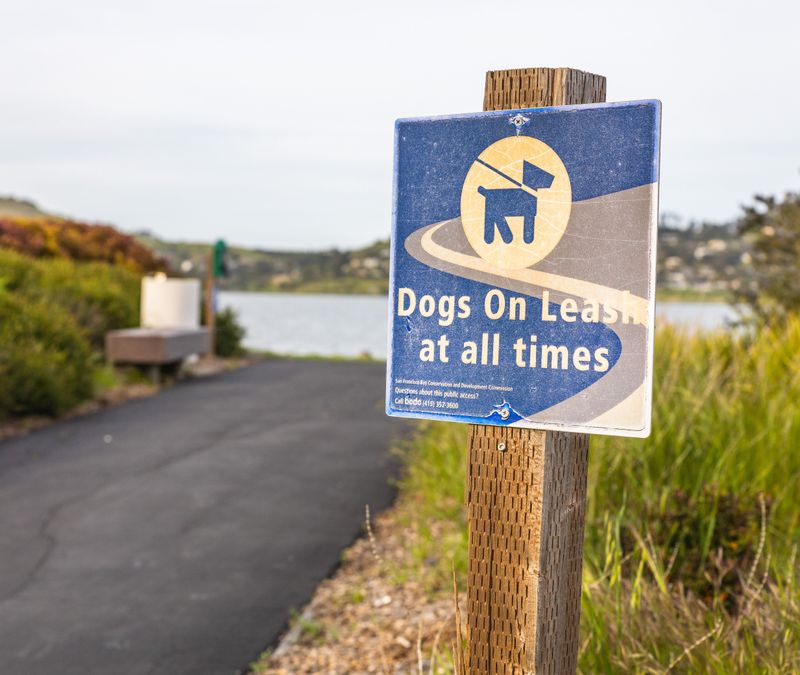
An empty trail is not permission to unclip the leash. Michigan’s leash requirements vary by location, and local ordinances and public land rules may impose additional restrictions.
Check the current rules for the specific trail or property before letting your dog off leash. Local ordinances and public land rules can add specific restrictions.
Before each unfamiliar outing, check the managing agency’s current dog rules. Some beaches, trails, and protected areas restrict access or require particular leash lengths.
Practice recall in permitted enclosed spaces. Keep control around visitors, and collect waste even on quiet wooded routes.
15. Indoor Games Become Your Bad-Weather Backup
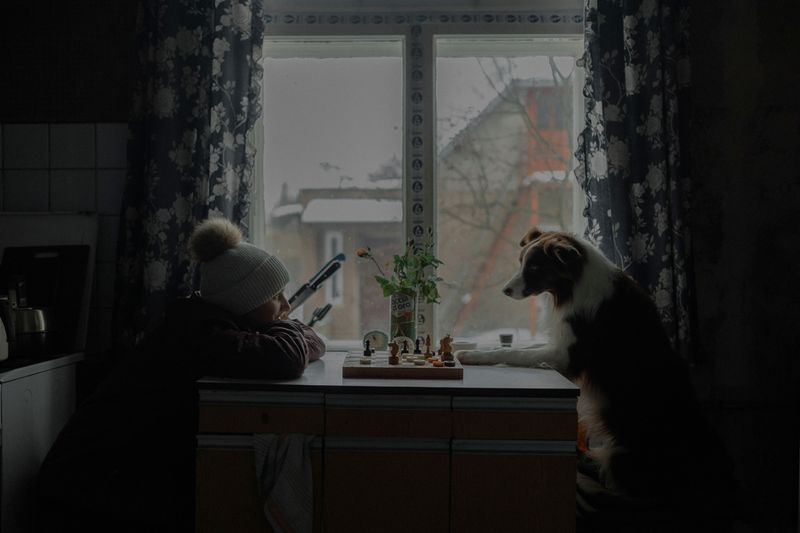
Some days call for a nose game beside the couch. Keep food puzzles, safe chew toys, and short training games ready.
Supervise new activities and count food rewards toward your dog’s daily meals.
Heated rooms can feel dry, so provide fresh water and discuss persistent itching with your veterinarian. If using a humidifier, clean it as directed.
Small routines make unpredictable weather easier. A prepared home helps both of you enjoy peninsula life comfortably.