20 Texas Dog Records New Residents Should Update After Moving Cities Or Counties

Moving to a new Texas city or county brings plenty of fresh starts for you and your dog. Along with new walks and new neighbors comes a stack of dog records that need a quick refresh.
Some updates are local rules, while others simply help your dog get home safely or get care fast. Think of this guide as a friendly checklist from someone who has been through the shuffle, so you can settle in with confidence.
1. Your New City or County Dog License
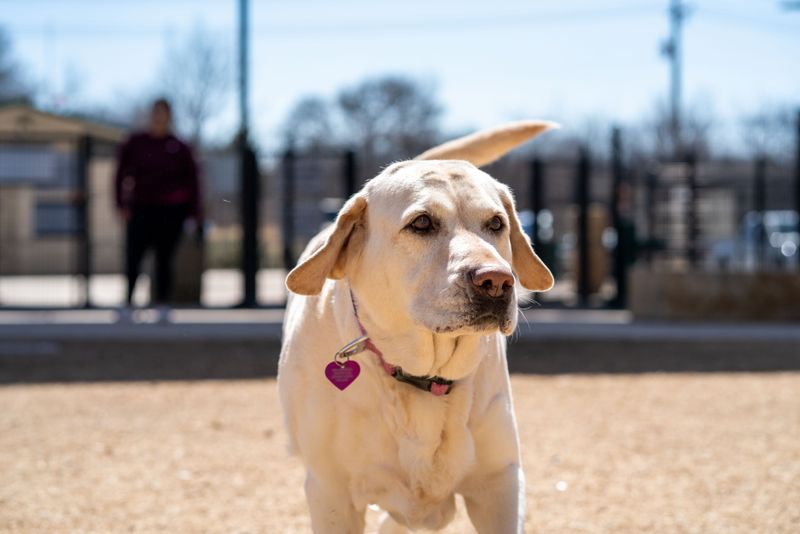
Welcome to the neighborhood, and to its paperwork. Many Texas cities and some counties require dogs to be licensed or registered with local animal services.
Rules are set locally, so they differ from place to place. Some areas require yearly renewals, while others have no program at all.
Visit your new city or county animal services website, or give them a call. Ask about deadlines, fees, and which documents to bring along.
2. Closing Out the Old Registration

Old addresses have a way of lingering. If your former city licensed your dog, let that office know you have moved away.
A short call or email usually does the trick. Some offices may ask you to formally close the registration, while others simply note the change.
Doing so keeps their records accurate. It also prevents renewal notices or questions about a pet who no longer lives there.
3. Microchip Registry Details

A microchip is only as helpful as the information linked to it. The chip itself holds a number, not your address.
Log in to your registry account and update your new address and phone number. Add an emergency contact too, such as a nearby friend or relative.
Not sure which company holds your chip? Ask any vet or shelter to scan it.
Then search the number through an online universal lookup tool.
4. The Tag on Your Dog’s Collar
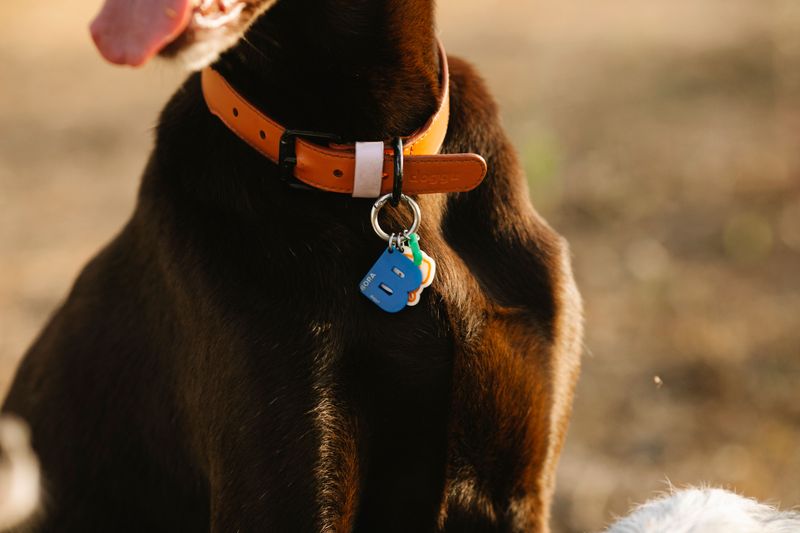
Picture a kind neighbor finding your dog wandering two streets over. Without a scanner, the collar tag is the first thing they will check.
Order a new tag with your current phone number. Adding your new city can help too, though a phone number matters most.
Many pet stores have engraving machines that work in minutes. Keep the old tag on until the new one arrives, as long as the number still works.
5. Rabies Vaccination Certificates
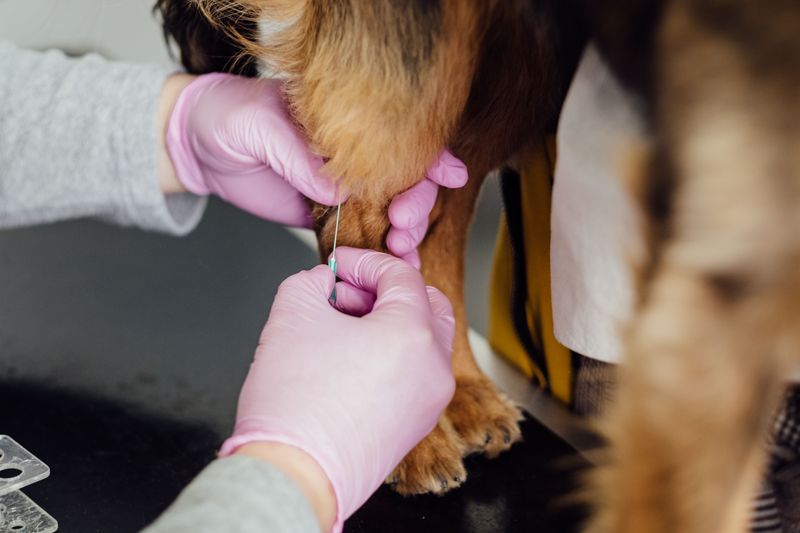
Texas law requires dogs to be vaccinated against rabies by four months of age. A licensed veterinarian must give the shot.
Your certificate lists your name and address, so bring it to your new vet for their records. Keep a copy handy for licensing, boarding, and grooming.
Boosters may be one-year or three-year, depending on the vaccine and local rules. Confirm the schedule with your new vet.
6. Contact Details at Your Vet Clinic
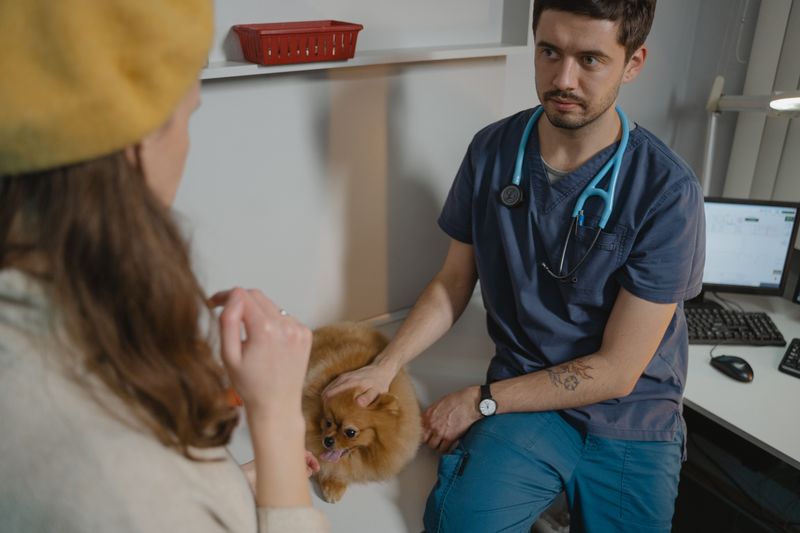
Reminder postcards sent to an empty house help no one. Give your veterinary clinic your new address, phone number, and email right away.
Clinics use this information for appointment reminders, test results, and urgent calls. If you are keeping the same vet for now, update them anyway.
While you are at it, ask the front desk to confirm who else is listed on your account. That small check avoids mix-ups later.
7. Full Medical History for the New Vet

Your new veterinarian will meet your dog as a stranger. A complete medical history fixes that quickly.
Request records from your previous clinic, including diagnoses, surgeries, allergies, lab work, and vaccines. Most clinics can email files directly to the new office.
Ask for a copy for yourself as well. Having your own set means you are never stuck waiting during a busy week or an unexpected visit.
8. Distemper, Parvo, and Bordetella Records
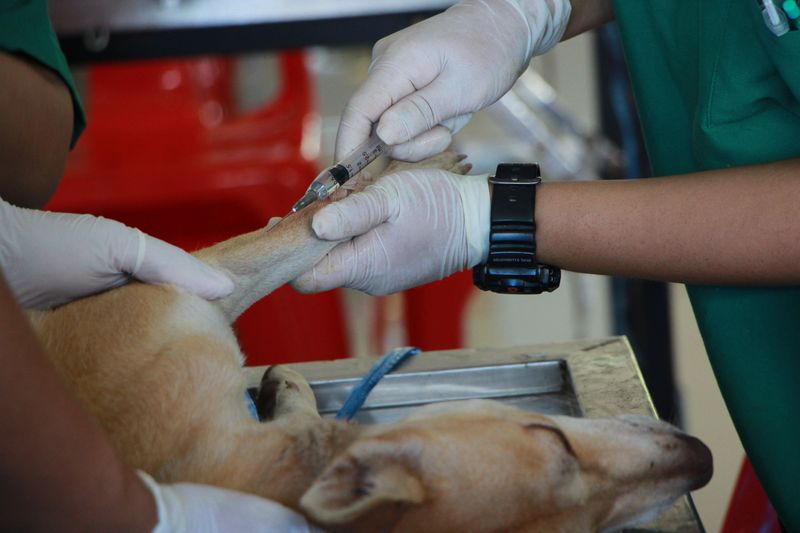
Rabies gets the spotlight, but other vaccines matter just as much for daily life. Core shots usually cover distemper, parvovirus, and adenovirus.
Bordetella, linked to kennel cough, is often required by boarding and grooming businesses. Your vet may suggest others, like leptospirosis or canine influenza, based on lifestyle.
Gather all dates in one place. A neat record saves time whenever a new business asks for proof.
9. Prescriptions and Pharmacy Accounts

Running low on medicine right after a move is a common surprise. Check how many doses remain before you pack.
Prescriptions often need a current vet to approve refills. Share your dog’s medication list with your new clinic early, so there is no gap.
Update your shipping address with any online pet pharmacy too. A box of pills mailed to your old porch is an avoidable headache.
10. Heartworm Testing and Prevention
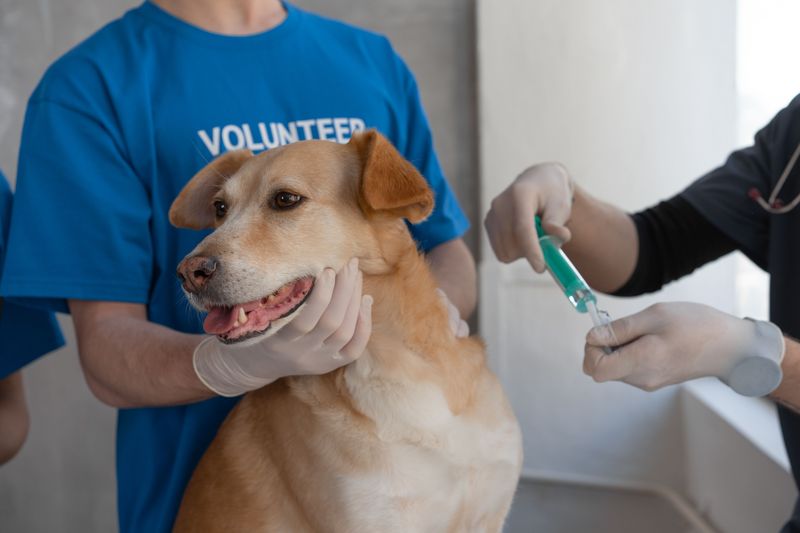
Warm Texas weather keeps mosquitoes busy, and they spread heartworms. Year-round prevention is widely recommended across the state.
Preventives require a prescription, and vets usually want a recent negative test first. Some products can cause reactions in dogs that already carry heartworms.
Bring your latest test date and your current preventive brand to your new vet. That helps them keep protection steady without skipping a month.
11. Spay or Neuter Certificates

Here is a small piece of paper that can save you money. Many Texas cities charge lower license fees for spayed or neutered dogs.
To get the discount, you may need proof from a veterinarian. A certificate or a clinic record usually works.
If you cannot find it, ask the clinic that did the surgery. They can typically send a copy within a day or two.
12. Pet Health Insurance Policy
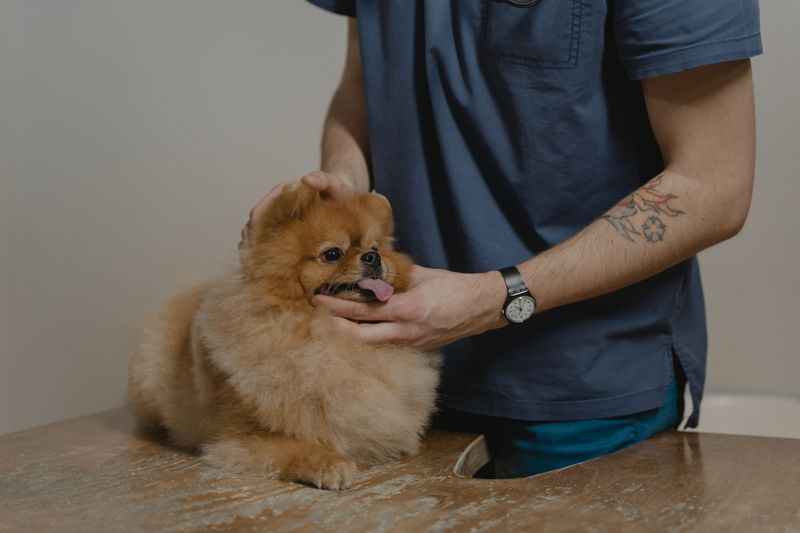
Think of your pet insurance account as one more mailbox to forward. Log in or call to update your address and phone number.
Some providers adjust premiums based on location, since vet costs vary by area. Ask whether your rate or coverage will change after the move.
Also confirm that your new vet accepts your claim process. Most plans reimburse you, but knowing the steps keeps billing smooth.
13. Homeowners or Renters Insurance

Liability coverage is the quiet hero of dog ownership. Many homeowners and renters policies can help if a dog injures someone or damages property.
Coverage depends on your policy, though. Some insurers limit or exclude certain breeds, and rules vary by company.
Tell your agent you have a dog when you set up your new policy. Ask plainly what is covered, so there are no surprises later.
14. Apartment or Rental Pet Registration

Renting? Your landlord likely has a pet addendum waiting for you.
Texas landlords can set their own pet rules, fees, and limits.
Expect to share vaccination records, a photo, and possibly your dog’s weight. Read the lease carefully before signing.
Assistance animals follow different federal housing rules. Landlords generally cannot charge pet fees for them, but documentation may still be requested.
15. HOA Pet Registration
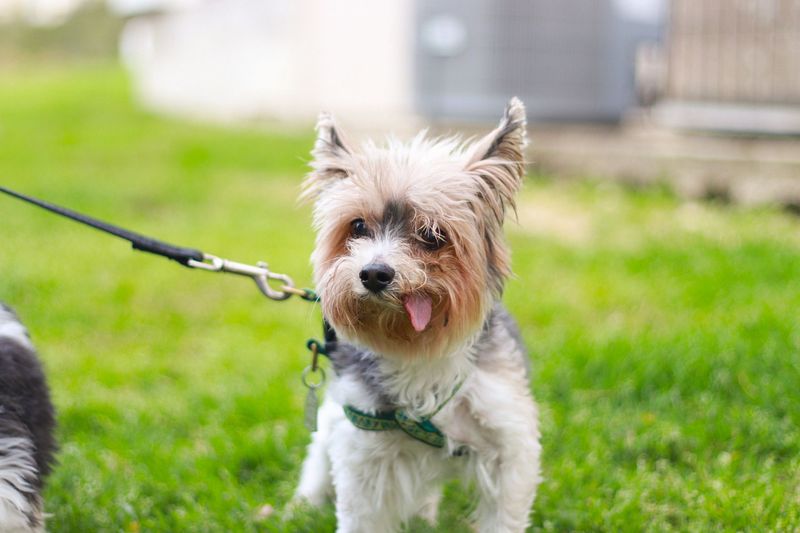
Suburban living often comes with a homeowners association. Many Texas HOAs have their own pet rules.
These may include registration, leash rules, pet limits, or waste cleanup expectations. You will usually find them in the governing documents you received at closing.
If anything is unclear, email the HOA manager. Registering early shows good faith and helps you start off on friendly terms with neighbors.
16. Dog Park Permits and Memberships

Few things beat a good off-leash romp. Some Texas dog parks are free and open, while others need a permit or membership.
Permits often require proof of rabies vaccination and sometimes proof of residency. Fees and rules differ by city.
Check your local parks department website before your first visit. Cancel any membership at your old park, too, so it does not quietly renew.
17. Boarding and Daycare Enrollment

Busy first weeks are when daycare really shines. New facilities will want a full enrollment file before your dog joins the fun.
Most ask for rabies, distemper-parvo, and Bordetella records. Some also require canine influenza or a behavior evaluation.
List your new address and at least one local emergency contact. Include your vet’s name and phone number so staff can act quickly if needed.
18. Grooming Service Records
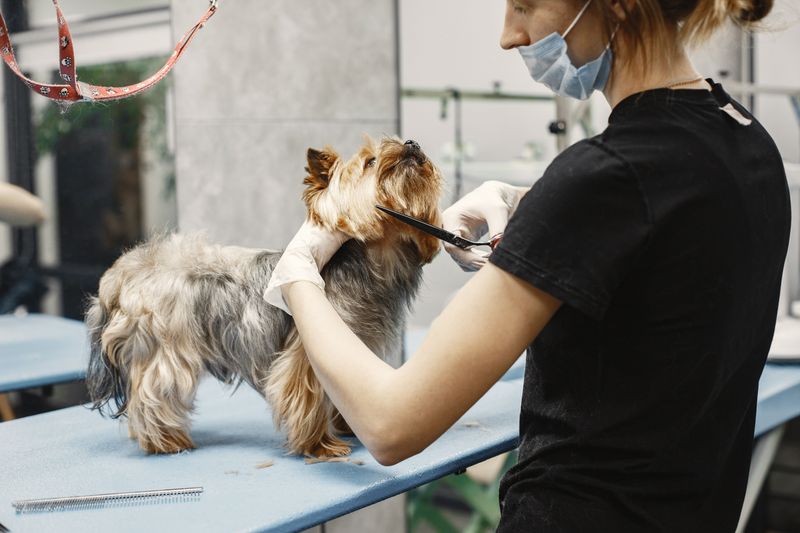
A good groomer becomes part of your dog’s routine fast. Finding one in a new town starts with simple paperwork.
Most salons need proof of rabies vaccination, and many ask for other vaccines too. Share your new phone number so they can call when pickup time arrives.
Mention any skin issues, nervous habits, or sensitive spots. Those notes help the groomer give your dog a calm, comfortable visit.
19. Dog Walker and Pet Sitter Details

Trusting someone with your home and dog takes clear instructions. Give your walker or sitter your new address first.
Write down gate codes, lockbox details, parking tips, and where the leash hangs. Mention any quirks, like a sticky door or a dog who slips out fast.
Include emergency contacts and your new vet’s information. A tidy one-page sheet makes every visit smoother for everyone.
20. Dangerous Dog Registration Notice
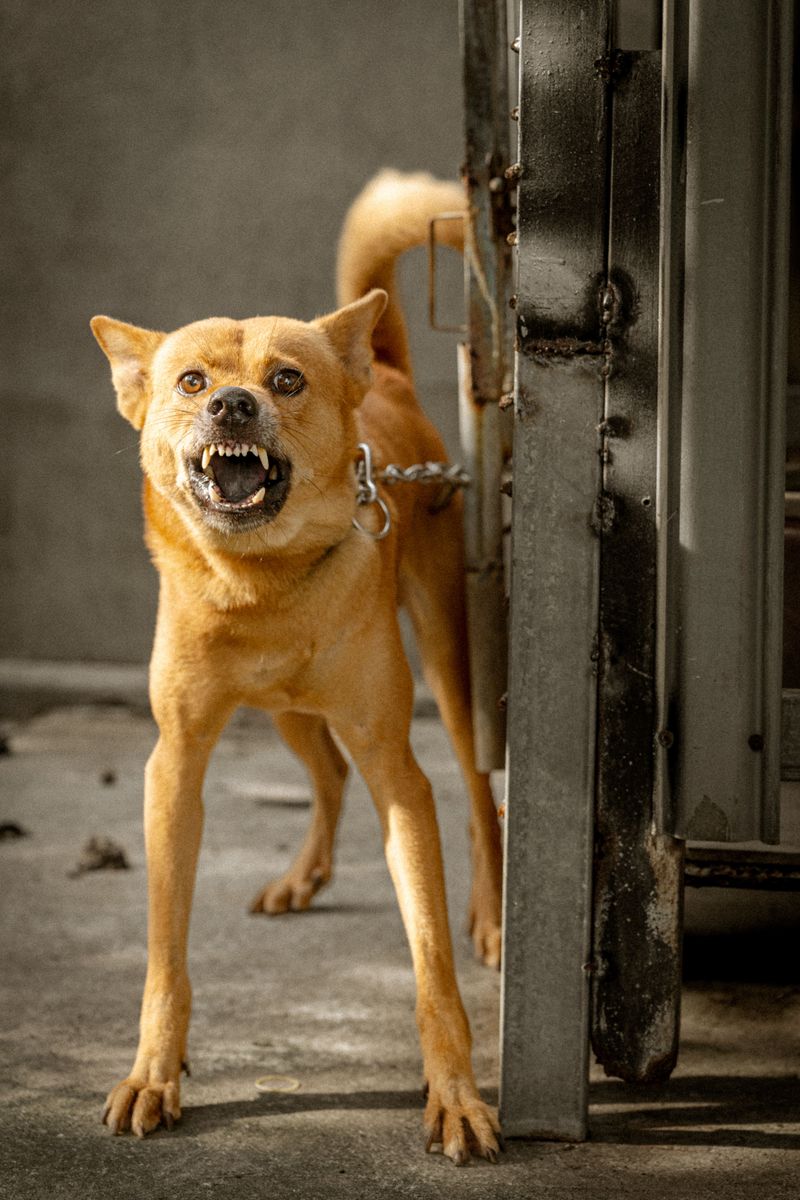
This one applies only to a small group of owners, but it carries a firm deadline. Texas law covers dogs formally declared dangerous.
Under the Texas Health and Safety Code, owners must notify the animal control authority for the new area within 14 days of moving. The prior tag is presented, and a fee is paid for a new one.
Local rules may add steps. Call animal control early to confirm details.