Long Distances Change The Emergency Contact List For Rural Texas Dog Owners
Living in rural Texas gives your dog room to roam, but veterinary help may be a long drive away. A useful emergency contact list needs more than one clinic number and a familiar neighbor.
It should account for locked gates, patchy phone service, changing weather, and the people who can help quickly. With a little planning now, you can make those miles easier to manage when your dog needs care.
1. Keep Your Regular Veterinarian’s Number at the Top
A familiar veterinary team already knows your dog’s health history, which can make phone guidance more useful. Save the clinic’s main number under a name everyone recognizes.
Add its address and regular business hours beside it.
Ask what happens when the office closes, including holidays and weekends. Some clinics direct callers elsewhere rather than providing overnight care.
Keep those instructions with the number, so nobody wastes time guessing during an unexpected problem far from town.
2. Find the Nearest Emergency Veterinary Hospital Before You Need One
The closest building with a veterinary sign may not offer emergency treatment. Identify a hospital that accepts urgent cases and confirm its current hours.
Save the street address, direct number, and usual driving time.
Call before leaving when possible, explaining your dog’s symptoms and your distance away. Staff can confirm availability and suggest arrival preparations.
Check the route beforehand, including entrances that may look different after sunset or during road construction near the hospital itself.
3. Save a Backup Emergency Hospital in Another Direction

One blocked highway can turn a sensible plan into a longer trip. Choose another emergency hospital reached by a different route, when geography allows.
Confirm that it treats dogs and accepts emergency arrivals.
Record both travel estimates without assuming the nearest option always has space. Staffing, equipment, and patient demand can affect availability.
Before changing destinations, call the backup hospital and explain your situation, especially when your dog needs care unavailable at the first location.
4. Confirm Which Clinics Treat Emergencies After Hours
After closing time, a clinic’s phone message can mean several different things. An answering service may relay calls, while another office refers everyone elsewhere.
Ask exactly who handles urgent concerns overnight.
Find out whether an on-call veterinarian can examine your dog or only offer phone guidance. Save any separate number and instructions for reaching that person.
Recheck arrangements periodically, because rural practices may change schedules, staffing, or referral partners throughout the year without much notice.
5. Keep Animal Poison Control Details Within Reach

A chewed package deserves a quick call, not an online guessing session. Save ASPCA Animal Poison Control at 888-426-4435 and Pet Poison Helpline at 855-764-7661.
Consultation fees may apply.
Keep the product container, estimated amount, exposure time, and your dog’s weight available. Contact your veterinarian promptly, especially if symptoms appear.
Never induce vomiting or give home remedies unless a veterinary professional directs you. Ask whether to travel immediately while someone else gathers the necessary details.
6. Add Your Dog’s Primary and Backup Caregivers
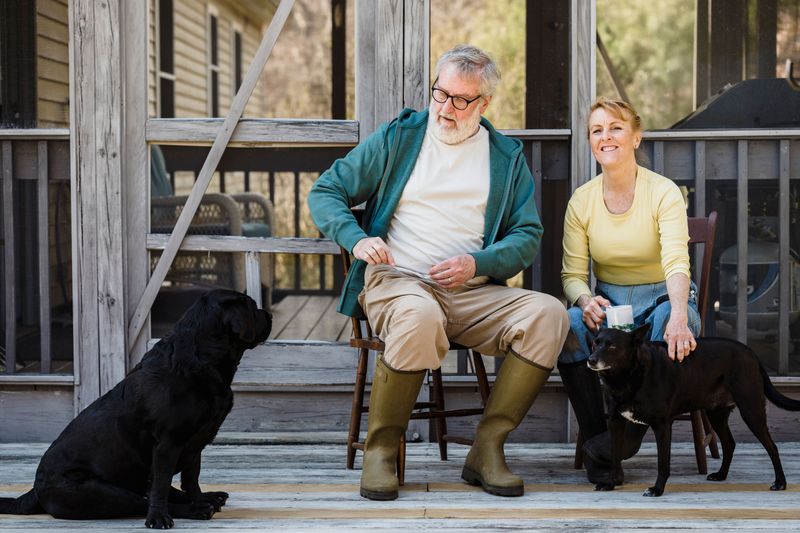
Someone needs a clear role if you cannot leave work or return home. Choose a primary caregiver and a backup who both agree to help.
Save their numbers beside your veterinary contacts.
Discuss transportation, feeding, medications, and permission to seek care before anything happens. Ask your clinic about its authorization and payment requirements.
Give caregivers access instructions securely, and confirm they can safely handle your dog, including loading a crate or managing a nervous traveler.
7. Give Every Contact Clear Instructions for Reaching Your Property
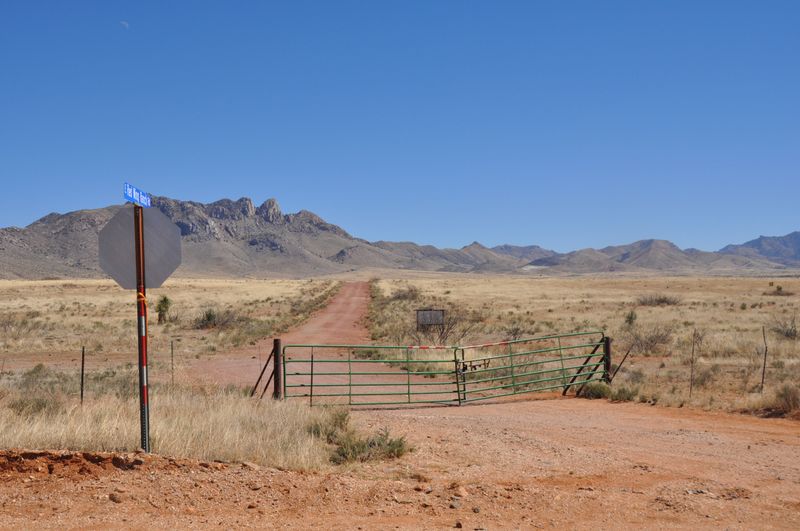
Country directions need more detail than a mailbox color or familiar landmark. Write your full address, county, driveway location, and useful nearby intersections.
Include coordinates if your entrance is difficult to locate.
Explain which gate opens, where visitors should park, and whether livestock share the driveway. Share access codes only with trusted helpers through secure channels.
Ask someone unfamiliar with your property to test the directions before relying on them during a stressful evening arrival.
8. Check Whether Cell Service Works Along Your Usual Routes
A saved number helps less when your phone has no signal. Notice service gaps during ordinary trips, stopping safely before checking your screen.
Download route maps before you need them.
Mark reliable places to call, such as a town center or staffed business. Share your planned route and expected arrival with a trusted person.
Phone emergency features vary by device and coverage, so learn their limits rather than assuming they will work everywhere you travel.
9. Keep Your Dog’s Medical Records Ready to Share

Clear records let an unfamiliar veterinarian start with facts instead of guesswork. Keep vaccination history, medication names, doses, allergies, and major diagnoses together.
Add your regular clinic’s contact information.
Save digital copies that open without internet access, plus a printed summary for the vehicle. Update the file whenever treatment changes.
Ask your veterinarian which recent test results matter most for travel, and keep medication labels available rather than relying on memory during a rushed conversation.
10. Make Sure Your Dog’s Microchip Details Are Current

A microchip connects a found dog to registry information, not live location tracking. Ask your veterinarian to scan the chip and record its number.
Check which registry holds your contact details.
Update phone numbers, addresses, and alternate contacts whenever they change. A readable collar tag adds another way for neighbors to reach you quickly.
Keep the chip number and registry contact on your emergency list, alongside a recent photo showing your dog’s markings clearly today.
11. Include a Local Contact Who Can Reach Your Dog Quickly
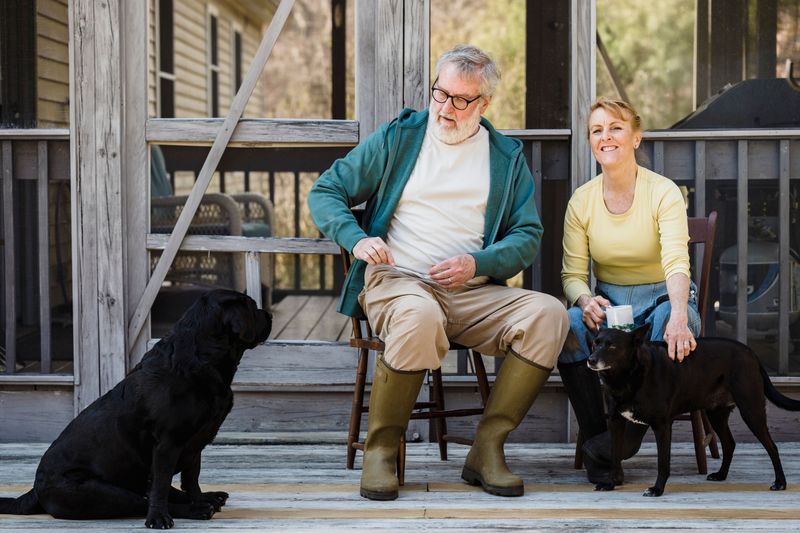
Distance matters differently when you are away and your dog is home. A nearby neighbor may arrive sooner than your usual caregiver across town.
Choose someone dependable who feels comfortable around your dog.
Arrange a short practice visit while you are present. Show where leashes, carriers, water, and instructions belong.
Make clear that checking your dog does not require handling unsafe situations, entering damaged buildings, or approaching unfamiliar animals without suitable help from trained responders.
12. Plan for Breakdowns on Remote Roads
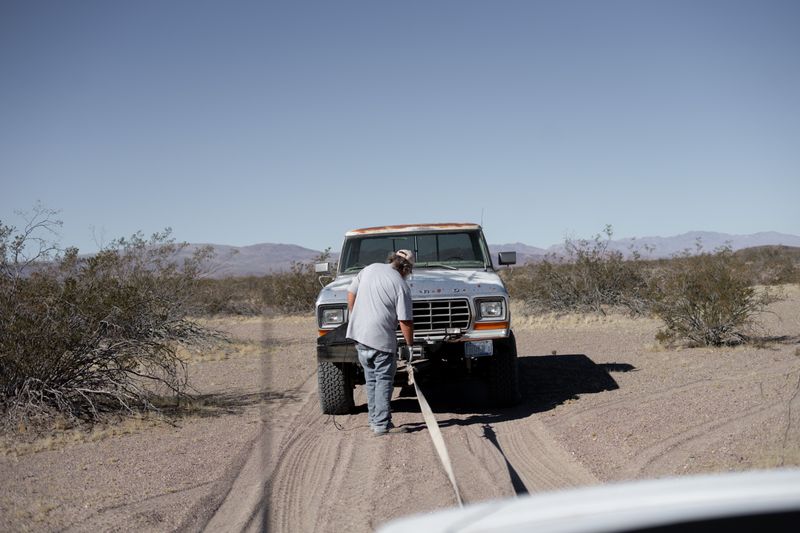
Vehicle trouble adds another layer when a dog already needs veterinary attention. Save roadside assistance and a trusted person who could provide another ride.
Ask towing providers about policies for transporting pets.
Carry water, a leash, a secure carrier, and a charged power bank. If trouble develops, stop safely away from traffic when possible.
Tell the veterinary hospital about delays, and never leave your dog unattended in a vehicle while arranging help along the roadside.
13. Prepare for Texas Heat Emergencies
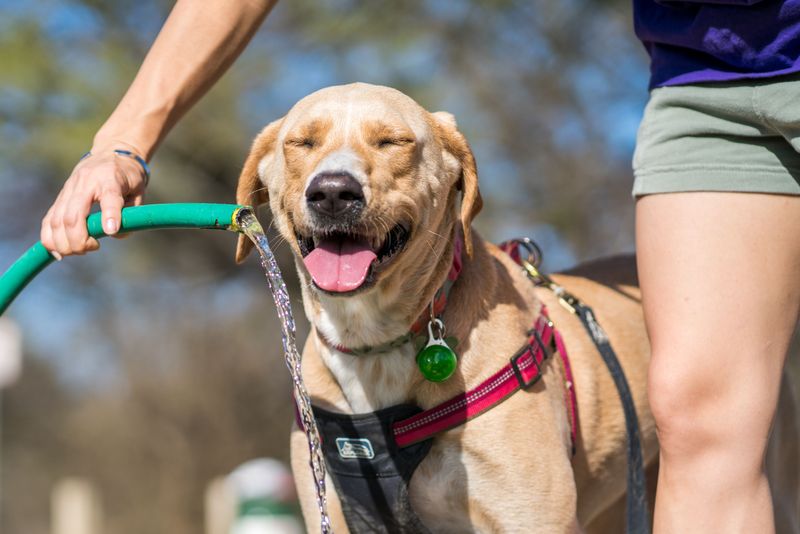
Hot afternoons can make a long drive more demanding for dogs. Heavy panting, drooling, weakness, or confusion warrant immediate veterinary advice.
Move your dog into shade or air conditioning promptly.
Begin cooling with cool water and airflow while arranging urgent transport. Avoid wrapping your dog in wet towels, which can trap heat.
Offer small drinks only if alert and able to swallow. Call ahead, and continue toward veterinary care even if your dog seems better.
14. Know Who to Contact After a Snakebite
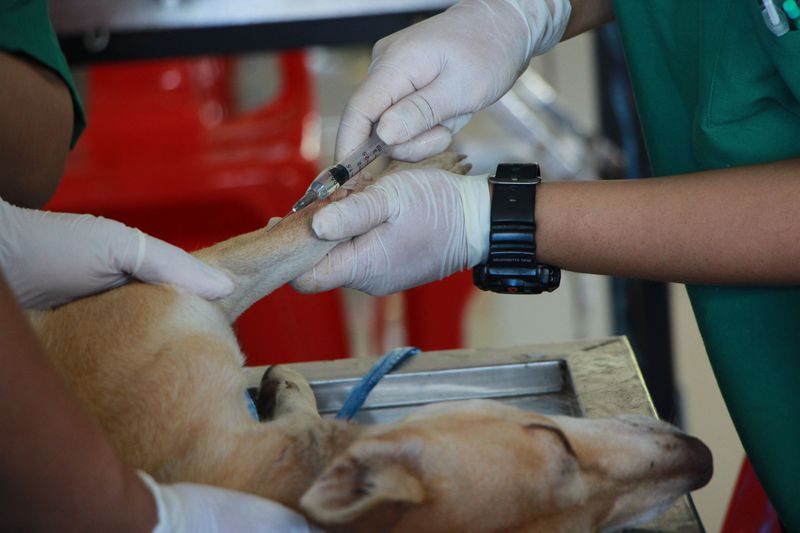
Brush, woodpiles, and pasture edges deserve a little extra awareness during walks. After a suspected snakebite, contact an emergency veterinarian immediately and limit your dog’s movement.
Carry your dog if safely possible.
Do not cut the area, apply ice, use suction, or place a tourniquet. Avoid approaching or capturing the snake.
Ask which hospital can assess the bite and provide needed treatment, since antivenom availability varies. A safe photograph may help, but never delay your departure.
15. Add a Contact for Livestock and Wildlife Encounters
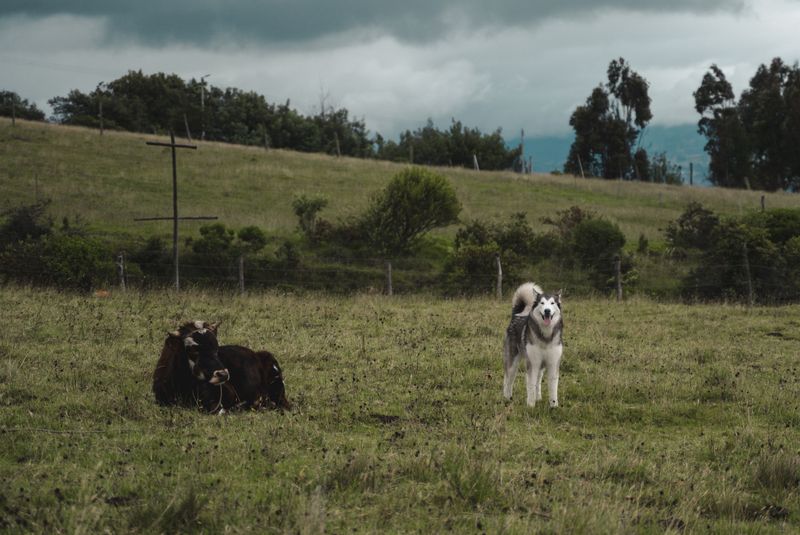
Shared fence lines bring dogs close to animals with different reactions. Save nearby livestock owners’ numbers when appropriate, plus local animal control contacts.
Services and responsibilities vary across Texas counties.
For wildlife concerns, ask local authorities which agency or licensed wildlife rehabilitator handles the situation. Keep your dog separated rather than attempting a risky rescue.
Following any bite or unusual contact, call your veterinarian about examination needs and rabies guidance, even when injuries seem minor initially.
16. Make a Separate Plan for Severe Weather
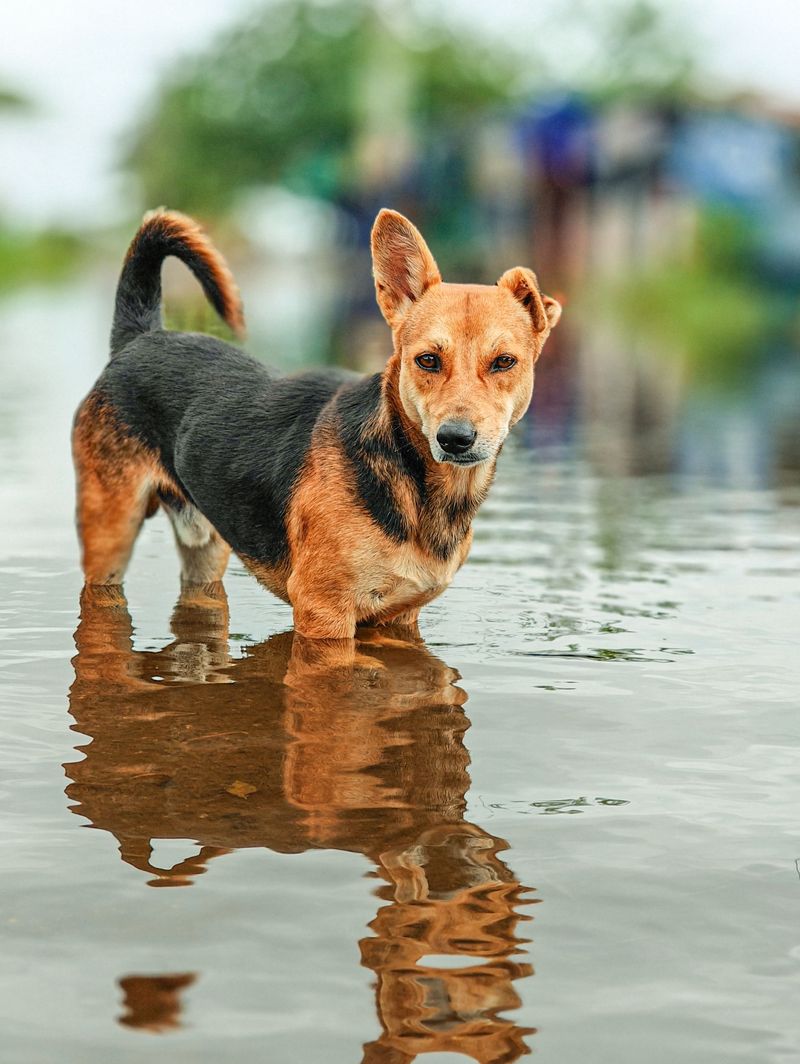
Storms and wildfires can change safe travel routes before you reach town. Save your county emergency management contact and sign up for official alerts.
Identify lodging or evacuation options that accept dogs.
Keep carriers, medications, records, and several days of supplies ready to move. Confirm shelter pet policies rather than assuming every location accepts animals.
Never drive through floodwater. Choose an alternate caregiver outside your immediate area when possible, since nearby households may face similar disruptions.
17. Keep Important Contacts Accessible Without Internet Access
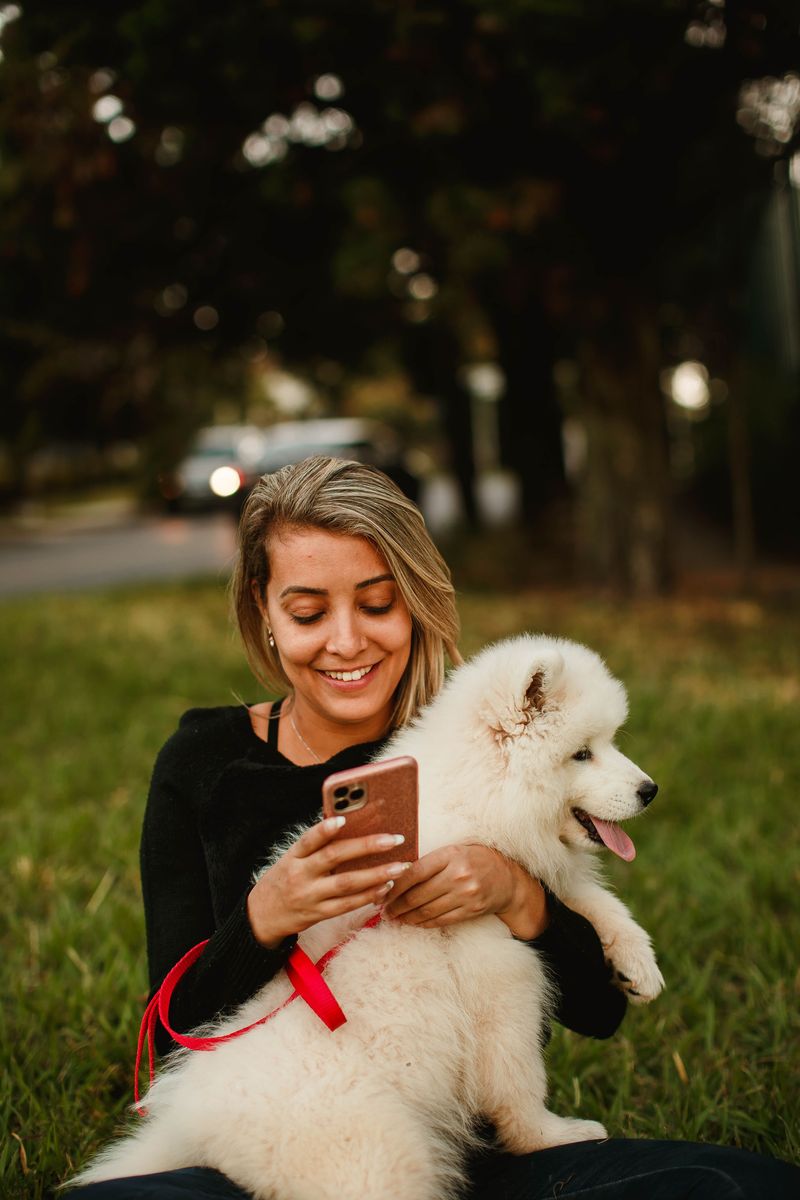
Paper still earns its place when batteries run low or coverage disappears. Print your contact list and store copies at home and in vehicles.
Give another copy to each agreed caregiver.
Include clinic addresses, backup numbers, route notes, and your dog’s essential medical details. Protect pages from moisture and keep lettering easy to read.
Save an offline phone copy too, but avoid displaying gate codes or other private access details where strangers could easily find them.
18. Review the List Whenever Your Routine or Location Changes

A useful list changes along with your household, travel habits, and veterinary care. Review it after moving, changing jobs, or starting new medication.
Confirm numbers before extended trips or caregiver handoffs.
Put a review date on every printed copy and replace outdated versions together. Brief helpers whenever routes, access details, or clinic arrangements change.
Rural distances may stay long, but good preparation makes decisions simpler. Keep the right people within reach, and take the next step.