What Tennessee Dog Owners Should Know About Cave Entrances And Sinkholes On Rural Land
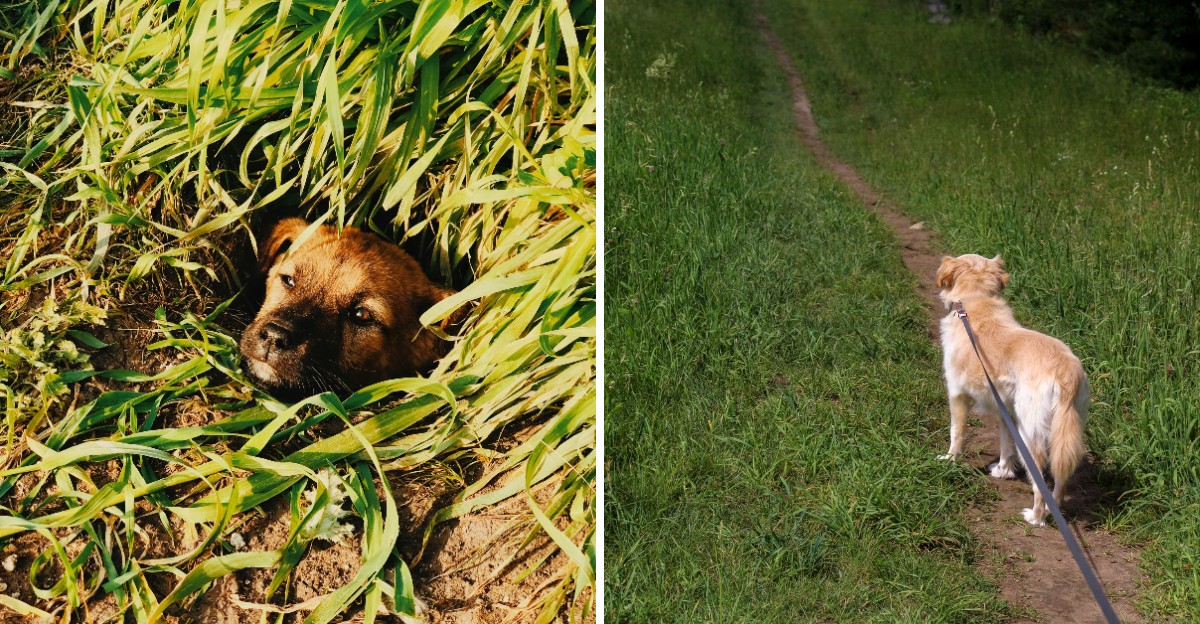
A quiet walk across Tennessee farmland can offer your dog plenty of interesting smells and room to explore. But limestone country sometimes hides openings beneath grass, leaves, or brush, even on familiar ground.
Knowing what to watch for helps you choose safer routes without giving up those outdoor adventures. A few steady habits can protect your dog while keeping rural walks relaxed and enjoyable.
1. Recognize Sinkholes Before Letting Your Dog Roam
A shallow dip in your pasture deserves attention before your dog gets exploring. Sinkholes can appear as rounded hollows, sudden openings, or places where water disappears.
Some develop slowly, while others become noticeable after soil shifts or washes away.
Walk unfamiliar ground with your dog leashed, staying away from suspicious edges. Never step closer just to check how deep an opening might be.
Choose another route until a qualified professional can assess the uncertain area.
2. Keep Dogs Away From Cave Entrances
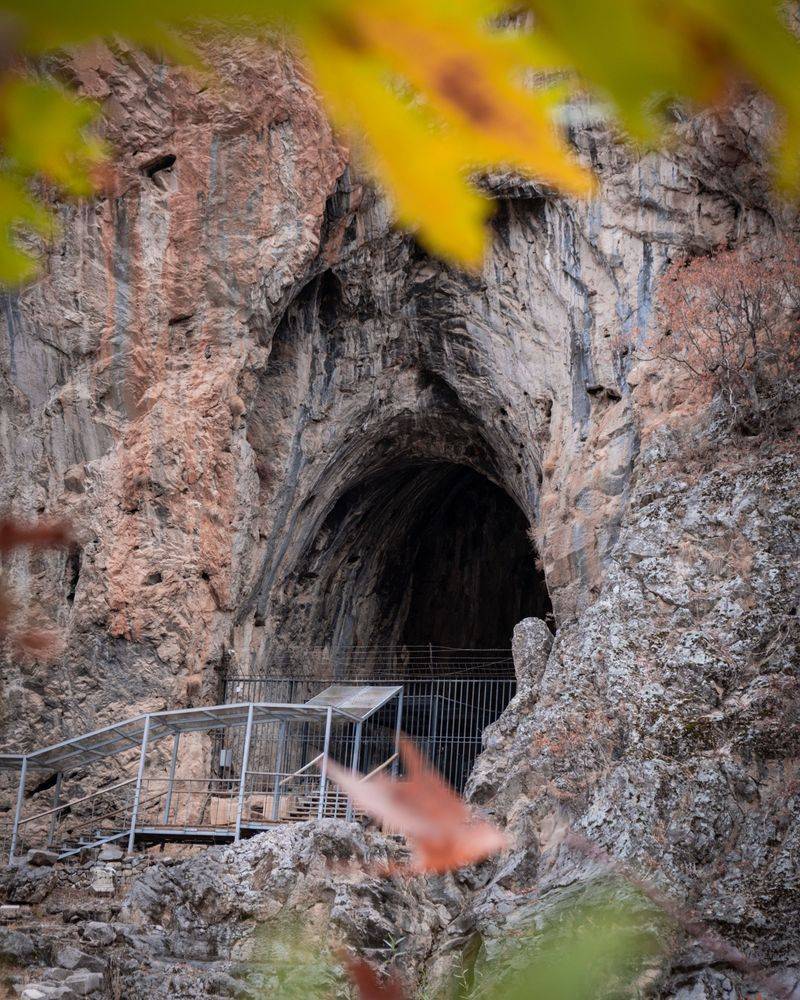
Cool air drifting from a rocky opening can catch a dog’s attention quickly. Cave entrances may hide steep drops, loose stones, slippery surfaces, or narrow passages.
Even a small opening can lead somewhere you cannot safely follow your pet.
Keep your dog leashed and leave generous space around the entire entrance area. Skip exploring openings during ordinary walks, even when your dog seems eager today.
A quiet detour is usually the simplest and safest choice.
3. Understand Tennessee’s Limestone Landscape
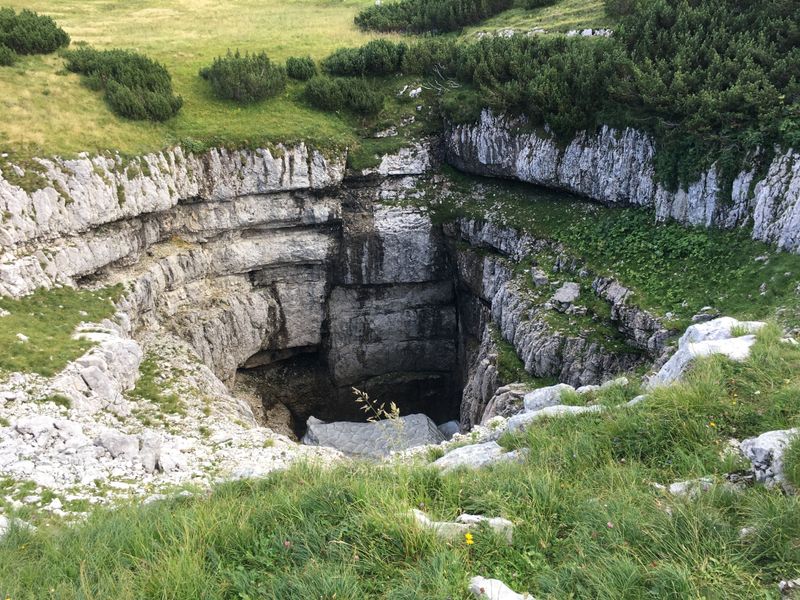
Much of Tennessee has limestone terrain, especially across Middle Tennessee and eastern valleys. Over time, slightly acidic water dissolves limestone and creates underground spaces and channels.
Geologists call this landscape karst, which often includes caves, springs, and sinkholes nearby.
Not every hollow signals danger, but appearance alone cannot confirm stable ground either. Ask about known features when moving onto rural land or choosing walking routes.
Local geological information can help you understand your property’s broader setting.
4. Watch for Ground Changes After Heavy Rain
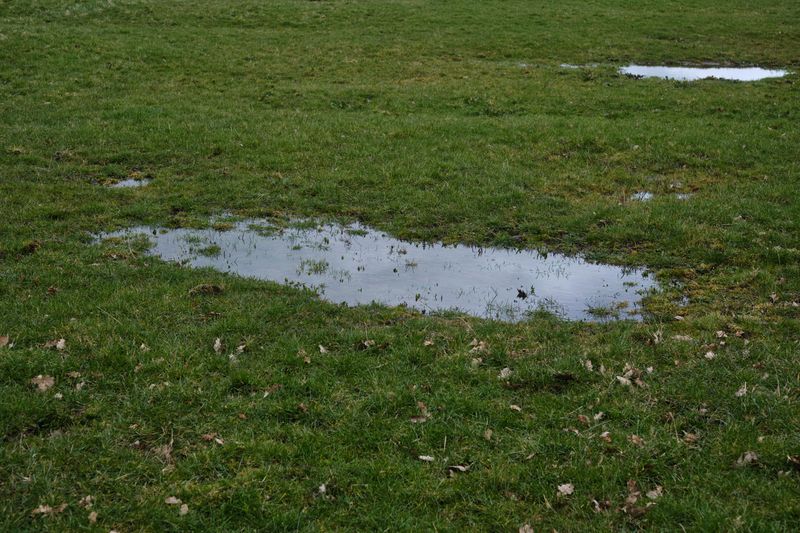
Yesterday’s familiar path may look different after several days of soaking rain locally. Water can move soil into underground gaps or expose openings previously hidden nearby.
Watch for fresh cracks, newly sunken patches, muddy depressions, or unusual drainage patterns.
Inspect your usual route from firm ground before bringing your dog through again. Keep away from soft edges and places where water is actively disappearing underground.
Report sudden ground changes near buildings, roads, or utilities to authorities promptly.
5. Recognize Warning Signs Around Old Pastures
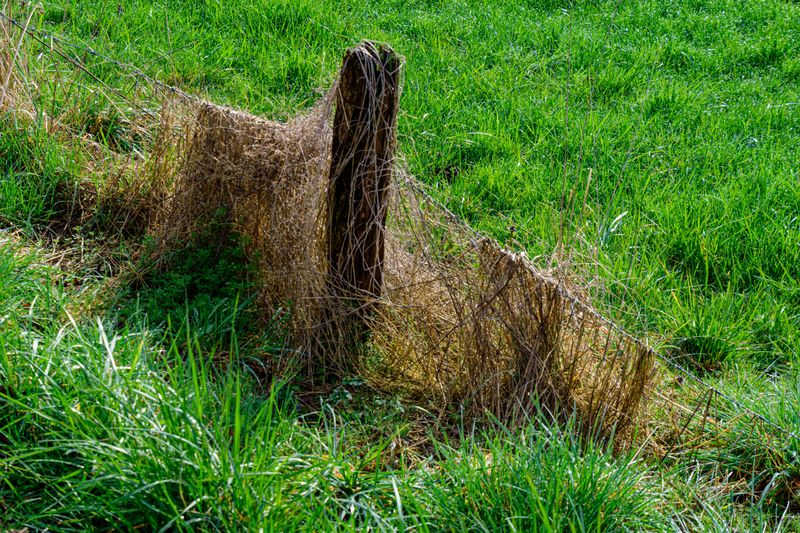
Overgrown corners often hold clues that a tidy lawn would make obvious sooner. Look for uneven fence lines, brush filled hollows, scattered boards, or old debris.
Those signs may mark natural depressions, abandoned structures, or places needing closer review.
Ask previous owners or neighboring farmers about known openings and past ground problems. Treat their memories as helpful background, not proof that an area stays safe.
Mow or clear vegetation only after checking for hazards from outside.
6. Treat Abandoned Wells and Mine Openings as Hazards
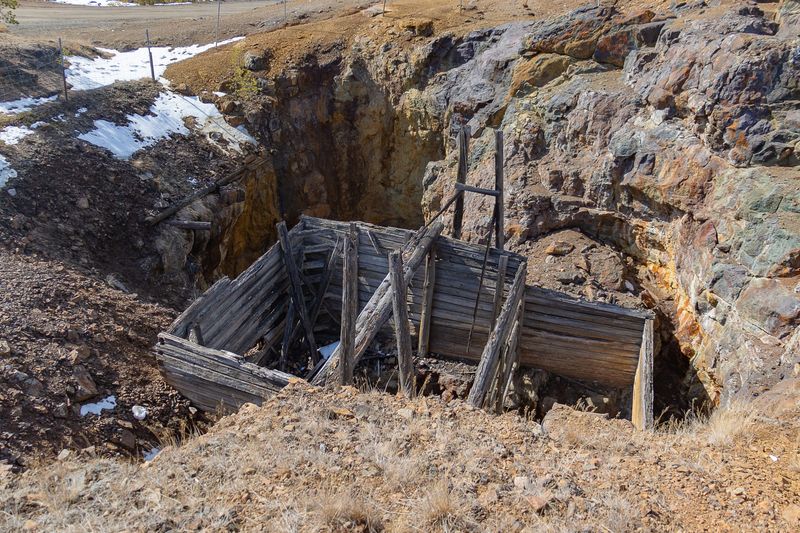
A round hole is not always a sinkhole, especially near former farm buildings. Rural land may contain unused wells, cisterns, mine openings, or buried storage structures.
Old covers can look solid while hiding damage that is difficult to see.
Keep dogs away from questionable lids, broken masonry, and openings beneath abandoned sheds. Contact the appropriate county office or state program for identification and closure guidance.
Never test a cover by standing on it or sending equipment across.
7. Use a Leash Near Cliffs and Rocky Hillsides
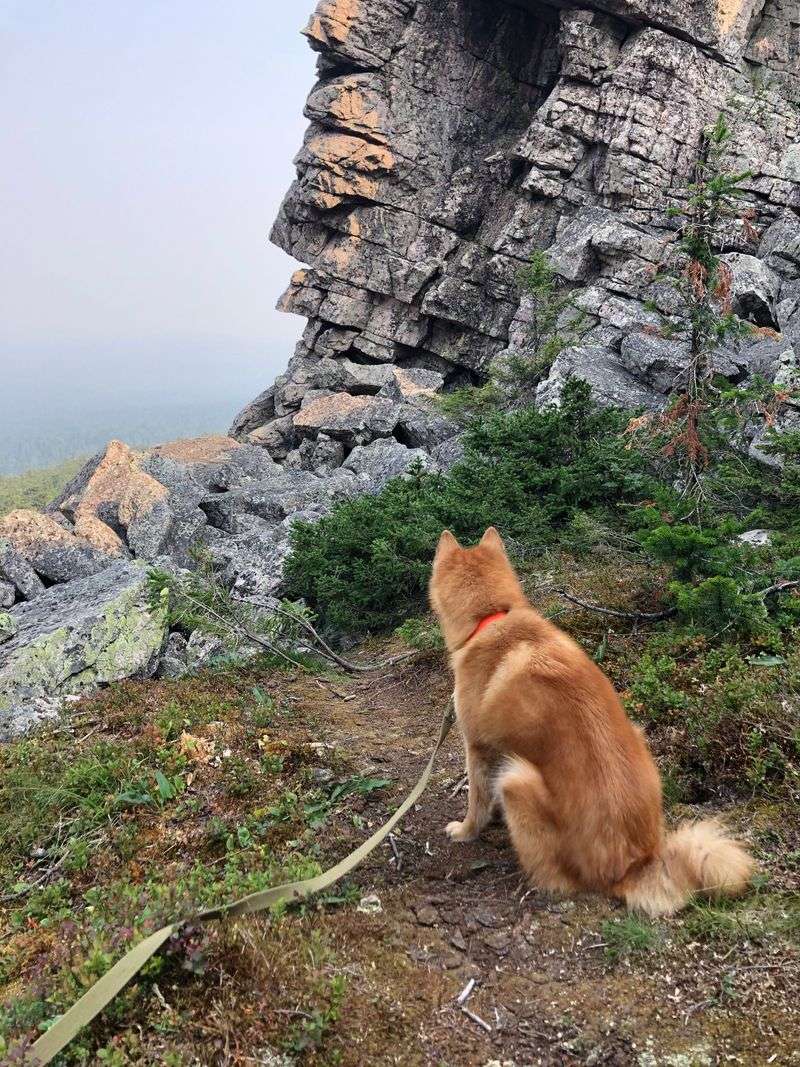
Squirrels rarely choose convenient places to run, and excited dogs can follow instantly. On rocky slopes, a leash helps prevent sudden movement toward ledges or openings.
Use a sturdy fixed length leash and a properly fitted collar or harness.
Stay far enough from edges that one unexpected pull cannot bring you closer. Avoid long retractable lines where footing is loose or visibility becomes limited ahead.
If the route feels awkward, turn around before the terrain becomes harder.
8. Avoid Letting Dogs Investigate Holes
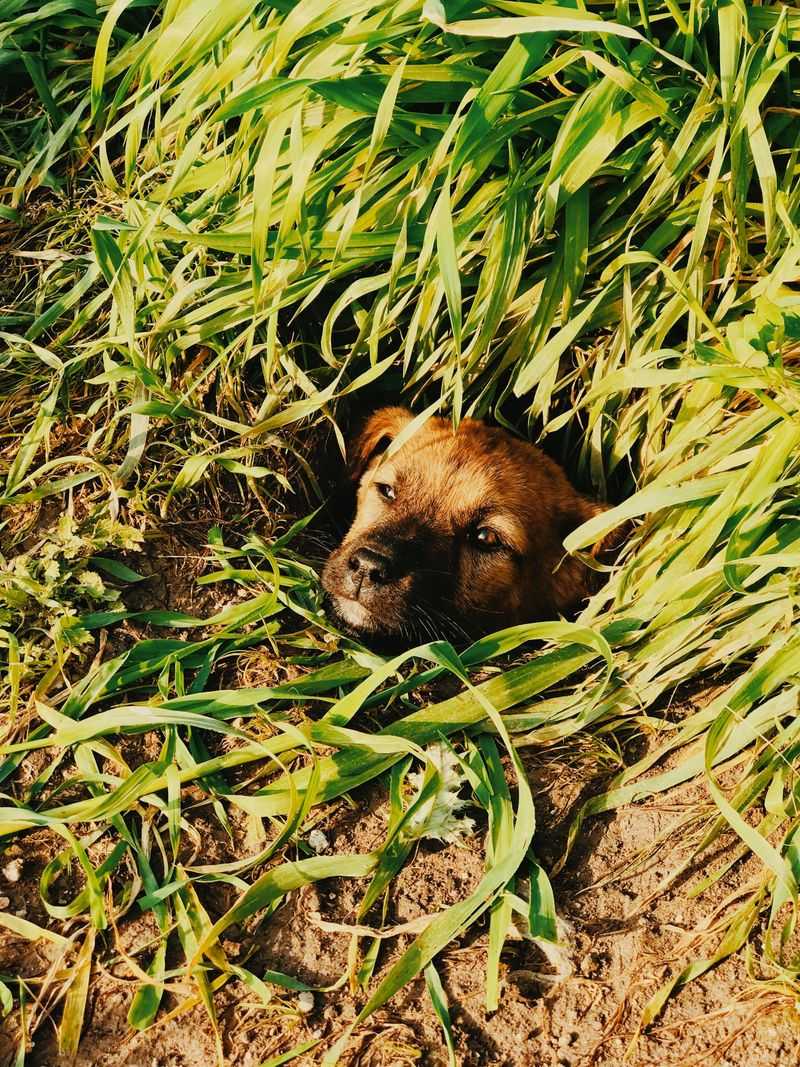
A nose first approach works for interesting smells, but not unknown ground openings. Small entrances may conceal larger spaces, unstable soil, wildlife, or sharp buried material.
Do not let your dog dig around their edges or squeeze through brush.
Practice a cheerful leave it cue using safe objects away from hazardous places. Reward turning toward you, then guide your dog onto a clear walking path.
Physical distance matters more than perfect obedience when an unfamiliar hole appears.
9. Check Trails Before Releasing Your Dog
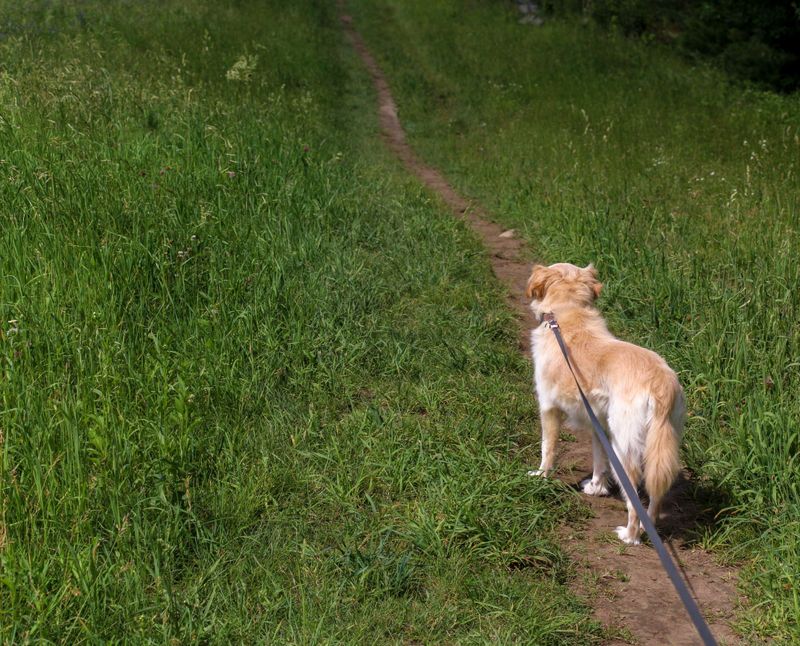
Before unclipping a leash, consider what lies beyond the stretch you can see. Tall weeds, leaf piles, and fallen branches can hide changes beside rural trails.
Walk the area first with your dog attached, watching both sides carefully today.
Only consider free movement where rules allow it and the setting is suitable. An enclosed, inspected exercise area is a better choice near known karst features.
Reliable recall helps, but cannot make hidden openings or unstable ground safe.
10. Be Careful Around Sinkholes Filled With Water
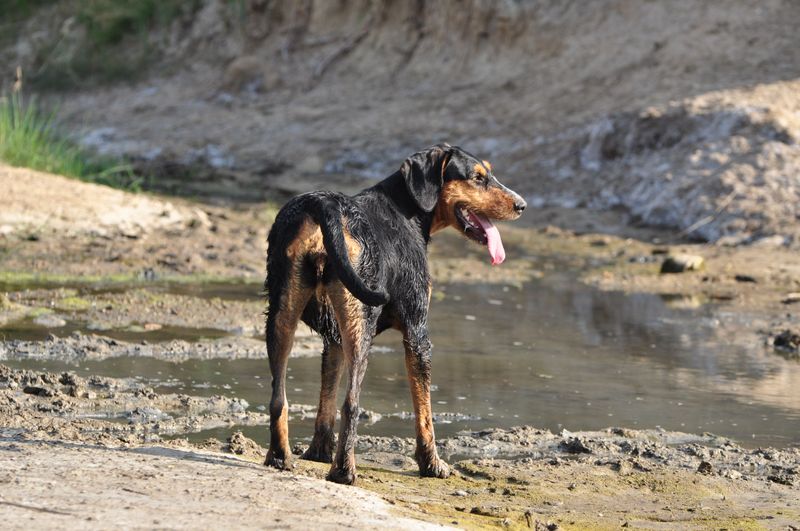
What looks like a small pond may have steep sides and uncertain depth. Cloudy water can hide submerged debris, sudden drop offs, or unstable muddy banks.
Keep dogs from swimming, wading, or drinking in water within a suspected sinkhole.
Bring fresh drinking water so thirst does not draw your dog toward puddles. Contact your veterinarian if your pet swallows questionable water and later seems unwell.
Describe the location and any symptoms rather than guessing about possible contaminants.
11. Protect Puppies and Curious Dogs From Hidden Openings
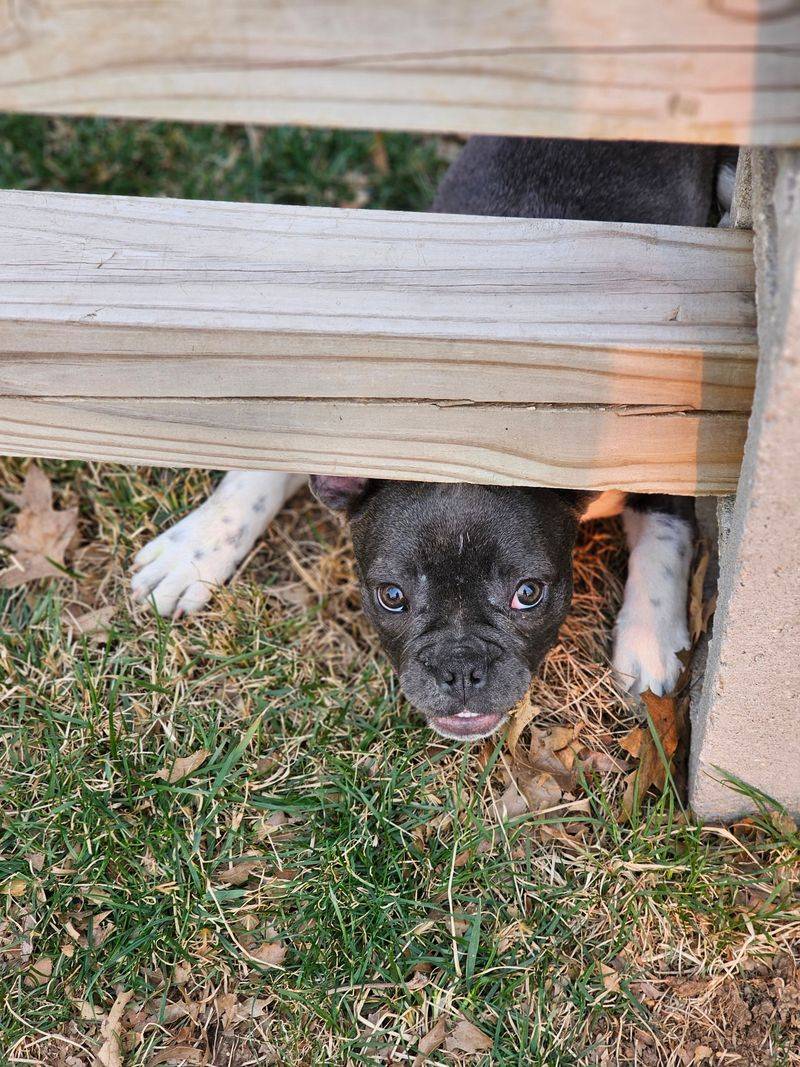
Young dogs can turn a tiny gap into their next project within seconds. Puppies, scent driven dogs, and enthusiastic diggers need close supervision around uneven ground.
Their size may let them enter spaces that larger dogs cannot fit through.
Provide a secure exercise area away from depressions, brush piles, and rocky openings. Check fences at ground level, especially where runoff has washed soil away recently.
Supervised games and sniffing walks offer safer ways to satisfy their curiosity.
12. Know What to Do if Your Dog Falls Into a Sinkhole
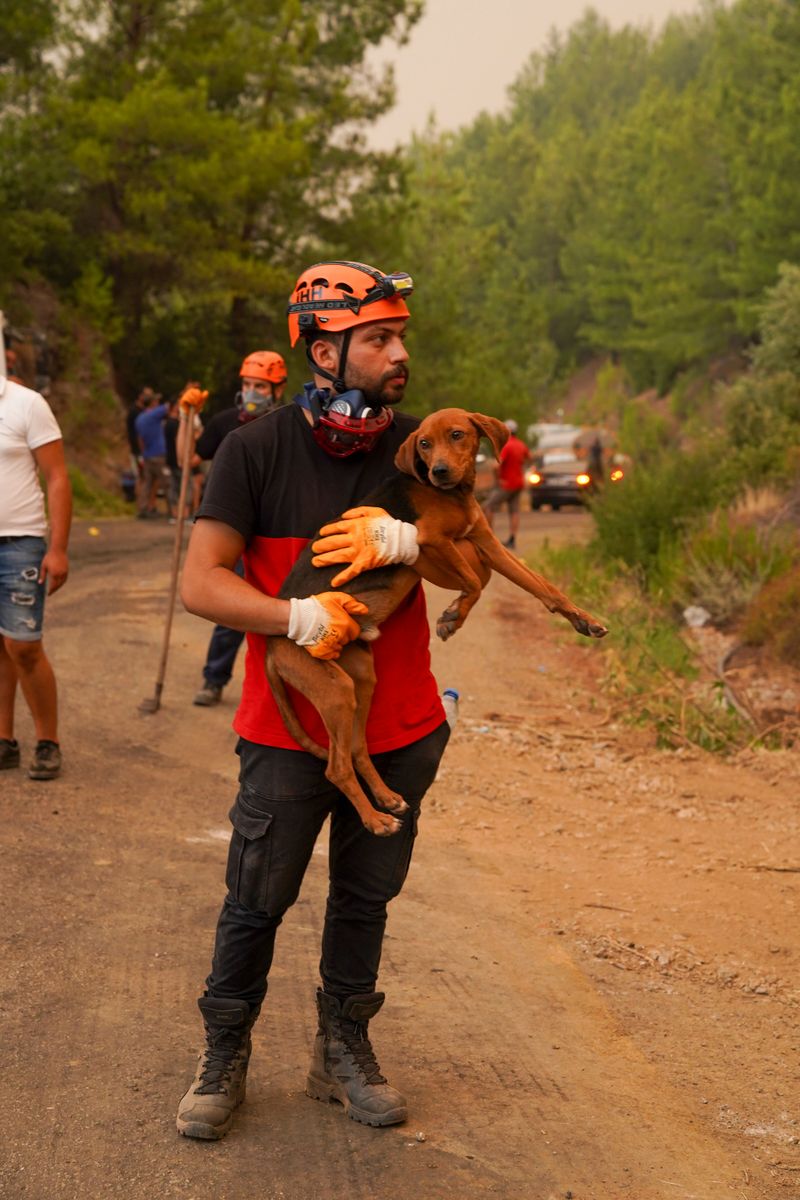
Pause on firm ground and resist the urge to rush toward the edge. Keep other people and animals back, then call 911 if the situation poses an immediate threat or requires emergency rescue.
Explain that a dog needs help near potentially unstable ground or an opening.
Give your location, access details, and any visible hazards without approaching for photographs. Do not climb down, improvise lifting systems, or pull against an uncertain edge.
Follow responders’ instructions, then arrange veterinary care after your dog is recovered.
13. Avoid Entering Caves to Retrieve a Missing Dog
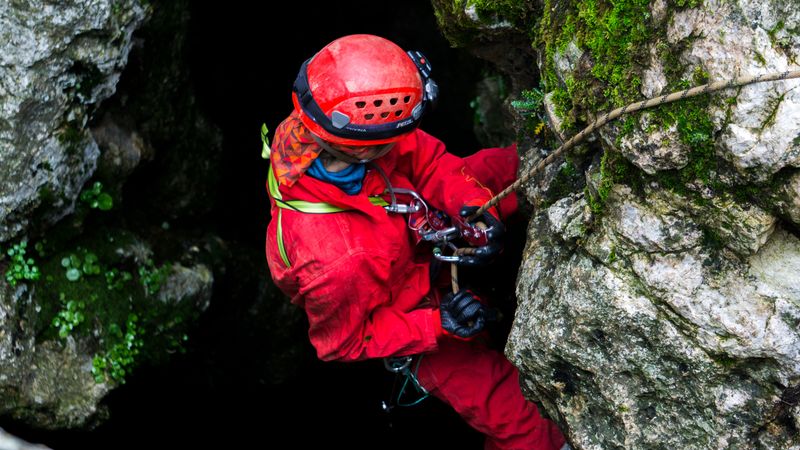
Hearing your dog inside a cave can make waiting feel especially difficult sometimes. Yet entering alone can create another emergency and delay help for your pet.
Caves may contain confusing passages, vertical drops, water, and unreliable phone service underground.
Stay outside on stable ground and contact emergency services when rescue is needed. Share the last known location and sounds you heard without entering to investigate.
Let trained responders decide what equipment and personnel the situation requires next.
14. Mark Dangerous Areas on Your Rural Property
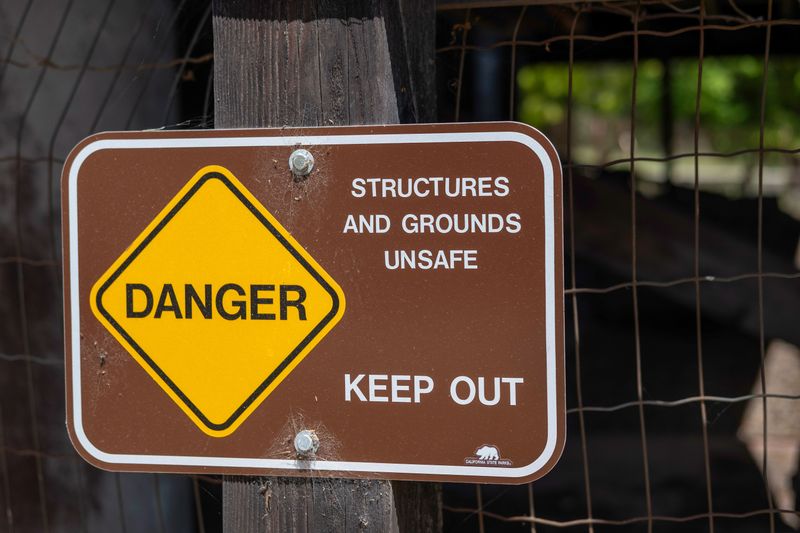
A hazard you remember may be completely unfamiliar to visiting family or workers. Place clear warnings and suitable barriers well outside any questionable ground or edges.
Flags alone may help people notice trouble, but they will not contain dogs.
Choose fencing and setbacks with professional guidance when the surrounding ground seems unstable. Tell visitors where dogs should stay and which routes remain off limits today.
Keep a simple property map showing openings, barriers, and safe access points.
15. Have Suspected Sinkholes Professionally Evaluated
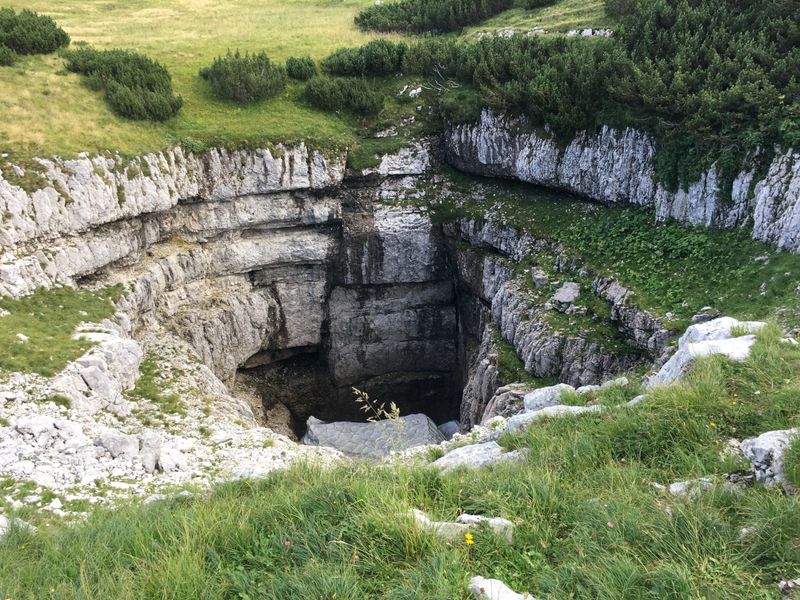
Dumping gravel into a depression may hide the opening without addressing its cause. Suspected sinkholes deserve evaluation by a qualified geologist or appropriately experienced geotechnical engineer.
The right approach depends on local geology, drainage, nearby structures, and ground conditions.
Ask your county planning office about applicable rules and useful local referral options. Avoid adding fill, redirecting runoff, or disturbing the area before receiving proper guidance.
Keep your dog elsewhere while evaluation and any recommended work take place.
16. Check Property Boundaries Before Exploring
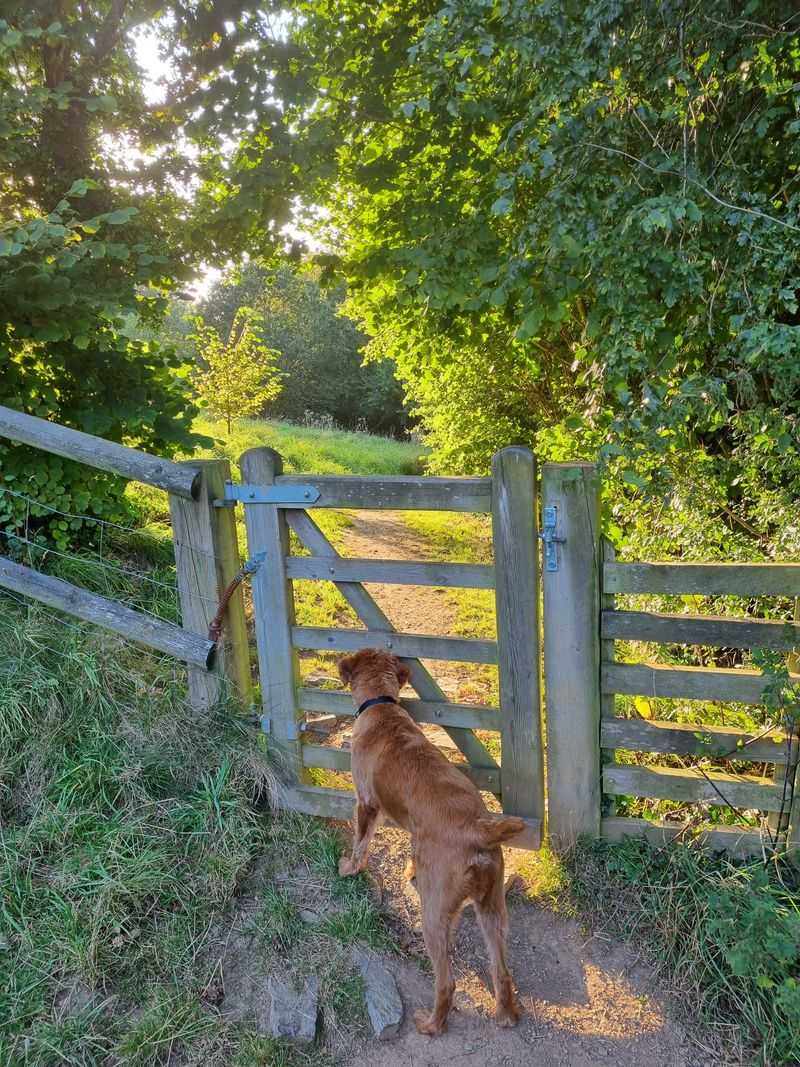
An inviting farm lane does not automatically come with permission to explore it. Get the landowner’s approval before entering private land, including fields with cave entrances.
Ask about livestock, hunting activity, known openings, and any areas that are restricted.
Public properties also have specific access rules, pet policies, and temporary closure notices. Check the managing agency’s current guidance rather than assuming every trail welcomes dogs.
Clear boundaries protect your plans and help avoid unexpected hazards along unfamiliar routes.
17. Prepare Your Dog for Rural Walks
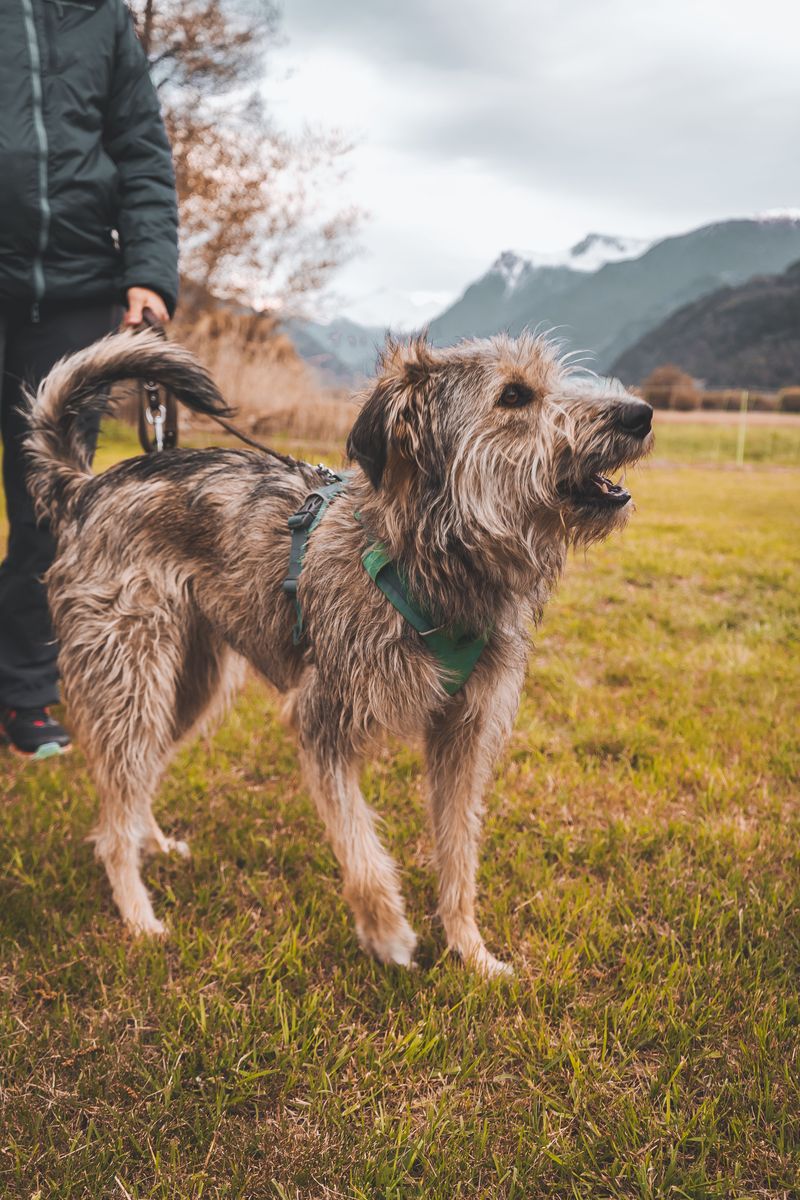
A little preparation makes country walks easier before the first interesting smell appears. Check your dog’s identification tag, microchip contact details, leash, and harness before leaving.
Carry water, a charged phone, and basic first aid supplies for outdoor outings.
Practice recall and waiting cues in safe places, using rewards your dog enjoys. Save emergency veterinary contact details and share your route when exploring isolated land.
Remember that tracking devices may lose coverage and cannot replace direct supervision.
18. Report Dangerous Openings on Public Land
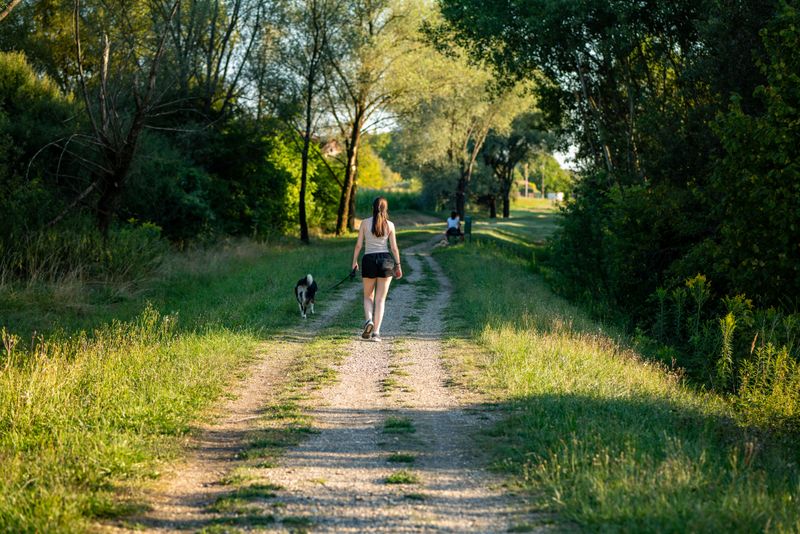
Your observation could help the next walker avoid a problem on shared land. Notify the park office, ranger, or managing agency about newly exposed ground openings.
Provide the trail name, nearby landmarks, and coordinates if you already have them.
Take photographs only from a safe position, without approaching edges for better views. Do not install barriers, move rocks, or attempt repairs without the agency’s permission.
For an immediate threat to people or animals, contact emergency services instead.
19. Recheck Familiar Areas Throughout the Year
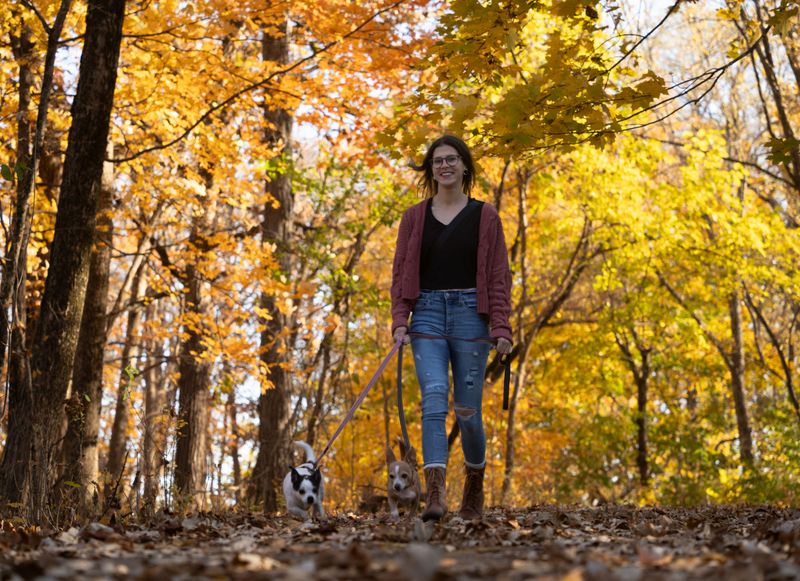
Familiar ground still deserves a fresh look as seasons change across your property. Summer growth hides depressions, autumn leaves cover openings, and storms can shift soil.
Revisit walking routes after major weather changes and before returning to neglected areas.
Update your hazard map and check that fences and warning signs remain useful. Keep choosing clear paths, close supervision, and expert advice whenever something seems different.
Know the ground, guide your dog, and enjoy Tennessee’s countryside with confidence.