What Missouri Law Says About Dog Custody After Divorce Or Separation

Your dog is part of your family, so deciding where they live after a breakup can feel deeply personal. Missouri law approaches that question through property rules, not the custody rules used for children.
Knowing what records matter, what agreements can cover, and when to ask for help can make planning easier. Here is what Missouri dog owners should understand before making lasting arrangements.
1. Missouri Generally Treats Dogs as Personal Property

Your dog may have a favorite blanket, but Missouri divorce law generally places pets in the personal property category. That means courts address ownership through property division rather than treating dogs like children.
Emotional bonds still matter to families, even when the legal framework feels impersonal. Start by gathering ownership records and listing your dog among the property requiring attention.
Clear paperwork gives your attorney a stronger starting point than competing claims of affection alone.
2. Legal Ownership Depends on More Than One Name
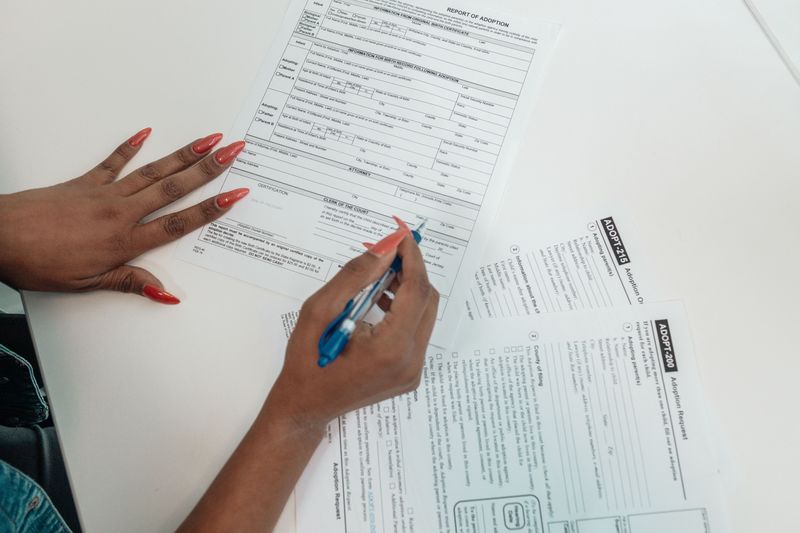
A name on a receipt helps tell the story, but it may not tell the whole story. Courts can consider when the dog joined the household and whether the dog is marital or separate property.
Buying or adopting the dog yourself does not automatically settle ownership during divorce. Explain the full timeline to your lawyer, including payment sources and any gifts.
Avoid assuming that a single document outweighs Missouri’s rules for dividing marital property fairly.
3. Dogs Acquired During Marriage May Be Marital Property
Bringing home a dog during marriage often makes the animal part of the marital property discussion. Missouri generally presumes property acquired during marriage is marital, subject to exceptions recognized by law.
Payment from one spouse’s account does not automatically make the dog separate property. Gather the adoption date, payment details, and any evidence supporting an exception.
Your attorney can explain how Missouri Revised Statutes Section 452.330 applies to the facts surrounding your dog’s arrival home.
4. Earlier Ownership, Gifts, and Inheritances Can Matter
Perhaps your dog was already beside you long before the wedding. A dog owned before marriage may qualify as separate, or nonmarital, property under Missouri law.
Certain gifts and inheritances can also fall outside marital property, depending on the facts. Save older adoption papers, dated photographs, or messages explaining a gift.
Shared care alone does not necessarily change ownership. Ask an attorney whether any later agreement or transfer affects your claim before assuming the answer.
5. Adoption Papers and Receipts Build a Useful Timeline

A simple folder can prevent a surprisingly confusing search later. Keep adoption contracts, purchase receipts, license records, and messages discussing who would own the dog.
Dates help show whether the dog arrived before or during the marriage. Contract terms may also reveal restrictions on transferring the animal.
Store copies somewhere secure and accessible to you. Preserve original records without changing them, and ask your lawyer which documents best support your position in the property dispute.
6. Veterinary Records Document Care, Not Automatic Ownership
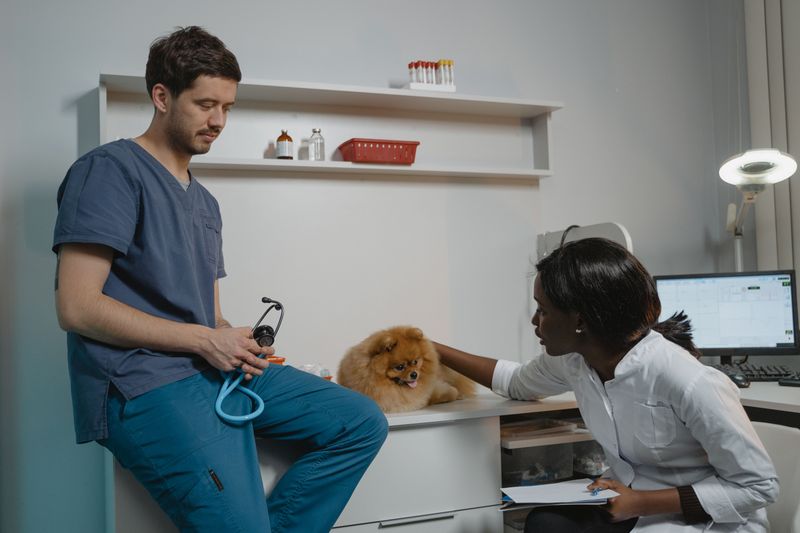
Years of checkups can leave a useful paper trail. Veterinary bills, appointment histories, and medication records may show each spouse’s involvement in caring for the dog.
However, paying a bill does not automatically establish legal ownership. A clinic’s listed contact may simply be whoever usually schedules appointments.
Request records through the clinic’s normal process and share relevant copies with your attorney. Keep your dog’s treatment on schedule while the adults work through the property questions.
7. Microchip Registration Is Only Part of the Evidence

That tiny chip helps identify your dog, but it is not a final ownership ruling. Registration under one spouse’s name can support a claim alongside other records.
Missouri property questions still depend on the broader facts, including when and how the dog was acquired. Do not treat a registry change as a shortcut around an unresolved dispute.
Keep contact information accurate through appropriate channels, and ask your attorney before changing disputed ownership details during divorce.
8. Child Custody Standards Do Not Automatically Apply

Calling an arrangement dog custody does not make it a child custody case. Missouri courts generally resolve pet disputes through property law, not the best-interest-of-the-child standard.
Owners should not assume a judge will order alternating weekends or ongoing pet visitation. The dog may instead be awarded to one spouse through property division.
If continued contact matters to both people, discuss a voluntary agreement early. Have a lawyer explain its limits before relying on future access.
9. Voluntary Shared Time Can Fit Some Families

Some dogs settle comfortably into routines across two homes. Former spouses can voluntarily agree to shared time, even though Missouri does not provide child-style custody rights for pets.
Discuss pickup times, transportation, food, medication, and what happens when plans change. Keep the dog’s routine steady and watch for trouble adjusting.
Shared arrangements require cooperation, not just good intentions. Ask a lawyer how to document ownership and access without assuming every promise can be enforced later.
10. Written Agreements Replace Guesswork With Clear Terms

Memories of a friendly conversation can differ months later. Put ownership, living arrangements, expenses, and any agreed contact in a written document with clear terms.
Missouri Revised Statutes Section 452.325 allows written separation agreements to address the disposition of property. Ask your attorney how to document your dog’s ownership and any agreed arrangements for shared time, and whether those terms should be included in the settlement and court judgment.
Include a process for resolving disagreements. Do not assume a homemade visitation clause will receive the same treatment as an order concerning a child.
11. Fair Property Division Does Not Mean Equal Division

Fair does not always mean splitting everything down the middle. Under Missouri Revised Statutes Section 452.330, courts divide marital property in proportions they consider just.
Relevant factors include economic circumstances, contributions, nonmarital property, marital conduct, and arrangements for children. A dog may go to one spouse within the overall division.
Paying the adoption fee does not guarantee that result. Review the whole property picture with your attorney rather than treating the dog as an isolated dispute.
12. Daily Care Records Add Practical Context
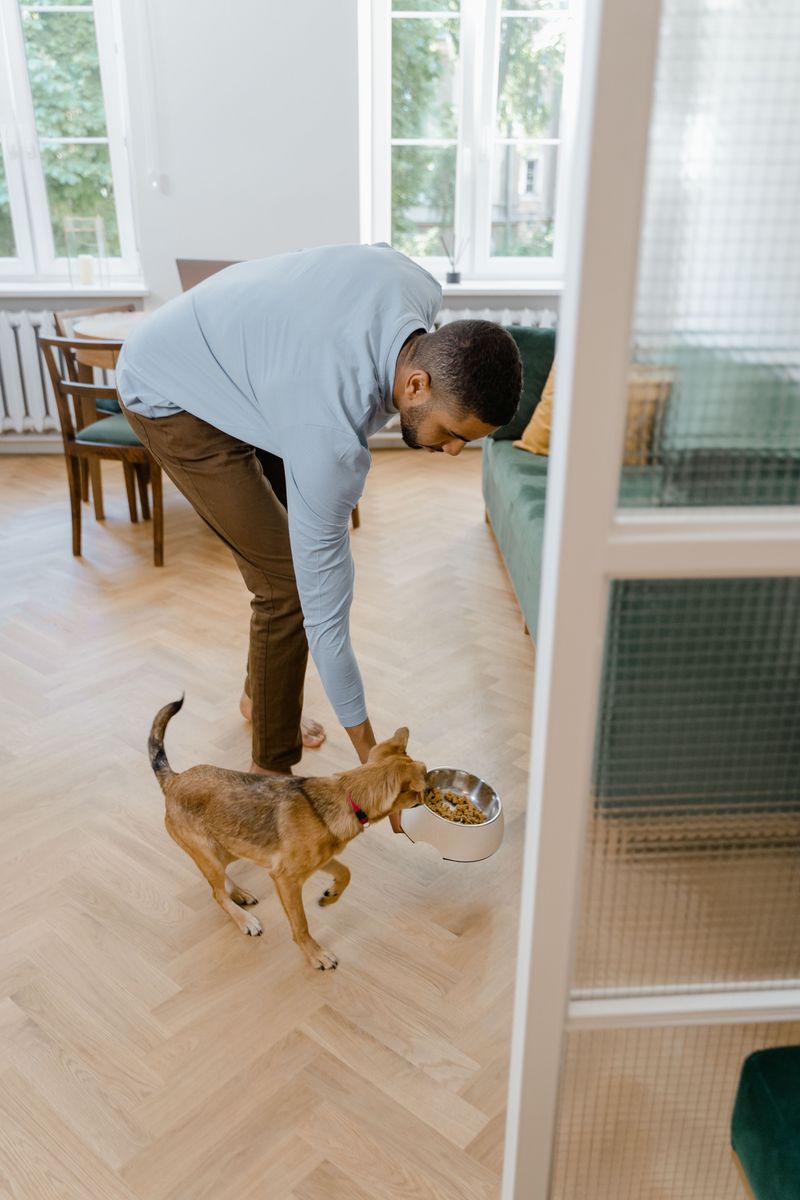
Morning walks and evening meals rarely come with receipts. A simple care log can still explain who handles feeding, exercise, grooming, training, and regular appointments.
Keep entries factual, dated, and focused on the dog’s needs. Supporting messages or appointment confirmations may help provide context.
Missouri does not automatically award a dog to the primary caregiver, so avoid treating your log as a guarantee. Use it to support an accurate account and a realistic care plan.
13. Housing and Budgets Shape Workable Arrangements

A new address can change what daily dog care looks like. Check lease rules, available space, work hours, and the cost of food and veterinary treatment.
These practical details can guide negotiations without creating an automatic legal right to the dog. Missouri does not simply choose whichever spouse has the larger yard.
Bring realistic plans to settlement discussions, including backup care. Confirm local licensing requirements after moving, since rules can vary by city or county.
14. Children’s Routines Deserve Thoughtful Planning

For children, a familiar dog can be part of everyday comfort. Parents may consider how the dog’s living arrangements fit school schedules and transitions between homes.
Missouri Revised Statutes Section 452.330 lists custodial arrangements for minor children among the factors courts consider when dividing marital property. This factor does not establish a separate legal right to pet visitation.
Keep children out of ownership arguments and avoid asking them to choose sides. Discuss practical options privately, then explain the agreed routine in simple language.
15. Temporary Separation Does Not Automatically Change Ownership

Leaving the dog behind during a move does not necessarily give up your ownership claim. A temporary care arrangement and a final property award are different things.
Write down where the dog will stay, who pays expenses, and when the arrangement will be reviewed. Keep copies of any related messages.
Also, distinguish an informal separation from a court-ordered legal separation. If you were never married, ownership disputes generally follow different procedures than marital property division.
16. Taking the Dog Yourself Can Complicate Matters

An upsetting disagreement can make immediate action feel tempting. Avoid taking the dog, entering a former home, or ignoring court orders to settle matters yourself.
Save messages and collect records showing why you believe you have an ownership claim. Then ask an attorney about lawful options, including whether court relief is appropriate.
Police or animal control may not resolve a civil ownership dispute. A careful response can protect your position while keeping the situation more manageable.
17. Safety Concerns Call for a Different Plan

Safe communication matters more than keeping an ordinary exchange schedule. If domestic violence or threats are involved, avoid arranging private meetings that could put anyone at risk.
Missouri protection-order law can provide certain protections involving pets in qualifying cases. Ask an attorney or local support service what relief fits your circumstances.
Follow existing orders, including contact restrictions, and seek help planning care or exchanges. If danger is immediate, contact emergency services rather than handling things alone.
18. Local Legal Advice Helps Turn Records Into a Plan
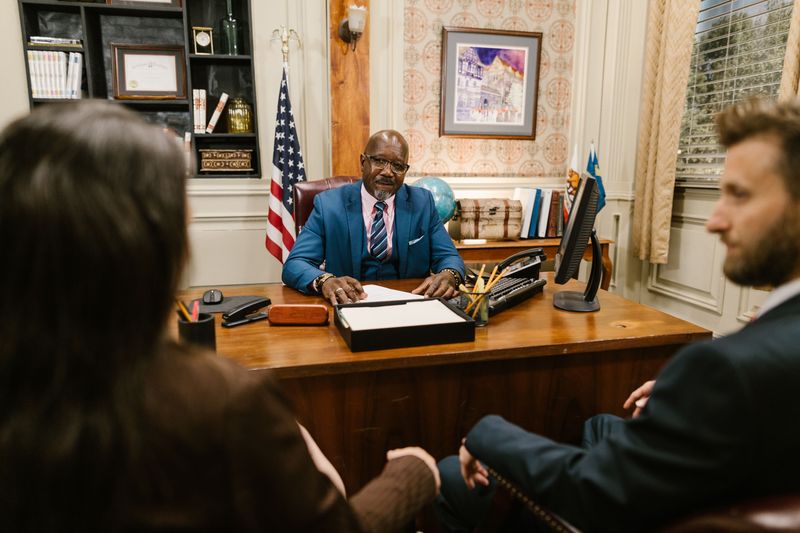
A short legal consultation can clarify what a pile of paperwork actually proves. Bring adoption records, payment information, care histories, and any settlement terms involving your dog.
A Missouri family law attorney can explain ownership claims, available procedures, and gaps in an existing agreement. Ask about costs and practical next steps before deciding how to proceed.
This article offers general information, not individual legal advice. Clear records, thoughtful agreements, and steady planning help protect your dog’s routine.