Rural New York Dog Owners Need A Different Specialty-Vet Plan Than City Owners

Living in rural New York gives your dog room to roam, but specialty care may require a longer drive. City owners may have more nearby choices, while your closest hospital might not offer every service.
A little planning helps you find the right team, manage travel, and avoid surprises about appointments or costs. Here is how to build a practical plan that fits your dog and your corner of New York.
1. Find the Nearest Specialty Vet Before Your Dog Needs One
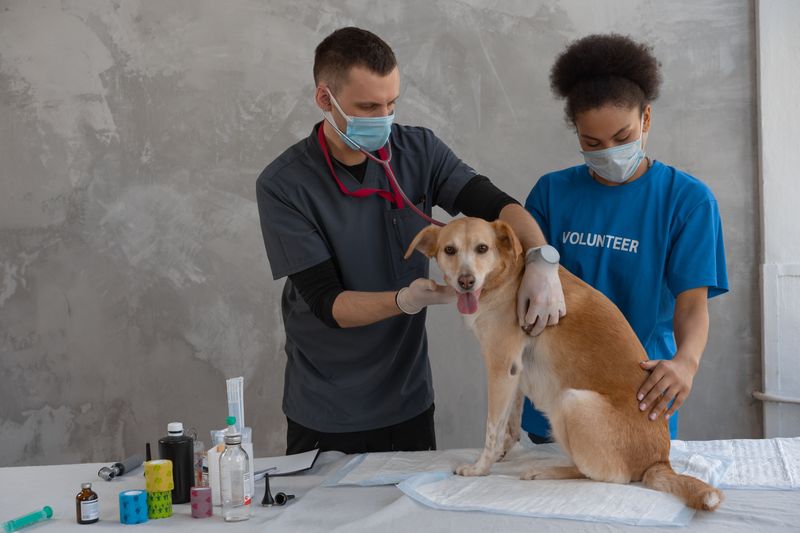
A familiar clinic sign does not always mean specialist care is available inside. Ask your regular veterinarian which referral hospitals serve your area.
Save their phone numbers, addresses, and current hours before you need them.
Check which specialties each hospital offers, since services can differ between locations. Confirm whether specialists see patients daily or only on certain days.
Keep one printed contact sheet at home and another in your vehicle, where everyone can find it.
2. Know Which Services Your Local Vet Can Handle
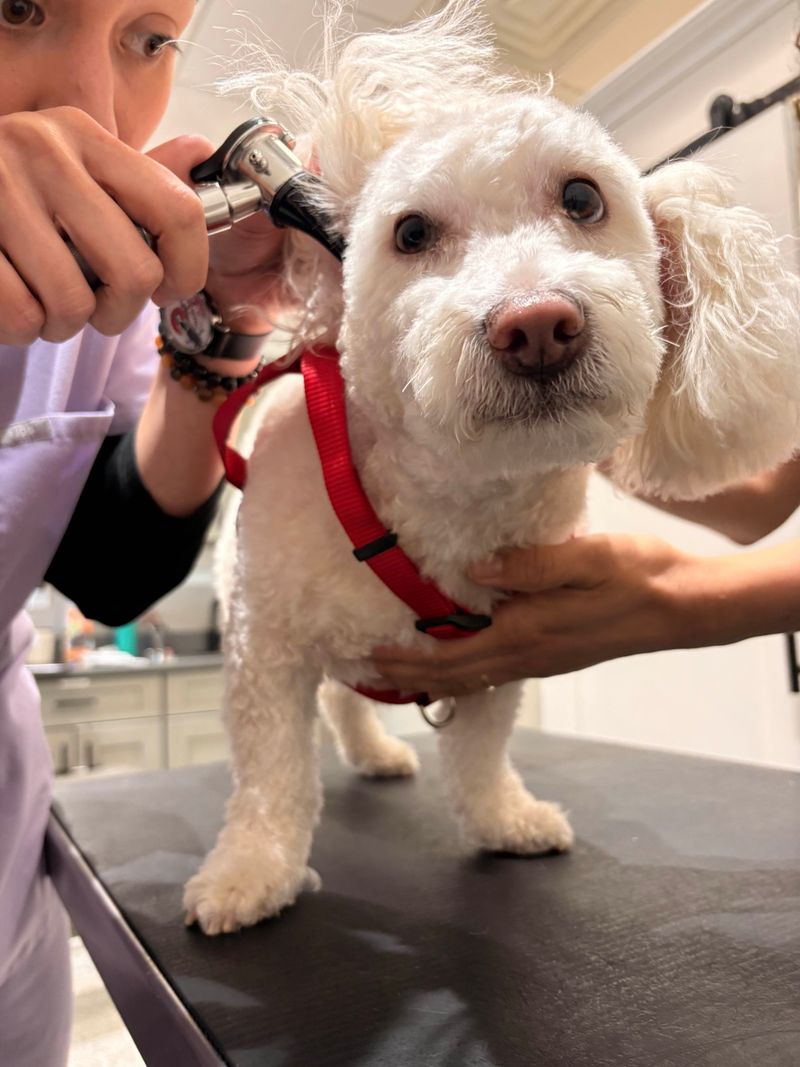
Your hometown clinic may handle more than you expect. Many general veterinarians provide routine surgery, basic imaging, laboratory testing, and ongoing disease management.
Available equipment and staff experience vary, so ask about your dog’s specific needs.
Discuss which changes would lead to a specialist referral. Request clear instructions for problems that develop after hours.
Knowing these boundaries helps you avoid unnecessary travel while still seeking advanced care when your veterinarian recommends a different medical team.
3. Map Out Specialty Hospitals Across New York

Distance alone will not tell you which hospital fits best. Compare facilities near regional centers such as Ithaca, Albany, Rochester, Buffalo, and the Hudson Valley.
Cornell University’s veterinary hospital in Ithaca is an established referral option for animals needing specialized care. Confirm that it offers the relevant service and can accept your dog before traveling.
Mark hospitals by specialty rather than assuming every location offers everything. Include a second route and a backup destination.
For border communities, an appropriate hospital in a neighboring state may also deserve consideration during your planning.
4. Plan for Longer Drives During Emergencies
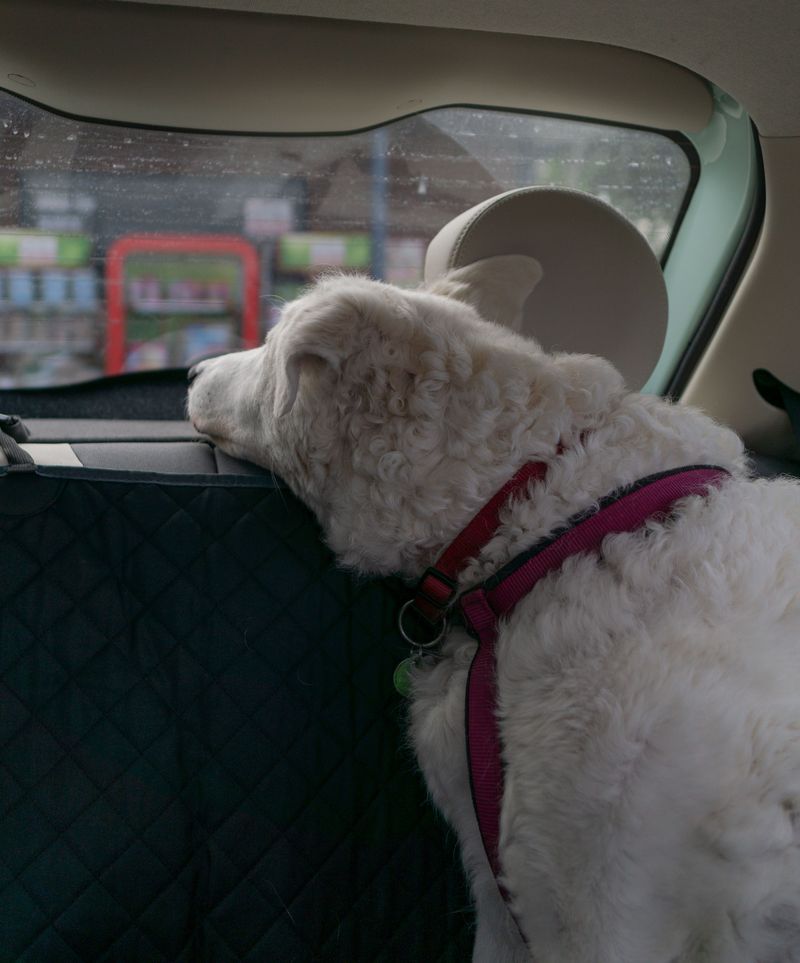
A rural drive can take longer than the map suggests. Call the receiving hospital before leaving when possible, and explain your dog’s symptoms.
Staff can advise whether their facility is appropriate or suggest a closer option.
For breathing trouble, collapse, or repeated unsuccessful attempts to vomit, seek urgent veterinary guidance immediately. Ask whether a nearby clinic should provide initial care before transfer.
Never delay urgent help while searching for the perfect specialist or comparing prices.
5. Ask About Referral Requirements Before Booking
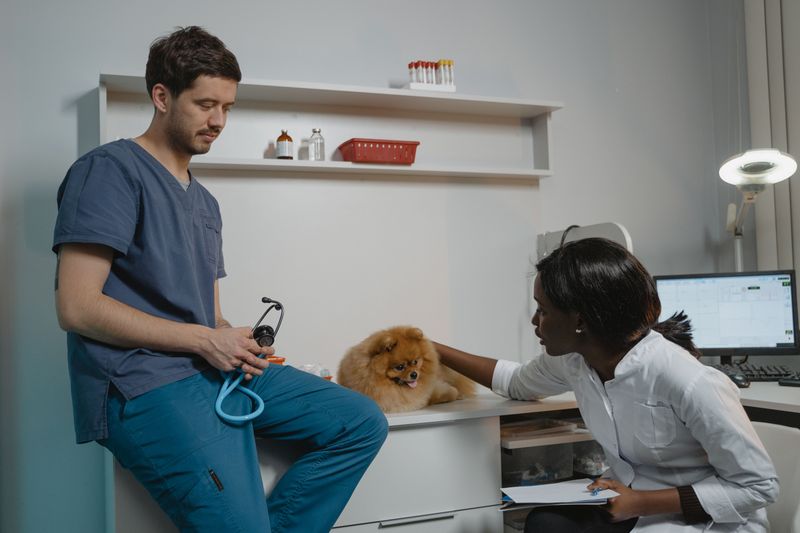
Booking rules can be surprisingly different between hospitals. Some specialty departments request a veterinarian’s referral, while others let owners contact them directly.
Ask what paperwork is needed before an appointment can be scheduled.
Find out who sends records and whether the specialist reviews them before choosing an appointment date. Mention any recent changes in your dog’s condition.
A scheduled visit does not replace urgent evaluation if new symptoms develop while you are waiting for care.
6. Check Whether Your Dog Needs a Specialist or an Emergency Hospital
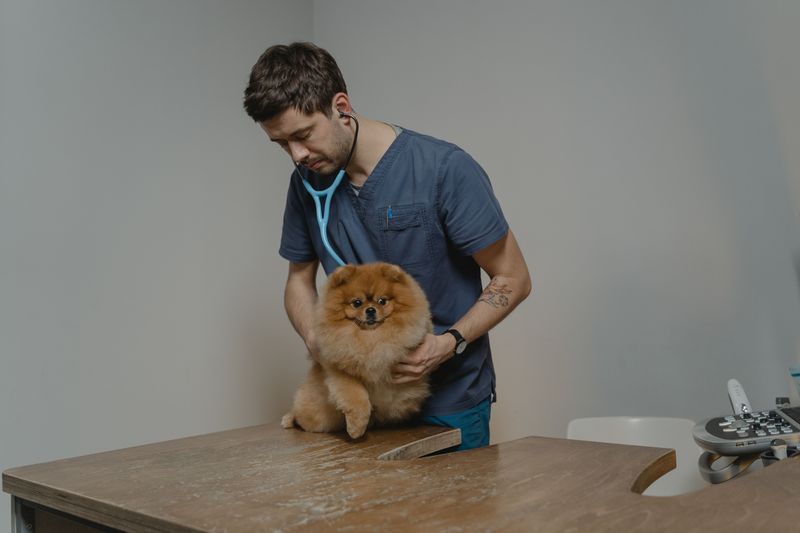
Specialty care and emergency care serve different purposes. A specialist focuses on a particular field, such as heart disease, eye conditions, or surgery.
An emergency team evaluates urgent problems and provides immediate treatment when needed.
Some hospitals offer both services, but a specialist may not be available overnight. Describe symptoms when calling instead of requesting only a department.
Let veterinary staff guide your destination, especially when your dog seems suddenly unwell or cannot settle comfortably.
7. Prepare for Winter Roads and Changing Weather

Lake effect snow can change a familiar trip quickly. Check New York’s 511 travel information and current weather before leaving.
Allow extra time without assuming that every rural road will receive prompt clearing.
Keep blankets, a charged phone, and a vehicle charger ready. Confirm hospital hours during major storms, since staffing and appointments may change.
If travel looks unsafe, call your veterinarian for guidance about nearby care rather than choosing between waiting and driving alone.
8. Keep Medical Records Ready for a Referral
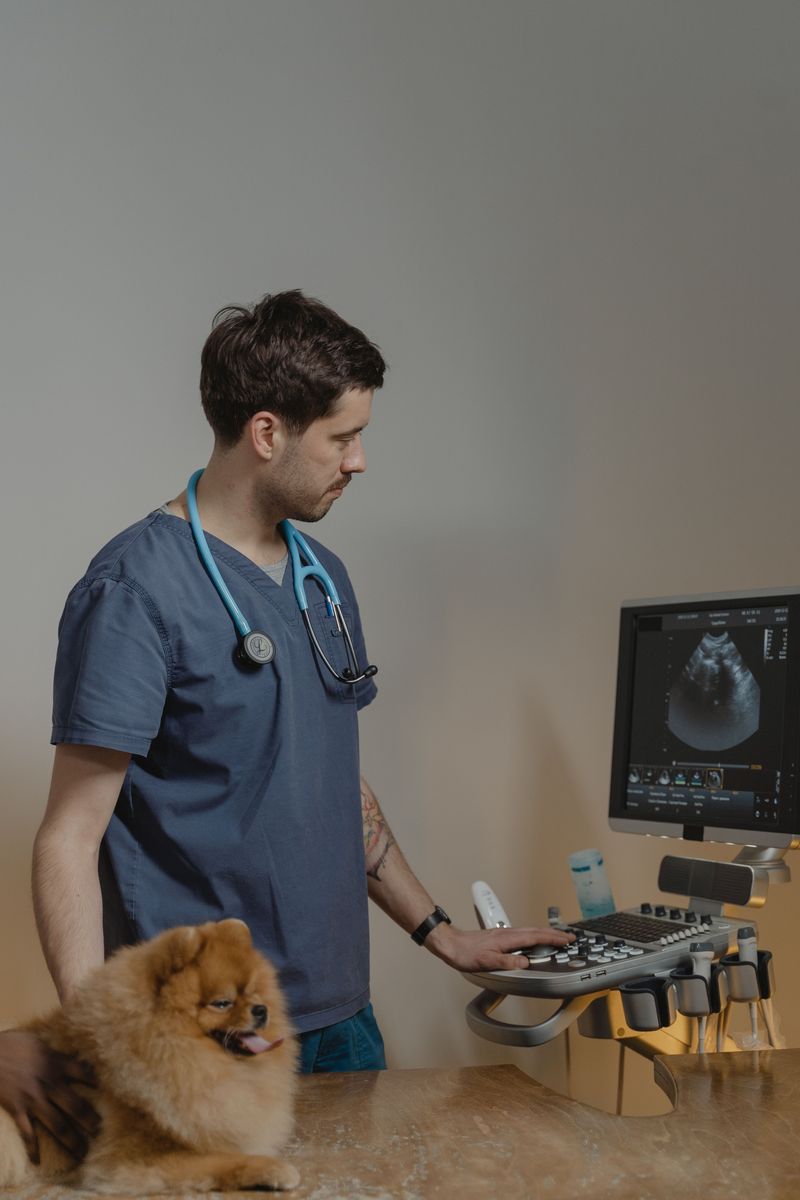
Good records help a new team understand your dog faster. Gather recent visit notes, laboratory results, imaging reports, vaccination history, and a current medication list.
Include supplements and any known reactions to medicines.
Ask your clinic to send original imaging files when requested, not just written summaries. Store copies on your phone and keep essential details on paper.
Before traveling, confirm that the receiving hospital can open everything your local veterinarian has already sent electronically.
9. Understand How Far You Can Travel for Follow-Up Visits

One long appointment may become several return trips. Before starting treatment, ask how often your dog needs examinations, testing, or bandage changes.
Discuss which visits must happen at the specialty hospital.
Consider work schedules, fuel costs, and your dog’s comfort during repeated drives. Some checks may be possible at your regular clinic with specialist guidance.
Agree on that arrangement early, and ask who reviews results and contacts you if the treatment plan needs to change.
10. Ask About Telemedicine for Follow-Up Care
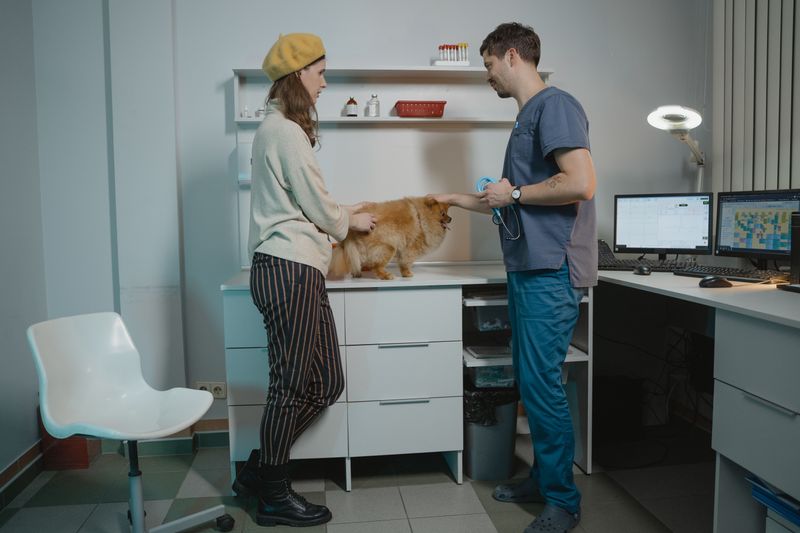
A video call may save a long round trip. Ask whether your specialist offers remote follow-up for suitable concerns after an examination.
Photos, symptom notes, and short videos can support those conversations.
Telemedicine cannot replace every hands-on examination or test. Availability depends on the clinical situation, hospital policy, and applicable New York veterinary rules.
Confirm whether an established veterinary relationship is required. Also ask about fees, internet needs, and symptoms that mean an in-person visit.
11. Compare the Full Cost of Specialty Treatment
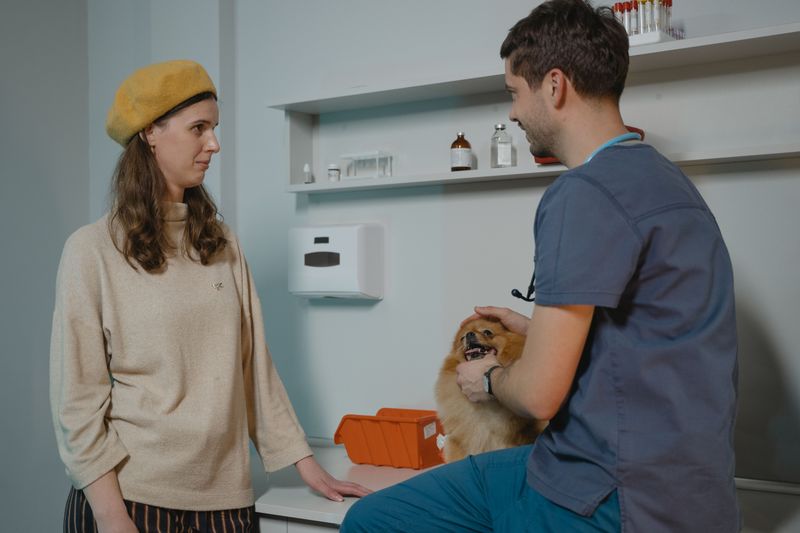
The appointment fee is only part of your budget. Request a written estimate covering expected examinations, tests, treatment, and follow-up care.
Ask which costs are firm and which may change after evaluation.
Add fuel, lodging, missed work, and care for other animals at home. Discuss medically appropriate options without assuming the lowest estimate offers identical services.
Ask how the hospital handles approval for additional charges. Clear numbers make decisions easier when a long trip is involved.
12. Check Insurance and Payment Options Before Treatment

Insurance coverage does not always mean immediate payment help. Many pet policies reimburse owners after bills are paid, while some arrangements allow direct payment.
Verify your policy’s process before relying on it.
Review deductibles, reimbursement limits, waiting periods, and exclusions for preexisting conditions. Ask the hospital about deposits and accepted payment methods.
Financing, when offered, may involve approval and interest. Keep claim forms handy, and request detailed invoices that match your insurer’s documentation requirements for reimbursement.
13. Find Out Which Imaging and Tests Are Available Nearby
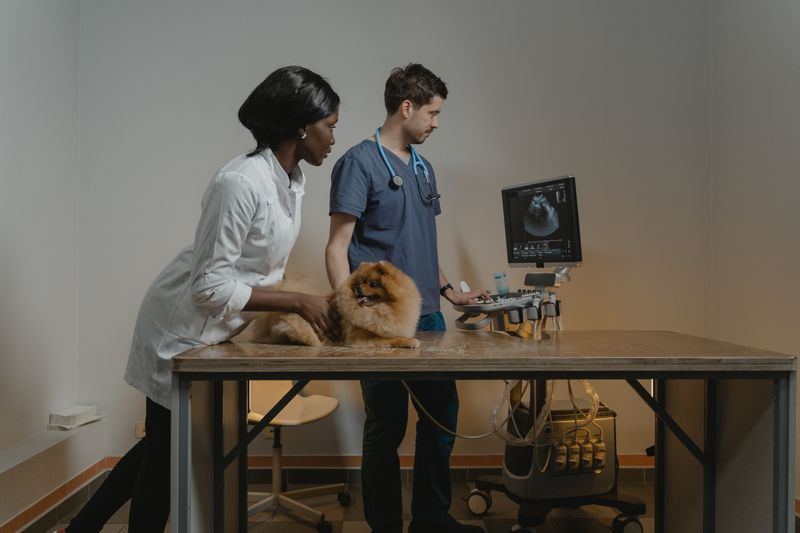
Not every scan requires the same equipment or team. Your local clinic may offer X-rays or ultrasound, while advanced imaging requires another facility.
Ask where CT, MRI, or specialized testing is available.
Confirm whether sedation or anesthesia might be needed and follow the hospital’s preparation instructions. Avoid arranging duplicate tests without discussing previous results.
Sometimes a specialist needs particular images or samples. Coordinating first can save travel, reduce repeated procedures, and keep the workup moving efficiently.
14. Arrange Safe Transportation for an Unwell Dog
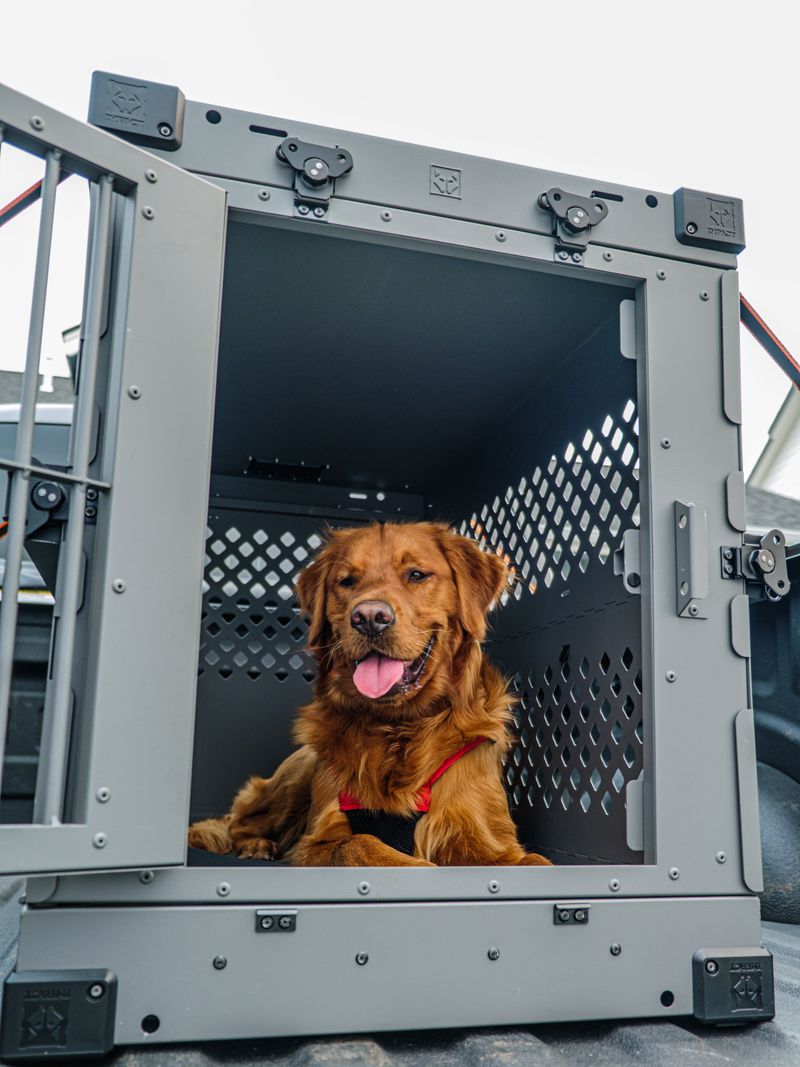
Getting into the car can become the hardest step. Ask veterinary staff how to move your dog safely, especially with pain or limited mobility.
Arrange another adult’s help when lifting is necessary.
Use a secured crate or suitable restraint when your dog’s condition allows it. Keep the vehicle comfortable and avoid pressure on sore areas.
Do not give calming medicines unless prescribed for that dog. Call ahead if unloading assistance will be needed at arrival.
15. Build a Backup Plan for When Your Usual Clinic Is Closed

Friday evening is a poor time to discover coverage gaps. Ask your clinic who handles urgent calls overnight, on weekends, and during holidays.
A voicemail message may provide instructions, but confirm the arrangement beforehand.
Save a second hospital’s number in case the first cannot accept patients. Rural facilities may have changing hours or limited staffing.
Share the plan with family members and pet sitters. Include directions, your dog’s records, and permission details for anyone providing care.
16. Ask Your Local Vet to Coordinate With Specialists
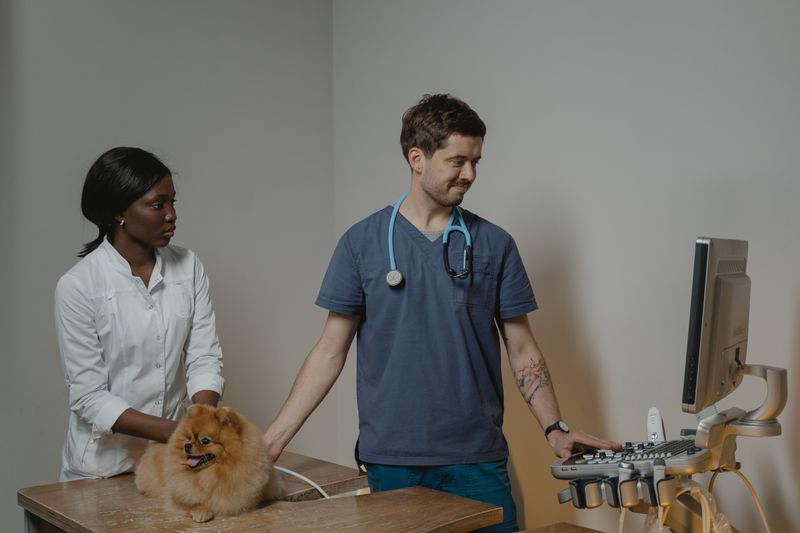
Two veterinary teams work best with one shared plan. Ask your regular veterinarian and specialist how they will exchange updates.
Confirm who manages prescriptions, routine tests, and questions between specialty appointments.
Request written discharge instructions that your local clinic also receives. If advice seems different, ask the teams to clarify before changing treatment yourself.
Rural owners often benefit when nearby care supports specialist decisions. Good communication can reduce unnecessary trips while keeping everyone focused on progress.
17. Consider Seasonal and Agricultural Hazards in Rural Areas
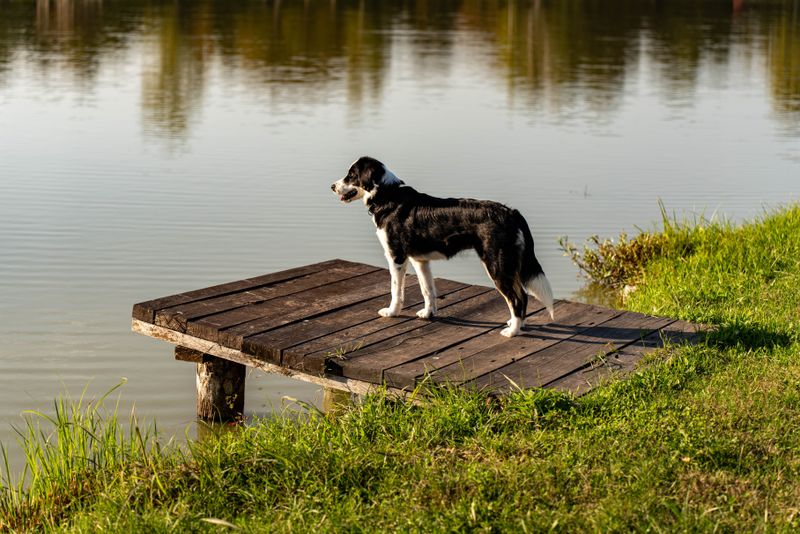
Country routines bring exposures that city plans may overlook. Tell your veterinarian about ticks, livestock contact, pond access, farm chemicals, and rodent control products.
Discuss prevention based on your dog’s activities and local conditions.
Store chemicals securely and keep dogs away from treated areas according to label directions. If exposure occurs, contact a veterinarian promptly and bring packaging or product photos.
Avoid home remedies unless instructed. Useful details help staff choose appropriate care and testing quickly.
18. Keep a Clear Plan for Medications During Long Trips

A long appointment can disrupt a familiar medicine schedule. Before traveling, ask which doses to give and whether food restrictions affect them.
Never assume fasting means stopping every medication your dog normally takes.
Pack medicines in labeled containers with enough supply for unexpected delays. Follow storage directions, including refrigeration when required, and protect supplies from temperature extremes.
Bring a written schedule with the last dose recorded. Ask whom to call about missed doses or travel problems.
19. Reassess Your Specialty-Vet Plan as Your Dog Ages
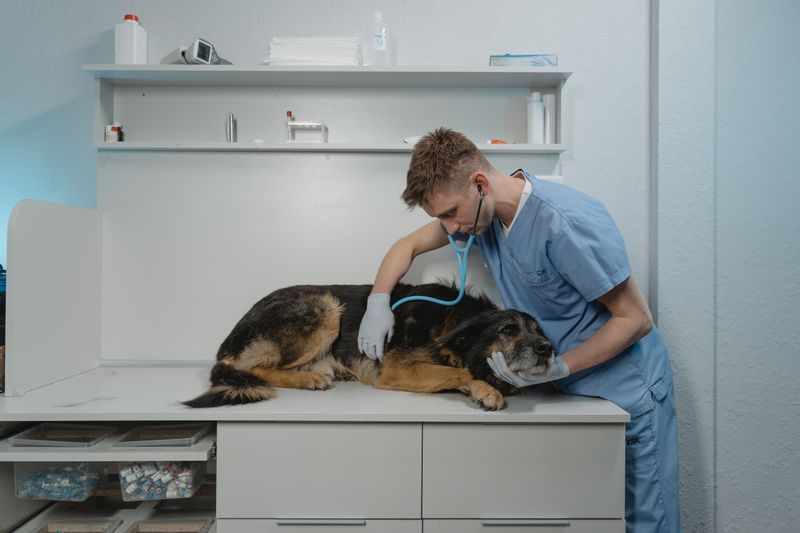
Your dog’s needs will change, and your plan should follow. Review travel comfort, current conditions, and referral options during regular veterinary visits.
Update contact numbers whenever clinics change services or your household moves.
For older dogs, discuss mobility support and whether nearby monitoring can replace some longer trips. Keep treatment goals grounded in comfort, daily routines, and veterinary advice.
A clear destination, shared records, and reliable transport turn distance into something you can plan around calmly.