17 Things North Carolina Dog Owners End Up Keeping By The Door During Pollen, Mud, And Storm Season
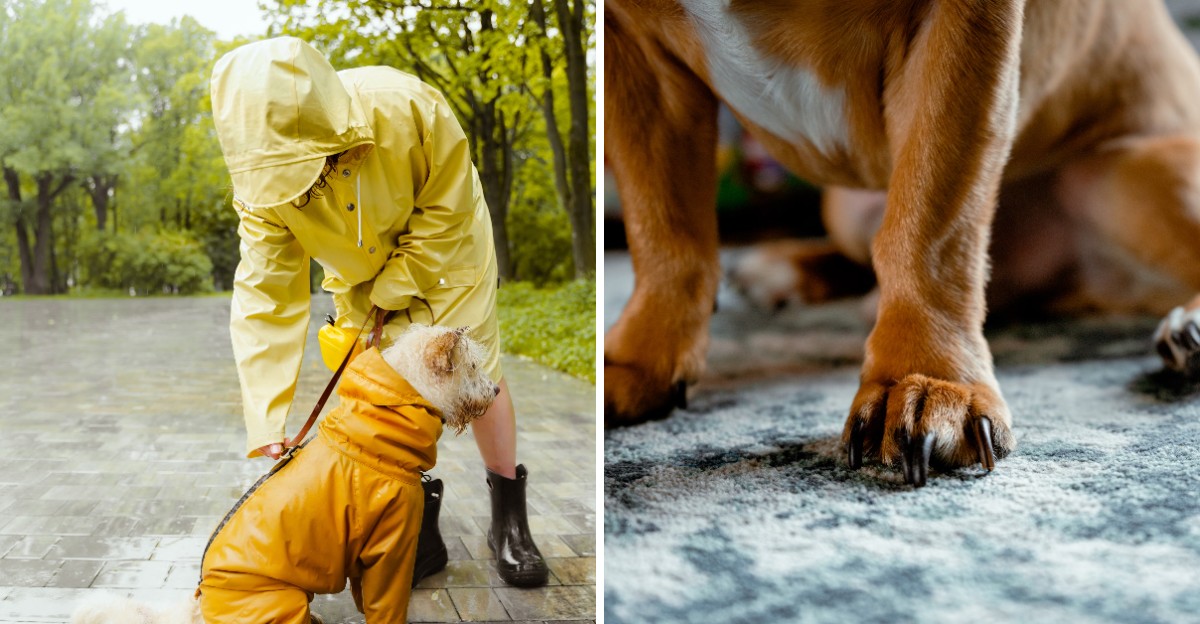
North Carolina weather can turn a quick dog walk into a muddy, pollen-covered trip before lunch. If you share your home with a dog, a few supplies near the door make cleanup much easier.
From spring’s yellow dust to sudden summer rain, each season brings something different across the threshold. A simple doorway setup helps you handle messy paws, wet gear, and changing weather without turning every outing into a project.
1. A Washable Towel for Pollen-Covered Paws
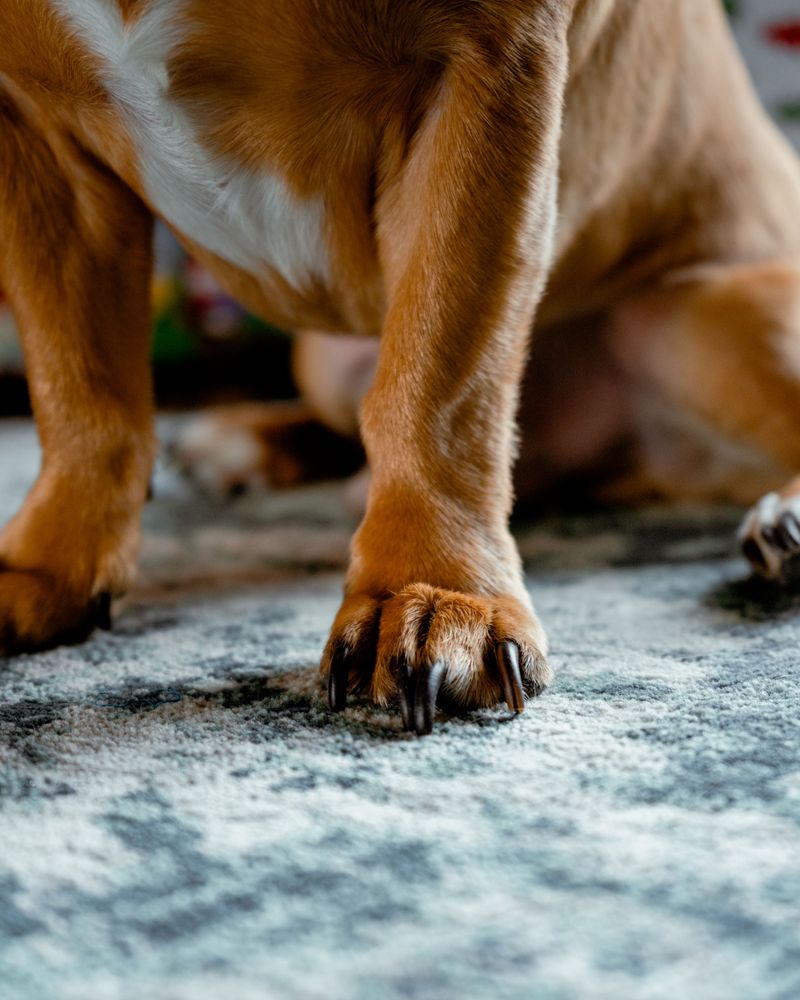
Yellow footprints can appear before you even notice the pollen coating your porch. Keep a washable towel within reach, and gently wipe paws when your dog comes inside.
A slightly damp towel can help lift pollen rather than scatter it around. Pay attention between toes, without pulling or rubbing hard.
Wash the towel often, and let it dry fully between uses. Persistent licking, redness, or itching deserves a conversation with your veterinarian about possible allergies.
2. A Paw Wiping Cloth for Muddy Walks
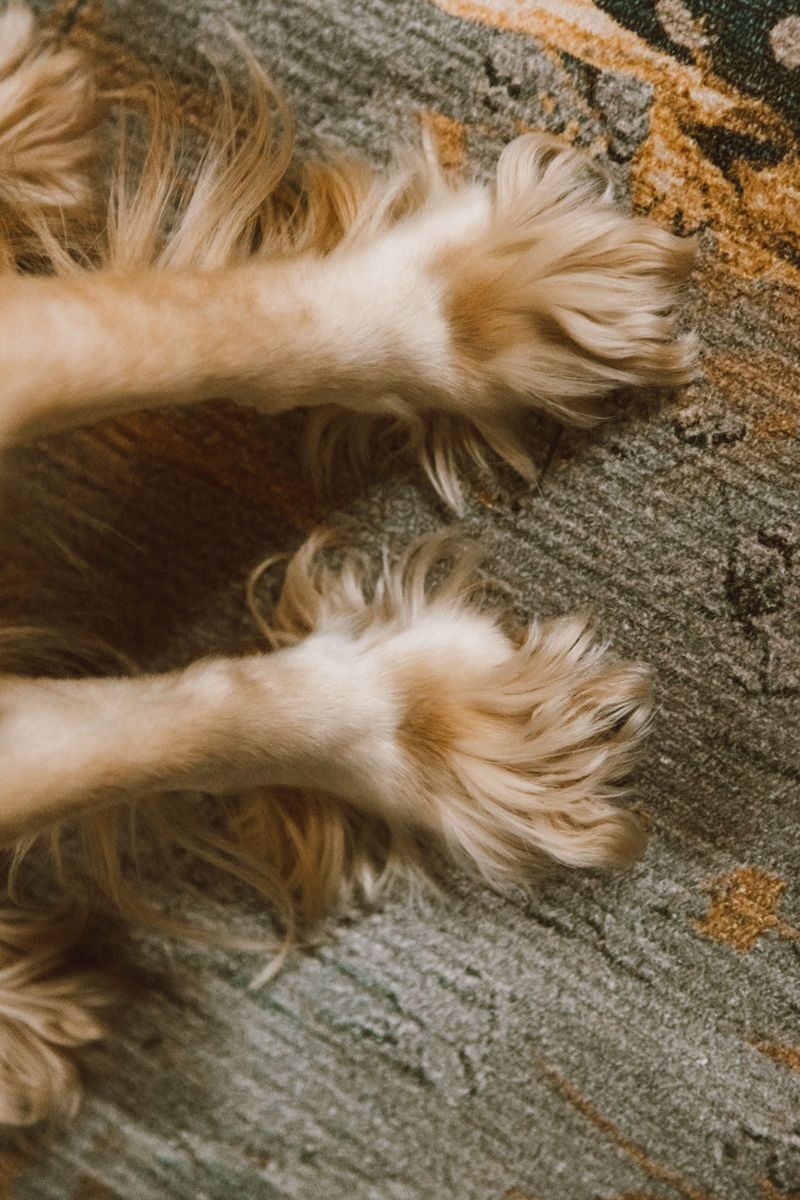
Red clay has a way of following North Carolina dogs right into the kitchen. Give muddy walks their own soft cloth, separate from your pollen towel.
Dampen it with lukewarm water before wiping each paw, including the spaces around the pads. Let dried clumps soften instead of tugging them loose.
Check for small stones while you work. Finish by drying the paws, then place the dirty cloth somewhere washable until laundry time comes around again.
3. A Sturdy Doormat for Wet Feet
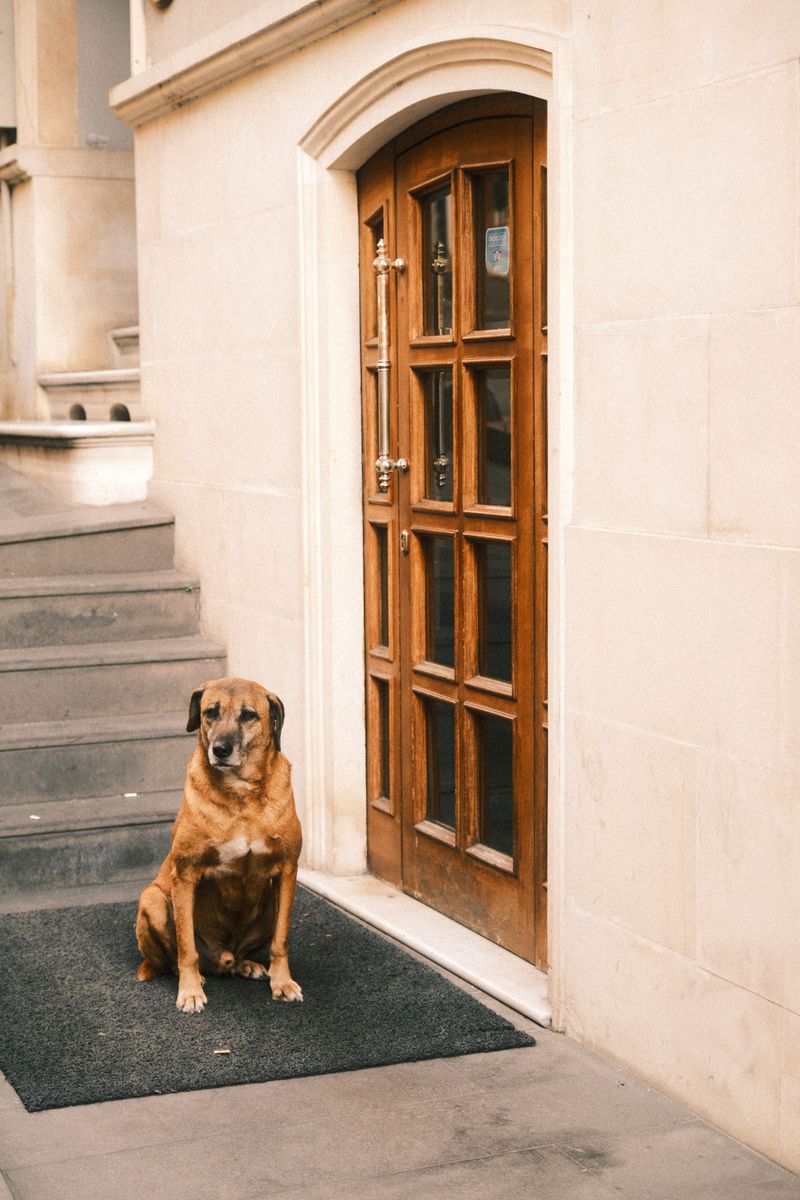
One good landing spot can save several rooms from wet paw prints. Choose a sturdy mat with a backing that stays put on your floor.
Look for a washable surface that catches moisture without leaving loose fibers under curious noses. Place it where your dog naturally pauses after entering.
Shake out grit regularly, following the cleaning instructions. Replace curled or damaged mats, and dry the floor underneath whenever rainwater sneaks through during a busy afternoon.
4. A Leash That Is Easy to Grab During Storms
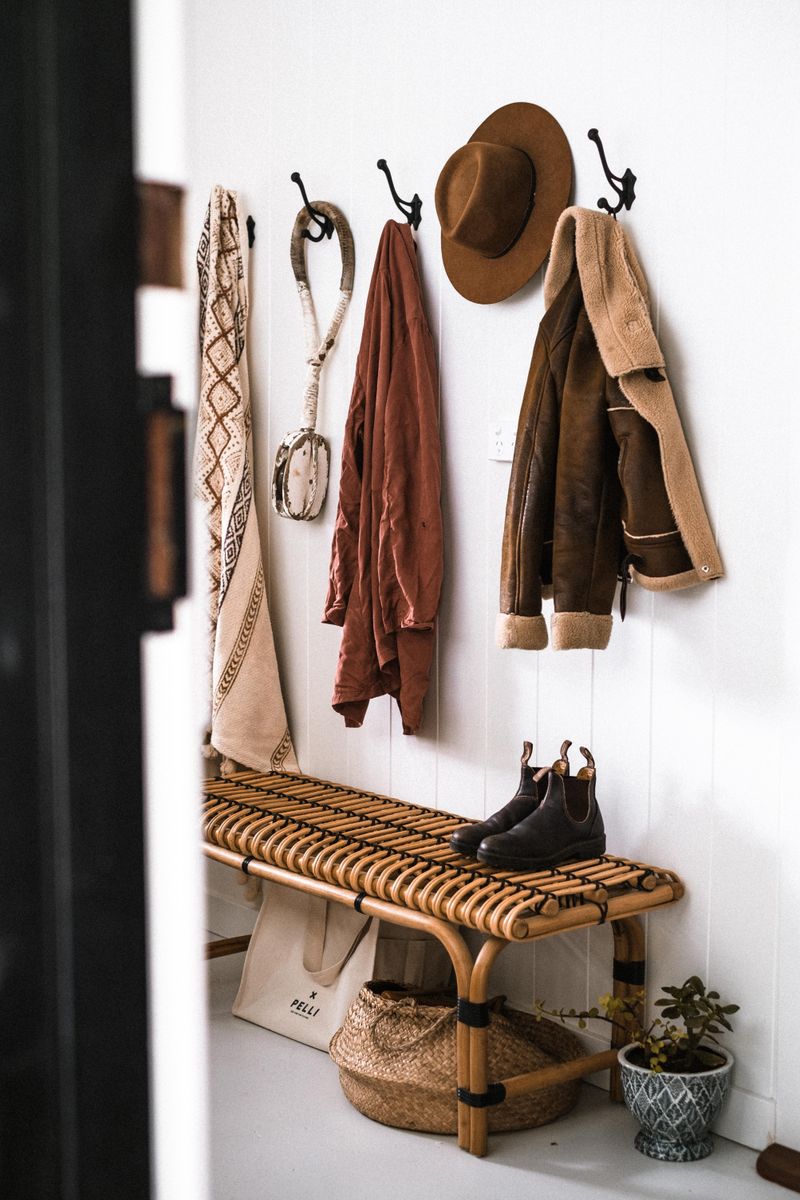
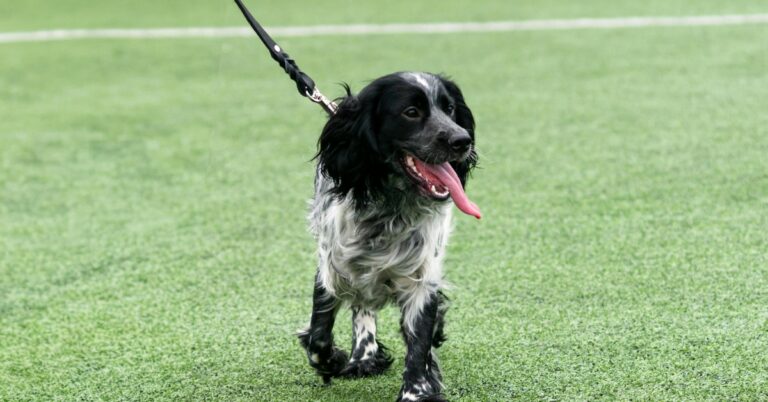
Thunder is not the moment to hunt through a crowded closet for walking gear. Hang a familiar, fixed-length leash on an easy hook near your exit.
Check the clip and stitching regularly, especially after muddy outings. Attach it before opening the door, even when your dog usually stays close.
Plan bathroom breaks around weather alerts when possible. If thunder starts, head indoors promptly rather than extending the walk to finish your usual neighborhood loop today.
5. A Waterproof Dog Coat for Rainy Days
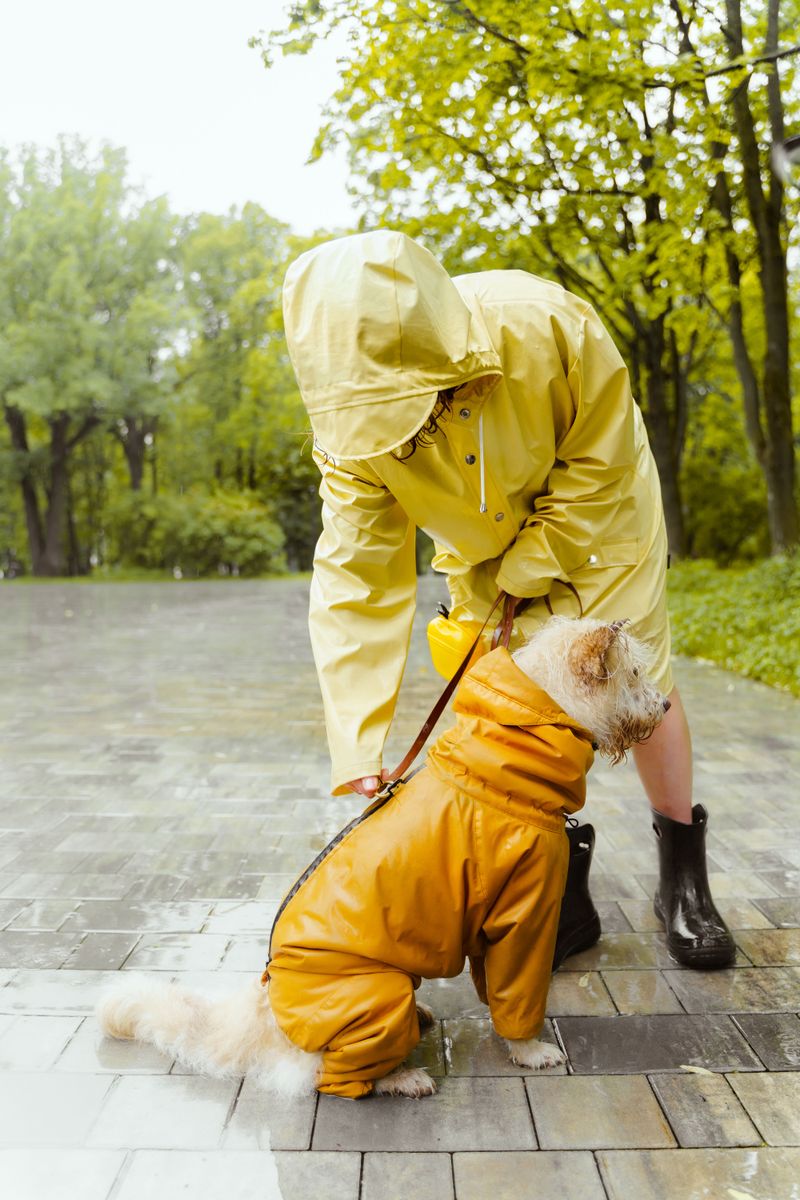
Some dogs welcome drizzle, while others stop firmly at the first wet step. A lightweight waterproof coat may make brief rainy outings more comfortable for reluctant walkers.
Choose a fit that allows free movement and does not block bathroom breaks. Avoid covering the eyes or restricting the ears.
North Carolina afternoons can stay warm during rain, so watch for overheating. Remove the coat indoors and hang it open until fully dry before storing it away.
6. A Spare Collar and Identification Tag
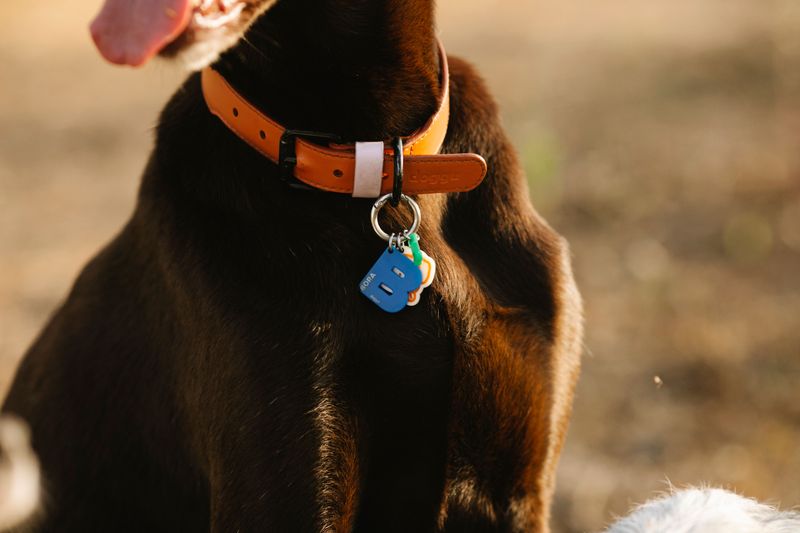
A soaked collar is easier to swap when a dry backup is already waiting. Keep a properly fitted spare with a readable identification tag near your walking supplies.
Use a current phone number, and check that the tag attachment stays secure. Update your dog’s microchip registration whenever your contact details change.
Collar identification complements a microchip rather than replacing one. Local licensing and rabies tag requirements vary, so confirm the rules with your local authorities.
7. A Paw Cleaning Cup for Stubborn Mud
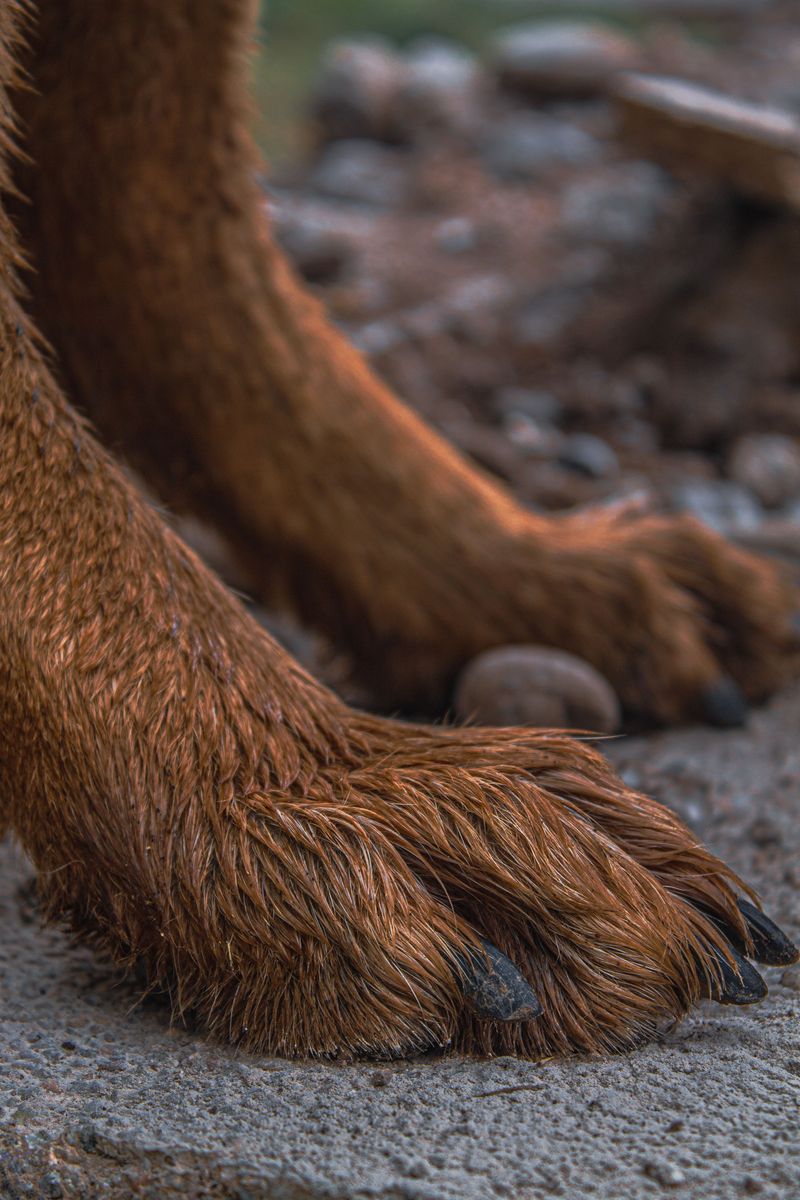
Sticky mud sometimes needs more than a quick swipe with a cloth. A paw cleaning cup can loosen dirt with water and gentle movement around the foot.
Introduce the empty cup first, rewarding calm interest before adding lukewarm water. Never force a worried dog’s leg inside.
Follow the product directions, and change dirty water between paws as needed. Dry carefully afterward, then wash and air dry the cup so yesterday’s mud does not linger inside.
8. A Soft Brush for Spring Pollen
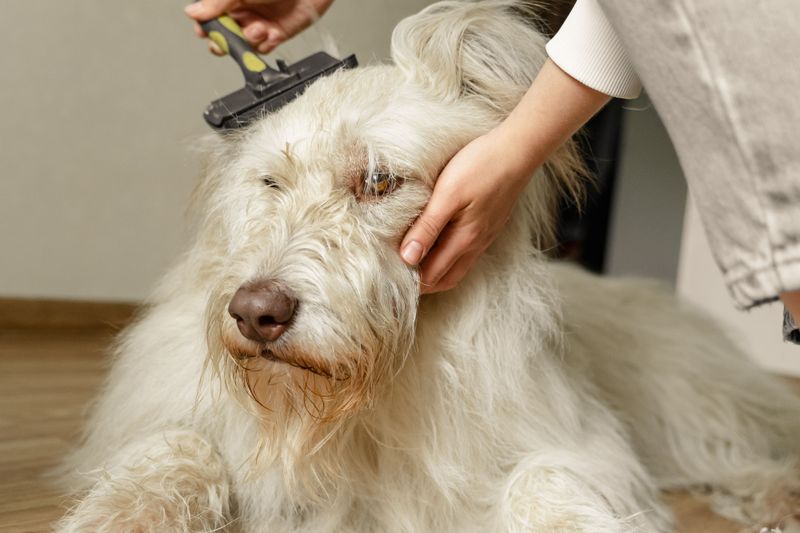
That dusty coat may be carrying part of the pine pollen season indoors. Keep a soft brush handy for gentle grooming after walks on dry spring days.
Choose bristles suited to your dog’s coat, and avoid irritated skin or tangled areas. Brush in a sheltered spot away from open doors when weather allows.
Follow with a damp cloth if needed. Frequent scratching, sore patches, or recurring ear trouble calls for veterinary advice, not harder brushing.
9. Pet-Safe Wipes for Quick Cleanups
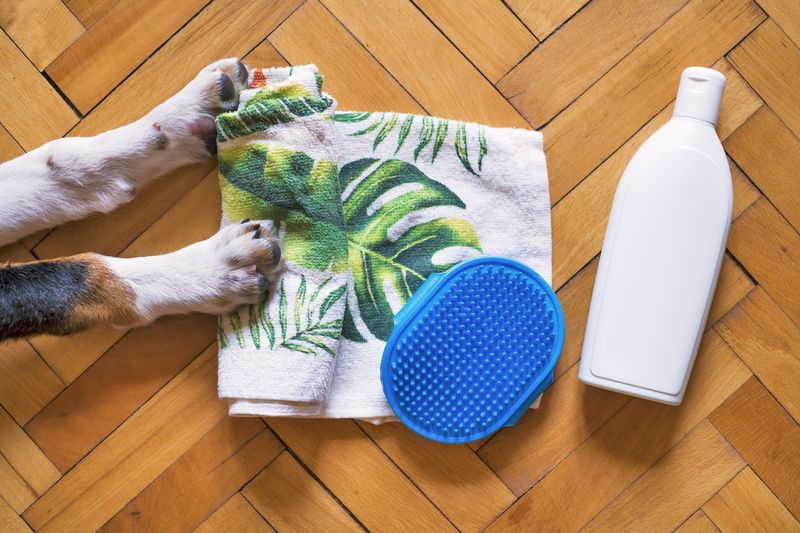
For a small splash or dusty belly, a wipe offers a quick cleanup option. Choose wipes labeled for dogs, ideally without fragrance, and follow the package directions.
Household cleaning wipes are not a substitute for grooming products. Keep any wipe away from eyes and other sensitive areas unless its label allows use there.
Stop if skin becomes irritated. Close the package tightly after use, and put used wipes in the trash rather than the toilet.
10. A Covered Container for Used Towels
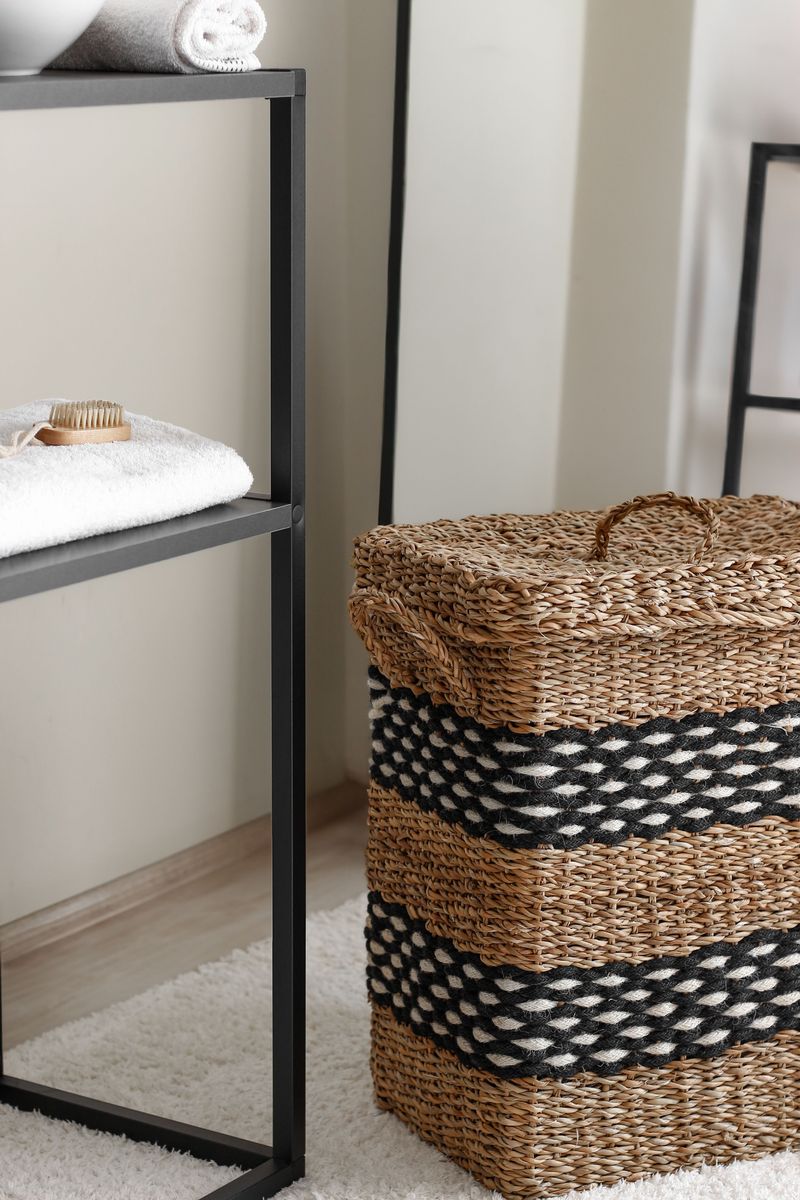
The cleanup corner stays useful only if dirty towels have somewhere to go. Set out a washable container with a ventilated cover, beyond your dog’s reach.
A lid helps contain the mess, but damp fabric still needs prompt attention. Avoid packing wet towels tightly or leaving them for days.
Wash them regularly, and clean the container whenever it smells musty. Keep fresh cloths on a separate shelf so nobody accidentally grabs yesterday’s muddy towel again.
11. A Small Bottle of Clean Water
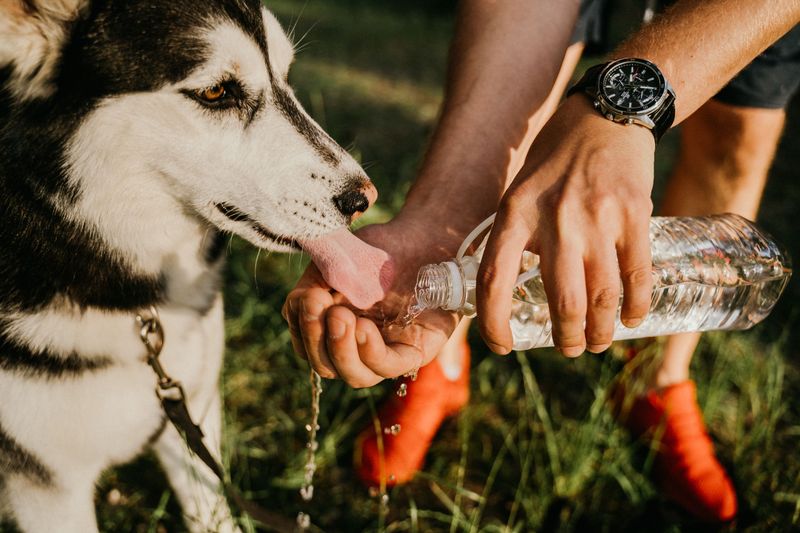
A little clean water handles plenty of small messes before they spread indoors. Keep a closed bottle nearby for dampening cloths or rinsing ordinary dirt from paws.
Refresh the water regularly, and wash the bottle instead of endlessly topping it off. Pour gently, then dry the feet thoroughly.
Skip puddle water, which may contain unwanted germs or chemicals. For suspected chemical exposure, contact your veterinarian promptly rather than assuming a quick rinse solves the problem.
12. A Flashlight for Dark, Rainy Bathroom Breaks
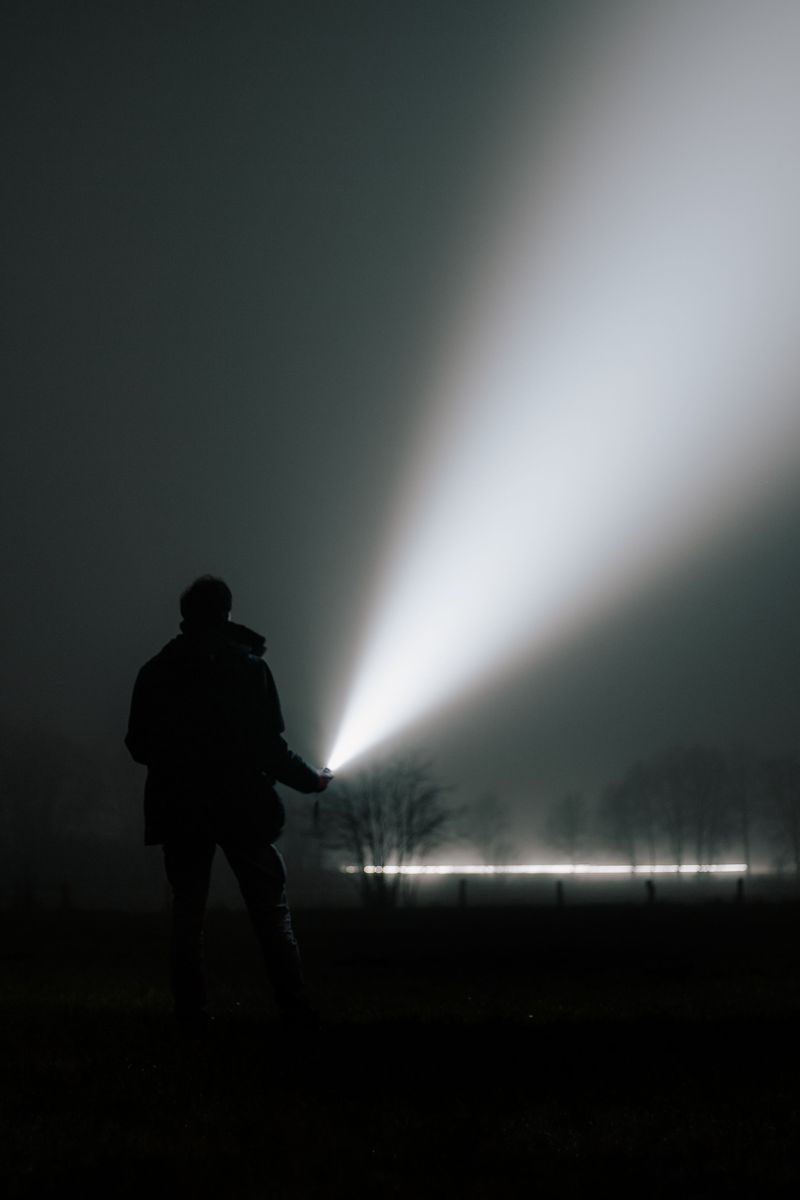
Rainy evenings can hide puddles, uneven steps, and fallen branches along familiar paths. Store a working flashlight beside the leash, with spare batteries kept safely away from pets.
A headlamp can leave both hands available for handling your dog. Aim light toward the ground rather than into nearby faces.
Check the forecast before stepping outside, and keep necessary breaks brief. No flashlight makes lightning safe, so return indoors when thunder signals a storm is nearby.
13. A Reflective Leash or Safety Light
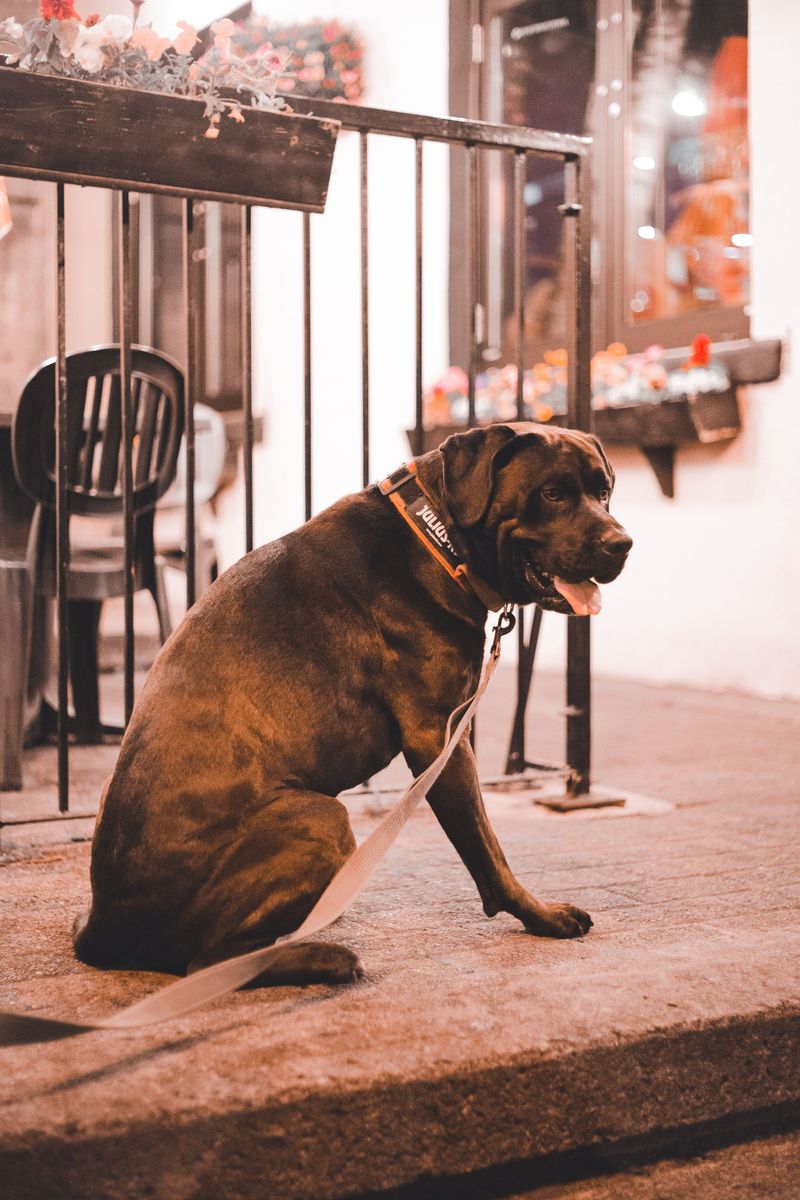
Gray skies can make a routine afternoon walk feel more like early evening. Reflective leash details or a securely attached safety light can help others notice your dog.
Reflective material needs an outside light source, while a powered light needs working batteries. Check both before leaving, and keep small parts away from chewing mouths.
Added visibility does not replace careful walking. Stay on sidewalks where available, avoid flooded routes, and follow local pedestrian safety rules.
14. A Portable Paw Balm for Rough, Dry Pads
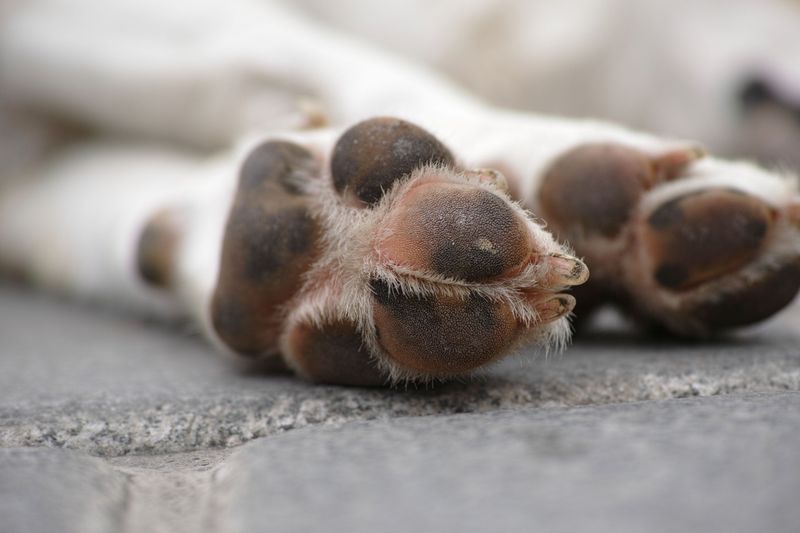
Rough pads may need extra care after repeated wet walks and indoor drying. Ask your veterinarian whether a dog paw balm suits your pet’s skin and habits.
Apply only as directed to clean, dry pads, and discourage licking during absorption. Avoid human lotions unless your veterinarian approves the ingredients.
Balm cannot replace treatment for painful cracks, swelling, or limping. Watch for slippery paws on smooth floors, and give your dog a comfortable place to settle.
15. A Lidded Container for Outdoor Debris
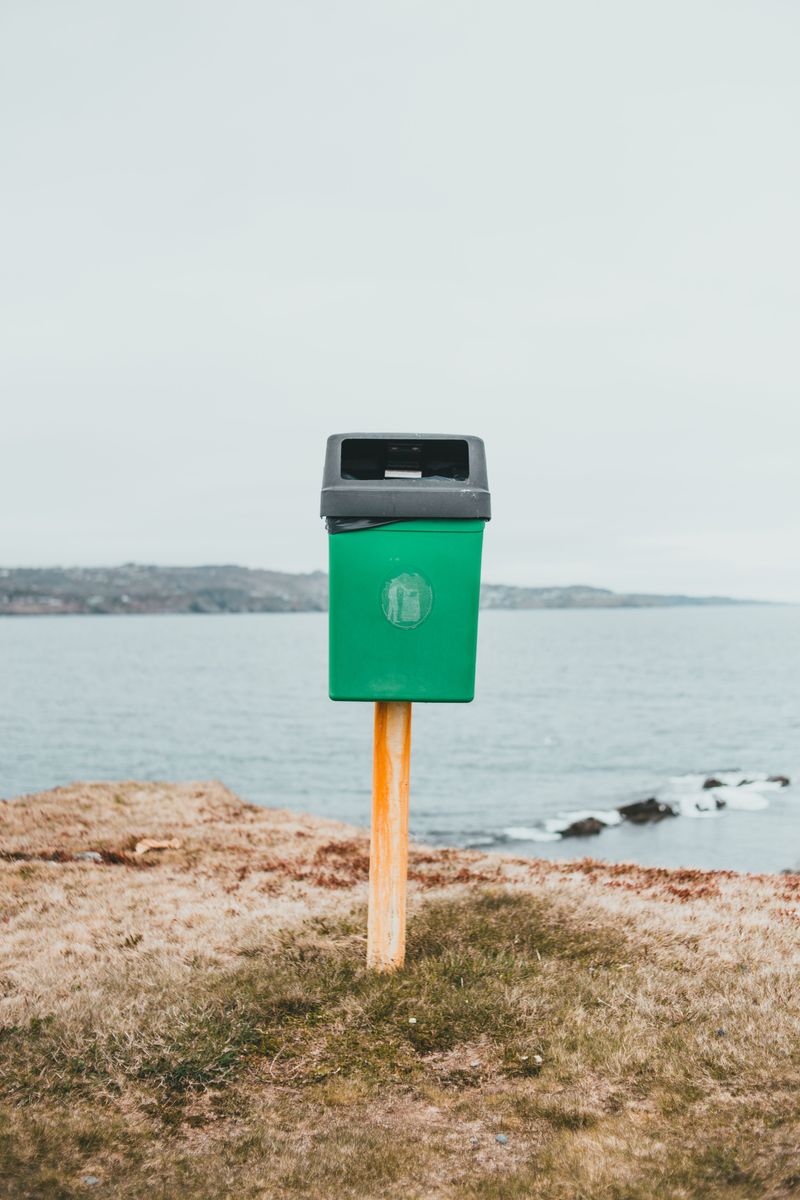
Pinecones, twigs, and leaf clumps often hitch a ride in fluffy coats. A small lidded bin gives that loose debris a destination besides your hallway floor.
Remove material gently, checking that nothing is caught tightly against the skin. Keep the container inaccessible to dogs who enjoy investigating interesting smells.
Empty it often, especially after damp weather. Sharp objects or anything embedded in a paw should prompt veterinary advice rather than a determined home removal attempt.
16. A Spare Set of Walking Bags
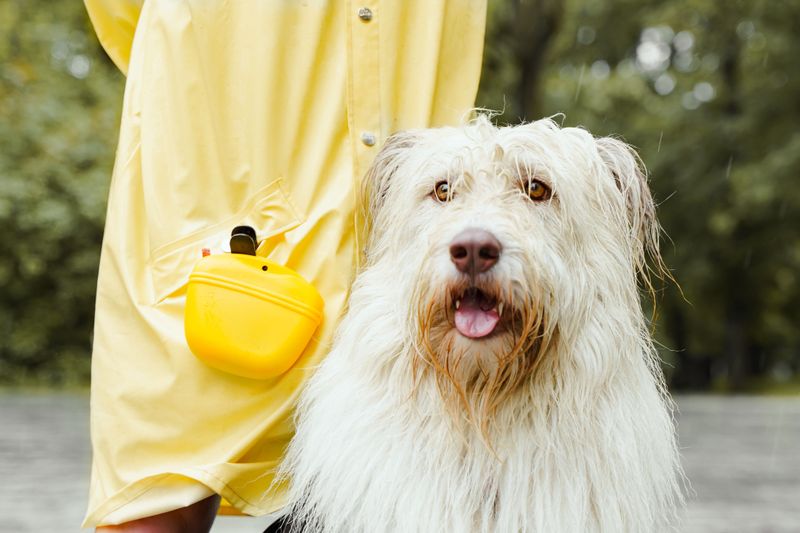
An empty bag dispenser always seems to reveal itself halfway down the block. Keep spare rolls in a dry basket where you can check supplies before leaving.
Pick up after your dog promptly, including during rainy weather. Runoff can carry waste into nearby drains and waterways.
Tie used bags securely and use an appropriate trash bin, following posted local rules. Never leave filled bags beside trails for later collection, since distractions make them easy to forget.
17. A Dry Resting Mat for After Walks
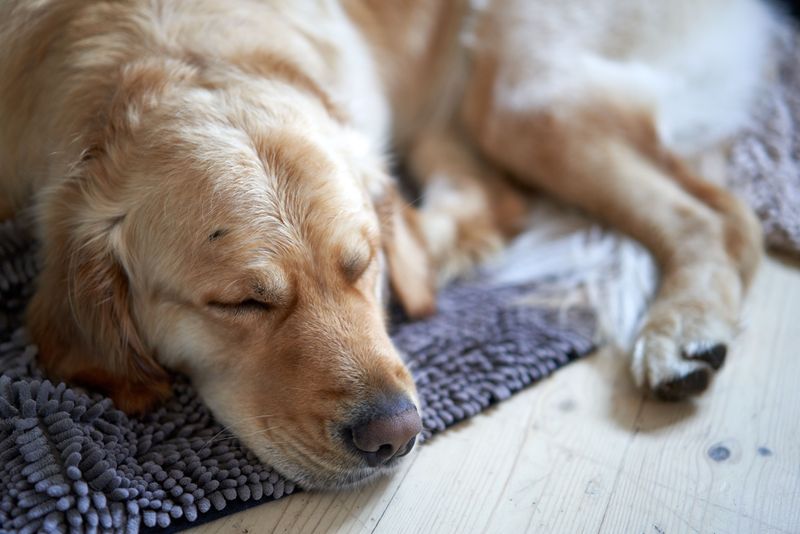
Once the paws are clean, a comfortable landing place finishes the routine. Put a washable resting mat away from drafts and the busy doorway swing.
Invite your dog to settle while you hang wet gear and refresh supplies. Replace damp bedding promptly, and check underneath for trapped moisture.
Keep this spot separate from the mat that catches muddy footprints. A little preparation makes changing weather easier: clean paws, dry gear, and a calm welcome home.