17 Things Georgia Dog Owners End Up Keeping By The Back Door During Pollen And Red-Clay Season
Georgia spring has a way of following your dog straight into the kitchen, one dusty paw at a time. Between yellow pollen and sticky red clay, a quick yard break can leave surprising tracks across the floor.
Keeping a few useful supplies beside the back door makes cleanup easier without turning every outing into bath time. A simple setup also gives you a comfortable spot to check paws, dry coats, and notice anything your dog needs.
1. A Sturdy Doormat for Red-Clay Paws
Red clay loves to hitch a ride between paw pads, especially after a rainy Georgia afternoon. Place a sturdy, washable mat where your dog first steps inside.
Choose a textured surface with backing that grips your floor.
Teach a short pause on the mat before moving farther indoors. Reward calm standing while you check each foot.
Shake loose dirt outside, then clean the mat regularly. Replace it when curled edges create a tripping hazard indoors.
2. A Stack of Old Towels for Quick Cleanups
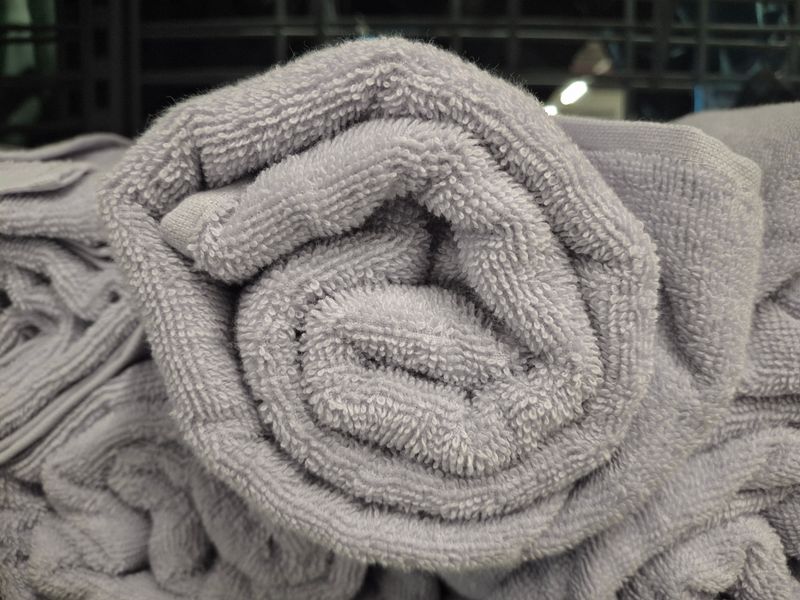
That faded bath towel can become the hardest worker in your mudroom. Keep several within reach for wet legs, muddy bellies, and surprise splashes.
Soft cotton works well because it absorbs water without needing much rubbing.
Blot instead of scrubbing, especially around toes and thin skin. Give each dog a fresh towel when possible.
Wash dirty towels promptly and dry them fully before restacking. Skip towels with loose threads that might catch around small toenails.
3. A Paw-Washing Cup for Muddy Walks
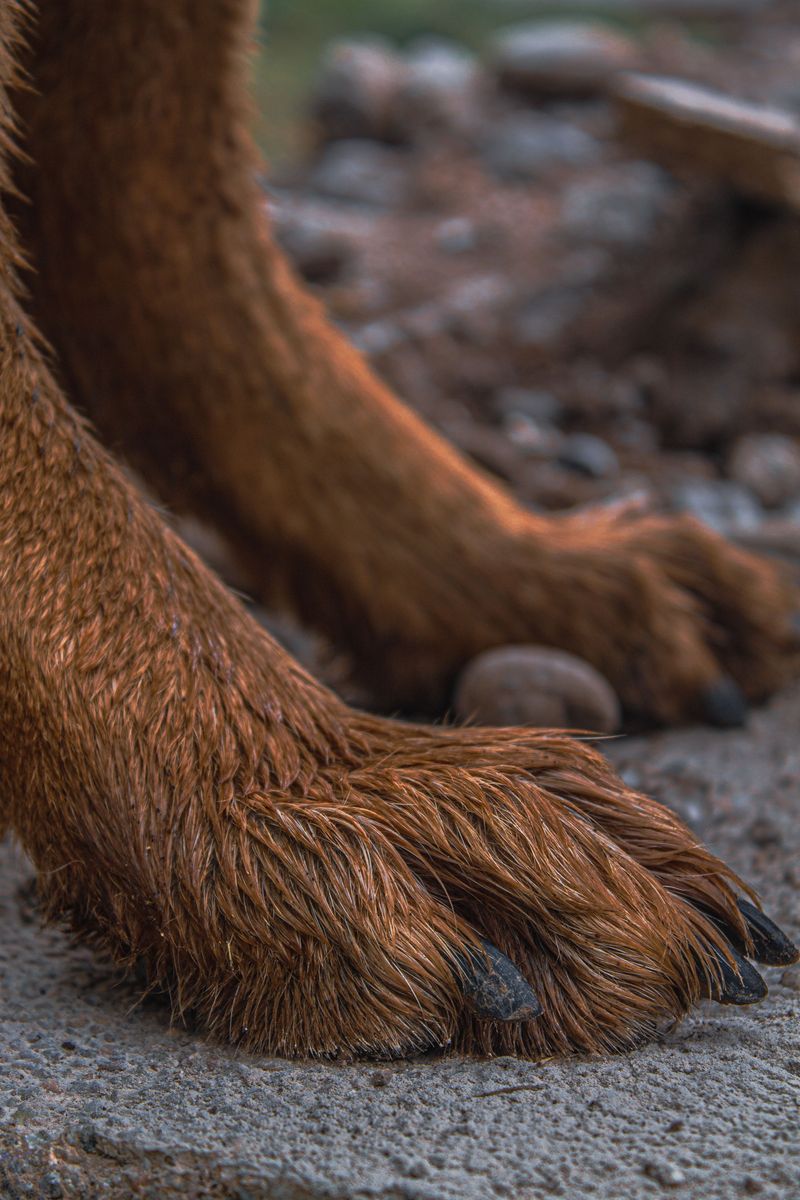
Some walks bring home more yard than dog. A paw cup can loosen clay before it dries between the toes.
Pick a size that lets each paw enter comfortably without squeezing.
Use lukewarm water and introduce the cup slowly with treats. Never force a worried dog to hold still.
Change dirty water as needed, rinse the cup afterward, and dry every paw carefully. Check for redness, cracks, or tenderness while those feet are conveniently close.
4. A Soft Brush for Loose Pollen and Dust
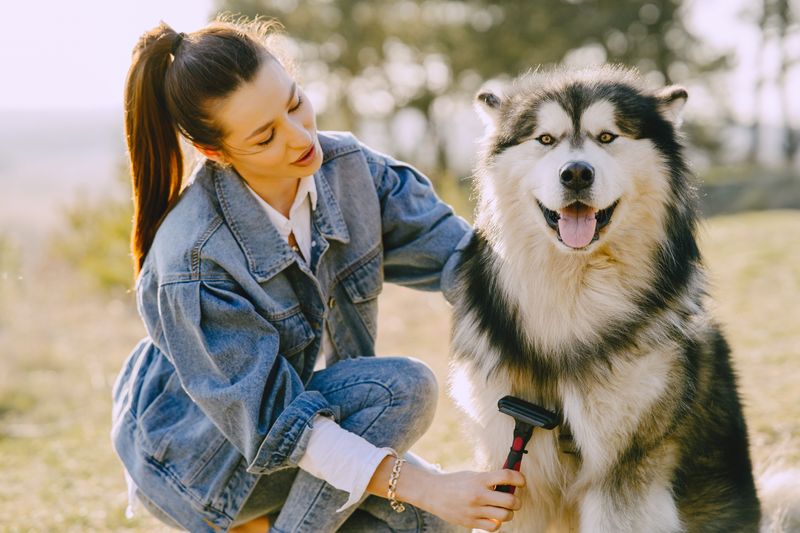
Yellow dust settles on coats as easily as porch furniture. A soft brush helps lift loose pollen and dry dirt before your dog settles on the couch.
Choose bristles suited to your dog’s coat and skin.
Brush outdoors when practical, using light strokes rather than digging against the skin. Avoid brushing irritated patches.
Clean collected hair from the brush after each session. Persistent itching deserves veterinary advice, since brushing alone cannot manage an underlying allergy.
5. A Damp Microfiber Cloth for Faces and Ears
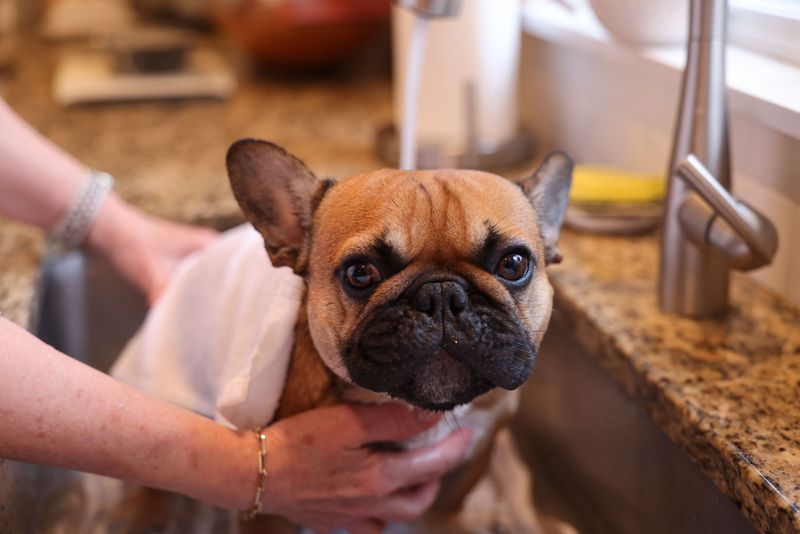
Noses lead the way through grass, shrubs, and dusty corners. Keep a clean microfiber cloth handy for gently wiping the muzzle and outer ear surfaces.
Plain lukewarm water is usually enough for surface dust.
Use separate clean areas of cloth around each eye, avoiding direct contact with the eyeball. Never push fabric into ear canals.
Wash the cloth after use. Contact your veterinarian about squinting, discharge, repeated head shaking, or redness that does not settle.
6. A Dog-Safe Wipe Pack for Busy Days
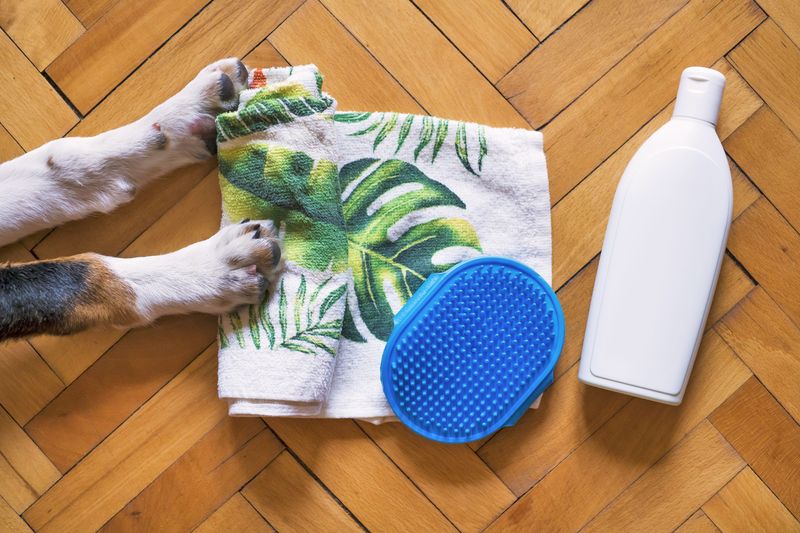
Late for dinner, with four dusty paws waiting? Dog grooming wipes offer a convenient cleanup when a full rinse is unnecessary.
Look for products labeled for dogs, preferably without added fragrance.
Follow package directions and avoid eyes, ear canals, and other sensitive areas. Household cleaning wipes are not substitutes.
Close the pack tightly so remaining wipes stay moist. Stop using any product that causes irritation, and choose plain water when your dog’s skin seems sensitive.
7. A Leash Hook for Muddy Outdoor Gear
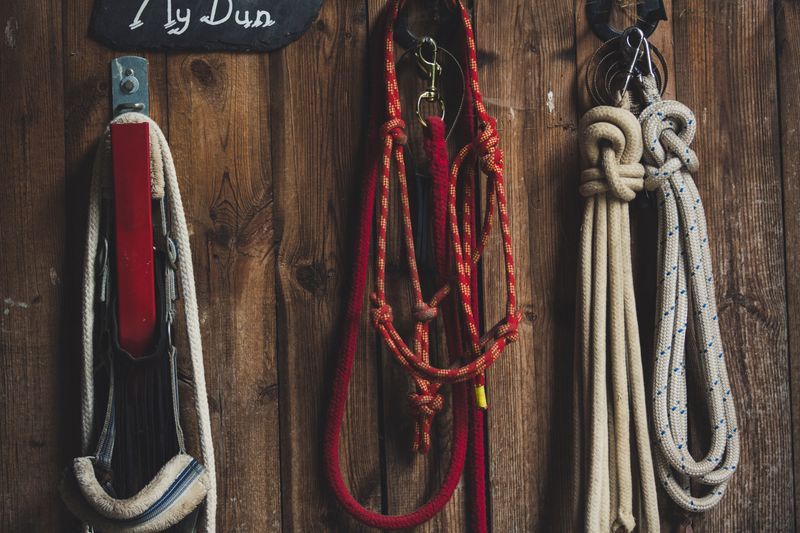
A muddy leash should not share space with tomorrow’s clean jacket. Install a secure hook near the door, with a washable tray underneath for drips.
Keep hanging straps beyond your dog’s reach.
Wipe dirt from handles, clips, and webbing after messy outings. Let everything dry before placing it in a closed cabinet.
Check clips for smooth movement and straps for fraying. A consistent hanging spot also saves searching when your dog urgently needs another trip.
8. A Spare Collar and Harness for Wet Weather
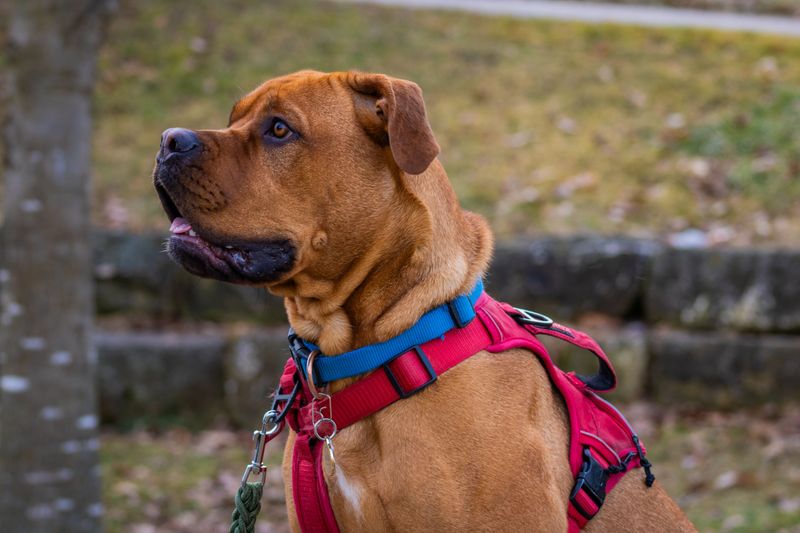
Rain rarely waits for yesterday’s harness to dry. A clean spare lets you swap damp gear without rushing the drying process.
Store it somewhere dry, rather than against muddy shoes or wet towels.
Check the fit each time, especially on growing dogs. Ensure identification remains available when changing collars, and secure the leash before opening doors.
Wash gear according to its care label. Replace cracked buckles or worn stitching instead of trusting a temporary repair.
9. A Waterproof Mat for Food and Water Bowls
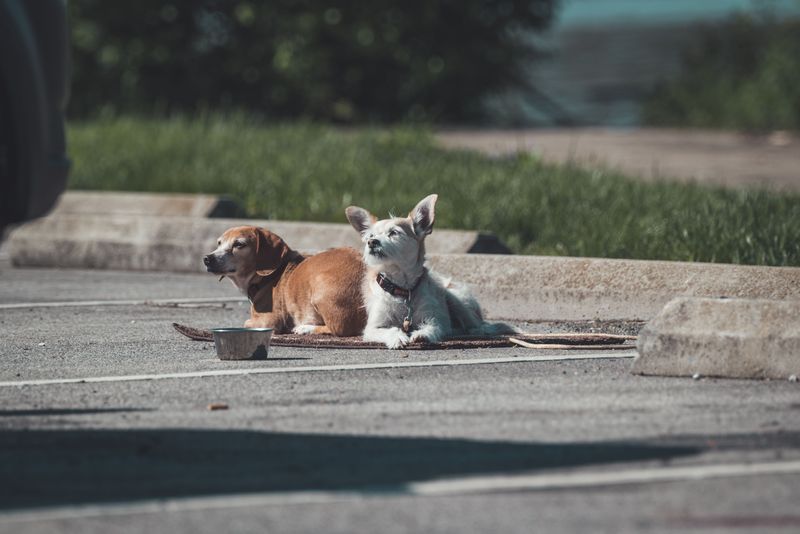
Thirsty dogs rarely worry about where the last mouthful lands. A waterproof bowl mat catches splashes and keeps damp patches away from nearby flooring.
Raised edges help contain small spills.
Position the station outside the main walking path to reduce slips and bumped bowls. Empty trapped water daily, then wash and dry underneath.
Clean bowls regularly and provide fresh drinking water. Keep paw rinse supplies separate so dirty cleanup water never gets mistaken for a drink.
10. A Lidded Bin for Muddy Toys
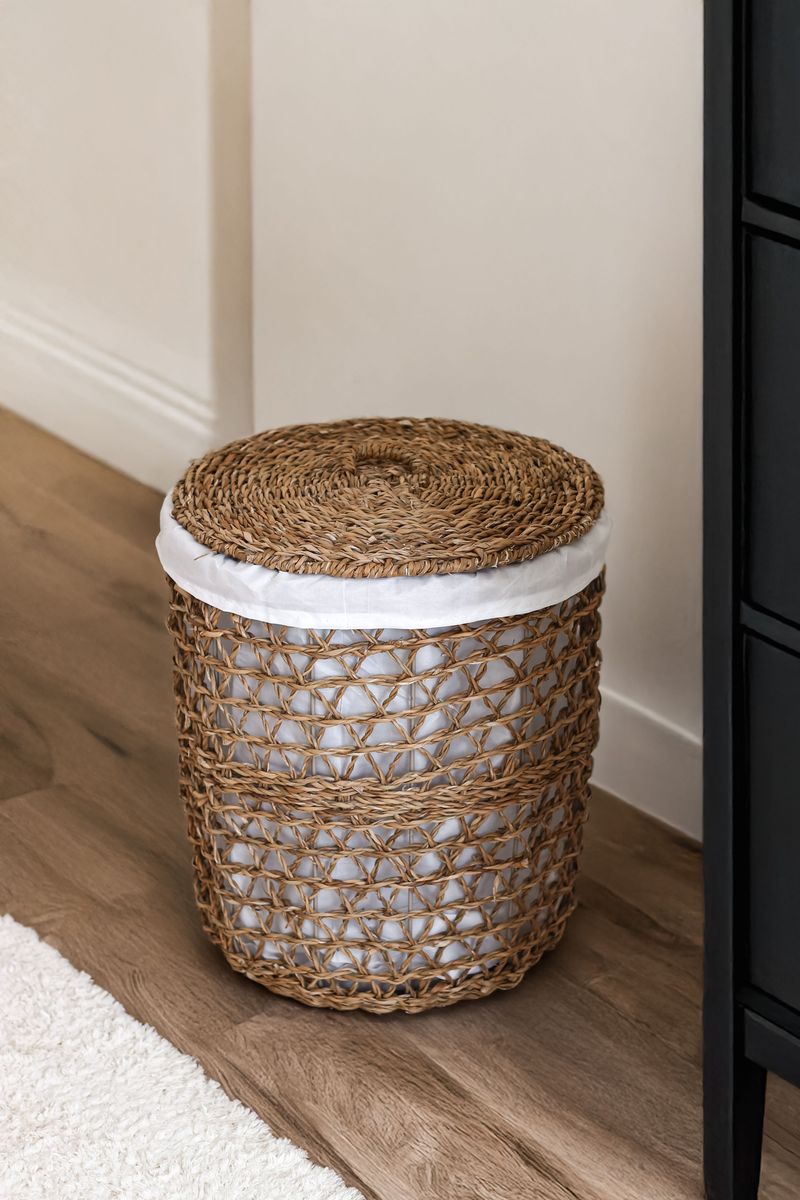
Fetch balls have a talent for appearing on clean rugs while still wearing yesterday’s clay. Give outdoor toys their own washable bin near the exit.
Choose a lid your dog cannot easily open.
Rinse muddy toys and let them dry before closing them inside. Trapped moisture makes storage unpleasant and encourages mold.
Follow each toy’s cleaning directions, and inspect for loose pieces or cracks. Keep damaged toys out of rotation rather than saving them indefinitely.
11. A Basket for Clean and Used Towels
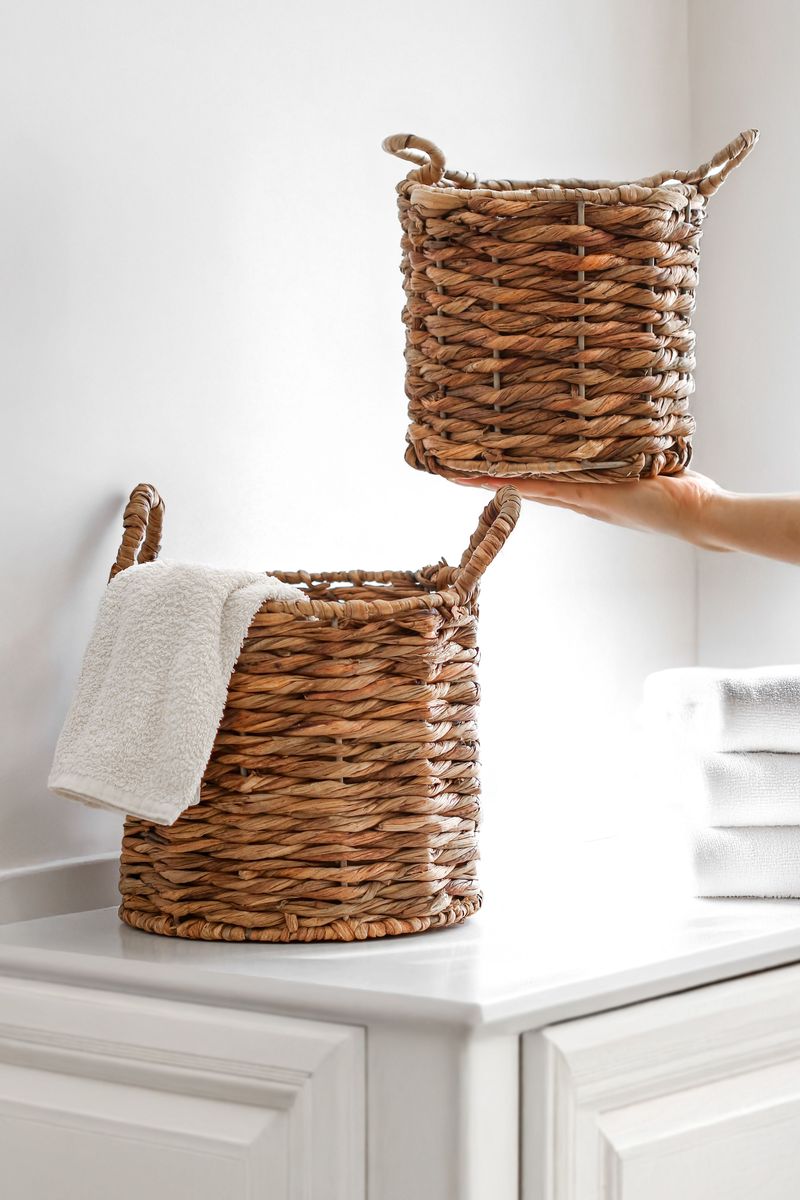
Nothing slows cleanup like discovering the top towel is already muddy. A divided basket, or two separate baskets, keeps fresh supplies apart from used ones.
Clear labels help everyone follow the same routine.
Choose washable containers with airflow instead of sealing damp fabric away. Hang soaked towels to dry if laundry must wait.
Empty the used side often and wipe the basket clean. Store clean towels above floor level, away from splashes and curious noses.
12. A Portable Water Bottle for Outdoor Rinsing
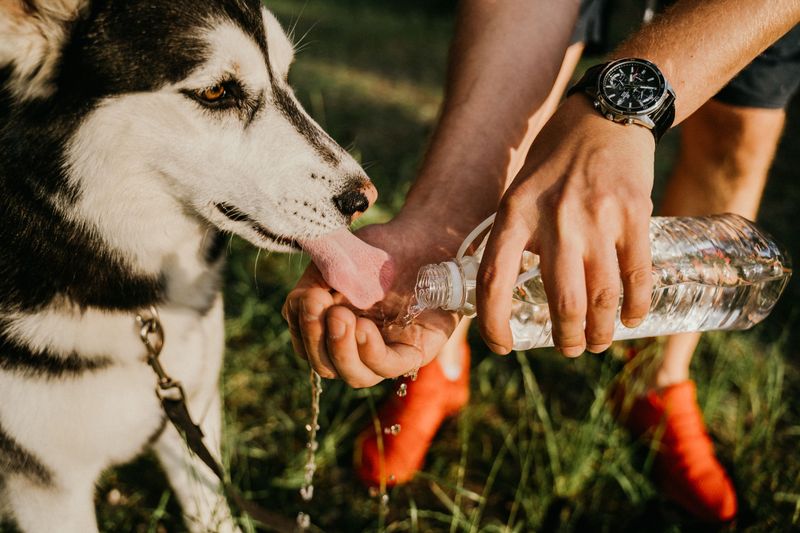
A small squeeze bottle can stop a large muddy trail. Fill one with fresh water for a gentle rinse before your dog crosses the threshold.
A controlled stream reaches toes without spraying the whole porch.
Use comfortable water temperatures and avoid directing water toward the face or ears. Label the bottle for rinsing, and empty it afterward.
Wash it regularly rather than repeatedly topping up old water. Keep a towel nearby to finish the job.
13. A Gentle Dog Shampoo for Occasional Baths
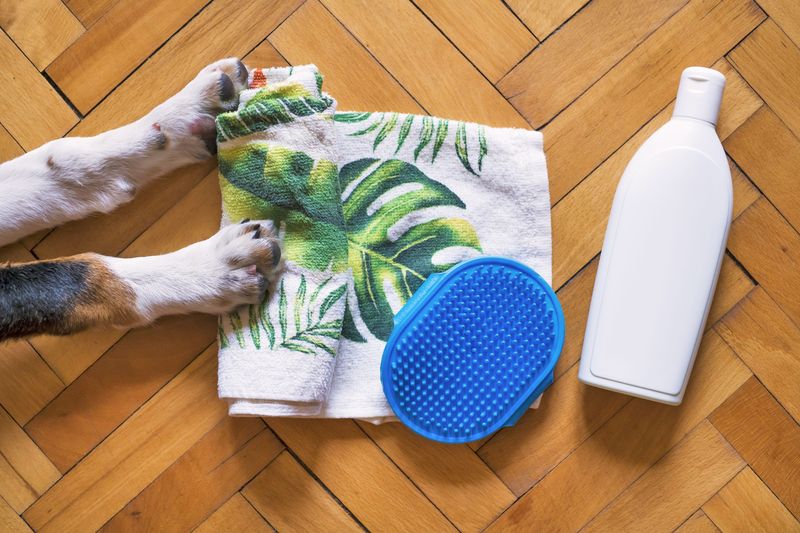
Sometimes a puddle wins, and spot cleaning simply cannot keep up. Keep dog shampoo available for those bigger messes.
Choose a product made for dogs rather than using human shampoo or household detergent.
Bathing needs vary with coat type, skin health, and your veterinarian’s advice. Follow label instructions, rinse thoroughly, and dry comfortably.
Avoid adding extra baths just because pollen is visible outdoors. Dogs with ongoing itching may need a specific plan rather than frequent washing.
14. A Coat or Drying Robe for Damp Days
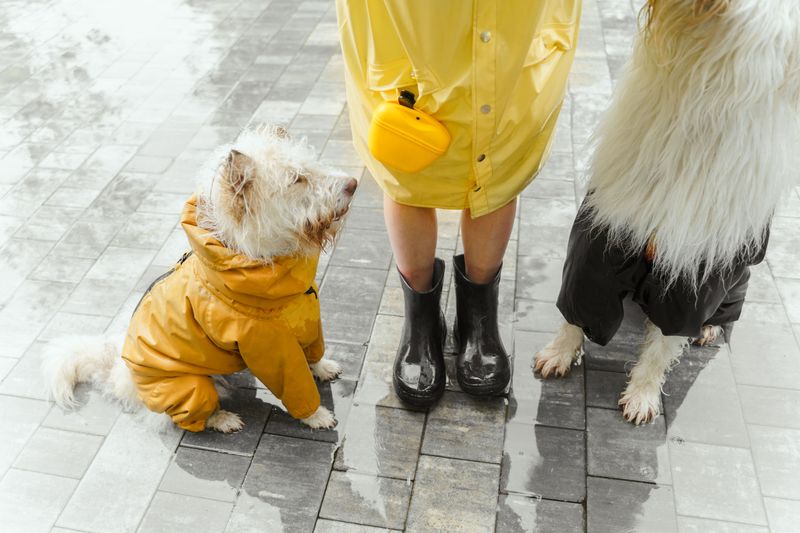
Rainy outings can leave long coats dripping well after the walk ends. A lightweight raincoat may limit soaking, while an absorbent robe helps afterward.
Neither replaces checking and drying paws, legs, and belly.
Choose a comfortable fit that allows easy movement and toileting. Supervise robe use, remove it once damp, and wash it regularly.
Georgia afternoons can turn warm quickly. Skip unnecessary layers when your dog seems hot, and never leave wet clothing on indefinitely.
15. A Tick Comb for Checking After Yard Time
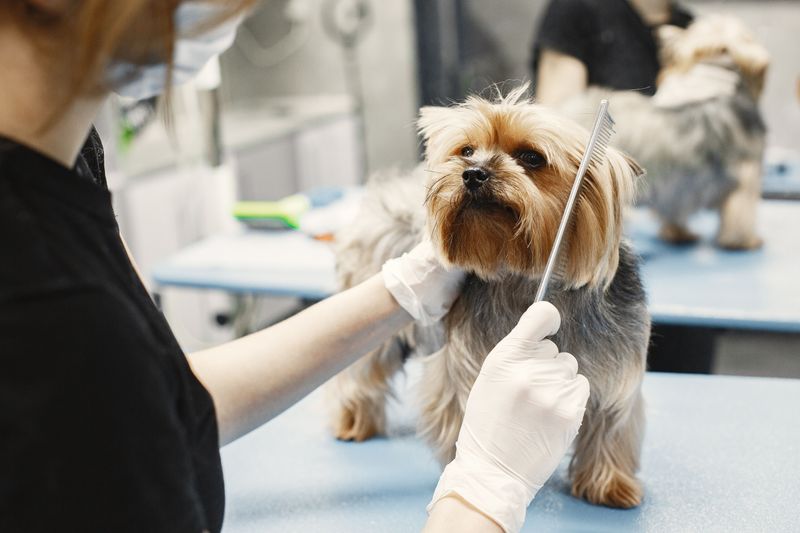
Wooded edges and brushy yards deserve a careful coat check after outings. A fine comb can help part fur, but fingers and good lighting matter too.
Check around ears, toes, collar areas, and legs.
A comb does not reliably remove attached ticks. Use fine tweezers or a suitable removal tool, following veterinary guidance.
Ask your veterinarian about prevention suited to your dog. Georgia’s mild spells mean checks belong in your routine beyond muddy spring weekends alone.
16. A Small Container for Pollen-Season Essentials
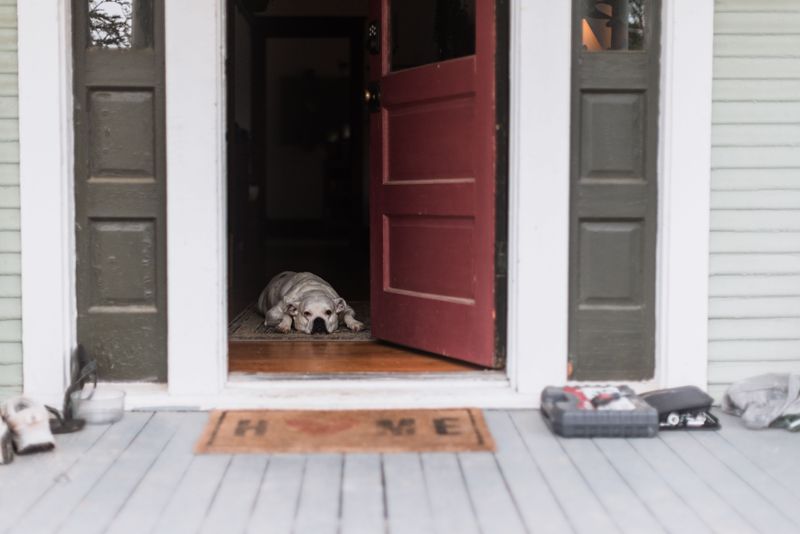
Little supplies disappear fastest when muddy paws are waiting. A small organizer keeps spare waste bags, clean cloths, and your veterinarian’s contact details together.
Store it above your dog’s reach and away from sunlight.
Keep medicines in their original packaging wherever label instructions require, not loose among cleanup tools. Never give human allergy medicine without veterinary direction.
Review the container weekly, replace empty supplies, and remove expired products. A tidy kit makes everyday care feel manageable.
17. A Handheld Vacuum for Hair and Tracked-In Dirt
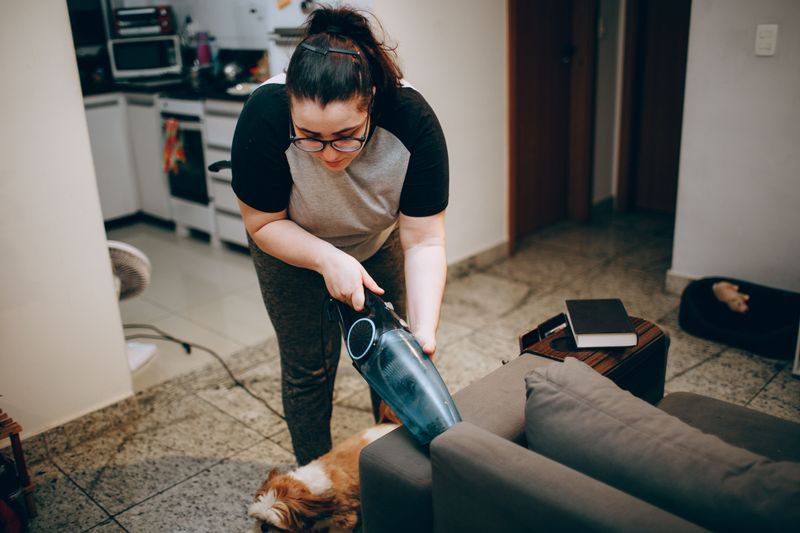
Even a good doorway routine leaves a few crumbs of Georgia behind. A handheld vacuum catches dry clay bits and shed hair before they spread.
Let wet mud dry, unless your machine specifically handles liquids.
Empty the dust container regularly and follow filter care instructions. Introduce the sound gradually, giving nervous dogs space elsewhere.
Store charging cords safely out of reach. A few steady habits make the back door a calmer gateway, not another chore.