What Maryland Dog Owners Should Know Before Taking A Dog On MARC Or Local Transit
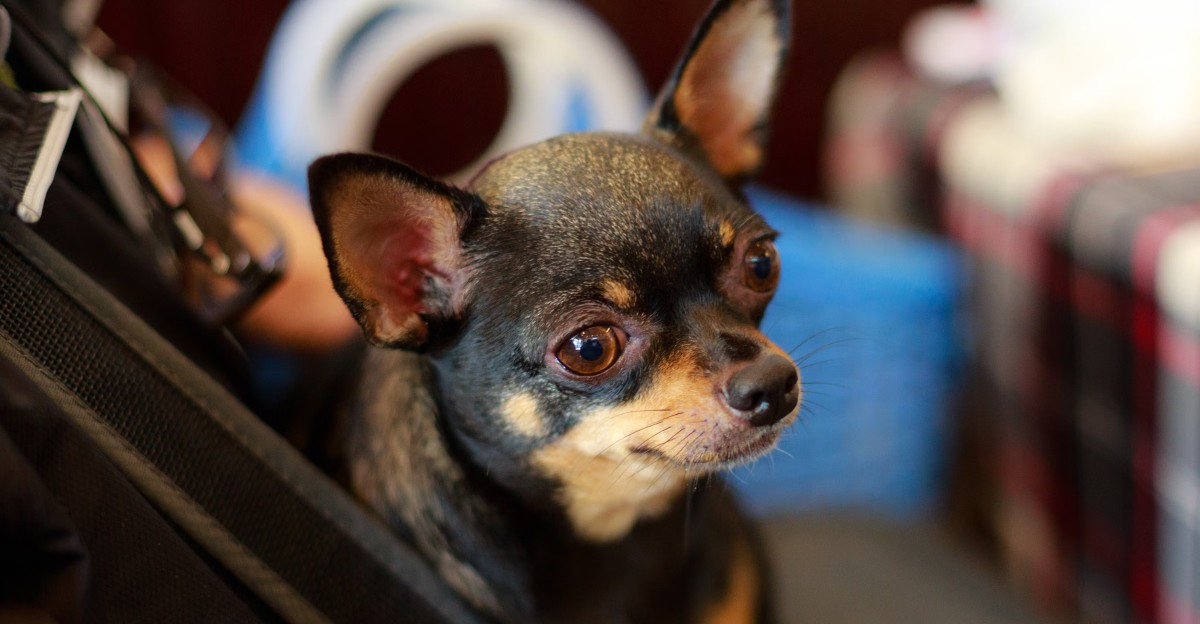
Taking your dog on a Maryland train or bus can be easy once you know the rules. Each transit system sets its own policy, and the details really matter.
Some ask for a closed carrier, while others only accept service animals. Think of this guide as a friendly chat with a local owner who has already checked the fine print for you.
1. Small Dogs Ride MARC in Closed Carriers
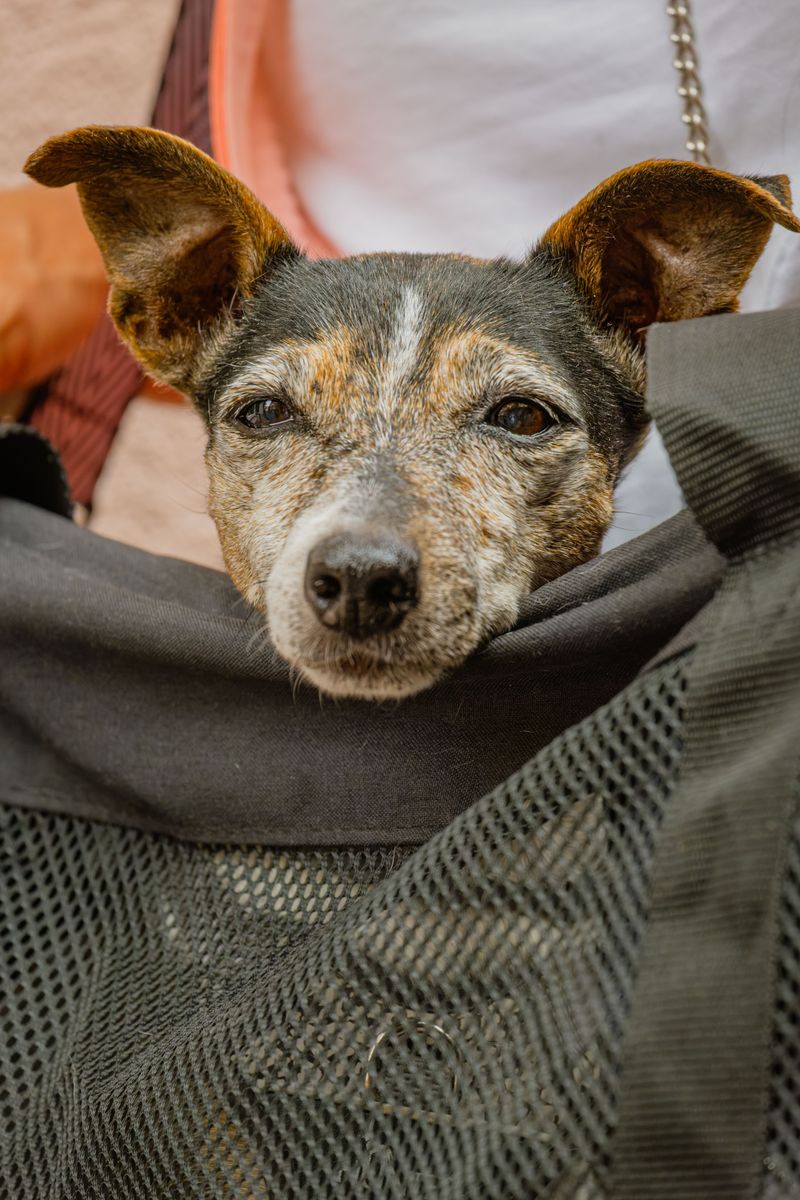
Picture a cozy terrier tucked into a zipped bag on your lap. That is exactly what MARC expects from pet owners.
MARC trains allow small pet dogs only when they stay inside closed carriers. The carrier should remain shut for the whole ride, from boarding to arrival.
Pick a carrier your dog already knows and likes. A familiar space helps a nervous pup settle quickly.
Practice at home a few days before your first trip.
2. One Policy Across Penn, Camden, and Brunswick
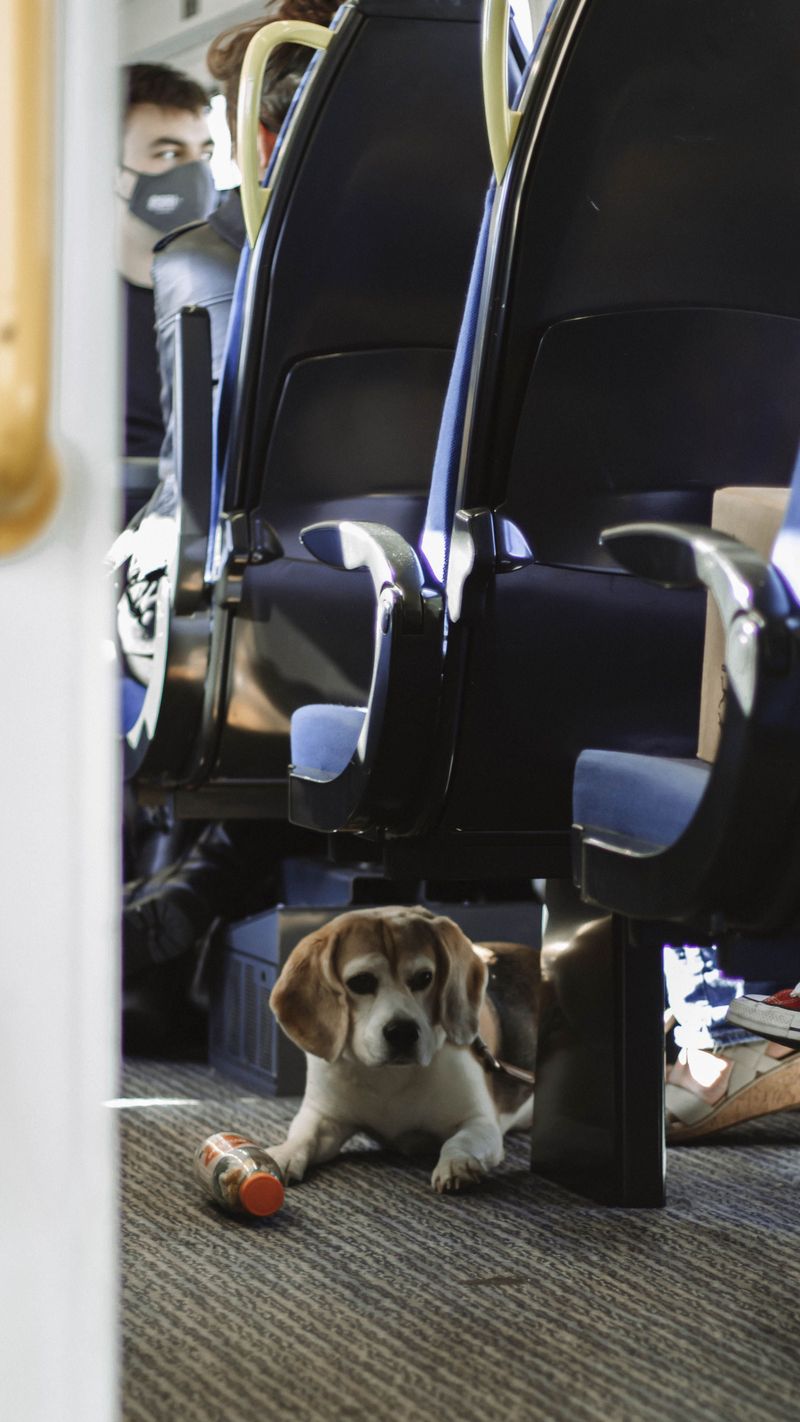
Good news for riders who switch lines often. MARC pet rules apply to the Penn, Camden, and Brunswick lines alike.
Whether you board in Baltimore, Frederick, or a small town in between, the carrier rule follows you. You will not face a surprise policy change halfway through your commute.
Still, schedules and station layouts differ. Look up your route ahead of time so you can plan quieter boarding spots for your dog.
3. Why a Leash Is Not Enough on MARC
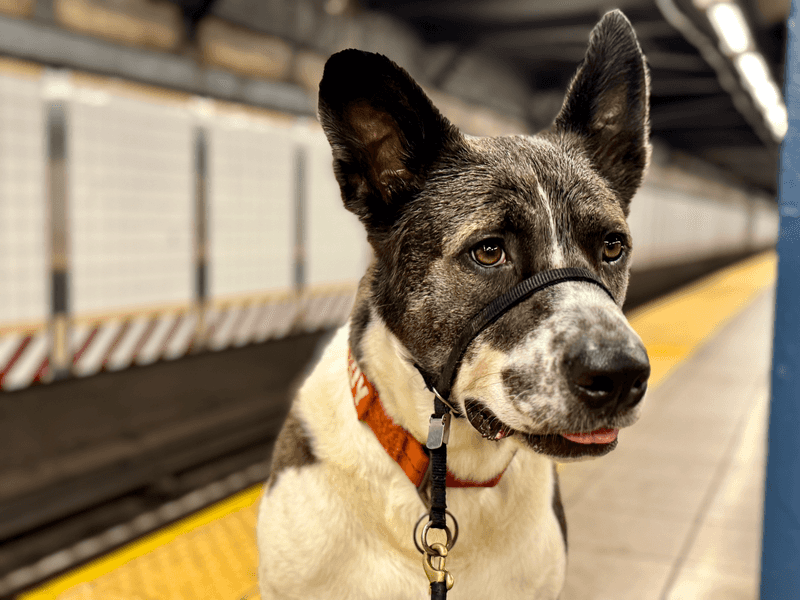
Many owners assume a short leash and good manners will do. On MARC, that thinking can lead to a missed train.
Leashes alone are not enough for ordinary pet dogs. Crew members can ask you to step off if your pet is not in a carrier.
Bring the leash anyway. You will want it for walking to and from the station.
Just plan for the carrier once you reach the platform.
4. Service Animals Skip the Carrier Rule
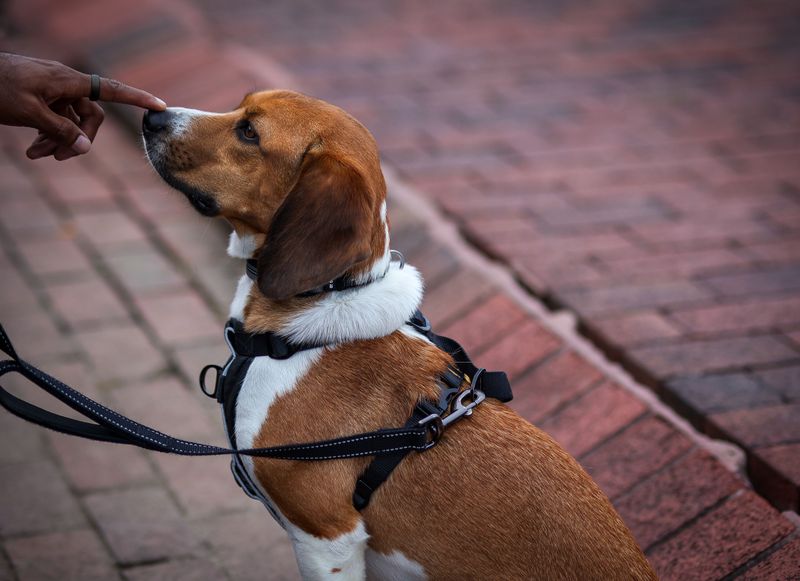
Trained service animals play a very different role than pets. Federal disability rules recognize that difference, and MARC follows them.
Service animals working for passengers with disabilities are exempt from MARC carrier requirements. A guide dog or alert dog can ride beside its handler.
The animal must still behave well and stay under control. Handlers usually keep the dog close, out of the aisle, and calmly settled near their feet.
5. Commuter Buses Welcome Pets in Containers
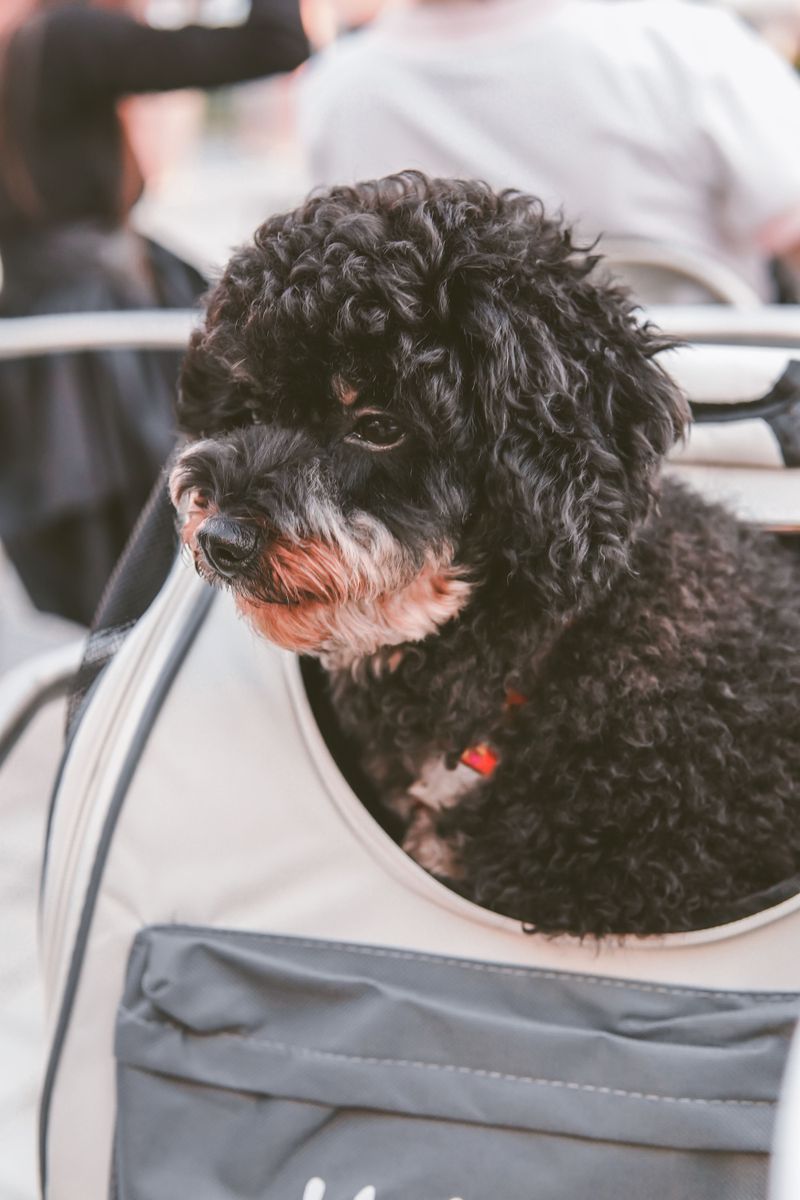
Long highway rides into Washington or Baltimore are common for Maryland commuters. Your small dog can join you on many of them.
Maryland MTA Commuter Buses permit small pets in closed carrying containers. The rule mirrors MARC, which makes switching between the two simpler.
Commuter trips can run long. Offer a short walk and a bathroom break before boarding.
A relaxed, tired dog travels far more peacefully.
6. Hold That Carrier, Keep Seats Free
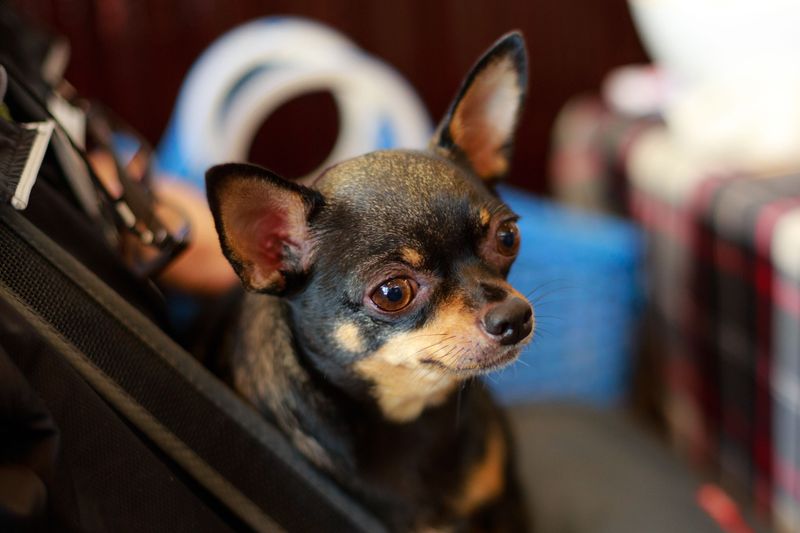
Here is a detail that catches many first-timers. On MTA Commuter Buses, your carrier cannot claim its own seat.
Passengers must hold pet carriers. They also cannot sit in the aisle, where they might trip someone.
Choose a carrier that fits comfortably on your lap. Soft-sided designs often work best.
Your fellow riders will appreciate the open aisle, and your dog will feel safer close to you.
7. Metrorail Works for Carried Dogs
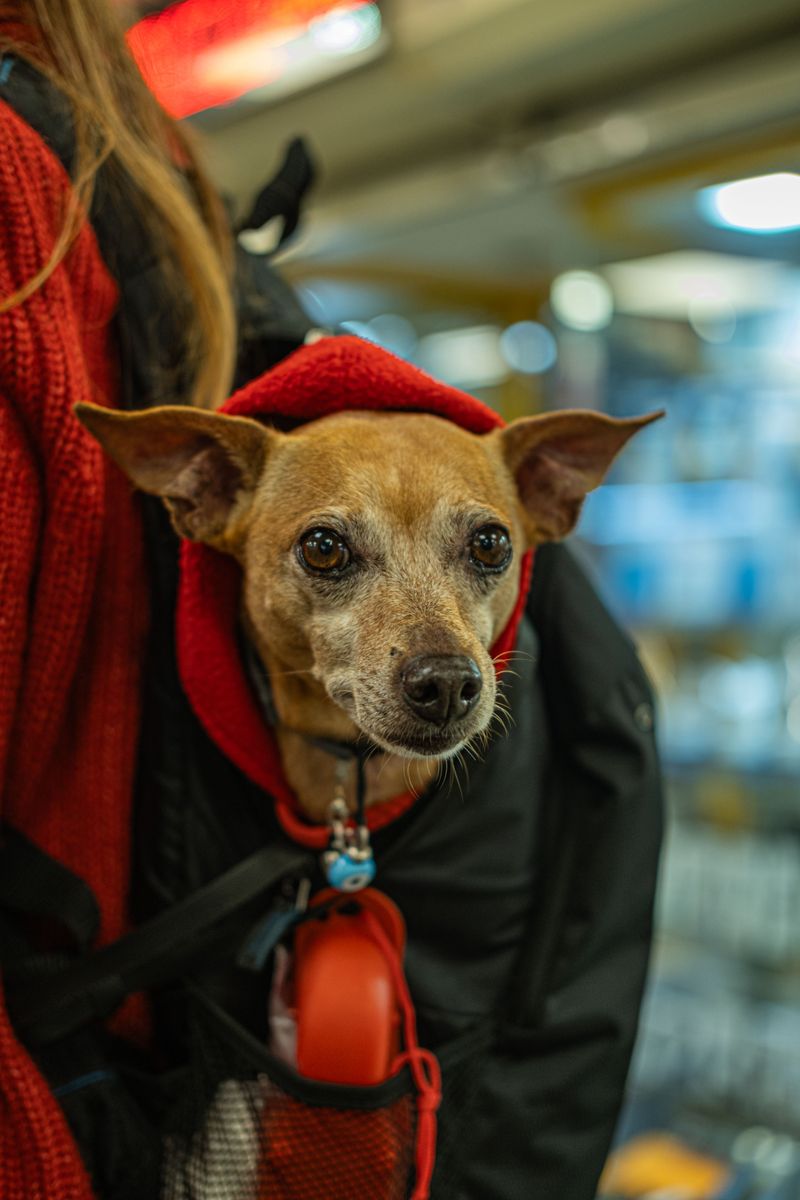
Heading into DC from Silver Spring or Bethesda? Metrorail can carry your pup too.
Washington Metro allows pet dogs inside secure carriers. The rule applies at Maryland stations just like it does in the city.
Escalators and crowds can feel overwhelming to dogs. Keep the carrier steady and close to your body.
Riding outside rush hour often gives everyone more room and a calmer experience.
8. Metrobus Follows the Same Approach
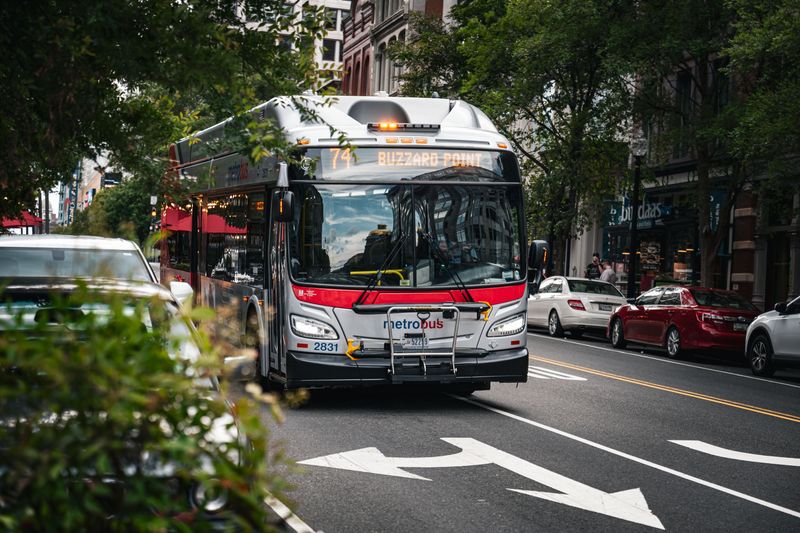
Consistency makes life easier. WMATA keeps its pet rules similar across trains and buses.
Metrobus services also permit pets in secure containers. If your dog rides Metrorail one day, the same carrier works on the bus the next.
Boarding a bus can be bumpy. Hold the container firmly with both hands while the driver pulls away.
A gentle grip keeps your dog steady and less startled.
9. WMATA Service Animals Ride Freely
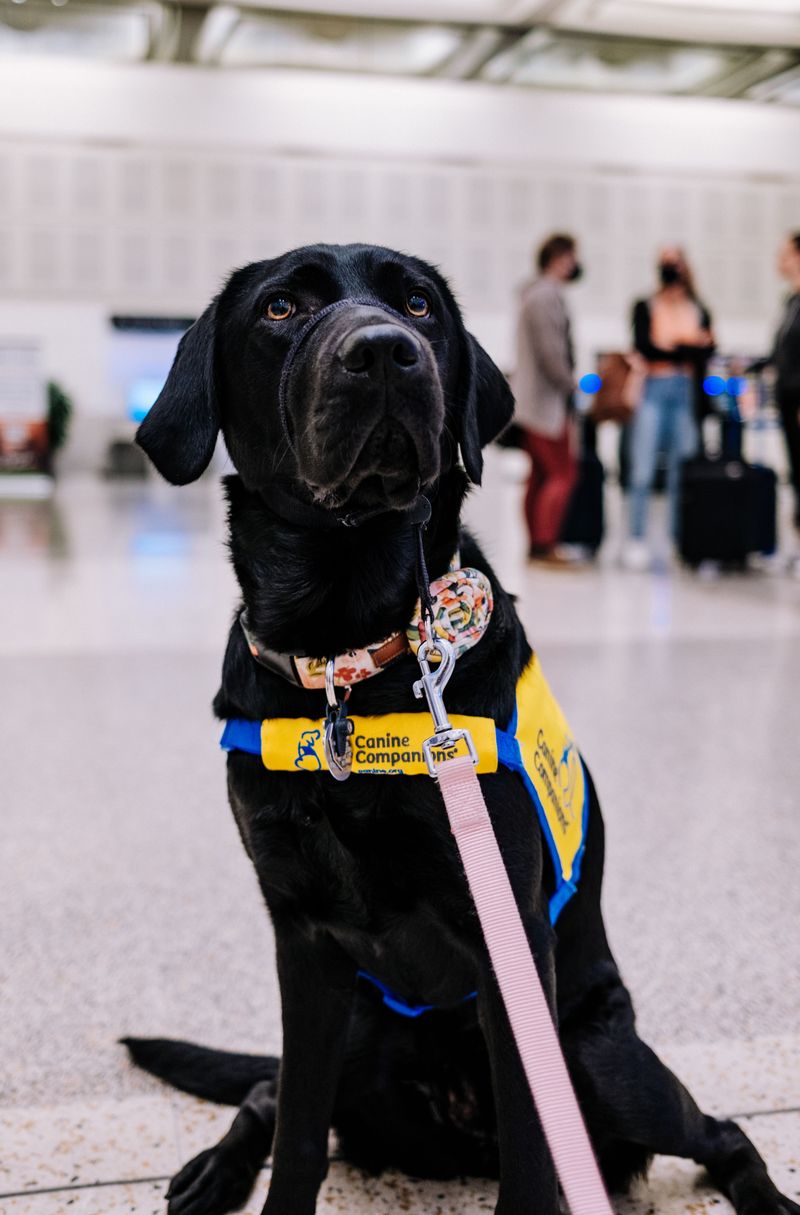
A guide dog weaving through a busy Metro station is a quietly impressive sight. WMATA makes room for that important work.
Trained service animals may ride without carriers on WMATA systems. They stay beside their handlers and help with daily travel.
If you see a working dog, give it space. Avoid petting or calling to it.
Distractions can interrupt a task its handler depends on.
10. Ride On Buses in Montgomery County
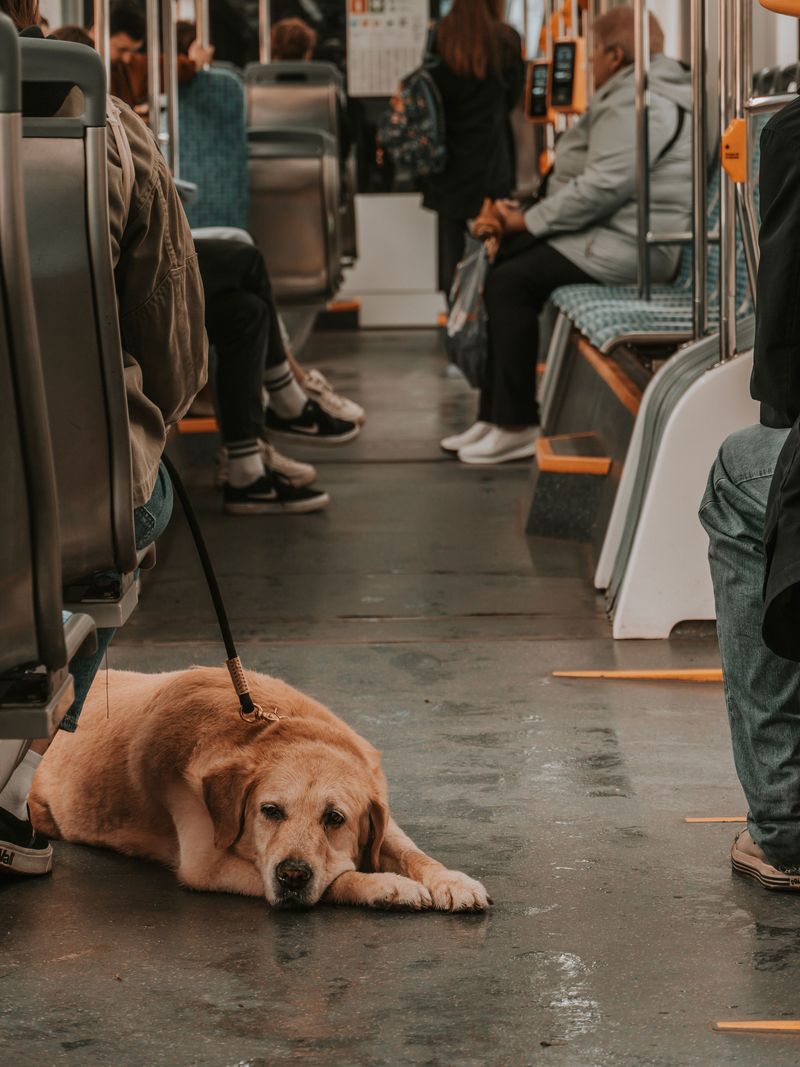
Montgomery County Ride On buses keep things clear and simple. Two rules cover nearly every situation.
Pets may ride in carriers. Service animals may travel outside carriers while staying under their handler’s control.
Ride On connects with Metro at several stations. That means one carrier can serve your whole trip.
Double-check the latest guidance on the county website before heading out with your pet.
11. Cecil Transit Asks for Approved Carriers
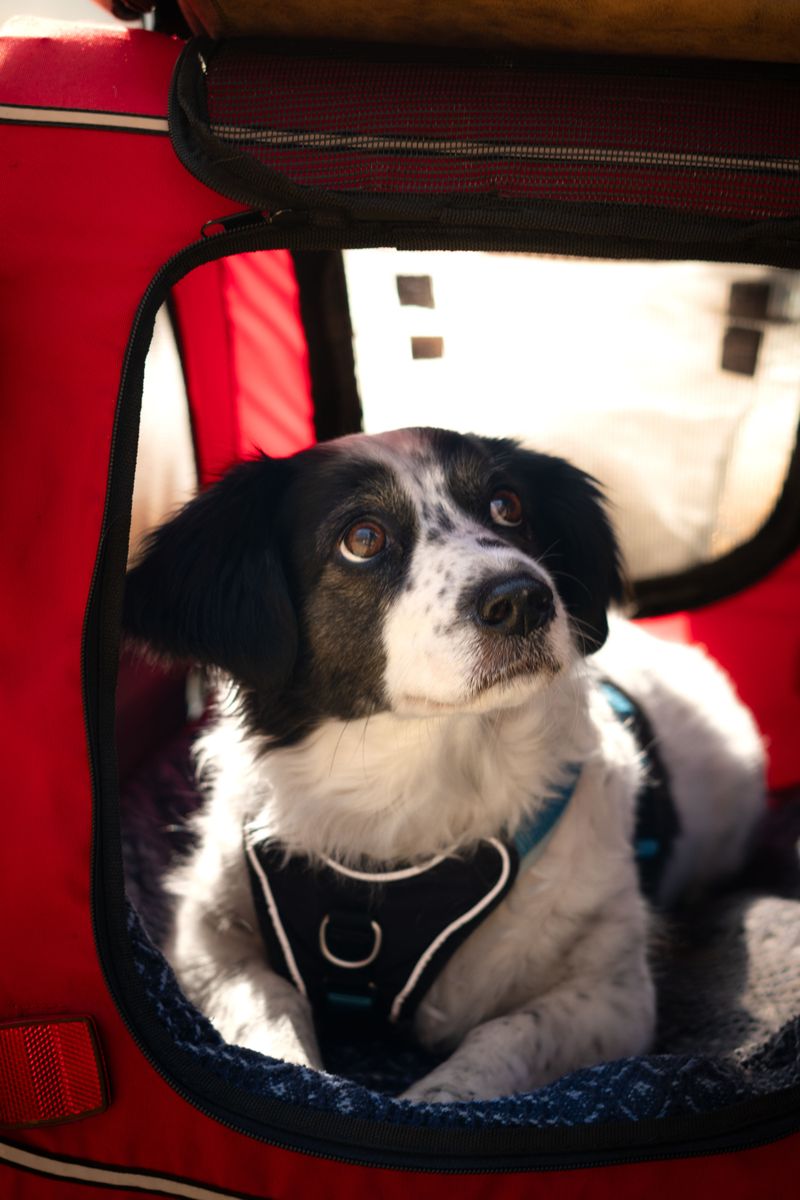
Up in Cecil County, local buses keep pet owners in mind. The key word here is approved.
Cecil Transit permits pets in approved animal carriers. A sturdy, well-made carrier with secure latches is a smart choice.
Not sure if yours qualifies? A quick call to the agency can settle it.
Asking ahead saves you from a frustrating moment at the curb.
12. Frederick TransIT Needs a Quick Check
Sometimes official documents do not quite agree. Frederick County TransIT is one of those cases.
One published policy suggests pets may ride in a proper carrier. Other agency pages focus mainly on service animals.
Because the guidance conflicts, call or email TransIT before your trip. Ask clearly whether pets in carriers are welcome on your route.
A two-minute check can prevent a disappointing ride home.
13. Annapolis Transit and Everyday Pets
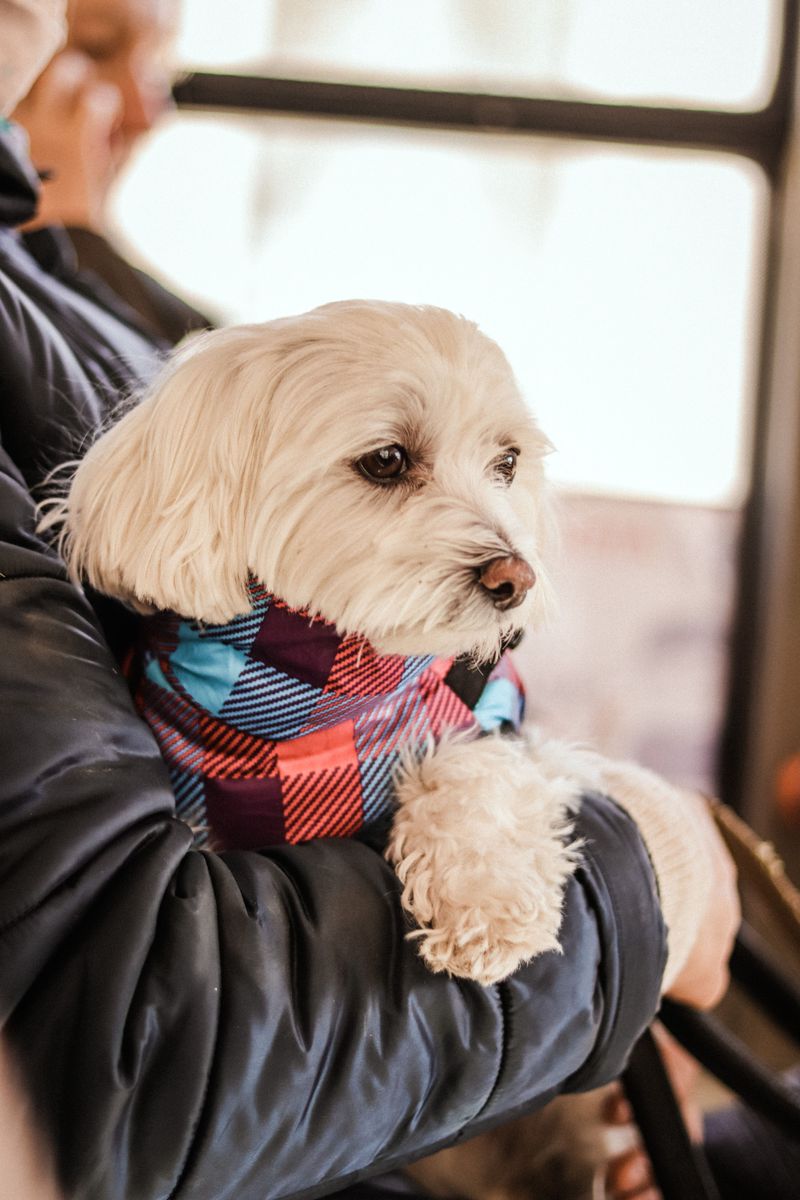
Annapolis is a charming city to explore with a dog. Its buses, though, leave one question open.
Annapolis Transit clearly permits service animals. Public information about ordinary pets is far less clear.
Before bringing your family dog, contact the agency directly. Ask whether pets are allowed and whether a carrier is needed.
Having an answer in hand makes your downtown outing much more relaxing.
14. Anne Arundel County’s Service Dog Standard
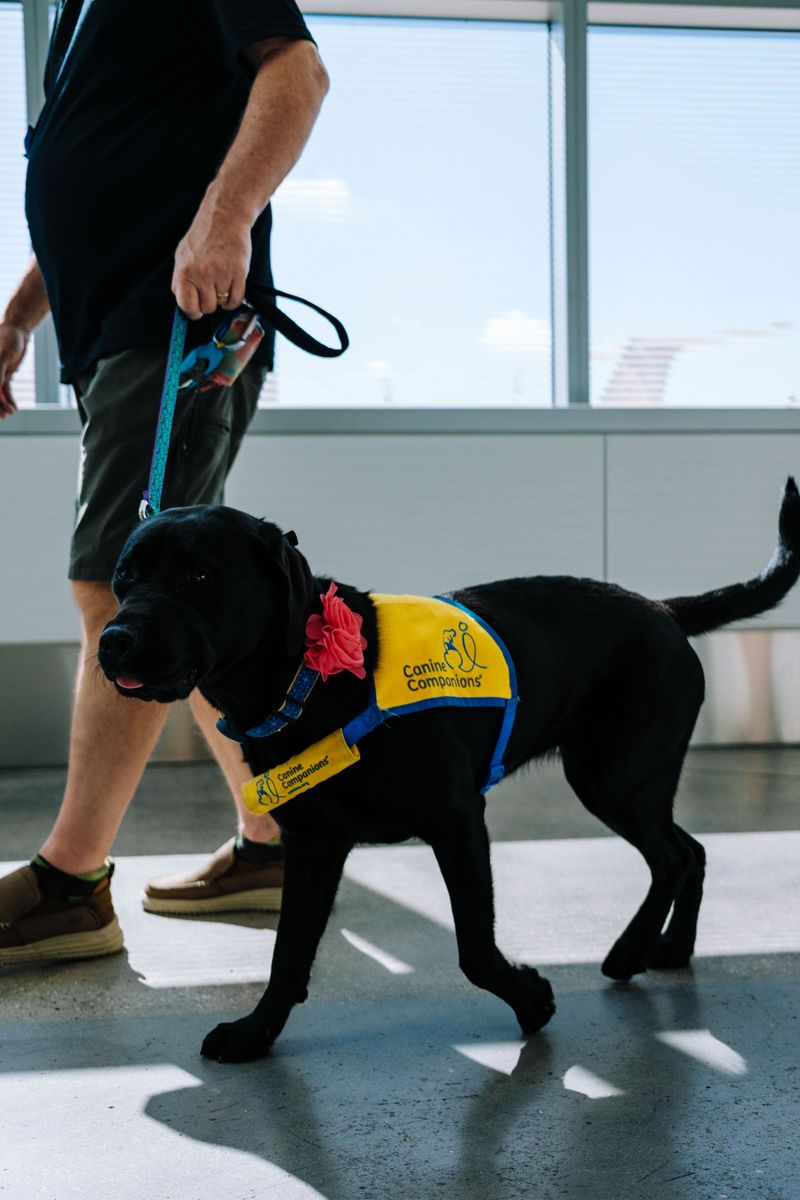
Anne Arundel County transit spells out what it expects. Service dogs must be controlled and housebroken.
The county also excludes emotional support animals from its service animal allowance. Comfort alone does not qualify an animal for this exception.
If your dog provides emotional support, plan another way to travel. You might also ask the agency directly about any pet options.
Clear expectations help everyone ride comfortably.
15. Tell the Annapolis Paratransit Reservationist
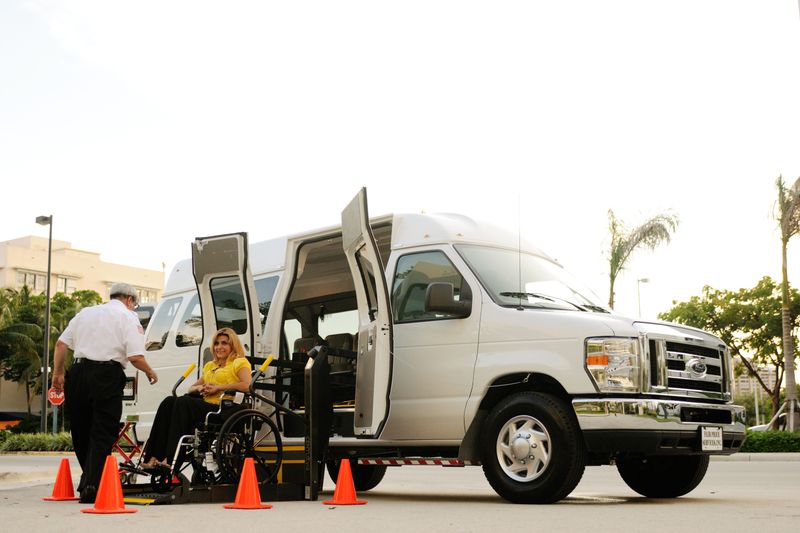
A little heads-up goes a long way with paratransit. Annapolis ADA Paratransit asks riders to share one simple detail.
When you travel with a service animal, notify the reservationist while booking. That gives staff time to plan for space in the vehicle.
Mention it every time, even on repeat trips. Drivers and vehicles can change.
A quick reminder keeps each ride smooth for you and your helper.
16. MobilityLink Expects Steady Control
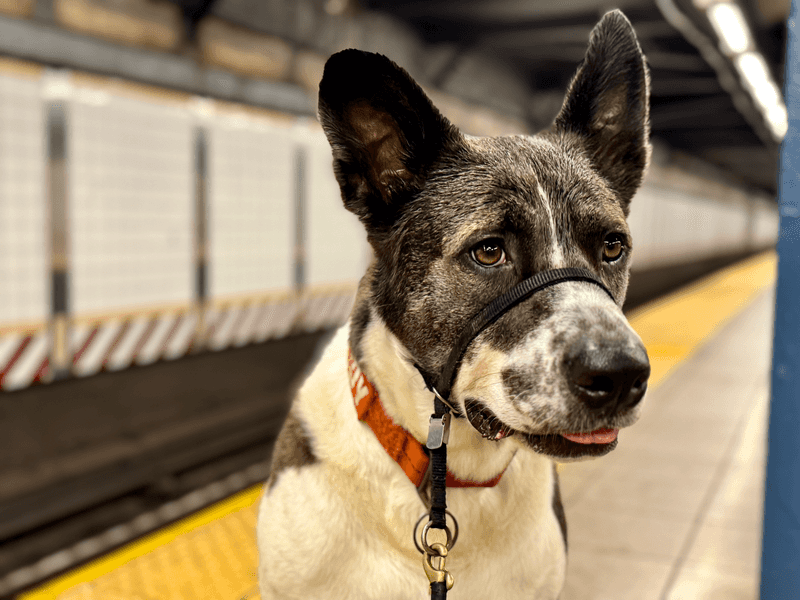
Riding MobilityLink means sharing a smaller vehicle with others. Calm behavior matters even more in tight spaces.
Maryland MTA MobilityLink requires handlers to keep control of their service animals for the whole journey. Control usually means a leash, harness, or voice commands.
Practice settling routines at home. Teach your dog to lie down quietly in small spaces.
Strong habits make door-to-door trips easy and stress-free.
17. Emotional Support Dogs Are Treated Differently
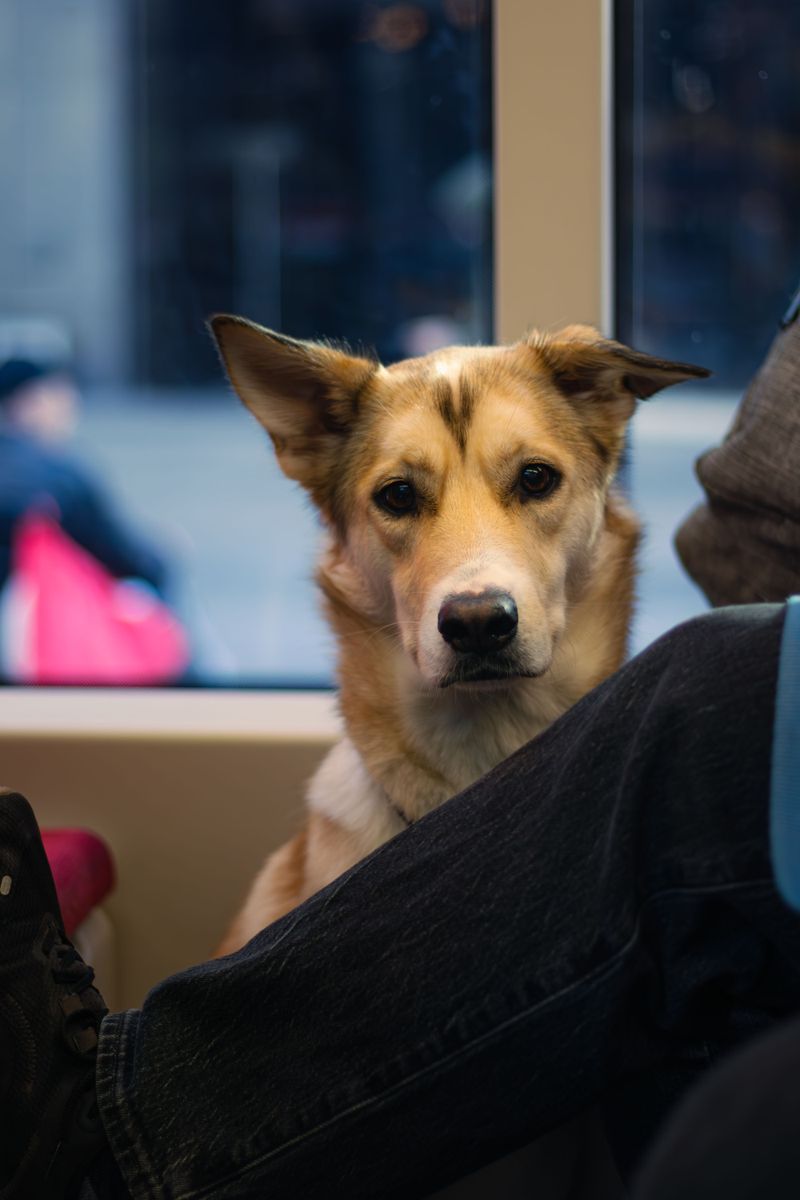
Emotional support dogs bring real comfort to many people. Under federal transit accessibility rules, though, they are not automatically service animals.
The law defines a service animal as a dog trained to perform specific tasks for a disabled person. Comfort alone does not meet that standard.
On most Maryland transit, emotional support dogs follow pet rules. That usually means a closed carrier.
Plan for one before you leave.
18. No Vest or ID Card Required
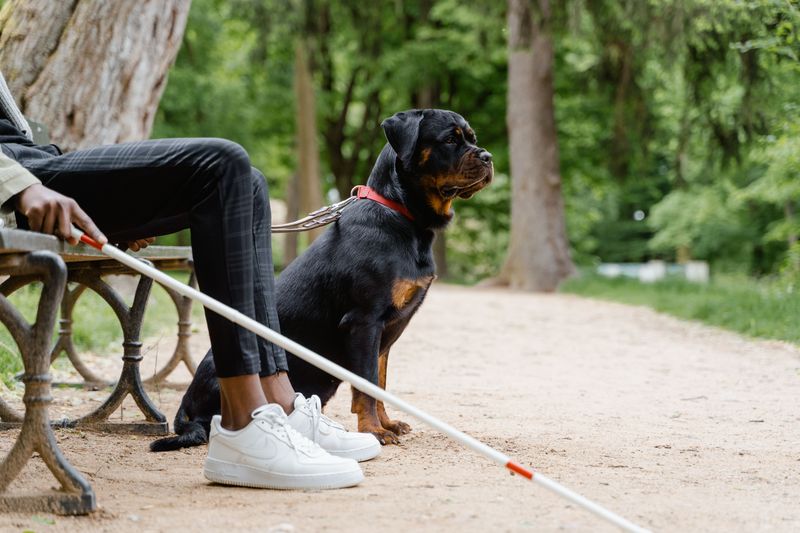
Online shops sell plenty of official-looking service dog gear. Federal rules do not require any of it.
Legitimate service animals need no special certification, identification card, or vest. A plain collar and leash are perfectly acceptable.
Some handlers still choose a vest. It can signal to strangers that the dog is working.
That choice is personal, and it never replaces real training.
19. Two Questions Staff May Ask
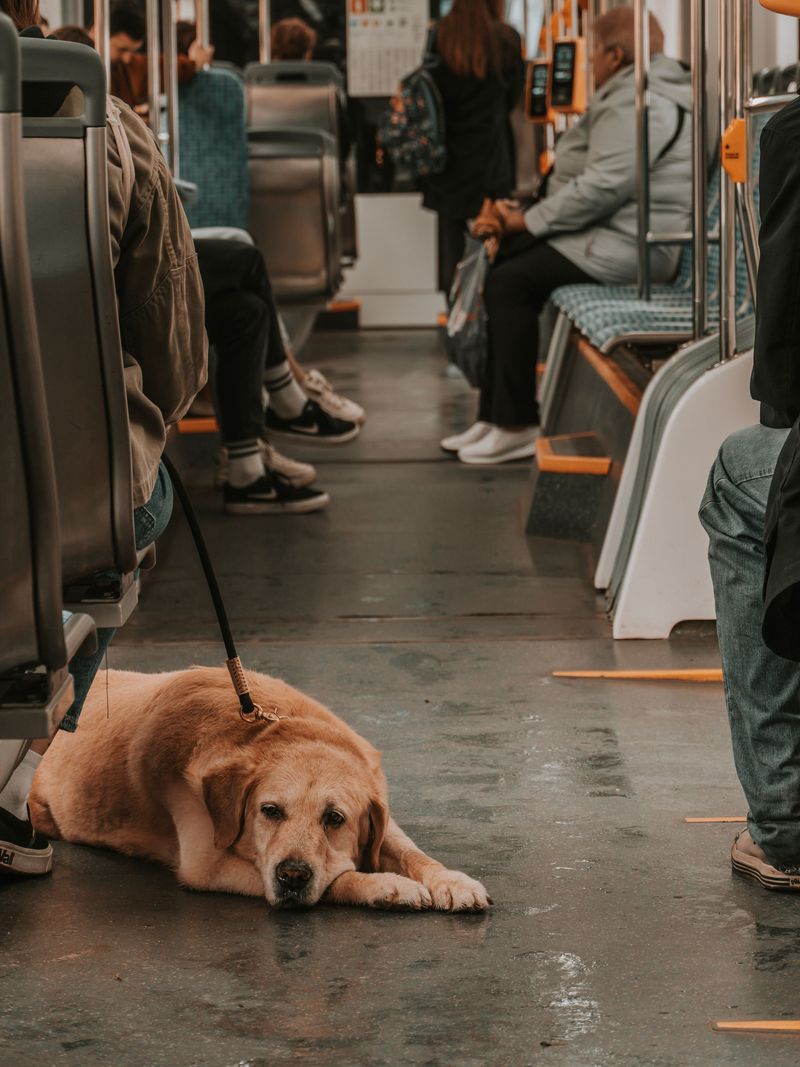
A driver might pause you at the door with a polite question. Knowing what to expect keeps that moment calm.
Transit staff may ask whether the animal is a service animal. They may also ask what tasks it has been trained to perform.
They should not ask about your disability. A short, friendly answer like guiding or alerting usually settles things fast.
Then you can board and relax.
20. Smart Habits for Every Trip
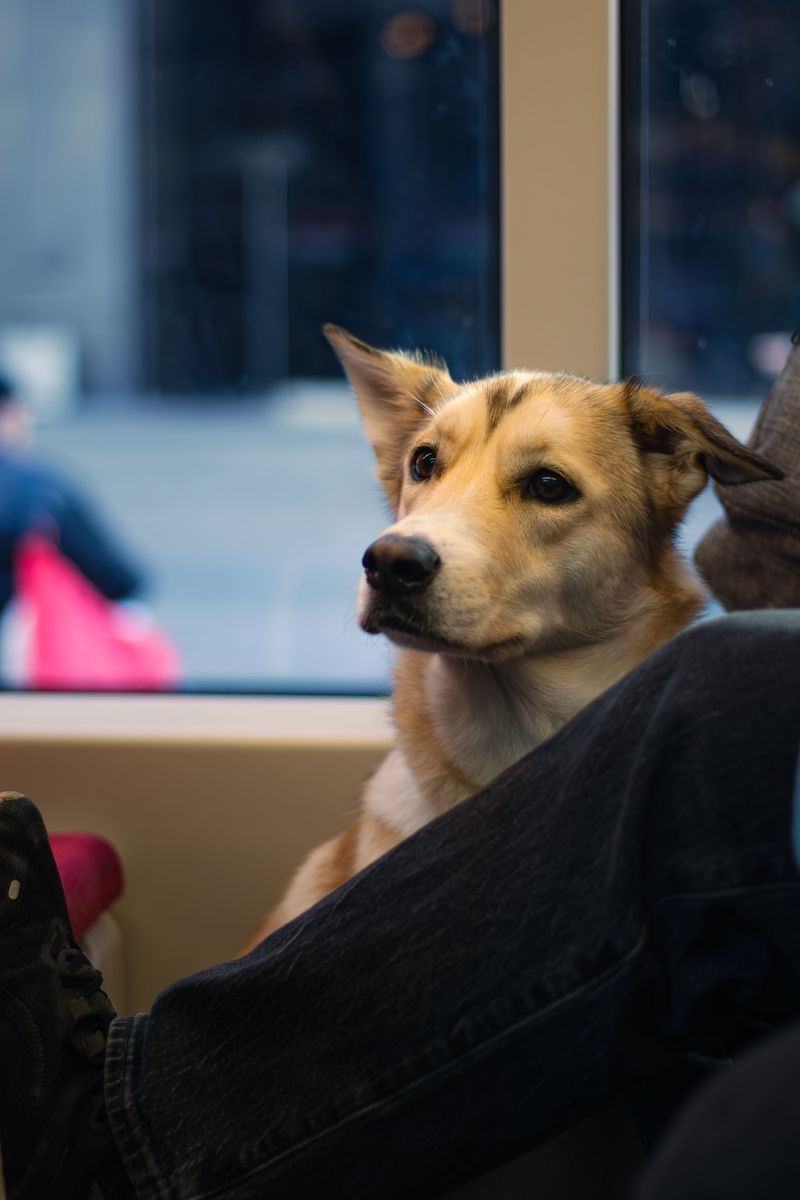
Great trips usually start before you leave home. A few habits make every ride smoother.
Keep your dog calm and controlled. Choose a carrier with good airflow and room to turn around.
Never block exits or doorways.
Finally, check the rules for every connecting provider. A MARC ride might link to Metro or a county bus.
Each one sets its own policy, so confirm them all before departing.