19 Texas High-Rise Questions To Answer Before Adopting A Large Dog In Dallas Or Houston
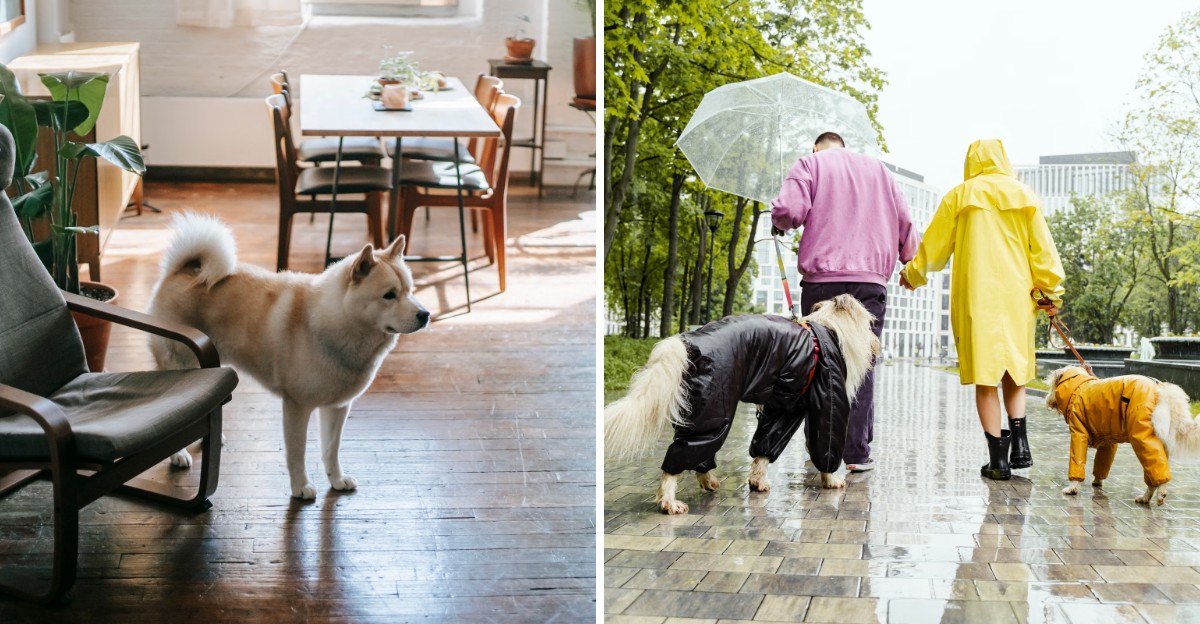
Picture a big, happy dog greeting you at your door, high above the Dallas or Houston skyline. That dream is very possible, but city towers come with their own rules and routines.
Asking the right questions before adoption saves stress, money, and heartache later. Think of this guide as a chat with a friend who has walked a big dog through many lobbies and hot Texas summers.
1. Does Your Building Allow Your Breed?
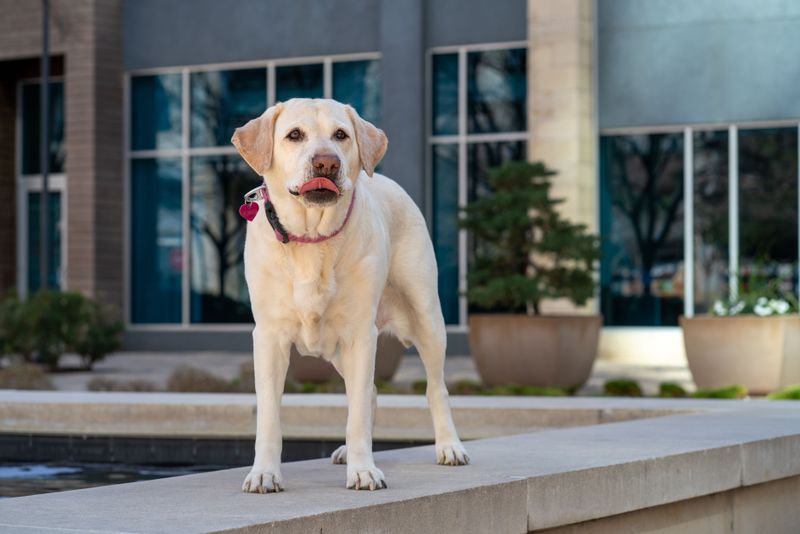
Many tower leases hide their biggest surprise in the pet policy section. Some Dallas and Houston buildings restrict breeds such as Rottweilers, Dobermans, German Shepherds, or pit bull type dogs.
Other properties advertise no breed limits at all. Policies change, so ask the leasing office for the current rules in writing.
Assistance animals follow separate federal fair housing rules. If that applies to you, ask management how they handle requests before you sign.
2. Will Your Dog Fit the Weight Limit?

Puppies grow fast, and a cute twenty-pound pup can easily pass seventy pounds within a year. Weight caps are common in Texas rentals.
Some buildings stop at 30 or 50 pounds. Others set no limit at all.
Each property decides for itself.
Ask a veterinarian or shelter staff to estimate your dog’s adult size. Then compare that number with the lease, so a growth spurt never puts your home at risk.
3. How Much Will Pet Fees Really Cost?

Rent is only the starting number. Most urban apartments add a pet deposit, which often runs a few hundred dollars per pet.
Some also charge a non-refundable pet fee. Then comes monthly pet rent, frequently somewhere between fifteen and seventy-five dollars.
Add these up across a full year. A quick spreadsheet shows the true cost and helps you compare buildings fairly.
Always ask which charges are refundable and which are gone for good.
4. What Does the HOA or Condo Board Say?

Buying a condo feels like freedom, yet the association often holds the final word on pets. Boards can limit pet numbers, size, or breed.
Those rules sometimes go further than any apartment lease. Even an owner who rents out a unit must follow them.
Request the full declaration, bylaws, and any pet rules before closing. Read the fine print about common areas and leash rules, too.
Surprises here are hard to undo.
5. Is There Enough Room Inside?
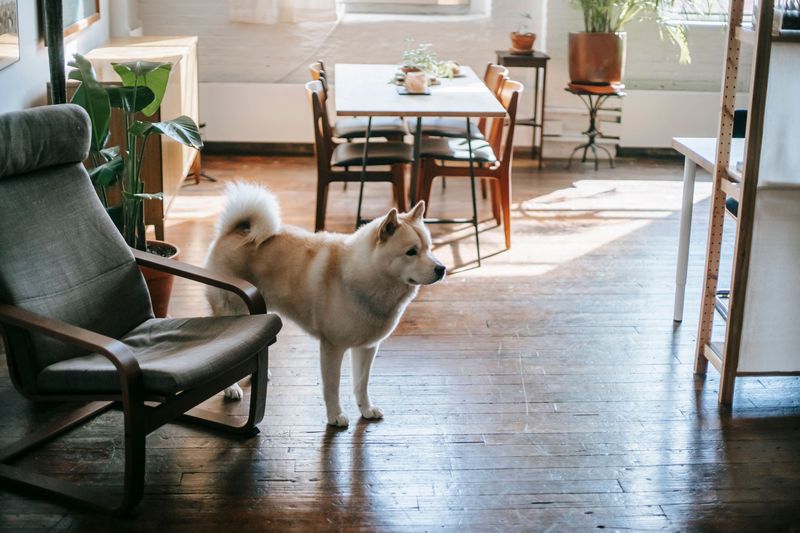
A Great Dane stretched out can take up most of a small sofa. Floor space matters more than pretty views.
Measure where the bed, crate, and water bowls will go. Leave a clear path so your dog can turn around without bumping furniture.
Flooring counts as well. Scratch-resistant vinyl handles claws better than soft wood, and rugs help big dogs keep their footing on slick surfaces.
6. Does the Dog’s Personality Suit Tower Life?

Here is a fun surprise: retired greyhounds are often called giant couch potatoes. Size alone does not decide apartment success.
Energy and temperament matter far more. A mellow, adaptable dog usually handles hallways, elevators, and strangers with ease.
Herding and working breeds may need jobs to stay content. When adopting, ask shelter staff how each dog behaves indoors.
Their honest notes can guide you toward a good match.
7. Can You Keep Up With Daily Walks?
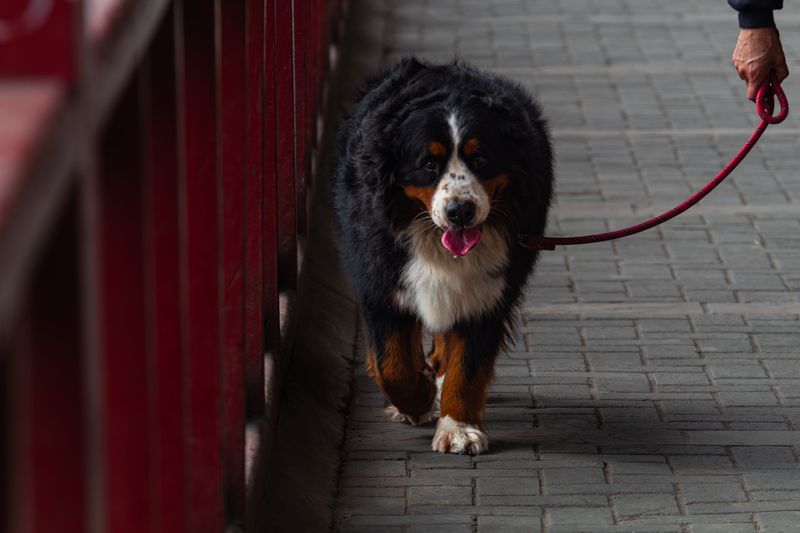
Without a backyard, every bit of exercise starts with your shoes and a leash. Many big dogs need an hour or more of activity daily.
That might mean two long walks plus a play session. Busy weeks still count, so plan backup help.
Dog walkers and daycare centers are common in both cities. A tired dog rests peacefully, which makes apartment life calmer for everyone.
8. Are You Ready for Texas Summer Heat?
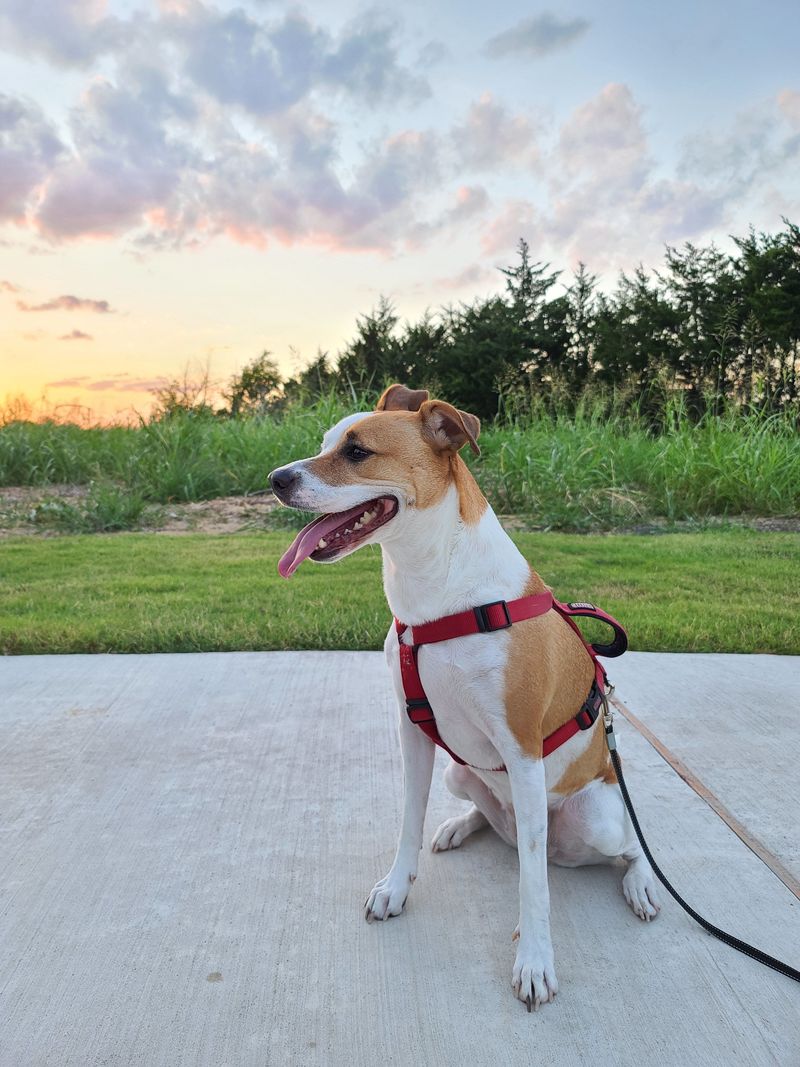
July in Houston can feel like stepping into a warm bath. Dallas brings dry, blazing afternoons of its own.
Big dogs, especially thick-coated or flat-faced ones, can overheat quickly. Walk early in the morning or after sunset.
Carry water, rest in shade, and watch for heavy panting or slowing down. If your dog seems unwell after heat exposure, call a veterinarian right away.
9. How Will You Protect Those Paws?
Try the seven-second test. Place the back of your hand on the sidewalk.
If you cannot hold it there, it is too hot for paws.
Asphalt and artificial turf can reach painful temperatures on sunny days. Paw pads can burn faster than many people expect.
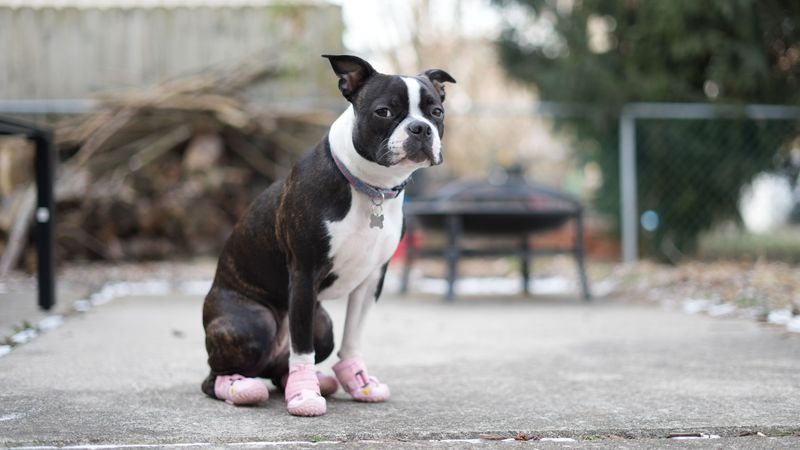
Choose grassy routes when possible. Breathable dog booties help too, though most dogs need a few short practice sessions before they walk normally in them.
10. Where Is the Nearest Green Space?
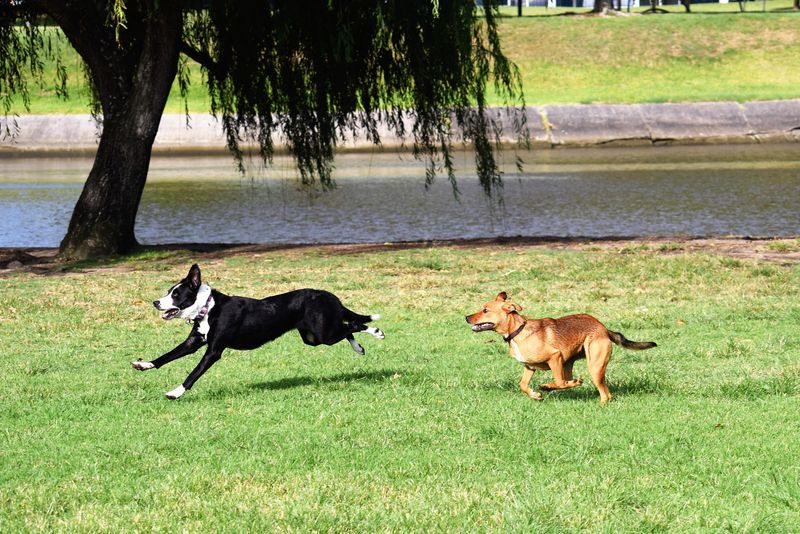
Location changes everything. A park two blocks away feels very different from one across a busy highway.
Both cities offer leafy spots. Houston has Buffalo Bayou trails, while Dallas has neighborhood dog parks and downtown green spaces like Klyde Warren Park.
Each park sets its own rules, and some lawns ban dogs from certain areas. Walk the route yourself before signing a lease to see how easy daily trips will be.
11. How Fast Can You Reach the Potty Spot?
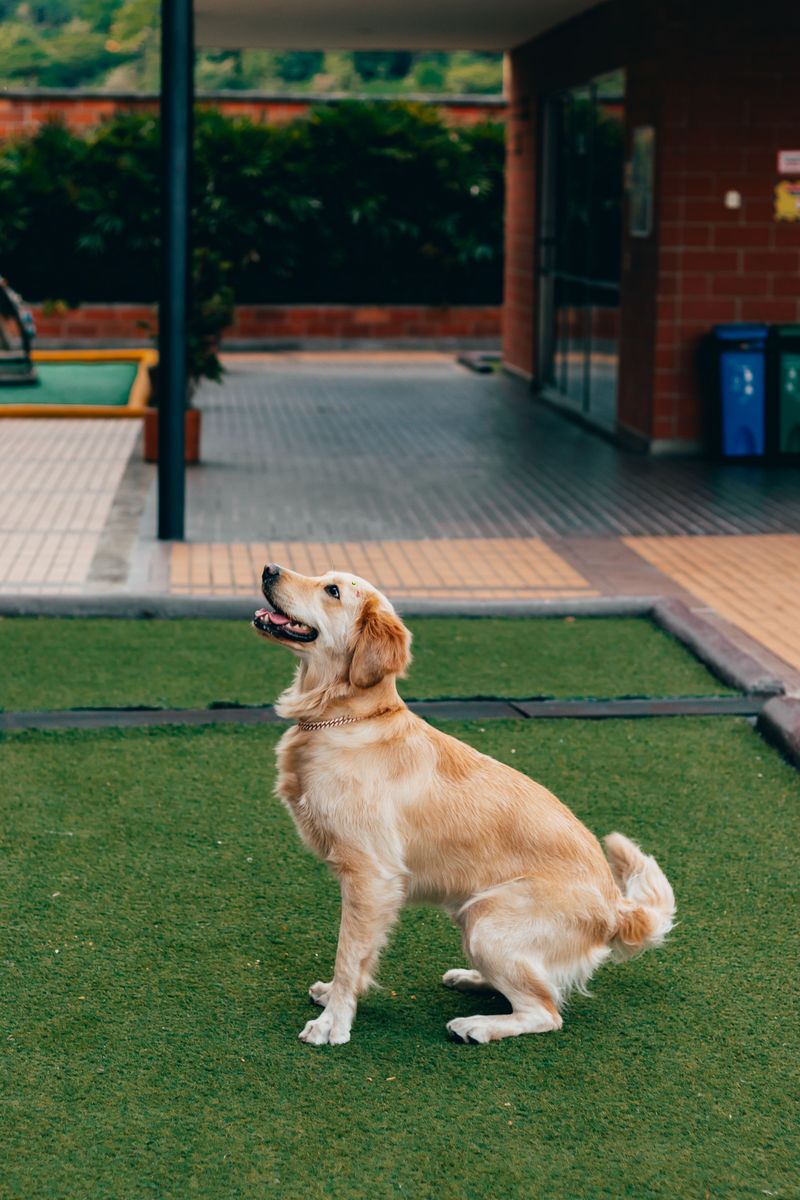
Thirty floors up, a midnight potty break becomes a real trip. Count the minutes from your door to the nearest grass.
Elevator waits during rush hours add more time. Some buildings offer rooftop or ground-level pet relief areas, which help a lot.
Puppies and senior dogs need extra trips. A lower floor may suit you better, and an indoor grass patch can serve as a backup on stormy nights.
12. What Is Your Emergency Plan?

Hurricane season, spring storms, and power outages all visit Texas. In emergencies, elevators often stop working.
Practice walking your dog down the stairwell before you ever need it. Pack a kit with food, water, medications, records, and a spare leash.
Not every shelter or hotel welcomes large dogs. Check city and county emergency pages for pet-friendly options, and arrange a backup place with friends outside town.
13. Will Barking Bother the Neighbors?
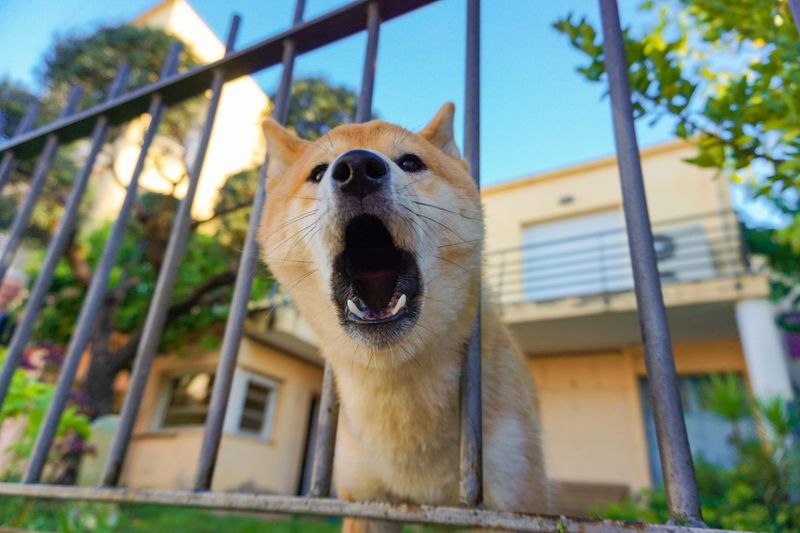
A deep bark carries through walls more easily than most people think. Repeated noise can lead to lease warnings in many buildings.
Boredom and loneliness are frequent causes. Puzzle feeders, chew toys, and long walks keep busy minds calm.
Consider recording your dog while you are out. If barking is a pattern, a certified trainer can help early.
Friendly chats with neighbors also go a long way.
14. Are You Committed to Training?
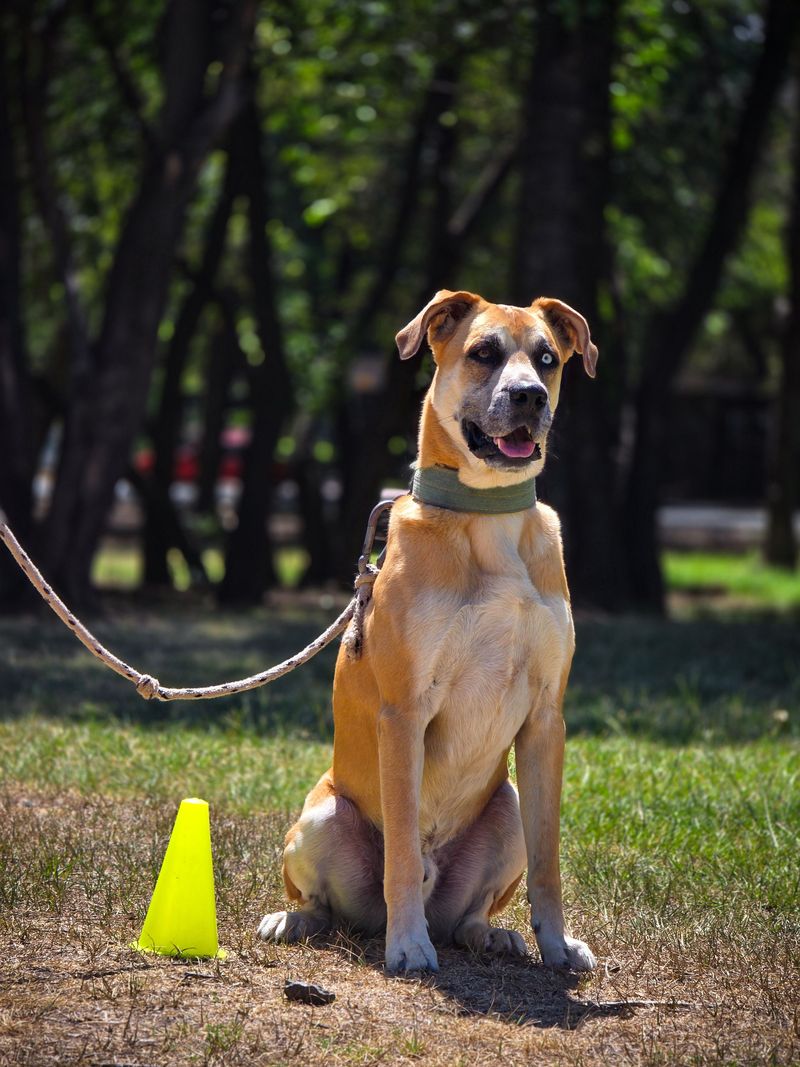
Good manners turn a big dog from a handful into a joy. Training is a gift you give them.
Focus on loose-leash walking, sit, stay, and a reliable leave it. City sidewalks are full of dropped food and distractions.
Socialization matters equally. Gently introduce sirens, scooters, crowds, and other dogs.
Group classes in Dallas and Houston make learning fun and give you useful support.
15. What Pet Perks Does the Building Offer?

Some towers treat dogs like VIP residents. Look for rooftop dog runs, pet wash stations, and fenced turf areas.
A grooming tub on site saves your bathroom from muddy paws after rainy walks. Certain buildings even partner with walkers or sitters.
Visit these spaces in person. Check cleanliness, shade, and size, since a tiny turf patch may not suit a large dog needing room to stretch.
16. Is Good Vet Care Close By?
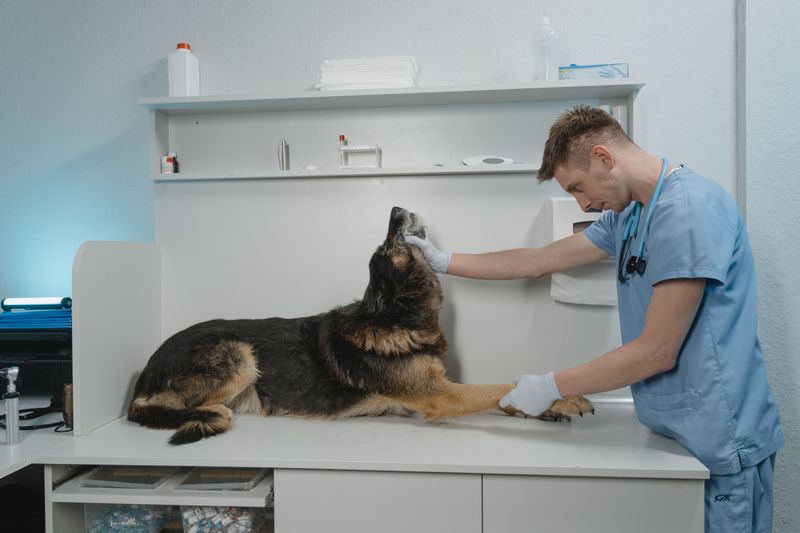
Nobody wants to search for a vet during a stressful moment. Find one before your dog comes home.
Choose a regular clinic near your building, then locate a 24-hour emergency hospital. Save both numbers in your phone.
Ask about parking and whether staff can help lift heavy dogs. Getting a large, uncomfortable dog through traffic is far easier with a plan already in place.
17. Can Your Budget Handle a Big Appetite?

Bigger dogs eat more, and that shows up on every grocery receipt. Food is often the largest monthly expense.
Grooming adds up for fluffy breeds. Many medications and preventives are dosed by weight, so prices climb with size.
Plan for checkups, vaccines, and heartworm prevention, which veterinarians recommend year-round in Texas. A savings fund or pet insurance can soften unexpected bills.
18. Do You Know the Local Pet Rules?
Texas state law requires rabies vaccination for dogs, usually starting around three or four months of age. Cities add their own layers.
Dallas and Houston both have leash rules for public areas and require pets to be registered or licensed. Dallas also requires microchipping.
Details and fees change over time. Check your city’s animal services website or call 311 to confirm current requirements before adoption day.
19. Does This Fit Your Next Ten Years?

Large dogs often live ten years or more. That is several leases, maybe a new job, and possibly a move.
Think about travel, work hours, and growing families. Will future homes welcome a seventy-pound friend?
Senior dogs may struggle with long walks or stairs. Planning ahead keeps your companion by your side through every chapter, wherever life takes you in Texas or beyond.