How A Texas Puppy Routine Can Change Completely Between Gulf Coast Humidity And Panhandle Wind
Texas is so big that a puppy in Galveston and a puppy in Amarillo can live in two different worlds. The Gulf Coast brings sticky heat, heavy rain, and summer storms.
The Panhandle brings dry air, dust, and cold winter wind. If you are raising a young dog anywhere in the state, a few smart changes to your daily routine can keep your pup safe, comfortable, and happy all year.
1. Time Gulf Coast Walks for Cooler Hours
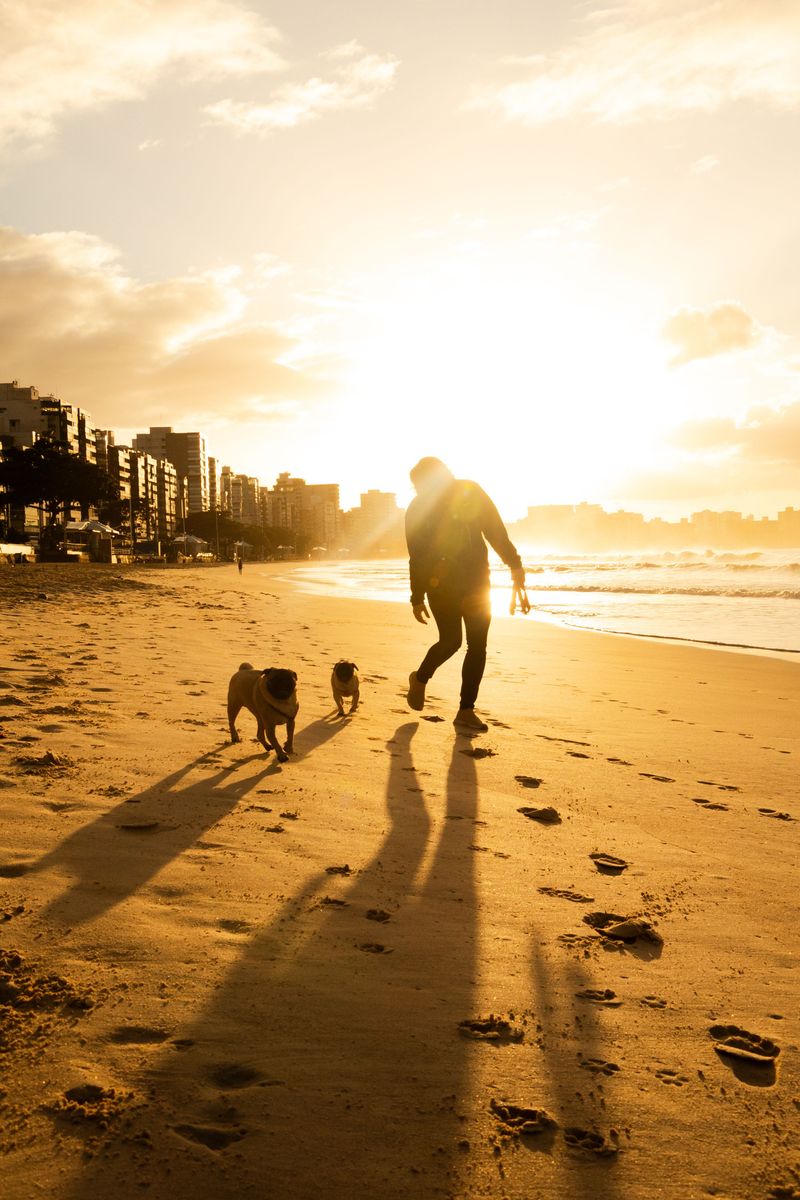
Sunrise on the coast feels very different from noon. By midday, heat and humidity can wear out a small puppy in minutes.
Many local trainers suggest walking before 9 a.m. or after 7 p.m. in summer. Morning is often the better choice, since the ground has cooled overnight.
Bring a little water along, even on short outings. Keep the pace easy, and head home early if your pup starts lagging behind.
2. Skip Panhandle Walks When the Wind Howls
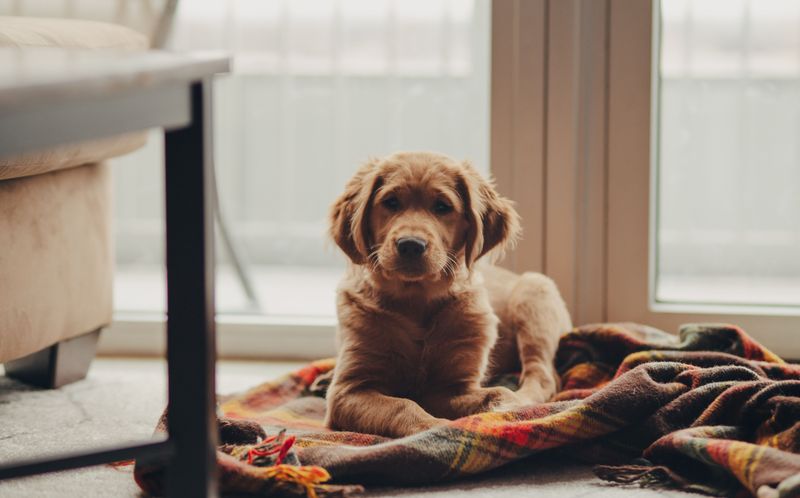
Out near Amarillo, the wind can pick up fast and stay strong for hours. Gusts toss grit, branches, and loose trash across open ground.
A tiny puppy can get chilled, startled, or hit by flying debris. When your local forecast shows a wind advisory, bring your pup inside.
Short potty breaks near the door are fine. Save the longer neighborhood stroll for a calmer afternoon.
3. Keep Humid Playtime Brief
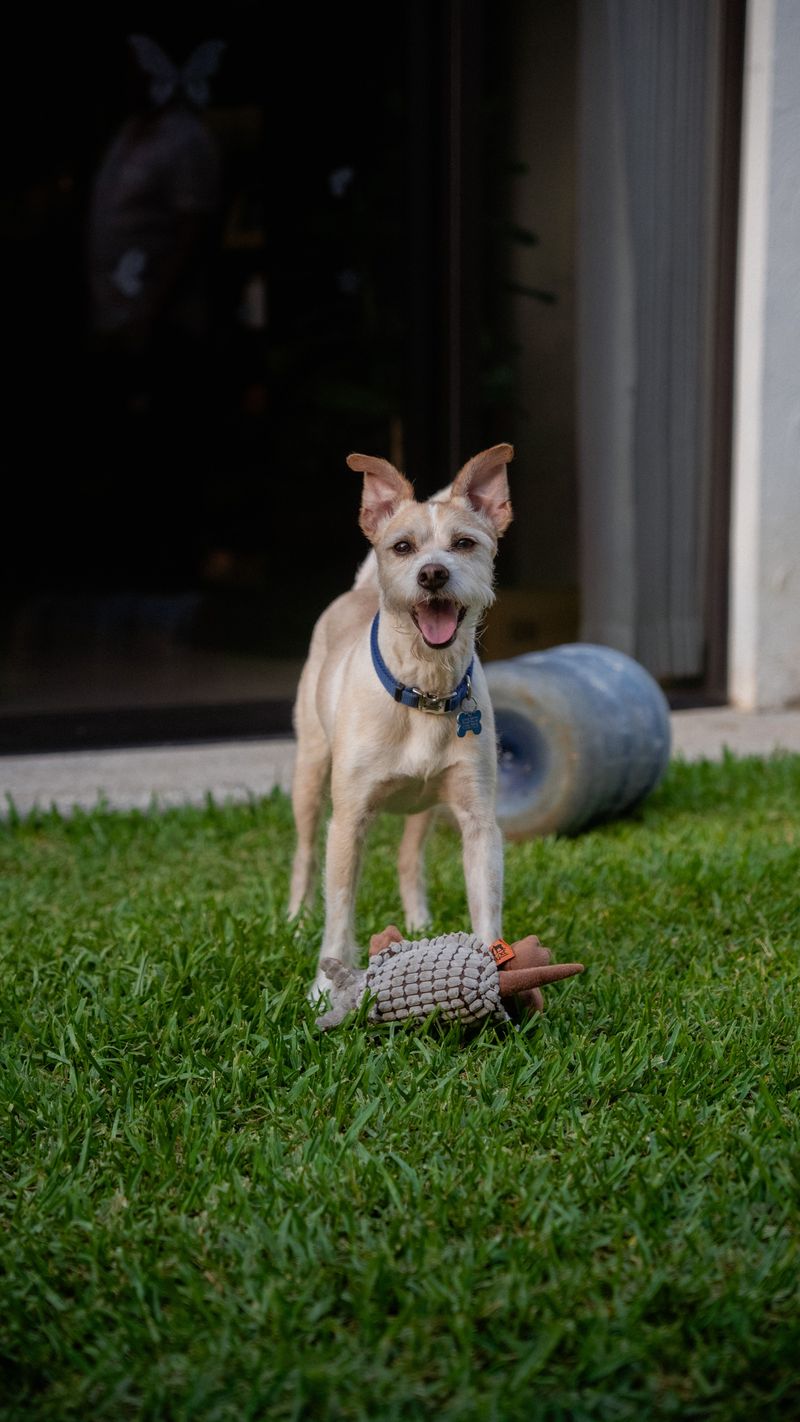
Humidity is sneaky. Dogs cool off mostly by panting, and damp air makes that process much less effective.
On muggy Gulf Coast days, try play sessions of just a few minutes at a time. Watch for heavy panting, slowing down, or searching for shade.
Those are clear signals to stop and rest indoors. When the heat index climbs high, indoor games are the smarter plan for the day.
4. Move the Fun Inside During Dust Storms
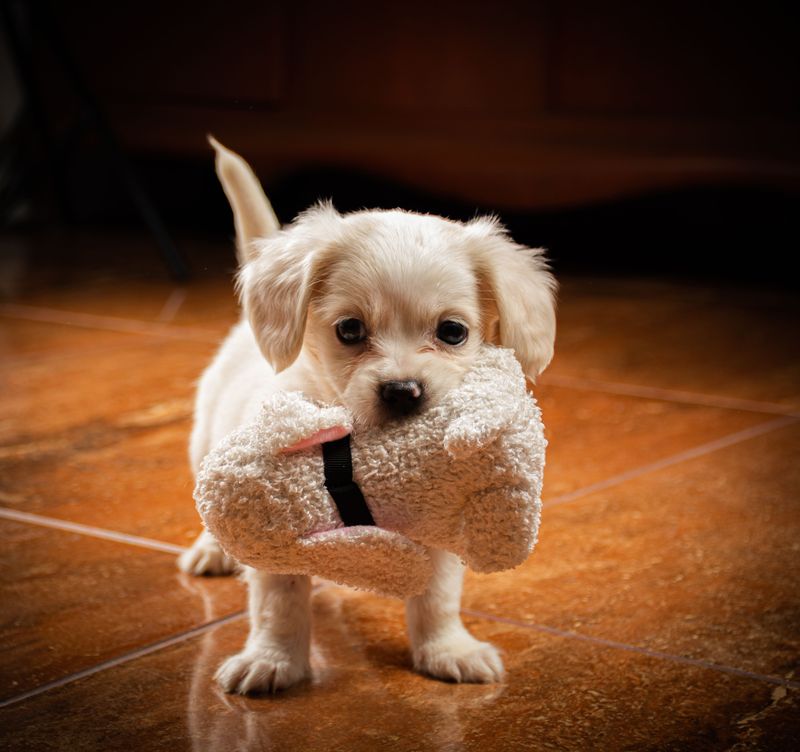
Picture a brown wall of dust rolling across the Lubbock horizon. That is your cue to close the door and grab a toy.
Dust and smoke can irritate a puppy’s nose, eyes, and lungs. Keep pets indoors and skip hard outdoor exercise until the air clears.
Tug, gentle fetch down a hallway, and puzzle feeders all work well. Your pup still burns energy without breathing gritty air.
5. Fresh Water, Always Within Reach
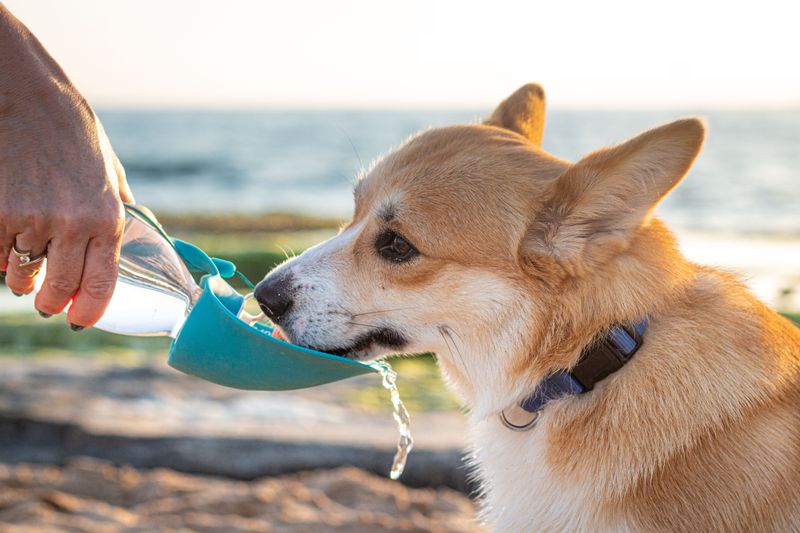
Clean water is the simplest safety tool you own. Coastal heat and Panhandle dry air both pull moisture from a growing body.
Refill bowls several times a day, and place one in each main room. Texas law also requires drinking water for dogs restrained outdoors.
On walks, pack a collapsible bowl and a bottle. A few sips during every break keep your puppy steady and comfortable.
6. Create Shady, Cool Resting Spots
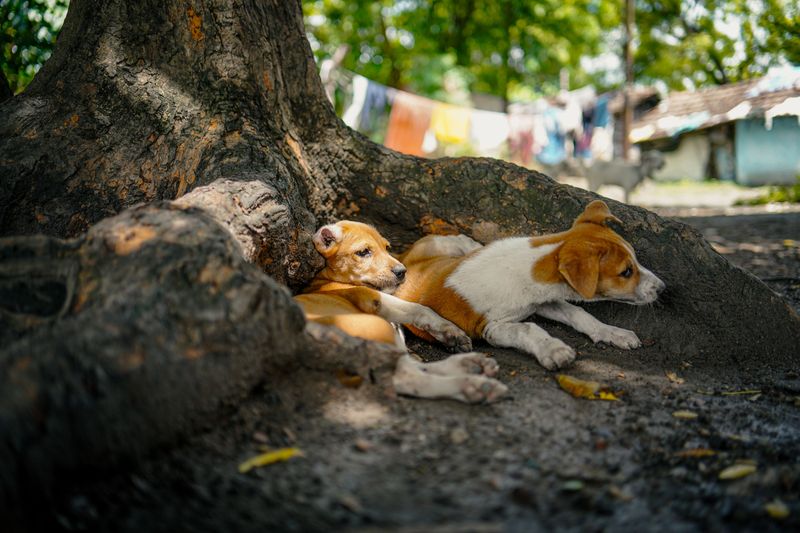
Even playful puppies need a cool place to crash. A shaded corner can make a hot afternoon far more bearable.
Outside, use trees, covered patios, or a canopy. Texas law requires shade from direct sunlight for tethered dogs, so plan for it.
Indoors, a cooling mat or a damp towel on tile gives quick relief. Keep these spots away from sunny windows that heat up later.
7. Shelter Little Ones From Cold Wind
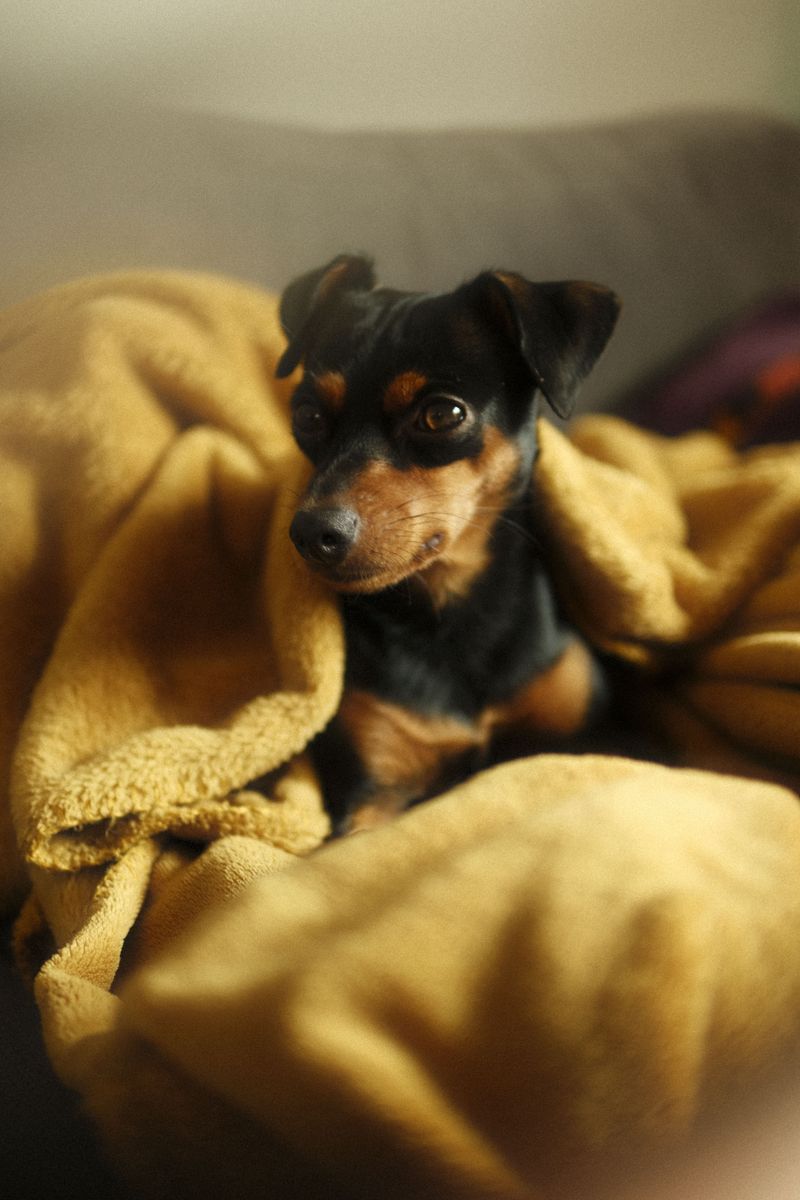
Panhandle winters bite hard, especially when wind chill drops the feel of the air far below freezing.
Puppies lose body heat quickly. The state’s Safe Outdoor Dogs Act requires sturdy shelter that blocks high winds and extreme cold for outdoor dogs.
The kindest choice is simple: bring your puppy inside during freezing weather. A warm bed away from drafty doors makes a big difference.
8. Towel Off After Rain or a Swim
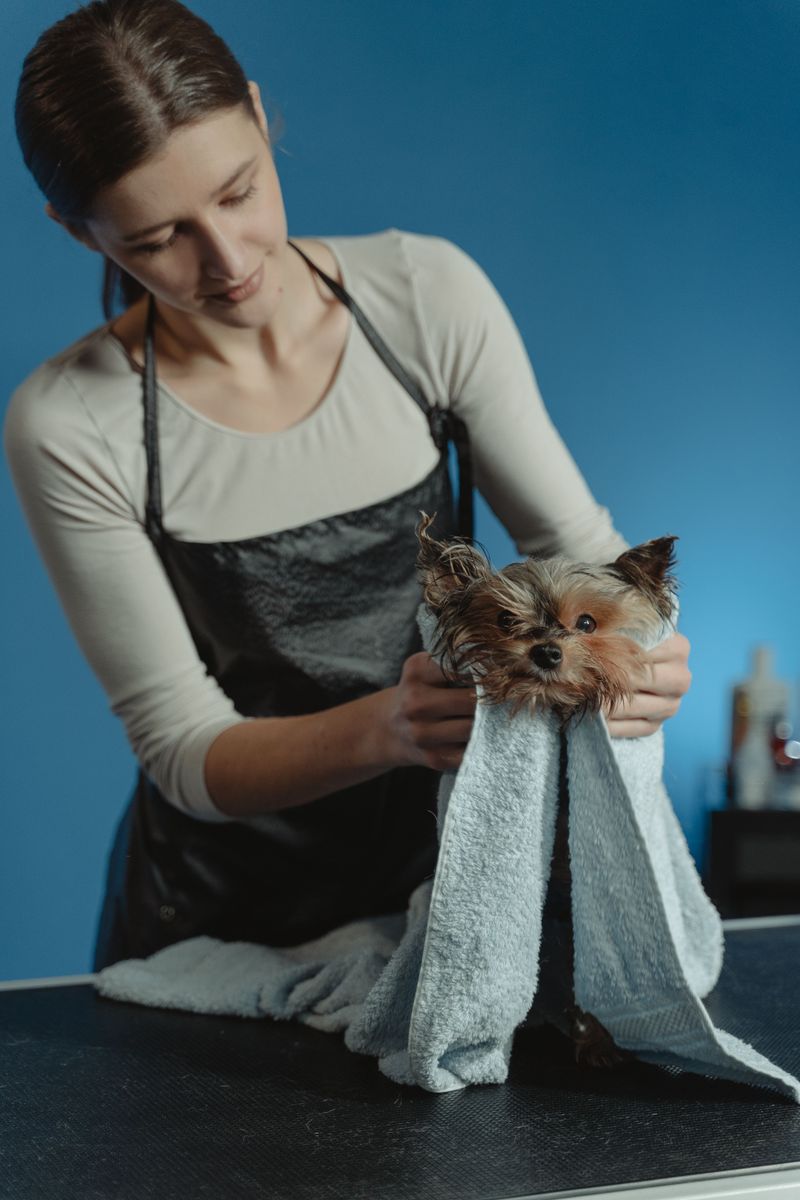
Coastal puppies tend to get wet a lot. Afternoon showers, sprinklers, and beach trips all leave soggy fur behind.
Damp coats stay damp longer in humid air. That trapped moisture can lead to itchy skin and a musty smell.
Dry your pup thoroughly with a towel, paying attention to armpits, belly, and between the toes. A low, cool dryer setting helps with thick coats.
9. Wipe Away the Dust After Every Walk
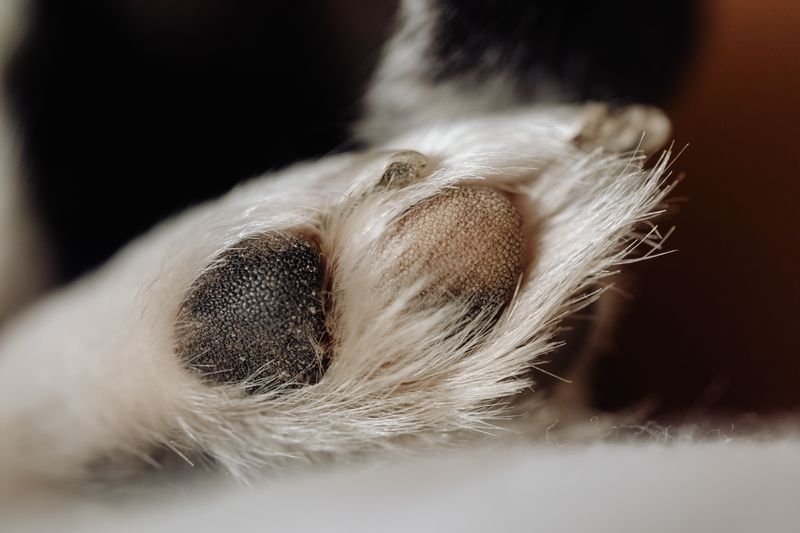
A breezy Panhandle walk often ends with dusty paws and a gritty coat. That fine dirt can rub sensitive skin raw.
Keep a damp cloth or pet wipes by the door. Clean each paw pad and between the toes after you come inside.
A quick brush helps lift dust from the coat too. Turn it into a calm routine with a treat, and your puppy will learn to enjoy it.
10. Peek at Skin and Ears Often
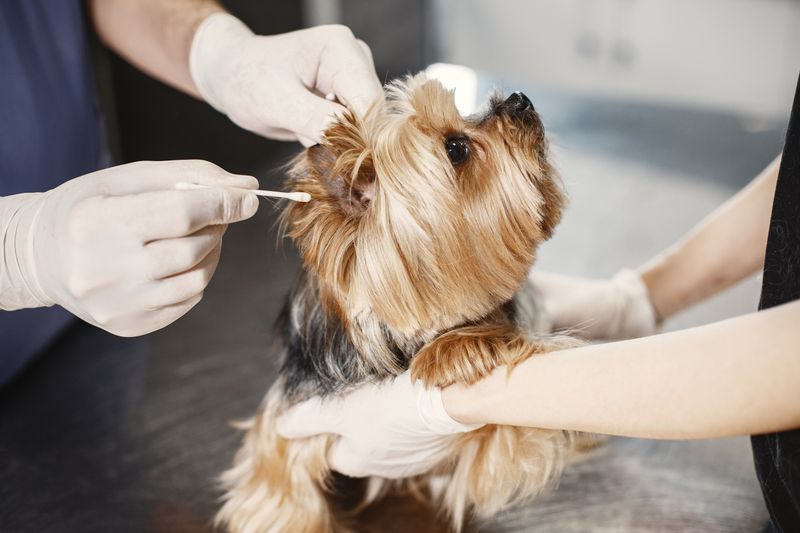
Floppy ears and warm, wet air can be a tricky combination. Moisture trapped inside may lead to irritation.
Once or twice a week, lift the ears and look inside. Check the skin for redness, odor, scratching, or flaky patches.
Dry Panhandle air brings its own concerns, like dull or itchy skin. If anything seems off for more than a few days, call your veterinarian for advice.
11. Spot Dry Skin and Sore Paws Early
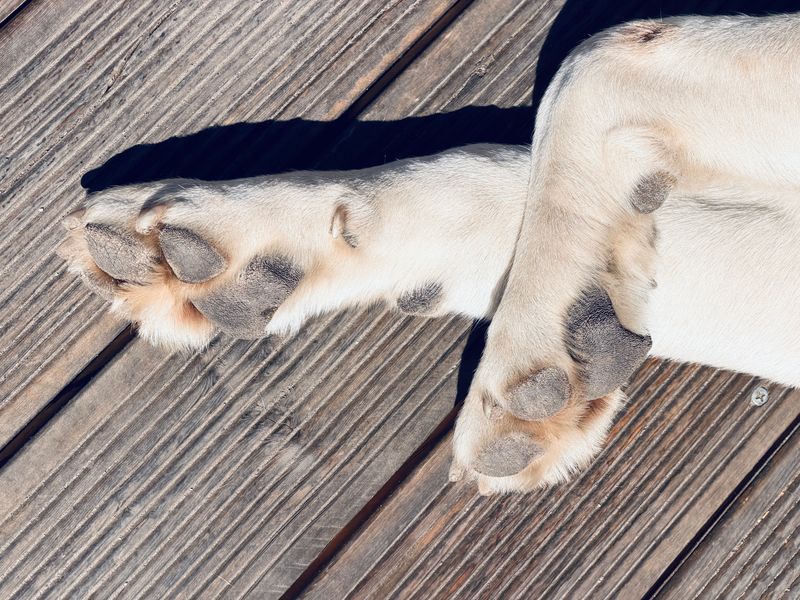
Paw pads work hard. Cold wind, dry air, hot pavement, and rough ground can all leave them cracked or tender.
Look for limping, constant licking, or small blisters. These can be early hints that something hurts.
A dog-safe paw balm can soften dry pads when used regularly. Ask your vet which product suits your puppy, especially if the soreness keeps coming back.
12. Stay on Track With Parasite Prevention
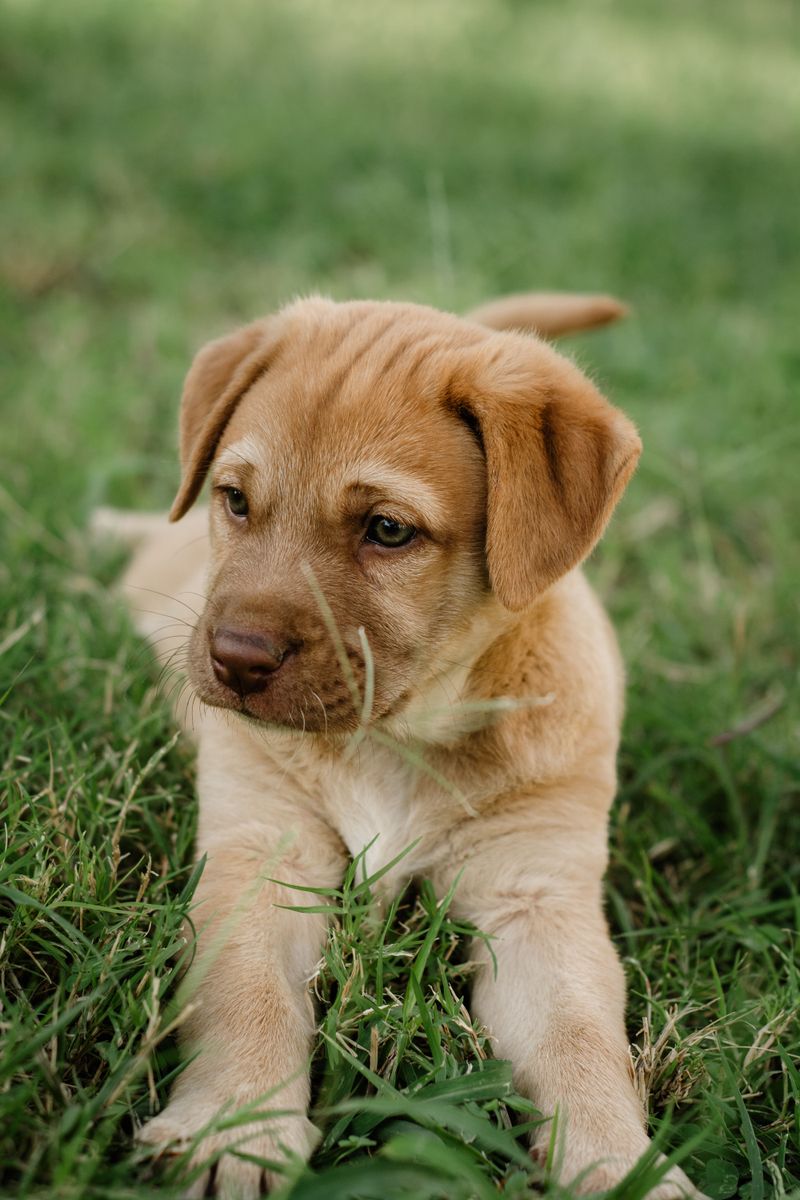
Here is a local truth: Texas bugs rarely take a full vacation. Mild winters let fleas, ticks, and mosquitoes stay active.
Mosquitoes spread heartworm, so year-round prevention matters across the state. Fleas and ticks also need steady control.
Your veterinarian can recommend monthly or longer-lasting options based on your puppy’s age and weight. Set a phone reminder so no dose slips through the cracks.
13. Steer Clear of Puddles and Floodwater
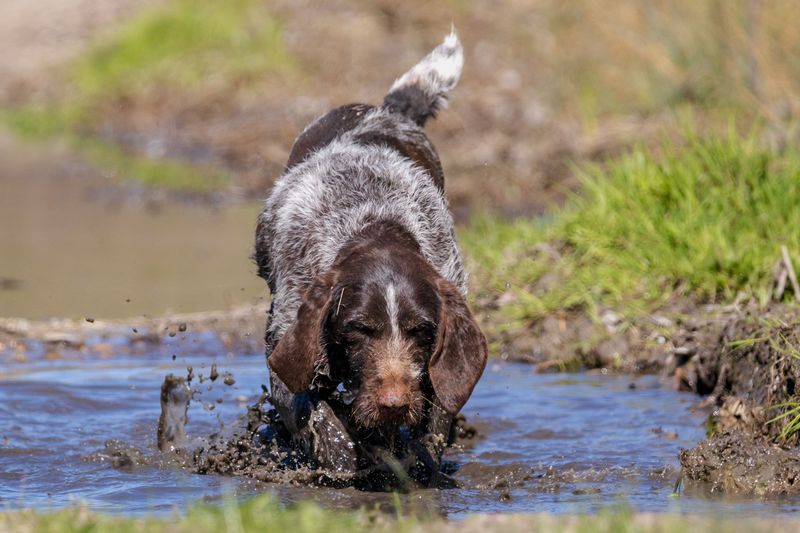
After a big Gulf storm, every puddle looks like a playground to a curious pup. Unfortunately, that water is rarely clean.
Standing water and floodwater can hold bacteria, parasites, chemicals, and sharp debris. These may cause tummy trouble, skin infections, or cuts.
Guide your puppy around puddles on a short leash. Texas law also expects outdoor dogs to have a way to avoid standing water.
14. Build Thunderstorm Confidence
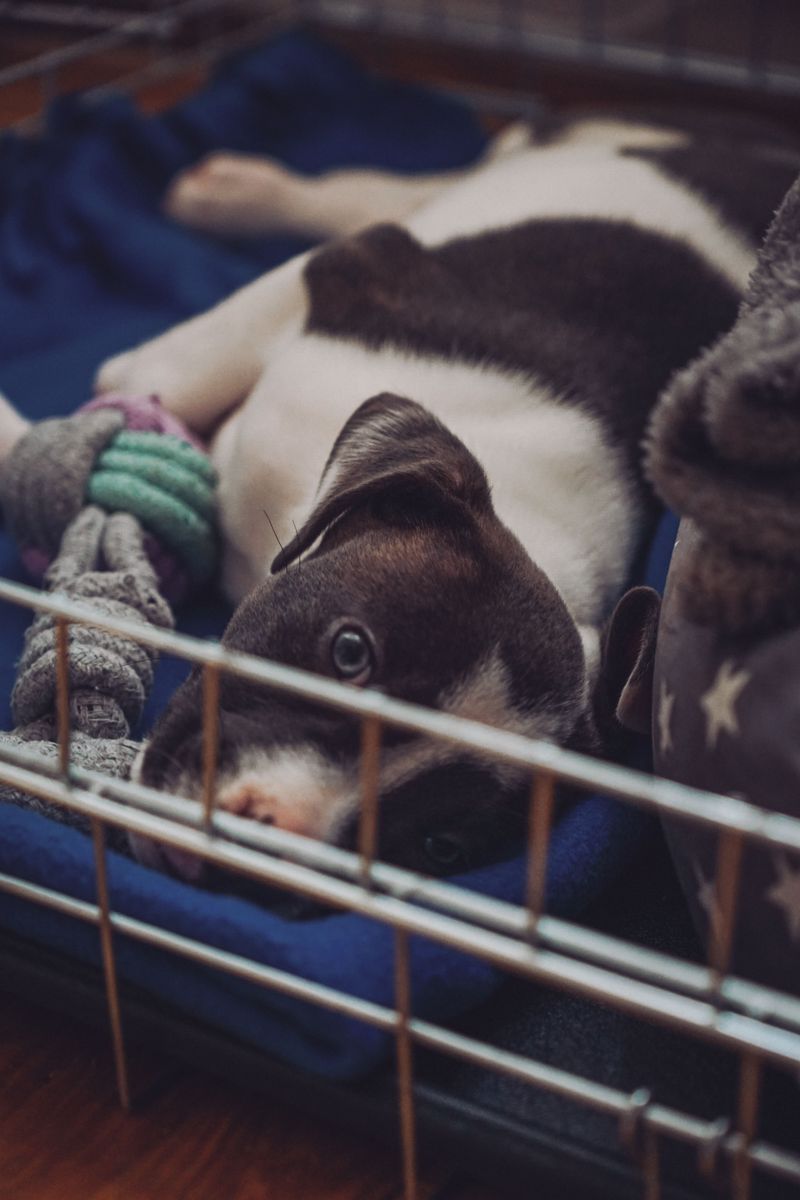
Thunder rolls through Texas often, especially along the coast. A puppy who learns to relax now will thank you later.
Set up a cozy den, like a covered crate or quiet inner room. Add a familiar blanket and soft background noise from a fan or TV.
Stay relaxed yourself, since dogs pick up on your mood. Gentle praise and treats help storms feel ordinary instead of scary.
15. Make Peace With Whistling Wind
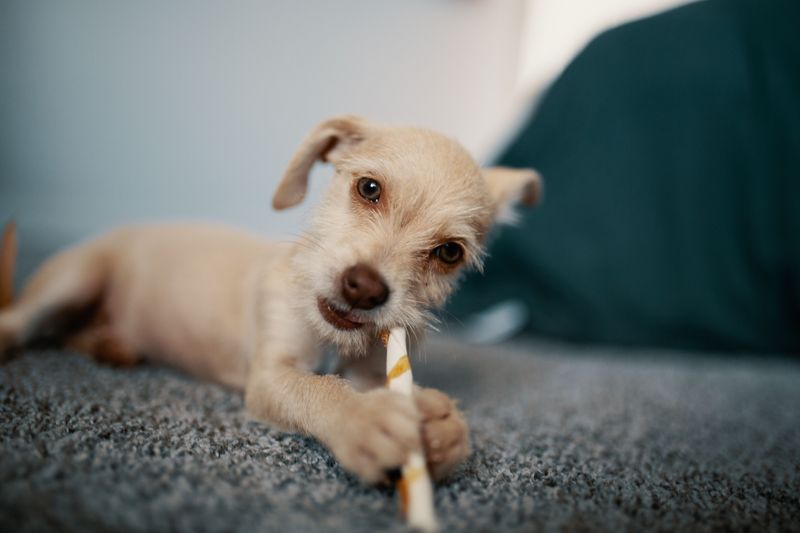
Rattling windows, banging gates, and that eerie whistle under the door can unsettle a young dog.
Panhandle owners hear these sounds often, so practice calm reactions early. Offer a chew or stuffed toy when the wind starts picking up.
A quiet den helps here too. Over time, your pup connects gusty days with tasty treats and rest, not worry.
16. Bring Training Sessions Indoors
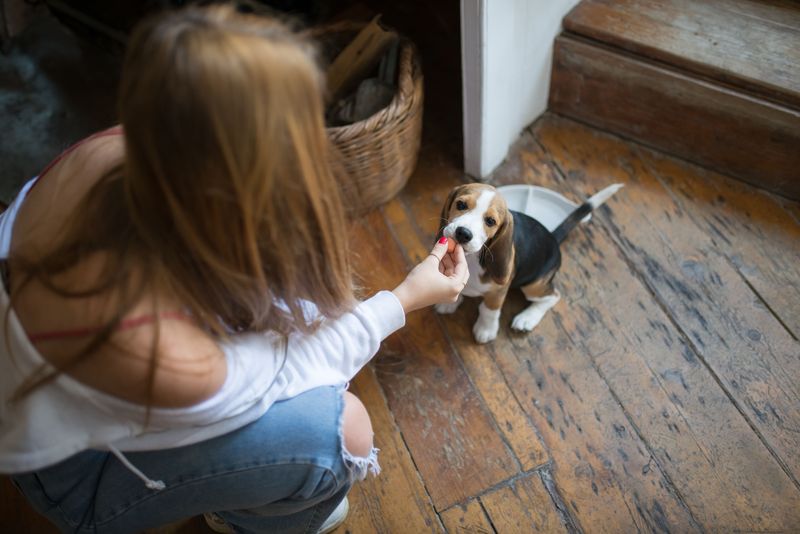
Bad weather does not have to cancel school. Indoor lessons give your puppy great mental exercise on extreme days.
Practice sit, down, stay, and name recognition in short bursts of five minutes. Hide treats for nose games, or try simple puzzle toys.
A tired brain often means a calmer puppy. Heat waves, ice storms, and severe weather warnings become perfect training days.
17. Polish Leash Manners and Recall
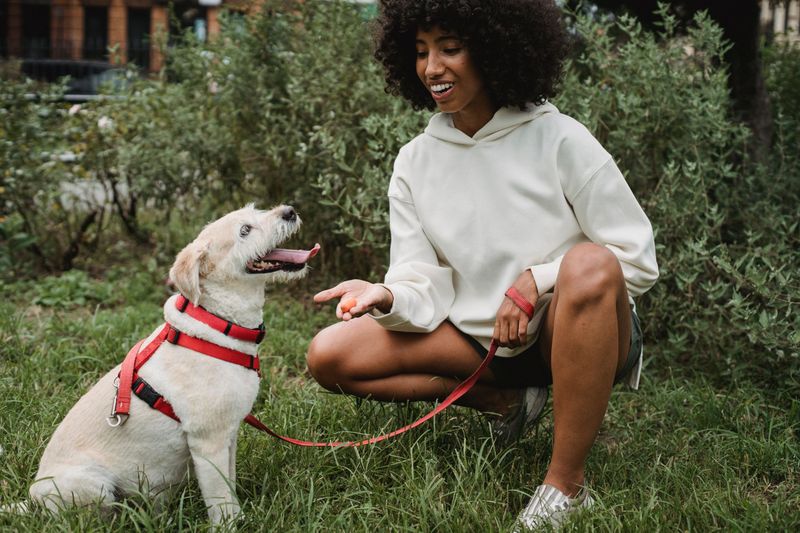
Weather changes fast in Texas, so a reliable recall is a true safety skill. A puppy who comes quickly is easier to protect.
Practice loose-leash walking and come commands in calm, controlled spaces. Mild mornings or quiet indoor hallways work nicely.
Reward generously and keep sessions upbeat. Good leash habits also matter when sudden wind or thunder makes your pup want to bolt.
18. Test the Pavement First
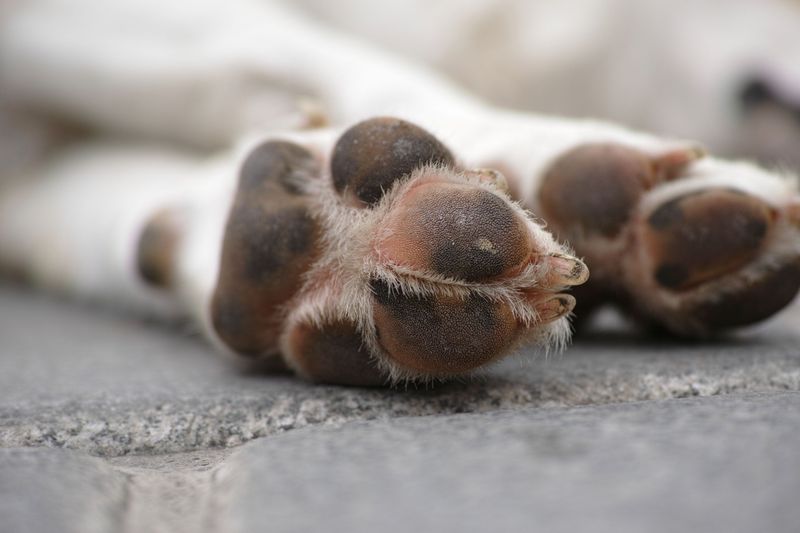
Quick question: could you stand barefoot on that sidewalk? If not, your puppy’s paws cannot either.
Try the seven-second test. Press the back of your hand to the pavement for seven seconds.
Too hot for you means too hot for paws.
Asphalt and concrete often run much hotter than the air. Choose grass, shaded paths, or cooler hours whenever possible.
19. Secure Bowls and Backyard Toys
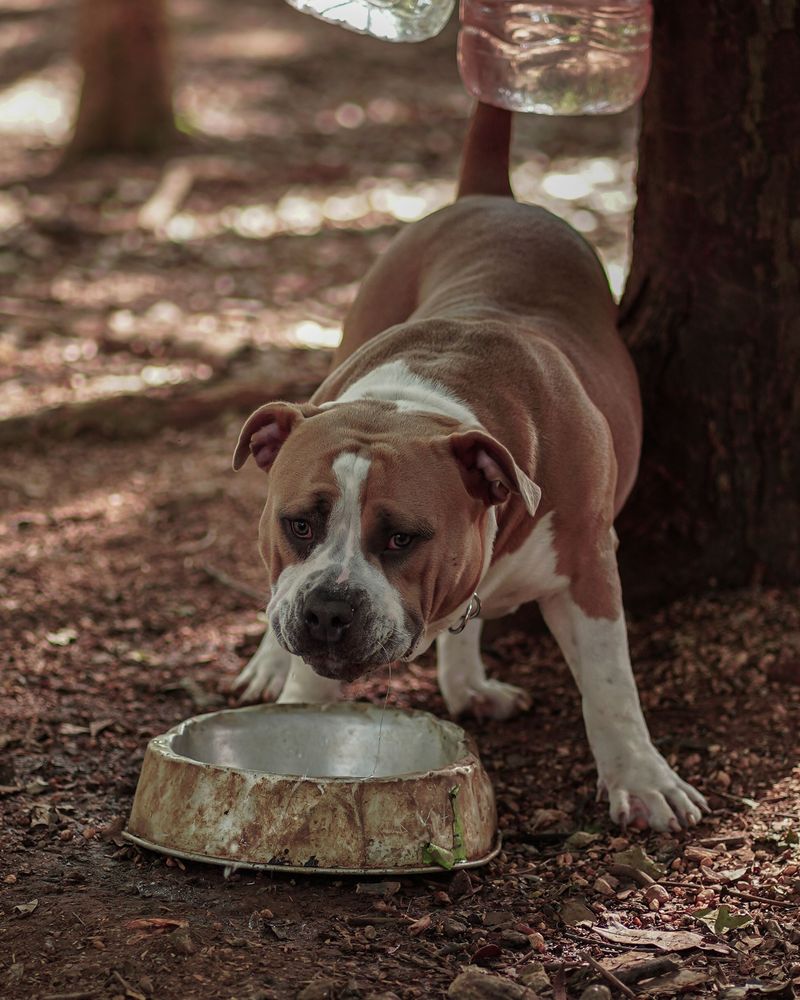
A plastic bowl can sail across a Panhandle yard in one strong gust. Loose toys can tumble into fences or the street.
Before storms or windy days, gather outdoor toys into a bin or bring them inside. Choose heavy, tip-resistant water bowls.
Some owners clip bowls to a post or set them in a sheltered corner. Your puppy keeps steady access to water either way.
20. Plan Ahead for Hurricanes, Wildfires, and Storms
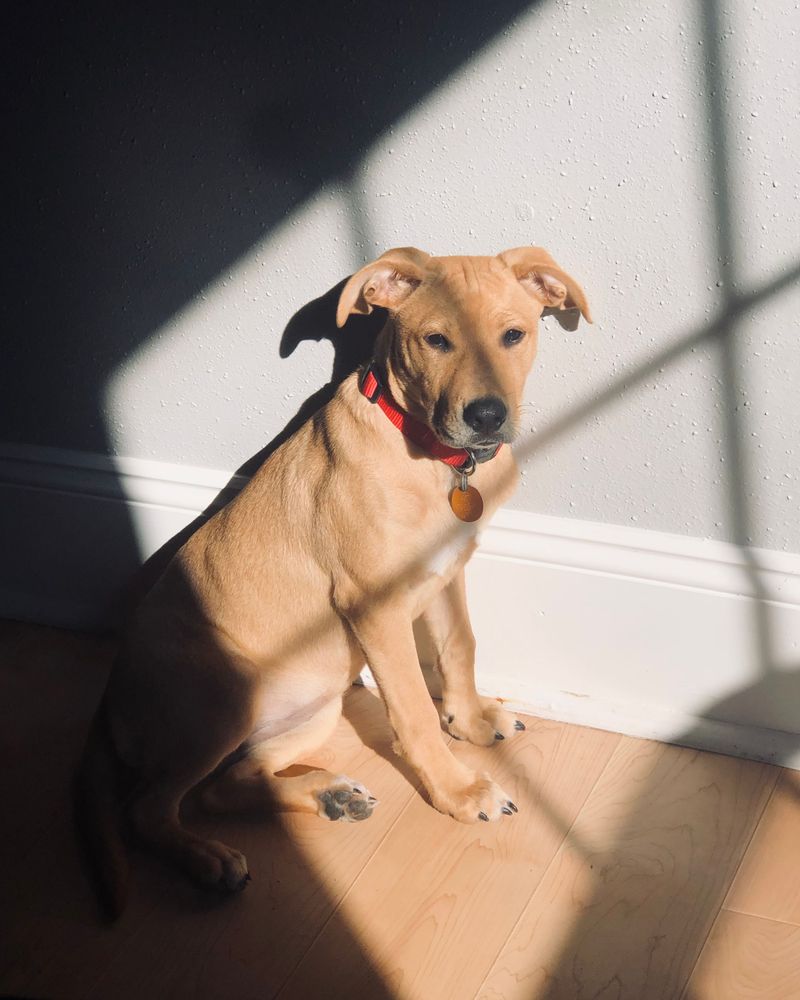
Hurricanes threaten the coast, while wildfires can sweep the Panhandle grasslands. Every Texas puppy deserves a ready plan.
Pack a kit with at least a week of food, water, and medications. Add vet records, proof of ownership, ID tags, and a carrier.
Microchip your pup and keep that registration current. Identify pet-friendly shelters or hotels early, and always bring your puppy with you if you evacuate.