20 Questions California Owners Should Answer Before Adopting A Senior Dog Into A Multi-Level Home
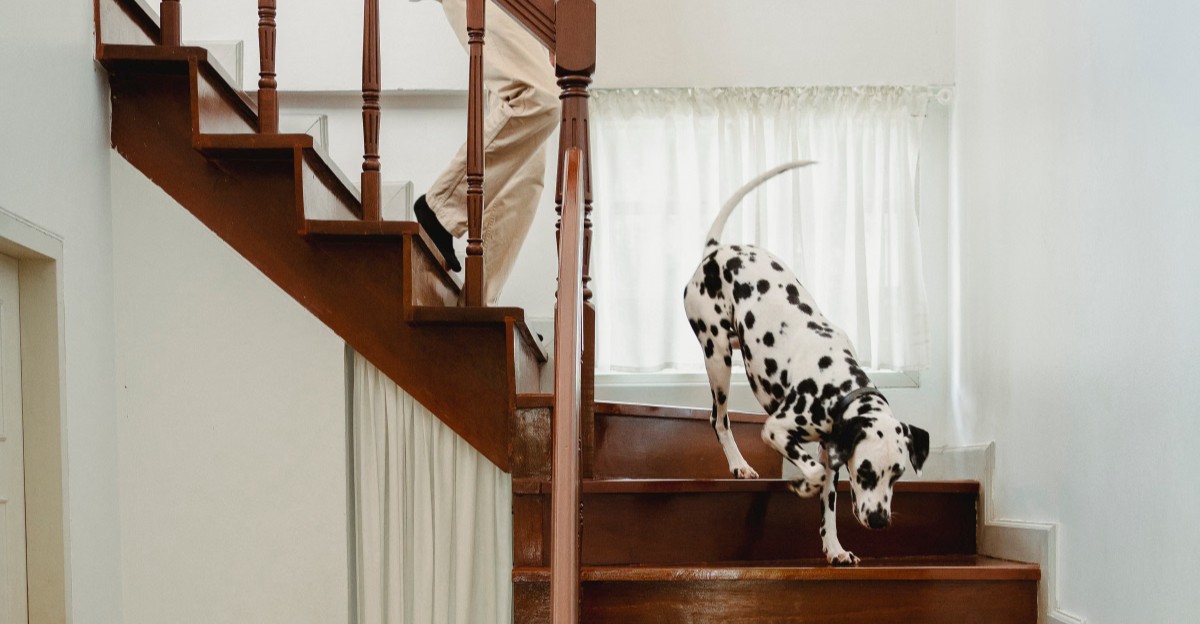
Bringing home an older dog is one of the kindest choices a person can make. If your California home has stairs, a little planning goes a long way.
Senior dogs often need extra comfort, safer floors, and closer health care. These simple questions will help you get ready, so your new friend settles in feeling safe and loved.
1. Does the Dog Have Arthritis, Hip Dysplasia, or Mobility Issues?
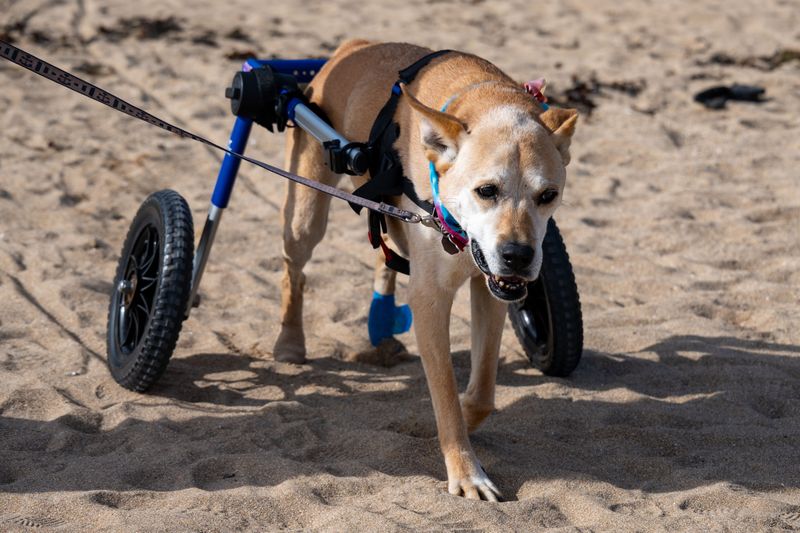
Stiff mornings tell a story. Osteoarthritis is a common joint condition in older dogs, and it slowly progresses over time.
Common signs include limping, stiffness after naps, and less interest in walks. Some dogs lose muscle in their back legs or have swollen, tender joints.
Hip dysplasia can also make stairs uncomfortable. Ask the shelter or rescue for any records.
Knowing these details early helps you plan care and set up your home wisely.
2. Has the Dog Taken Tumbles on Stairs Before?
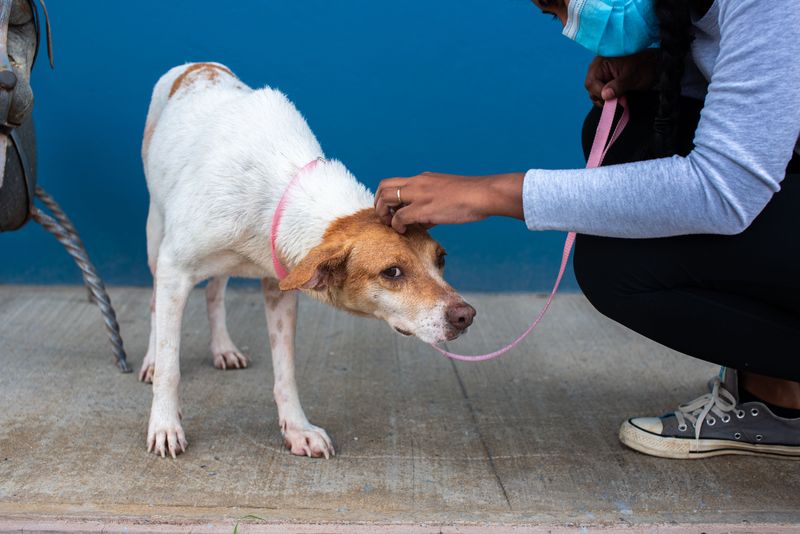
Past behavior is a helpful guide. Ask the foster family or shelter staff if the dog has ever slipped or struggled on steps.
Many dogs hide discomfort well. A slower pace or less confidence can be an early hint.
Vision changes matter too. Dogs with weaker eyesight may misjudge where steps start or end.
Dim light and same-colored flooring make this harder. Good answers here help you choose the right safety steps.
3. Would Ramps or Stair Lifts Help?

Picture skipping steps entirely. Ramps remove the step pattern, easing pressure on hips, knees, and spine.
They work best for optional heights like beds, couches, and cars. Low, cushioned foam steps with side rails are another gentle choice.
For bigger multi-level challenges, some owners explore pet stair lifts. Measure your spaces first, since ramps need room for a gentle slope.
A steep ramp can feel just as tricky as stairs.
4. Is There Room to Sleep and Eat on the Ground Floor?
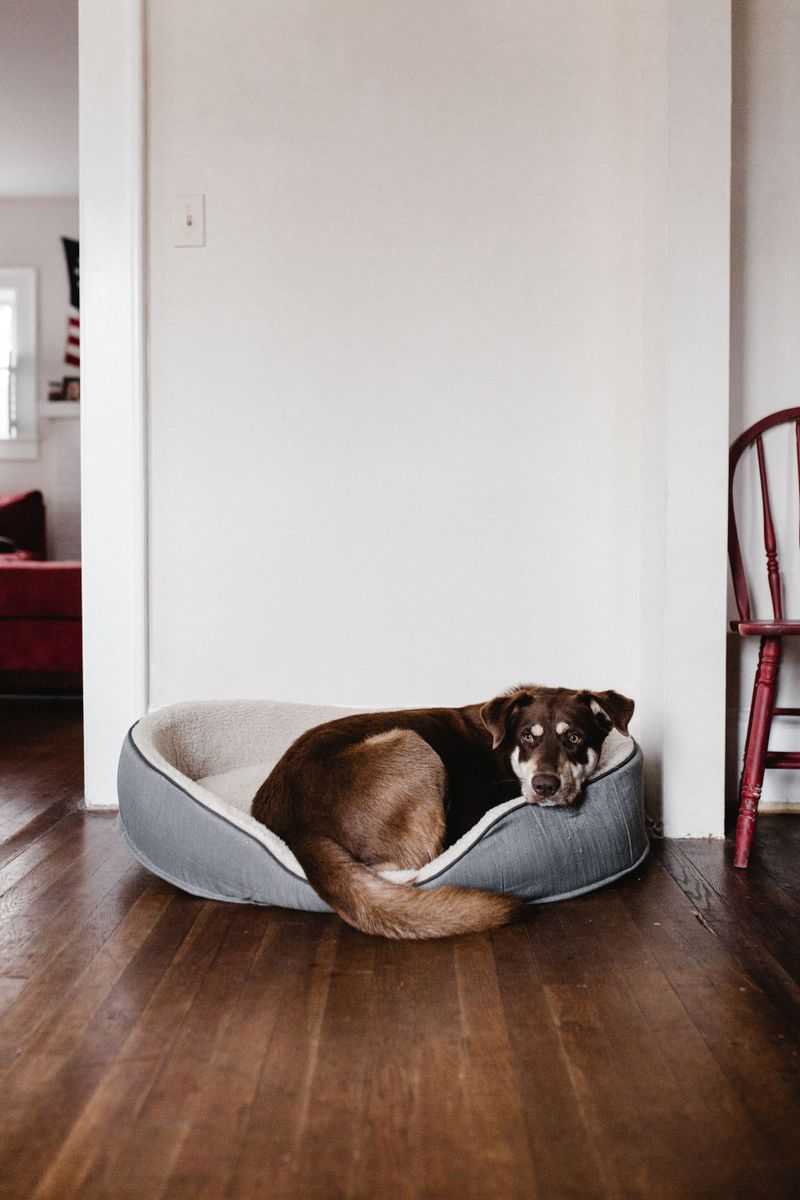
Think of the main floor as home base. A senior dog should be able to rest, eat, and drink without climbing anything.
Pick a quiet, draft-free corner for a supportive bed. Place water nearby, and consider raised bowls for dogs with neck or joint aches.
Many owners find their dog relaxes faster with everything close by. As mobility changes, this setup already covers the basics.
That saves you stress later.
5. Do Your Floors Need Non-Slip Rugs or Stair Treads?

Hardwood looks lovely, but it can feel like ice to older paws. Slippery floors are a preventable cause of injury.
Low-pile carpet treads with non-slip backing work well on stairs. Rubber-backed runners grip hardwood and tile without sliding around.
Focus on landings, hallways, and spots under food bowls. Also cover areas beside beds, where dogs push up to stand.
That moment puts the most strain on aging joints.
6. Are Vision or Hearing Changes Part of the Picture?
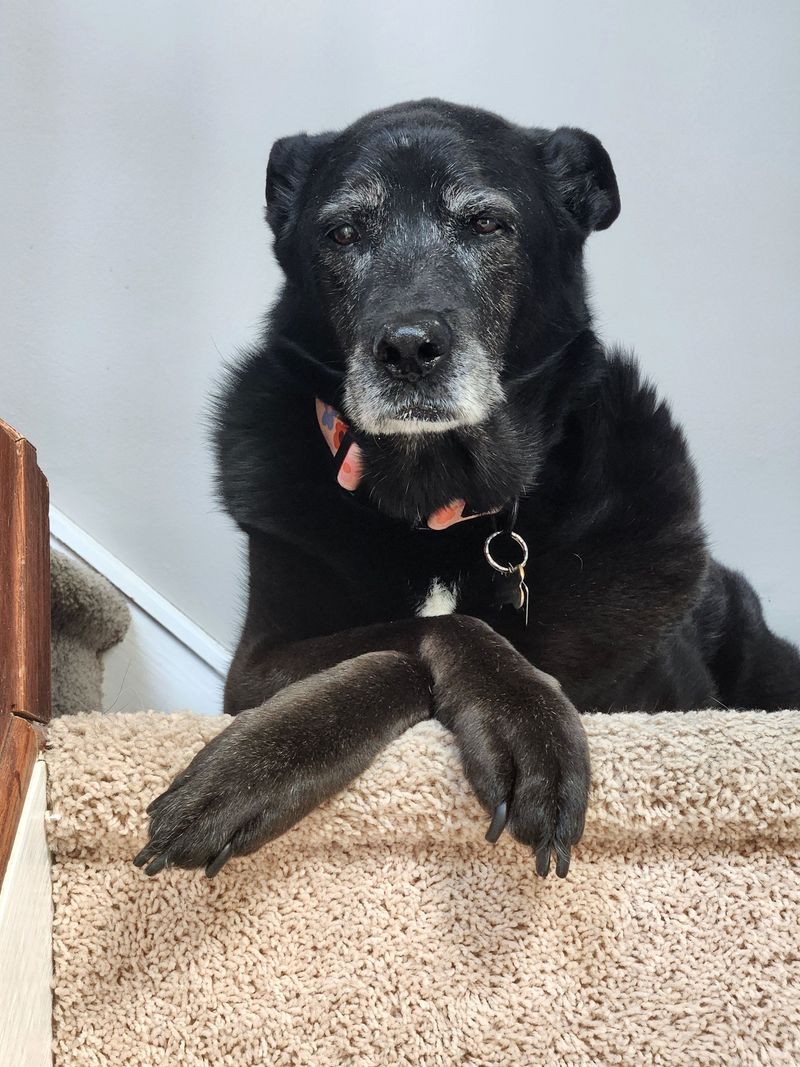
Cloudy eyes or missed calls are common in older dogs. These changes affect how a dog moves through a home with stairs.
Keep furniture in the same spots so your dog can build a mental map. Nightlights in hallways help dogs with partial vision.
You can also teach simple cues like step up or watch. Many dogs learn them quickly.
For hearing loss, gentle hand signals and floor vibrations can replace spoken words.
7. Can the Senior Dog Safely Climb and Descend Stairs?
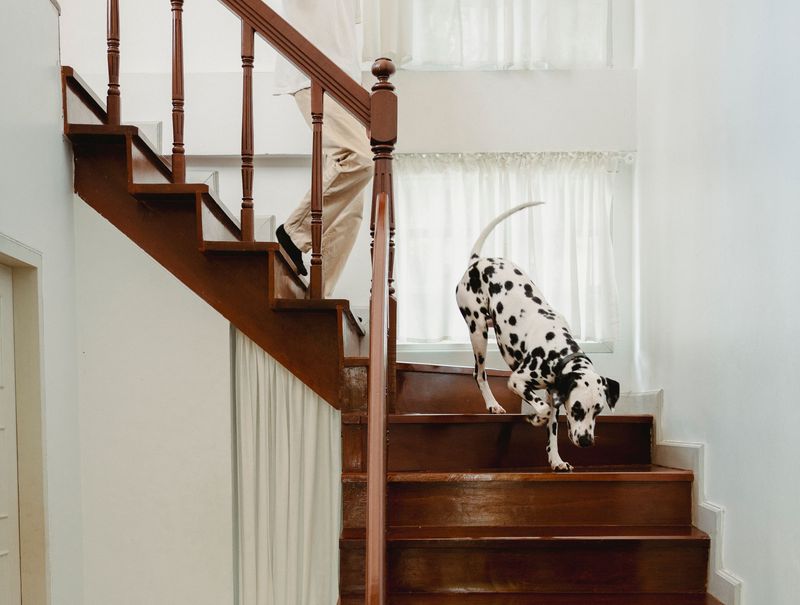
Watch the dog near a staircase before you commit. Going down is often harder than going up, because joints must control body weight.
Look for hesitation at the top or bottom, staring at steps, or shifting weight. Slips, stumbles, or sitting midway are signs to mention to a vet.
Here is a quirky clue. A dog that avoids only one staircase may have trouble with lighting or vision, not sore joints.
8. How Often Will Potty Breaks Be Needed?

Older bladders often work on a shorter schedule. Many senior dogs need to go out more often than younger ones.
Frequent trips can sometimes point to urinary issues or incontinence, so mention changes to your vet. Dogs with memory changes may also forget house training.
Plan a steady routine that fits your work hours. A dog walker or neighbor can help on long days.
Predictable outdoor time keeps everyone happier.
9. Can the Dog Reach an Outdoor Potty Spot Easily?
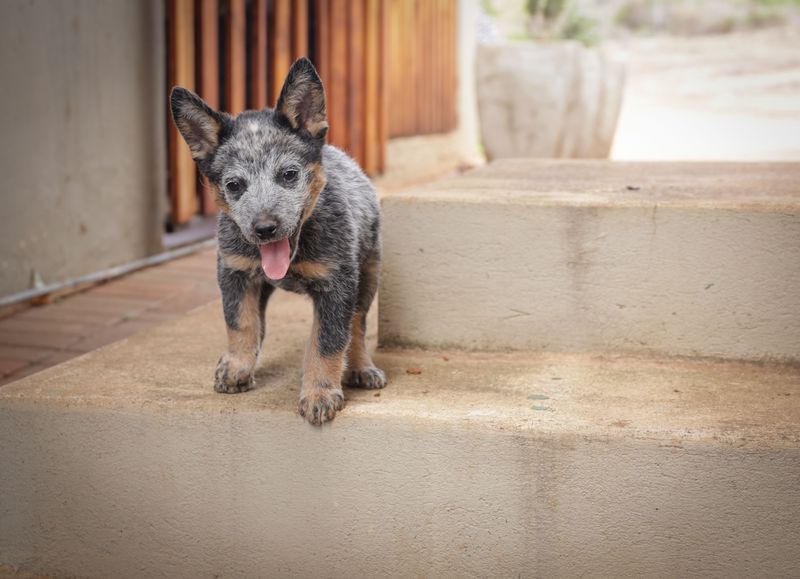
Walk the route your dog would take outside. Count the steps between the door and the grass.
Steep porch stairs or a hillside yard, common in many California neighborhoods, can be tough for aging legs. Add lighting and traction for nighttime trips.
If steps block the way, look for another ground-level exit. A short ramp from a patio door can make a big difference for comfort and confidence.
10. Are There Any Chronic Medical Conditions?
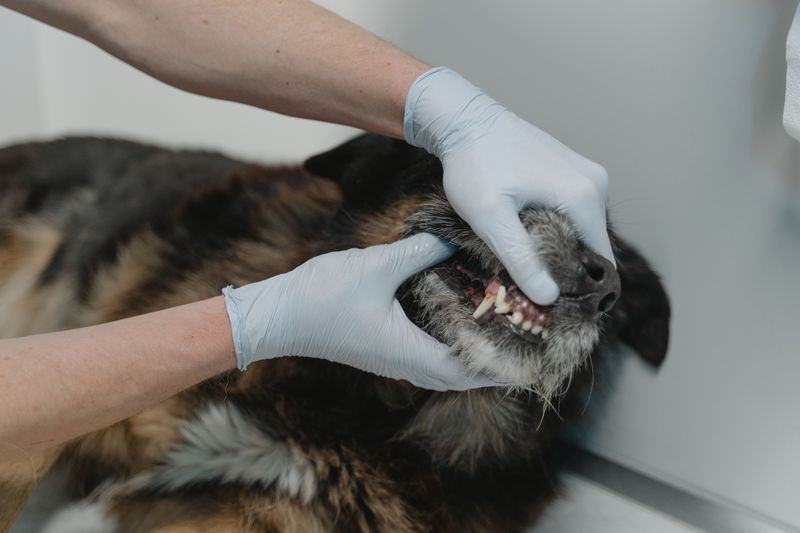
Long-term health conditions become more common with age. Heart disease, kidney disease, diabetes, dental problems, and arthritis are a few examples.
Ask for all available health records before adoption. Knowing a condition exists helps you prepare emotionally and financially.
Early detection makes a real difference in comfort. Many older dogs with managed conditions enjoy happy, cozy years.
Good care simply starts with clear information and honest conversations.
11. What Medications or Treatments Are Required?

Some senior dogs arrive with a small pharmacy. Vets often prescribe anti-inflammatory drugs like carprofen or Galliprant for arthritis discomfort.
Gabapentin, Adequan injections, and selegiline for memory changes are other possibilities. Supplements like omega-3s or glucosamine may also be suggested.
Only give what your vet prescribes, at the dose they set. A simple pill organizer and phone reminders keep routines steady.
Special diets may also be part of the plan.
12. What Will Senior Vet Care Likely Cost?
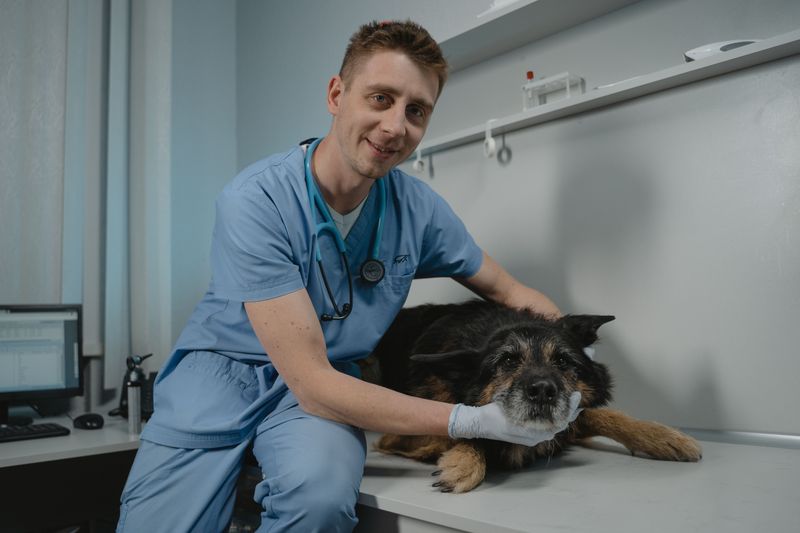
Budgets deserve honest attention. Senior dogs usually need more frequent checkups, often twice a year.
Bloodwork, urine tests, and imaging may be recommended to catch problems early. Ongoing medications add monthly costs too.
Prices vary widely across California, from big cities to rural towns. Ask local clinics for estimates.
Some owners set aside a monthly savings fund or look into pet insurance, keeping in mind that pre-existing conditions are often excluded.
13. Has the Dog Had a Recent Vet Exam?
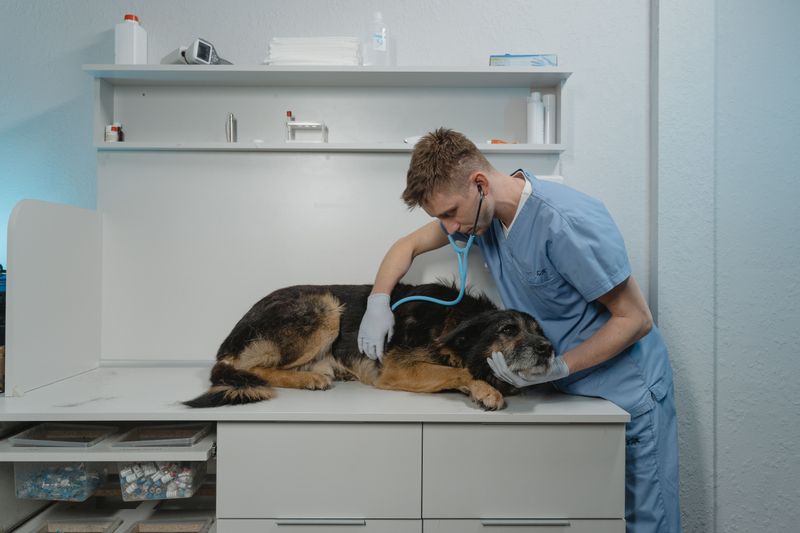
A fresh checkup is like a roadmap. It shows where your new dog stands right now.
A senior wellness exam can review mobility, eyesight, hearing, and overall health. It also creates a baseline for comparing future visits.
If the last exam was months ago, schedule one soon after adoption. Bring any shelter paperwork along.
Your vet can then suggest smart adjustments for your stairs and daily routine.
14. Will the Dog Feel at Ease With Kids or Other Pets?
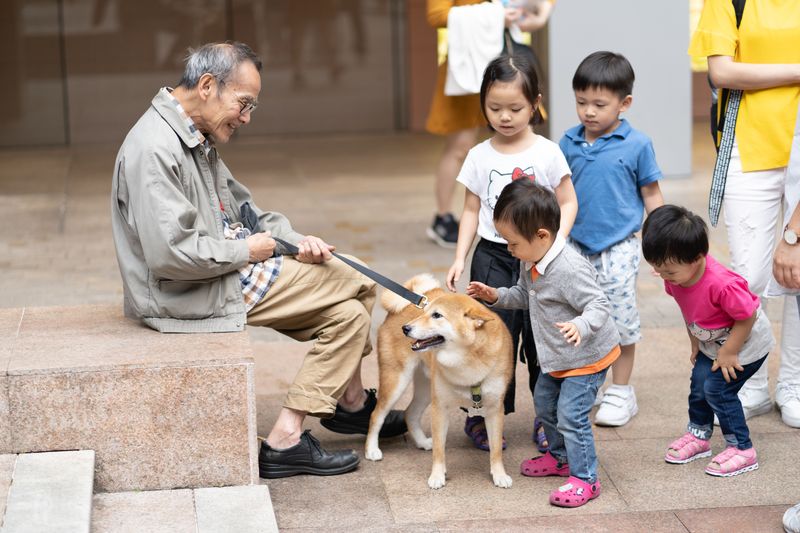
Every older dog brings a personal history. Some love company, while others prefer peace and quiet.
Aches from arthritis can make a dog grumpy or withdrawn. Memory changes may also affect how a dog reacts to people and pets.
Ask about past homes and socialization. Plan slow, supervised introductions.
Give your senior a private retreat where kids and younger pets cannot follow. That safe space builds trust.
15. Are Separation Anxiety or Memory Changes Present?
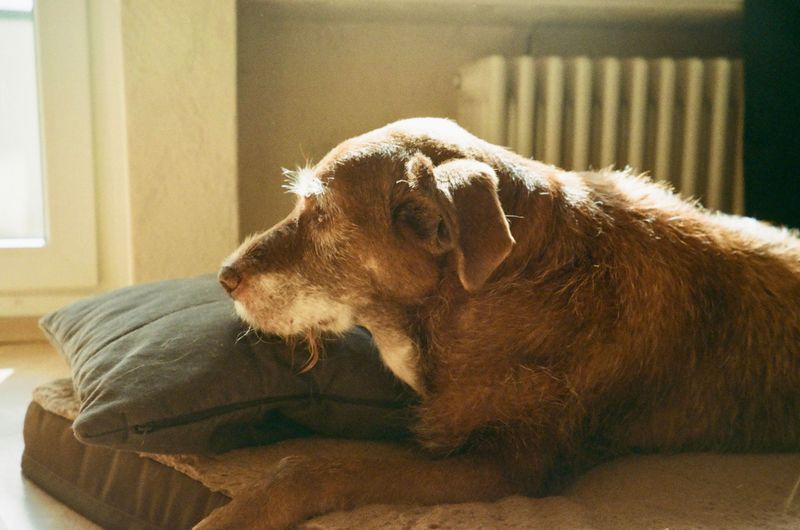
Nighttime pacing can be a clue. Canine cognitive dysfunction is an age-related condition affecting memory and behavior.
Signs include getting lost at home, restless nights, forgotten commands, and accidents indoors. Increased anxiety when left alone may also appear.
Steady routines help a lot. Keep furniture in place and use nightlights.
Talk with your vet, since treatment options exist. Stairs may need gating if your dog wanders after dark.
16. How Much Daily Exercise Feels Right?
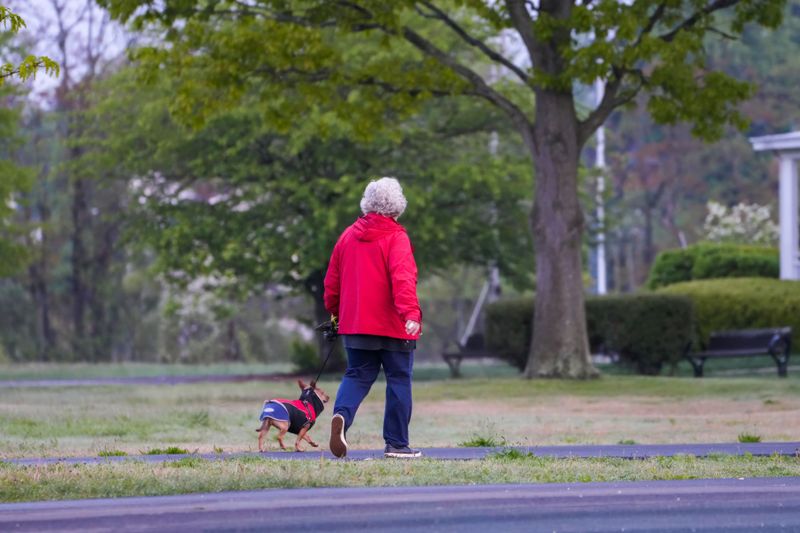
Slow and steady wins here. Many senior dogs enjoy 30 to 60 minutes of activity daily, split into short sessions.
Size, breed, and health change that number. Gentle sniff walks on soft, flat ground or swimming are great choices.
Skip jumping and hard fetch games. If your dog seems sore the next day, the previous outing was too much.
Adjust slowly and let your dog set the pace.
17. How Will California Summer Heat Affect Comfort?
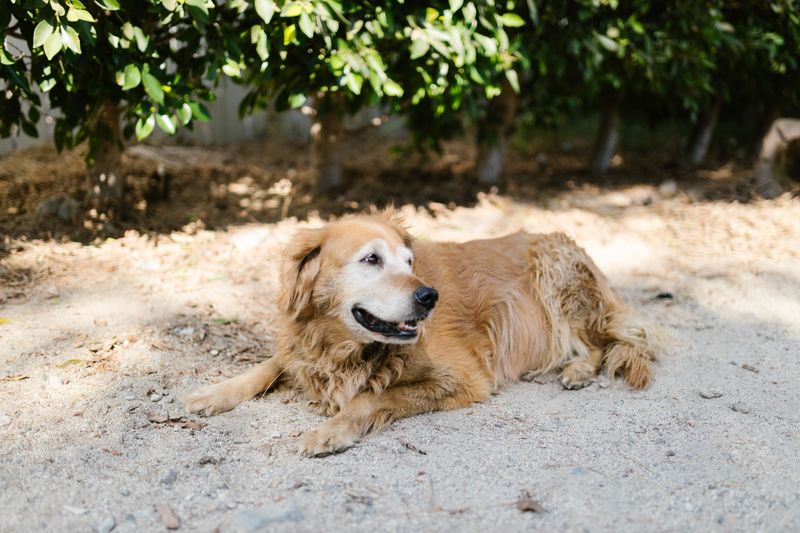
Sunny days are part of California life, but older dogs handle heat less easily. Health issues can make cooling down harder.
Offer fresh water at all times. Walk in early mornings or evenings, and test pavement with your hand first.
Upper floors often trap warmth, so keep your dog downstairs on hot days. Shade and air conditioning help.
Inland valleys and deserts run hotter than coastal towns, so plan accordingly.
18. Are Stair Gates Needed to Prevent Accidents?
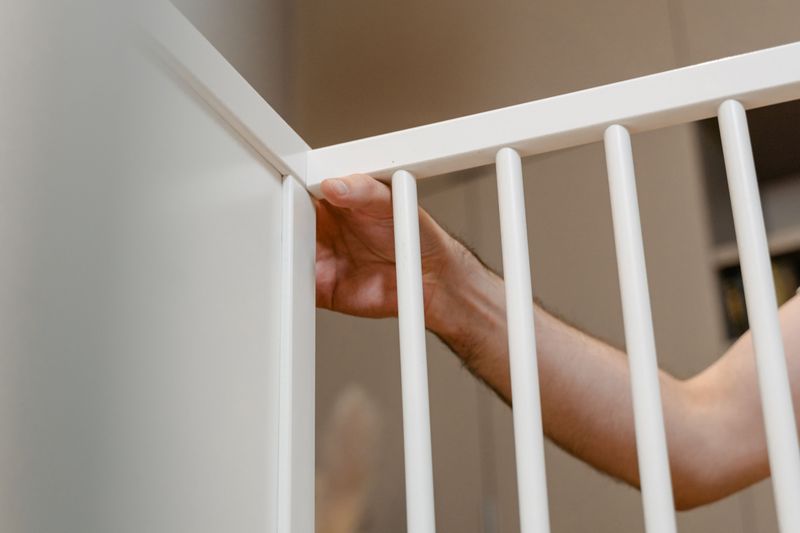
A simple gate can bring big peace of mind. It stops unsupervised trips up or down the stairs.
Hardware-mounted gates are safest at the top of stairs. They stay firm and skip the bottom bar that can cause trips.
Install gates at both the top and bottom. They help most for dogs with weak legs or nighttime confusion.
You can still guide your dog on stairs together when needed.
19. Is a Senior-Savvy Vet Nearby?
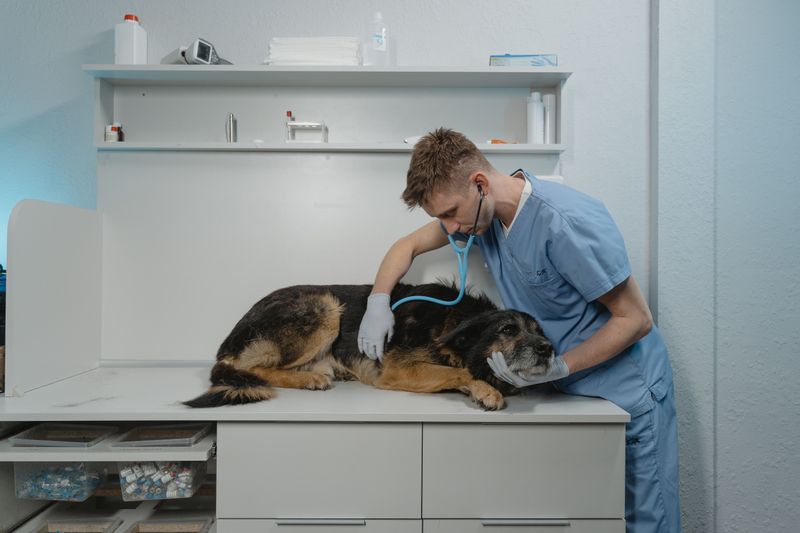
Distance matters more with an older dog. Short drives make frequent visits easier for everyone.
Look for a vet with experience in geriatric pet care. These vets understand aging bodies and offer thorough senior plans.
Ask shelters, rescues, or neighbors for recommendations. Also note the closest emergency animal hospital.
Saving both numbers in your phone now means less scrambling later, and that calm feeling is worth a lot.
20. Can Your Household Adapt to Future Mobility Needs?
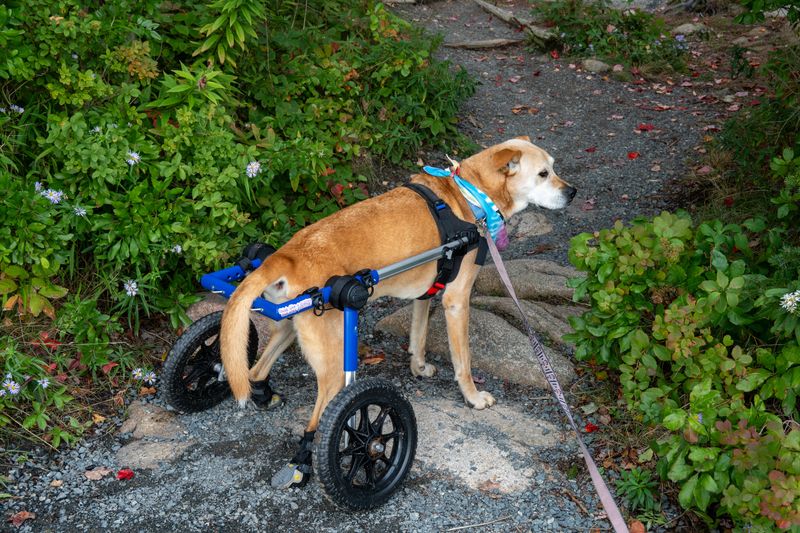
Today’s needs may grow over time. Arthritis and memory changes often progress slowly with age.
Think ahead about extra ramps, easier yard access, or living fully on one level. A support harness can help you lift and guide your dog.
Talk with everyone in the home about shared duties. A flexible plan keeps your senior safe and cozy.
With preparation and patience, your multi-level home can become a wonderful forever home.