What Virginia Dog Owners Should Know About Black Bears When Hiking And Camping
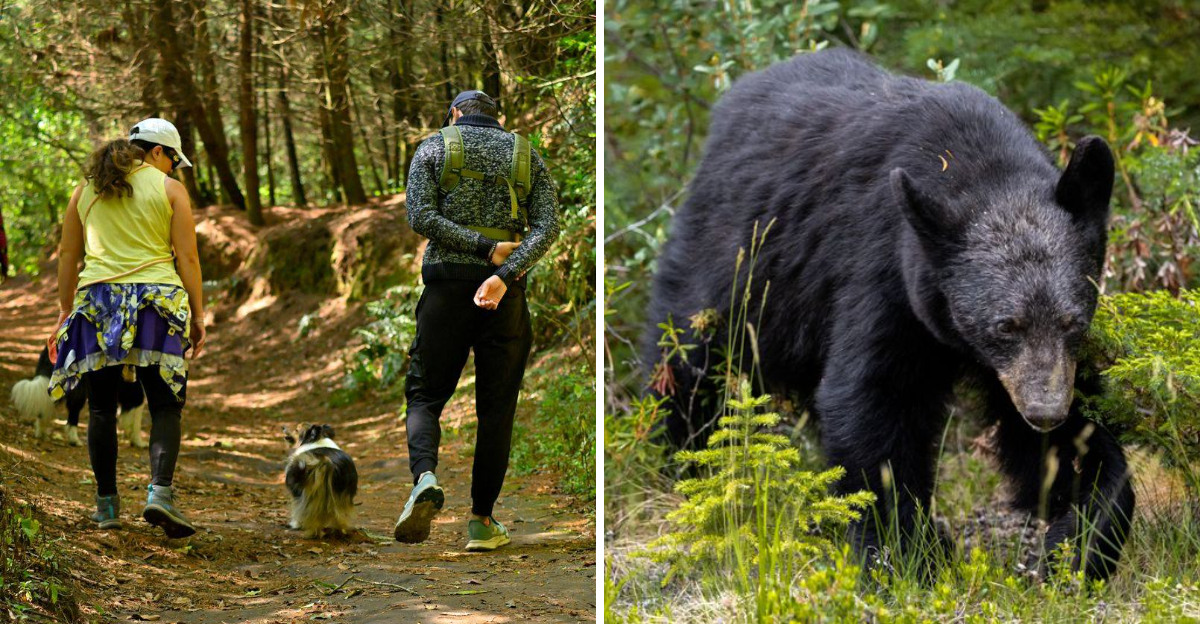
Virginia’s mountains, forests, and river valleys are wonderful places to explore with a dog at your side. Black bears live in many of those same places, and most of them want nothing to do with us.
A little knowledge goes a long way toward keeping your walks calm and your camp quiet. Here is what local dog owners should understand before heading out, from leash habits to food storage, so every trip feels relaxed and well planned.
1. Clip On the Leash Before the Trailhead
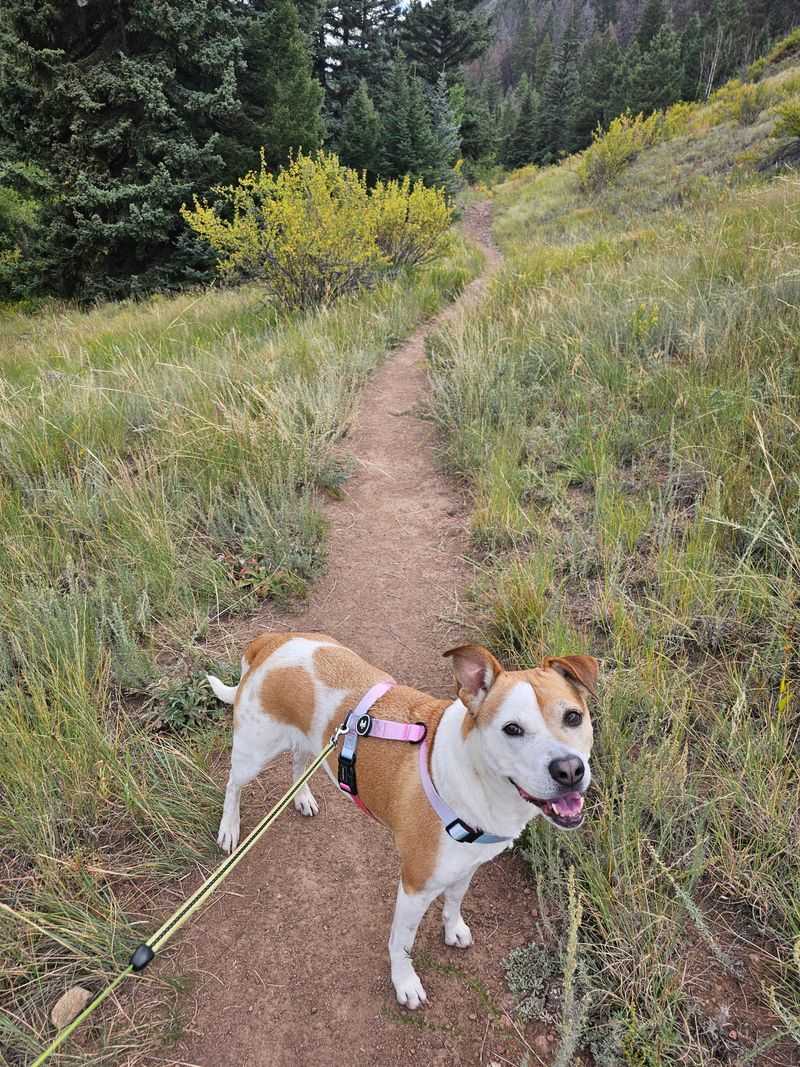
A leash is your single strongest tool in bear country. Virginia Department of Wildlife Resources guidance encourages keeping dogs leashed on trails, and many parks require it.
Even a dog with flawless recall can forget everything at the sight of something large and furry. A short leash keeps your dog beside you, where you control the situation.
Clip in at the parking lot, not partway up the path. Habits made early hold best.
2. Chasing a Bear Never Ends Well
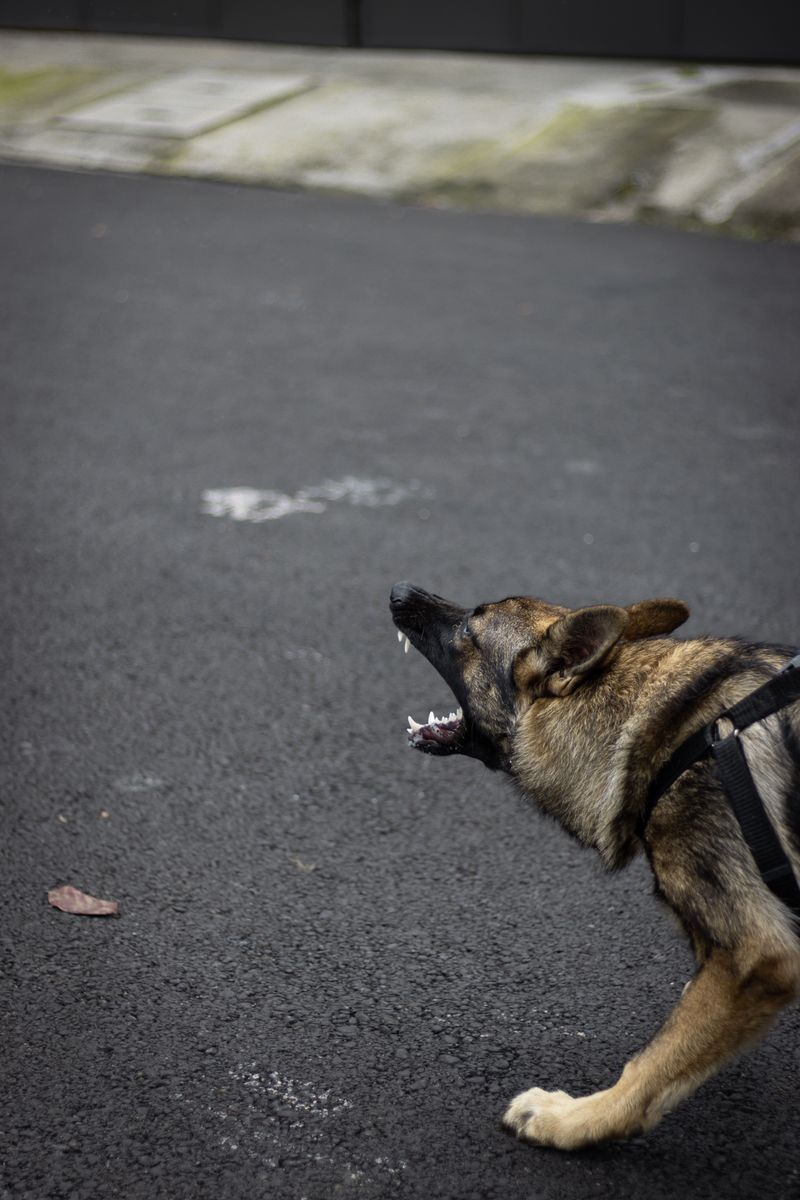
Instinct tells many dogs to bark at anything unfamiliar and give chase. That impulse can turn a peaceful sighting into a tense standoff.
A bear pressed by a barking dog may respond defensively. Worse, a fleeing dog often runs straight back to its owner with the bear following.
Virginia also regulates the use of dogs to pursue bears, allowing it only during specific hound training seasons in designated areas.
3. Eyes on Your Dog, Always
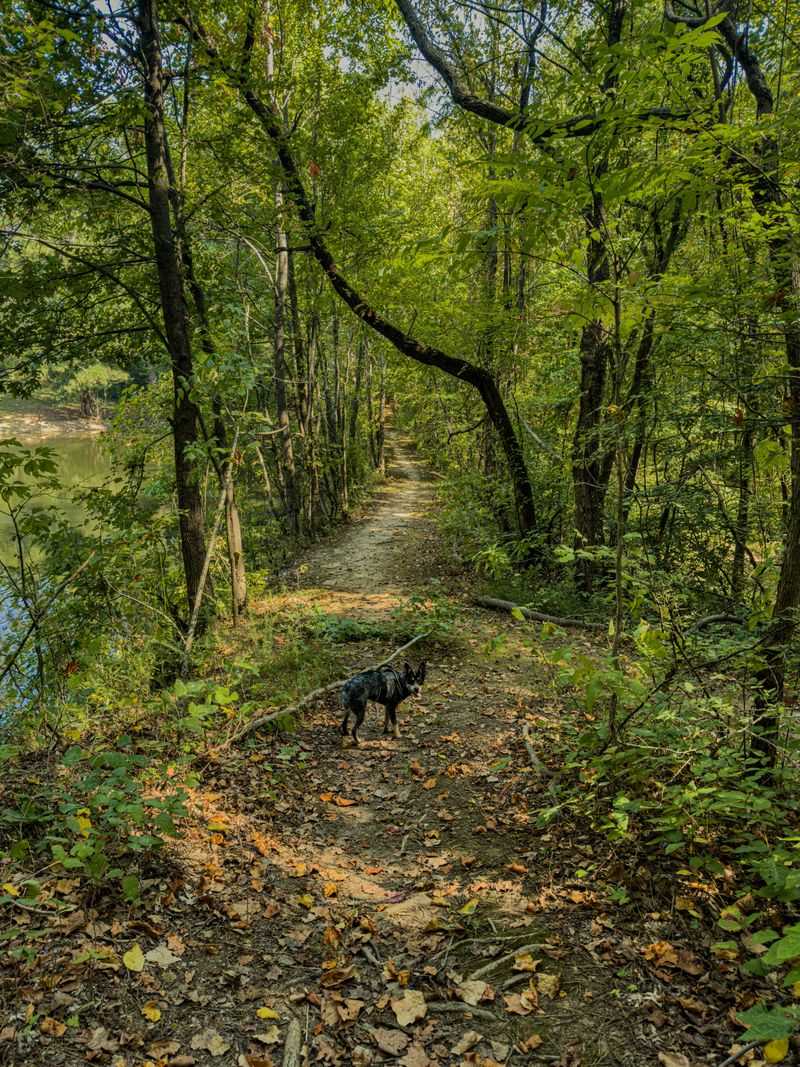
Distance is where surprises happen. When your dog slips around a bend or into thick laurel, you lose the chance to steer things.
Keeping your dog in view means you spot trouble first and can react calmly.
On wide, quiet trails, a shorter leash length helps. In dense brush, bring your dog in close.
Practice a reliable recall at home so it works when the woods get interesting.
4. Read the Ground for Recent Activity
Bears leave a clear record of where they have been. Broad paw prints in mud, scat containing berry seeds, clawed logs, and torn stumps all tell a story.
Fresh sign means a bear passed recently and may still be close by.
When you spot it, shorten the leash, raise your voice a little, and consider turning back or picking another loop. Rerouting costs you nothing but a few minutes.
5. Slow Down Near Berries, Creeks, and Thickets
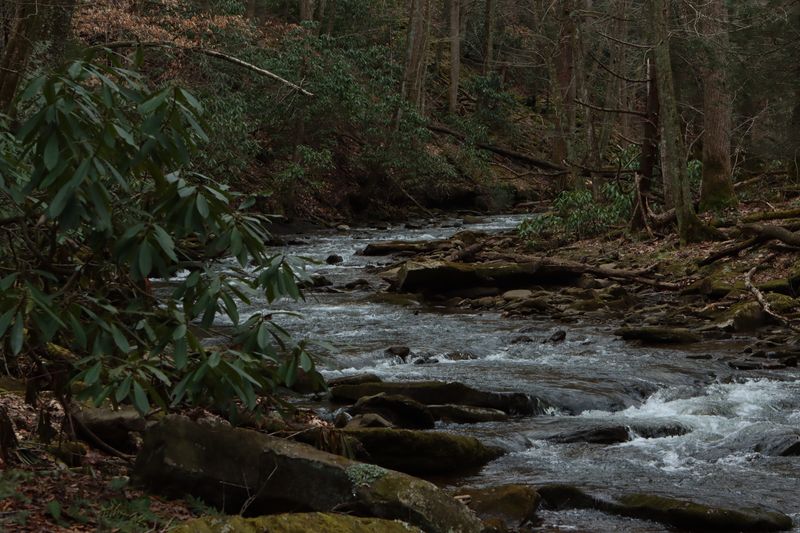
Food shapes bear movement more than anything else. Berry patches, oak flats loaded with acorns, and shady creek bottoms all draw them in.
Thick cover in these spots muffles sound, so a bear may not hear you coming.
Move through slowly, talk out loud, and bring your dog to your side. Late summer and fall bring heavier feeding, so give those areas extra attention during Virginia’s berry and acorn months.
6. Let Your Voice Announce You
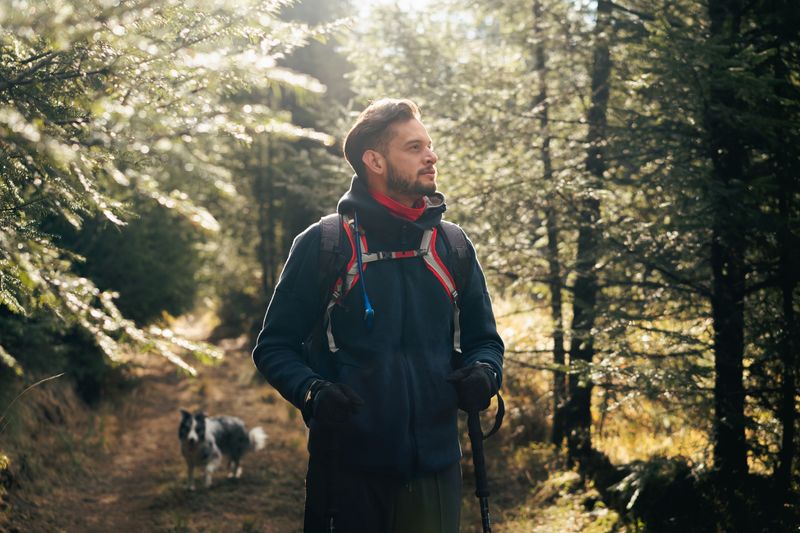
Most close calls happen because a bear had no idea people were nearby. Sound solves that.
Chat with your hiking partner, hum a tune, or call out near blind curves and noisy streams. Bears almost always slip away quietly once they know you are there.
Skip the idea that bells do all the work. A human voice carries better and sounds unmistakably like people, which is exactly the message you want to send.
7. There Is Comfort in Numbers
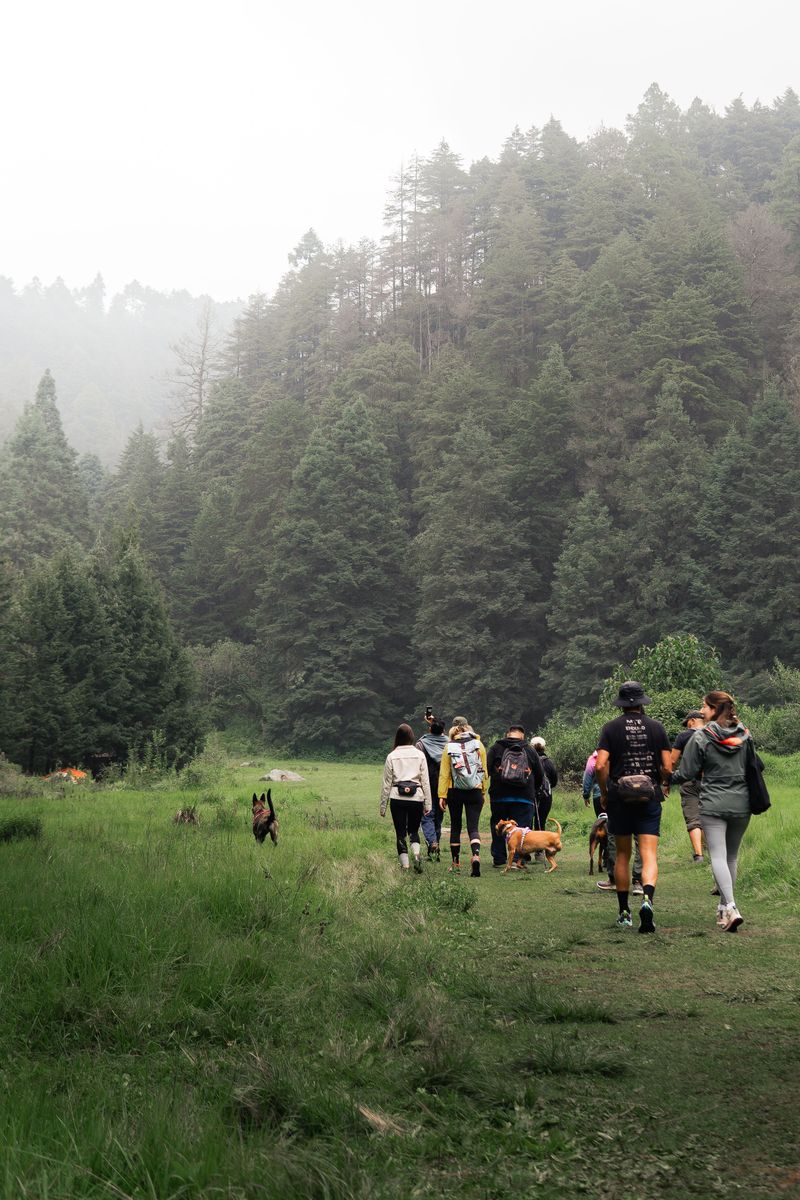
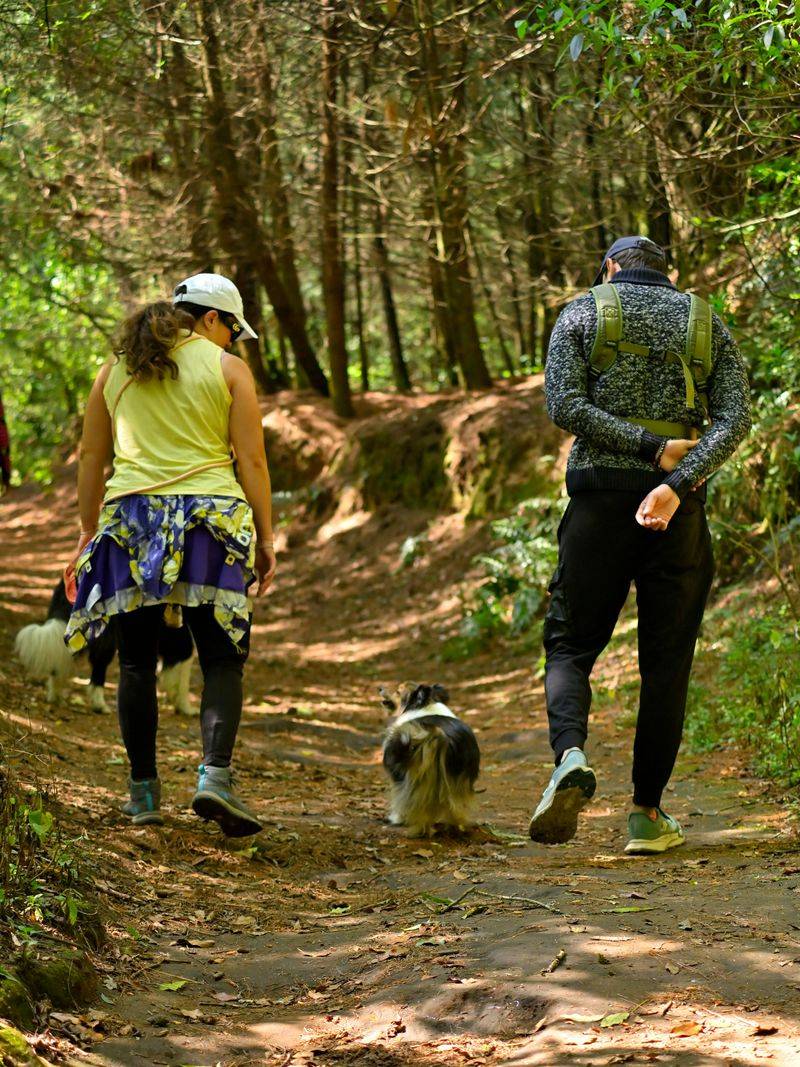
Groups simply read differently to a bear. More people means more noise, more scent, and a larger silhouette on the trail.
Extra eyes also catch movement in the brush long before a solo hiker would.
If your usual walking buddy is unavailable, look for local hiking clubs or dog-friendly meetups across Virginia. Sharing a trail with another owner makes managing two leashed dogs easier, and the conversation keeps your presence known.
8. When a Bear Owns the Trail, Yield It
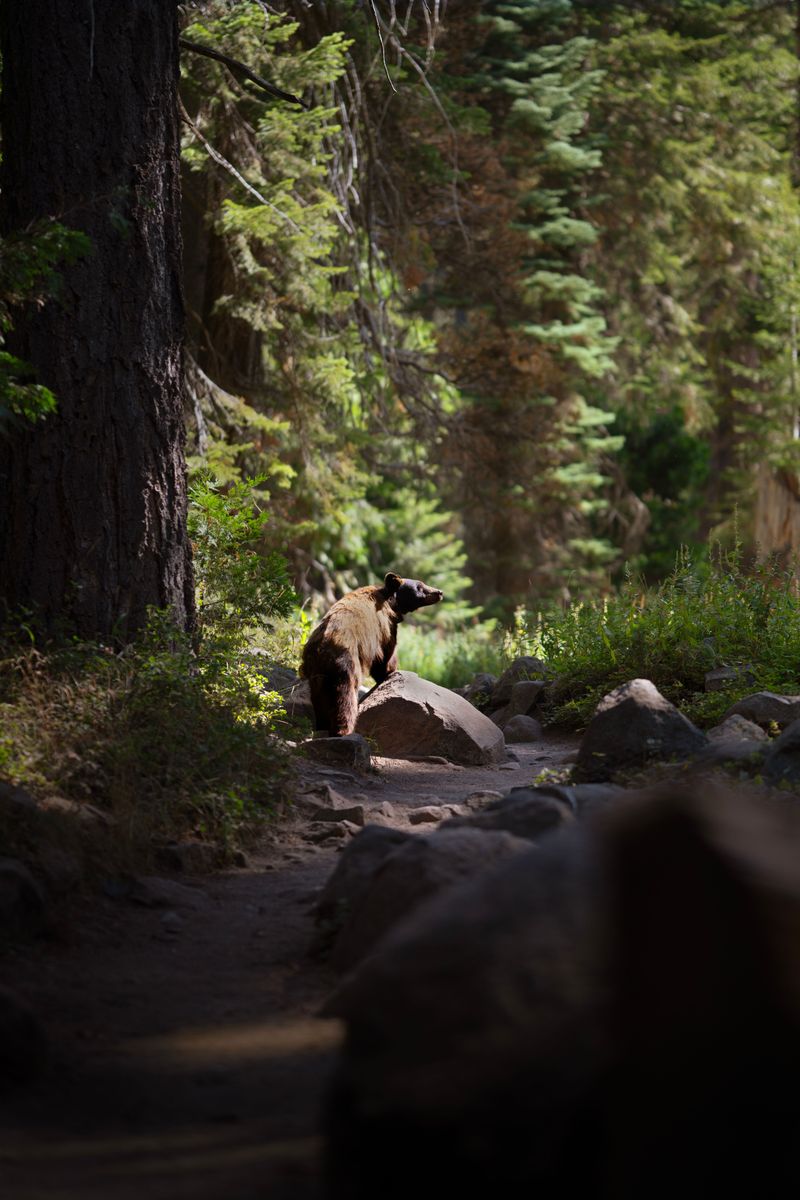
Sometimes a bear is simply walking the same path you are. That is not a challenge, just an overlap in plans.
Face the bear, keep your dog behind your legs, and back away slowly. Speak in a steady, calm voice as you go.
Leave the animal an obvious way out. On a slope, stepping off the downhill side is often suggested.
Never crowd it or try to squeeze past.
9. Running Is the One Thing to Skip
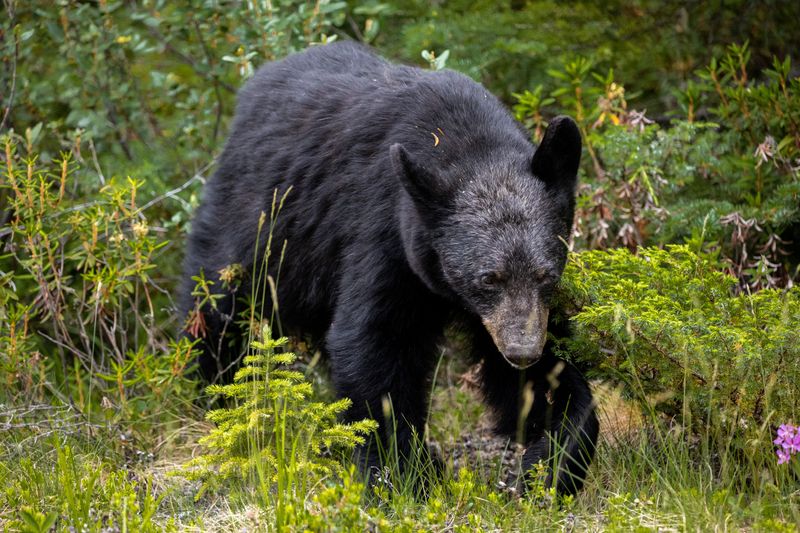
Legs want to move the moment a bear appears. Resist that pull.
Sudden sprinting can trigger a pursuit response, and black bears cover ground far faster than any person. Your dog may bolt too, dragging the leash from your hand.
Instead, stand tall, keep your feet planted, and shorten the leash. Then retreat at walking pace while facing forward.
Slow and steady genuinely works better here.
10. Respect the Bubble of Space
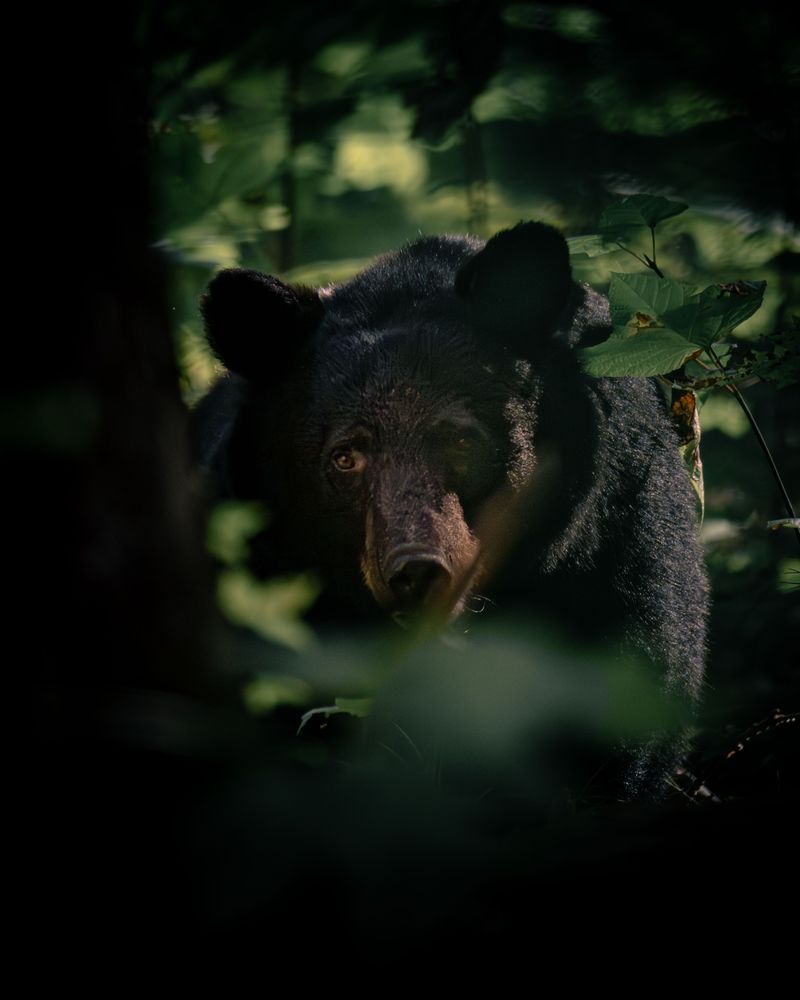
Photos are tempting, but no picture is worth crowding a wild animal. Use zoom, not footsteps.
Bears need room to feel unbothered, and most encounters end quietly when that space exists.
Park guidance across Virginia asks visitors to stay well back and never approach for a closer look.
Watch from a distance, let your dog settle, then move along. Both of you get a great story without any stress.
11. Standing Upright Usually Means Curiosity
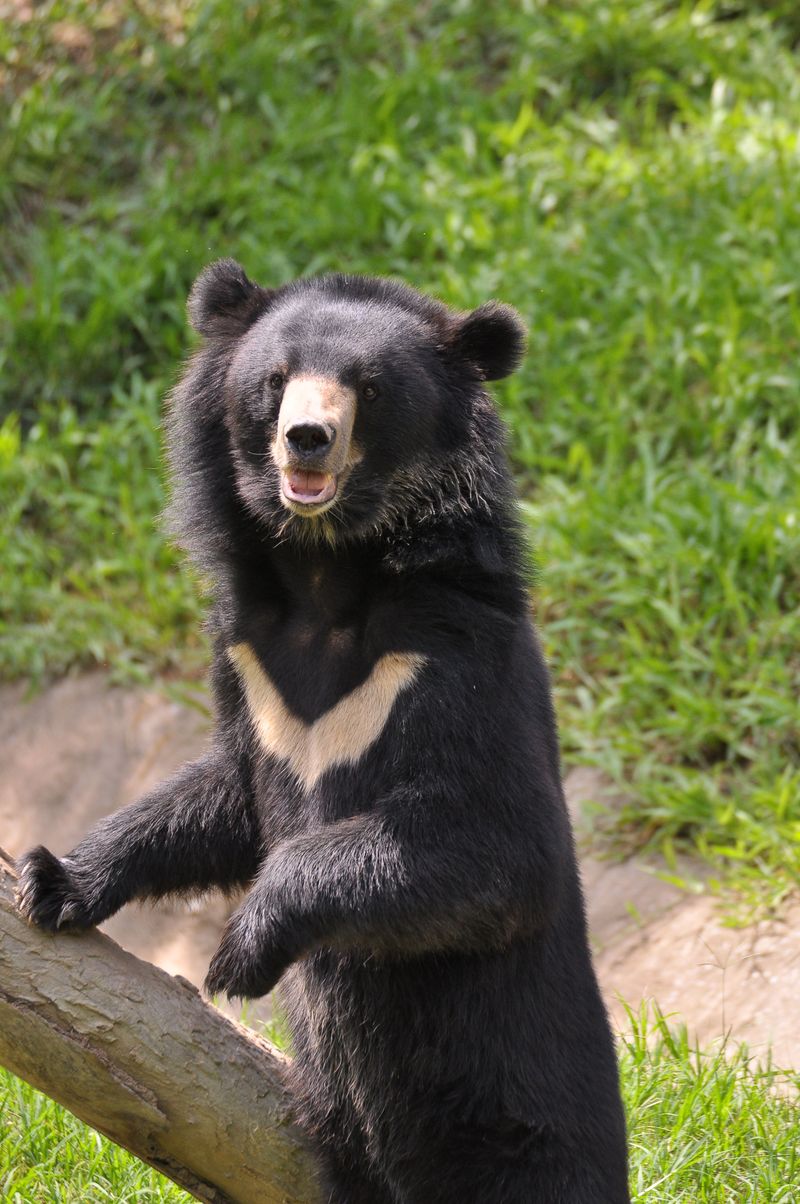
Here is a myth worth retiring. A bear rising onto its back legs is generally gathering information, not preparing for trouble.
Height improves its view and lets it catch scent on the breeze. Bears rely heavily on smell to figure out what is nearby.
Stay calm, keep your dog quiet, and begin backing away. Your steady reaction usually satisfies the bear’s curiosity, and it goes back to its own business.
12. Huffing and Jaw Popping Mean Step Back
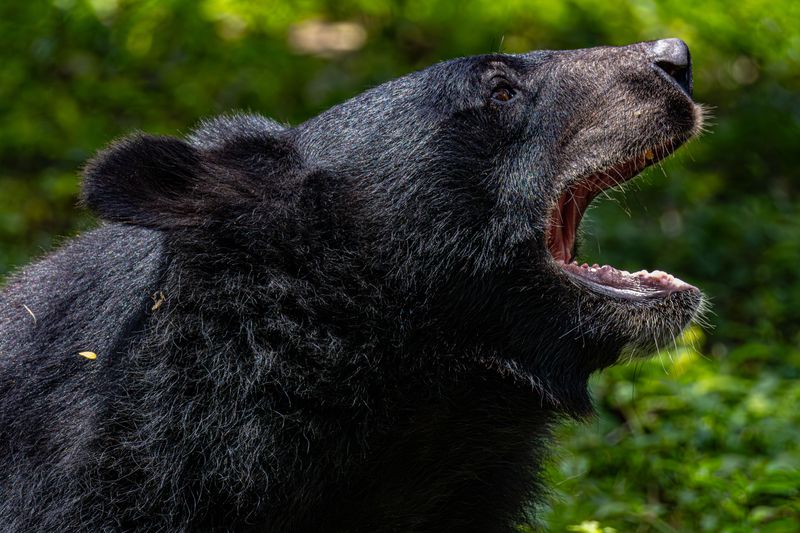
Bears do communicate discomfort, and the signals are fairly clear. Huffing, clacking teeth, low moans, swatting the ground, or a short bluff charge all say the same thing.
Translation: you are too close.
Answer by giving ground. Back away slowly, keep your dog behind you, and avoid direct staring or sudden gestures.
Most of these displays end the moment the bear feels it has enough room.
13. Cubs Mean It Is Time to Turn Around
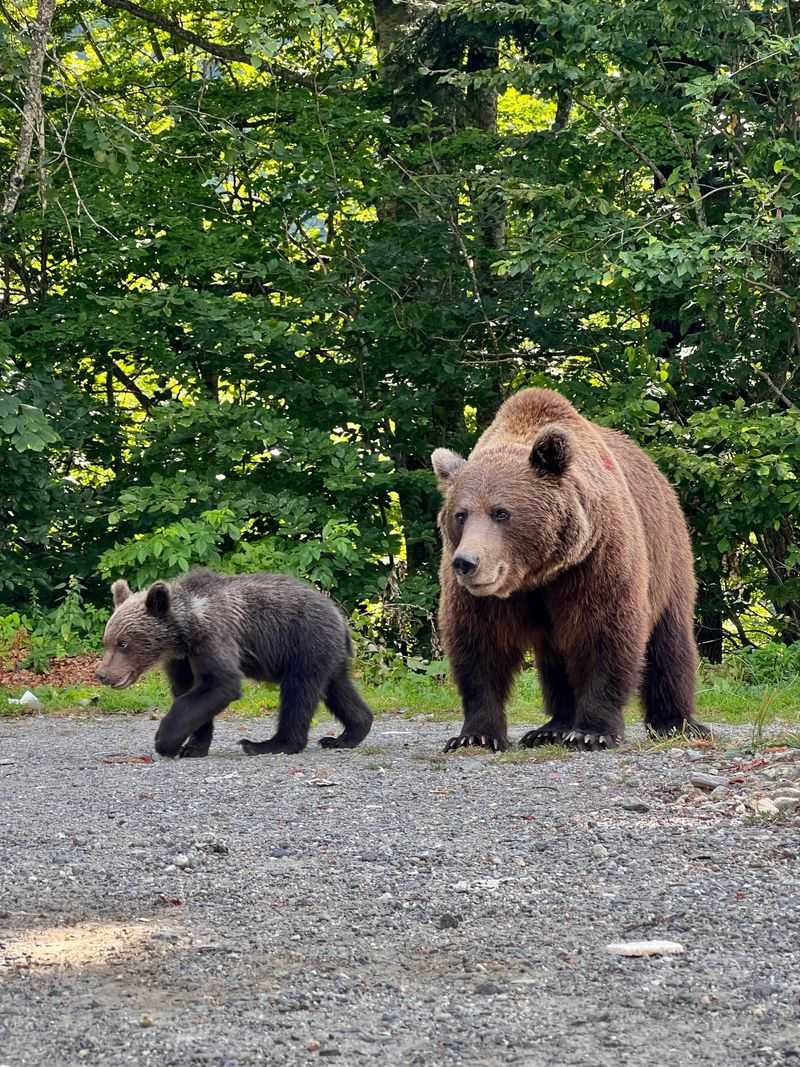
Few sights are cuter, and few call for a quicker exit. Where there are cubs, a protective mother is close, even when you cannot see her.
Leave promptly and quietly. Keep your dog tight against your leg and avoid shouting or excited movement.
Retrace your steps rather than pushing forward between the cubs and their mother.
Pick a different trail for the day and enjoy the memory from safety.
14. Bear Spray Belongs on Your Hip, Not in Your Pack
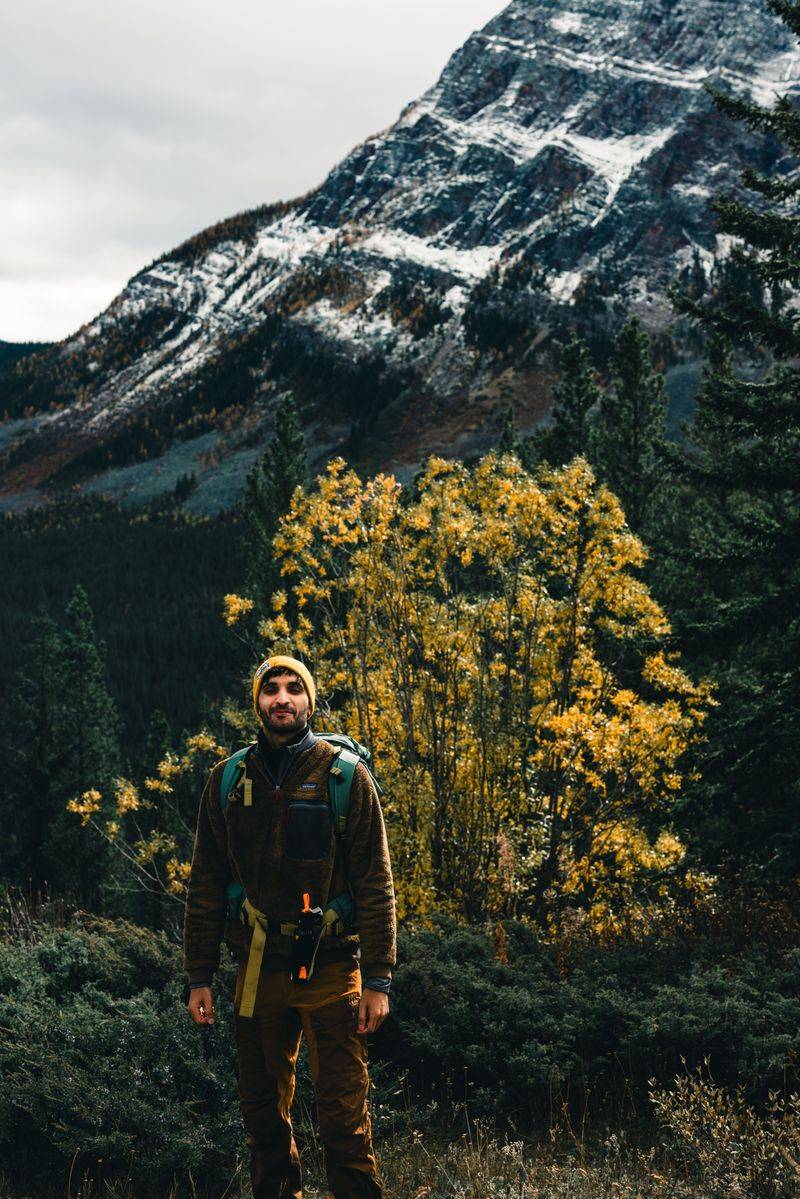
Buried gear helps nobody. Bear spray works only when you can grab it in seconds.
Virginia wildlife officials recommend carrying it in bear country, and adults may legally carry defensive sprays in the state.
Use a belt or shoulder holster, check the expiration date, and read the instructions before your trip.
Practice the motion of pulling and aiming with an inert trainer canister so it feels automatic.
15. If a Bear Keeps Coming Closer
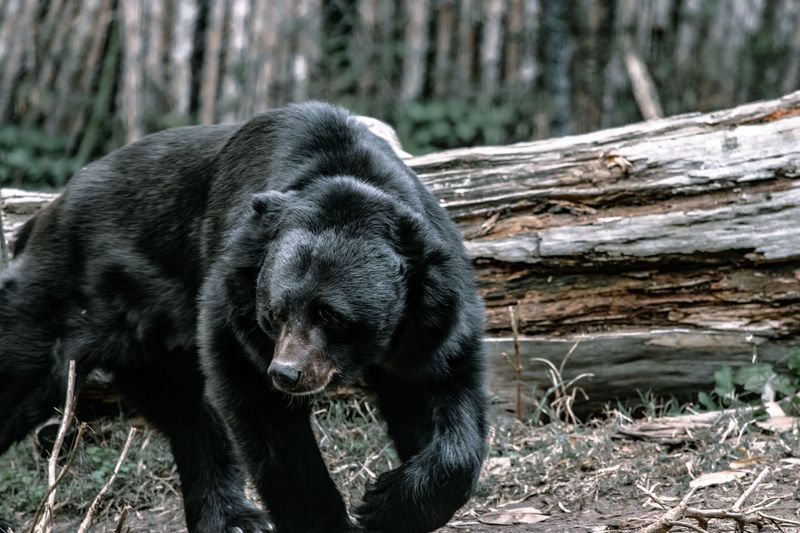
Rare, but worth rehearsing in your head. A black bear that continues advancing should be discouraged, not accommodated.
Make yourself look big by raising your arms and jacket. Shout firmly, clap, bang trekking poles, and toss small stones or sticks toward it.
Keep your dog leashed and behind you.
If contact ever occurs with a black bear, guidance says to fight back with whatever you have.
16. Kibble Smells Just as Good as Your Dinner
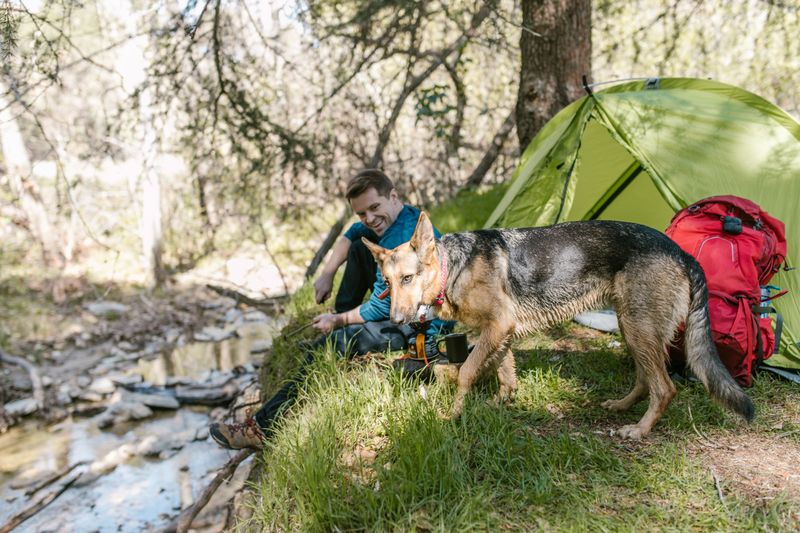
A bear’s nose does not distinguish between chili and chicken-flavored kibble. Both register as a meal.
Feed your dog measured portions and pick the bowl up right away. Store the bag in a bear canister, a locked vehicle, or a provided food locker.
Rinse the bowl and pack out any crumbs.
Chew treats and training snacks in a jacket pocket count too, so store them with everything else.
17. Nothing Scented Sleeps in the Tent
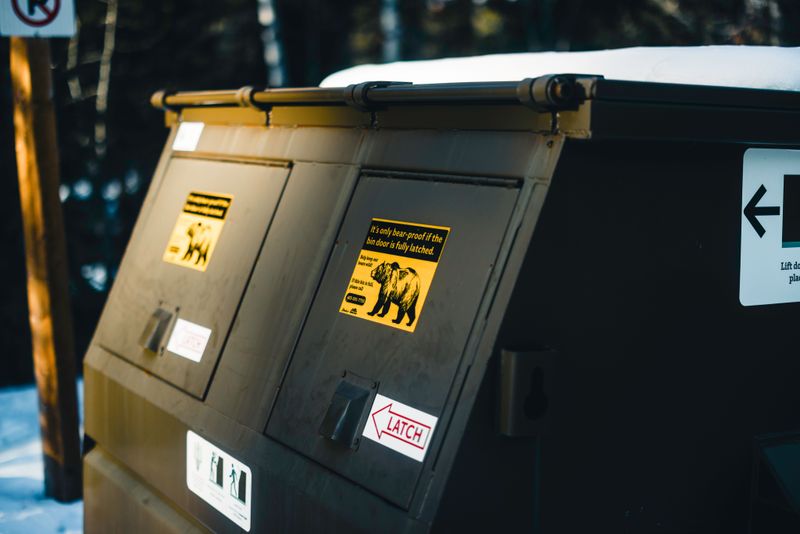
Toothpaste, sunscreen, lip balm, deodorant, wrappers, and greasy pans all carry odor. So do dog treats tucked in a sleeping bag pocket.
Keep every one of those items outside your sleeping space, secured in a locker, canister, or vehicle.
Odors linger in fabric, and a tent that smells like snacks invites curiosity you do not want.
Do a quick pocket check each night before zipping in.
18. Cook Well Away From Where You Sleep
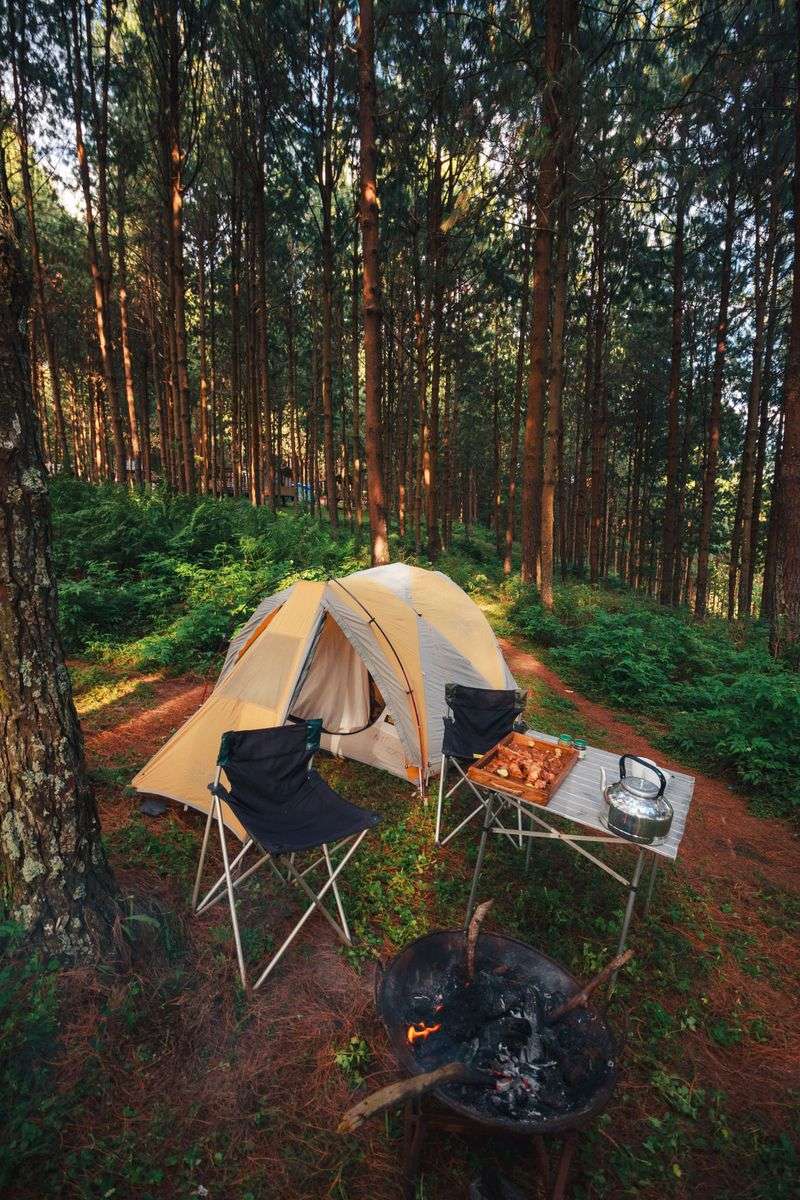
Backcountry camping asks for a little geometry. Set your kitchen, your food storage, and your tent in a wide triangle.
A common recommendation places cooking and eating roughly 100 yards from where you sleep, with food hung or stored nearby.
Feed your dog at the kitchen site, not by the tent door.
Wash pots there too, and scatter strained water far from camp.
19. Every Park Writes Its Own Food Rules
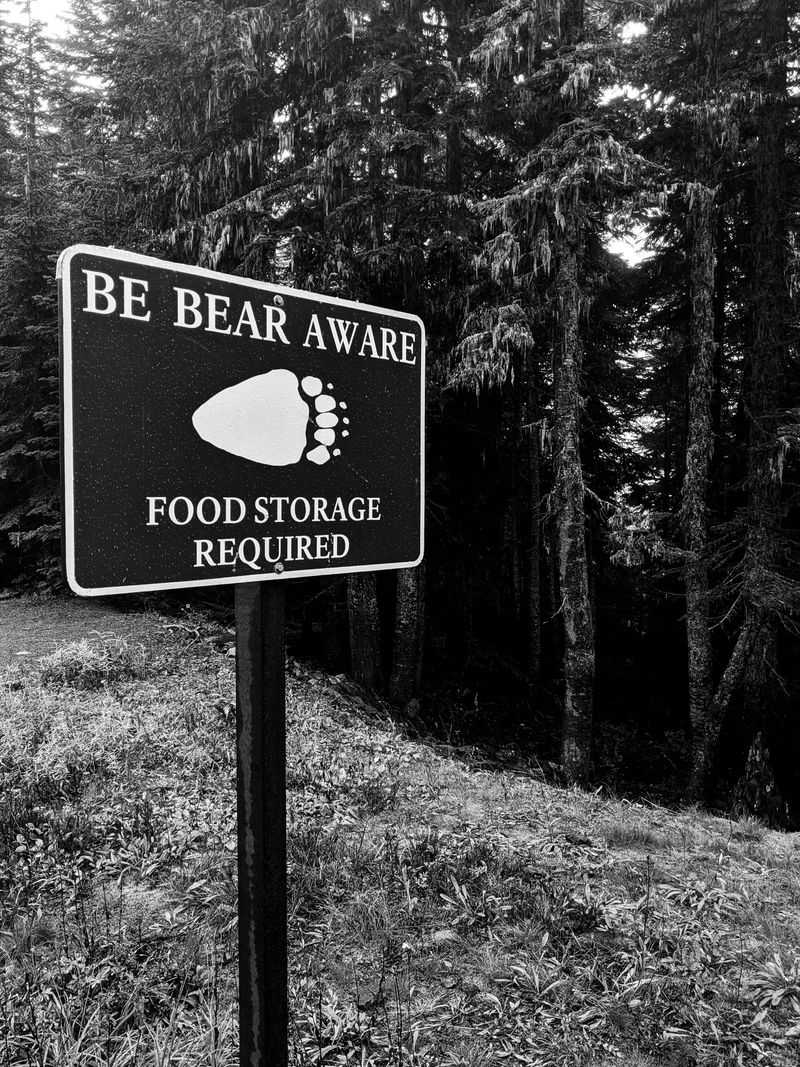
Requirements shift from place to place. Shenandoah National Park, George Washington and Jefferson National Forests, Virginia State Parks, and local campgrounds each set their own standards.
Some require approved bear-resistant canisters. Others accept hanging or locked vehicle storage.
Check the managing agency’s website before you pack, or ask at the ranger station on arrival.
Rules also change seasonally, so confirm rather than relying on last year’s memory.
20. Carry Out Every Crumb and Wrapper
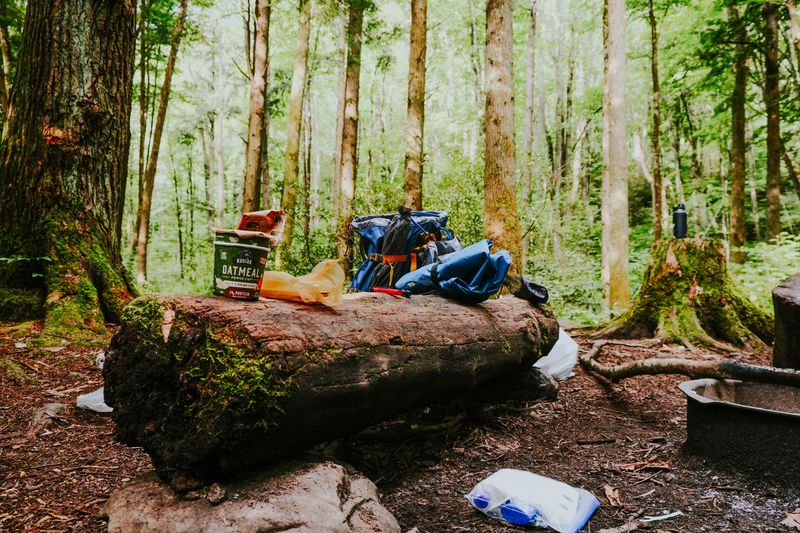
Small scraps teach big lessons. A bear that finds food where people gather starts returning, and that rarely ends well for the animal.
Virginia prohibits feeding bears, and leaving food behind can count as feeding them.
Sweep your site before leaving. Collect wrappers, kibble spills, apple cores, and used poop bags.
Leave the spot looking untouched, and the next visitors, plus the local wildlife, both benefit.